I MADE A HUGE MISTAKE (In the No Dig Market Garden)
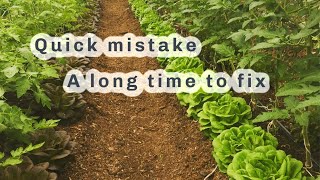
Richard Perkins made critical mistakes preparing his no-dig beds: compost and fertility were layered and raked wrong, leaving patchy soil across the garden. Carrots failed to germinate, beets and onions came up unevenly, and transplants struggled. He's culling poor beds, reseeding, and scaling up microgreens to recover.
Chapters
So sometimes things do not go quite as planned. And I made a critical mistake in the bed preparation this year, which is impacting the gardens in a time and economic way. So I want to talk about that a bit today. I'm feeling really heavy about it because it's quite a drastic error. And then there's been some management problems since, but there's also some things going really good and it's beautiful to have such green, lush pastures after last year's drought. So a few clips from around the farm in the last days and then we'll talk about the problem and why it occurred and what we might do about it. This was all moss when you were born and now it's full of this orchard grass. And I don't know, I was little then, was it not very much grass? Only a little bit. Only a little bit. Now there's a lot. So it's eight o' clock at the night and we have joined this fence to the cow fence and technically we're over grazing here because the cows have already been here a few days ago. But what I want to do is get them meeting each other and having enough space to run around. So the ram is still in here, but the cows just came up following us and they scared the sheep. But the sheep didn't jump over the fence, they ran past them. So that's a good first step. And you see they're bunched together. They are quite defensive and they like having that ram nearby. They definitely feel secure with him. But the aim is just getting them used to each other as soon as we can so we can start grazing them as one unit. Cows are mostly interested in new forage, which is here, so they probably won't stress them too much. So Ed has made bacon. We have taken seed flask, which is with the ribs, but taken the actual bone out. But very nice cuts. We've got good amount of meat fat, 2% by weight with salt, 1 1/2% by weight with sugar and mixed with black pepper. And we rub that into the skin. There's a video you can find about the this in full, but we are going to basically put this in the chiller now and then turn it every. Maybe in two days time we'll turn it and mix the order around, rub back the brine onto the meat and then do that every day for a week. Then we'll smoke it. It's going to be awesome. Breakfast. All right, storm is on in two minutes down there. Let's blow in the tunnel, slowing the yat roof Off. We've got hail spawns like marble. Okay, we got to check the yachts. The yacht covers come off. We gotta fix that. Yeah. Oh, golly. But TV is okay. Delivery. Gustavo's doing delivery. Yeah. How do you feel about with the shirt on and everything to look nice. Looking all tidy and clean. Where are you going, Jim? Arvika. There's a restaurant and two private customers. Okay, so a little drop off in Arvika. New delivery van. Storm has passed. 10 minutes of storm. We got water in the yurt. And now it's sunny again. So just a 10 minute thunderstorm. And it's a big day. Ragnar, we're getting the turkeys out. So the gobbly goes here. Yeah, we're going to take the turkeys out to the fields. Do you want to help me drive this out? Okay. Turkeys have been here only one day, but we think they're fine to go out. Thunderstorms pass. Ragnar's catching turkeys. Show us how it's done, Ragnar. I don't have to take one. You have to be fast. Can I take one? Okay. Gobbledygo. Good to go. Turkeys are coming out onto grass. That's the first time they've seen grass. Ragnar, don't chase them now. Let's just get them out and see what they want to do. Hello, turkeys. Gobbledygoli. Okay, so just a small batch. There's 32 turkeys, and it's the first time we've done turkeys on our land. This field is so wet, and it got plugged by the cows when it thawed while I was away in Germany in the spring. So I want this bit of land to have a lot of recovery. We've got boiler pans down the bottom, but we've decided to move the boiler chicks up to top field, where it's a lot drier after all the heavy rain we've been having. Interestingly, we've had the king's rifaria mushrooms come up, which, again, I wouldn't expect to happen until autumn. And so we decided that we won't bring eggmobiles in here. It's a very clay rich soil in the topsoil here, and it's characteristically always the wettest field. So we're keeping turkeys in here this year. Boilers will go in top field and subsequently nutfield, and hopefully they will be able to manage the grass in here whilst allowing it to recover well from the beading it had in the early spring. Paco is reinforcing boiler Dolly, can you explain in Swahili what you're doing? What have you done and why is it better? It is better because we supported it with an entirely new wheel, so drilling two holes into it to get it nice and stable. This is the old model wheel that we were using, but these things go flat within a few months and then they just perish. But we've always had it on one bolt like this, which obviously with weight on out, so these boys have made it bomb proof. We like it. And the main thing is that it fits perfectly under the. Because this isn't protruding out past the angle. This is what slides the boiler pen and lifts it off the ground. Obviously it's upside down right now, so it's not in the way. It's a beautiful thing. Simple things in life, eh? The boiler pens have moved up here, top of top field, which is ideal because the grass has been laid down by these girls and boys. And it's much drier up here. Silty soil. Bull is settling in nicely and the sheep are still extremely wary. So what we've basically had to do is keep them in a separate pen next to the calves and we just hope that over time they get familiar. It's not super ideal. Just look all these strawberries. These are some of the patchiest lanes. Some of the lanes a few down are looking beautiful, but they've got their ram nearby still. They haven't got any shade. We're working on the shade mobile presence in store. Storm damaged. A bit of a hot day today, but they don't drink much. Sheep are often taking all their water from the grass, but they've stayed in the pen today, which is good and hopefully they'll get familiar with the cows pretty soon. We're working on basically a whole strip of this field every day, so I think we've just resolved to move them like this for now and hope within a couple of weeks that we can start running them together. But we'll see it's getting used to it. And yeah, looking forward, it's a few days till the birds come out, but those boilers are getting big. They're really ready to come out and letting the tree lanes get a little bit bushy because whilst it looks a little bit jumbled in here, the gooseberries that are developing, these are hinomaki, really nice gooseberry. These will be somewhat protected from the birds and then they're weed protected at the base. So we can come in here and clean this out very easily. Make harvesting easy. So last broiler pen is Getting fixed up. And this is one of the beauties of these boltable pens that we've made, is you can whip a new piece in. Trouble is, we're using 45 by 28 mil timber, which is extremely light, yet takes the weight of a full grown person in the middle. But it's nice that you can basically bolt out a new piece, drill it up, whack it in. Good to go. And just staple this back down. So we'll get these up this afternoon and then birds come out in a few days. Go and have a look at the birds. So we have mesh doors open at the moment because it's. All the lights are off still, but it's really warm in here. Birds are going to be coming out very soon. They're growing well. They're doing well. Three more days and we'll get them out on fresh grounds. Okay, team project. Get tomfoolery on the water. That's a beautiful mast. So Dominique is a sailor and she's determined to get this all rigged up. Good night. Little turkeys. Crunching and finding the wrists. I expect they'll all be up on there. They seem to have settled in nice. It's always a straggler. Look at today's grass. Beautiful. Okay, so plan today is open the sheep out into a double net. Still give them access to the ram, but they are close. They have a little paddock here that gives them access to the cows. Cows have got a pretty good amount of forage that should do for the day. And just keep them a bit side by side. And we need to keep marching through this field. This grass is up. This is the area that was just moss when we came here. So it's pretty transformed. But it's a different species complex. It was basically moss and ladies mantle this one when we came here and that has changed rather a lot. Rest. So that's from a conservation point of view, it's the most common tool we have used. So holistic management course is on. And this is here from Norway. Potatoes with homemade pasta salad. Pasta raised lamb. Look at that. Beautiful. So things look pretty good in the tunnel. Tomatoes are first. Flowers appearing and they've been strung up and lots of good lettuce coming along. So we'll have a lot of lettuce ready for next week. We've cut out all of these greens. Now we'll get regrowth on them and some spring onions coming along. So things are looking pretty good in here. There's flea beetle and there's moths as well. So have to Keep a steady eye on things, cucumbers coming along here. So when we made these beds, I made a video. 10,000 wheelbarrows. We were moving 60 ton of compost around and we're using this wood based compost that is very low in nutrition and it's just full of organic matter which we wanted to put down because of the drought last year, knowing that we might be vulnerable to that. Then we put on, maybe we put on hundreds of litres of the woody compost and then maybe 200, 150, 200 liters of compost made with peat moss, boiler manure and cow manure. And that's obviously a lot more fertility. But the critical error we made was piling up wheelbarrows of the wooden material and then just shaking out the stronger compost on top and then raking the whole thing into beds. But that was the critical error. We should have put down the separate compost very evenly and raked them out and then added the other and raked it out. Because what's happened, as you can see on this bed of beets, is we have, you know, really small plants that are just suffering from lack of nutrition and then really nice plants coming along. And we're seeing this across a lot of beds and it's, it's gonna cause us problems. So why did that come about? Well, it was one of these tricky situations where trying to manage a team's bonding and formation and well being and basically we'd set a target on when we wanted to get the bed formation done by. Because there's obviously a bunch of other jobs around the farm not in the gardens. And some of us were not, you know, scheduled to be in the gardens. And so what I decided to do is set a deadline for when we make the beds. And to keep morale up in hot, heavy work days, I decided that it would save us approximately a day to just lump the beds together. Now, I thoroughly regret that decision now, but it was the decision made for what I felt would be of most benefit to the team to achieve this task. We'd been set that looked like an unachievable task at the beginning, but then steadily throughout the week we were getting closer, closer and closer and we got it done. But it's gonna pay off now for the rest of the season. There's another example of patchy beets. So we're getting quite a lot of beds with patchy growth. The worst of it is over here. You'll see it in the spring onions, for example. And so we have onions developing well and Then onions that haven't really grown since they were put in. Now, it's definitely going to impact us financially because this is the time when we're starting to get boxes out. We do have a lot of nice veg too. There's turnips developing, we've got multi sown hacker eyes and we've got lots of mescaline coming up and lots of salad developing. The tunnels looking good, but major problem with carrots. And carrots just have not been germinating well. This is the first year we've used pelleted carrots and they've been a nightmare. So we are basically making some hard calls now and scrapping a bunch of beds and putting in some new seedings because we've typically got thousands of carrots per bed. So that kicks us two months out of schedule. So it's a bit of a disaster on that level. I'm sure every grower has little, you know, beds that become disasters every year. But that's, that's been tough and a bit rough to not be able to put full attention onto things. One thing that's also been contributing to some problem is just not having regular enough monitoring in the garden. Now, having interns here and being so focused with getting people orientated and into educational roles with some responsibility takes a massive amount of focus. And we haven't had interns here last season. So it's, you know, it's been a massive and quite overwhelming beginning of this season for me in that way. But it has meant that the garden team have been in at the deep end and without so much constant feedback and monitoring from myself. And that's, that's got its drawbacks too. And I think the monitoring of the crops, you know, everything's under row cover. It's really the job of a market gardener to get out early in the morning, morning, go look around every single bed and really anticipate problems coming and responding to them as quickly as possible. Now everyone's working hard and it's, you know, things happen and that's, that's the way it is and we're all learning from that. So that's, that's beneficial. But it's, it's so important. The lesson to take from it for the viewers is, you know, this is the priority of a market gardener is to go around observing all the time for, looking for pests, looking for plants, bolting, looking at, watering. Something that's been really critical with the young paper pot transplants as well as direct seedings is they must be kept so Carefully, they must be moist all the time. And I think partly the germination of carrots has just been letting them dry out at times. And it's, you know, that's something that I need to monitor is happening so that someone else is monitoring that at times. So that's. That's something, you know, to improve on. And it's something that I need to really be meticulous in managing, even if it's me managing someone else who's doing that. So lots of things to learn in this process, and that's why we're all here, I guess. We have some nice beds coming up too, of carrots, but much less than we would have normally. So we're a little bit behind because of the cold snap that we suffered just after we started transplanting stuff out. We didn't lose crops. I think we lost one bed of beans in the frost that we had. Everything else was doing fine, but it's. We're a little bit behind other years. If I look back at photos and videos from last year, for example, we're, you know, way behind with things like broccoli coming up here normally would be quite big plants by now. So that's been. One thing with the paper pot transplant is you're putting out such young plants. They're very vulnerable. And it's been working great in subsequent plantings. There's some nice beans gone in here, but as I said in a video previously, I think something I would always do is the earliest crops in the year, put them out, as in our old trays in the 64s and 144s, where you've got a much bigger cell and you can get a much bigger transplant. That's resilient, certainly at the start and end of the year. So paper pots got to be used in the middle of the season here. I think it's. It's too risky with the weather early in the year. So, you know, that's part of the risk we took by putting everything over to paper pot. It's a little bit of a shame, but that's the way it goes also, and we'll survive. It's just a bit disappointing and a little dis. Motivating. Demotivating when you, you know, you can working hard and then things don't go as well as they should. And it's the first year we've had these major errors in production in the gardens we've been having, you know, such beautiful gardens. But, yeah, that patchiness is. It's going to cost us something We've got more chard. It's a little bit patchy here, and beds of lettuces coming on that they're looking. They're looking okay, but a little bit behind where we expect to be at this time. Let's have a look in this caterpillar tunnel. So we've got here, for example, a bed of onions that's a lot more regular, but some patchiness again in these beds. Some lettuce and pak choi coming on, which is doing okay, considering, like, flea beetle has been a major issue this year. But we got some nice beans. Because of the wet weather, we're seeing a lot more slugs and snails. But we had some really nice mitsunas and salad mixes leaving the farm. And soon we'll be putting out spring onions. We've got some nice kale developing under here. Let's have a little look under there. We're quite low on kale, which is a pretty staple crop for us, and that's partly because of we've even had flea beetle problems with the kale, which we never normally have. Some of the squash in the tunnel is a little bit behind. This is probably half the size the plants were this time last year. And that's partly from the cold snap. There's not a lot we could do about that. That's just the way it goes. Some broccoli mixed with lettuces there. So a bit of a slow start and things will pick up, but it requires a little bit of different management now. So what are we going to do about it? Well, you know, one thing we've been doing is going through and just culling beds that are not performing as they should do. And for example, we've got pretty scrappy beds of fennel. And most of the carrot beds are just really under seeded. And that's partly with this pelleted seed. We've always had fantastic carrots, so there's going to be some serious culling that puts us back in our schedule, but there's always going to be some decent veg that we can pull out to make the week's subscriptions. And because we're not selling vegetable boxes, we're selling at rico, which is more of a market style. It gives us the flexibility to, you know, compile boxes of what we actually have. So there's less pressure in that way. But it's certainly going to wipe out, you know, a decent percentage of the revenue from the garden this year, which is, you know, there's nothing we can do about that at this point in this cold, short climate, it's them first boxes in the year that really, you know, the start you get in the season really sets up the entire season. So it's, it's a big blow and trying to keep, you know, feeling light about it because there's plenty of other things going on at the farm that we need to deal with too. But it's. Yeah, I thought it's a valuable thing to share because it's not always that things go perfectly and we've been really blessed by the people that we've had here and how well it has always gone. But sometimes that's not the case. Let's go and have a look at some other crops. So this is some multi sown hakari. You can see we put in several in each cell. There's still a little time to go with them, but that's a really nice crop that we love to have. So these beds are all multi sown Hakawai turnip you can just see popping up in threes and fours. Lots more radish on its way. And we've got some radish ready to go. Then we've got some of the outside squashes, some fennel, lots of lettuce, chard and a lot of peas. We're gonna have to apply a range of strategies to, you know, pull it back into speed. But I think it's really important to, to share some of the things that don't go right. Even though it's a little heartbreaking, it's, you know, it's the reality. If farming always went right, then I guess many more people would be doing it. It's the challenging thing, but first time we've had major challenges in the garden, but we must keep our heads up and keep responding. That's all we need to do to keep steering things back on track. And it might be that we scale up on micros and things like that to help alleviate some of the pressure. But I think, you know, we're maybe 10 days to two weeks behind on some of the crops and things like carrots that have been a bit drastic will be a couple of months behind on, which is, you know, that's a big shame, but that's the way it goes. But very happy to have all this beautiful lush green growth and a lot of rain. So we've been just really enjoying seeing the pasture popping up and the cows are happy with their bull. Skansen and the sheep are getting more relaxed every day. Well, looking forward to more longer sunny days. We've been getting some nice sun again. The temperatures have gone up to more stable temperatures now, but lots of rain interspersed and some pretty crazy thunderstorms. Just noticing the fungi down here. Something that's really common with no dig beds is you get this proliferation of sun fungi that you might not see in your till beds. We've got to keep our heads up now and keep focused. There's lots we can do to help remedy this situation. Whenever we're turning beds over, obviously we can, you know, better evenly distribute things like pellet chicken manure will help just to even out the fertility. We're going to have bioferts, compost teas, things that we can put on as liquid nutrients to help the situation. And that's all we can do is keep responding. And so we'll be making videos throughout the season, so we'll see what happens in the end, because there's so much that we can be thankful and grateful for. We've got beautiful crops in here and we've got many beautiful crops outside. Just some of them are not up to our typical standards. So it's, you know, it's a little disappointing. But that's life. That's farming, you know, but so much life happening on the farm now. We've got a beautiful team here with interns from all over the globe, from Canada to Europe. And it's just, yeah, I'm really enjoying having a lot of people and birds back on the ground and ecosystems pumping and thriving. It's really amazing to see the grassland and the insect life really in prosperous health after last year and just seeing how the neighbor's land recovers and how ours is functioning. We've really been affirmed again just how much resilience we're building into our land through careful planning and high animal impact and intensity. Okay, folks, that's it for today. Just having a bit of downtime and getting on with odd jobs that have been piling up as the interns and guests are on holistic management training with Anders. And looking forward to just catching up a few things before we jump into soil preparation weeks and get our trial beds started. And we'll be updating and detailing what we're doing with those. But hope you found that interesting. Just to, you know, reflect and share some of the things that are not going well, which are often much more important than sharing the things that go well, even if they're a little heartbreaking and feel a little timid putting them out. But that's, you know, it's valuable stuff and, you know, most things go exceptionally well here and we've been blessed by that, but sometimes little things happen that don't go to plan, and this feels like one of the biggest errors I've made in judgment, and so I thought it's really valuable to share that. So thanks so much for watching our channel, folks. Don't forget to click, subscribe and like the video if you benefit from it. And you can find out more in the links below. See you in the next video.
More from Richard


A review of short and intensive season on a mixed farm and restaurant/event space in Sweden






Alskade Kyckling Exploring complexities of poultry production in Sweden and what we stand for


