MANAGING OUR NURSERY and other jobs on the farm
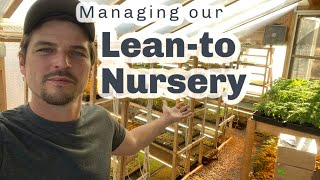
This is a first-person walkthrough by Richard Perkins of routine jobs and nursery management on his mixed farm. He opens with a roof/chimney repair and then tours the market-garden area and lean-to greenhouse, describing seed-starting practices (paper pots, tray sizes, rack lighting, seeder settings), tunnel/caterpillar timing, compost/pond infrastructure, and imminent transplanting. The video also includes everyday farm life details (chicken bedding reuse, cooking beef stew, preparing for new hens) and an outro announcing an upcoming "Farm Like a Hero" experience and links to his book and online training.
Chapters
What's up, YouTube? Welcome back to another episode. I'm up on my roof. Got a chimney to fix up. And just general jobs around the farm today. Okay, today we're going up on the roof because storm winds have totally trashed our chimney. So I'm measuring this up. Got to get this plate fixed. Nice view on this sunny day. First crops out. You can see Kales, etc. Down there in the south beds. Carrot zone. So the view has changed quite dramatically since we moved here. This was all just lawn for 50 years. And down the bottom, this strip was part of the wheat. They were doing horse drawn wheat. First things we did is put up a little homestead garden. Because we never originally planned to have a market garden here. We put up these yurts which will go up soon. And then over the years it's been incremental. We had the paddy ponds and we extended this pond last year. Last year we put up this chiller at the end of the wash and pack station, which is here. And you can see our new compost bay here at the foot of the garden. But quite a different view over the years. What have we made, Ragnar? We have chocolate chickies and other cookies. Chocolate chip cookies and other cookies. Yes, signs of Mr. Pull, who put his little footmarks here forever outside the barn door. Okay. Up in the oak tree where Mr. P used to sleep. Couple of round turn, two half hitches. Three half hitches. We are making a swing for Ragnar. What do you think, Ragnar? Big enough? This is the old rope we used to for cleaning the polytunnel. But no snow for the rest of the year. So we thought we'll have a swing. Hello, hello, hello. Windy days. You can see we haven't put up the caterpillars yet. But Akos has done a great job putting on the irrigation and we're ready to put on the covers. So we just go along exposing all the carabiners at the bottom of the feet. Ready for that day. As you can tell, it's quite windy out here. I know some people have had troubles with their caterpillars in the storms this. And that's why we don't put ours up too early. We get heavy storms, wind storms at this time of year. And these tunnels are pretty strong, especially the ones that we've supplied with these end frames and rigid bars in the middle. They can take a bit of a bashing, but we like to keep ours down in the spring. A quick update. I've had a lot of emails from people wanting tunnels for this season. But the manufacturers have a massive backlog, I think due to the virus and things that are going on the uk. So they will be live on our website if we are selling them and please check on there if you're interested in them. But we'll hopefully get these up in the next week. Crops in here in the Old north are little lettuces, red lettuce, beautiful. So I want to talk and focus a little bit about the lean to greenhouse where we start all the starts and we can take a look at some of the plants that are hardening off now in the small tunnel. And we're about to transplant a bunch of stuff in the next couple of weeks. Let's have a look around in here. So we have our seeding set up here and then sheets of information. This hose is just watering. We use the house well to water the small tunnel. But you can see here we have our paper pot chain and spacing information. This is the garden calendar on excerpt from it. That tells you day by day what to do seed, what to harden off, what to transplant and then how many plants per bed for different crops that we seed in either 64 or one for four trays and then direct seeding and we use our six row seeder. Basically we're using one setting for the seeder which is allowing us to basically not mess around with the six row seeder. We either do alternate hoppers for six rows on a bed or for other crops, 12 rows on a bed. And this just tells you how many grams of seed to put in there. And so this basically is enough information to run the market garden. So looking around, it's getting pretty full. We've moved a lot of stuff out. Tomatoes have got tied up on little stakes now because they're getting quite rambunctious. We've got half of them down under here. So the biggest change, as you can see, we've taken every alternate plant out to give them more space now. And so they're effectively taking double the space with half of them under here. But a lot of difference between the varieties. Black Russian, quite low variety, but Sun Gold, Shirley, These are quite vigorous ones. This one here is Ildi, which is growing up very nicely. And then here we've got Moneymaker, which is looking quite small at the end, but they all look healthy and good. Different things coming up in paper pots over here. These are all parsleys for outdoor beds. We've got our cucumbers right up here. They're due to be transplanted on into the same sort of pots. These we often put cucumbers in much bigger pots, but it's just a space issue at this time of year. Right now when seeds have just been sown, we can stack them up together and you can see there's the first beans coming out. We're doing beans and peas as well as some of the herbs in the paper pot. We're going to test the curly paper pot transplanter as well as the Japanese one. More spinach there first. Beets have been seeded now and we've got some beautiful turnip crops. We're multi sowing four turnips to a cell and we do that for Hakari. We're still growing purple top, but for me I think Hakari is such an exceptional turnip compared to all the rest that I'm not even that impressed with purple top. It can be delicious, especially as they grow bigger and later in the season. But I really love the multi sown four to a cell paper pot transplanted hakaris. I think they do fantastic. Sow them densely like this. You will find that they elongate, they become sort of oblong shaped rather than round balls. But you can pick up four at a time, band them, send them off and that's working really well here. There's more kales lettuces coming on and these guys, Fabian and Selma have been doing a fantastic job keeping the temperature in here stable. You can see it's 16 degrees right now. We like to keep it no more than 18. It does get hot in here in the summer, but they've been doing a great job regulating the temperature. First broccolis are here and pak choys up on the top here. We're using all the space because we're just limited. You can see the first shards coming up and then we've got some squash for the old trial beds. And so they will be just storage crops for us essentially. So things are looking great in here. We've changed our watering in here we just have a long flexible wand. It's just a domestic quality thing, not a commercial one with a flexible hose that helps get around corners better and that seems to be working really well. And typically in here we'll just water once a day in the evening and turn all the lights down. We tend to keep the lights on 12 to 14 hours. This year we're trying to just keep in the routine up at 6:30 in the morning when morning chores start and that's when the lights go on. Depending on whether it's a sunny day. The doors are opened, we have mesh screens that you can just see here. That's to stop the cats and dogs, etc, coming in. Cats love getting in and digging around, etc. And we'll turn the lights off at dinner time. Now, it might be beneficial to have them on till 8 o', clock, but we're happy with turning them off at 6 to keep the day in a regular structure. In the beginning when we had this set up, we used three lights above every rack. Now, all of our trays originally were 40 x 40 cm. These are the 60. And then, let's see. Here you can see a 1, 4, 4. So that's for things like beets or spinach, etc. Tend to put most things in 64s because they can stay longer. So we built the racks to tessellate with 40x40 centimeter trays. In the old days, we actually did leeks and onions in these 60 by 40 trays. And then we did microgreens in meter by 40 centimeter trays. So everything would maximize the use of these shelves. As we expanded this space, we actually took lights off each row and went down to two lights per row. And as you can see, that really adequately covers each tray. So that's worked well for us. We have not gone to LEDs. I often get questions about that, but we're very happy with fluorescence. Now. Stuff in Sweden is very expensive and at the time that we got all this gear, these lights were by far the cheapest way we could do it. I'm still not convinced about LEDs for seedlings. I think these are a better source of light. And we got these for like €4 a piece. Now we actually had. They ran out at the store and we phoned the manager and they were actually having a national meeting of this store. And he got all his managers around the country to bring the remaining stocks because they've stopped selling them now. So we just bought all of them. And that works really well for us. They're just turned on here and we're turning the whole rack on at once. Now, typically for most crops, you want to keep the lights about that far off the top of the plants. Now you can see some of these are too high, too low. They've just been moving a load of stuff around. And so the ones that are sitting up too high would have had crops that have now just gone out to the tunnel. And a little job tomorrow will just be lowering the lights back down to the correct spacements. That's important. You don't want leggy transplants and so it's good to really monitor the lights and that's part of the morning routine when you're turning on the space. So things are looking great in here. We haven't seen any pests or diseases come about. This time last year we were putting in a lot of early crops in the garden and we were having big problems with flea beetle. Now it's still too early to say, we're a little bit ahead of schedule at the moment, but we even had flea beetle here in the lean to. I don't know where they came from, but we had them. You can see peas here air pruning themselves, which is fantastic. Now we just planted out the first peas and they've grown pretty big and we did them by hand because we're just doing one row down the middle of a 10 meter bed and it's still way quicker using the paper chains. I'm happy doing that because you can just wriggle them apart. It's not damaging the roots or damaging the plants and they pick up really quickly anyway. So we never use the paper pot transplanter for those just because it doesn't feel very beneficial with a single row. It's just as quick to do it by hand at that point. So we'll be transplanting a lot in the coming week or two and I'll make some videos of that when that process is underway. So flower beds are cleared. These guys have been covering the asparagus with old bedding. So this is actually bedding from the chickens from two years ago. And you can see this is when we were on peat moss and it's really broken down into lovely stuff. If I smell, smells like forest floor. So this is what we do with the bedding from the chickens is windrow it and then we'll leave it for a season. And then this is perfect for going straight back on the gardens. So they actually pruned all the ferns that were left from last season and they've covered it up and hopefully we might even get some asparagus this year. Although it might be worth leaving them to build up their reserves and taking an actual crop next year. We'll see how that goes. So here in the south, first crops are coming in here I believe is spinach tucked away under here. Very nice. And the peas, I should show you the peas because we've just put them out. They're getting too rambunctious to actually keep them in. So they've just been put in here underneath the row cover and we'll actually come and stake them later. Now it says no frost for a while. You can see more down under here. Hopefully maybe you won't make that up. Few beds of peas right here. But we'll come along and put the stakes and nets up and then just fold them onto the nets and tie them in and that works fine. We did that last year. Can see through a hole here. Happy little peas. Their growth will obviously slow down a bunch now. So exciting times. Gonna get this tunnel up with its water. Just got to fix up. We're losing a few nozzles here, but this garden will be transformed very quickly now. Okay, some watering going on. It's really wet in this tunnel. You can see all the transplants are doing well. Let's just have a look at this onion tray underneath. Wow, look at that. It's just getting a bit root bound where it's actually sitting on the wood. But that's not going to be a problem. But air pruning, that's the key. First little crops that I sowed in a previous video when I was testing the tilthus. Coming up here, we've got the mescaline just emerging and first radishes popping up. You see the amount of moss on the ground here and now we're seeing flea beetle arrive. So it's getting to that time where we've really got to watch out for the plants that are hardening off in here. Along here. The best thing about mixed farming, just eating beef stew with red wine, leeks from storage, potatoes from storage. Lots of beef in there. I'm using entrico for it because, well, why not? I'm going to make dumplings, but the dumplings to go on top. One of my favorite dishes. Having a whole human diet on the farm is exceptional. We eat like kings and queens. As I've said before, that is why we love mixed fire. You can't just live on vegetables alone, can you? Okay, hens coming, you guys. When are the hens coming? 20, 23 the hens coming. So just getting these all ready. We think we're getting all the hens because they had a break in. President's been fixing up the nest boxes. So these have come out of the tunnel where they've been all winter, which has transformed now. And these are all good to go. Excited. You know what? I nearly forgot to put carrots. These are out the old veg chiller. They've been sitting there all winter. I nearly forgot to put carrots in a beef stew. That's unforgivable. So I'm going to get these in and then we'll get on the dumplings. That is awesome. We've got to get dumplings on. We've only got half natural dinner. Traditionally I was taught by gypsy people how to make dumplings with suet, but it's not really that easy to find suet. So butter will do. Butter is good enough for me. It's just flour and some baking powder, butter and salt, bit of water to make it a dough and then we'll pop it in on top. Now of course, if you're making beef stew, it's important to use red wine and it would be rude not to test that the wine is still good. So cheers. Here's to everyone's good health and continued good fortune. Alright, lovely people, that's all we got time for today. Thanks so much for watching as always and don't forget to click subscribe and the notifications Bell if you want to keep up to date with releases, we're going to be launching our Farm Like a Hero Experience in two or three weeks from now and I've got the first interviews digitally lined up and hope to bring you a lot of amazing content for the rest of the summer on our subscription site. So more details to come of that soon. You can find out a huge amount in our book Regenerative Agriculture and in our online training. That's in the details below in the links. See you in a video soon. Bye for now.
More from Richard


A review of short and intensive season on a mixed farm and restaurant/event space in Sweden






Alskade Kyckling Exploring complexities of poultry production in Sweden and what we stand for


