NO DIG MARKET GARDEN and farm update S4 ● E57
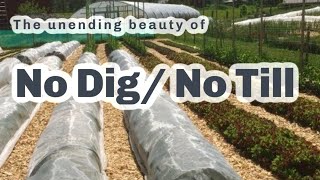
Richard Perkins provides a farm update and training report (video). He describes on-site training with multiple batches of participants, daily farm management, animal movements and timelines, market-garden production (no-dig methods), perennial and tree crop planting, infrastructure improvements (silos, tunnels), and planned processing of broilers. The update includes operational details (grazing moves, bird ages/weights, planting choices), plans to increase transplant production using caterpillar tunnels, and some specific figures for costs and production targets.
Questions this video answers
Day 7
Day 30
Day 51
Sunday, Monday, Tuesday (upcoming processing period)
About 2 kilos (averaging around 2 kg)
Chapters
Quick update from super busy days here at the farm. We're halfway through our training and it's going really fast. It's been an amazing course so far and I haven't made videos for a while because we're just super busy. Most of the people on this training have a farm or project that they're going off to and some of the interns will be carrying on that design and really getting down to very detailed bills of quantities and business plans. But really it's an exercise in this training to develop an overview of all the different strategies and tools and techniques available to us for regeneration of all systems around the world, and then a practice in how to go about designing any unique landscape and working together in that process so they can go off and do that with more time in detail for themselves. Amazing group. We've been having a fantastic time and we had a nice celebration dinner down at the lake last night and really beautiful weather today and tomorrow and onwards. It looks a bit rainy, but the team here is awesome and they've all been really getting into taking care of each other and the spaces, as well as looking after, you know, the animals and the chores around the farm. Getting really into that. And yeah, it'll be. We'll hear more from participants near the end of the training. But I think people have been having an amazing time. I've been having an amazing time. It's always very tiresome, you know, with a lot of people running around to manage and managing the back end. We've been reshuffling with the core team a bit and dealing with some of the personal things that come up for people when they're. Space and context changes with all these people coming, but all going amazingly well. I'm super happy with the group we have here. Day seven for batch three and everything's doing fine in here. Much easier to keep jumpsuit this time of year when it's nice weather outside. Had a couple of really nice sunny days and a bunch of rainy days to come now, which makes it quite noisy in the teaching year because it amplifies the sound of rain, which will make communications interesting. Batch three, doing really good in here. Day 30 for batch two. Much more favorable conditions for these guys coming out in the nice weather. They're doing really fine. So it's day 51 for the birds in the field. We're actually going to process these birds on the Sunday, Monday, Tuesday. I'm thinking in bigger batches. It's much nicer to have three longer days than four shorter days because the Wash down is a big part of the procedure. You see, they put on a lot of growth in this last period. Some of these birds are already above slaughter weight. But they're, you know, averaging out about two kilos, I would guess. And they're enjoying the fresh breeze, I think, just letting a new amount of air flow through the pens. Cows and sheep are halfway down top field now. And they're jumping forward. They had three moves of two nets at the moment. And they might be out a couple of days earlier than planned. Which means we have to address our grazing plan. Anytime you change the number of days in any paddock, as it were, you affect the recovery of other days. But it's dependent on the broilers. Obviously. If we're passing through areas where they've been and there's not much forage, then we have to move on and therefore move faster than plan. But amazing the grass growth in here. There's a lovely young walnut here in the plastic lines that we put in with a key line rib. And tucking the plastic into coulter rips on the side. We're coming in here, clean up the weeds poking out. And we'll put in two rows of strawberry with all the strawberry we have. Should have the sheep shearer here this weekend. And you see they're utilizing their shade mobile on a sunny day. Clouds. Sun's just gone behind the clouds now. But it's hot today even though the wind's picking up. But beautiful growth here. They're just working their way through the bottom of top. But you can see there's my foot. Growth has been explosive now. And There's a good 50cm here. That's nice amount of quite rich forage. So the silos got raised by timber machine and I think it went well. Nearly dropped one it sounded like. But they've been bolted down with big expander bolts. And they're all cleaned up in. And a team have put together these roofs to protect the top. We're going to give them a lick of paint. And we're just fixing now the filler pipe. And we're getting a bulk delivery on Friday. So that's going to radically change the operation of how we do feeding and the basic morning maneuvers. Beautiful cold, hardy kiwi here. That's really taken off. We planted up some more apple, pear, plum, cherry and blackcurrants just to finish this last tree lane. This is up the top of front field near the sauna and sheep barn. We'd always left this open because we had planned a natural swimming pool from the Beginning, but it's quite a big investment, cost about €10,000 and it's not a high priority. And we just decided we're probably never going to do that. We built a big pond down here and we have the wonderful lake nearby. It's just not really worth the investment. It was going to be a 25 meter long swimming pond so people could come straight out the sauna and jump in there. And mainly for quality of life, but it's just not necessary. And it's a big capital investment for something that is not needed fully. So we decided to fill in the tree lane this year, which is nice and some nice trees in there and more berry bushes. And we've been doing a load of cuttings of blackcurrant to replace failed raspberry crops. And this was raspberry that just, you know, it was dead on arrival in a sense because we were planting into wet clay. We worked on the first week we were at the farm, we worked down from top to bottom of top field and then up front field and it was just too wet. And we thought, well, they've started growing and they're going to die if we don't put them in and they're going to die if we do, but we may as well put them in. But it's been nice weather for the campers. Everyone's sleeping okay and eating amazing food. Very happy with the food and the course has been going great. They're into their design time now. Here's mother Rabbit in the Mark 1 prototype rabbit mobile, utilizing the old mini tunnels that don't fit the sort of bed and cropping structure we do now. She's pregnant and will have bunnies soon, but there's also some more rabbits coming soon, hopefully, so. So that's the beginning of the adventure with pastured rabbits for us, which I'll update you more about when we know. Some of the grapevines we potted up sprouting now, but they suffered in the post again. You can see some are putting on new shoots, but there's trouble with relying on plants through the post really. But we'll be plotting these out with the interns. That's why we waited and put them into pots and clean up the vineyards, spot mulch it and get these out onto their new alders. We're growing alder as a nitrogen fixer but living trellis to grow these up. And I'm hoping that we get the full vineyard planted up this year. First lilies are coming up on the pond. We have the red lily Here with white flowers, lots of green lilies coming up. And the trout have been feeding. I've been watching them hunting in the evenings. Need to get in here and tidy up the vineyard. New growth is emerging now. The vines have put on about 30cm of growth in the last couple of weeks. We need to just get in here and do a little spot weeding and mulching and just trim the grass down. Probably bring the rams in here to do. We've been studying a lot to do with perennial systems, tree and berry and other perennial crop systems, as well as water management, keyline design. We've been talking all day today about market gardening and looking at the best market garden planning and tools and approaches combined with the best soil care techniques, which in my mind is no dig. And a lot of the projects that people are developing now include market gardening. So I'm really excited to see some of their projects. It's going to be very real, very doable work, which is always a sign to me that things are going well with the transmission that we're aiming for in this training. A lot of mess clean up now and trials have begun with the biofet. I'm going to do a comprehensive overview of that as things progress and give you recipes and results as they go. Guns are looking fantastic now. This is. South. Beds are really pumping. They always kick off a bit earlier, mainly due to the extra sun. We've also worked the soil here more that there's probably some benefits there too. Spinners is going a little bit over and it looks like we'll be changing that in our seeding plan because that's the second year in a row. It's just a little bit over, but really nice salad mixes and everything's looking beautiful around here. Now. First, beans are coming in. French beans. We only grow French beans mainly. Garlic's going up really nicely. Let's go and have a look in the tunnel first. Cucumbers are in there and tomatoes doing really well. Some of these tomatoes are just so robust, they don't need any stringing up. Actually, it's very strong plants. Bit behind with our tomatoes this year, but it's, you know, it's all good and got some in the cropping with basils and lettuces and some fennels. There's dill so here. And this bed is going to turn into cucumbers soon. Nice to have cucumbers on the south because they're so thin. Foliage still lets the light through, but we wanted to get the tomatoes in the ground and keep These beds for salad for the hungry people we have here. Got some flowers and herbs along the edges here too. Starting to really fill up in here. We did another layer of wood chips everywhere just to bring up the chips to the bed. Looks super neat and beautiful here. Something we really value having really neat organized spaces and just attractive place to work in, as well as less weeds and less problems. There's really minimal weeding this year. There's obviously annuals that come in on top of the compost, but compared to a cultivated production, it's just easeful to manage and looks incredibly beautiful. As you see in the aerial footage here. Cows are coming up super nice. We've got red and green kales of different types, as well as kohlrabis and broccolis and spinach. Doing nice. We've been talking a lot today in class about market gardening and really combining the best planning tools and techniques with the best tools and best soil care approach, which in my mind is no dig leaving roots in the ground and just applying compost to the surface. And we talked today about how we can improve production per square meter and we're already very productive per square meter. We've been talking with some farms that are vegetable producers in the area and we're growing 40 times more produce per given area. But something we would like to do is grow on transplants a for flea beetle and things like that. If you're growing on bigger transplants, less pest problems, but also to get more cycles of crops per season. It's something we're doing this year with the mescaline trials and the romaine lettuce we're growing for the big spa and restaurants close by means we get up to five cycles in a season, as opposed to two or three in most of the beds here. But by putting in transplants, we can maybe get four or five rotations in all beds. And that's going to be great for us because it'll drive production from about €40 per square meter up to potentially 60 or so, which is very interesting. Next step for us to see how far we can go with this intensive production. But we need more space, heated space. So we're thinking of importing some of the caterpillar tunnels that are becoming popular in the US now, and maybe wholesaling a whole load of them for other people here. There's a bunch of people here that want to buy them too to reduce the transport cost because they're not available in Europe yet. And we're thinking that we will totally change our seeding calendar to be able to accommodate that, putting in things a month earlier or so, but not needing a major heated space, being able to time it so we can have transplants going on in a much bigger space in the Caterpillar tunnel. They're usually 30 meters and cover four of these beds in this setup. So we can cover 36 beds for the cost of a tunnel like this and we can move it each year. So it's a great investment idea and could lead to us really dramatically increasing what's already a very productive yield per square meter in our very short growing season. So a quick update. My days are super full with all these people here and I'm busy late till night so can't really keep up to date with the videos. But thanks for watching and don't forget to click, subscribe, share the videos and you can find out more on our book Making Small Farms Work. Catch you next time. It.
More from Richard


A review of short and intensive season on a mixed farm and restaurant/event space in Sweden






Alskade Kyckling Exploring complexities of poultry production in Sweden and what we stand for


