PROCESSING BROILERS It's that day of the week again...
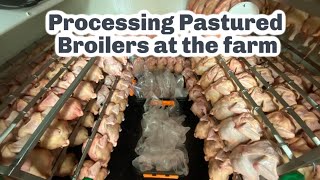
Richard Perkins walks through broiler processing day on his farm: selecting birds, scalding and plucking, and detailed cleaning of the kill station with foaming degreaser. The chiller holds about 330 birds, and the crew handles water changes and equipment reuse throughout the workflow.
Chapters
Welcome back to another episode, folks. It's that time of year again. We've got the second batch of birds coming through, but we're taking the first bigger birds today. And then after our farm scale permaculture course that starts at the weekend, we'll be taking the second half. So in the past years you'll have seen we've done batches of birds over three consecutive weeks to even out the weights. But this year, because I was going to be away on the tour, we fit it around the dates that I was coming home just for practicality. So we do get a bigger differentiation than the birds, but we find we enjoy the much bigger birds better for smoking. And then having a bigger range of birds is no big deal to us because we have customers that prefer quite different sizes of birds. So that's a bit about what's going on today. All right, slot today. Tomorrow. Chocolate chip cookies going in. It's good to have sugar supply on the job like that. Mama is making strawberry jam. Ooh la la. Sweet treats. Do you like sweet things, Ragman? Yes. Wow. Lots of jam and cookies. Eight minutes in the oven, then they'll stay chewy. Perfect. It's. What did he say? Let us know when 100 birds are in the slaughtery. Yeah, yeah, Yeah. That's not very loud, Sam. It. Now we don't want settle clean again. Okay, birds down. This is what it looks like, preliminary clean down. So we just basically get every fed up and bit of everything out of all the surfaces. Amazing looking birds, some really big birds. And we won't be taking the second lot now until after the pv, see. So there'll be some big birds. This is the scalder that's always kept clean and that's being filled up for packing tomorrow. And it's full now and it's a lot of little jobs like keeping this clean. A lot of dirt comes off the birds when you're scalding so many. We typically will empty this out and use hot water from here to refill this halfway through doing 250 odd birds. So a little less than we've done in the past in every slaughter. Maximum we can do in this chiller is about 330, which was the sort of target we were generally aiming for in past years. And yeah, you have to change out water halfway through to get good plucking. Plucking in. Scalding went super well today. The birds were coming out clean that we were going at full tilt. And Fabian on his own was running clean station and not Having to do anything. I actually found some fish tweezers that I brought back from Thailand. We've always used little tiny tweezers for pin feathers etc, but these are a lot better. But we just basically didn't have to use them today at all, which was fantastic. So everyone's out now and there's a big clean down of the kill station. So one team with the kill station is keeping the kill cones wet. If all blood dries on, then it takes a lot longer to clean. So that's scraped down with like a dome scraper. And then as soon as the birds are finished, this is already getting cleaned down before we've got the last birds through, obviously, and then we the tasks up. So my task is just obviously in the end of this and then I'll give this place a foam down, leave that for 15 minutes, come back and swipe the floors down. Someone's putting buckets and arranging the pickup for the guts. Someone's doing boots and aprons, soaping them down. And then they get a good wash out here. See the kill cones are done. Let them dry off before they go away. And then all the chicken crates are washed and then it's time for lunch and we're gonna have afternoon sauna. Take it easy this afternoon. So just put the foaming agent down and you typically leave this for 15 minutes just to do its work. It's degreasing and killing all bacteria and I've really enjoyed it. It's a strong industrial chemical, but it means that I can just be rest assured, like getting in under all these little nooks and crannies. Like when they come and test hygiene in the slaughtery, they're taking swabs like unknown and we go over everything with hot soapy water. But I feel really good knowing that I can just reach every little square inch. And so it's been really good. And we're using a tiny amount to be honest, for, you know, once every time we slaughter, we're buying like a 20 liter canister and it lasts us all year. So pretty economical. And good to know that everything is clean and sterile. And whenever they've tested it, it's been absolutely spotless in here, which is credit to the team and the amazing work that they do. Okay, clean down went well, had lunch, got a new roof on the sauna that we whipped together just to prolong the life of this structure. Every good slaughter day ends with a hot sauna. Whoo. You'll remember I made this for about 15, €1700 a few winters ago and still going strong. This is how we wash everyone that comes to the farm. A lot of amazing conversations have happened in this space. This is a wagon we swapped for three chickens, three of our meat chickens. And then I bought this stove. It was pretty cheap, €700 I think with a water boiler on there. And we had old vinyl lying around, so just made a floor that arches towards this central drain. Free timber from the local lumber yard where we've been picking up free timber for all our building projects. Just framed the windows that were here had some insulation lying around. So it was very low cost build. And I think there's an old video showing that process a few winters ago. Great for cleaning out all the chicken from your paws after slaughter day. So that's two things we've learned. Always bake cookies before slaughter. So we've got a little bit of treat and sugar in the middle of that long morning. And then also get the sauna fired up so we can take it easy for the afternoon after lunch. So we just had a nice lunch and the crew are coming. We're having easy time for the rest the of of the day. And I'm off the farm like a hero tour for a few weeks now. This is the time that I would have been back at the farm to do the slaughter now and then in the weeks. At the end of the week, we have international participants arriving for our farm scale regenerative agriculture, permaculture design training. And then Ragnar would have been off daycare for two weeks. Obviously he's been at home all summer, which has had its challenges but has also been amazing and we've really enjoyed having him at home and yeah, so I get some time to be on the farm. I should be able to bring you more regular updates. I'm busy. Whatever is going on, I'm always pretty busy. But I look forward to giving you some tours. We've been having a lot of rain now and it's more like August kind of weather. We had a few weeks of drought and now it's really come back. A lot of thunderstorms, overcast, quite quiet days, quite cold days and hopefully we get a second appearance of summer. But I look forward to showing you around a bit in the farm. Don't forget you can find out about our book Regenerative Agriculture in the links below, along with a Summer Live event, farmlikeahero.com where we're putting interviews with Europe's up and coming regenerative agriculture practitioners and Q&As weekly with myself. So it's a low cost membership site. Hope to see more of you in there over time. You can join anytime now up to the end of November, so we'll see some of you in there. And thanks so much for watching folks. See you in a video soon. Sam.
More from Richard


A review of short and intensive season on a mixed farm and restaurant/event space in Sweden






Alskade Kyckling Exploring complexities of poultry production in Sweden and what we stand for


