S5 ● E28 Holistic Planned Grazing, Egg Mobiles, Forest Pigs and more Vegetables
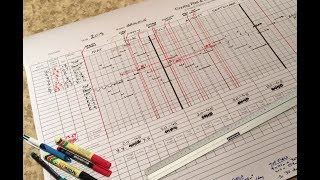
Richard Perkins walks through his farm's seasonal grazing plan: rotating cattle, layers, and broilers across 13 hectares with specific recovery periods and paddock widths, moving eggmobiles to match, cutting back forest pigs, and growing tomatoes, squashes, and brassicas in tunnels.
Questions this video answers
About 13 hectares (including neighbouring land).
Between 370 square metres and 450 square metres per EggMobile per day.
20 to 45 days (variable through the season).
Not until 12 May.
Chapters
So today we're making our grazing plan for holistic plan grazing throughout the season and planting more veg and having an organizational day. I'm up with Ragnar and we're going to check out a tree house. So we've been working on the grazing plan today, doing a bit of lesson about grass physiology and why we're grazing the way we do. The basic plan is based around the rotation of the cows this year, but we try and work out a pattern for. In the red line here we have our three main batches of broilers and then the layers are moving through. Now they're on a different cycle we like to follow with the layers three days behind the cows, wherever possible, to make use of the interactions there. But it's not always possible to do that because we're grazing about 13 hectares now, including the neighbours land. And so it's not possible to. The cows are moving really fast when the grass is growing fast. As grass production ramps up here, they're moving really quickly around all the paddocks. And we'll then leave the farm to stockpile at the end of the year and take it really slow as we go into November, December time. Something we need to do is work with set fencing for the eggmobiles and they're moving within tree lanes. So 10 meters in Nutfield is the width, 12 in front field, 9 meters in top field. That determines the area. You see the hens get between 370 square meters and 450 square meters per day per EggMobile, but we're moving two and then one the next day. And so you have to multiply that by one and a half to see how much land is being used each day. It gives you the rough time it takes to go through the paddocks. So at times they're interacting like the cows in a way are needed to keep the grass at a reasonable height that the egg mobiles function. And then we're also trying to keep the grass growing late into the year here. So it's been interesting. We've made a couple of changes to the plan because we had new fields that we're grazing from the neighbour and we've just been getting clear about that. As we start to divvy up more of the chores and tasks at the farm. We're working with recovery periods of 20 to 45 days because that's a general variance throughout the season and it gives us a flexible leeway. It tells us here how long, maximum minimum we can spend in any paddock. And then we plot the Grazing forwards and backwards according to how it will work out with the herbivores in sync with the layers and broilers. Now, obviously the broilers are not grazing in the same way as the layers do, and even though they're not taking as much material as a herbivore by any means, but they do impact the grass and the recovery time. They have a positive impact in the sense that they leave the ground. It looks quite battered when a boiler pan has been through, but it quickly peaks up in about 10 to 12 days and boom, off goes the grass again. But you need to factor that in according, you know, we might have 12 boiler pans on any of the field surfaces. That will definitely limit the area that the cows have to graze. So we take that into account too. We need to take into account things like if we're mating a bull this year, we're going to breed probably Hereford onto the Fjell Khu. We have the native heirloom Swedish landrace and so determines, you know, where we want the animals to be when we bring a bull, so we can observe it according to when we want the calves, etc. Like that. But nice to have the plan coming together now. And the cows are going to be off the grass. We're going to go straight into the neighbors, what we call K1, but not till the 12th of May. So they're in the riparian still and they're getting hay down there. And it's very wet this year, so we don't want to plug up their neighbour's field. This time last year we were feeding hay out on that field, but we decided to leave it a bit later this year. So this is the area we're grazing about 13 hectares now. This is what we call front field, and this is top field and nut field. This is the orchard we've just been putting in and the market garden. This is actually on the neighbor's land. And then through these beautiful. These are alder and birch riparians. These are the streams that come down through the farm here. And here we have the ponds there and there. But this is a very nice shaded pasture we call K1 and then K2. K3 is this little portion and K4 is this whole big field that goes right up past the neighbor's house there. So having to move quite fast to get around the farm this year. And that's the way it is. The more paddocks you have, the quicker you got to move to keep up with the rapid growth in the spring. So we're just Taking the tops of everything at this time when it's, you know, grass is just beginning to grow. And we don't want to take much off at all because we don't want to stunt the grass at the start of the year. But it's going to be really interesting. A lot less herbivores this year at the farm and similar amounts of hen. Well, more hens and less boilers. But we can't take the eggmobiles or boilers across to the neighbour's land. We're going to take the turkeys over. We always keep turkeys separate from the layers because of things like blackhead, but we're keeping the eggmobiles within these field surfaces. So it's going to be interesting to see how the cows interact back and forth in a way that's beneficial for our land, but also maximizes the use of the resource base there. But we'll be doing many updates throughout the season with how that goes. So the bulls recovered well from their little operation and they're back with the cows in the riparian and it's going to be another 12 days before we get them out on pasture on the plan. But they're all happily doing well. Hi. Clever, mate. So we've just been reviewing the annual financial plan and we're on target pretty much where we plan to be at this time, which is really nice to see. And just talking about some sales strategies as they're changing so much for us this year with Ricoh and the model that we're selling, got some micros on for soaking. We're scaling up micros this year. Just checking on the first squash that's coming up now and got good tomatoes going on. They're still doing fine. They're going to come out soon. And the tomatillos, they're growing in the root trainer. I'm just going to pull one up so you can see what the root development looks like. Beautiful root development. This is why I like planting trees in this kind of setup because it just really promotes healthy. You'll never get root bound in a container like this. I've had young trees growing in these for four or five years and they're still ready to pop when you plant them out. But it's a nice way to do it. In a way. I wish we'd done this with the tomatoes because we didn't have enough. So we've planted our tomatoes up in quite small containers and they're okay for now. They're not root bound yet, but they've got to stay in there. Probably 10, 14 more days before we get them out. It's still really cold at night and frosty, so we have to wait till the temperature increases There. Young broccolis. Looking forward to delicious broccolis. Baby celeries. We haven't been growing celery, but it's a nice one for ourselves. Lots of transplants hardening off tatsois, kales, broccolis, cabbages, and just been transplanting a lot of beds of cabbage for sauerkraut. That's a new thing for us. We're putting in a whole bunch of beds of Caitlin, a variety that we're growing specifically for sauerkraut to sell through the winter. Then next week, the rest of the spring, onions and leeks and onions will be in. Things are doing well in the tunnel. This is a replacement for Mottistone, which we really liked last year. This is flashy trout back. It's doing well. And we've got quite a bunch of lettuces coming on in here and spinach further down. So we're getting some degree of windy weather. But it's really not been any problem with these caterpillar tunnels. We haven't had severe winds yet, but we're not wading down the sides or anything like that. They really hold well with the strings, as you see, and as other things start to flap around, they're just solid. I like them a lot. How do you think the garlic's doing, Magna? It's doing good. But look, I wanted to show you all the. Caitlyn still have two more beds left. Young transplants just make out through the fleece there. As you can see from the aerial, everything's going under fleece now and it's just this incremental process where more and more gets put under cover. Yes, I'm going to carry you. We're going up the hill to search for some piglets. Make sure they're doing okay. Yep. You got to hold on. You got to keep your hands on the wheel, dude. Here they come. You want to see the screen? Look, they're eager, they're hungry. So the girls have been out a few days now and they're doing really good. They're exploring their full paddocks and at night time, we're putting the lights in. I explained in the previous video they're just all going back in on their own. It's amazing. It's a bit heavy on the ground right now because. So wet. I'm really happy with the way the birds have settled in and they're respecting the Fences got the energizers up. What do you think, Ragnar? Should we give them some food? Should we give the hens some food? There's more hens. They're hungry. They're waiting for us. More food, more food. I think they've gotten enough food. Should we go and see? You can see quite a difference on the aerials. Maybe the grass is, you know, when you're looking sideways across the grass, it looks a lot greener than it actually is. As we get over there, you see it's really just begun its growth. But important to keep them moving. It would be good to move them every day at this time. It's a lot more work and we get away with it because the hens are doing this scarification work. So it looks like they're roughing up the ground. But, you know, that's kind of what a harrow does when you pull a harrow over grassland in the spring. So it recovers soon enough, as you've seen every year so far. Ragnar's getting used to hens, aren't you? They're a little bit intense when there's so many of them, but you used to find them a little bit too overwhelming, but now you're getting used to them. Maybe you can help me egg collect this year. You want to help collect eggs? Help with eggs. Help with eggs. That's my little boy. There's going to be a thousand every day. The birds are doing well. I've been training them. You would have just missed that on the film. But if I make a loud noise, They all go hiding and they. I've been flying the drone over the top of them. You'll see from the drone footage they disappear pretty quickly. And I do that a few days in a row just to get them used to looking up. And you'll see from photos. I've said this in many videos in the past, you'll see on all aerial photos, you'll never see hens in the photo. And they can spot it. You know, 100 meters up and a few hundred meters away is a tiny speck. So it's good training in this predator friendly environment where we have a bunch of buzzards and hawks up in the trees here. I always get questions about do the hens forage from green materials, etc. And you see here, this is the line where the fence was. And you can see clearly they do. You can see that line. There's Reuben. Hey, Reuben. So we're thinking to get rid of the boar and the sows because we need to let this forest system rest. Now we've been having quite some problems, haven't we Ragnar? With the little pigs escaping. Because the electric was not strong enough for them. And it's a nuisance. Pigs are hard to catch. But we've just been. We've got them all in here and tagged their ears. Someone asked to see areas the pigs were last year. This is an area underneath the electric lines where they cut every year anyway that will become ours in a few years time. But it's quite mushy in here. But it looks pretty much like this. It becomes a seasonal water flow in the spring. Mainly because they've cut the trees above all over the hillside. So there's a lot of water runoff in the spring. Now we're in a paddock where the pigs were in. When were they here? Early summer last year. So this was totally dug over. And you see grasses and other fogs are coming back. It's still early in the season, bear in mind. But the probably will bring the females. We've got mostly young boars, but a few females that will bring up as feeder pigs. Now you can see it doesn't look like it did when the pigs were in here before. It looks very similar to outside of the fence also. So I expect as light is coming in through the front of the trees here. We'll get more grasses and forbs coming up. But this will be the last year we raise the pigs for feeders. And then we're going to have all this forest cut as I've said before and let it regenerate for a few years without pigs. This is one of my favorite bits of the land around here. Ragnar is particularly fascinated at throwing things in water right now. So this is a place I like to come. But it's super nice in here when the sun's coming in. A super little tranquil spot. Here we are. Still some work to do to get it operational as a little retreat office. But Ragnar wanted to come up here and have a look. So we're up here having a look. I got you, bunny. Wow. Still some work to do. We did some nice wallpaper, old vintage style wallpaper last year. But what a place to have a little desk. And in the early morning the light is coming across from the east there in the middle of the day. It's shining down this little avenue. Have a look out the window, Ragnar. Nice, no? Pretty cool. So that's it for today, folks. Just a little update from the beginning of the week. It's mostly an organizational week. You've still got snots and a cold, haven't you? But a bit of an organizational week. Starting to get the brooder ready. We've got birds coming on Sunday. I'm going to pick up nearly a thousand young day old chicks and then we've got boiler pens to get out and fix up and just generally sorting out day to day operations at the farm. Hope you enjoyed the video. Thanks for watching. Click, subscribe and like and share with your friends if you think they'll benefit from seeing what's going on at our farm Day today. And you can find out a lot more in our book Making Small Farms Work. Thanks so much. See you in the next video.
More from Richard


A review of short and intensive season on a mixed farm and restaurant/event space in Sweden






Alskade Kyckling Exploring complexities of poultry production in Sweden and what we stand for


