S5 ● E38 No dig market garden and farm update
Richard Perkins walks through his no-dig farm in May: poultry settling in, lettuces and garlic thriving, Asian greens bolting in the heat. Water is tight and the pond needs refilling, but he's learning what works at this latitude and planning summer workshops.
Questions this video answers
May 28, 2018.
About 450 eggs at the time; projected 750–800 by the next weekend.
About seven hours per day, approximately 28 cubic meters of water.
About a quarter of a million liters over every 48 hours.
Richard Perkins.
Chapters
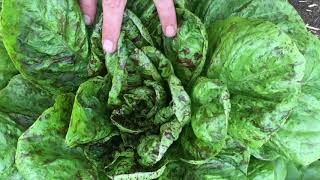
Sam. Nice back garden. Who's going swimming? Me. Batch number two. So this is. All the lamps have been cleared up to get dust off them and the beddings had about 15 liters of water put in per pen over. And then we've put new sawdust on and we're just introducing the birds to water by dipping their heads again, which you see them doing over here. So we're up moving chickens early in the morning and I just wanted to show you the cock's foot and grass is all biologically programmed to go to seed before midsummer, but it's still a month away. It's pretty amazing. If you look at videos from last year, you'll notice quite a dramatic shift in the season. And that's what farming at this latitude is about, really. In the four years that we've had previously, we've had the hottest summer, driest summer, wettest summer. And yeah, it's pretty amazing to see the dramatic growth. We haven't had rain for several weeks and it looks like we're not having much rain for the next ten days or so. But amazing to see the rapid growth compared to the neighbor's land that hasn't had this intensity of chicken. So Gracie went back to school at her Swedish school. Did you have a good day? Speaking Swedish she doesn't like speaking to the camera, but she might stay for a bit more school in Sweden. That's awesome. Something I've been really observing with these caterpillar tunnels is just have a look at the flashy trout down this end of the tunnel, which is a totally sealed end, obviously, and then the difference in growth here where the ventilation is happening. Something I've been saying to the gang, you see it too on the red rosie behind. But I think certainly in this time, place and circumstance, these caterpillar tunnels, I think need to be monitored by actually just venting them like so really low to the ground. Because essentially having them up like this, which the guys were doing when we first got them in the daytime, it makes it not really do anything. It's not. It's kind of shading the crop and not increasing the temperature in any way. Obviously, when they're closed down at night, that's keeping in humidity, keeping in temperature as well to some degree. But you see it at the other end of the tunnel too. I think it really. I think you can really learn to manage these structures really well. And I think it's, you know, I've already seen bits of telling signs of what needs to be done, but I think it Needs more intimate management. We often do morning chores so we get up and just get most of the daily moves of animals done or get some basic routine things done in the garden. So that includes turning on lights in the grow room, watering things, inspecting things and so automatically we're just lifting up the sides. But yeah, I don't think that's a good idea. I think this needs a lot more intimate management to really leverage all the possibilities that these tunnels have to offer. You see some of the spring onions and leeks doing really well in here. I'm just going to go on a walk around the garden and I'll make some comments if I feel move to and just see what's growing in the garden today. So this is mescaline that we used a quick cut greens harvester for and just a mixture of lettuce leaves that we will then add other things to and behind to the north of this caterpillar tunnel, this is the 40 meter caterpillar tunnel. We have more salads, onions, fennel, things like that. But you can actually see, it's quite interesting if we. You can see the onions are all leaning. They get shaded out by the tunnel during the day so they're actually leaning towards the sun. Even something like this greenhouse plastic can put off a bunch of shade. Greenhouse glass, like 2 millimeter greenhouse glass cuts about 20% of the light and greenhouse plastic is even more so I believe. So. It's often for humidity that we want these structures and obviously temperature makes a big difference, but humidity being a critical factor in transpiration and some of the other processes the plants need. So this is the new north beds with all the garlic here and all of the storage cabbages and the insects naps here. Now we've had trouble with brassicas. There's loads of things germinating now. New crops coming in, loads of turnips, radish, things like that. We've had trouble with all of our spinach bolting this time just with long hot dry spells. So this is a crop that will get scrapped. But the cabbage is doing beautifully. We've got no damage on those from slugs, etc. But some of the Asian greens have really suffered this year that we basically given up on Asian gre. The autumn time when the flea beetles subside. See some nice germination here. That's with the 12 row cedar. You can see them all under that. Peas coming up that haven't been staked yet. But here's for example Pak chaw. It's bolted and it's Just totally ridden with flea beetles. Some more Asian greens here that are going to be scrapped. Basically all the Asian greens haven't worked for us this spring and I think largely because we've just had this super hot dry spell. I mean, we're seeing flowers now that are normally out in July. And I've already, you see in the other clip, the pasture is up over knee height and all the different grasses are in flower already, which is amazing. If you look back at videos this time last year, you'll see the drastic difference. Toby's just telling me that the pump's on about seven hours a day with the weather we're having now, which is about 28 cubic meters of water where the. The groundwater is super low at the moment. Like we've been running out the house well, which is only 40 meters deep. We ran that out a couple of years ago when we had the driest summer. And we are using that water for the field lines, for the animals, for the slaughtery, and we were using it for certain parts of the market garden, irrigation and obviously cooking for people. But it's. Yeah, it's a very shallow well. The neighbour's well is three or four times the depth of that. We've actually cleaned the well out with a sort of pressure washing rig where it really cleans the cracks in the rocks. And we were told when that process was done that the refill rate is really good, but it's so dry, like these streams that fill the pond are running so low that we can only just get a trickle of water to refill the pond, which normally is turning its full volume, quarter of a million liters over every 48 hours. So hopefully we'll get a bit of rain soon. If we don't, we're going to really start drying up our pond. So we're desperately waiting for irrigation nozzles for the caterpillar tunnels, because that's a bit more of a pain to water at the moment. But they're waiting to send over the pieces that they've constructed to make the complete kits that will be available for you folks. So they're waiting to send it all together. So we're really hoping that we'll get that later in the week or early next week, because it's high time to get a good irrigation system going in these tunnels. So the chickens in the field are doing well. You see how I startled the birds with my voice? This is the second batch, Same amount of birds. They're all hiding in the corner now just from being scared. But you See, they're popping back in under the lights again. So we went through the routine to put new bedding in here and introduce these beds. And, yeah, they're doing great. It's really nice to see how well the other birds are doing out on pasture. We'll go up and take a look up there. So lots of kale that's going. We're already selling kales and lettuces and some very nice kohlrabbies. We're growing the green ones you see developing in there as well as purple ones that are in here. Lots of peas. We're growing peas on the back of the bed and growing some other crops on the front just because there's space. So first in the squash in this tunnel. This is the smallest of the tunnels. And there's some excess tomato in here, too. It goes along. This is the kind of irrigation setup that we're going to have. Just sprayed nozzles that go the width of the tunnel. So we're excited to get them installed just to ease the irrigation. So plenty more squash to transplant. And the pea crop that we put in here is already given. Peas. Love this. Sugar snap peas that we get here. Not quite big enough for me to be picking, but beautiful. And they crop for a long time. Cucumbers are late this year for us. This is flashy trout back. Beautiful head lettuce that's really popular with chefs, but also private people. It's a beautiful lettuce. It's very tasty, too. We also have a bunch of these romaines, Red Rosie. It's a very robust one that we'll be growing plenty more of. So Rosa's just setting up one of the last paddocks in our neighbor's land. For now, the cows are going through here. They got two more days in here and then they're back onto our land. They're going to Nutfield, which is recovering well from the layers that we're going through there. But we're finding it really hard to move eggmobiles in the morning. The grass is really high, as you see in the clip there. And so we really missing the ruminant herd that we had last year with all the cows and sheep, where we were able to really keep an intimate relationship. Grazing in front of the eggmobiles, it's fine. Just takes a bit more time. You've got a really stamped down grass along the edge of the tree lanes. There's a natural division there which works well. But where we have the strawberries through mipex, the black plastic, you have to be quite careful not to just pierce holes in the plastic. So it takes a bit longer to remove the eggmobiles, but we have plenty of time in the morning, so it's really not a big deal. It's looking good in here. It smells like composted boiler manure. That's what we're using to fertilize the tomatoes. I got the first flowers showing and still young plants. And it's, you know, it's been an interesting process for us this year because of the legginess of the young plants. But they've gone in well, they've taken. They're obviously responding well. We're seeing some good growth. And yeah, looking forward, it's going to be a bunch of work this year coming in and pruning suckers and just see there's a. One of the first flowers here. And I'll do videos later on about how we manage these. And yeah, there's a whole load of work involved in it, so I'll make a separate video about that. But feeling good about the tunnel. It's a big job this year. So with the pump running behind me pretty much all day, you see the water level in the pond is significantly lower. Interestingly, the trout that I put in here, well and alive, they survived the winter. I saw them hunting the other night, catching insects on the surface. Also been seeing a bunch of brown trout in the streams that run through the farm. Very small streams. Wouldn't be surprised if we see one jump right now just because the insect life is really taking off again now the evening's coming. This is what the pond was built for, irrigating the gardens. And it's enough water in there for quite a long supply. But we typically have rain here evenly throughout the whole season. So I'm really not that concerned that we're going to really drain the pond out. See some of the water lilies coming back in now. But one good rain and we'll get a huge amount of water coming in here because this is draining in. The stream that fills this pond is draining about 280 hectares of forest land. And there's a lot of runoff coming off that in a slow, prolonged manner. So it really picks up the stream flow again. And so we'll be off. I mentioned before about the voles eating a bunch of grapes, but some of the grapes are coming back. Okay. There's one here that's growing up the alder, which have shot up to 4 meters around the banks of the pond here. Here you see some of their Holes. There's a whole network under here. I've loved seeing how some of our oak trees we planted these as little 60 centimeter saplings. These are what I call the inheritance planting that I tend to design into farm landscapes alongside any road. Like to make avenues. You can see up the road here and this just extends throughout the farm. And we've got about 400 oaks and chestnuts growing along here. That doesn't matter what happens in the economy. In a hundred years time these will be really worth something. And the aim is to prune the laterals leaving enough of the crown to allow good rapid growth and photosynthesis. But to allow a good straight healed up bole that will make a top quality saw log when the grandkids or great grandkids want to make a house one day. So here's what I mean about having some weeding to do and also having to be careful with the chicken fence. My aim is to come along here and not put the chicken. The metal feet of the chicken fence through the plastic you can see it's a bit weedy in here with the strawberries. But we do very little to maintain these. We will come through and do a weeding now and that's pretty much all we'll do unless we're coming back and collecting eggs or eating strawberries. And here's timothy in flower right now too. So the strawberries are planted mainly for allowing us to get more nut trees like you see here. This is a walnut that's doing very well from seed here. And we've got chestnut and walnut up here in top field. That's the main reason that the strawberries have been planted, is to allow us to put nut trees in between these rows. So these are rows on 18 meter spacings, more east to west orientation. But we wanted to put a bunch more nut trees in. So we put this black plastic in and this we pulled the key lime plough to make a rip and put it with biochar that had been soaked in urine and activated in compost. And then we came along the next year and put in all these strawberries that you might remember from older videos. And it's allowed us to get a couple of hundred nut trees in here that will one day overtake the silver pasture lanes. So right now we're up on 450 eggs and I reckon by the next weekend we'll be up on 750, 800 already. So really ramping up with egg production and it's really nice to see some really good Quality eggs coming out. Some small eggs, but some really nice eggs coming straight away too. And the birds have taken to the nest boxes straight away. It's perfect. So young broiler is doing really well. So are the goose bees. These are Hinamaki red, really good. But yeah, they took to the ground really well. Yeah, the weather's been really ideal for introducing new birds. Very unlike last year as I said before. But yeah, they're doing really well and it feels great to be marching through the pasture now with, with really ideal conditions for the poultry. And they're doing some wondrous work on the ground. As I've said before, like you see the impact that they have on the ground. It looks quite intense and in one way it is. But you'll see from the aerials over the next couple of weeks exactly how the ground responds to this. A bit of rain and this manure will be synthesized really well because the ground is nice and short, the grass is short so they'll be absorbing that nice and really well. And you'll get this fruit flush that you'll see very clearly on the aerial photos. So great to see happy birds out on pasture. So that's it for today folks. Just a quick update. I wanted you to have a little glimpse in the garden. You can find out a bunch in the upcoming one day workshop with Curtis Stone, the urban farmer in Stockholm. We also have a market garden training, no dig Market gardening for professionals at the end of the season. That was a real hit last year. So we're doing that again. And we got our upcoming pastured poultry master class learning all about pastured boilers, pastured layers, pastured turkeys. That's one off that we've never done before. It's going to be awesome. There's nothing like it in Europe so far that I've seen. And we've got a farm scale permaculture design course. It's cutting out all of the fluff and nonsense in the, you know, standard trainings as they come and really focus in on what actually works, you know, what works in a pragmatic setting of a farm, you know, producing real high quality food for local consumers. So we bring in key line design, holistic management, all the good stuff that we talk about here on this channel. And it's one of the most advanced homestead and farm design trainings available out there and in Europe for sure. So come and join us if you, if you want to be in one of the last couple of spots on that training. And you can find all that stuff in the links below, so look forward to meeting some of you. We also have open days that you can see in the links below. So come and see the farm. You have a guided tour and I'm happy walking around all day with whoever's interested to stay and, you know, learn more about it. Thanks so much, everyone. Hope you enjoyed the video and we'll see you in the next one.
More from Richard


A review of short and intensive season on a mixed farm and restaurant/event space in Sweden






Alskade Kyckling Exploring complexities of poultry production in Sweden and what we stand for


