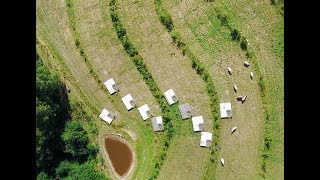
Richard Perkins (video author/uploader) describes managing a small farm through an unusually dry season that has forced restricted grazing and local overgrazing. He explains what overgrazing means (a function of time: returning animals to the same plants too quickly), gives a practical rule of thumb (do not keep animals in one spot for more than three days), discusses water management actions (filling ponds and using siphons), and outlines trade-offs made this season (allowing temporary overgrazing, using tree forage, conserving winter feed, and resting paddocks later). The video concludes with a cautiously optimistic outlook if rains continue and mentions further updates in later videos.
Questions this video answers
August 5, 2018.
About three months of essentially no rain.
Don't keep animals in one place for more than three days.
Chapters
Sometimes we are forced to do things that we know aren't optimal, but that's the way farming goes sometimes. And right now we're having to over graze our grass plants. So I want to make a video about what that means and the implications of it and some potential solutions around that. It. Look at that. Pond is full. This should give us a little kick start getting the grass growing again. And the siphon has emptied. This is a siphon that goes under the road to the other pond. I'm going to fill it up. Now we have excess water. Good move to restrict the water when we did and good move to put in this pipe. I think that was fundamental. They're decisions that need to come from experience and mathematics. I mean we really were on a tight way with the gardens and I think it was very well managed in retrospect in terms of the limiting we did. It was very frustrating for the gardeners but we got through and now we're in a phase in the year where I expect actually it's going to get cooler, it's going to get wetter and I imagine we're going to be having lush vegetative growth really late into the year. I don't know but I can imagine our pastures just popping now because they are primed and loaded with manure and they are well scratched over and I'm just ready to see abundant growth. The cows need it and the chickens wouldn't mind either. Turkeys are loving having a little bit of fresh regrowth and it just sets them off into this beautiful gleeful noise as they creep along just taking the forage. It's amazing to watch. It brings joy to my heart to just see a few drops of rain coming down on the water. Now it's been extreme this year and I know for a lot of people, but this would have been a hard year in the past when there were no alternatives for anything. Look at them. So the cows are actually now come back into front field where we're actually running broilers through. And you remember some videos a while ago where we were having chest height grass up here and we trampled this down into the ground which has created a lovely thick litter layer on the surface. But you see the grass is just not recovered. We'll go and take a look over, go through the tree lane here just from the lack of rain. We've basically had no rain for three months and what you see is grass is now growing up through that layer of mulch we put down on the ground by trampling but this is not recovered. We're looking for four true leaves, which we have on this particular plant, but we don't have in most of it. You see here, this is very tasty, sweet, nutritious, vegetative growth. And the trouble we've had is that the cows, we've been restricting them to the riparians and to tree forage and poor forage, which they are bred for. But they're not stupid. They know that the grass is greener on the other side of the fence, as it were. And so what's been happening is they've been busting out the fence a bunch. Now, you might remember a video last week, I think it was when we went out catching the cows. They went down all the way to the lake where we barbecue, and it's become a bit of a habit. You can see along the fence line. They are just very content taking the sweet, nutritious tips off this. Now, this is over grazing. So what is overgrazing? Overgrazing is basically a function of time and time alone. It's got nothing to do with how much forage you're taking. That's heavy grazing or light grazing, which will affect how long it takes the grass to recover. And that's all about the plant photosynthesising and replacing its energy that it was taken off in the forage back into its root reserve. So grasses are very different from every other plant on the planet because they're meristem. Their new growth is down at the base, unlike something like a fruit tree here, where the meristem you can see the new growth is a different colour at the end of the branch. And so a grass plant is something that evolved with animals. And typically we see farms don't have enough animals on their grasslands because people do poor management strategies, like fixed stocking rates. Now, when you have fixed stocking rates, that is a big field with a bunch of cows in it. They will go around chewing these sweet, nutritious candy like leaves. And what the plant then does is goes into shock for a few days. Here it's about three days. So that tells us the first rule. You can't keep animals in one place for more than three days because they will come back and take the new emerging tip of sweet growth before the plants had a chance to photosynthesize and put back energy into its root reserves. So it's using its root reserves to push forward the new growth. And it's only when that plant has grown enough and expressed itself enough that it's put back enough energy to replace what was taken in the forage. So if you go through a field of knee high grass and just take off the very tops, it recovers very quickly in this time of year and in the spring. And if you come along and graze it right down to the very base of the plant, then it takes exponentially longer or proportionally longer to recover. And so our job as grazers is to manage the grass plants here that we're not overgrazing a single grass plant ever. However, in this dry, dry, extreme year, this is very uncommon. We have rain typically distributed evenly throughout the whole year. We've just seen zero recovery. It's just beginning to start growing again now. And you can see from the drone footage as we fly over the farm, it's starting to appear green again in places. But the land has just been yellow and brown and bare for the last few months. And we're having to keep moving chickens over the top of ground that hasn't recovered. And we have to keep the chickens moving to some degree. But we've actually been slowing their movement down to impact a small area harder because that increases the recovery time of every other move around the farm. So when you're in doubt with grazing, you slow down because it increases recovery everywhere else. Typically, as the grass is growing fast, you're moving fast, and as it grows slowly, you're moving slowly as a basic rule of thumb, because it's all about the recovery of every other patch. But what's happening now is the cows are realizing that there's very sweet, nutritious forage just outside their fence. And they're being kept in small forest paddocks and riparians, areas that aren't getting the nutrition from the pastured layers, pastured boilers. And these guys know about it, they know best what they need to eat. So they've been breaking out over and over again. So we decided we're gonna just come back in and let them be where they want to be. Now it has some implications for the grass. It's like taking energy from a credit card, essentially, and we don't know if we can pay it back fully now. We have improved our pasture massively over the last years that I think we'll get away with it and we don't actually have a choice because it's a harsh year. Some people said, well, what about feeding your winter feed? Well, the trouble is we only got 28, 30 bales and that's going to be enough for maybe four cows for the winter. I do think actually at this point in the year that we will end up having, oh, I just see a lot of pears coming on this tree. Very nice. I think actually this season we will have vegetative really nice pasture very late into the year. I think it's going to cool down a bit generally and get a bit wetter. We had a rain the other day and the ponds are now full and it's really starting to kick start the growth again. But our trouble is we've got a lot of animals that we've got to keep moving or keep satisfied in the meantime while we wait for it to recover, which now in August is much slower than it was earlier in the year. But ultimately we've got to keep the animals happy and fed enough and we've just been too restrictive and so feeding winter feed at this point is not a good option for us because we know we don't have enough. And winter feed prices are going to be exceptionally high this year, if even available at all. So we need to keep our winter feed secure and people have suggested things like tree forage and that kind of thing. And we've been feeding tree forage but they're. There's only a limit to what they actually want and they refuse it. Now we could have them in an indoor setting and force them to eat more of that, but we don't really want to do that. We want them out on pasture. It's got to work with the workflow of the whole farm. We still have thousands of meat birds on the farm as well as turkeys and pigs still. And so we've got a bunch of work to do as well as all the market gardens. So we need to have it practical and working with what we're doing day to day. Now. Am I worried about it long term? Not really. I think basically we've built up enough of a reserve that we can get away with this. We'll probably not graze in here ever again this year. And we have put down a lot of manure from the broilers that have passed through here. And so I think the ground will recover and be in good heart in the coming months. We'll see in video updates as we go and we should be okay because we've got the neighbor's land that was cut for hay, if you remember, and that will be available to graze again in the coming weeks as grass starts regrowing. So we have plenty of grazing left if the water comes, which it seems like it will do. Now we've got more rain forecast, but these girls are ready to move on again today. And we're going to be limited to little patches around the place. We have a little bit more in these upper two rows here in front field. And then it might be okay to get back into the top of nutfield or top field. We'll have to see. We're really just observing the grass and really doing what's best for the whole. And that in this case has meant having an impact here that's perhaps negative, but sometimes you have to do that. When we're managing, we're working with complexity. It's ecology, economy, society. And these are all complex. They change in ways we can't predict. And sometimes you must make a decision even though it's bad for the economy or bad for the ecology. But it's important you make a plan for how you'll recognize that at some point. And in our case, the plan is simply to not bring them back in here this year to let the ground really recover. And we did put down a really thick blanket of mulch, if you remember those videos where you couldn't even see the poultry fence because the grass was so high. So I think we'll be okay. But it's an important thing to think about because this is a situation that's going to be affecting a lot of farmers in this region. And our job is to avoid overgrazing at all costs. There's never been a time in five years that we've actually overgrazed anywhere. And that's been a big key to the soil building here that we've explained in other videos. But this year it's just having to happen. It's a crisis situation. And so I just thought I'd share a few thoughts around that. Okay, folks, thanks for watching. Hope you enjoyed the video. Found it useful in some way. If you did, click subscribe, share the links with your friends, etc. You can find out a whole bunch more in our book, Making Small Farms Work. It's all in the links below. See you in the next video.
More from Richard


A review of short and intensive season on a mixed farm and restaurant/event space in Sweden






Alskade Kyckling Exploring complexities of poultry production in Sweden and what we stand for


