Before You WASTE Your Life, WATCH THIS! | Rob Dial
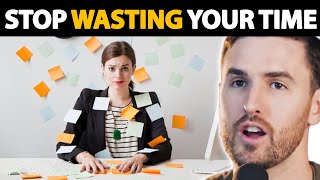
Rob Dial argues that 85-94% of workers are unhappy and that spending your life in a job you hate is the most common dying regret. He quit a six-figure sales job himself and outlines a plan: save money, build skills, grow online, then shift to work you actually want.
Chapters
So if you're at a job that you hate, it is a complete, absolute waste of your life. We get the feeling of this isn't what I want, but am I too far down the road to turn back now? People want it, I understand it. But most people are not willing to step out into the unknown, into what seems illogical to follow their heart. We spoil spend the majority of our lives, our waking hours at a job. That's a fact. The majority of the time that we spend awake, we do nothing else more than work. So that's the first thing that I want to set. We spend more time working than doing anything else that we do. And here's the sad fact. 85% of people in the United States don't enjoy what they do. This is a recent Gallup poll. 85% of people do not enjoy what they do in America and in China and Japan that number is 94%. So between 85 to 94% of people don't love what they do, but they spend the majority of their life doing it. So if you're at a job that you hate, it is a complete, absolute waste of your life. Now let's dive in a little bit deeper. Most people do that even though they hate doing it. And they think to themselves, alright, well, you know what? I'm just going to work until I get to 65 and then I can finally retire. That's what people think. I'm going to just put my head down, I'm going to work, it's okay if I hate my job. I'm going to do it so that I can eventually get to my retirement age and then I can live the life I've always wanted to live. But let's be real, once you get to 65, you don't have as much energy, you don't have as much time, you don't have as much vibrancy for life in most cases as you would if you were in your 20s, 30s, 40s, going out and traveling and living the job that you want and doing everything that you want to in your life. That's just a fact. But here's the crazy thing. The majority of people get to 65 and they're not able to retire because they were working a job that they hated, they didn't save enough money and now they can't retire, so now they got to work till 60, 70, 72 years old. And let's just say, for instance, if you look at the average person gets their first real job around the age of 20 to 22 years old, and then they have, you know, until. Let's just say they do get to retire at 65. Well, then that means if they're lucky, they'll get to 80 years old. Only about 80% of people, actually 65% of people live to 80 years old, so that means 15 years. So. So they spend from 20 to 65. That's 45 years working a job that they probably don't enjoy so that they can have 65 to 80 years old, which is smaller. Only 15 years, or 65 to 80, I guess you could say, is actually 15 years. They spend that time living it up, enjoying life. That's what they think, right? But then they don't have the money that they want to. If they do have the money they want to, they don't have as much energy as they want to. And so that's why I think that you should quit your job if you dread Mondays. Now, let me preface this a little bit. Don't quit and put yourself in crazy, terrible financial strain. I don't want you to do that. But what I do want you to do is start to actually think about what it is that you want to do. I understand that you might not be able to leave your job today, but if you know that you hate your job and you're now listening to this podcast now, you have to realize you don't have to know exactly what you want to do right now. But if you're not in constant search and make that the mission to do what you want to do, then it's an issue. You need to start thinking about, what is it that I want to do? What is it that makes me feel alive? What is it that I absolutely love? And some of you, I get it. You have children, you have a mortgage, you have a family, you have bills to pay. I understand. I hear you. But you have to realize this. You're raising your children. They're watching everything that you do. They're going to become a lot like you. I don't know if you're. If you're like me, but I look at some of the things I do and I'm like, damn, that was basically my mom. Like, I am literally a lot of. In a lot of aspects. I do a lot of things exactly the same. So in the same case, if you're working a job that you hate just to provide for your family, your children are going to grow up and do what the same thing that you've done, and if they're doing the same thing that you've done. They're going to probably get a job that they hate just so they can pay the bills. Because if they see mom or dad working a job that they hate so they can pay the bills, they automatically think that's the way that the world works. Oh, job is just something that you hate. You just have to pay the bills. And so what happens? They grow up and do the exact same thing that you did. Then what happens? They raise their children, your grandchildren, to do the exact same thing. And as Alan Watts likes to say, it's all wretch and no vomit. Like, there's no change. There's no. I'm going to step out and do something completely different. You know, I think that I was lucky enough because my mom was worked on her own. So I saw she was self employed. I saw her be self employed. So for me, it was an easy route to be like, screw it, I'm not going to do it. I'm not going to. I dropped out of school. I was like, I don't want to go to college and get a job that I hate. By the time I was in college, I was making more money than I would have if I had just gone the college route because I was in a sales position and my mom was actually one that said, hey, you know, why do you go to school in the first place? I was like, to make money. She goes, what are you already doing? I was like, making money. She goes, so why do you need to be there? She was like, the little. I kind of needed her permission to leave school is the way I felt it. And she was kind of that permission. She's like, well, if you don't love it, you don't want to be there, then just go. But so many people, they're raising their children to do the exact same thing. Now, once again, I don't want you to put yourself in financial strain, but I want you to think, if I hate my job right now and it doesn't fulfill me, can I eventually leave to do something that I love? I'm not saying don't have a job and just live on the streets. I'm saying, can you change jobs into doing something that you love? Even if you make less money, isn't that still more fulfilling? Isn't it better to wake up and be excited about what you do versus hate what you do? Think about that for a second. I would be okay making less money but loving what I do as long as I wasn't doing something that I hated and wasting my life away at it. Here's what's really interesting, though. This is the kind of like the paradox that people don't realize. Whenever you leave your job and you do something that you love, you love it so much that you're willing to work harder at it. And when you work harder at it, you become better, and you become better and you become better. And you can eventually become world class at something and charge a premium for whatever your services are. So what's crazy is that you might leave a job that pays you $60,000 a year. In year one of doing what you truly love, you might make 40,000. Then you move up to 42,000, you move up to 48,000, you start getting better and better and better because you love what you do. You, you're willing to work hard at it because it doesn't feel like work, and you actually truly want to do it. And then what happens? You get better and better and better. Seven years down the road, you're making 65,000, then you're making 70, you're making 80. And in the long run, you make more money doing what you love because you love to do it and you're passionate about it. And you don't see it as work, you just see it as something that's a part of you, versus working this job that you stayed at for security. Now, there's one thing that we do know. If you see what's going on in the world right now, what people thought were secure jobs, you know, they went the secure route, the safe route. You know, a lot of things came in, completely stripped them of it, and now they're looking for a job even though they were working a job that they hated. Now they're looking, oh, that was secure. It's not secure as I thought it was. The most secure job that you can have in the world is being really, really good at what you do so that you're unfirable or number two, is to do something where you're your own boss. The most secure job in the world is working for yourself because nobody can fire you. That's the really interesting thing about it. We always think secure is like going the secure route, the traditional route. You go to school, you get a job, you go and you get promoted. You get promoted. No, a company can just get rid of you as soon as they want to. And the way that I realize this and the person I think says it the best is Jim Carrey. He was talking about a commencement speech, and he mentions his dad. And the thing that he says about his dad Is that his dad was an incredible saxophone player. He was the funniest guy that he ever met, and he wanted to be a saxophone player and a comedian, but he had a family, and he had this family, and he ended up becoming an accountant instead. And you watched his dad go to a job that he hated every single day. And then his dad, like, 15, 20 years later, got fired from that position that he hated. And then they became homeless because he didn't have a backup plan. He became homeless, and they lived in their car for a little while. And Jim Carrey says this quote, I learned a lot of things from my dad, but not the least of which is that you can fail at something that you hate, so you might as well take a chance at doing something that you love. Let me say that again. He watched his dad get fired from a job that he hated. So we saw that as a failure at doing something that you hated. And so he thought to himself, if you can fail, fail at what you hate doing, I might as well take a chance at something that I love doing. You have to live a fulfilled life, even if you make less, because would you rather have your children be happy or successful? Right. So, you know, and here's the thing. They might not even be successful. Might just go to a job and just make 60, 65 thousand dollars a year. But for me, for my children, I'd rather have them, even if they make less money, I'd rather have them be fulfilled and love the life that they have. And so you got to think, what am I teaching my children? Even if I'm not teaching it to them directly, what are they seeing me do because they're going to follow in my footsteps once again. I'm not saying quit your job. I'm just saying that if you don't love your job, you need to get out of it at some point in time. It's okay for right now to be working a job that you don't love, because you're now waking up to the fact that maybe you don't love it, but it's not okay to be in constant pursuit of that which is something that you love. It's fine to work a job for a little while. It's not fine to work there forever if you hate it. You know, maybe you have to. You don't have to get a bigger house or a newer car all of the time, or feel like you have to keep up with the Joneses or have that really special job title so that you think people respect. Respect you. No, what it Is about is not getting stuck in the rat race, not feeling like you have to keep up with the Joneses and buy things that you. It's like the. The. The quote. We buy things, we work jobs that we hate to buy, things that we don't want to impress people that we don't like, right? It's like, why don't we just do what we want to do instead of having to buy that new car? You know, Maybe what we do is we say, screw it. I'll save that money. What I'll do is I'll work a job that I love, something that makes me feel fulfilled inside. Because the best that we know, guys, we only get one life. Maybe there's reincarnation, maybe there's not. I'm not smart enough to know. I've never died to be on the other side. Not that I know of. And so you have to realize, to the best of our knowledge, we get one of these things. And if you're not living a fully 100% fulfilled life and you hate what you do, it's a waste. And I don't know about you, but my biggest fear is getting to the end of my life and wishing that I could have done something more, wishing that I could have done something I love, wishing that I could have brought more to the world, more joy to the people around me, to my community, to my family, to children, everyone else that's around me. You have to realize we're caught up in a society where you are taught you need to go the safe route, right? We wake up at, what, three, four, five years old, and we're like, all right, we got to go to school. We go to school. We're stuck inside of a box. We stay inside of that box for the longest time. What happens? They say, oh, you're in kindergarten. Make sure you do really good so you can get to first grade. And make sure you do really good so you can get to second grade and third and fourth and so on. And you get to high school. And they say, make sure you do really good in high school so that you can get into a good college. And then when you're in college, they say, make sure you do really good in college so that you can get a good job. And then when you get into a good job, they say, make sure you do really good so you can get promoted, so you can make more money so you can get promoted so you can make more money, so you can get promoted so you can make more money. And you wake up at 4550 years old and you're like, what the hell have I been doing with my life? There's a reason why there's a phrase called a midlife crisis, is because people wake up and go, what the hell am I doing with my life? Whose life am I living? Is this what I wanted to do? And then what happens? It's a crisis because they feel stuck. Stuck. They don't know how to get out of it because the box that they were raised in is now the box that they feel stuck in. Into. Now, try to reprogram yourself to leave a job, to think completely different, to get out of your comfort zone is scary as hell. And I get it. I used to have a client that would call him the golden Pellets. Every two weeks, he'd get those golden rat pellets. Those golden rat pellets are his paycheck. Those are what keep him. They're. They're golden, but they're rat pellets. They're poison as well. And it's what keeps you inside of that loop. It's a reason why they call it the rat race. And some people, most people will stay inside of that rat race forever. Some people, maybe you, this might be a spark that gets you going, that goes, you know what? Maybe I can't leave right now, but I'm leaving this. There's no way in hell that I'm going to continue down this path. I'm leaving this, and I'm going to go ahead and create the life that I want to. It might take me six months, it might take me a year, it might take me two years, but I'm going to leave. I will not stay at a place that I don't love. I will not waste my waking hours doing something that I don't want to do. You weren't born to just pay the bills and die. Take that one in for a second. You were not born to pay the bills and die. You were born to thrive. You were born to live this life with as much joy and passion and love as you possibly can. Can. And if you're going to a job and spending majority of your hours doing something that you hate, that's going to restrict your joy, your passion for life. You're going to come home, you're not going to be able to because you're so spent on mentally exhausted from being at work. When you come home and interact with your kids, you're not going to have the energy and the joy and the love and the passion. And guess what? They're not going to get all of you. But when you come home from something that you love and you're excited about life, you give more to your children and the people around you. So not only is it your. Your actual self that's being affected by the job that you have, it's everyone around you. It's something to consider. And it's with great love and respect that I want to tell you this. We're all going to die. We're all going to end up as dust. But you are in charge of what you do with your waking hours. If you don't love what you do, find some way to leave and do something that you love and be able to get paid doing that thing that you love. Even if you make less money, even though, here's a secret, like I said, in the long run, you will eventually make more money. Don't worry about keeping up with the Joneses. Don't worry about the bigger house. Don't worry about being judged. Worry about living the life that you want, doing something that you love with the people that you love so that you can deliver and be the best human, the best father, the best brother, sister, mother, father, cousin, everything that you can be for the people around you. I'm going to talk about why 90% of people end up living their lives and then dying with regret. I'm going to talk about it so that you don't have to. That's an important thing you have to learn from other people so that you can improve your life. And there's an incredible book called Five Regrets of the Dying in the Number One Regret. Actually, before I go about the number one regret, let me tell you about what the book's about. The book is a lady who lives in hospice or works in hospice for people who. She's a nurse there and she's around people who are dying all of the time. And she starts to notice that there's five really common regrets that people have as they're dying. And the number one regret, which is what we're going to talk about today, the number one regret of people who are on their deathbeds, they've lived their entire lives and they're at the very end, there is no way out. Their number one regret is that I wish I lived a life that was true to myself and not the life that others expected of me. Let that sink in for a second. The number one thing that people regret when they're at the end of their lives is that they wish they lived a life that was true to themselves and not the life that others expected of them. And there's a couple reasons why this exists. And I'm going to talk about two reasons. Number one is our absolute need for acceptance from other people that holds us back. I'm going to talk about that. And number two is I feel like most people don't know who they truly are. And if you don't know who you truly are, then you don't know what you truly want. And so let's go over the first one first. People's need for acceptance holds them back from everything that they want. There's an incredible quote that Jim Carrey has when he's giving a commencement speech, and he says, your need for acceptance will make you invisible in this world. We learn from a young age, whether it's our parents or society or our family or our friends, we learn that we have to act a certain way and we have to fit in into society. And so from a young age, we develop what's called a personality. Now, just so you know, personality comes from the Greek word Persona. The Greek word Persona is actually the mask that people would wear when they were acting on stage back in ancient Greece. So that personality that you have is a mask that you're wearing so that you can fit in with what you think you should be or what you have been raised to be. So ultimately, what happens from a young age is we make ourselves into a character who we think other people want us to be. Whether that's our parents, whether that's society, whether that's fitting in with our friends, whatever it is. We make ourselves into a character of who we think other people want us to be. It starts off as everything does with our parents. If you had great parents or terrible parents, we still, as children, mold ourselves into what we feel like our parents want us to be, how they want us to act, how they act. And sometimes it's not even what they specifically say to us. It's also what we watch them doing. Have you ever noticed one time where you're just doing something, you're like, oh my God, that was exactly like my mom. Oh my God, that was exactly like my dad. It's not that they force that onto us, it's that we learn the world by learning from what they say to us. But actually more than anything else is watching them. So if your parents have a personality Persona, a character that they've developed, children tend to take on their parents character as well. And so what happens is when we act a certain way, as we're young, we figure out what we're supposed to do, what we're not supposed to do, right? We learn it from our parents, and we start to develop that personality. And then what happens? We start to hang out around other children, and we want to be around other children. We want to be accepted by other children, children. It's built into us to be tribal beings. So we want to be accepted. We don't want to be kicked out of the tribe because a hundred thousand years ago to be kicked out of the tribe meant certain death. And so it's built into our brains to have the need for acceptance from others around us. So it starts with our parents, and then we get older. And then as we're, you know, five, six, seven, eight years old, we start to develop a personality, a character, a mask, a Persona of what we think other people want us to be. And then what do we do? We start acting a certain way so that we fit in. I still remember. I still feel bad. I'm 30, about to be 35 years old. I still feel bad for calling a girl named Tracy on the bus on the way back from school, in middle school on Anna Maria Island, a name that I thought was really, really harsh. And after those words came out of my mouth, I was like, that wasn't me. I can't believe I said that. But I can't take it back. And the only reason why I said it was because I remember that I thought other kids would think it was funny. I developed a. I said something that was completely out of my character to her, and I still feel bad about it, like, 28 years later, 20 years later, whatever. 25 years later, I still feel bad about it because that's not who I am, but it's who I thought I needed to be to be accepted. So let me take a step back. Who did you need to be or who did you think you needed to be in order to be accepted by your parents? Have you ever thought about that for a second? Who did you need to be or who did you think you needed to be to be accepted by other children when you were younger? Who did you need to be or who did you think you needed to be to be accepted in high school, in college, in your first relationships, you develop a Persona. And a lot of times what happens is we do what we think other people think that we should do? So we go to college, when in reality, some of us don't want to go to college because we feel like that's just. I don't know. I'm 17 years old. I'm 18 years old. I don't know what the best decision is, but it seems like what everyone's telling me is that I have to go to this college. And so we go to college, even though sometimes we might not want to go to college, or maybe we go to college and we get a degree or start studying for a degree that we don't truly want, but it's what our parents tell us is the safest route. Or we get it because we know that that job is going to make the most money. And so we go on a pursuit of not what we truly want, not what we truly desire, but we go on a pursuit of what we feel other people want from us, or what we feel will get us accepted, or what we feel will make us more money, which will make us more successful or which will then change other people's perception of us, make us feel a certain way. Then we keep going. We get out of college, we get a job. And sometimes we get a job just because we want other people to think of us in a certain way. Oh, I want to get this job. I want to be a doctor so that people think of me in a high way. They think that I'm a great person or whatever it is. And we get a job and we do what we think other people want us to do, when in reality, the we still don't know what the hell we want to do. And then what happens? There's something called a midlife crisis for a lot of people. Some people have theirs. I had my midlife crisis at 24. I had a quarter life crisis. Some people have it 30, 40, 50, 60. And we wake up from this sleep that we've been in, this autopilot that we've been working on, and we get the feeling of, this isn't what I want. But am I too far down the road to turn back now? I can't tell you how many messages I got from people that are 40 years old, 35 years old, 30 years old, 50 years old. And they want something completely different than what they have. They have awoken from the dream that they have been in the autopilot. But they say, I don't think I can turn back now. I'm too far down the road. I have a family to support. I have this I need to do. And what happens is that they stay in a job. A lot of times that's slowly killing them. They're too far down the road is what they feel, right? I've invested too much time. I don't want to get out of this now, I've invested way too much. I'm so far down the road. You might be 40 years old right now and you might feel like you've invested so much time into your career, into your college, into your degree, into everything, but it's not fulfilling you. It's not what you want. But you might think it's too, too late. I've missed my shot, right? So many people feel that way. If you're 40 years old, the average person's living to about 85 years old. You're not even halfway through with your life, so you're going to waste the next 80. Well, if we could do 85 minus 40, 45 years of your life doing something that you don't want to do because simply you made a decision when you were 17 years old to do something and to go study something and you got a job in it. That's freaking bonkers if you think about it. You're not too old, it's not too late. You can change at any time. And you don't have to change right now. But can you start to make a transition plan over the next two years? I'll leave my job, I'm going to do this. Make sure my family's set up, make sure financially I'm good to go. I'm not saying just leave at this very moment, but you can make a transition plan. I understand some people listening to me have people mouths to feed. So I'm not saying just up and leave and quit and go become an artist. But whatever it is you want to do, it's truly possible for you to make money doing it and for you to be fulfilled and to live your passion and to still feed your family. What would that transition plan look like? It's not too late. Stop selling your telling yourself you're too late. You have now woken up from the slumber that you're in. Don't go back to sleep. Don't go back to sleep. So that's the first thing, is that people have the need for acceptance. And so they, they do all of these things to be accepted for so long and then sometimes they wake up. And that's one of the number one reasons. That's the number one reason why people obviously hold themselves back and they get into this life that we're talking about. And the second reason why is because people don't know who they truly are and what they truly want. So we rarely ask ourselves, what do I want? What if you started waking up every single morning? Just ask Yourself. The question what do I want? What is it that I want? What is my dream life? What is this dream job? This dream profession, this dream thing? Family? This dream happiness? This dream mindset? What do I want? Do you ever ask yourself that? What do you want? What do you want in life? What do you want? Go for it. And then what happens is some people will wake up to what they want and they still don't go for it, right? So we live a life based on what we think other people want from us. One of the scariest moments of my entire life was leaving my job that I felt like I had worked forever at. You know, I was 26 years old when I got the job, 29 when I was leaving the job. I was making over six figures, base salary plus commission on top of it. That's a lot of money for a 29 year old. And I remember I was like. I felt. Literally, I felt like my. My. I felt like my soul was dying. Like, I felt like I could feel myself slowly slipping into a depression. Like I was on the edge of going into a depression. I could feel myself slipping into habits that I didn't want to have in habits that I realized would not create the life that I wanted to. And so what happened was I created this podcast, I started a business, and it didn't go really well for a while. That's what I don't talk a whole lot about. Like, I wasn't making much money. I wasn't, you know, like, oh my gosh, I'm super successful from the very beginning. And I was terrified because I left my job to make a business out of it. Terrified. Scared shitless, right? And I went back home. And this was in November of 2015. I'm sorry, December of 2015, I went back home and my sister asked me a question. She goes, hey, have I ever shown you the box of dad's stuff? I was like, I don't know what you mean. She's like, I have a box of dad's stuff. My dad had died 14 years ago. She still never showed me all this. And she finally brings out this, this box and it's got like, old shirts, it's got his glasses, it's got his watch, and it's got these letters. My dad was. When I was younger, my dad was in jail for a little while for multiple DUIs. And he wrote us letters. And he wrote a letter to my sister on her 19th birthday. And it was this beautiful letter. He was a great writer. And then at the end he said, I Hope you live your life with courage, love, and laughter. And then it was a little bit more, and I was like, holy. I feel like he's speaking to me right now. Like, this is a letter from my sister. In 2000 would have been 2000, he wrote this letter to her. And in 2015, I'm reading the letter, and it says, I hope you live your life with courage, love, and laughter. And the number one thing that I was feeling at that moment from starting a business is, should I shut down my business and go back to sales, Go back to doing what I was doing? Because I knew that that money was guaranteed. I had so much fear inside of me. And the opposite of fear is courage. I needed some courage. And on it it said, I hope you live your life with courage, love, and laughter. And I had never had any tattoos in my entire life for that moment, but I was like, I feel like I'm about to slip into massive amounts of fear and anxiety around not having the money that I want to coming in with this business, and I'm gonna burn the ships. This is the only thing that I'm gonna do. And I'm gonna get this tattooed on me. And so if you guys that are on video can see it, it's literally on my arm. It's my dad's handwriting that has blown up on my arm. And it's in his handwriting. It says, live your life with courage, love, and laughter. And I made myself look at it every single morning of I'm scared list of losing everything that I have. But I know that this is what I truly wanna do. So I'm not gonna give up. So I have to live my life with courage. Right? So I literally had felt my soul dying at this job. Had to leave. I felt myself slipping into depression. I left there, which was scary as hell. And it wasn't going the way that I wanted to from the very beginning. But then what happened was I was, like, scared and thinking about going back, and I had to get a tattoo on my arm to show me. This is stop. Like, stop living in fear. Stop making your decisions out of fear. Start making your decisions out of a place of power versus a place of scarcity. And luckily, I was able to make it work. Did it take time? Yes. Is it working better than I could have ever possibly imagined? Yes. But I almost went back to what was killing my soul, but I didn't think about that. In your situation that you're in, does that hit home in any sort of way? What do you want? If money were no Object. What would you be doing? What makes you feel the most alive in this world? What makes your soul smile? Do you know? If you do know, follow it. Do it. Put every waking ounce of energy that you have into it. If you have a full time job, a 9 to 5 whenever you get home, put every ounce of energy after that into it. Don't use your job as an excuse as to why you don't have enough energy to follow your dreams after your job. Sure, you can pay the bills, but then follow your dreams until your dreams can then pay your bills. So if you do know what it is, follow it. If you don't know what it is, search for it. If you've been listening to my podcast long enough, I always say this. It's okay not to know your true purpose right now, but it's not okay to not be in constant search for it. It. It's okay not to know your true purpose right now, but it's not okay to not be in constant search for it. Wake up every morning and ask yourself, what do I want? What do I want? What do I want? Set your reticular activating in your system to find what it is that you want. You might wake up today and you might say, what do I want? That answer might come to you right away. Probably not going to though. It might take a week, it might take a month, it might take 10 months, it might take a year, it might take five years before you finally get the answer as to what it is that that makes your soul come alive. It's not okay to not be in constant search for what that is if you don't know what it is. So what do you want in your life? Stop doing what you feel like you're supposed to be doing. Stop following what other people say that you should be doing. Because what happens is if you do stay in the route that you're in, if you don't love what you're doing, if you're not following your purpose, if you're not finding your dream, if you're not doing exactly that you want to do, then the worst thing that could happen is that you could be like 90% of people. Like they say in this book that gets to the end of their life, they're on their deathbed and they wish they lived a life that was true to themselves and not the life that others expected of them. What do you want in your life? All that matters is what you want, not what other people want. What do you want? Figure it out, find it, follow it. And don't stop it until you get it. One of the questions that I get asked more than anything else on social media is how do I find my passion? How do I find my purpose? How do I find the way that I can come alive and what it is I need to do? And I think it's an important question. I think it's something that people need to think about every fricking day, if I'm being honest with you, because you only get one life that we're aware of. Maybe we do get more, maybe we don't. But nobody has any actual physical proof that there's anything after this. So then I'm going to try to make this the best life that I possibly can. Camp and I'm going to give you some stories about my life and how all of this relates to me and why hearing the question, what if money was no object completely changed the way that I saw my life. So before we start, I want to tell you this. When I was 27 years old, the first 27 years of my life, by the time I hit 27, was all focused on how I can accumulate and make as much money as I possibly can. My life, besides hanging out with people and doing other things like my life, the core of it was how can I make more money, how can I make money? How can I be successful? And I know I'm not alone in this. I know this is most people's number one goal. There was a study, I said this a couple episodes ago, that 80% of millennials number one goal was to become rich. So I'm not the only person who really just was their goal was to make money. Many people live the exact same way that I lived. And what happened with me when I was 27 years old was super important for the story that I'm going to tell you. At 27, I was working a high paying sales job. I was making about $200,000 a year. So for a 27 year old, pretty damn good money. And the company that I was with decided to just get rid of their sales department, right? So their sales department for the company that I was with, they're just like, hey, we're just going to go ahead and get rid of everybody. So there's only five of us at the time, they got rid of everybody. And what happened with me was they gave me the opportunity to stay at the company, but take a massive pay cut and switch to a different position. And so I had to sit down with, you know, the head person of my department and how to Sit down with the CEO. And the CEO gave me some really good advice. And he basically said, it seems like you're more passionate about this other thing that you're doing. I had a podcast that I just started. I'll dive into that. It seems like you're really passing passionate about that. Why don't you pursue that? And I already knew in my heart that that's what I wanted to pursue, but I didn't really have the confidence to go ahead and pursue it. And, you know, I was making $200,000 a year. I had to make a big decision. I could go find another job. Like in sales, they always say, if you're in sales, you always have a job. I could have easily found another job and made pretty good money, right? But there was something inside of me that told me that I should do something else. And this was six years ago, just so you know. And podcasts were not what they are now. They weren't even close to what they are now. Nobody really knew what podcasts were. When I used to tell people that I was a podcaster, they would. I would get three responses. Number one, what is a podcast? That was my number, the number one response. Number two, I've heard of podcasts, but I don't know how to listen to them. That was the number two response. And number three was, oh, I love podcasts. And that was very rare, right? So six years ago. Podcasts are not what they were back then, what they are now in my podcast, the exact same podcast. It's now called the Mindset Mentor, obviously back then was called mwf. Motivation came out Monday, Wednesday, Friday, like it still does. And I was making $0 on the podcast. Let me say that again, $0. I decided to not go and get another high paying job. And I decided to pursue my passion. Even though at that point I was making $0. I had no advertisers on the podcast. Nobody was paying me any money. I wasn't getting enough downloads for that. Number two, I had no products in my own business that I could sell people. I had no coaching services. I had nothing. Literally $0 was how much money I made off my podcast in all of my services, because the services actually didn't even really exist. But I didn't know how to make any money online. I didn't know. I knew that people did. And to be honest with you, I didn't know if I could make money off my podcast. I didn't know if I could make money off of coaching services. I didn't know if it was possible, but I had this feeling deep down inside of me that this is what I should do. And I had at least a little bit of money in the bank account. I was like, you know what? I've got a little bit of money. I can try this out for six months to a year. If it doesn't work, I can always go back to making money again and being a salesperson. But there's something in my heart that tells me, like, this is what I'm supposed to be doing and I'm going to figure it out. And I felt like this was my calling. I felt like this is my passion. And it logically didn't make any sense, because logically, you look at and you say making $0 versus making a couple hundred thousand dollars, the average person is going to go, just go make the money. Right? That's what the logical side of it. But when you think about it, from like, what my heart was telling me, what my passion was telling me, it was, hey, you should go and pursue this thing, because it seems like it's the right thing. Like this feels right. It feels like something that you'd actually love to do. So logically, it made no sense, but it just felt right. It felt. Something felt right. I don't know what it was, but it was something that lit up inside of me, that had never lit up inside of me before. And it was this feeling of like, yep, this is in full alignment with who I'm supposed to be and what I'm supposed to do, right? And I'm bringing this up and I'm telling you the story, because now, obviously people come up to me like, hey, I want a successful podcast like you. And I'm like, well, you got to do 900 episodes. That's what I've done. You've got to go for six years. That's what I've done. You know, you've got. You look at it and it's like, we have, you know, 10 employees now, and between everybody who's. Who works for the company, about 15 people across the board, you know, and we've got a multimillion dollar coaching business, but it came from literally zero, no followers. You know, people see and they're like, oh, I want 2.5 or 3 million followers, whatever we have at this point, I want a big podcast. All of these things. People want it, I understand it. But most people are not willing to step out into the unknown, into what seems illogical, to follow their heart. And so I want to ask you that question, you know, Is there something inside of you that logically does not make sense as far as spreadsheets, how much money you're gonna make, all of that stuff, but it just feels right. Is there. Think about that for a second. Let it set in. Is there something inside of you that says, I should go follow this passion? Right? Because that's what we're gonna dive into. I wanted to give you my story to make you realize it can go from zero to millions of followers and millions of dollars quite quickly if you're following the thing that is actually your passion. Right? So when I'm talking about this, I want you to think to your. Yourself, what is it that I want to do? Right? And sometimes following your dream doesn't logically make sense. It doesn't. Being a painter might not, quote, unquote, logically make sense. Being a musician might not. Being a creator might not make sense. Whatever it is, it might not make sense to the average person, but for some reason, there's something inside of you that goes, yeah, this makes sense. Right? When I told everybody I was going to not go back and not take a pay cut and not do any of those things and not go back to the company or try to find another job. Cause I was gonna find my passion, people were like, you're crazy. And I was like, I know, but watch. And now they're like, oh, you were right. So is there something inside of you that feels right? Right, let's dive into that. What would you do if money were no object? If money did not exist, there was no money. What would you do with your free time? And I asked myself this question. This is a question posed by Alan Watts, one of my top two favorite philosophers in the entire world. Him and Ram Dass, right? And he says, what would you do if money were no object? I remember seeing that video and thinking, what would I do if money were no object? And what I do now, I am obsessed with. Before I started the podcast, I was already obsessed with neurology, psychology, early childhood development, what makes people tick. Watching people in conversation and watching people and trying to. To figure out why they are the way that they are, based off of their childhood, based off of their parents. I was already obsessed with all of that stuff, and I'm still obsessed with it. But what's cool is I'm obsessed with it. And now I can teach it to people and make money in different ways as a teacher, as a coach, as a facilitator, as a speaker, all of these things. So what would you do if money Were no object. If money was not something, if you didn't have to worry about paying the bills and all of your bills are just paid for, you could eat, your family is taken care of, you were taken care of, all that stuff. What would you do with your free time if you had to do something besides just sitting on the couch, hanging out with your kids on Instagram, whatever it is, what would you do if money were no object? Right? Think about it. What is that thing? What makes you come alive? What makes you tick? What makes you feel like this is the reason why I'm here? What gives you energy just thinking about, right? What gives you energy by going and doing, you feel better, you feel more alive, you feel like that's something that just feels good. We live in a society where we think too much, we think about things. And that's why I say, logically, it made sense for me to go back and just get another sales position. Logically, it makes sense. That's a thinking thing. But it didn't feel like that was the right thing for me. So what is it that feels right for you inside of your body? Right? And I understand that some of you out there that are listening, you have children, you have families, you have mortgages, you have. You have to pay. I understand. You can't just go, you know what? I'm going to quit my job today and I'm going to go and become a painter or whatever the hell that makes you come alive. Maybe you can't do that, but can you start to think of some sort of a transition plan? Right. If you have bills to pay, I get it. But can you go? Okay, over the next two years, you know, I'm going to go. Two years from today, I'm going to leave my job. What do I need to do to make that happen? All right. I should probably start saving money. Probably start saving money. Okay. I should probably start building an online following. I should probably start painting more, probably start making more music. Whatever it is that you're. That is that lights you up, Right? I should probably start connecting with other people who are in the same industry. Right? Try to figure out what would be an E. What would make it easier for you to transition out of what you do now into what it is that you truly want to do. One of the problems is that people want immediate gratification and they think, you know what, if I want to do this thing that is my passion, I have to leave my job today, and I have to start making money at the thing that I. That is My passion tomorrow. No, you need to be smart and say, if I had to leave two years from today, what would my transition plan look like? And start to plan it out. I can't tell you how many people I've told this to. And they've quit their jobs and they've built their own businesses, they followed their passions because it takes so much pressure off. When you say, okay, I've got a year, I've got two years, I've got three years to figure this out. I've got to connect with the right people. I've got to get better at my skills, I've got to better my knowledge. I've got to start learning how to make money online, whatever it is that you want to do. And when you have that transition time, it allows you to pay your bills, live your life, feed your family, keep the mortgage, all of that stuff. But at the same time, it allows you to start to learn and grow. And the light at the end of the tunnel starts to become a little bit brighter and a little bit brighter, a little bit brighter. And by the end of the two years, people are like, I've got this, I've got it under control. I'm already making a little bit of cash on this. This thing that I'm doing on the side. It's providing me the life that I want to, whatever it is, come up with a transition plan. If you have a job and you've got a family and you've got a mortgage, you've got bills, can you come up with some form of a transition plan? What would you do if money were no object? Okay. Some people say, oh, I can't do it because I have children. Right? The thing I want to tell you about your children is this. If you haven't realized already what you probably we have, your children are going to follow in your footsteps. They're not going to do what you say that they should do. They're going to do what they see you do. So you might say, hey, honey, follow your passion and follow your dreams and become a creator and be a painter or musician, whatever it is you want to do. You can do anything that you want to. But if they see you going to a job that you hate just to pay the bills, they're going to think to themselves, subconsciously, oh, even though I can be a creator and make amazing things, I'm supposed to. Supposed to hate my job. I'm supposed to just pay the bills. So your children will follow in your footsteps. If they see you work a job that they Hate, there's a pretty good chance, guess what they're going to do. Work a job that they hate just to pay the bills. So what do you want them to see you do? Because whatever you do, they're most likely going to do as well. They learn by what they see, not by what they hear. So wouldn't you rather your children do something that they love? Like, if I were to ask you, would you rather your. Your. Your child be successful or happy? What's the answer to that? Would you rather be successful or happy? Right. There's a pretty good chance that if, if that they don't have to choose either one. A lot of times when they start on a path of going to do something that they're happy with, they also become successful as well. So it's not either or. But I guarantee you probably want your children to be happy, right? And if you're working a job that you don't love or it doesn't light you up, what if they were to go do the same thing? What if you were to fast forward 20 years and see your children stuck in the exact same position that you're stuck in? What would that feel like? Think about that. You can't tell them to build their dreams when you're staying in your professional prison prison, because they're going to see the exact same thing, right? So next thing, you spend most of your waking hours working, so this should be something that is extremely important to you. You spend most of your waking hours doing work, some form of work, right? So is it a passion? Is it a purpose for you? Or is it a waste? Think about that. The thing that you should do is listening to this podcast is take a good long look at yourself in the mirror. And I always say this. If you've listened to my podcast on, if you've heard me say this, it's okay not to know what your purpose is right now on this planet. It's okay. You don't have to know at this very moment. But if you don't know what it is, it's not okay to not be in constant search for what your purpose is. Let me say that again. It's okay not to know what your purpose in this world is. It's not okay to not be in constant search for what that purpose of yours is. So if you're sitting there and you listen to this, you might know what your purpose is. You might have a feeling, right? Once again, go with the feeling. Go with the gut. Your gut always knows. Your gut is your emotional compass, your Brain tries to talk you out of everything that is outside of your comfort zone. You, your gut feeling is your emotional compass that always knows what you should do. The problem is your gut only speaks to you in feelings. It doesn't speak to you in words. So you've got to feel your way into this. What do I feel is the right step for me? What is it that lights me up? What would make me so excited to do this thing? That's what you've got to ask yourself. Same way I understand. It's scary as hell. It's so freaking scary to leave. What it is that you're doing that's paying your bills, that. That is safety, in order to basically jump off a cliff and think that as you're jumping, eventually a parachute will build itself, right? I remember, and I told this story a few weeks ago. I remember when I was terrified when I first left the job. The month I left the job, I was like, I gotta go back to getting another job. I was so used to getting the golden rat pellets, as we call them. The golden rat pellets is the paint paycheck every two weeks, right? This golden rat pellet. And so basically, it's this thing that you're so used to getting, and when you stop getting, it kind of scares the out of you, right? And I remember being terrified. And I said this a few episodes ago, like I said. But I went home and my sister gave me a box that was my dad's stuff. And one of them was a letter that was in there that he wrote to my sister about a year before he passed away. And at the end of it, it said, I hope you live your life with Christ, courage, love and laughter. And I was so terrified that I needed that this whole thing wouldn't work. I was in so much fear. And the opposite of fear is courage. And in this letter said, courage, love and laughter. And so I literally got it tattooed on my arm. It says, live your life with courage, love and laughter. It's my dad's handwriting. It's tattooed on my arm because I needed a constant reminder when I was scared shitless every single day that what I was doing was the thing that I was supposed to be doing. Is thing that the reason why I was put on this planet, right? And I needed the courage every time I felt the fear. And so every time I'd be like, should I go back to working a job? Should I go back to working a job? Should I go back to those rat pellets? I look at my arm and be like, nope, that I'm not going to do it. I'll figure it out. If I go broke, if I live on the streets, whatever it is, I'll figure it out. Right? The beautiful thing about it, though, it'll work out for you. If you get the feeling, the gut feeling that is what you're supposed to do, is it will eventually work out. So I'm going to pose the same question to you that I posed to you at the beginning. What would you do if money were no object? Figure out what it is. Follow it. Follow your heart. Do what it is you think that you should do. If you don't know what it is right now, it's okay. But it's not okay to not be in constant pursuit for what that thing is. Hey, thanks so much for watching this video. If you want to learn even more about mastering your mind, click right here. Here and watch this video as well. It's funny because I was never taught this. I never heard this when I was younger. If what you're doing doesn't light you up, it's not meant for you.
More from Rob


Why NOT to stay single 👉 @robdialjr #adviceoftheday #motivation #mindset #growth

You Reap What You Plant 👉 @robdialjr #adviceoftheday #motivation #mindset #growth

3 signs that you're addicted to chaos 👉 @robdialjr #adviceoftheday #motivation #mindset #growth

Stop making excuses for people 👉 @robdialjr #growth #mindset #positivity #adviceoftheday

Tip for an amazing life 👉 @robdialjr #inspiration #mindset #adviceoftheday #positivity

It's time to move on 👉 @robdialjr #adviceoftheday #motivation #mindset #happiness

The right person for you is... 👉 @robdialjr #love #truelove #inspiration #mindset #soulmate

Get ready to take risks 👉 @robdialjr #motivation #adviceoftheday #mindset #positivity

The real competition You Vs You 👉 @robdialjr #mindset #inspiration #positivity #adviceoftheday

Their Mood Isn’t Your Responsibility. 👉 @robdialjr #mindset #adviceoftheday #motivation