The Science of Motivation: How To Stay Driven
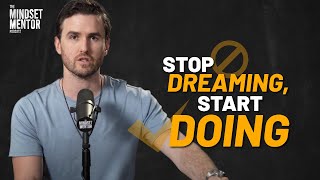
In this solo video, Rob Dial breaks down the science behind motivation and offers a practical framework for staying driven. He defines motivation as the internal and external forces that initiate, guide, and sustain goal‑oriented behavior, distinguishing intrinsic (internal satisfaction) from extrinsic (external rewards) motivation. He expands the model to include positive and negative consequences, illustrating how fear of loss can also drive action. Dial stresses the importance of uncovering a strong personal "why," arguing that most people fail to persist because they lack a compelling intrinsic reason. He then delves into the neurobiology of motivation, focusing on dopamine as the brain’s "motivation molecule" that reinforces behaviors through the reward system. By learning to attach dopamine release to the process rather than the outcome, individuals can make work feel like play, as exemplified by elite athletes and CEOs. He critiques result‑based goals for delaying dopamine feedback and proposes action‑based goals paired with immediate celebration of small wins to keep the dopamine loop active. Throughout, he offers concrete tactics—celebrate each action, use music or other pleasurable stimuli to trigger dopamine, avoid self‑shaming, and reframe tasks as enjoyable processes. The video concludes with a call‑to‑action for his Mindset Mentor Plus program, which provides worksheets, journal prompts, and community support to embed these concepts into daily life.
Chapters
Welcome to today's video. Today we're going to dive into the science of motivation. How it works outside of your body, how it works inside of your body, how it works neurologically inside of your brain so that you can understand what it is you're trying to create, so that you can stay driven and create the life that you want. Let's dive in. When you think about motivation, motivation is a really interesting thing. I get messages all the time from people all day on Instagram that say, like, hey, I want to do this thing, but, but I'm not doing it. How do I get motivated? How do I stay motivated? Why do I always start towards something and then give up? And so motivation's an interesting thing. Cause basically what people are saying is, I want something, I want to do something, but I'm not doing it. Can you help me get myself to do it? And so I've done a ton of research for today to help you understand motivation, what it is and actually the science behind it. And so when you look at motivation, motivation is basically this, the best definition that I came up with. It is the internal and external forces that initiate, guide and sustain goal orientated behavior. And basically it encompasses the desires and the reasons behind actions driving individuals to pursue their goals and fulfill their needs. And it includes intrinsic motivation, which we'll talk about today. And intrinsic motivation arises from personal satisfaction and internal rewards, while extrinsic motivation is driven by external rewards and recognition. And so when you look at it, motivation is basically somebody saying, I need to do something, I want to do something, I'm not doing it, how do I get myself to do it? And I always say that if you're sitting around like hoping that motivation is going to come in, you're done. You can't just sit around and wait for motivation. You've got to go out and actually create motivation. You've got to understand how to get yourself moving. And so motivation can be categorized, as I mentioned, into two different types of motivation. It's intrinsic and extrinsic motivation. Intrinsic motivation is inside of you. So it is driven by internal rewards and personal satisfaction and enjoying something and fun or what it's going to make you feel. And so like imagine a painter who just is in love with their art and they don't do it for money, they don't do it for fame, they do it just for the sheer joy of creating. That would be an example of intrinsic motivation. It's the kind of motivation that is self sustaining and it's really just deeply fulfilling to you. If you are motivated to do something for no other reason than for yourself and how it makes you feel, that is one of the strongest forms of motivation, if not the strongest motivation, is doing it for yourself and what it makes you feel. So intrinsic is extremely important. Now, there's also extrinsic motivation, and that's really fueled by all of the external factors. That could be rewards, that can be achievements, that can be recognition, that could be money, it could be fame, it could be being able to buy stuff. And it's really important to understand the real way that extrinsic motivation works. So, like, for instance, like an employee who works overtime to secure a bonus, that would be an example of extrinsic motivation. Or a student who studies really hard to avoid failing an exam. And so while extrinsic motivation can be really powerful, especially for tasks and all that stuff, sometimes it's not really enjoyable, which, as I go through today, you're gonna realize, enjoy the enjoying of something is actually one of the most important parts. And so, you know, if we're always searching for external motivation and external extrinsic motivation, it could really lead to, like, a reliance on always searching for that thing. And another thing that's important is, is with internal and external motivation is. Is the avoidance of negative consequences. So there's like, yeah, I want to make myself feel good. Yeah, I want to go after this prize. Yeah, I want to go after money. Those are all kind of feel good things. There's also negative consequences. And to avoid the negative consequences. So a few weeks ago, I gave an example of one of the employees that we have here. His friend or not is really his friend, but someone that he knew when he was in college. He ended up hearing this story about him where he had a gambling problem and he was $40,000 in debt to a bookie. And this isn't like the type of person. It's like, hey, you owe me money. Can you please give me my money? It was to the point where they were like, hey, you've got to the end this month, and if you don't pay us, we're going to end it like you're going to. You're no longer going to exist anymore. So he knew if he didn't pay these people back, there's a good chance that he would be killed. And so he went from being a lazy guy to doing every single thing that he could to get that $40,000. He would go to junkyards and he would pull pieces of cars off, and he would sell them on ebay. And he would fix cars. And he did everything he could and just worked his ass off for 30 days. And he was able to make that $40,000. And this gu makes like $50,000 a year, and he made 40,000 in a month. He was motivated not by, oh, this is going to make me feel good, or, oh, I'm going to get a prize. It was negative consequences as well. So there's intrinsic and extrinsic motivation, but there's also positive and negative consequences that can motivate us when we look at this as well. And so all of these are very important to start to think about how can I build up my motivation when we look at it? And so when you look at it, what you want to do is you want to find your internal and external motivators for the goal that you're working towards. And the most important one, I'm going to tell you this is the internal, the intrinsic motivation. You've probably heard people say it before, but you have to have a why. You know, my very first coach used to always say, if your why is strong enough, your how will reveal itself. If you know why you're going for something, you'll figure out how. And most people ask me why they start something and they don't follow through. Like, oh, I start this goal, I start this New Year's resolution, and I don't follow through. Why don't I follow through? And most of the time, the thing that's really the truth is you just don't care enough. And it doesn't mean that you can't get yourself to care enough. It doesn't mean that the reasons to care are not there. It's just that you're not concentrating. It's not that they're not there. It's that you haven't identified that motivation, that you're the thing that you want out of it. The why, why you're working towards that thing. And it's the reason why people who work out, like, if you look at it, people who work out and they're going towards, oh, you know, I'm gonna try to lose weight over the next year for my New Year's resolution, 45% of people give up within the first month. Not because it doesn't mean something to them, probably because they haven't identified the reason why, the why behind all of it. And so what it's about is to find the internal and the external motivations that you're really working towards. You know, it's interesting because if you look at it, they're both important. But the most important one, like I said, is the intrinsic motivation. There was a study that was done that found that people who work out just for weight loss work out 32% less than people who say that they work out to feel good and for themselves. So weight loss can be important. That is an extrinsic thing. That is something outside of you, you and actually on your physical body. But people who say they work out for intrinsic, which is to feel good and to feel good about themselves and doing it for themselves, work out 32% longer than people who work out just for weight loss. And so it's important to have the internal and the external. So whenever you're looking at your goal, ask yourself, what is my intrinsic motivators for this? What's my why, why do I want to do this? Why is this important to me? And then also your external, what am I gonna achieve? By what am I going to, am I gonna get money from this? Am I going to get fame from this? Am I going to look really good in a bikini? And that's the reason why I'm going for it. So you have to really figure that out for yourself. Now, the interesting thing about motivation is it is a psychological construct, but it's not just a psychological construct. It is also a whole lot of neurological processes that are involved in getting yourself to do something. And if you've been listening to my podcast for a while, I've spoken about this. I wrote an entire chapter in my book. The book's called Level up, if you wanna get it, but there's an entire chapter, it's chapter 12 on the dopamine reward system. The most important molecule in your brain for motivation is something called dopamine. It's often referred to as the motivation molecule. And so it plays a really critical role in our brain's reward system, which either reinforces behaviors to continue to keep doing something or it doesn't. And so, you know, I've done episodes in the past in it, I've done, you know, it's an entire chapter in my book. But really what it comes down to is we're all addicted to dopamine. And when you look at it, what is dopamine? Most people think when they think of dopamine, they think it's like a feel good chemical in your brain. But dopamine, you know, they usually put like dopamine and serotonin together in the same sentence. Serotonin is really a chemical of here and now, of gratitude. Of grateful for what you have. But dopamine is the chemical of motivation, is the chemical of more. Dopamine is a very external chemical. And so when you look at the most addictive drugs in the world, there are very high dopamine drugs, cocaine, very high dopamine drugs. And so dopamine is the chemical of more. And you can't get your brain to stop releasing it. It's always being released at different times, depending on what it is that you enjoy. But it's the chemical that's released when you get excited about something or if you're celebrating it, or if you're enjoying something. And so when you look at the people who are like, the highest achievers in the world, if you look at, like the greatest CEOs that have existed, one of the reasons why they're so successful is, sure, I'm sure they're smart people and they're analytical, but a lot of times they just enjoy doing what they do. And because they enjoy it so much, they work way more than the average person. And so one of the secrets that I've always heard is to find something that looks like work to everybody else, but feels like play to you. And so if you're trying to find something that you can do, some new passion, something that you can work towards, find something that looks like work to other people but feels like play to you. So some of the greatest CEOs will work their asses off just simply because they love it. When you look at, like, Michael Jordan and Kobe Bryant, they were addicted to the process of becoming better. And they were both known as, like, you know, hard work, dedication, and just obsession. And what it came down to is that obsession, I would venture to say, came from the fact that they fell in love with the process of getting better. They fell in love with the fact that they were working out in the gym at 4 o' clock in the morning when they knew their competition was not. And so it was that internal dopamine of, like, I'm working out when nobody else is and this is going to make me better. That thought alone makes it more of a dopamine reward system, which is dopamine is getting released to this reward system, which means I'm going to keep going and doing this thing versus instead of me getting dopamine from, man, I haven't looked at Instagram today, I haven't looked at Twitter today. I'm going to pull up my phone and I'm going to look at all of these things and we get dopamine. From looking at that, instead of attaching our dopamine to something that we don't want, why don't we attach to something that we do want, which is the process, which is the action that needs to be taken in order to do what we need to do. And so, you know, I'm sure, like Kobe Bryant and Michael Jordan, some of the greatest CEOs didn't know that they were creating a dopamine reward system, but they were. And they have attached dopamine and falling in love with the process. And when you fall in love with the process, the end result automatically comes, which is, it wasn't that they were working towards a championship. It was that they were working towards being the best that they could be. And when they showed up every single morning, it was just another step towards being the best that they could be. And, you know, most people give up on goals not because they don't want to hit the goals, but simply because they're just not enjoying the journey of hitting the goals. There's been studies on this that find out that people want to hit a goal, but they still give up on it. And it's not because they don't want to. You know, it's not because they don't want to lose the weight. It's not because they don't want to make money. It's not because they don't want to look better. It's not because they don't want to be successful. It's because they're actually not enjoying the journey. And so then we go, how do I make myself enjoy the journey? A dopamine reward system. And so it's a way to get your brain to release some dopamine after you accomplish a task that is a part of your process. So in the context of, like, a dopamine reward system, dopamine is released in response to a rewarding or pleasurable stimuli. It is completely subjective, which means that if you wanted to right now, you could put on your favorite song, you could blast it, you could dance, you could. You can make yourself smile and laugh, and you could make yourself feel good in this moment. And your brain would release dopamine, which means it is subjective. I can get myself to release it whenever I want to. And so what happens with the dopamine reward system is the release of dopamine in your brain signals to your brain that the behavior that led to that reward of dopamine being released should be repeated in the future. I'm going to say it again. So this is a very important Part this is actually from one of the psychological studies. I found the release of dopamine signals to the brain that the behavior that led to the reward should be repeated in the future. The behavior should be repeated in the future. Most people go to the gym, and instead of celebrating themselves for going to the gym and being like, man, I'm so proud of you, great job. You know, you're doing good, you're showing up for yourself, they beat themselves up instead. Oh, you should have gone longer. You were only there for 45 minutes. You said you were gonna go for an hour. Or they look at themselves in the mirror and they're like, you're still fat. You still don't look as good as everybody else. And so instead of your brain saying, hey, this is a positive thing to go to the gym, your brain is subconsciously saying, I'm going to beat myself up every time I go to the gym. Because then I start to shame myself and I start to guilt myself. And so I don't want to go back to the gym. And so we're actually unconsciously programming ourselves to not want to go do that thing again because we beat ourselves up and we shame ourselves and we guilt ourselves. And I should have gone longer and I'm still fat, don't have the muscle that I want to. Versus saying, hey, I'm proud of you, you're doing a great job. I've been putting on your favorite song and making yourself release the dopamine. And this is because the dopamine reinforces the neural connections that were involved in the behavior, making it more likely that the behavior will be repeated in the future. So we gotta remember to fall in love with the process and to not base all of our actions based off of the way I look right now, where I am right now, but more of the I'm on the journey to becoming better. So another thing I write about inside of my book is the problem with most of our goals is most of our goals are results based goals. Which is fine, we can have results based goals. But if I say my result that I'm looking for and the goal I'm trying to shoot for is to lose £50, well, that means I won't. If that's the only time I hit the goal, I might not hit the goal for a year, two years from now. And so that's not going to get me addicted to the process, to enjoy the process. I don't release dopamine until I achieve the goal that could be years down the road. So that's not motivating you when you're just only happy when you get there. And so it's with dopamine being the chemical of wanting more. What I need to do is I need to figure out what results I do want to get to, but then what are the daily actions that I need to take every single day that are a part of the process and I can celebrate myself in the process. And this is why daily action based goals. So there's results based goals, which are important. Where do you want to be in the future? But there's action based goals. What are the actions that I need to take in order to get to that result? And then what I do is when I take that action, whatever that action is, it could be reading, it could be working out, it could be going for a run, it could be preparing for an exam. You celebrate yourself immediately while doing the behavior that you need to be doing, the action that you need to be doing in order to get the result later on down the road. And if you celebrate yourself immediately, your brain's gonna release dopamine. It's going to reinforce to your brain that that behavior is positive and you need to do it again, which makes you more likely to do it again. It's not about the achievement of the goals, it's about falling in love with the journey, enjoying the journey, finding a way for you to enjoy the journey and to make sure that you, you know, the results based goals are great, you definitely want to hit the result, but you can forget about the result once you figure out the actions that you need to take and then how you're gonna celebrate yourself and how you're going to keep working towards that thing. Because ultimately this is what it comes down to is how do I stay motivated? Well, I've got to fall in love with the journey. I've got to get my brain in a way, there's not really a better way of saying this. I got to kind of get my brain addicted to the process, the actions that I need to take in order to end up at the result. And so really what it comes down to is how can I get myself there? How can I find my why that is so strong for me? How can I find my intrinsic motivation? How can I find my extrinsic motivation and how can I use the dopamine reward system to take the actions that I need to take every single day to fall in love with the process so that eventually, as time passes, I will get myself to that result that I'm searching for. So that's what I got for you for today's episode. If you love this episode, please share it on Instagram. Stories. Tag me at robdial Junior R O B D I A L J R and also, if you love this podcast, you probably are going to love something that I have coming out called Mindset Mentor plus. Basically what it's going to be is it is a way to take all of these podcast episodes, each episode that comes out, and integrate them into your life. Every single podcast that comes out, it's going to have a worksheet, detailed worksheet so you can sit there with your morning coffee, you can listen to the podcast, then you can go through the worksheet, you can underline, you can highlight, you can make notes. There's going to be journal prompts so you can journal through and figure out how this works in your life. And there's going to be action based steps that you need to take and assignments in order to use it in your life as well. There's gonna be Q and A sessions with me, there's gonna be an entire community of people you can connect with, there's gonna be a ton of other bonuses and it's a lot less than some of you guys are spending on coffee every single month. If you're interested in learning more about it, you can go to mindsetwaitlist.com the first people who join are going to get a discount. So people who are on the wait list, we're gonna send an email out to you first before we announce it on social media or this podcast. So if you want to learn more once again, just go to mindsetweightlist.com and I'll be announcing it soon. And with that, I'm going to leave you the same way leave you every single episode. Make it your mission to make somebody else's day better. I appreciate you and I hope that you have an amazing day.
More from Rob


Why NOT to stay single 👉 @robdialjr #adviceoftheday #motivation #mindset #growth

You Reap What You Plant 👉 @robdialjr #adviceoftheday #motivation #mindset #growth

3 signs that you're addicted to chaos 👉 @robdialjr #adviceoftheday #motivation #mindset #growth

Stop making excuses for people 👉 @robdialjr #growth #mindset #positivity #adviceoftheday

Tip for an amazing life 👉 @robdialjr #inspiration #mindset #adviceoftheday #positivity

It's time to move on 👉 @robdialjr #adviceoftheday #motivation #mindset #happiness

The right person for you is... 👉 @robdialjr #love #truelove #inspiration #mindset #soulmate

Get ready to take risks 👉 @robdialjr #motivation #adviceoftheday #mindset #positivity

The real competition You Vs You 👉 @robdialjr #mindset #inspiration #positivity #adviceoftheday

Their Mood Isn’t Your Responsibility. 👉 @robdialjr #mindset #adviceoftheday #motivation