When You Finally Stop Living in Your Head, Life Becomes Peaceful Again
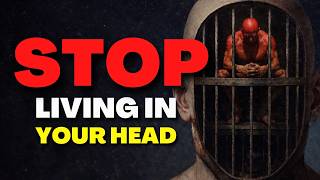
Rob Dial explains catastrophizing, the habit of turning small setbacks into life-ending disasters. He walks through everyday examples like failing a test or fighting with a partner, then offers a four-step process to break the cycle: notice your thoughts, challenge them, imagine best outcomes alongside worst ones, and accept uncertainty. The shift from "what I don't want" to "what I do want" is where peace starts.
Chapters
You become fixated on the worst possible outcome for something in your life. Oh, if I don't pass this test, then I'm going to fail this class. And if I fail this class, I'll fail out of school. And if I fail out of school, then I'll be a complete failure for the rest of my life. Somehow a test and whether you do or don't pass it just became complete failure for the rest of your life. That's an example of catastrophizing. So the anxiety of a test automatically turns into being a complete failure in your life. And I want you to understand that your brain is incredibly complex. It's incredibly amazing, and it is really good at protecting you. And so what it does is you start thinking about the test and it's 25 steps ahead of you, and it turns into, you're going to be a complete failure if you fail this test. Another example might be you get into a fight with your girlfriend and then you think, well, now she's definitely going to leave me. And if my girlfriend leaves me, I'll be destroyed and I will never be able to trust again. And if I'm never able to trust again, I'll be alone forever. And so the anxiety of a fight turns into, I will be alone forever. This is what psychologists call catastrophizing. Psychologists also call catastrophizing magnifying. You're taking something that is small, that you probably won't remember in five years, and turning it into something massive as a protection mechanism. You're making a mountain out of an anthill. And so the natural question that we should ask ourselves in this situation is, why do we do this? Well, we think that it serves us, but it's actually what's categorized by scientists and psychologists as what's called a cognitive dysfunction. It is a dysfunction that we have that goes on in our minds. We think that we're protecting ourselves, right? We think that we're protecting ourselves. If my girlfriend leaves me, then I won't be as let down because I was expecting this anyways. And so we think we're protecting ourselves in some sort of way. If I fail this test, I won't be as surprised because I knew it was going to happen. It also in a way justifies us not taking the right action or getting ourself out of our comfort zone or trying something new because we don't want to be let down. See, protection mechanism, it feels better in the short term, but in the long term, it feels terrible. You don't start your business because you think that you'll fail, so you don't want to feel like a failure. So in the short term you decide not to go after building your business, but you'll never be successful in the long term, so it feels better now. In the long term it's not going to feel very good. You don't ask someone out because you're afraid. And so in the short term you won't be rejected, but in the long term you could be alone if you don't overcome that. And we will be right back. Hey, if you want to achieve your goals for next year, I made a free 30 minute workshop video for you where I take you through how to set and plan your goals. All you have to do is just press play, follow the steps, and by the end of the video you will have a finalized plan of how to hit your goals. By the end of the year, all you have to do is go to goalslesson.com once again goals with an S lesson.com or click the link down below and download it for free. And now back to the show. And so catastrophizing at its core is an attempt to avoid feeling something. The real question is, and where you need to start analyzing yourself is what feeling are you trying to avoid? And so you're imagining the worse. So something happens, right? Fight with girlfriend happens. Then there's something that's called a thinking error that she is going to leave me and that you'll be alone forever. So the best way to help yourself is to develop the awareness of your thoughts, to start paying more attention to what you're thinking inside of your head. We usually think that if we imagine the worst, we can prevent it, but that is completely false. Usually if we imagine the worst, we create worse circumstances because what we pay attention to is what we create in our lives. And researchers have actually found that catastrophizing actually worsens both your physical and mental outcomes. So in other words, you will make the situation ultimately worse than it originally would have been because you're seeing the worst. And that seeing the worst usually invites the worst. And we usually invite in exactly what we're trying to avoid. And so instead of thinking about the worst that could happen, I'm just going to give you a little tip about what we're going to go into in just a minute is imagining. If you're going to imagine the worst that could happen, imagine the best that could happen as well. So let me give you a couple of examples just so it kind of makes more sense. Let's say someone has questions, chronic pain, and they think about the pain and they think about the pain and they speak about the pain to people. Their brain focuses on the pain, which makes it more painful. That's your brain focusing on the problem which magnifies the problem. Let's say, I'll give you another example, that someone is misdiagnosed with adhd. It becomes their story and it becomes truth to them. The amount of times that I've heard people say, rob, I have ADHD in the past three years is probably 10 times more than I've ever heard it. And so they say, oh, I can't build a business because I can't focus because I've got adhd. That's my deficit. And they get a job because they believe they can't focus, and then they get fired because they can't focus. And the interesting thing, I've done a lot of research on ADHD recently. ADHD diagnoses have gone up 30% in the past eight years. And studies have found that at least 20% of people are misdiagnosed with ADHD. And for all of the people that I keep hearing say that they have ADHD, statistically only about 4.4% of adults actually have ADHD. And so what I've really found is that a lot of people are thinking to themselves that they have ADHD because they have concentration problems. And they have concentration problems because they're constantly being bombarded with their cell phone and with emails and they have no moment for their mind to rest. And so their mind is all over the place and they're all scatterbrained all the time. And they either self diagnose, oh my gosh, I have adhd. Or they go to a doctor who is not as qualified and they say, hey, here's what's going on. I can't concentrate because of all of the stuff they're doing throughout their day that's making them not be able to concentrate. And the doctor's like, oh, well, you know, then you have adhd. Just do some research. If you're somebody has adhd, do some research on it and just see how wild it's gotten the past few years with doctors misdiagnosing people with adhd. And the interesting thing about adhd, because I have so many people that come to me and say it, is that people with ADHD actually concentrate better than people who don't have it. That's one thing that you don't hear. Now there is a caveat to that. You, it has to be something that they're interested in. If somebody has ADHD and they're doing something that they're not interested in, they have a very low BS meter for adhd. And so the reason why I'm going off on this is because we can see how if somebody is misdiagnosed with ADHD and they make it their story, then it actually starts to hold them back even more. And so then we start to think, like, am I imagining the worst? I have adhd. I'm not gonna be able to build a business. I won't be able to be successful. I might as well just get a job. Oh, my God, I can't focus on this job because I have adhd. There's probably a problem with me. There must be a problem with my brain. Oh, I'm probably never gonna be successful. And so that's what tends to happen, I found, with a lot of people. And then you gotta ask yourself, am I imagining the worst in a situation? And if I am imagining the worst in the situation, I at least. If I'm on one side of the table, I need to at least go to the other side of the table. Imagine the best. I can't just allow myself to think only this thing is possible. If I'm going to think that this thing is possible, then I'm going to have to challenge myself to think that this other thing is possible. So if I'm imagining what is the worst that could happen, then I need to take a step back and say, okay, if I'm imagining the worst that could happen, I also need to take a step back and see and imagine what's the best thing that could happen. Because usually it doesn't end up in either one of those. It doesn't end up in the best, it doesn't end up in the worst. It usually ends up in the middle for most things. So let me give an example of exactly what I mean. Right? Let's say somebody has social anxiety and they want to go out to the mall. And so they imagine they go out to the mall and then they get nervous and they have a panic attack in the mall. And they think about and they feel how embarrassing that panic attack would be in front of other people. And then they think to themselves, well, it would just be easier to stay home. And so over time, this develops into a pattern of never leaving the house. All we did was talk about leaving the house and going to the mall. But they imagine the panic attack and how embarrassed they would be and what it would feel like and so that's a version of catastrophe. It's easier not to go through that. So I'll just stay at home. And if we do this enough, it turns into a pattern of never leaving the house. So if I notice myself doing that, if I notice myself imagining the worst, then I must imagine the best as well. So what is the best that could happen then? Well, the best thing that could happen is I could go to the mall and everything is great, and I get my shopping done and I buy what I need. And then maybe I'm walking by the food court and I see a friend that I haven't seen in a while, and we decide, hey, let's go and get some coffee. And we go and get coffee, and we catch up and we have such a great time. We decide that we want to hang out again and go get some dinner next week. And I have an amazing day, all because I left the house and I went to the mall and I come home with what I needed. And I feel great about myself, and I feel great about my trip, and I feel great about reconnecting with a friend. I feel great about the fact that I'm going to see them again next week. We might as well imagine both scenarios, right? Either way, the future is completely uncertain. We have to accept the uncertainty. So what you want to do is start taking yourself out of the catastrophizing. Because if you're catastrophizing, you're focusing on what you don't want. And so many people have been trained to focus on what they don't want. So what I want you to start doing is to focus on what it is that you want. What do you want? I remember watching a video a couple years ago of a guy that brought a lady on stage, and he's like, I want to show you guys something. So she comes on stage, and he has a chair on one side of the room and a chair on the other side of the room. And he goes, I want you to go ahead and sit in this chair. And this is the do not want chair. And I want you to tell me all the things that you don't want. And she's like, well, I don't want this and this and this and this and this and this. And she goes on for a couple minutes. He goes, is there anything else? And she's like, well, I don't want this and this. He goes, okay, anything else? And she eventually gets a point. She's like, no, nothing else that I could think of. He goes, okay, I want you to go to the other chair that's across on the other side of the room, and I want you to tell me what you want. And she's like, okay, well, I want this and I want this, and I want this. And then she goes, but I don't want this and I don't want this. And he goes, hold on. No, no, no, no. You're not in the don't want chair anymore. You're in the want chair. And the reason why this is important to bring up is because so many people are focusing on what they don't want all day long that very few people actually know what they want because they never actually focus on it. And they think by focusing on what they don't want that they will get what they want. But that's not the way that it works. You won't get what you want by focusing and trying to avoid the things that you don't want. You will only get what you focus on. So if you're focusing on what you don't want, what do you think you're going to get more of what you don't want. So you've got to consciously understand my brain, because it is protection mechanism, will focus on what I don't want. It will focus on the negatives. It will catastrophize. Sometimes that is a protection mechanism. That is how our species stayed alive. But if you're trying to create a great life, you can't let your brain just run off to its own device. You've got to be the one that's in control of it. And you got to wake up each morning and be very intentional about focusing and paying attention to what it is that you want. It's okay to think about what you don't want, but it's not okay to only think about what you don't want. You've got to also focus on what you do want. If you're going to focus on the worst, you've also got to focus on the best. You've got to play both sides. And so the first part of all of this is to become more aware. You cannot change anything that you're unaware of. And so if this is hitting home with you in some sort of way, I want you to start becoming more aware of your thoughts in the moment. If you notice yourself starting to feel bad, if you notice yourself starting to shift your body not feeling as good as it was, start feeling anxious or worried, something happened in your thought patterns. So you've got to ask yourself, and this is what they ask in cognitive behavioral therapy to ask yourself, what was I just thinking? I noticed my body shift. I noticed myself getting anxious. What was I just thinking? I need to now become aware of my thoughts. Now I'm becoming aware of my thoughts. Because if I can become aware of my thoughts now, I can start to change my thoughts. So first piece is your awareness. The second thing you need to do is you need to challenge your thinking when you notice, oh my gosh, I noticed myself thinking about this one thing that is making me anxious. Okay, well, the next thing you need to do is call cognitive reframing, which is challenge what you're thinking. Well, and that was the example I gave them all. Well, if I'm thinking of this, then I need to challenge that and also see that this is a possibility as well. Is it possible that I am just catastrophizing? Is it possible that I could go out to the mall and I could have an amazing day? Is it possible that I won't have a panic attack? Challenge your thoughts and try to poke holes into the thoughts that you have to prove that they're not truth? So that's the second thing is to challenge your thinking. Number three is to start imagining the best. Start taking time to start imagining the best. Start thinking about what it is that you do want. I'm going to start focusing more on what I do want because what I focus on I'll get. So I'll probably get more of what I want and then the last piece of it. That's really an important thing around catastrophizing is to accept uncertainty. Life is uncertain. Most things are uncertain. And uncertainty, a unsolved problem to the mind, is a threat. But as an adult listening to a podcast that wants to make your life better, you have to accept that uncertainty is one of the most constant things in life. We cannot predict the future. None of us have a crystal ball that's going to tell us exactly what's going to happen. We, we need to accept the fact that we don't know what's going to happen in the future, but we need to trust in ourselves that no matter what happens in the future, if we continue to keep working on ourselves, we continue to keep working on our self development, continue to try to become a better person, that no matter what does happen in the future, we will be able to handle it. And then we can start taking small steps in the right direction. And so that right there is how you stop making yourself so depressed and anxious by catastrophizing and we actually start to change our thought patterns. Hey, thanks so much for watching this video. Based off of what you have been watching recently, YouTube thinks this video is the best one for you right now. And if you want to make sure to never miss another video, hit that subscribe button and I'll see you on the next video.
More from Rob


Why NOT to stay single 👉 @robdialjr #adviceoftheday #motivation #mindset #growth

You Reap What You Plant 👉 @robdialjr #adviceoftheday #motivation #mindset #growth

3 signs that you're addicted to chaos 👉 @robdialjr #adviceoftheday #motivation #mindset #growth

Stop making excuses for people 👉 @robdialjr #growth #mindset #positivity #adviceoftheday

Tip for an amazing life 👉 @robdialjr #inspiration #mindset #adviceoftheday #positivity

It's time to move on 👉 @robdialjr #adviceoftheday #motivation #mindset #happiness

The right person for you is... 👉 @robdialjr #love #truelove #inspiration #mindset #soulmate

Get ready to take risks 👉 @robdialjr #motivation #adviceoftheday #mindset #positivity

The real competition You Vs You 👉 @robdialjr #mindset #inspiration #positivity #adviceoftheday

Their Mood Isn’t Your Responsibility. 👉 @robdialjr #mindset #adviceoftheday #motivation