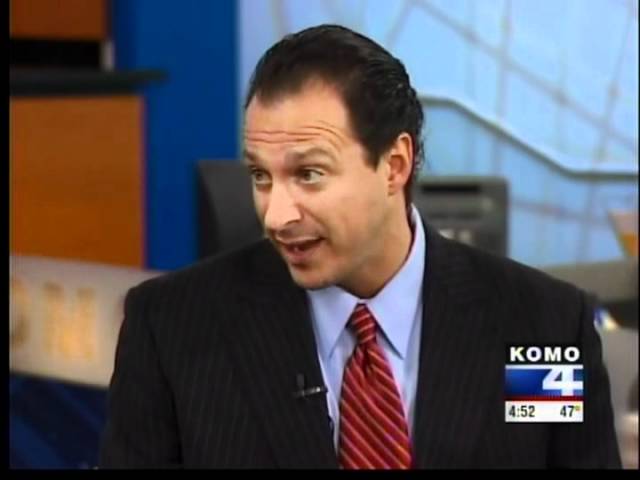
In a short broadcast interview, consumer‑problem‑solver Herb Weissbaum and host Mary discuss the surge in tax‑time identity theft with Robert Siciliano, McAfee’s online security evangelist. Siciliano cites that in 2011 there were 2 million fraudulent tax returns, representing a $2 billion loss and a 700 % increase since 2008. He then delivers three practical tips to protect taxpayers: (1) recognize the tricks thieves use—phishing emails, SMiShing texts, and fake IRS phone calls that solicit Social Security numbers; (2) think before you act—shred disposable documents, secure mailboxes, and avoid clicking suspicious links; and (3) secure your computer—keep antivirus/anti‑spyware/anti‑phishing tools up‑to‑date and use a secure internet connection when filing taxes online. The segment ends with thanks to Siciliano for his advice.
Chapters
The deadline for filing your tax return is less than 4 weeks away. It's a busy time for many of us and for the crooks trying to steal our personal information. Consumer problems solver Herb Weissbaum has some timely and important security tips to share.
Mary, identity thieves work year-round, but tax time is prime time for them, so you need to be on guard because once they snag your Social Security number or other personal information, there is no way to get it back. Robert Siciliano is the online security evangelist for McAfee. He flew in from Boston just to be with us today. Thank you for being here.
Thank you.
How big of a problem are we talking about?
Well, tax-related identity theft is— in 2011 alone, there were 2 million fraudulent tax returns filed.
Wow.
That's $2 billion in losses. It's shot up 700% since 2008.
Now, you have some tips, 3 tips, on how we can prevent being the victim of these tax-related identity thieves. The first tip is know the tricks of the trade, the ways identity thieves trick us into giving up this personal information.
Yeah, ideally they want your Social Security number. With that, they can go ahead and file a tax return under your name. They do it by sending you off an SMS text message, a SMISH. You click a link in the body of a text message and maybe even give up your social there, or even in the body of an email, and sometimes they might even call you. Once you give up that information to that phony IRS agent, then your identity can be stolen.
Now we have an example here of one of these bogus emails. It looks like it's from the IRS. This came out a couple years ago, but they all basically look the same. They put a logo on the email. Can we take a look at that, guys? I think the graphics computer went out on strike. But anyway, it looks like it's officially from the Internal Revenue Service. It has the IRS logo. They say it's from the IRS. Of course, that is designed to snag your personal information.
The IRS doesn't make phone calls, they don't send emails, and they certainly don't send text messages.
The second tip you have is think before you act. What do you mean by that?
Well, realize that there are bad guys out there all day, every day looking for your personal information, looking to try to scam you. And again, once you start clicking links or, you know, downloading information from a website or even text message, there's a good chance you're going to get scammed. You also have to shred all, you know, all your throwaway materials, lock up your mailbox so that you're not giving away your personal information to the bad guy.
And finally, a lot of people are going to be doing their taxes online, so your third tip is make sure your computer is secure if you're doing your taxes on there, especially if you're filing online.
Yeah, filing online is great, it's convenient, but if your PC isn't secured, that could be a big problem. If you don't have updated antivirus, anti-spyware, anti-phishing, and a secure connection to the internet, then you certainly can compromise your identity because you might get a virus, they compromise your PC, and next thing you know, your identity is being used for a tax-related scam.
Robert, thank you for being with us.
Thank you.
Robert Siciliano is the online, uh, you're the online security evangelist. I love that title for McAfee. Mary, back to you.