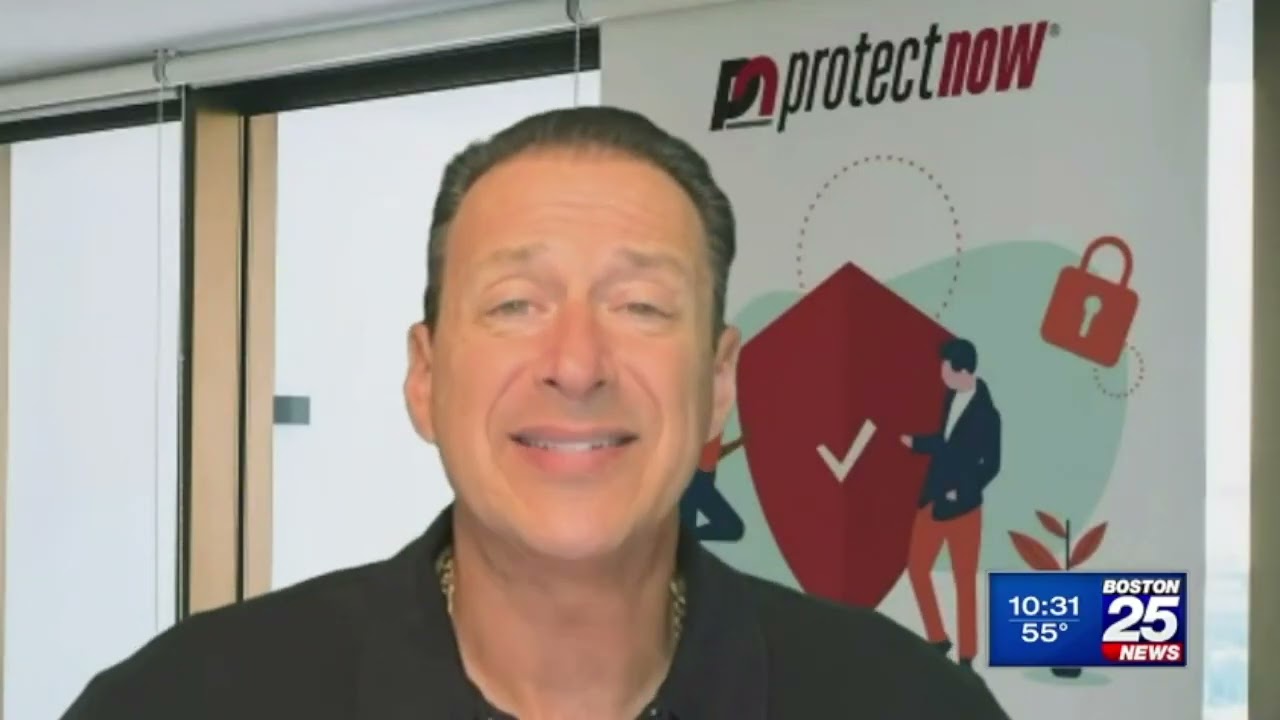
This content was created by Robert Siciliano. This content was uploaded by Robert Siciliano. This is a YouTube news segment titled "Beware of Cyber Monday Scams" (Boston 25 News) from November 28, 2022. It features anchor Carrie and reporter Liza Papp in a live control-room report with cybersecurity expert Robert Siciliano. The discussion warns about holiday/Cyber Monday online scams, relays FBI guidance, and offers consumer protection tips (keep devices and browsers updated, use antivirus/anti-phishing and password managers, verify HTTPS and seller legitimacy, avoid clicking suspicious links, prefer credit cards for disputes, and report scams).
Chapters
Happening tomorrow, it's one of the busiest shopping days of the year. So many of us will be searching for the best deals for Cyber Monday, and experts say the bad guys are counting on it. Boston 25 News reporter Liza Papp is live in our control room. Liza, you spoke with a local cybersecurity expert about how we can all protect personal information.
Yeah, that's right, Carrie. A lot of people may let their guard down on Cyber Monday as you're flooded with all those online sales. The FBI warns thousands of people will become victims of holiday scams, so So there are ways for you to make sure you're not one of them. You've already seen the deals online for Cyber Monday, whether they're on social media, your email inbox, or even through text messages. There are lots of ways to shop online and a lot of ways to get scammed.
If you get an email that looks like it's coming from Amazon or Best Buy or eBay or anyone for that matter with some type of a link and/or an offer designed to lure you in to hook you, uh, could be too good to be true, ultimately compromising your credit card number or your device.
Cybersecurity expert Robert Siciliano says there are ways to protect yourself from online scams, especially this time of year.
During the holiday season, really in all year, make sure your device's operating system is properly updated, you updated your anti-spyware, your antivirus, and anti-phishing software. Make sure your browser is also updated, and make sure you have a password manager and have a different passcode across all your accounts.
The FBI warns the most popular scam is buying an item online that that never gets delivered. So how can you make sure what you're buying is legit? First, double-check the website to make sure it starts with HTTPS, which shows it's secure, and always read customer reviews. One of the easiest ways to get tricked is through a phishing scam where someone tries to get you to click on a link and then steals your personal information.
I always avoid clicking any links in emails, and if you're going to do a search on Google, be careful with that as well, because sometimes rogue websites can pop up in the first page of search.
Phishing scams are everywhere. So I just found this email in my Gmail and it looks like it's from Walgreens. It says Black Friday Exclusive Rewards Walgreens. And then when you scroll down the email, there's a link to click for a survey. Now I've never ordered anything from Walgreens before, and if you look closely at the email address, you can see it's clearly not from Walgreens. A few other tips while buying online. The FBI says try to pay with a credit card in case you need to dispute the charge. Never wire money directly and avoid using prepaid gift cards. Overall, the FBI says be cautious if the deal looks like it's too good to be true. And if you do get scammed online, call your bank or credit card company right away to dispute the charges. You should also report the scam to police. Live in the control room, I'm Eliza Pappas for your local station, Boston 25 News.