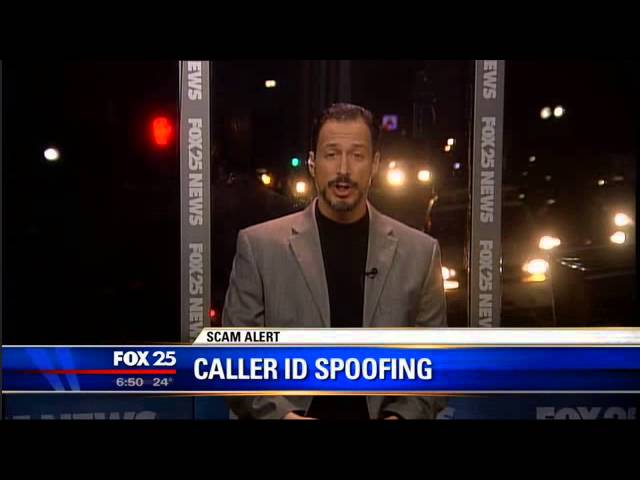
Robert Siciliano, an identity-theft expert at McAfee, explains how scammers spoof your own phone number to make telemarketing calls seem legitimate. He recommends setting up a voicemail menu, considering a number change, and never trusting caller ID when someone asks for personal information.
Chapters
Jim, thank you. Caller ID spoofing. Someone makes phone calls, masks their calls to your phone number through technology. Spammers make calls which appear to come from your phone, putting your personal information in jeopardy. We just told you about this. John Monaghan just interviewed a guy that this just happened to. Let's bring in Robert Siciliano, identity theft expert, McAfee consultant, perfect person to talk about this. You heard John Monaghan's report earlier tonight, local man falling victim to this. Tell everybody what spoofing is, just to remind everybody.
So bad guys can— sign up for services over the web that allows them to call your home or office phone line, and they can plug into the caller ID whatever they want to say. So they can say that they are the local police department, along with the local police department's phone number, and that's what shows up on your caller ID. You get that call, you think it's the local police.
So what are some signs, besides the fact that people keep calling you back saying, "Why are you calling me?" What are some other signs that this could be happening to you?
So anytime anybody ever calls you, they're asking for personal information, and their caller ID says, say, the Publishers Clearing House or any other government entity or corporation for that matter, that very well could be a scam. You know, it's somebody who's probably hijacked another organization's information and they're calling you trying to get credit card information, Social Security numbers, bank account information, and so forth.
We saw this guy having a really hard time getting this problem fixed, so what should he do? What should anybody do in that case?
Well, in his situation, basically his phone number is being used to spam other people. It's kinda like when your own email is used to spam others. In that case, you might get rid of that email address because it's no longer good to you. So in this case, the best thing for him to do right now is probably to set up a voicemail system, and then that voicemail say, you know, press 1 for oil, press 2—
What a pain! That stinks. I mean, yeah, that's a great solution, but he's got a business to run.
That's it. So these are the things that we face in this technological age where sometimes technology can be hijacked by bad guys.
And quick fix, just get a new phone number. But what if that's not an option? What if he's had that number for years and years and years and that's how people identify him?
Yeah, that's where you set up a voicemail that directs people to press 1 or 2 depending on what they need.
So your best advice to all of us, even if we don't own a business?
Well, in regards to just caller ID in general, you can't trust that the person calling you is in fact who they say they are. So always beware that it could be a scam.
All right, Robert Siciliano, identity theft expert, McAfee consultant, thank you so much for stopping by Beacon Hill Studio. Great advice as always.