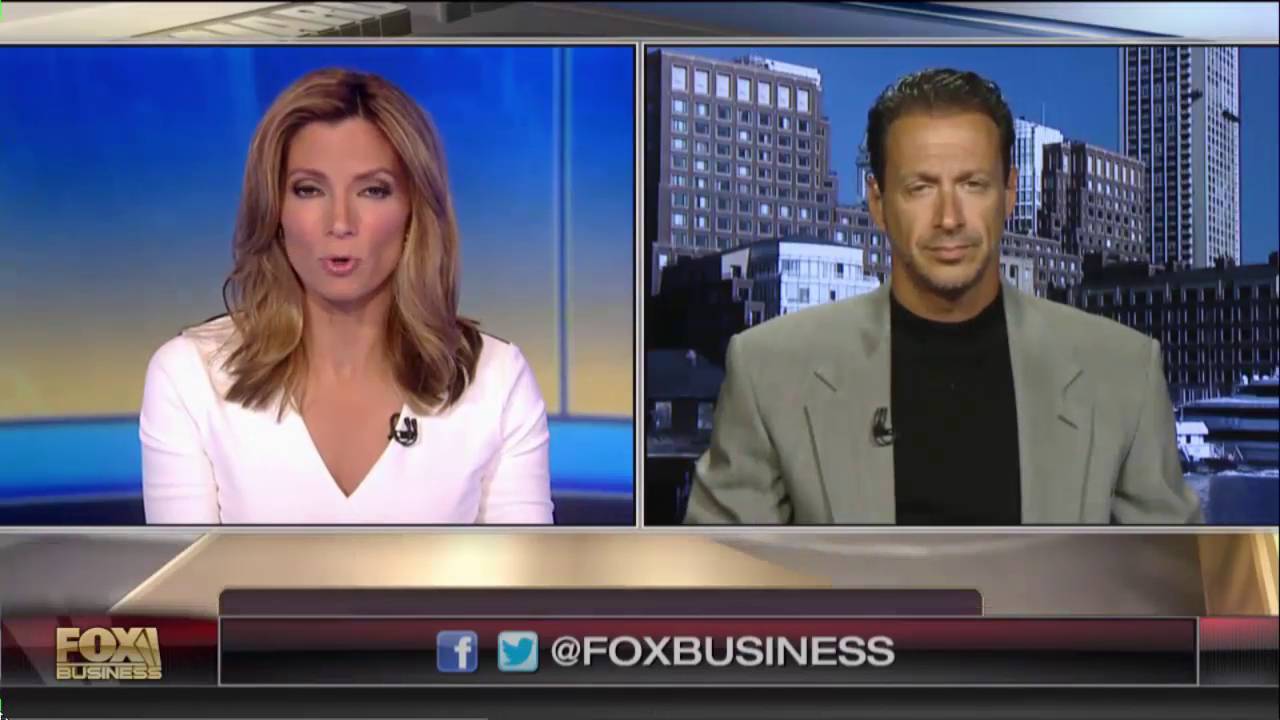
This content was created by Robert Siciliano. This content was uploaded by Robert Siciliano. This is a YouTube interview clip titled "Facebook Messenger Encrypts and Pokemon Go Robberys Kidnappings" (posted July 12, 2016) featuring an on-air host (Speaker A) interviewing cybersecurity expert Robert Siciliano. The conversation covers Facebook Messenger's new opt-in end-to-end encryption and the tensions between user privacy, law-enforcement access, and backdoor risks, and also discusses safety concerns around Pokémon Go's geolocation features, including reports of robberies and a potential kidnapping.
Chapters
Facebook users will be able to have encrypted chats with their friends online. So users must opt in to protect their messages, but those messages will not be able to be cracked. Cybersecurity expert Robert Siciliano is with me now. So Robert, this seems like a bizarre time to be launching this when we keep talking about social networks fighting terrorism. So I want to know if you see it that way, because you could also make an argument that it doesn't make sense to slow down technology. Just because there are bad actors who will use it, among other people.
Yeah, agreed, agreed, agreed. Um, so Facebook, it seems, is making a compromise actually by, uh, making this an opt-in feature. So many of the apps are going the way of total and full encryption, including Facebook's owned WhatsApp. So this opt-in feature means that those that want to actually have the encryption can, So the more sophisticated users will enable it, whereas the rest of the world probably will not.
So what do you see then as this kind of right zone, let's say, between evolution, which is completely normal for all tech products that we use, but then letting law enforcement have access in some sort of way? I've heard people say that Congress should actually get involved so that for the tech companies it doesn't become just up to them case-by-case as to what to do?
Yeah, that's a tough one. So obviously, you know, here I am presenting as a security professional, and that is my primary concern. And securing the homeland, securing the individual, securing the corporation, securing the data, securing privacy and so forth, all matters. And so when you leave a backdoor open, right, for government officials, that can also lead to criminal hackers getting access as well. So that's very touchy ground you're on right there. So it's very important to consider that before you enable Congress to make those decisions.
Okay, noted. I wanna ask you about something else which is kind of zany and fun, but gamers, people going crazy over this new app, Pokémon Go. So essentially it's this augmented reality app. It's free, but it has been downloaded now, something like 1 in 20 Android phones have it. People spend on average 43 minutes. You look through your camera's phone and you see a little Pokémon creature, one of about 100. Um, but what do you think of the more sinister purposes? It seems like some burglars are actually luring people into the equivalent of dark alleys to mug them.
Burglars and robbers with guns and even kidnappers. A potential kidnapping was just reported a few moments ago by someone in Massachusetts. So the geolocation feature, which essentially lets anyone who's playing the game know where you are or where they can lure you to, is being used by those with bad intentions. So those using the app need to recognize that at any given point in time, such as even having like a Craigslist ad, that anybody can use that against you, that they can figure out your location, they can come to you, you can go to them, and essentially they can assault you, rob you, or even kidnap you.
Robert Siciliano, thank you. Glad to have you here. Thank you. Joining me there.