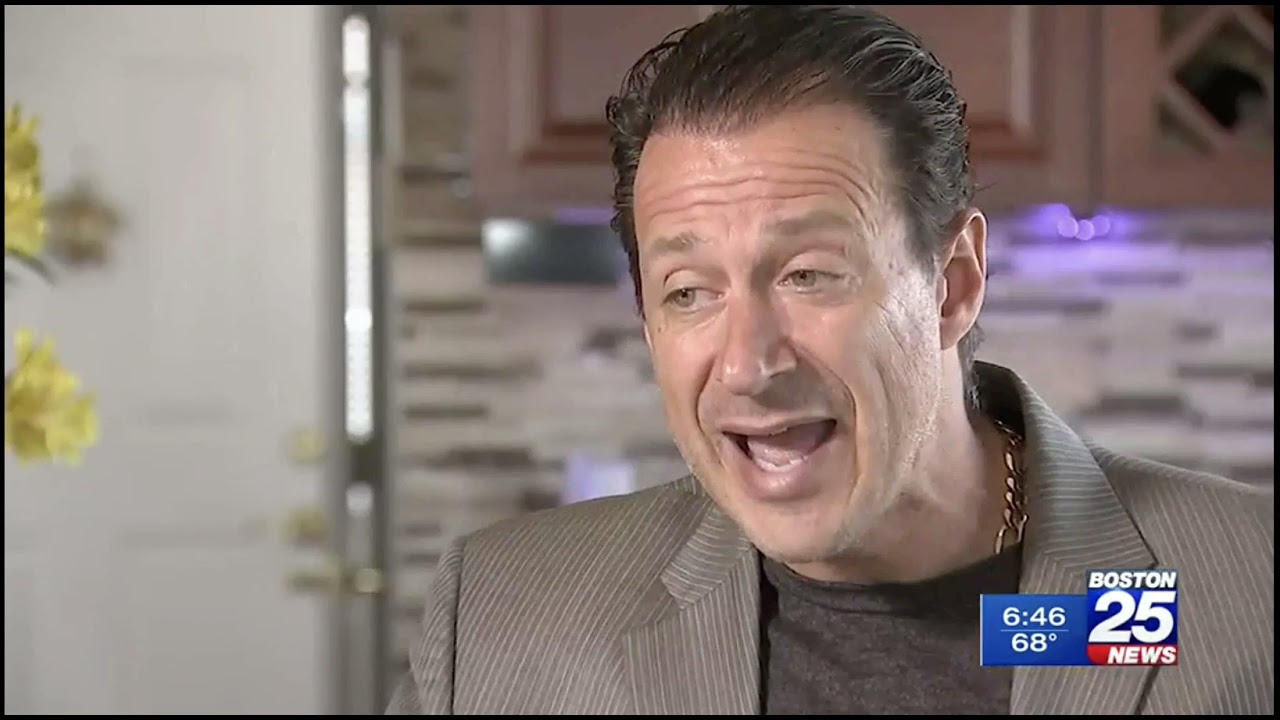
This content was created by Robert Siciliano. This content was uploaded by Robert Siciliano. This is a YouTube news segment titled "How to protect your retirement accounts from hackers ad scammers" (Boston25 / 25 Investigates) published Sept 19, 2021. It’s a journalist report by Carrie Cavanaugh featuring a discussion with GAO IT/cybersecurity official Nick Marino and cybersecurity trainer Robert Siciliano (ProtectNowLLC). The piece summarizes a Government Accountability Office report about cyber risks to retirement accounts (about $6.3 trillion) and gives practical consumer advice — verify email sources, enable transaction alerts, use two-factor authentication (or biometrics), and regularly update passwords — while noting calls for clearer Department of Labor guidance.
Chapters
Hacks are on the rise, and the next one could be coming for your retirement. Government watchdogs tell 25 Investigates retirement accounts like 401s are at risk, and they want to overhaul how they're protected. Boston 25's Carrie Cavanaugh found out what you can do right now to protect your personal information and your money.
For so many of us, retirement accounts like 401s are in cruise control. You can contribute directly from your paycheck And they're usually managed by a large investment firm. Low maintenance for you, right? Government watchdogs say if you're not keeping tabs on that account, it could be a matter of time before someone else is.
We're talking about, uh, not only personal information on each of us that, that may hold a retirement plan, but also actual money.
Better protecting your life savings and personal information. That's the goal of a new report from the Government Accountability Office. Nick Marino says the GAO's director of IT and cybersecurity issues. What did you find when you looked at the security of our retirement?
Many of the same things that we fear, as you mentioned, within our social media accounts, our bank accounts, are the same risks that we see within the retirement plan industry.
Marino says retirement accounts valued at $6.3 trillion and the large firms that manage them are big cyber targets. The GAO report says the U.S. Department of Labor should create clearer guidelines about who is most responsible for mitigating cyber threats and how that should happen. While that's being sorted out, consumers, whether you're 34 or 64, can take action right now.
People's life savings can be wiped out in a matter of seconds by clicking the wrong link or providing your passcode to a bad guy.
Robert Siciliano is a cybersecurity trainer who runs ProtectNowLLC.com.
I say that every email you get is a lie until you can prove otherwise.
Siciliano says consumers are often too trusting of what's landing in their inbox. He says never click on a link sent to your email unless you can verify where it came from. Next, set up alerts to proactively monitor your account.
So every single time there is some type of a transaction, you get a phone call, an email, or a text message to notify you. That's a push alert.
Use two-factor authentication, not just a singular password.
A username, a passcode, and a one-time passcode that you generally get via text message.
And be obsessive with your account security. Update your passwords at least once a year. Year.
Another option is a biometric authentication using your face or a fingerprint for an added layer of protection beyond a password. We reached out to some of the major retirement management firms to see how they are reacting to this report. To read more from Vanguard and Fidelity, head to our website Boston25news.com. For 25 Investigates, I'm Carrie