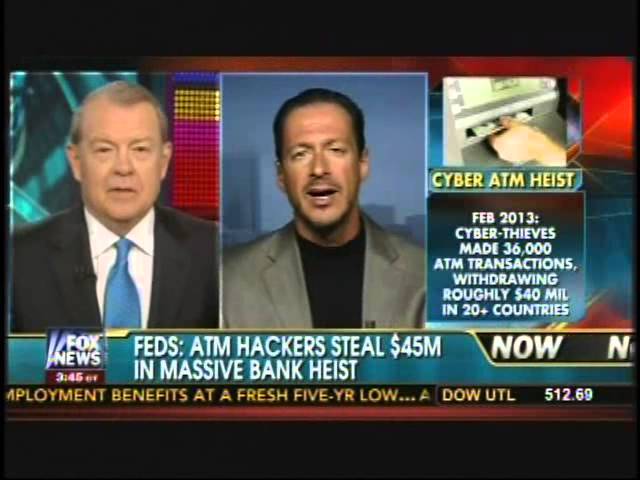
In a YouTube interview, cybersecurity analyst Robert Siciliano explains a massive ATM cash‑out operation that resulted in the indictment of eight members of a New York cybercrime cell for allegedly stealing $45 million worldwide. Siciliano describes how the criminals first breached overseas banks to obtain administrative rights to accounts, allowing them to increase ATM withdrawal limits. They then copied account numbers onto blank ATM cards and paired them with stolen PINs, coordinating dozens of operatives in multiple countries to withdraw cash simultaneously, with teams in Manhattan using backpacks to haul the money. Siciliano emphasizes that individuals cannot prevent banks from being compromised, but can protect themselves by closely monitoring their accounts, using third‑party transaction‑monitoring services, and enabling bank notifications for withdrawals. The interview concludes with a reminder to stay diligent and act quickly on any unauthorized activity.
Chapters
And from lost money to stolen money. 8 people charged for their alleged role in stealing $45 million from ATMs worldwide. Their secret? Your PIN number. Cybersecurity analyst Robert Siciliano explains how it all went down and how you can protect yourself. All right, Robert, let's start with how it happened. How did they do it? Can you make me— I look a layman— can you make me understand this?
So it looks like they broke into a couple banks overseas, were able to get some form of administrative rights over a variety of different accounts, which allowed them to increase the amount of withdrawal that could occur at an ATM machine. From there, they took those— the account numbers and burnt the ATM card pins— I'm sorry, the ATM card numbers onto blank ATM cards, and they had the pins as well via the break-in. And they were able to coordinate dozens of people in dozens of countries at the same time early in February, mid-February, to make withdrawals all at the same time to the tune of millions and millions of dollars.
As I understand it, they had 7 guys walking around Manhattan, New York, with backpacks just taking money out of ATMs with these cards and stashing it in the backpack and just walking on to the next ATM. It was like that, wasn't it?
It was, it was just like that, but not just in New York. It was being done all over the world. So it's a worldwide gang that did it, right?
Worldwide gang.
A worldwide gang, completely organized, to the point where the security cameras show that their backpacks were getting bigger and bigger and heavier and heavier as they went on.
Now, how can you and I protect ourselves from this kind of thing?
So, Unfortunately, you and I can't actually proactively protect our accounts from being compromised when the bank isn't doing their job. But what we can do is to pay close attention to our accounts. You can simply monitor your accounts for unauthorized activity and refute those unauthorized charges or withdrawals as quickly as possible. There are also many third-party sites that will monitor your transactions and let you know if any large withdrawals have taken place within, you know, a day or two.
But Robert, if you're going to do it yourself, you've got to do it every single day, haven't you? Really regularly. Check it regularly. That's it?
You do need to be diligent. And again, there are third-party sites where you can sign up for that you can essentially get notification of any withdrawals. And your bank will, in some cases, will also send you text messages of, of withdrawals as well.
All right, Robert Siciliano, thanks for joining us, sir. Thank you.