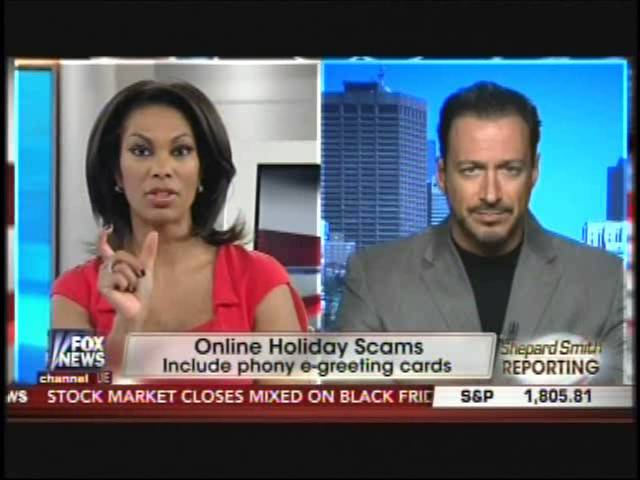
Robert Siciliano, a McAfee security analyst, walks through 12 holiday scams to watch for in 2013. Phishing emails posing as Walmart, malicious e-greeting cards, and fake delivery notifications are common. He recommends checking for HTTPS, keeping antivirus updated, and using McAfee's 12 Scams resource.
Chapters
Well, there are plenty of busy shopping days ahead, including Cyber Monday. But before you go online, we want to remind you plenty of con artists are trying to steal your money at the same time. Things for phony e-greeting cards. Now this one really struck me. Can you imagine somebody sending you a digital e-greeting card and that being problematic? We'll talk about it. Social media post scams, gift card scams, and fake delivery-related emails. In fact, we were talking about this in the newsroom and our senior producer received this email from Walmart.com. From Walmart spelled with two L's as you go into the email. Uh, and that's part of the problem. The email claimed he had bought a $900 television, and the message was full of links to suspicious sites. Robert Siciliano is online, a security analyst for the McAfee security software company. Robert, thanks for joining us today.
Good day.
You know what, I'm gonna ask you about that one email from the Walmart with two L's in a moment, but first of all, I want to start with shopping via our mobile devices, which most of us are doing these days. You know, we've got our iPads and our iPhones, our smartphones, and securing our credit cards while doing that. Are there safe software packages that we need to even download for our mobile devices, or do they come already packed with them?
Well, you know, there are millions and millions of viruses targeting PCs, thousands targeting Macs, and now tens of thousands targeting mobile devices. I've already made purchases on my mobile, and I know many people are, and there are some not-so-merry mobile applications available to consumers that when installed are malicious and will record usernames and passwords and credit card information. So make sure with mobiles you are only downloading applications from, say, Google Play or Apple's iTunes.
You know, that's really interesting because I think most people think, well, when you have a smartphone, it just comes already with the protective software on it. But there's some other little tips that I read in some notes that you, that you sent us about the HTTP and what you need to look out for if you're gonna swipe your card online or use the number.
Yes, so today when you're placing orders online, you wanna make sure that the website itself is secure. In the address bar where it says www., it should say HTTPS. That signifies that it is a secure page and that retailer has encrypted that card data over the web.
You know where I've gotten caught, Robert? I do what I call quick clicking, where if I see a tweet or a text come through and it's been shortened, the website address, I just click on it because it's so fast to go to it. But you say I should never do that.
Well, so that's what most people end up doing. That's one of the biggest problems is that we're kind of navigating the web so quickly, we're clicking on things, we don't necessarily think about what we're doing. You really do have to think before you click. And that's why you need antivirus, anti-spyware, anti-phishing, and a firewall there to watch your back so that you can really, you know, surf without having to worry. But the bad guys know that the conveniences of all this technology at our fingertips, buying stuff online, especially this time of the year, that we are visiting websites that we find in search that may be phony e-tailers, that we're entering credit card information on sites that aren't properly protected. That we're receiving emails, phishing emails with too good to be true offers, that when we click those links, they bring us to rogue sites that may in fact inject code, malicious code into our browser. They know all this stuff, so they're ramped up right now and they're preying upon us during this dizzying time of year.
Right, and that Walmart with two L's email that we started with before we went to you that our senior producer received is one of those sites. When you go into it and you click on one of those links, they take you to all sorts of places. You certainly don't want to go to if you're at work. No matter where you are, it's just not a good idea. Last thing, season—
You do spell wall with two L's, right?
That's true. I mean, they got to there. Maybe they're thinking you just don't know how to read. I don't know.
Well, that's it. And many people don't.
Yeah. Real quickly, the e-greetings, the season's greetings. I get these cards all the time from friends and family, and I've never been, you know, feeling like I shouldn't, too afraid to click on those, but you say they can be problematic. Why?
Yeah, well, malicious e-cards that are addressed to, um, uh, they, they say someone who loves you sent you this great e-card. So that e-card isn't specifically addressed to your name, it isn't specifically, uh, coming from anybody in particular. Uh, that very well could be a scam. Even when you get them that, you know, your, your, your friend or your family member specifically sent you one and it's to your name from them, You still have to be suspect. The biggest problem is that these cards today have multimedia, they have Flash, they have Java, Java, which are technologies that can be flawed, they can be compromised, and when you start clicking things or opening things, if your devices aren't updated, your operating system isn't updated, your antivirus isn't updated, you can get into some trouble there.
All right, the 12 Scams of Christmas is a list you've put together for us. Real quickly, where do we find it?
So go online to McAfee.com/12Scams.
Easy peasy. Robert Siciliano, thank you very much. Happy holidays to you.