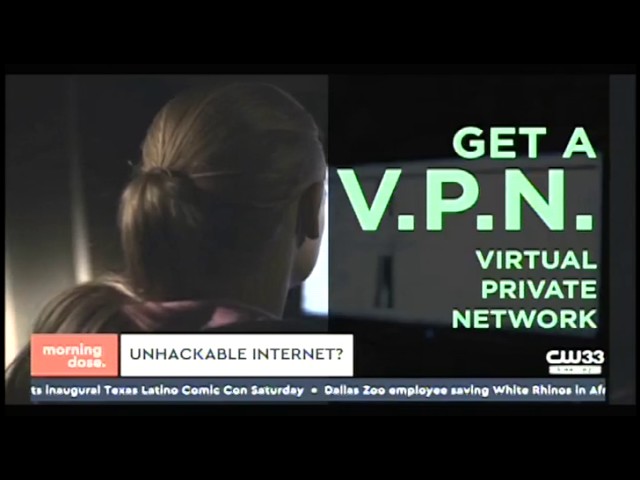
China announced a quantum network it claims is unhackable, raising questions about U.S. progress in quantum computing. The segment covers what quantum security means and offers practical advice: use a VPN like Hotspot Shield, install updates, back up files, and avoid suspicious links.
Chapters
Welcome back to a Wednesday edition of Morning Dose. Hackers, beware! MC Hammer is coming after you! And also, your days could be numbered.
Yeah, that is if China's new so-called unhackable technology works as advertised. Let's take a look.
Internet connections are relatively insecure.
That's right. When you're working on your laptop at Starbucks or paying bills on your tablet at home, your information is exposed to the world. And in an age where everything is done online, you need security.
However, there's no such thing as 100% security, at least not yet.
That's where quantum computing comes in.
Quantum computing essentially is a form of encryption, a high-level form of encryption that is essentially unbreakable.
And that's why everyone's heads are turning at China's announcement that not only do they have a quantum computing network, but they're making it available to members of their government, military, and financial sectors next month. And they're calling it unhackable.
To consider quantum computing unhackable is the closest thing we will ever get to something being essentially unhackable.
The scariest thing about this news from China isn't the fact that they have this network, it's how much further along they are than the United States.
We don't actually have, you know, full-blown quantum computing across the board. Very few devices here in the U.S. essentially are using quantum computing.
And how long would it take for us to get caught up to China?
It would take quite some time, years, in order for that to happen.
So what can you do now to protect yourself? Robert suggests getting a VPN, or virtual private network, such as Hotspot Shield, which you can download to your PC or Mac for free, so there's no reason not to do it. This will give you the best protection online until quantum computing becomes widespread. And there are some things you can do right now to protect yourself from hackers.
Yeah, Anthony Ponce joins us from Doce Chicago with some of that advice. Anthony? Gary and Layla, experts say that hackers normally target people with quote-unquote poor digital hygiene. So make sure you don't have poor digital hygiene by following a couple of very basic steps. Here they are right here. First off, install software updates. Make this a habit. Do it immediately. Turn on auto-updaters where they're available, and if you're a PC user, Microsoft also recommends running its free antivirus software for Windows. Number 2, if backing up your files isn't a habit, make it a habit. That way, if your computer gets infected, your photos and documents are encrypted. You don't need to worry about losing them. And then finally, stay alert. This is a common sense one. Don't click on links that you don't recognize. Never download files from people that you don't know personally. So those are 3 real quick ways. If you can't do that VPN thing that the segment was talking about before, These are 3 ways to clean up your digital hygiene immediately. Guys, back to you. That sounds like a challenge to me, because you know there's going to be some hackers out there that are like, oh, unhackable? Watch this.
Yeah, some 12-year-old in his bedroom.
Yeah, probably happening right now.
All right, thanks, Anthony. Morning Dells is just getting started. There's so much more ahead. Melissa.