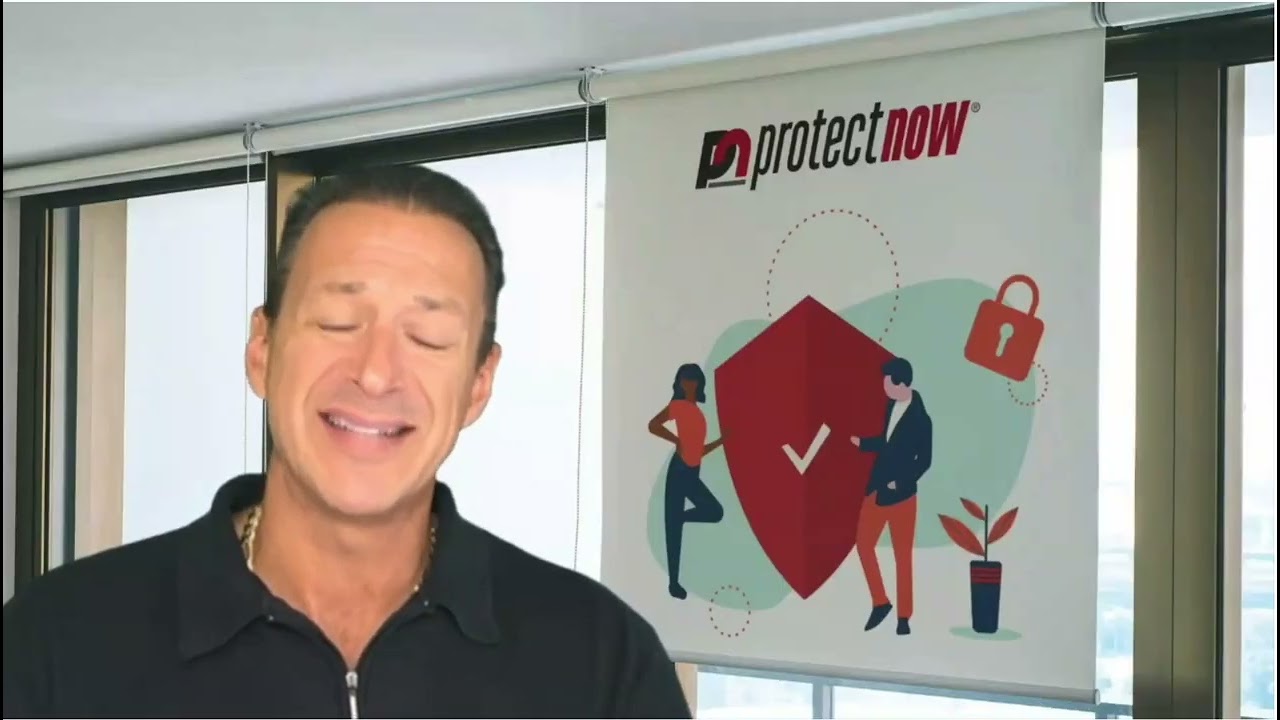
Cybersecurity expert Robert Siciliano explains that clicking a malicious link isn't the disaster itself. What matters is what you do next: change passwords, enable two-factor authentication, run an antivirus scan if needed, and freeze your credit if personal data was exposed.
Chapters
Have you ever clicked on a scam link without thinking and then panicked? Well, whether it's your work laptop or your cell phone, there's still a chance to fix things.
When you click a link, uh, and realize that you shouldn't have, it's not because you're a sucker and there's nothing to be embarrassed about. It's because you trust by default, and that's okay.
Robert Siciliano is a cybersecurity expert and the CEO of Protect Now LLC. This Cybersecurity Awareness Month, he's walking us through what to do if we fall for a scammer's trap.
Clicking the link in a text message or an email in and of itself does not necessitate fraud. It's what you do once you click that link that can get you into some trouble.
If you gave a scammer usernames or passwords, change those immediately and set up two-factor authentication for that device. If clicking the link downloaded something to your computer, run an antivirus software to check for malware. And if you gave someone your Social Security number, you'll want to freeze your credit as soon as possible. That prevents anyone from opening accounts in your name. Going forward, if something feels off, trust your gut.
If you're unsure about it, right, call a friend, call a family member, have them take a look at it.
So you don't waste your money.
More from Robert

America's #1 Top Cyber Security Speaker Architect of The Strategic Human Firewall™

Robert Siciliano Cyber Security Speaker, Cybersecurity Awareness & Security Appreciation expert.

Nancy Guthrie Deleted doesn’t mean destroyed- FBI recovers 'inaccessible' surveillance video servers







