The segment warns consumers about Valentine’s Day scams that use fake discount links on Facebook, spoofed websites, malicious e‑cards, and manipulated search‑engine results to steal credit‑card information. Victim David Bullen recounts seeing a 30%‑off flower offer that led a friend to lose nearly $500. McAfee identity‑theft expert Robert Siciliano explains how scammers clone trusted site designs and hijack top search results to appear legitimate. The report advises viewers to verify coupons, only enter payment details on HTTPS‑secured sites, be cautious about where they click, and double‑check offline purchases. The overall message is a cautionary call to stay vigilant during the holiday shopping rush.
Chapters
Losing money to Valentine scams. A warning: phony links and fake websites are tricking good-hearted gift givers out of hundreds. Diane Lee tells us how to avoid getting taken in a 7 On Your Side Consumer Watch.
This time of year, it's in fashion to be a fool for love. But when it comes to buying sweet nothings for your honey, don't play the fool and get scammed.
My wife, you know, she loves flowers, so I was thinking about doing it, and something about it just didn't seem right.
David Bullen says he saw a link for 30% off flowers on Facebook, but But before he entered his card, he decided to ask around.
So I started, you know, putting a post on my wall and asking other friends if they'd heard about it. One of them actually had, and he said that his credit card was billed for a just ridiculous amount of money and told me to stay away from it.
Bolin says his friend lost almost $500. It's one of many Valentine scams that could target you online. McAfee sent us this bogus discount email as another example. Also, watch out for e-cards that can download a virus and spoof websites.
They're actually creating websites that have the look and feel to other websites that you may already know, like, and trust. And in those situations as well, they enter credit card information and they get victimized.
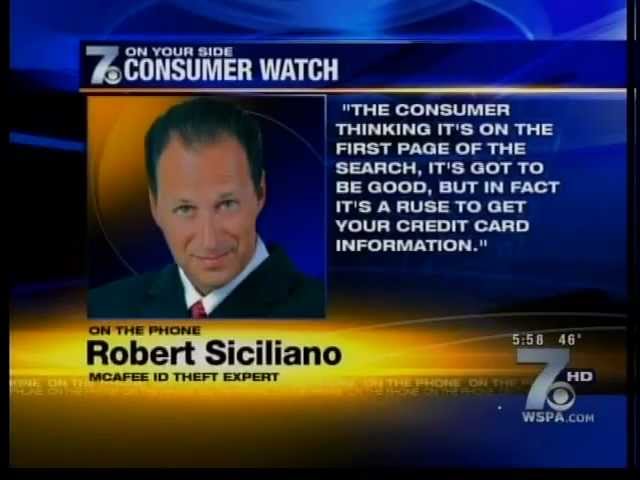
McAfee identity theft expert Robert Siciliano says it's not just links on social media that put you at risk. Search engine results may turn up bogus websites because scammers embed code to make them jump to the top of the list.
The consumer thinking that, well, if it's on the first page of search, it's got to be good. Good, but in fact, you know, it's a ruse designed to get your credit card information.
So take a cue from Bolin.
Be careful what you buy offline. Make sure you know where you get it from.
Verify special coupons, only enter your card on secured HTTPS sites, and be careful where you click. In Spartanburg, Diane Lee, 7 On Your Side.
And stay with us, 7 On Your Side at 6 with Tom and Amy