WhatsApp, used by roughly one billion people, now encrypts all messages so only sender and recipient can read them. Identity-theft expert Robert Siciliano says encryption protects personal and medical communications, but law enforcement wants backdoors to access encrypted data, creating tension between privacy and public safety.
Chapters
WhatsApp is an instant messaging service used by an estimated 1 billion people globally, and it's now providing full encryption. That means the sender and recipient are the only ones who can access that information. It's a major step for privacy in the digital age and a potential new headache for law enforcement around the globe. CCTV's Sean Calypso has our story.
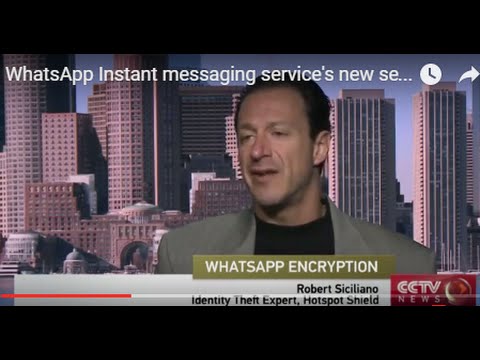
WhatsApp, the instant messaging system used by more than a billion people around the world, is now boasting all messages are secure. It's called end-to-end encryption and means only the sender and recipient can see the messages, photos, and videos. Robert Siciliano, an identity theft expert with Hotspot Shield, explains the importance.
Encryption is, uh, absolutely necessary to protect personal information, proprietary data, medical information, private communications, and without encryption The data is up for grabs.
Facebook owns WhatsApp. The company founders detailed in a blog why they want all WhatsApp information to be so secure, saying, "Every day we see stories about sensitive records being improperly accessed or stolen, and if nothing is done, more people's digital information and communication will be vulnerable to attack in the years to come." But there's a flip side to this coin. Terrorists and others want to use secure methods to plan and carry out attacks.
The battle between safety and privacy is ongoing. It will always be there.
For example, 14 people were killed and another 22 seriously injured when two shooters went on a rampage in San Bernardino, California. The FBI asked Apple to unlock the iPhone belonging to one of the shooters in an effort to find out who the killers were talking to. Apple refused, citing privacy concerns. WhatsApp is being blunt, saying no one can access their secure encrypted messages. Not cyber criminals, not hackers, not oppressive regimes, not even executives at WhatsApp. Law enforcement officers contend it's a slippery slope and will continue to push for a so-called backdoor so they can have access to encrypted and locked files.
What is really scary is the fact that we have tech companies that are currently fighting for our privacy and fighting for our rights, where generally it's, you know, governments that are responsible for protecting their citizens.
In the end, the FBI was able to hack the San Bernardino shooter's iPhone without Apple's help, but it took weeks, and it did nothing to resolve the ongoing dispute of privacy versus security. Many governments and law enforcement agencies contend they still want a quick way to access encrypted information that they contend could save lives. Sean Kadelebs, CCTV in Washington.