The Past, Present & Future of Podcasting (with Rob Greenlee)
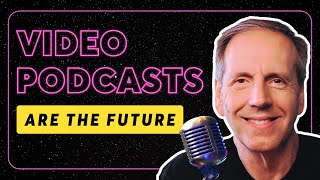
In this inaugural episode of Inside the Creator's Studio, hosts Mo and Katie interview veteran podcaster and media executive Rob Greenlee about the evolution of podcasting over the past 24 years, current trends, and future opportunities. Rob recounts the technical origins of podcasting (RSS enclosures, early platforms like Zune/Sync & Go, Libsyn), the shift from audio‑only to video‑podcasting, and the rise and fall of platforms (Apple Podcasts, YouTube, Spotify, TikTok, X). He discusses the steady‑state growth of the medium, the concentration of listenership among a small elite of shows, and why starting a podcast today is still viable. The conversation covers practical tactics—equipment (Shure SM7B, Sony 4K camcorder, DJI wireless mics), distribution strategies (convergent audio‑video, short‑form clips, live streaming), monetization (host‑read ads, advertising spend, sponsorship cycles), and the role of AI and 360° video. Rob shares personal anecdotes (world’s largest glass of orange juice, early Microsoft Sync & Go work) and offers advice on pod‑fading, aligning with production companies versus staying independent, gathering feedback, and maintaining creator‑audience relationships. The episode ends with recommendations for other creators (Rob Blake, Tesla‑focused podcasts) and plugs Rob’s own shows (Trust Factor, New Media Show) and upcoming AI‑focused project.
Chapters
What is one thing you wish you knew when you started podcasting?
Actually, how to podcast, because I started back in—
I like that you said that you're watching video podcasts as if it was TV.
The word podcast has survived, and it's increasingly meaning more than what it originally had intended.
So anti-hustle culture. You're saying like pod fading is okay.
It is okay, right? I was a content creator on that Sync and Go platform. There's only 13 content creators on the platform.
This is the huge glass of orange juice, and this is Rob Greenlee. World's largest glass of orange juice plus giving away a sailboat— that feels like MrBeast content, except it was 20 years ago.
Welcome to Inside the Creator's Studio, an origin story podcast about the world's best video content creators.
On today's show, we have Rob Greenlee, who we'll be talking to about the future of podcasting, the history of podcasting, and his advice for new podcasters. Rob has been a podcaster for over 24 years and is considered a pioneer in the new media industry. He oversaw content development, distribution, and partnerships in prior executive leadership roles at places like Microsoft, PodcastOne, Spreaker, and Libsyn.
This show is brought to you by StreamYard, a browser-based tool that lets you livestream to any platform, record podcasts in studio quality, and even host webinars. It's built for creators and video marketers to make your job way easier. We use it to record this podcast.
Hi, Rob, welcome to the show.
It's great to be here, Mo and Katie. It's, uh, it's an honor to join you in your first episode.
Yeah, this is monumental and we couldn't ask for a better first guest.
And I am so nervous right now. Oh my God.
To be completely honest, we're so nervous. But we're so excited at the same time.
Those go together. Being, being nervous and excited go, go together. And that's what's great about doing podcasting is that, you know, bringing energy is what it's all about.
Yeah. Yeah.
Speaking of energy, let's wrap it up with the rapid-fire questions that I have for you. Feel free to keep the answers short, but if you want to expand on a little bit, like, go ahead. So number 1 is, where did you grow up?
I grew up in Seattle. Kind of metro area up in the Pacific Northwest. So spent most of my life up there. I've only been on the East Coast for a few years now.
What are some hobbies you have outside of podcasting?
Well, they tend to be kind of, kind of geeky, but I have had a history of getting up in the mountains and hiking and, and getting outdoors and doing things like that. But I do like flying a drone. I've got an electric car. I've got all sorts of gadgets and stuff, but I do spend too much time working on my, my yard and my house.
That's awesome.
What are some of your favorite podcasts? You can list more than one.
Well, I tend to listen to shows that I'm friends with the creators, and I, I listen to so many different shows to try and keep up with the trends in the industry that I don't really have any one single one that I can point to. So it's, uh, I guess I'm not a good example. I probably have 120 subscriptions on my Apple Podcasts app, so I can't really point to one and say that's the one. But yeah, I just like to keep up with what's happening in the podcasting medium. And to be totally frank about it, being a creator is so much work, and I'm doing so many different shows, I don't have a lot of time to actually listen to podcasts. So it's one of those things that's a little bit of a hit and miss for me on that side., but I usually do it just to keep up with, you know, the, the latest and greatest, uh, show that's being featured in Apple or whatever, to, to hear what the trends are and hear what popular people are, are doing out there around content.
Cool. So given that answer, I'm guessing my next question is also going to be not applicable, but I was going to ask, which podcasters' ads do you look forward to?
Well, the ones that actually are host-read are, are the most appealing to me, and ones that are are delivered with a little bit of a taste of humor and a little bit of taste of personality and a little bit of a taste of personal experience. So those are the best kind of podcast ads, and they've always been that way. So ones that are very authentic and real.
So what is your go-to microphone?
My Shure SM7B is my main one, and I'm using it right here, but I'm all in on Shure. I do have some Audio-Technica microphones too. So, so I have a lavalier and, and, but I did acquire here recently a wireless mic set from DJI, which is basically a wireless microphone configuration that has really good audio quality. So I've been playing around with more advanced audio, audio and video, you know, recording type of equipment and platforms and things like that.
Cool. What is your favorite app to listen to podcasts?
I'm pretty much all in on the Apple Podcasts app, so that's the one I've been using for many, many years. But I did spend many years working for a competitor of Apple Podcasts. I used to work for the Zune podcasting platform from Microsoft for many years, and I didn't tend to listen to a lot of stuff on Apple back then.
What's your favorite webcam to record video podcasts?
I use a camcorder from Sony. It's a 4K camcorder. So for many years I did use just a regular webcam, but I did try and upgrade to a larger sensor and more color depth and, and just a higher quality, quality video. I mean, I'm currently only using the 1080p setting, but this camera is capable of full 4K. But, but the media landscape really hasn't shifted entirely on the Crater side to 4K yet. So But I know that it's, it's possible in places like, like YouTube. But it also— I don't know if it's necessary.
What is one thing you wish you knew when you started podcasting?
Actually, how to podcast, because I started back in, back in 2004. So I was hand-editing RSS feeds when all this started. So that was a big part of it. And it was such a small part of what I was doing because I started on the radio back in 1999., and then I increasingly was taking my audio show that I did in the radio station out, uh, and made it available off my website. So it was just a direct download off my, off my website. So it was really— podcasting has developed very slowly over the years. Uh, I think that there's a perception that this medium, you know, was like a hockey stick in its growth, but that isn't really the truth. It's just been growing at 2 to 3% a year and just been steady And I've been working in it the whole time. So you had to have a lot of faith that we would get there at some point just to kind of ride it through. And I spent a lot of years trying to convince people that podcasting was going to go places because you had to have a lot of patience and there weren't a lot of jobs and careers in podcasting. So I was very fortunate in the early days to have a series of them back in the early days of podcasting, as well as being a creator too. So it's just been a It's been an exciting kind of move for the industry. And then we saw a couple of milestone moments like Apple Podcasts, you know, came out as a built-in app on the iPhone. And then we saw Serial, which brought increasing amount of attention to the podcast medium. And subsequent to that, we've seen maybe 3% to 4% growth a year.
What is the worst advice you've ever received about podcasting?
Uh, probably that the only way to promote your show is through social media. Um, and I think that has proven in the stats to be not necessarily the best, um, only strategy. Uh, and I think you kind of, you know, it's, it's easy to do that. Um, and I'm not saying you shouldn't do it, I'm just saying that you, you shouldn't rely 100% on growing your show based on just some social media posts. Um, so you do need to get out in the real world and, and, and things like that and get in front of people, not unlike what you would do with your own startup business.
Final question: what is your favorite activity to do when you want to de-stress from podcasting and like you're feeling burnt out from podcasting?
Go outside, go for a walk. That's that usually works.
So yeah, that's perfect.
Katie, take it away. Yeah, I actually have a bunch of questions that are in line with, um, ones that Mo asked, and I'm just interested to hear more about what you wish people knew about podcasting, because you were pretty much there from the inception and you, like you were saying, you really had this belief in the medium for a really long time and now it's really starting to blow up. I would just love to hear about that.
Yeah, I think it was, um, I mean, for me, podcasting was, was really kind of an opportunity. I mean, I'm a marketing guy, uh, I have a marketing degree and a business degree from college and, and kind of grew up with looking at media as a, as a marketing tool, right? And so in the early days, I thought about, um, what I was seeing with the internet was kind of like the next generation kind of marketing channel for whatever product or services that I was, I was promoting. And but what I discovered over the years is really what the power of internet distribution and, and online media is the ability to connect with people at a much deeper level and to build what would be, I like to term, kind of virtual friendships of sorts. And that's really If you think about that in the production of your show, that you're, you're speaking to one person, it's like you're at Starbucks or whatever and you're, you're meeting a friend, you know, how would that conversation go? And now granted, there's the full spectrum of what a podcast is, you know, there's the storytelling, the true crime, other types of formats of shows. But if you're talking about a, a just a normal kind of everyday podcast that's a conversational type of program, being able to speak honestly, openly, frankly with your audience and be transparent with them as much as what's reasonable is really one of the important keys to, to growing an audience. And, and to— but that is also a rather slow way of growing an audience too. So there's And that explains a little bit of why podcasting has grown kind of slowly over the years, is that it's a relationship medium is what it is. And that's what's really different about it. And I think there's many in the industry that are doing everything they can to hold on to the uniqueness of this medium as we see major media move into podcasting and wanting to kind of dominate it. And to some degree that's happened, but still podcasting is half indie creators, which is, people like you and I just getting out, doing a show and, and starting a show. And not everybody's going to make it. It's a, it's a very competitive world, the, the world of podcasting. Um, but it also depends on what your goals are and what you're trying to set as your objective for creating content, right? It can be a much bigger strategy. And I think now we're seeing kind of another inflection in the medium is this convergence, uh, between audio and video. Now, when podcasting started, it was both. It was about 30% video. Now, that video was put out just like the podcast, the audio podcast is today. It was a downloadable video file, and that's kind of drifted away as we've seen YouTube take off. But it's also coming back. You know, I think platforms like a StreamYard and others out there are making it possible at an easier level to be able to do this convergent strategy, which means do your audio podcast at the same time you're doing a video show and take advantage of the current proliferation of video distribution platforms now as a companion to your audio podcast. And I think that is a higher chance of growth, and it's also a higher chance of revenue increasingly as we're seeing these platforms individually monetize as well.. So you can monetize as a podcast, audio podcast, but you can increasingly monetize the video side. So that's what I see happening right now. And that's one of the big reasons why I'm working with StreamYard and getting the word out about this convergence strategy.
That's an awesome answer. And I was going to follow that up with, can you walk us through the changes you've seen in the last 18 years of the podcasting space? I had no idea that video podcasting was kind of the beginning. I know what that looked like. That's so interesting. So that's really cool to know. But I'd love to hear— I mean, you kind of did say it, but maybe a little bit of a timeline of what you've been seeing. Um, because I think you said you started podcasting like 2005-ish.
Yeah, I started September of 2004 is when I officially had an RSS feed that had an enclosure tag in it. So I was already doing my own blog back then. So it was really just simple of adding this little enclosure tag to the RSS and, and submitting it over to some of the podcasts on a listening platform. Back in those days, it was really more feed readers is what it was. So people were reading based on links that were given to these little applications that showed you all the content from your blog posts, right? So there was this combination between the written word and the audio or video back in the case. And there was whole media companies that started up just on the premise of doing video podcasts. And that's what they saw was their unique distribution opportunity because Apple Podcasts supported it. And there's still a handful of the podcast apps today that still support video podcasts. Um, but when, when YouTube launched in 2007, approximately, um, increasingly the video creators transferred, um, their videos over to YouTube because guess what? It was free hosting. So yeah, so because prior to that, um, those content creators had to pay a little extra to pay for the bandwidth, or they had to get their own servers. I know I had my own server infrastructure in the early days of of podcasting too, because there weren't any podcast hosting platforms like we have today, like Libsyn or Buzzsprout or any of these platforms. They didn't exist until like the latter part of 2004 is when Libsyn started. But when Libsyn started, that was the era of audio and video podcasting. And that's why you see today Libsyn supports video podcasting as well as audio podcasting. You see Podbeans supports audio and video podcasts, and Blueberry supports audio and video podcasts. And that's really because those 3 platforms embraced audio and video in the early days. But if you look at Buzzsprout today, which is a more modern or I guess our newer platform, they only support audio. It's the same thing with Spreaker. Both of those platforms started in about the same timeframe, 2010, 2011, and they only embrace audio. So you're seeing that, you know, And now we're seeing it kind of converge again because we're seeing a lot of the other big media companies and we're seeing TikTok and talk about podcasting and we're starting to see there's talk about podcasting over on Twitter. And so you're seeing these and then definitely what's happening with, with YouTube and then, you know, enabling the creation of a playlist that's called a podcast. So you're seeing this kind of convergence. And then what we're also seeing with Spotify you can upload directly to them. And I'm increasingly having this philosophy that, you know, a platform like StreamYard is a great place to create the content, and then you just get it out to all of these platforms. Because individually you can monetize through YouTube, through, um, through Twitter. You can, you know, build your, your economic engine around this. It's not just solo to just the audio distribution on a on a podcast hosting platform.
Yeah, that's, that's a great answer. I love how we're getting the history of podcasting with Rob today.
I feel like I'm talking—
I can talk for hours about the history of this because it's— yeah, actually, one other little, uh, piece here that most don't know is that the early podcasters hated the name podcast. So they didn't like it because they, they, um, on whole They felt that it was a name that derived from a platform that was likely not going to last, and that was the iPod. So, so, and as we've seen, it has— the iPod is now, you know, extinct. So they were correct on that, but the, the word podcast has survived, and it's increasingly meaning more than what it originally had intended. And I think And that's what's really kind of saved the name and the medium is that it's growing and its significance in the world as a term to describe more what I would call media that's created by anyone, right? It's not gatekept content that's coming out of mainstream media. And that's exactly what we're seeing happen is we're shifting away from mainstream type media and it's becoming more independent online, um, is, is where the attention is shifting to.
Yeah, I was going to ask you as well, because, um, going back in your resume, you were working in radio and marketing. What do you think initiated the jump from radio to podcasting? Because it was so new in ways.
Well, the the growth and development of the web and the internet and a platform called Napster, uh, was, was really what was the, the key to this idea being unlocked by Mr. Adam Curry and Dave Weiner, who are the, the true kind of founders of podcasting. And I've known both those guys for many, many years. And, and it was really a convergence of all those things is what, what many people in the world saw with music kind of breaking away from the stranglehold of, of the content creators and freely distributed and all this kind of stuff like that, really kind of— it was all based on MP3. That really gave the inspiration as well. Why can't we do this with video? Why can't we do this with audio? And then you saw increasing platforms starting to develop, even, even platforms that were not considered podcasting. I was actually involved in— so there was a platform that was actually developed by Microsoft called Sync and Go., and it worked between Windows XP and Pocket PC devices, and it synchronized audio and video between your, your PC and your little portable, you know, Pocket PC device that you could carry with you and play the content anytime. So that was, that was back in like 2003 to like 2004, and then Microsoft killed it when podcasting started in, in late 2000 5 or so, they kind of killed that. I, I was a content creator on that Sync and Go platform. There's only 13 content creators on the platform, but it had many, many millions of users, and I was getting paid, uh, 25 cents per transfer of my show over to a Pocket PC device.
So I was making good money back then. That's awesome. Can you imagine in this day and age only having 13 content creators?
Yeah, right. It's like scarcity. And that's, that's one thing I encouraged Microsoft back then. I said, well, once you open it up to, you know, get a, get 1,000 content creators in there and you'll have a real growing platform. And they didn't want to do it, so they basically shut it down. So, you know, so it was just one of those things.
And then podcasting took off. So, wow, that's really cool. And my last question, because I'm really interested in this, What did you want to be when you were a kid, when you grew up? And what do you think— and how is that in line with what you do now?
Oh, it is all into being an athlete. So I was a basketball player since I was like 7, 8 years old. So it was all about sports for me in the early days of my life. And it really wasn't about anything to do with any of this kind of stuff because it hadn't been developed yet. So it was not until 1996 or so that I started to really embrace it. Actually, I was working for the Florida Department of Citrus at the time doing orange juice and citrus marketing across the country. I built the world's largest glass of orange juice back then, and then I created the new Florida Citrus website back in '97 and, and started to give away sailboats off of the, off of the website. So that's kind of how I got into technology, was trying to use it as a as a marketing medium for some of the marketing and promotion things that I was doing up in the Pacific Northwest, up in the Seattle area. So, but yeah, I did build the world's largest glass of orange juice. If you want to go search for it in Google, it's still in there. It's under world's largest glass of orange juice.
Yeah, we need to feature it in this episode.
That is so funny. Yeah, we need to put a clip or something because world's largest glass of orange juice plus giving away a sailboat, that feels like MrBeast content, except it was 20 years ago.
Amazing. The original MrBeast, right? And actually, there's a YouTube, uh, video of it up. So if you search for that in YouTube today, and it's, it's getting huge numbers.
I'm getting probably 5,000 views of that. To our video editor, like, please put the clip in.
Nobody's talking. Hi, Grant, you know what to do.
Check this out.
This is a small glass, but look at this.
This is the huge glass of orange juice from, uh, the The Florida citrus people, the people from Tropicana, and this is Rob Greenlee.
I mean, all of that I think is so, so fascinating. I wanted to hear about your journey with it and how you think it's changed because you've really been there since the inception. And I think right now, I think about it a lot, how it feels like everybody has a podcast. You've written about how some people feel like it's too late to start one. But I feel like there's so many podcasts out there. You're almost— we're almost spoiled for content right now. So to think that some people are like, yeah, I don't know if this is going to work, like, and it's huge. It's blown up. It's really like every single content creator, if they were already doing video, now they're doing podcasting.
So yeah, that's really cool. The term— let me ask about it. I think now is a terrific time to start a show. For the simple reason that if you look at the overall numbers in the industry of active podcasts, right, ones that are being actively updated on a weekly or monthly basis, has been draw— dropping dramatically. So what that means in the listenership is continuing to— or the viewership in this case continues to go up on a global scale. And so you have this convergence of two things happening of fewer content creators out there that are active. Sure, there's 4 million shows that have ever been produced in podcasting, but there's only on a weekly over a week basis, there's only like 200,000 shows globally that are actually being updated with new episodes every week. So your competition is not as big as you realize, and it's actually dropped dramatically since the economy has kind of fell off. So in the In the early days of the pandemic, there was an explosion. So there was like 100,000 new podcasts every, every month. Now we're like probably 5,000 or 10,000. So it's, it's dropped dramatically and a lot of shows have stopped going into production. So there, there's archives up there. So a lot of what's in the podcast catalog today is archive content is what I like to call it. And So, and not that many of them are doing a converged strategy yet of doing video and audio together and getting it out into all of these new video consumption platforms. So I'm a big consumer myself of YouTube, and what's happening with video podcasting on YouTube is taking off. And I think it's really reaching an opportunity level now that is going to extend that creator's kind of capability of growing an audience because people, some people like to watch and some people like to listen. So you're really catering to the full spectrum of the market by doing this convergence approach to podcasting. But it does take some work. So it's not without work. And hopefully these AI tools will help us streamline that workflow.
Yeah, that's so true. That's so true. I feel like I was going to say something. I forgot what I was going to say. Oh, no, I agree. And I think it's really cool now. I mean, I'm a big true crime consumer, and I find that a lot of shows that I watch are originally broadcast as shows, as TV shows, and then they're made into podcasts. But you hear them say like, And here's a picture of so-and-so. And as a viewer, or really a listener, you're like, okay, I'm not actually seeing what they're talking about, but the opportunity to consistently create content out of one piece of content. So say you record the video podcast, but you have the audio that you take and then distribute. I mean, it's, it's ideal for creators just to save you time, but maximize your output. So yeah, I mean, I totally agree with you. And I think it's really interesting too that the numbers that we see of podcasts, like you said, a lot of those are archived. So it isn't that much of competition like people think it is. I mean, when I was hearing, I think the number last year was like 3.4. Um, and now you're saying 4, but a lot of those is true. I mean, some people haven't updated since the pandemic and people have gone back to work or gone back to. Public speaking or whatever sort of in-person jobs that they have. Um, so it's food for thought for all of our creators out there, for sure. It's making me think a lot, you know. I'm like, Mo, we kind of got it. Yeah, it's huge, it's huge, it's amazing.
And the monetization, yeah, for sure.
Rob, you were going to say something? I'm trying to think. Um, yeah, I think that the opportunity is there, uh, for for new creators to, to get started, or, or ones that are currently doing some sort of online medium. So let's say they're doing a YouTube channel or they're doing content over on TikTok or whatever, there's no reason why they can't hop over and start doing a video show. Even, even a platform like Twitter is increasingly becoming a platform where you can redistribute your content. Now we haven't even talked about live video yet, but that is a whole nother conversation about opportunity here too. And I'm a, I'm a huge fan of, of live shows too. I've been doing a live show called The New Media Show for like 10, 12 years now, um, that's been, um, online. It's, it's a show that's all about the, the podcasting industry and where it's going and the direction and the trends and things like that. And we have guests on from large companies, um, as well as, you know, like like, uh, the creators of like Podcast Movement and things like that. Actually, I had Dan Franks, who's the, the founder and creator of Podcast Movement, um, he was about to join the show this past week, but he's going to do it in a post-show for us. So, so sometime here in August, um, but that, that's the kind of conversation is having, you know, like we had, uh, in the past on that show, the folks that have been, that worked on the Facebook podcast area that they subsequently shut down, but as those as guests. So that's what that show tries to do, is tries to make sure that the industry is up to date with all the trends and getting word directly from, from those that are kind of making those inroads. So I hope to have somebody on the show eventually from TikTok eventually.
Oh, that'd be cool. Yeah, sure. So let's, let's dive deeper into, into trends then. I have a few questions about some of these trends. So one is, um, gaming. So gaming has completely like exploded as an industry since, since 20 years ago, uh, when you were working at Microsoft. Part of what you did was working with the, the Xbox team. Yep. And like you integrated podcasts into their platform, which at the time was called Xbox Live. Some people like to listen to podcasts while they're gaming. And like, what did you learn about the intersection of gaming and podcasting and like how has that changed and where's that headed?
Yeah, I should probably back up a little bit on that topic of Xbox because when I started working on podcasting at Microsoft, I was on their, their entertainment platform called Zune, and then that got merged into Xbox, uh, subsequent, uh, years later. And Zune was basically a portable media player which was a competitor to the iPod. And that was, uh, I, I actually, I, I have one right here that I can show you. Wow, this is it. Throwback. Yeah, so it was real similar, you know, it had a large video screen on it, um, so when it had built-in podcast catcher type software in it that was, that was based on the Zune platform, which was primarily a music platform. And then while I was working there on the podcast area, actually I launched the the Zune Video Store, which was subsequently integrated into the Xbox. So, so that was part of it too, on, you know, movies and TV and then podcasts. Podcasts never made the jump to Xbox per se, but I did work on the team. But we did transfer the Zune podcast area over to Windows Phone, so which had a partnership with, with Xbox since Xbox was actually running the podcast catalog and platform. So, so I did that for 7 years, uh, worked on that platform, and then they wound up shutting it down, uh, and then I left to go to become the chief technology officer for PodcastOne down in Los Angeles. So I did that for, for a year or so and, and, and worked with a bunch of celebrity podcasts down there.
Okay, got it. And, um, what about like You talked about TikTok a little bit. How do you feel about this trend of posting short vertical clips on platforms like TikTok and Instagram Reels and YouTube Shorts? And like, this is being pushed as kind of a popular strategy to grow one's podcast.
How do you feel about it? Well, I think, um, I think it's great to do that, but I do see and feel this trend toward longer form content coming into all of these platforms too. So you're seeing this convergence, I think, between short form, which can be kind of like teaser content to get people to recognize your content that you're producing. But I think we're also seeing in the stats that the short-form content doesn't always convert to long-form consumption. So it's one of those things that you have to just kind of like do the short form because it connects with the algorithms and it helps grow your overall numbers. And the monetization can come from the short-form content as an independent from your long-form. So it's, it's this, you know, looking at the ecosystem from what its strengths are and how it best works and taking advantage of those. And it does take some work and it takes dedication. And that's where you're seeing a lot of successful content creators now. Building teams around what they're doing. And increasingly, this AI technology is helping us streamline this because, you know, as we're seeing, let's say, on Twitter, is that longer-form content is becoming a bigger presence on Twitter as well, or X now. So it's— I think that these things, you know, short is growing and long is growing. So, you know, trying to walk this line between only thinking of one of these platforms as just for short-form content, I think is maybe missing the, the greater opportunity. So if you can create a subscription process on your X platform, that can be long-form or short, short content. So, you know, it's— that's the complexity of what's happening. I think it's a challenge for people to figure it out and to do, do the right thing for all these platforms. I know I even struggle with it.
So to be able to just keep up with all the work It's so interesting that you said that like shorts are increasing at the same time that like long-form content is increasing. Yep. Because like we always hear that attention spans are decreasing and I'm always, I've been curious, is that true? If long-form content consumption is also increasing, what's actually going on there?
That's not been the case. Actually, in podcasting is a terrific example of this. Short-form content in podcasting has never worked. So it's because it's such a, I guess, a process to be connected to a piece of content. And the expectation is that this medium will be deep and engaging, right? It's difficult to have a deep, engaging relationship with an audience in a 2-minute clip. I mean, that is possible in video because video transmits a lot more information in a shorter period of time than an audio podcast does. And it doesn't transmit as much of a personal connection. So this kind of convergence, it doesn't surprise me. And this movement, at least on X or Twitter, around going from 140 characters to 280 and then now it's like unlimited, is, is kind of the natural evolution of media when it comes right down to it and people's consumption patterns. People— there are certain people that love the long-form stuff, especially if they have passion for the creator and they respect the creator and they have a connection with the creator. They'll read everything that creator makes. So, you know, the length of it doesn't matter. They'll read as long as they have time for, they'll watch as long as they have time for. But then that also gives them an opportunity to come back and finish it too. So it's, it's, it's also, you know, it's more complex than just a very simple explanation on this.
Katie, what's your relationship been like with like consuming content? Like, do you also find yourself consuming more long-form content and more short-form content?
That's so interesting that you ask, because I'm— I feel like my mind is blown from what Rob is saying, because I've heard the same thing with TikTok. I mean, there's sometimes in the middle of a 2-minute clip that I get bored and I'm like, okay, next thing. Which is insane, because in terms of my content consumption, I— and whenever I'm cleaning I even put it on when I'm showering, whenever I'm doing stuff around the house, I'm always listening to a podcast. I just love, just like you said, I love sort of the deep connection and the storytelling that happens with long form. And I find that when something is like less than 45 minutes, it ends and I'm like, okay, where did that go? And then I have to find something else. It's sort of like background noise, but I'm still listening. Still engaging with it. But it's interesting. I feel like maybe, and you can totally prove me wrong here, I bet, but maybe the auditory focus can be for content that's longer, but visually sometimes it needs to be shorter.
Yeah, it is around attention because there's a lot more places and situations that you can be in to listen to audio that you can't watch video, right? So you have to focus your eyesight on a screen, or you have to be dedicated to consuming that video. Where audio, you can be going for a walk, or you can walk the dog, or you can go to the grocery store and have the earbuds in your ear and still be consuming that. Now, it is a little bit of a disconnection from the real world to some degree, so you can say that's good or bad, but But it's— there's certainly a lot more opportunities to consume audio than there are video. And that's why videos tend to be short, is because people don't have that much time unless they're sitting in front of their big screen television, is where I watch more of the video podcasts, is on my big screen television in my living room. So it's been— it's become more of a replacement for my cable television consuming. So that's kind of where you're seeing kind of this adjustment. And on the video side, the short-form video side plays well into mobile as well, and a little less into long-form video consumption on mobile platforms. So it depends on the device and what people are doing in their lives and how they like to consume this stuff. And I think it's a blend of all those things. So just like what you said, there are certain times in my life where I like to listen to some audio, and there's just more places in my life to consume audio than there are on the video side.
Yeah, I think it's opportunity. And I think what you said about— I like that you said that you're watching video podcasts as if it was TV. So it's sort of a ritual of turning on the TV and engaging with that. And you know you're going to be sitting down and you've allotted that time, you've allotted that space in your brain to be like, okay, this is what we're consuming now and I'm here for the ride. But if we're doing other things, sometimes that audio podcast is the solution. Mo, you were You were gonna say something, right?
No, I was, I was just gonna like— I'm just gonna build on what you're saying is like, it seems like our psychology and expectations for a piece of content also happens to depend on the device we're consuming it on. That's what I'm getting from both of you guys.
Yeah, yeah, it does. I mean, it has a big, big impact, you know. I mean, you start thinking about what Apple's about to release with these new Vision Pro that they have, um, that's going to bring things to a whole other level. And I've been playing around with, uh, 360-degree video camera here. More recently, it's got— oh wow, it's got two lenses on it. And I've been doing more and more video that is, you know, 360-degree around. And, and really, I was skeptical of that, um, in the early days when they were talking about these kind of cameras, of that, you know, is anybody going to want to see what's behind me? Or, you know, what's what's in front of, you know, not in front of me, or what, whatever. And what I find is that you can use these cameras as a replacement for a two-camera shoot, um, so because they will capture what's in front of you as well as you, um, that's holding the camera. So you can almost do— and that's how I've been using this camera, is I've been using it to do conversations with others, and then just in the software I can edit it, or I can flip back and forth between the the view of the, of the audience into my guest and then back to me and then back to the guest right in the software.
So wow, that's awesome. And like, that brings me to another question I had about trends and the future. Like, what does the future of podcasting look like? Like, are there other trends or technologies exciting you right now other than like VR and 360-degree video?
I think it's going to be like it always has been. It's going to be steady and continual growth. I think we're still just a hair bare under 50% overall consumption out there of the general population of podcasts. Now, as we've seen the growth and the perception of what a podcast is, maybe that number is higher now than it was in the past, but as people generally think about podcasting, they think of just audio. So I think we've still got some room to grow. If you think about the adoption of the mobile phone, currently it's kind of peaked out at just a little over 90%. So it kind of begs the question, will we see more people adopt podcasting going from the 50% to maybe 70% of the population? So that would mean that we would continue to see consumption of, of, of online media continue to grow. The big question is, you know, are the content creators going to continue to grow at that rate or are we going to continue to see consolidation of consumption to the larger podcasters, right? Which I think is to some degree what we're seeing happen today. I think we're currently seeing about half of the consumption of podcasts today to be funneled up through like maybe the top 2% of all the podcasts. So you're seeing this, this, this 80/20 kind of, kind of rule, like 80% of the audience is going to 20% of the content creators., but that's only consolidating because there's fewer content creators now. So, so what we need to see is a more of a balance in the market where we get more content creators creating good content again, and then we can hopefully see a much broader base of consumption grow.
And like, what's the bottleneck there for smaller creators to get discovered? And, you know, not having that consolidation you were talking about of just the big ones getting noticed?
Yeah, I think that the opportunity is this convergence strategy that I'm talking about, but it could require that people have to use AI tools and also get maybe a virtual assistant to help them with all of the, the individual details to be successful. And increasingly, podcasters are having to treat their podcasts like a business and advertise it.. And we're increasingly seeing that in even in the social platforms to boost your show and, and do those kind of practices that do require some investment in growing your audience. The days of growing your audience organically are a little more challenging now because there, there is more competition in the market. There is a lot of people are doing terrific content out there, so they tend to gravitate for more of the audience. So you do need to— once you've kind of reached a level where you feel confident in the quality of what you're doing with your podcast, then, then it may be time to turn on the, the advertising or the promotion spigot to, to help market that growth of your show and then create this kind of a virtuous cycle of promotion and then getting sponsors to be able to support greater promotion. And I've got some friends that have gotten into that that are that are spending like $40,000, $50,000 a month advertising their show because they're getting $100,000 in per, per month in revenue from the show. So it's an investment spend that we're seeing happen to a lot of—
really a lot of the larger content creators now. Got it. So we've talked about the industry, we've talked about trends, the history. I would love to get into more like tactics now and, you know, advice that would help some of the creators that might be listening to this podcast. Katie, are there any questions you would like to ask Rob in terms of like what creators, like questions that creators would want to ask him?
I had one and I might need a second to remember it because I was like, oh, I really want to ask this.
And then it slipped my mind. I'll ask one then. So there's, uh, Rob, there's a common statistic that a lot of podcasters talk about. It's like, 90% of podcasts don't get past episode 3. Of the remaining 10%, 90% don't make it to episode 20. So if you get to episode 21, you're in like the top 1% of episode producers. Like, how do you feel about this being given as advice to new podcasters? Do you think it's like useful, or can it be counterproductive to focus on quantity?
Well, there is an official term for that, and it's called pod fading. Um, so it's— that term has been around for a long time, and it's usually at the threshold of about 7 episodes is when the, the average numbers where people make it to 7 and then they run out of stuff to talk about is kind of the, the history of that topic. Um, but it— I think that there's a lot of reasons why people start and then stop. It's not just because they run out of things to say, though that can happen.. But it's, it's more like life gets in the way, job changes, you know, have a baby, you know, you just kind of go through the, all of the different life things that can happen to a podcaster that can cause them to pause. Right. And, but oftentimes that pause happens gradually over time. So it's not like they just stop producing one day, though that happens. Usually what, what happens is that, is that the content creator get slower in publishing new episodes, and eventually they just stop. So, and, and it's a self-fulfilling prophecy because once you stop producing episodes and it goes too long, then your audience drops off and you lose the incentive to keep going because it's like, oh, you know, I've lost the, the momentum, and, and it's just easier to just stop doing it. Um, at that point, uh, what oftentimes I recommend is to, is to rethink about the show and rethink about, is this show aligned with your passions and what you want to do? And does it align with other parts of your life that can justify the time and the investment? Because there is a reason why you stopped. And I think just facing what that reason is right up front, I think, is really important to understand what the psychology of it is. Because it is a long slog. I mean, I did a radio show for 7 years and took it out as a podcast. And then eventually in 2006, I I shut it down. So, because I was working full-time, um, helping other people, uh, launch podcasts, and I was working for, for startup companies in Seattle. I had a, a 2-hour, uh, I was at 3.5-hour round trip to go into downtown Seattle to, to, to work with my job. So I, I just didn't have the, the time. And then I started doing podcasts for my employer. So that's, that's kind of how that progressed for me. And I've podfaded in many shows. I used host the Spreaker live show, the Spreaker platform. I did that for about almost 3 and a half years or so, was the, was the lead host of that. And then when I left Spreaker to go to work for Lipson, I stopped doing that show. But so job changes can cause podfading too. So, and, and oftentimes if a person isn't in the company that can keep that podcast going, like what you guys are doing, then the show stops. And it's not necessarily a bad thing. And people sometimes need to stop what they're doing if they're changing their focus in their lives. And it's okay to rebrand too. It's okay to say, well, you know, I want to change the topic. Just be clear with your audience as best as you can about what your intentions are. And you'd love to have them continue on and continue listening to your, your new passion. You're probably going to lose people, but you will gain new people because there'll be new people that have a common passion that you have towards a particular topic.
I love what you're saying because it's so anti-hustle culture.
You're saying like pod fading is okay. Like, it is okay, right? I mean, I mean, we all have to just accept it, um, as, as a human, human thing. And, and, uh, it's not something to be disgraced about or discouraged about. Um, but I do think you have to refocus on what your, what your goals are and what your priorities are. And if it If that aligns with your, your direction and what you want in your own life, then that's what you need to do.
I can feel listeners just like letting out a sigh of relief and letting go of all the guilt that they had.
It's so true. It's not my question that I thought of, but it's something that I'm really interested in. What is your feeling for podcasters and aligning with a production company versus not aligning and being independent? Because I know you mentioned you're independent. I've seen a lot of podcasters maybe partner with a company, sort of be under their wing, and then the next season they're like, yeah, I broke ties with so-and-so. But I think production companies offer a lot more money, support, access, opportunity. So I'm wondering what you think about either side or what you think is great for starter creators, etc.
Yeah, I have a lot of thoughts on that. I actually am a partner in a podcast production company called Podcast Easy and, and have been involved in, in that side of it too. And then also, um, you know, I used to work for PodcastOne, which was a podcast production company as well. And, um, so I, I've got a lot of different experience on the podcast, uh, kind of creation side that, you know, is outsourced, more of an outsourced type of thing. And I've worked with a lot of celebrities too that have had that desire too. It's like, well, I just want to be talent, you know, I want to hire out a team, or I want to get in a relationship with a production company, and I have more money than I have time, so I'll just pay somebody to do some of this kind of stuff. And I think that that is a terrific, uh, approach. My only caution and this is just from the school of hard knocks with this myself. And what I've seen is that there is a danger that you as a content creator outsource too much of this. And you— there's a couple of things that can happen that you need to avoid, and that is losing control of your own show, for one thing, which can happen if you don't maintain complete control over access to like Apple Podcasts or access to your host. Um, you're, you know, there is a danger that the consulting company has all those keys and they don't want to give them to you, um, for whatever reason that could happen. Uh, there's a danger of that, so you need to maintain 100% control. If you own the show, you need to own the show, not— and you're just outsourcing help for the show, but you also need to know how to do everything, because if you don't, then these other people will just do whatever they want to do and you've kind of lost control of your show. So there's, there's dangers in doing this that you have to be in control of if you want to maintain control of your show. If you don't care, then that's a whole other matter. And then there's other situations where there's a production company or, or a media company that just wants to hire the talent, hire the production people and the marketing people, and it's all done as an employment type of situation. Now, that's a different type of situation. But if you're an independent creator and you want to outsource this to a production company, you still need to be in control and you still need to be educated because you'll find that you'll be more likely to be successful if you understand every part of this, at least at a basic level. And then you'll be able to manage your team as well. So I know it's a long-winded because it's a complicated topic.
So no, it is for sure. I'm, I'm happy that you have a lot of knowledge in it because I think a lot of young creators see the opportunity of maybe a production company or someone offering money, skills, etc. And if that doesn't feel right to the show you're trying to create and you feel like you lose autonomy, that can be a huge mistake. A huge mistake. No, I really value that answer.
So thank you for that. Uh, for new podcasters, like how do you recommend they get real feedback on their first few episodes? Like, because if you're creating on YouTube or TikTok, you know, people will leave comments. It's like pretty easy to get people, uh, telling you what they don't like, but it feels harder on, on podcasts, especially like if you're doing audio only.
What's your advice there? Yeah, as far as feedback on the show, I would, you know, it can be a little bit of a challenge at the beginning for obvious reasons. You know, if you ask your friends or whatever, they're going to tend to want to tell you what they think you want to hear. And then so you might want to contact somebody that doesn't have a personal relationship with you that maybe knows podcasting and it can give you some honest feedback to it. Um, and I think just asking your audience to give you feedback too when you're doing your show is, is also important, and that sometimes can be difficult to do too. Um, so, you know, one of the things that you do need to do in your show is to build confidence, um, in your audience that you are willing to listen and will listen and will talk about that feedback publicly in your podcast. I try and do that with all the shows that I do too. If I get feedback and comments or an email and stuff, I used to get this a lot with my radio radio show, and some of it's good, some of it's bad. And you as a content creator need to— over time, what you'll develop is a little bit of a thick skin, because that, that spectrum of feedback can be a little brutal sometimes, and it can also be very positive. So it goes the whole spectrum, and that's exactly what you want, is that you want to have that critical feedback. See, that's what's a little bit surprising about the world that we live in now, is everybody's so hypersensitive about speaking their mind and saying things that maybe, you know, may be viewed as a little bit hurtful. But you don't have to look at it that way. You can look at it from the perspective of this is constructive feedback that I need to consider. I'm not saying that every piece of feedback you get from a listener or an audience member or anyone, you have to fully embrace, because you'll be bouncing all over the map. Doing all sorts of different things, and that's not necessarily a smart strategy. So what you need to do is figure out what makes sense to you on the feedback and just be open to criticism and critically think about it. Say, well, you know, why is he— why does he think that? And really appreciate it and give that praise back to them that, you know, you're happy that he's listening or she's listening. And that they gave that feedback. And if it's negative, just say, I, I totally get it. I, I understand. Now, granted, me as the owner of the show, I have to decide, you know, what changes I want to make based on that feedback. You can't just do whatever somebody tells you to do. You still have to do the show that you want to do and what your passion is. So this is another one of those very complex topics. But you do Over time, if you're doing this long enough, you're going to see those negative emails and they may be hard to, hard to read.
Yeah. Katie, I feel like you have some experience with this because you've— you make videos for our YouTube channel, but you also deal with some of the feedback that we get on social media and in the comments. Like, how do you feel about those? And like, how has your relationship with that changed over the years?
I'm also an actor, too, so that I'm kind of used to the whole— it's still difficult. I think, I think in so many ways, marketing and podcasting, any sort of like, I don't know, outreach in this way, I think we have to remember that our ancestors, the cavemen, we literally were only used to being around our tribe, which would be 150 people. So the human brain cannot really it does not really know how to accept feedback and be seen by that many, by more people. And that's our daily lives now as people on social media, even if we aren't content creators, we have our personal channels and such. Um, I think when I'm engaging with our social, I think what I try to remember is that sometimes people are angry if something doesn't work. Or if they were charged for something they didn't know they were going to be charged for. And I think any sort of video content, things like that, everybody's going to have an opinion. And I think there's nothing you can do to really change anybody's opinion. An opinion isn't fact. Sometimes it can feel like fact because someone's commenting it or saying it with such authority or such definitiveness, but it's not fact. And even our opinions aren't fact. So I think that makes it a little bit easier to, to take in and digest and not to take personally, because I think about the opinions I have about certain things. And if someone I had a, I don't know, negative opinion of were to confront me about it, I would be like, well, it's not a really big deal in my life. I wake up and do the things that I have to do, and I'm not thinking about it constantly. So On the flip side, it shouldn't keep us from being who we are and making the content that we want, because a lot of times people are wrong, and wrong or right, or it doesn't fit within our, um, our frame of what we want to put out there or what we're doing.
So yeah, and if they chose to not listen to you or watch your program, then that's their choice. What I see oftentimes happen is, is those people that give you the criticism and you accept it and acknowledge it, they're going to be back watching to see if you made any changes, right?
So, yeah, you haven't necessarily lost an audience member just because they send you a criticism. Yeah. And sometimes it's personal. Sometimes it's like, oh, I really wish you did this. And it's because it's something they really enjoy and it has nothing to do with you.
Or they want to be helpful to you too. So that's the thing too. If you have a negative reaction to any feedback, I think it's— it, it doesn't help you grow your relationship with your audience.
I think it, it, it destroys trust is what it does. That's fair. And there's like a specific situation that's always been interesting for me to deal with, which is when they leave you a criticism that they're right about, like the actual content of it, but they package it in a negative way. You know what I mean?
Like they're like abrasive about it, but they're right. Yeah. Yeah. I mean, I think abrasiveness, like that's the way they chose to deliver the comment. And if it's right, then okay, cool. But if they're being abrasive about it, it's almost like, okay, is this ruining your day? You can, you can go deal with that now. Cause that's not really my problem. Yeah. Like, yeah. Um, but I think, I think it's, it's, it is weird if we think about it. We're not meant to be perceived by the amount of people that we are perceived by every single day. If you think about the, the confines of the tribe and what are biologically what we were used to. So if you kind of consider that posting on social media, doing marketing, doing any sort of content out there, in a way it is pretty weird and it is unnatural. And that you can embrace that and be like, oh, it's okay that I'm receiving criticism. Maybe I have a hard day with it this day and the next day I don't. But knowing that it isn't natural kind of gives you some leeway to be patient with yourself and learn as you go. Cuz we're all still learning this. I think it's still so new for all of us to be this visible, no matter what level of content creation you're doing, even if it's just your personal dinner that you went on or your. You have the biggest podcast in the world, like someone like Alex Cooper for Call Her Daddy, you know?
Yeah, I think the hardest thing is not hearing anything. Yeah, I would, I would rather hear what, what my community thinks about what I'm doing, no matter it's good or bad, than to hear nothing. Yeah, that, to hear nothing does tell me that nobody cares about what I'm doing. So it's, it's not necessarily a good sign either. So that, that's why I feel that it's really important to foster this two-way communication between your audience as much as possible. Now, a lot of people are very busy right now, and people have a hard time doing that increasingly. So if you have that level of connection with the program that you have, you're very fortunate, and embrace it and hold it tight, because it's— people's lives are very busy these days, and for someone to take time out to engage with you at that level is, is a huge opportunity for you, and it's also a huge privilege for you to connect with others like that.
So my last question before we start to wrap up here is like, where do you think live streaming fits into the strategy of a podcaster? Because like we just talked about, you know, building that two-way relationship, I feel like live streaming might be a unique way to do that. And the other thing is, even if you don't have that many list— like people commenting on your videos or your, your podcast, it's a— it feels a lot easier to get feedback on a live show. I know that we've definitely hosted like live events, and people will tell you like right away when that you start to veer off into a topic, or, you know, the guest is rambling or whatever, and they'll tell you right away.
So how do you— I'm a huge fan of live. I mean, I, I, I love live. I've been doing live for, for years on online, and and you just, you know, you put it all out there, right? You're, you're who you are and how you speak. There's not— I mean, most of the live that I've done hasn't really had a lot of post-production or editing or anything like that. So what you're getting is the real person here. So it's, it's not always smooth. It's not always perfect, but none of us are. So now there's some of us that are a little too perfect. But that's okay. We'll let those people be.
We won't bother them too much that they're too perfect. And Katie, do you want to wrap it up with some of the last questions that we are going to end with?
Yeah. So we're going to have this tradition at the end of all of the episodes. So you are the first person that we get to participate in doing this with, which is super exciting. So I think the idea of interviewing creators and getting their feedback and honestly a lot of advice. We like the idea of having you recommending a piece of content from someone else and seeing what is something that you want viewers to check out after this that doesn't have to do with you or your work, maybe has to do with someone that you admire to almost keep the keep the conversation going.
I, I'm really loving the content that Roberto Blake has been making lately about this whole convergence with YouTube and podcasting and things like that. So, you know, I think he's been doing a terrific job, and I've, I've reached out to him, and I would love to do a show with him too, because I, I think this topic is is really, really important right now. And, and I think, you know, there are a lot of, uh, YouTubers out there that can teach podcasters a lot, uh, around this convergence approach. And I do know I've got a few friends that are doing shows about like Tesla and things like that. I'm a Tesla owner, so, um, that are, that are doing this converged strategy as well, and they've done very, very well. So It's, um, so there is a model for doing this that actually works. So it's, um, so I would say he's probably at the top of my list right now, right?
Yeah, that's awesome. And then what content are you obsessed with right now and why?
It could be music, TV, YouTube. I think it's the, it's the flow of current trending topics, um, that tend to flow out of a of the algorithm with YouTube. And it's now, granted, it's definitely gravitated based on my interest and what I watch. But it's interesting seeing that algorithm at work and, and what it's pulling me into. And it's topics like, you know, politics and what's happening with UFOs, what's happening with electric vehicles, you know, good and bad across the the whole spectrum. I think those are the main topics that I'm getting pulled into and what I'm tending to want to watch. And as we kind of roll into the next presidential cycle and, and all of the controversies that are evolving around that are definitely interesting to consume as well on these platforms.
So yeah, great answer. I like that. And any final words do you want to leave the audience with? And then let us know where to find you on the internet.
Well, I can be found at robgreenlee.com. Actually, my show on YouTube is called Trust Factor with Rob Greenlee, and it's a topic that's all about building human trust and do we trust things in our world that we're hearing nowadays. So that's kind of the topic of that show. It's, it's going through a rebranding right now. So there isn't a current episode up there right now, but I should have it up here in the next week. So it's just a matter of, of kind of making some changes to the, to the branding and things like that of the program. But, but I also do a new media show every Wednesday at 3 PM Eastern, noon Pacific at NewMediaShow.com. So we have that. And kind of final parting words here is, is that I think StreamYard is a terrific platform to do this convergence. Strategy. And I think that the tools that are there are really, really helpful. It's what I use every day to do the shows that I'm doing, and it's working out terrific. I can really do a lot of creative things on the visual side too, which is really, really powerful. But I'm going to continue creating new content. I'm working on a new project called The Unaligned AI project. It's a partnership that I have with a creator and a technologist out of Silicon Valley that we're working on too. So it's going to be like an AI topic show using the 360-degree camera. So, so I'm, I'm excited for that to get kicked off here soon.
Cool. Well, I think that's it.
Thank you for being our first guest. Yeah, well, thanks for having me. I appreciate it. And good luck with the podcast. I'll be happy to come back and contribute more in the future.
So Oh, we'd love that.
We have so much more to talk about, I think.
Oh, there's a never-ending amount of things that we can talk about when it comes to podcasting. Yeah.
Yeah.
Thanks so much, Rob. We really appreciate it. This episode was recorded with StreamYard. If you want to record a podcast like this, check out the link in the description to get started.
Thanks for joining us today on Inside the Creator's Studio.
See you next time.
More from Rob

Future-proofing with Delphi AI/Human clones: your podcast as a personal LLM | New Media Show






How sports reveal what AI spectacle gets wrong #Technology #Sports #Commentary



