A Black Founder’s Guide To Raising A $2M Institutional Seed Round, with Joe Bayen of Grow Credit
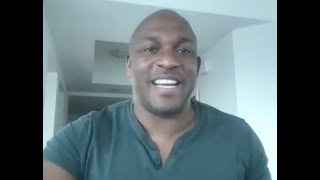
Joe Bayen, CEO of GrowCredit, shares how he raised a $2M institutional seed round after bootstrapping FreeAppDay to 12M users and $18.3M revenue. He emphasizes building investor relationships early, using validation metrics like conversion and churn to show traction, and maintaining transparent monthly updates. Key tactics include starting fundraising with 5-7 months runway and structuring weekly internal reports to build trust.
Chapters
Hi everybody, welcome. I can see everyone joining us in the chat and in the room. Thank you so much for joining us today. You're here for a webinar titled A Black Founder's Guide to Raising a $2 Million Institutional Seed Round. We're super excited to be here having this conversation today. My name is Rachel Shepherd. I'm the Director of Global Marketing at Founder Institute and the co-creator of the Female Founder Initiative. The Founder Institute is the world's largest pre-seed startup accelerator. We've launched over 5,000 companies across 200+ cities in 6 continents. If you're interested in learning more about Founder Institute, we're currently enrolling across all 6 continents, and so you can visit fi.co/enrolling. I'm calling in from the Bay Area today, so if— please tell us in the chat where you're joining us from. We'd love to hear from you because we have a global audience and we have an amazing speaker with us today. So today we're here to discuss an incredibly important topic, startup funding from a Black founder's perspective. As a Black founder, Joe Bayen has turned his 1% chance of receiving funding into an infinite opportunity for personal growth, and he's here to discuss that journey with us today. So without further ado, I'm excited to introduce Joe Bayen, CEO and founder of GrowCredit, who is here to share his guidance and experience on how he raised his $2 million seed round. Hi, Joe. Welcome. Thank you so much for joining us today.
Hi, thank you for having me, Rachel.
Absolutely. Oh, and we see all sorts of people joining us from Ontario, Los Angeles, Toronto, Philly, Melbourne, Australia, West Orange, New Jersey. Welcome. Welcome. Thank you so much for being here. So let me tell you a little bit more about Joe, who's our amazing speaker. So Joe Bayen, CEO and founder of GrowCredit, is here with us. He actually is a multi-time founder. So he previously founded Free App a Day, which grew to 12 million users and generated $18.3 million in total revenue. He is now the CEO and founder of GrowCredit, which GrowCredit's innovative credit-building service lowers the barriers of entry for millions of Americans who need to establish and build credit, combining a small-dollar loan with a virtual MasterCard. The service manages subscription payments such as Netflix and reports loan balances to credit bureaus, an idea which I love and I'm excited to learn even more about, and I hope that you all are as well. Fun fact, Joe was also a track star, raised in France and secured a scholarship at the University of Miami in track by finishing 5th at the French Nationals in high school. On his track team were several NFL players like Ed Reed and Santana Moss, of which I was really excited to find out because I'm a big NFL fan myself. So it's very cool. So we're excited to have Joe with us here today, and we're just going to jump right into some questions. If you have questions for Joe as we're having our conversation, please put them in the chat. Our team is here gathering them and we'll get to as many questions as we can on this very important topic. So, Joe, let's go ahead and kick it off. In 2010, you bootstrapped a platform called Free App a Day to $18.3 million in total revenue and had 12 million users worldwide. Can you share a bit about your experience bootstrapping your first company?
Yes, so it was another typical entrepreneur story. I started the company actually as a game studio. We started this game studio back in 2007, 2008. And right when we launched our title, our game title that was named Navy Patrol: Coastal Defense, it was a title that was promoted by Apple in the App Store. It did actually really well. So we thought that, hey, we won. We were in the top, I think top 100, and it was doing fantastic. But the problem with the app, with Apple promoting you in the App Store is that when they stop, well, your app drops in the ranking as well.
So, you know, apps after 2 weeks started to drop in the rankings.
It was becoming harder and harder to essentially become relevant in the App Store. So I had to find, you know, a variety of creative ways to remain relevant. And in December of 2009, a platform that was called Advent Calendar released a system, a program, you know, that, you know, had 24 developers who made their apps free for one day in the App Store and threw down. And it was from December 1st until Christmas. And I found out about this program and I asked the developer if I should be part of it. If I could be part of it. And he told me that everything, all the places were taken, but he could have me as a featured app. So he promoted me in the App Store. Actually, he placed my app on his program. It was on December 2nd or 3rd, I think. And we generated 35,000 installs in a single day. So usually it would've cost me maybe $15,000 to generate that much installs in such a short amount of time, you know, and, you know, It was free, it was free, so we didn't make, generate any revenue. However, I realized that there was another platform that was called Tapjoy, which enables you to actually monetize the free traffic. So I integrated Navy Patrol with Tapjoy.
I went back to Advent Calendar and asked them if I could promote my app on Christmas, and they accepted.
To make a story short, we generated 100,000 installs in 3 days and made $15,000 in revenue.
And I realized, oh my gosh, this is a business here.
So I acquired freeappaday.com for $9.99, you know, on GoDaddy, you know, and then I asked the developer of Advent Calendar if he was going to pursue this venture and he told me, no, I'm done, it was just for Christmas. So I purchased the site from him for $3,000, and I basically made a press announcement to announce that, you know, Advent Calendar would become freeappoday.com starting January 18th. You know, I called a lot of developers to be the first apps, the first game apps, the first 2 weeks, and we launched on January 18th, I believe, and then it became a major success from the onset. You know, we ended up working with EA, with Zynga, you know, with Groupon, you know, any companies in the world worked with us at one point or another to promote their apps.
So it was a case where, you know, we needed to find a way to survive, you know, and that we, you know, I never gave up, I didn't give up, and it ended up pivoting into that business model which turned into $80 million in revenue over the past 2.5 years.
So it's a case of basically being relentless and just never giving up, essentially.
Making it to that point of product market fit, right, where you see this extreme amount of growth happen all of a sudden and the data informs you that something's working here, right?
That is, that is correct. That is correct.
Awesome. So you've mentioned the distinct mindset between how you felt when you bootstrapped your first company versus how you felt when you raised funding for GrowCredit. Can you share a little bit about that mindset and the differences between the two experiences?
Yes, you know, when you bootstrap a company, you know, it's really you, you, and you. There's nobody else, you know, there's no investors, you know, if you basically land on a gold mine and everything is working perfectly, and then, you know, you simply have to hire, you know, a team that will help you, you know, maintain the business to some extent. So, you know, the hard part is of course finding the business, but after that, you don't have to rely— there's no reporting to investors, you know, there is no, you know, it's you're on your own essentially. So in terms of, you know, when you start raising, you know, an institutional round, it's a completely different ballgame in the sense that, you know, you cannot do it on your own. For instance, for Grow Credit, we needed help. We needed help from institutional investors to grow our business. So we had to begin the process of developing relationships. You know, what's very important is the fact that, you know, when you meet investors, first of all, they will never give you money from the onset. You know, it is a relationship-building exercise. You know, in order to receive, you know, our funding from Mercury Capital, you know, last year, I've known Market Capital for 3 years. So I've had a relationship with them. They rejected me a couple of times before as well. So they rejected me about 2, 3 times, but I never gave up. I stuck with it. So I established a relationship, built a relationship, demonstrated that I was the type of entrepreneur that would never give up. And that really helped establish that relationship, that trust relationship Because investors, they want to know, they understand that only a very few percent of founders will succeed. And the only way to test the ability of a founder to really understand whether or not they will succeed is to see whether they will withstand the time, whether they will be able to remain resilient over multiple years in order to achieve product-market fit. Does that make sense?
Absolutely. And one of our audience members actually has a very relevant question as well. So MT asks, how important is the initial pitch when you're having conversations with potential funders, right? And then also, how do you access these funders? So you mentioned those relationships and having those for a long time and building those. Can you elaborate a little bit on that? And then when you get a chance to have a meeting with them, how important is that initial pitch, and what tips or tricks can you advice can you give the audience on how to prepare?
What really matters, you know, validation. I wrote on that article the importance of validation, you know, at every single phase of the funding process. And what I mean by validation is the fact that, you know, investors, you know, they're busy, you know, they, you know, they want to be able to assess your business as quickly as possible. And the easiest way to assess your business and to understand Who's on your team? You know, so if you have great advisors, you know, who have experience in your industry, that removes already one question mark. If you have a founder with an experience within the industry that you're working on, that removes another question mark. So, you know, once you send a deck, you know, and you really focus initially, you know, in the first initial pages on showcasing your team, your team of advisors and, you know, where they come from, their background, if they work with, you know, at Uber or whatnot, you know, it really helps, you know, put an investor more confident in your ability to execute, you know, that, you know, whatever business plan that you have in mind. So the first step is really, you know, when having a deck, you know, that is, that starts with your Team slide should be very impressive, you know, should have big names, really good strong advisors, and that would make it a lot easier for an investor to accept meeting with you. So in terms of, you know, meeting, finding those great advisors, well, it's a hustle game. You know, there's no, it's not easy. You have to go on LinkedIn, cold emails, You know, do whatever it takes to meet those people and pitch those people, those advisors at the same time. It is one of the single most important exercises, really being surrounded by amazing advisors and team members to be able to actually grab those meetings with investors. Because the first time, the first thing they will see is your deck. You know, does he have a great team? Who's around him, because at the end of the day, it's a sales job. You know, if you're able to convince one great advisor to join your team, it means you're on to something, you know. And if you're able to convince someone to leave their job, you know, to join your team, someone who has a good job in a good company, you're on to something. It's just all a sales job. So once an investor can see that, hey, you know, if he's able to bring those people on board, he might be able to sell his product to consumers. Because if you cannot you know, sell whatever you're building to advisors, if you cannot sell it to team members, it means that you won't be able to sell it to the consumer. And most importantly, even on the fundraising front, if you cannot raise money from friends and family, you have a problem 'cause you will not be able to— if you cannot convince your friends and family to give you even $10 to join your mission, it would be really hard to convince consumers to purchase your product. So each time, you know, you reach those steps, you convince your friends and family to invest, you convince a friend who's working in a great company to join your mission, you convince, you know, great advisors to come join your mission. All those steps demonstrate to investors that, hey, he's on to something, he might be able to actually, you know, sell his product to consumers. So, yeah.
That's great advice. And so were you relentless in that mission as well? So you talked about in your Medium article, which our team will put a link to the chat and everybody should read it. It's awesome. It's got some great advice in there. In there, you talked about how wonderful your team at GrowCredit is and how serendipity brought you together. But how did you go about convincing them to jump onto the GrowCredit team? I know a lot of founders I speak with, they're, you know, they're at the earliest stages. They can't pay people. They're not at that point yet. You know, and they're trying to get a founding team together. What do those conversations look like? And do you have any advice for founders who are in that same spot right now?
So in my case, you know, we needed a— we are a tech business, we are a fintech company, so I needed a tech team and I needed an affordable tech team. And I was fortunate enough that, you know, I worked with a gentleman named Sam Rivas, you know, who was living in Portugal, you know, and we worked together on a project when I was still involved in the gaming world, we developed a game studio together. And at the same time that I was launching Lennycredit, which was a precursor of Growcredit, he was also leaving his company, which was called Miniclip. So we had that relationship, we worked together in the past, he was in Portugal, you know, and it was very cheap to hire him and he had a great team in Portugal that he could put together to work with me. So, you know, the fact that he lived in Portugal, the fact that we had a relationship before, a work relationship before, made it easy. And it's a case, he also saw me succeed in my previous company, which also made it easier for him to join our team. So, you know, in this case is when you're a startup, you have to be scrappy and you have to make sure that your burn rate is as low as possible. So I was able to really, able to onboard a very, professional team that cost me almost nothing. We're talking about almost nothing. And this stuck with me for 6 years. And the challenge of working with an outsourced team, of course, outsourced team is distance, working from distance. So we've been COVID-19, we've worked from distance for the past 6 years. We worked with Zoom and it's very, very difficult to maintain trust over a long period of time. So if you talk about the sacrifices, you know, well, yeah, they're cheap, but you know, they live far away, it's hard to maintain the trust, this is when culture becomes essential, you know, to really keeping the team together and maintaining, to maintain a low burn rate, to enable us to, you know, survive in the long run, because the longer you survive, the easier it will be to find a business to achieve product-market fit essentially.
Absolutely. And so you talked a little bit there about your burn rate and how you intentionally were trying to maximize all the early investments you got, everything that went into GrowCredit very early on to give you more time to reach milestones with every dollar. What went into making those decision-making processes? I know some of those were tough decisions, but really tight trying to extend your burn rate, how did you go about doing that and making those decisions with your founding team?
So, you know, some of the decisions involved actually hiring more junior employees and having to coach them up. And the only way to be able to keep the company going at a low burn rate is for the founder, it was for me, to really act as a coach for my team. And that's extremely challenging. You know, some employees didn't have the maturity level for the position necessarily, they had to grow into it. So it was a lot of my time that was involved into making sure that they would be at their best at their work, a lot of coaching, a lot of teaching, a lot of supporting. So becoming essentially a servant leader has been critical, you know, to helping us last. While maintaining a low burn rate.
Yeah. And I want— can I, can I ask you to elaborate on that a little bit? And just in the sense of what, you know, sort of what resources or things did you use to help learn how to be, you know, that type of leader, a coach, you know, and, you know, what, what are some things you lean on pretty regularly to make that happen and to keep your team growing over time?
Okay. So, well, I read enormously. I read a ton. So, you know, if you go to the Medium post, you know, about my experience as an entrepreneur, I had a list of about maybe 10 or 20 links, you know, that have been instrumental in helping us, you know, sustain ourselves for an extended period of time. You know, The key really, you know, it's really a case of maintaining a positive mindset to avoid a turnover within the company. So my focus is really on, you know, we create a system in the company to ensure, you know, that the culture, you know, stays the same, stays intact, that we can weather the storm on a regular basis. And that system, involved, first of all, at a personal level, having a journal, a daily journal, where I write down my daily wins. It's very important from a mental standpoint. This is really all a lot of a mental game. How do you remain mentally aware and not negative, always positive? And the way to do this is by writing down every single day your daily wins all the time. So that process was extended to the team itself in a sense that We have a structure in the company where on every Friday, you know, we have every department sends me their reports. You know, when the department sends me the reports, I create a Friday report, you know, that focuses on what we did well, but also that focuses on what we didn't do well. You know, that's very important. Those are hard to anyone, to any advisors, founders out there. Drafting a report on a weekly basis will help you maintain a positive momentum consistently. I mean, I gave the example of my reports on the article online. It is a crucial exercise that really keeps everyone focused in the same direction. You know, it sets the tone for the team in terms of what is expected from everyone. It creates accountability for everyone. It's hard to cheat when you have a system where every week everyone demonstrate what they did, what they achieved and all, it's been an extension. And most importantly, focusing on being extremely transparent. That's something that I really, you know, I really pushed hard on our team to demonstrate that whatever we do wrong, every fault that we have, we have to expose them publicly. And what I mean by publicly, you know, we are sharing, you know, our Friday report with our investors, with our, you know, our advisors, you know, and some of our core bank partners. And exposing our flaws is actually liberating because it forces us to fix those flaws the very next week. So transparency is an essential, critical component in terms of, you know, maintaining a positive mindset. A positive momentum for the company on a regular basis. In terms of the culture that we have, it's really a culture around a structure. We have like 4 emails that is drafted on a weekly basis. Again, the Friday report email, the Monday note, which details what we all need to achieve during the week, the positivity report, which is an email that is drafted on a Tuesday, that every department sends me a few things that they did well on Monday. And Tuesday, and that we only focus on the positive. And we also have the mindfulness notes, you know, that really are emails that I draft to share, you know, certain traits that we need to embrace as a team in order to maintain, you know, our positive momentum. So those, it's a lot of communication. I have to communicate on a regular basis. You know, it's, The communications are done at a set time. So basically it creates a structure, it creates a system where the company has a life of its own. Everyone knows that on Tuesday we have to do this, on Friday we have to do that, et cetera, et cetera. That creates a structure, but all around it, it's very important to remain flexible with that structure. So this is where, you know, I really encourage, you know, all our teams to, our teams can meet at any time they want. You know, there's a lot of fluidity within the system, so within the way we operate with each other, the meetings are, you know, at any times or random. So, from a culture standpoint, we are really emphasizing, again, having a core structure, but a lot of flexibility, you know, around the structure where teams, departments can meet however they want. And that really has helped us, you know, maintain our positive momentum in a week in and week out.
I love that. I love all that structure too, because I think that it— that probably has played a really big role in maintaining a virtual team culture, right? Which I know so many people are struggling with right now because they're doing it for the first time. And sort of having these positive updates and these accountability check-ins seem to be playing a huge role. And I wanted to ask too, you mentioned you send a weekly update or you get the weekly updates, and I believe you send them monthly to your investors. Investors, if not maybe more frequently. How did that play a role in your seed round? Because I know not enough founders send those out and they're pretty, pretty big deals. So can you share a little bit about that?
Exactly. So because we have those weekly reports, you know, it enables us to seamlessly send those reports to our potential investors, you know, on a monthly basis. You know, maintaining that relationship, you know, with investors is crucial. You meet with them for the first time, it's a dating game. No one's going to invest with you when you meet them. It's just not going to happen. They need to be able to get a sense of who you are. It's a relationship building exercise. And sharing those reports once a month with investors enables them to really see how you progress, how your team is growing. They will be able to see how your KPIs are progressing. And by the way, talking about KPIs, You know, focusing on the data. Every investor loves to see data. You know, they want to see that investors, founders are focused on data. You know, for in our case, we have to worry about what's our conversion rate, our delinquency rate, you know, what's our retention rate, and focusing on those core KPIs and demonstrating to investors that we are data-focused is very, Very important. So we are, you know, so we are once a month, we are sharing, you know, our progress report, you know, with investors. And then once we get closer to actually closing a round, we are actually increasing the rate. Instead of just going from once every month, we go actually go to weekly just to let them know how, hey, you know, we're about to raise, we want to see exactly what's happening on a weekly basis to really, have that relationship become even closer so that they really get a sense of the feel of how the company is really operating. And yeah, so communication, communication, communication. Again, no investors— it's really gonna be really rare for anyone to give you money immediately, very rare. And every time that you see an investor who received 10 term sheets, it is an illusion. They did a lot of work for those 10 term sheets to happen. They did a lot of preparation, you know, for the 10 sheets to happen. They did a lot of communication, a lot of talking and all for this to happen. And as an entrepreneur, you know, once you switch from being an operator to fundraising, you know, you have to stop operating completely. And that's the single most important advice that I'm going to give you here. Once it's time to fundraise, you have to drop everything that you do, everything, and just focus on fundraising. Because fundraising is hard. You're going to get a lot of nos, a lot of rejections. You know, you have to prepare a lot of documents. You need to know your data by heart. If you don't know your data, because you're going to get grilled with your data, and if you're not on point with your data, investors will pass on you. So once you reach that stage where it's time to fundraise, nothing else, even if your growth goes down, it doesn't matter. It should become a primary job that could last 2 to 3 months, it doesn't matter. So, and keep in mind, and one of the reasons why you have to switch from being an operator and focus on being solely a fundraiser because the energy that you bring, you know, on an investor meeting is completely different from the energy that you have as an operator. You know, by the way, I've been guilty of this. You know, I'm a sprinter, you know, I move fast, I execute. So I have a lot of aggressive energy to keep everything moving at the same time, but you cannot bring that aggressive energy or that getting things done energy into a meeting with investors. Investors, you know, it's a dating game. You know, it has to— you have to be calm, you know, you have to be poised, you have to be, you know, willing to play the long game and getting to know the person. And most importantly, that investor will be part of your life, of the history of your company for the next 10 years. So you have to make sure that you are— you know, so the key is just not only looking for funding, but you also have to look for an investor who will be here to support you throughout the entire cycle of the company. So building that relationship, taking the time to build that relationship is extremely important. And you cannot force time, you cannot force a relationship, it takes time. And that is the hardest thing, that's been incredibly hard for me because I execute, that's what I do. And switching from executing to fundraising, it's like you're riding a rocket ship and you have to just, you know, turn off the engine and go. And it's been always very challenging. It usually takes me 2 to 3 weeks to go back into the fundraising mode. It's not an easy process for me. You know, some people do it really well. It's just not an easy process for me. But once you get into the groove of fundraising, then it becomes easy. You know your data by heart, you know how to pitch your story very easily. And you learn how to take the nos, you know, much easier as well, because you will get tons of nos. You know, your ego, the ego will get bruised. But the more you get nos, the less you care, the more resilient you become, you know. And because at the end of the day, what's very important to understand is investors, sometimes, you know, it's not that they don't like you. Sometimes it's not even, sometimes you may have a great business model, but sometimes they are VCs are also startups to some extent, you know, and they need to meet specific criteria in order to make the investments. So if you are too late for them, they cannot invest because they need to own at least X percent of your company. If you're too early for us, if your growth is not, you know, is not, if you are not growing at a fast enough rate, same thing, that they cannot invest. If you don't have a certain amount of revenue because they have revenue requirement, you know, you need to generate, let's say, half a million dollars in ARR, annual recurring revenue. If you're not there, even if they like you, they might not be able to invest in you. So there's a lot of reasons why, you know, you receive the no. And sometimes, you know, investors don't really tell the full story. You know, it's because it's hard to, you know, it's hard for them to say no all the time, you know, but it's just hard to give the full explanation on why they cannot move in. And that's why it's very important not to take it personally to a certain extent, you know, or in my case, you know, I sometimes, I took it personally, but it worked in my advantage. You have to, in a sense that I'm an athlete, I was an athlete. So if you tell me no, for me it's like, I'm going to prove you wrong. So you have the two, you know, you have the two, you know, methods or train of thoughts. You know, in my case as an athlete, each no, it makes me stronger because I'm going to come back with the numbers that you want and more. So in the idea that even being a minor— actually being a minority, being Black, being a woman, and you know, it's for me, I take it as an advantage because the stats are against me. I only have 1% chances chance of obtaining some funding from some— receiving some funding from an institutional investor, only 1%. So in my case, I had to prove people wrong. I had to demonstrate that you tell me no, I'm gonna come back with new numbers and more. It is the idea that pressure creates diamond. When you have a lot of pressure and you don't give up, You know, what it does, it allows you to really just enhance your capability. If you're not a good speaker, well, you're gonna force yourself to become a good speaker. If you're not good with numbers, well, I'm gonna come back and I'm gonna be good, you know, understanding my KPI. It's really using the challenge, you know, the no's as an opportunity to get better. And that actually, if you don't give up, and most importantly, if founders love their mission so much that they're willing to give up anything, so you are in until the end, well, you will find ways, you become resourceful, you will find enough resourceful strength within you to get your yes at the end of the day. And most of the time, not getting the funding early, being scrappy will enable you to develop a product that is very unique, that's very advanced, and sometimes having a lot of funding actually can be counterproductive because it makes you lazy. So if you are able to embrace that the struggle makes you better as a founder, if you understand that, you know, embrace the stress, embrace challenges. Actually, there's an article I really highly recommend watching, this TED video called Make Stress Your Friend. Stress, just type stress in France, and it's an amazing TED video that teaches about how to really transform stress into a positive energy. So, you know, if you take all those steps, I mean, you know, transforming negativity or transforming challenges into a positive, it's an amazing trait, you know, to become successful at fundraising, in my opinion. And lastly, Confidence. You cannot fake confidence, you know, and confidence comes from hard work. You know, if you work extremely hard and you know you did your work, you'll be able to come into the meetings very confident, into the meetings. And when you, it's very important to go fundraising when you're also very confident with your data, when your KPIs, and by the way, Regardless of where, if you have enough money in your bank account, if you have a lot, confidence is the greatest asset that you have, you know, once you are entered, once you start beginning the process of fundraising, you know, going, trying to fundraise when you don't have any cash in the bank account is terrible because any investors will feel it, they will sense it, you know, and this could have really, you know, and they would sense that you're scared and no one wants to invest in someone that's scared. So confidence, again, you build that confidence by working extremely hard and by making sure that each time it's time for you to fundraise, something good happened in the company that gives you enough strength to enter those conversations around fundraising.
Sounds like all of the resiliency work that you're doing as a person on your own is really playing into your ability to be able to keep going as a founder and to keep your business going and to stay focused and to hear the nos and just, you know, let them, okay, no problem, on to the next, you know, and I'm gonna prove you wrong. Would you feel you agree that that's the case?
Exactly. And working out, it's a mental game, you know, it's all in the head, you know, we know. So, I'm committed to, you know, I do, last year I averaged 6 miles a day, the entire year last year. Walking is extremely good to, you know, because as a founder, we have to wear different hats, we all know that. But in order to shift from one hat to another, you know, committing to walks, you know, I do it in the evening, some people do it in the morning, it really helps reset the body, resets the mind, which enables you to, on one day you're Chief Marketing Officer, but then the next day you're the Chief finance officer, but that walks enables you to redo that transition more seamlessly. Otherwise, you know, you get a case of context switching, you know, that's something that happens to developers, to programmers a lot when they have to switch from programming one thing to another, the brain takes a little bit of time to switch from another. That walking, that commitment to walking or exercising really enables me and enables other founders to really switch from one aspect of a business to another more seamlessly. So, and there's an article online and I think it's one of, I posted it on the article about that demonstrate, that showcase that all the greatest inventors all the way back to Socrates, they all walked. Steve Jobs, Mark Zuckerberg, all of them, all of Einstein, they were all committed to walking because actually it has a meditative, aspect to it, you know, which really helps, you know, settles your mind and actually helps you become more creative at the same time.
That's great advice to make sure to keep moving. I think Eric in the chat said strong body, strong mind, which we 100% agree with. So that is wonderful advice. One other question I had for you is that both of your startups, this is kind of related to resilience a little bit, both of the startups we've talked about experienced strategic pivots. So how did you know when it was time to pivot your company? And do you have any advice for founders who may be going through that process or might go through it in the near future?
Yes, you know, this is a case of really being honest with yourself and doing some really self-assessment. And sometimes it's good to be a fighter, but sometimes you have to be able to stop, pause, and realize that, you know, you cannot fight, you know, there's no— way out. In my case, for instance, you know, should I tell the story about Lenny Bike, you know, a little bit? Yeah, so it's a great story. You know, that's how we ended up with Grow Credit actually. In 2015, you know, I started Lenny Credit, you know, as a way which was the first platform to help consumers establish a bit of credit, you know, by— we were offering microloans of $100 and up to $500 to consumers. And we did a partnership with FICO to also offer free FICO score and credit score education. So, you know, I went all in. I had no experience in lending or banking. And I said, you know, there's a problem to fix and I think I can do it. And it was all based on the personal experience. You know, I came here to United States in '97. I didn't know anything about the credit score or credit cards. You know, and I was offered a credit card by a bank back then, and I was late here and there, and being late actually had a negative impact on the credit score. And it took me 4 or 5 years to build my credit. It was just a pretty nightmare situation. So back in 2015, you know, I started LendyCredit. And for the past 2 years with no banking or lending experience. And, you know, we launched in 2016 and the platform was doing okay, but we needed debt financing, basically a bank partner to grow our business. The problem was we were the first, which is good and bad. Banks had no idea what we were doing. We were using a platform called Plaid, which was very novel back then. And basically we just couldn't raise, we couldn't raise, and without debt financing, the business was going down. At the last minute, it was in December, in June of 2017, a fund, a Chinese fund reached out, out of the blue, and asked me to come meet with them in San Francisco. So I met with them, I pitched them Lenny Credit, and after 30 minutes they told me, "You know what? We don't want you to do Lenny Credit. We want you to launch a bike share program." I was like, "What's a bike share program?" They said, "Listen, it's huge in China. You know, we're gonna be able to give you, we have a Chinese manufacturer that will give you the bikes, and we just want you to set up the infrastructure in the United States, and we'll give you $1.2 million to launch a program." I was like, what's a bike share program? You know, this was completely out of the blue. But what I did, you know, I went home, thought about it, and I decided to stick with the vision, which was helping consumers establish or build credit seamlessly, and adjust the tactics. So I ended up creating a bike share program subscription that will also help consumers establish or build credit, and I called it Lendy Bike. You know, the investors love it. You know, they gave me the funding to build it, and we were scheduled to launch it in June of 2018. And guess what happened? Bird raised $300 million and then Lime Bike raised $330 million. And guess what? I only had $600,000 in the bank and I couldn't compete. So I had no choice but to shut down the business. And keep in mind that the investors were supposed to give me another $600,000 to launch. And I told them, we cannot compete. You know, we had to move, to change, to do something else. So what happened was, you know, again, in a complete luck, I just realized that we used a subscription-based, actually a subscription-based model to help consumers establish or build credit. And this is when I realized that there was Netflix, Disney+, I mean, not Disney+, Netflix, Spotify, and tons of subscriptions that we could use to help consumers establish or build credit. And I was fortunate that Peter Mansfield, a gentleman that was a founding member at Marqueta, was able to put me in contact with that team and over the following 6 months, you know, we essentially worked together to create GrowCredit, which is the first credit card that helps consumers establish credit for free using their subscription payments. Again, it was a case where I was stuck, completely stuck, and I had to find a creative way out of it because I couldn't compete with the other the bike share program and that led us to GrowCredit. So, you know, again, we stuck with the vision, just adjusted the tactics twice, one with the bike and then with the subscription models.
And again, never gave up, right?
Never give up. Never give up.
Yeah. Wow. Thank you for sharing all of that with us and sharing that sort of major pivot, I guess not major, but strategic pivot that you made from Lenny to Lenny Bike to GrowCredit. So I'd love to get into a few questions from the audience really quickly. And so here we go. Let's talk a little bit about, let's go back to the reports that you send out. So Erica said, what kind of information would be the most valuable in the reports you were referencing? You mentioned quite a few data points there, but what do you think really moves the needle in terms of sending reports both to investors and the ones that you use internally?
So, you know, to investors, I mean, the thing, I mean, the KPI is just the, Once your project is launched, you know, demonstrating the growth on a week-to-week basis is very important. How many new, specifically paying customers, if you have, how many new paying customers you've gained on a week-to-week basis. So it really depends on, you know, business-to-business. In our case, you know, again, we have 4 KPIs that we need to demonstrate, we need to showcase to investors. We have, again, our conversion rate, to premium plans, you know, our churn data. Churn is very important data, you know, to capture. And investors want to know once you churn, meaning they want to see your ability, how good are you at retaining your customers? You know, if you have a churn, a first-month churn below 4%, it's actually really good data. It means, you know, you're able to capture, retain a vast majority of your users over an extended period of time. The payback period is also crucial data, you know, that investors want to see. And payback period means how long does it take for you to recover your investment to acquire users? How much, how quickly do you get that money back? You know, anything under 4 months is excellent. You know, 5, 6 months is okay, 4 months is excellent. So that's the type of data that I make sure to share on a weekly basis with our team and our investors. But again, the challenge section, the challenge, what you need to understand is, there's no company in the world that's just working perfectly. It doesn't work. If you share a rosy picture of your company every single week, trust, no one will trust you because it doesn't work that way. You build trust by sharing your wins and your losses. If you are able to, I mean, if the worst thing happened and you are able to share it in the challenge section of your report, like, hey, we lost X amount of users or XYZ happened, guess what happened? Investors trust you. Investors know that he's gonna share everything with us, he's not gonna hide everything. And you know what happened when that trust is built? Well, last year when COVID-19 hit, you know, in March, we ran out, we ran out, we ran out, we were out of cash, we need to raise a round. And we were able to raise $500,000 from our current investors just because they could trust us. Because we were sending those reports on a weekly basis, they knew us, they knew that we, you know, they could count on us to be truthful and honest. But then when it was time for us to count on our investors, they were here for us. And the report helped that. That transparency that we had saved us when we needed it the most. So having the challenge section on a weekly basis is crucial, and it will help you tremendously, you know, to raise funding from external and internal investors.
Wow, that's super powerful and a really great example of when that trust is needed, right? Wonderful. So, Cara Moco asks, who can run the business when the founder is looking to raise money? So basically, when you move into that fundraising mindset, I have a feeling it may be systems may be part of this answer, but who is running the business and how are you able to do that?
Well, fortunately, as I mentioned, because you have a system in place that, you know, that's auto-discipline itself, you know, I can literally be out and not worry about it, and the company will run on its own. That's why building those recurring emails and structure is very helpful when you move away from the company. And because the team is, you know, they're responsible, they are, what's the term again? They're self-disciplined, you know, the trust is in place. You know, yes, at some point you have to, that's where you have to create a system that you can trust and believe. So that you can move away and just focus on fundraising. You know, having a co-founder is also very important. This is when having a co-founder is crucial, you know, because they can go ahead and run the company while you're doing the fundraising on your own, you know. So, and that's why investors love teams with at least 2 co-founders because, you know, they know that fundraising is hard and having someone who can keep the house intact while the other founder is raising, they look for it. So being a solo investor, a solo founder is tough because you don't have that capability to leave the company alone and just focus on fundraising. So yeah, finding a good co-founder is important from the onset.
Absolutely. And you have a ton of trust in your team because you've been coaching them the whole time, kind of getting back to our early conversation, right? You've been grooming them Keeping them very up to date with everything that's going on with the company. So any person can answer any question and handle anything, right?
The trust is there, you know, trust with the investors, the trust with my team, because they know I just tell them the truth. And because we have that bond, you know, they keep the company together because I have their back and they have my back at the same time.
Absolutely. Awesome. Andres asks, when do you think is the right time to get funding, or when is the moment to stop looking for investment, if there is any? So you mentioned about a 2 to 3 month period. I know some founders, it's taken up to 9 months to get a seed round. Is there a stopping point, or when is the— and if there isn't, when is the right time to get started as a founder?
So in terms of timing, you know, you— Very important, very important. You always want to have at least 5 months of burn rate, of runway in your bank account. You cannot start raising if you have a month of cash in the bank account, 2 months, even 3 months. It's just, you put stress on yourself. And if you put stress on yourself, investors will see that you're stressed out. It will make it very difficult for you to complete your fundraising. So ideally, you want to start the fundraising literally 6, 7 months before you run out of cash. Very, very important. And also, you want to actually raise regardless of the situation when even if you have your financial security, you know, it's the idea, you ask money when you don't need money. So if things are going well in the company and you have some really good KPIs, go fundraise because you're gonna be able to fundraise with that confidence, you know, as well. So did I answer the question?
Yes, I think that's great. And hopefully Andres found that helpful as well. Okay, and then Johnny asks, what's something you wish you had known before you started your first company?
I wish I didn't know how important building relationship was. And maybe because of the fact that I did track, it was an individual sport where it was only me, me, myself, and I. I just didn't care much. Building relationship, networking is crucial. And not networking at the last minute, you know, networking all the time, ahead of time, maintaining those relationships. You know, it took me, I just didn't know about it. You know, it took me years to figure that one out. You know, if I had known, you know, from the onset that, hey, you have to, you know, talk to investors and maintain the relationship with investors, email investors and all that stuff, it would have made my life a lot easier. So being focused on, you know, having, building those ties is something that I wish I had known from the onset.
Yes, we tell founders that all the time too. You know, you need to build your network. By the time you need it, it's too late. You needed to build it sooner. And so start today if you haven't, you know, and keep growing it from there. And Johnny actually asked another question, which I think is pretty relevant too. What was your approach to equity split, and I saw another question come around about how you found your co-founder. So can you elaborate on those two things really quick?
Okay, finding the co-founder, again, it's tough, you know, it's, you know, you have to network. It's networking, it's friends, you know, it's someone I did, someone you worked with in the past. Keep in mind that investors, the number one question that VCs will ask you is, How long have you known your co-founder? Because the number one reason for companies to implode is because of lack of trust with founders. So the longer you've known your founder, the likelihood for your company to succeed is just much, much, much, much longer. So, you know, working with someone you've had relationship with, or you've been through challenges together, or you work together in the past is actually a major positive selling point. In terms of equity split, It's complicated, you know, it really depends, you know, it's all about who's bringing what, who's coming up with the idea, you know, who's bringing the money. Because if I'm in the business, for instance, I invested, I invested, you know, I invested all my $2.6 million, almost all the cash I've ever had over the past 6 years. And that's why I was able to retain the vast majority of the company because I put all the money in. So if you bring the money plus the idea and you create the idea, you have a greater share of the company. You know, if you have a technical founder who has a lot of experience coming from a major company, yeah, you should get, you know, a good sizeable amount of the company as well. It's, you know, most important, you have to make sure that your co-founder is happy with their equity stake because if they're not happy with their equity stakes, you know, they're not gonna bleed for the company. So you cannot cheapen your co-founder.
Yeah, and there's— those relationships are super important, as you just said. I, you know, that's a great insight that investors also ask, how long have you known your co-founder? Because I haven't heard that before, but that does make a lot of sense that that's a data point for them to gather, for sure.
Yeah.
Awesome. So Harish asked, and I apologize if I'm mispronouncing anyone's name, I promise I'll try my best, but Harish asked, "Um, how has your work-life balance changed over time from before you started the company to getting it off the ground and after raising investments?" Well, this is when, you know, um, I have a very unbalanced life because I wanted to succeed at all costs.
I don't have a life. I have a cat. So, um, you know, that's it, you know. Um, what we're doing is so complicated. I mean, you know, so not only I have to raise equity financing, but I have to to raise debt financing at the same time. And I'm the product guy in the company and I have to manage the CFO type of role at the same time. It's impossible for me to have a regular life and be successful. It doesn't work. In our case, especially in our case, it just doesn't work. So, Elon Musk said not too long ago that you're not gonna change the world by working 40 hours a week. You're not gonna change the world. So in order to really succeed, I think at the highest level, well, you have to put in the work and just be fully, completely dedicated to this. But then having a support system is massively important. The reason I'm doing well is just I have tons of friends. I have an enormous amount of my, I have 12 advisors and I use them all. So I can, you know, when I'm stressed, I can always call a friend, call advisor and have friends that are just there to listen, they just listen. Others there to give me some feedback. So, you know, just in terms of mental health, just like working out is very important, having a support system, you know, to help you during that tough journey is also massively important. But yeah, it's a commitment. So, you know.
Yeah, absolutely. And you wrote about that in your article too. One of the quotes I pulled was the question you want to ask yourself first is, "Are you willing to risk everything to succeed?" So in times when it's tough, in times when things happen like COVID and other things pop up and they're challenging all the resiliency that you've built, how do you stay just relentlessly after your goal? Do you have some advice for that?
It's all about love. At the end of the day, it's all about love. And if you want, if you build something, you know, that's really not for your own personal gain, but if you build a company that's of service, that's to help others, it's not work anymore. You know, because you're doing something that's my, you know, what makes me feel alive, what makes me, you know, go back to work with the same enthusiasm every day, because I know that I'm helping people out there, because I know that we're making a difference every single day. And that is my fuel essentially. So when you do something that's just not, you know, self-driven, that's really, you know, you act out of service, that makes it very easy to just go, go, go all the time. And that makes it easy to also risk it all, risk it all. Because helping people is what makes me happy. And risking it all doesn't do it. I mean, it's easy for me because that's what makes me feel alive. So being of service is the key. Developing platform that truly helps others You know, makes, makes the fundraising, fundraising and startup building process so much easier.
Yeah, having a strong mission, a strong why that becomes your North Star over time, right? And helps you maintain. So wonderful advice. All right, we're at time. So any final closing tips for founders at this time? And I'll add to that anything that you suggest people read because you're such an avid reader and you're taking in so much information. So anything you want to close out with today?
Yes, Essentialism, you know, a great book that really teaches you about being very concise with everything, just great book. Relentless by the coach, Michael Jordan strength and conditioning coach, Tim— I forgot his last name, but the name of the book is Relentless. I highly recommend this book. And we talked about it earlier, Rachel, 12 Rings, you know, by Philip Jackson, which is a great book, you know, that really explains the duality of life in general within the— with the importance of having a structure and having flexibility at the same time. So, yeah, those are 3 books that I highly recommend to read, you know, that have helped me throughout my entrepreneurial journey.
Absolutely. I think both of us have drawn off of, you know, inspirations from athletes' mindsets and things that help us revisit, you know, just general fortitude, resiliency, and strong mindset. So Joe, you've been wonderful. This has been just a myriad of advice for founders. I hope everyone got some wonderful takeaways from today. I know I did. I know I have a reading list now. So thank you so much for your time. Everyone will get a copy of this webinar in their email in the next few days. And have a great day, everyone. Thank you so much.
Thank you, guys.
Hi. Hi, Joe.
Hi.










