Chris Kelly: How (and Why) My Business Started in a Recession
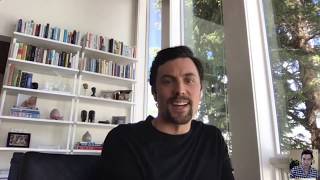
In this Founder Institute webinar, host Jonathan Gritchen interviews serial entrepreneur Chris Kelly, who founded the private‑jet charter company EvoJets and the flexible‑workspace and conference business Convene. Kelly recounts how the 2009 financial crisis created a narrow window of uncertainty that he and co‑founder Ryan Simonetti exploited to launch Convene by leasing under‑utilized corporate conference centers and turning them into public venues. He describes the scrappy early days—doing everything from bussing tables to buying flat‑screen TVs on credit—highlighting the importance of hands‑on hustle, a variable‑cost operating model, and deep product knowledge. Kelly explains how downturns make talent abundant, allowing startups to attract skilled professionals with equity or future‑option incentives, and why talent often outweighs capital in a recession. He offers a framework for spotting future opportunities: identify trends that will be markedly different in three‑to‑five years and look for improvisations that will become standardized. Applying this lens to the COVID‑19 pandemic, he suggests businesses around protective barriers, remote‑work tools, and repurposed intellectual property. Kelly also shares his current venture studio concept, which will launch multiple startups per year using three sources: thesis‑driven ideas, talent‑driven founders, and spin‑outs of existing IP. Throughout, he stresses the need for rapid iteration, honest customer communication, balancing fresh outsider perspectives with industry experts, and the value of coaches over traditional mentors. He concludes with book recommendations—Exponential Organizations and Value Proposition Design—for building scalable businesses.
Chapters
Welcome everybody to this, to this webinar from, from the Founder Institute. My name is Jonathan Gritchen. I am a co-founder of the Founder Institute and we have a really awesome topic that we're going to talk about today. Okay, and really quick, I'm going to upload a presentation here just so I can take us off the little, the little chicklick screen. But hey everybody, how's it going? We have over 1,000 people registered today, which is amazing, and I know that we have people from something like 60 countries too. So welcome, uh, tell us where you're from, engage. We do have somebody in the chat right over here who is taking all of your questions and interacting in there, so please don't be shy, go into the chat. This event is brought to you by the Founder Institute, which is the world's largest pre-seed startup accelerator. You can learn about any of our programs at fi.co and see any of our enrolling programs from all around the world at fi.co/enrolling. Okay, so here's my little, my fix, and as soon as I do this— ah, look at that, see, quick, quick bugs to get out of there. For whatever reason, this webinar platform always starts you in a mode where it thinks you're in a presentation. But for anybody, if you're like the Founder Institute right now and you're moving a lot of events online, it's a little bit of Murphy's Law, right? Something is bound to go wrong, so have a backup plan. All right, so with that being said, we have a really amazing topic today for this event, okay? And myself and Chris, who's the speaker, and I'll introduce him in a moment, you know, when we were discussing like, hey, let's do a webinar, let's do a chat together, we were discussing the topic, and basically, you know, what is happening right now in the world is the single largest global disruption to our society since World War II, which ended 75 years ago, okay? And as a result, I mean, it is, it has thrown the world into chaos. I mean, the number of people that are, that are getting laid off, the financial hardships, you know, we want to make sure, like, this is, this is a really, really bad time for a lot of people. And, but today we are going to try to focus on the positive, okay? When there is disruption in the world, that's where entrepreneurs live. Right? Change creates opportunity, and it's a really good time, and it's actually the best time for entrepreneurs that can kind of look at that change, see where the world is going, and start to basically build the future. Not just the future jobs in their city or the future, you know, financial status of their family, but literally the future economy and the future of our society. So that's what we're gonna talk about today. We're gonna focus on all the negative that's happening in the world. How can we look to the future as entrepreneurs to find positives. And I can't probably have a better guest today as Chris Kelly. He's probably the most positive person I've ever met in my entire life, to be honest with you. Thanks, Joe. And just really quick, Chris, before I allow you to introduce yourself, Chris and I, to say that we go way back is sort of an understatement. We, since kindergarten, middle school, high school, college, and then we also moved out to do some skiing in our late 20s. And Chris also was, and his mother was my second grade teacher. Mrs. Kelly, if you're watching, hi. And Chris also was, he participated in the first Founder Institute cohort all the way back in 2009. So yeah, Chris, welcome. Glad to have you on here. I want you to take a second, introduce yourself.
Yeah, thank you. Thanks to all you guys for tuning in from around the world. I mean, John, you guys have built an incredible platform and it's been amazing to watch you do it over the years. I'm a lifelong entrepreneur. I started slinging candy in the back of the school bus as a little kid.
I did that too. The lemon shots, right? Or whatever they call them.
Yeah, lemon heads. Or Warheads.
Warheads, yeah, there you go.
We're dating ourselves though. I've had a lot of different business ventures. Uh, the, the two largest businesses that I founded, uh, one is EvoJets Charter, which is, um, a private jet charter business. We deliver, uh, global jet services around the world. Um, we've aggregated a fragmented network of about 5,000 privately owned planes, uh, in, into a serviceable network. Um, and even right now during COVID where we're experiencing your regular travel has declined significantly. We just opened up a new arm of our business in cargo, and we have, I think, 6 flights a month right now running jumbo jets between Hong Kong and LA to get some masks to people there. So, you know, there's opportunity presenting itself. And then I started that business almost 15 years ago with the woman who's now my wife. And she's my co-founder. And then in 2009, in the middle of a downturn, started Convene. And Convene is one of the largest players in the United States in the flexible workspace and full-service conferencing business. We have over a million square feet of conferencing space. And we started that business, my partner, Ryan Simonetti, and I, we started that business in 2009, which for those of you guys who remember, that was a, a very serious recession that felt a lot like the environment that we have today. And we were two 27-year-old kids who had a vision for how to reinvent the commercial real estate business, which was a bold and crazy idea. But in retrospect, we look back at that moment and realize that that window of time, that atmosphere of chaos and change really created a window that was a relatively short window where somebody— where two guys like us were able to build a business like the one that we did. It's where all the incumbents, they had their guard down, and we were able to step in and, you know, build something great out of a sea of uncertainty. And I think that that feels a lot like where we are right now. And not surprisingly, after 10 years, I left Conveen in December. And I was kind of waiting for things to slow down again. I didn't want to start a business when things were frothy, and I'm back at it again. So we could talk about that later. But that's my brief intro kind of over the past 15 years of my entrepreneurial career.
Yeah, and Chris is also the only person to ever be recognized twice by Inc. Magazine's 30 Under 30 list for most promising young entrepreneurs. So he's being a little bit modest right now, but you can look him up. Well, Chris Kelly is one of the more common names in the world, but Chris Kelly Convene, you can find out about him and check out what he's up to. But so yeah, here's what we're gonna do today, all right? And the first thing that I wanna make very clear to everybody is that during this chat, you can go on YouTube, you can go any number of places to just find a prerecorded chat to learn about stuff, okay? The whole point of these webinars is to interact with you, the audience. So at any time during our chat, You should be doing it now. And oh, wow, I'm looking at the chat. People are saying where they're from. We've got Paris, India, Nigeria, Madrid, Minneapolis, Sri Lanka, South Africa, Iran. Navid from Iran, that's awesome. So Navid from Iran, Neil from South Africa, Adriana, please put your questions into the chat. We have somebody in there from the Founder Institute team. They're gonna be collecting your questions. They're gonna be feeding them to me. And we're gonna pepper them in through our conversation, okay? We wanna get to your questions. That's sort of the whole point of this event. Now, with that being said, we put together a little bit of agenda to just sort of guide the discussion, and we wanna pepper your questions in, so please get them in. But the agenda's gonna be is, you know, the first thing we're gonna talk about is to go back into Chris's story, right? How in 2009, which was the last major crisis, you know, in the global economy, how Convene was built, and kind of what the situation was there and try to see some of the lessons that Chris learned there. And then the second part of the discussion is we want to get into, you know, what are the parallels, what are the things that we can look at in the current situation that we're going through where entrepreneurs can kind of make some decisions and look at some opportunities to move forward in the future. Okay, so with that being said, I'm gonna put Chris's more handsome face on screen here and we'll get started. So, It was 2009, right? And by the way, Founder Institute was also started in 2009. And it's a kind of a— it's almost against every reflex that people will have that when the economy is in such turmoil, that that is actually the time to build a business, right? Was this something back then, you know, we're all 10 years younger. I mean, is that something you knew when you guys started thinking about this idea, or was that just come on like happenstance?
It's actually the understanding that we were in this window of uncertainty and chaos and change, that was the catalyst for us even thinking about what business we'd get into. So, you know, I'll never forget, I was sitting on my balcony and I got a phone call from my co-founder at the time, Ryan Simonetti.
This is one of your best friends from college, right?
Yep, one of my best friends from college. And he and I, we had two businesses in college together selling used textbooks and also ticketed events. But he called me up, and he's a student of Warren Buffett. And Warren Buffett famously said, be greedy when others are fearful and fearful when others are greedy. And so I don't want to make light of the moment and the hardship and how much my heart aches for people who are out there in the world today where A lot of people are experiencing major health issues and financial distress and other traumatic issues. And there's a lot of people out there, healthcare workers who we all owe a debt of gratitude to. So I don't want to be coming across as taking advantage of the situation, but I kind of want to pose a challenge to the 1,000 people who are on this call from around the world, which is that if you're somebody who self-identifies as an entrepreneur, then this is the time that we move. And it's, it's not really because we're greedy. It's because small businesses are the number one driver of growth creation and job creation in the world. And this is, this is when we are needed most. And this is when the optimism that is inherent in entrepreneurs. This is when the problem-solving capability and the resourcefulness and the scrappiness and the grittiness of entrepreneurs this is the moment where those natural entrepreneurial skill sets and attributes, this is when those are most valuable. And so if you're not playing those cards today, then there's really no better time to be playing them. So just, I think that we have a sense of responsibility as people who identify as entrepreneurs to really be thinking hard about how to solve problems today. For me, I am not a medical professional, so I cannot save people's lives, but I can try to guard people's livelihoods and try to create new jobs and business opportunities for other people and also for the benefit of my own family.
[Speaker:CHRIS SULLIVAN] That is just a step. Every single big company right now is in a massive reorg reshuffle. Big companies are slow inherently. Right now, they're like sloths moving. They're not going to move fast. So we can't say, oh, Microsoft's going to figure it out. Google's going to figure that out. No, they're not. And the same thing can be said about governments too, right, for a lot of the problems that we're seeing. And yeah, as entrepreneurs, we're the ones that are flexible and can move quickly in times of disruption.
John, I think to further that point, I have a lot of friends who are CEOs of large publicly traded businesses. And right now, 200% of their time, they're completely maxed out in just figuring out how to organize the operations that they have. They don't have the ability to think really beyond the day-to-day. They can't think any further into the future than just trying to get through the day because of all of the assets and operations they have. So this is a moment in time that actually advantages people that have nothing. To people who have a clean slate and a clean start. You have nothing to complicate.
Nothing to lose too.
Nothing to lose, nothing to complicate, you know, your day-to-day. And so this is, I think it's a great time to start. So, you know, I'll go back to that phone call that I had with Ryan, and this was in 2009. And the world was really in a tailspin, I think. What we're going through right now is a greater disruption, but the fundamentals of our economy are actually more sound now than they were in 2009, at least for the time being. Ryan said to me, we're about to experience the largest transfer of wealth that the world has ever seen, and we have to figure out how to be on the winning end of that. Just for the sake of clarity, both Ryan and I don't come from any type of background where we have family financing or anything like that. We're both scrappy kids. He and I started thinking about all these different business concepts. That was the mortgage crisis, so we were thinking about how can we help banks resolve mortgages or other things? There were all these different ideas that we had. We had the good fortune of stumbling upon an opportunity where we saw very large corporations who were trying to take real estate and move it off their balance sheet. And what we— the simple understanding that we had was that conference— large conference centers for Fortune 500 companies were simultaneously the most expensive type of real estate to own and operate and were also the least utilized. And so we had this idea that we could actually wholesale kind of outsource that, um, that part of their business. And what we ended up doing was we were sort of leasing existing prebuilt conference facilities off of corporate balance sheets and then turning them into conference venues that were open to the public. Right.
Um, you had, you had big companies in New York City who during frothy times were building their own conference centers. Now it's not frothy times. They have these conference centers, they're cutting jobs. It's, it's a recession. They're doing all this stuff. They need to get stuff off their sheets, you're seeing an unrealized— an asset that's not being put to use. And worse off, it's actually harming the people that own the assets, right?
Yeah. And so there are— in frothy times, you have wasteful behavior. And then I think when the market dips, that resourceful people could go and try to make sense of repurposing those types of assets. And so that's what we did. You know, we started with very limited resources. We started with extremely limited capital. And from that starting point of just one location, you know, we, we now have 30+ locations in 7 different cities and, you know, 800 team members. So, you know, we've come a long way.
So there's a lot of people in here asking some questions. So we're going to go through what Chris did, and then I promise the second half of it is like, okay, how can we take some of those lessons of what we can do in the future? And, and this is something I think and Chris, we discussed this last night when we were just kind of prepping for this call, but I knew that a lot of people were going to ask about funding, okay?
Yeah.
Because that's, it's actually why the Founder Institute was started, by the way, was because people just think they need funding when actually they need like 50 other things before they need funding. But a lot of people are asking about funding, but in times like when you guys started to build Convene, Funding probably was not readily available, but something like talent was, right?
Right.
And I know that you, you know, and just for anyone who doesn't know, Chris, that's sort of his thing is that he builds culture, he builds teams, he builds all of that, you know, the amazing workforces that can build something awesome. So, you know, at that time, so you saw the kind of the opportunities, the waste that was happening, but then you guys were also able to hire some great people, right?
Yeah, so this is the question that we get most frequently as entrepreneurs, which is, how do you go from zero to one? There's this chicken or egg thing, which is, if I had a great business, then I could find the capital. But I need the capital in order to build a great business. And to that, I always say there's the chicken and the egg, and then there's the founder. And it's our job to kind of overcome that impossible hurdle. One of the reasons why recessions are a moment when people can go from zero to one, and why entrepreneurs mobilize in these times is because the number one reason why you need capital is to have access to talent. There's a lot of people who have lost their jobs, a lot of extremely talented people who would otherwise, even potentially with unlimited funds, would have been out of the reach of a startup who doesn't have any any existing momentum or credibility or certainty for people to quit their otherwise good jobs to go and work in your startup. We have 6 million people in the United States in the past week that have been laid off. I know of entire tech companies who have laid off entire groups and departments, and those people are available today to work for option value. This is when you can potentially find your technical co-founder or your development team. You can offer equity incentives and things, and people will work for free. Right now, I'm spinning up a new venture, and there's all these corporate lawyers who usually bill $1,000 an hour who are willing to actually help us to create our formation and foundational documents on the promise only future business with no current payment. Because they're just not busy right now. So I would say to the capital issue is you need to figure out how to be resourceful. For talent, you can— people are willing to lend their time to a certain degree and work on the promise of future option value and potentially for some type of equity exchange. And so talent is more available than ever before. Now, in terms of other assets, there are other things that you can do to lessen the startup costs. When we started Convene, which is essentially in the hospitality business, we have things like catering operations and tons of staffing and audiovisual and technical services and event production. One of the challenges that you have early on in any business is that your revenue is very uncertain. And is often kind of intermittent and inconsistent. One of the strategies that we used early on at Conveen was, whereas eventually we ended up having all of our own team members, we outsourced everything to third-party vendors so that all of our costs were on a variable basis. And so if we actually had a client who wanted to book an event, we would then spin up the contractors who would come, and the only time that we would actually have to pay was when we knew that we had revenue in hand. You know, you can start trying to orient things on a variable cost basis. The disadvantage of that is you have a lack of control over quality. And it's often said that the, kind of, the quality in the early days of a business is something that founders are embarrassed of later on in their careers, which is very much true for every business I've ever started. And then with time, you vertically integrate. Once you have more consistency in revenue, once you have more visibility into your future finances, then you can start to onboard people on a more permanent basis.
Right. So the cost of doing business, generally speaking, I mean, if you look at the world right now, right, and the things have changed ridiculously quickly, right? A month ago, signing those same kind of contracts with caterers, right? Just using this example with any, and yes, we're using a very specific example, but this could be really any vendor or service provider, technology provider, whatever. They might be requiring you to sign a 1-year contract, right? Yeah, in frothy times. But guess what? Now we're not in frothy times, so now you can actually control it. You can control your balance sheet a lot better. Um, and similarly speaking with, with all of the available talent, and it's not just, oh, they're cheaper, it's also just the, the amazing people that have been let go, right?
It's not available.
Yeah, it's not like, um, these big companies are letting people go because they suck. They're letting people go because they're in war mode and they have to save their business, right? Very, very smart people are flooding the market right now that typically you would never be able to compete with a large company to get these kind of people, right?
And John, adding to that, you know, even more valuable than the individual person is that this is a time where you can actually pick up an entire team.
That's amazing.
Right? So, I mean, you can— there are entire departments that have just been just completely laid off. That's usually how it works.
They just—
yeah, yeah, sure. I mean, and, and so here, and I, I mean, I know of many companies who have had to make this painful decision of letting go of really, not even really great people, but really great teams of people. And though you can basically, you know, those people are sitting at home, they don't have a job right now, they— and, and it's very hard to go and get a job. Um, you could potentially go and find teams like that, that are already cohesive and fully functioning and then roll them in. But what those people are gonna be looking for is they're gonna be looking for your vision. You know, in order for them to follow, you have to lead. And what that means is that you have to paint a really clear picture of what the future looks like, enough that, you know, enough that they're gonna believe and enough that they're gonna follow. And, you know, there's a certain amount of even kind of theater that comes across in entrepreneurship where you have to realize that, you as the founder are kind of the beacon that other people wanna follow. And you have to assume that they may have some competing opportunities that are, you know, on a similar pay basis. And what you wanna be is you wanna be the most certain and the most enthusiastic and the most positive and the most well thought through and just have a real clarity of your vision enough that, you know, people wanna get behind you.
Yeah, and right now the vision, how you see things working out in the future is, It's always important for an entrepreneur, right? But right now it's like triply important because the present in a lot of ways kind of sucks. And we all know that, you know, it's gonna boil over at some point and we'll be okay. It's gonna roll over, but whatever the future looks like is gonna be a little bit different. And we all need to take a part in that. So let me look at some other stuff here. So just going on timing, right? So you guys, you and Ryan, your co-founder for Convene, Back in 2009, you saw this kind of convergence of opportunity and trends, right? And you saw that, you were able to sort of move quickly and get some great people on board because of the low cost of doing business those days. Let's get into a little bit what you were saying of, you know, just moving quickly and being embarrassed by what you put out there. I would venture to guess that when you guys first started, it was probably a very embarrassing organization and you were just trying to figure out what would work in an environment where people's, you know, the consumer behavior, everything was changing at the same time, right? So want to talk through that a little bit?
Yeah. You know, I think the state that you want to reach is where the customers maybe don't realize how chaotic it is. Like, you kind of want the chaos in the back of the house, kind of your duck on a pond. Um, but, you know, things are not necessarily going to be perfect on day one. And so one of the, one of the challenges that a lot of people have, especially there's a lot of entrepreneurs who are coming from a larger corporation where everything has been polished and well thought through and, and are kind of through their, their early messy days, is realize that what what you do on day 1 does not have to be scalable. And in fact, what you do on day 1 is usually not scalable. A lot of times, the way that you solve the chicken or egg issue with, you know, how do I find capital before I have a company, a lot of times it's about being opportunistic. And, you know, there's a difference between being opportunistic and then being strategic and scalable, right? So opportunistic is you may find a a unique circumstance where you can create value. But maybe there's not a clear path to creating scale past that. But if you can find a place to get a little bit of a foothold, to get a little bit of traction, where you can start to build a team, where you can start to retain talent, then once you kind of— once you have that one single thing that may be not scalable, not particularly beautiful, operation up and running, but enough to be able to sustain your team and gain a little bit of traction, then in the next phase, you can start to think about, all right, well, how do we start to resolve some of the inefficiencies or imperfections? How do we start to think about a larger, more scalable business that's chasing a larger total addressable market? And that's usually when businesses will kind of pivot. But don't be afraid or embarrassed to pursue something that is opportunistic and maybe a one-off. I know you, I know you did some stuff that, you know, was—
so why don't you talk about some of, you know, the actual, the hustle, right? So this is Chris now, company, hundreds of employees, multiple locations, right? Bring me back to the during the recession when you're seeing these opportunities and trends converge. You see, oh wow, I think there's, there's a market here. You guys start like, what are like literally day to day, like what were you guys doing at that time?
Everything. Our job description was anything that had to get done. And so we were, you know, we were bussing tables. I remember one time we were interviewing a chef and the kitchen was so overwhelmed that the chef that we were interviewing, Ryan and I all started scrambling, cracking and scrambling eggs in the kitchen in the middle of this guy's job interview. And the guy, he felt so bad for us. He worked the rest of the day just to help us out. At the end of the day, he's like, I'm never gonna work for you guys, like good luck. But he's just, he helped us for that one day. You know, I remember, like I said, we would kind of sell the events and then subsequently staff them. I remember one day somebody said, you know, they needed 10 flat screen TVs. I said, oh yeah, no problem. Ran down the street, you know, we maxed out our credit card, bought the flat screens. And I was, we were rolling them down Lexington Avenue in New York on dollies. And I had to grease the guy at Best Buy to stay open late so we can go back and get the second bunch. But like, these are the types of things that you do in, you know, in early days. One of the benefits of kind of really getting your hands dirty as a founder is that you can— you have a deep understanding of every single position, what needs to be done in each one of those jobs. And then when you're actually interviewing people later on, you are superpowered. You know all the right questions to ask. You know exactly what that job is supposed to function like, what good looks like, um, and, and you have to be willing to basically do absolutely whatever it takes. One thing, uh, that was unique to the recession— I remember early on having conversations with our sales team, and I was like, why are our spaces not filled? And they said, well, you know, the market's down 30%. And my answer to that was Well, we're not trying to take 100% market share. I'm trying to take 1% or 2% market share of, in New York, what was a multibillion-dollar business. I just walked through all these hotels in New York, and I saw them having meetings. I don't need every single meeting in New York, but if we just could get 1% or 2% of those meetings. I would literally go and walk around the hotels and speak to people who are the conference organizers who would be at the table. I would just walk through the hotel, and I would give them my business card, and I would tell— I would basically just cut and paste that revenue into my locations. Whatever it took, I would do. But, you know, there's a lot of people are going to make excuses and they're going to harp on the fact that, well, the market's down 20% or 30% or 50%. I don't care. All I want is 1% of that market. And I want the types of salespeople who are going to go and hustle and fill my space. I'm not trying to cure the entire economy. I'm just trying to, you know, I'm just trying to maximize the capacity of of my particular business.
A down market is still a market, right? Absolutely. There's still, things are still being bought and sold. It's just shifted from here to here. And yeah, especially with entrepreneurs, like they don't have anything invested in over here, right? Big companies have built all, they built floors, buildings, infrastructures, processes to function over here. And now it's moved over here. So that's where entrepreneurs need to go. Okay, so we're getting a ton of questions. So I'm gonna start to shift conversation now more towards the questions from the audience. Virginia, who's a member of the marketing team, is in the chat. Thank you, you're doing a good job. And everybody in the chat, you're also doing a good job. Michelle, Bill, Sarah, Jess, everybody, thank you. This is great. We got a lot of great questions here. So we're gonna start, and obviously people, the majority of these questions, there was some funding stuff, we kind of went over that, but a lot of them are about, okay, that was 2009, now we're here. Right. So, you know, Joe, Joe Su, I hope I'm pronouncing that correctly, is asking, okay, like that was 2009 and Divya as well. You know, where that was then, this is now. So that was then mortgage crisis. Real estate was, was one of these places where that, that was happening. You know, how do you recommend somebody look at what's going on now and try to see how they could take similar steps moving forward?
So the, the, um, the lens that you want to view the world through is you want to ask yourself the question, what do you think with a high degree of certainty will be different in, uh, you know, in 3 years or 4 years or 5 years' time from now in response to what the world is experiencing right now? You think, think about, you go through, uh, every aspect of your day Go through, you know, put yourself in the shoes of every executive in every position in every single industry, whichever one that you might be closest to, and just try to imagine what the future state is. And, you know, what is something that is different that you have a high degree of certainty that you could see today? The other thing to look for is where do you see people improvising? In creating solutions for things today that you think will become formalized and part of the future of our everyday life? So just like as an example for that, I went to the grocery store the other day and there was a plexiglass shield between myself and the cashier. And, you know, I had the thought, okay, well, you know, I don't know how many cash registers there are in the country, millions, that probably every single cash register in the country and in the world will start to have some type of shield between the cashier and the user. I mean, that's a niche business where if somebody wanted to go and manufacture a better solution for that, they just cut a piece of plexiglass and hung it from the ceiling with fishing wire. But there's a whole business to be made there. And that's just one random anecdote, but—
Well, let's, I mean, take that, right, and bring it back to the problem that that's solving, right? The problem that that's solving is that people are afraid and/or cautious about going out in public and having social contact with people. Yes, we're in the middle of a pandemic, but when we come back after, when things start to quote unquote normalize, there's still gonna be that hesitation, right? So there's gonna be a whole, whether it's a plexiglass shield or, or, you know, just gloves. I mean, just anything that makes people feel more comfortable interacting in public, right? And you could think about how many applications there are, and it's not just physical, there's digital applications there too. Yeah, like those are the things that are gonna start to define the future.
Yeah, so another area, and this is where I'm looking right now, is there are a lot of companies that have intellectual property that, there are a lot of companies that need cash in their balance sheet, and they may have some random piece of intellectual property that they're trying to shed so that they can focus on their core business and kind of solidify their balance sheet. And so right now, I'm negotiating more than one conversation with large companies that have certain type of technology that I think has a good future application. These companies need to focus on just resolving their, protecting their core business right now. You can pick things like that off now on the cheap as well. In general, I think that the best lens through which to see the world is just try to look into the future, imagine the future state of if you were to plot the trends forward from here, and then build something around that. There's going to be a lot of people who are making masks and stuff like that. I think, look and think about not just what the kind of immediate first turn of reactions are, but think about what the chain of reactions are, and try to find something that maybe other people aren't competing for. Like the whole idea of making masks, I think that that ship probably sailed and the big guys will be chasing that. But for any market like that, like that's going to be— and you think about what, what are the niches that are, that may be, um, that, that may be adjacent to that or correlated with, with that, or that, that, that general, um, whatever's driving, whatever theme is driving that. And they're going to play that out through the world, right?
And yeah, I just want to be clear there too, like, yeah, we're not telling you guys to build masks, right? It's like the problem that it's solving is that people don't feel comfortable interacting with other people. Like, that is going to persist for a while, even after all these lockdown ends, right? Somebody mentioned here, you know, what about remote work? Yeah, um, I would venture to guess that a lot of people watching this webinar today, like, this isn't something you would have done 3 weeks ago, right? It doesn't mean that everybody's going to work remotely. It just means that this kind of stuff is going to be much more common, right? So it doesn't mean you need to build the Zoom killer. It means, okay, well, what are the other challenges of managing a remote team, communicating, networking remotely? There's, there's a million different things you can build off that. Now Daniel is asking, and this kind of went back to before, right? You mentioned wasteful behavior from frothy times, which was, you know, basically created the opportunity for you guys with Conveen. Is there, you know, Daniel's asking like pros and cons of starting a business in an industry that it's hit heavily, right? Which was sort of, you know, that idea was frothy times, wasteful behavior, versus one that it's really not affecting. I mean, do you, if you were to just kind of start and Is there one way you would go? I mean, you went one way before. Is there another way that you think might be—
Yeah, I think that there's different advantages to both, right? If you, if you go into an industry that's broken, the entrepreneurial opportunity is being the, being the person who builds the company that helps put the pieces back together in a way that is, that's compatible with the new normal. Going into an existing industry, one that is less affected, your advantage there is your access to talent, There's going to be people who were in affected industries that have a certain skill set that are going to want to relocate into a non-affected industry where they have some type of career stability. And so I just think it's a different play. And in one space, you're kind of recreating an industry and potentially being able to pick up broken pieces cheaply and stitch them back together into something that works. And then on the other hand, it's, I think, just the general access to talent right now. Is something that can be applied to any industry. I think that the answer to the question of which one you should pursue is, where do you have the closest opportunity? Where is your network relevant? Where do you have access? I mean, there's going to be thousands of millionaires that are minted out of this change, if not tens of thousands. You don't need to be the next Jeff Bezos. You just want to be the next person who's figured out how to go from, you know, being the solo entrepreneur sitting, you know, at home trying to figure something out to being a company that's, you know, worth $50 to $100 million, which there are a lot of. And there you can— somebody who's a real entrepreneur can kind of build those things. So, you know, that my advice would be is You try to think about where you have the most access or where you see an opportunity, and then just take one step forward. You know, just start to explore it, start to sniff around, and see where that takes you. If you feel like you're going down a dead end, don't be afraid to, you know, to turn back around and start over again. Ryan and I had several businesses, several business concepts that we were trying to go through before Convene became a reality. And right now I'm currently pursuing several different business concepts. And, you know, I know that I'll probably only go through with, you know, one of them, maybe two of them, but I'm not shy about pursuing multiple at the same time.
So I had a couple questions here. Aaron, you know, Gordana, Stephanie all had questions kind of related to— there's a lot of noise going on right now, right? So a lot of businesses, especially it seems like— well, I guess it could apply to both B2B and B2C, but a lot of noise going on right now. You know, how do you break through when you were starting to have these discussions with large companies or other people, break through the noise of, you know, when everybody probably has— might be looking at their bank accounts or something like that? Like, was there any experience you guys had doing that back in 2009?
Yeah, I mean, you could wake up in the morning and you could inundate yourself with, you know, all the COVID stuff. And of course, we all want to be generally available, generally aware of this, but I mean, you could make COVID your full-time job. What you really want to be thinking of if you're trying to build something is you're not building a company for today or tomorrow or for 6 months from now. You're building a company and you're basically trying to identify a point, you call it 18 months in the future, where you think that you can start to have the nucleus of something that in 5 years from now could be worth tens of millions of dollars. You want to be somebody who's thinking about those waypoints. Think about 12 months, 24 months, 36 months. Think about those as your checkpoints and immerse yourself in those conversations. I mean, yesterday I was on MIT's website reading about available patents that they have to be licensed. You know, I was just nerding out in, you know, in industry documents and trying to make myself knowledgeable about spaces that I've never done business in before. Um, there's no shortage of COVID stuff to read, but, you know, I mean, unless, unless you're like, you know, some incredible doctor who's doing virus research, it's probably not what your opportunity is. And the real advantage is, you know, how often do you get to go to work in a place where everybody else is, you know, just staring at the news feed and, and, and not actually being productive? Like, this is the time for you to focus, and, um, because everybody else kind of has their, you know, their, uh, their, their head in the sand a little bit.
Yeah, and honestly, especially in the tech space, look back, the biggest companies were formed either right after the dot-com bust in the early 2000s or at the housing bust in the late 2000s. This is a cycle that is— this won't be the last, right? This one's especially bigger than the last two, but still, that just means it's bigger opportunity as well. So a lot of people too, kind of going back on the hiring front, and honestly, it's kind of the very similar question breaking through, right? All of the noise. How are you finding, or like, was this all just through your guys' networks?
But, you know, Networks, yeah.
Yeah.
I mean, you know, this is where if you were previously during the boom times, if you were part of an industry association, you know, if you were just out in a business, this is when you can start to reap the rewards of the networks that you've built. So the first thing that I did with my new business partner, who, by the way, I now have a business partner who I've never met in person. We were introduced through a friend and we've only met via Google Hangouts, and it's kind of an interesting COVID story. But, you know, the very first thing that we did was we filled out an Excel spreadsheet with every person that we thought was relevant to what we might be building. And I I took, I would say it was almost 2 full days. So, you know, figure 20 hours worth of work where I just went through and I started to document all the people in my network, what their skill sets were, kind of categorizing them based on like what business concepts do I think they'd be relevant for? Because those are people who are, those are the types of people who are willing to put a little bit of time in. So, and actually one of those people in my network who is a former CEO, who's, a CEO who just recently left his company, he just agreed to basically spec 30 days worth of work to kind of flush out one of the business concepts. So, you know, my partner, myself, him, a lawyer, every single one of us, we're all just speccing our time trying to see if this thing works. And we haven't spent or raised $1 yet.
And it's a good time to call in some favors too, right? I mean, this is the time when a lot of available people are available. A lawyer right now is going to be much more available, right?
Especially this is, this is a lawyer from one of the largest law firms in the country. Yeah. And he's like, I'll just do the work for free. And, you know, and, you know, in the hopes that when you guys actually go and raise a bigger round and everything, we'll do the business. But, you know, the, you know, the probably bills out at close to $1,000 an hour and is just going to whip these things up for us. Because this is the time when, you know, people are extending goodwill, and it's the time when people actually have your capacity to extend.
So, um, as far as— so that the new stuff that you're building, right? So you built something in 2009. Now we're in the next, next one of these, these areas or times of change, and you're building something else. I mean, Stuff in 2009 was precipitated by a different set of circumstances. Like, what are the things you're seeing right now as you build this new business?
Well, I mean, first, for me, the genesis of the new business was just, I have a real passion and skillset for the early stage and strategic formation of a business, value proposition design, early team recruiting, product-market fit, uh, and, you know, pattern recognition, things that are very valuable in the early stage. You know, I would say that, you know, my own personal reflection on my ride at Conveen was, you know, when, when we were a larger company that had raised over a quarter billion dollars and had almost 1,000 employees, I just, you know, that, that, that scale phase of the business life cycle just wasn't for me. So this was for me that, um, you know, I thought about what what my skill sets were, and I wanted to apply them. And so the new business is a venture studio. So we intend to start initially 2 businesses a year, eventually we'll probably hit 4 businesses a year. And we're sourcing businesses from 3 different areas. Either it'll be thesis-driven from our own observations and thoughts about the world. It'll be talent-driven where people with great business ideas come to us, Then we basically back them as experienced and seasoned founders who have large networks who can help earlier entrepreneurs that are earlier in their career. We can help jumpstart them. Then the third type of business that we start is one that starts with an intellectual property asset. Somebody who's a patent holder, or like I said, a corporate that is wanting to spin something off, you know, and then we'll, you know, capitalize that and basically commercialize their intellectual property. So that's what it is. It's a venture studio. It doesn't even have a name yet, but we have two companies that we're kind of working on right now in the studio.
Well, we have 607 people currently watching live from all around the world. If anyone has a recommendation for a name, throw it in there in the chat. Maybe this could be some real-time brainstorming and cut-through-the-melon for Chris. So looking back at 2009, you know, obviously you guys were scrappy. I'm sure you went through some financial hardship back then and, you know, had to keep things afloat. Is there anything you regret from back then that now you think you know, you've learned from that you can improve on that you did back then?
The biggest thing I regret is worrying, uh, is just, you know, have the— have confidence that things will work out, uh, realize that your worst-case scenario is, um, probably better than wherever you're sitting now, and, you know, have fun along the way. Like there were so many times when I just was wanting the business to be at a more mature phase. And the advice that I would give myself is just like enjoy every second of the building phase. I mean, to me, building a company is kind of like raising a child where in the beginning you have an infant that keeps you up at night and it's stressful. And, you know, maybe you don't feel like the love is coming back to you as much as you do when the kids grow up and get older, but every single phase of the business is something that's worth celebrating and worth enjoying. And, you know, it's— there's no sense in stressing yourself out too much. And then the other thing is, I would say, just to go bigger and move faster. You know, you realize that Going slow and small is pretty much as much work as going big and fast. Just the rewards are bigger and the learning is more in the latter scenario. And so just push the envelope. There's so many times when we were at a fork in the road of, should we do this? Should we not do this? And sometimes I wish that maybe we pushed harder. Yeah, for sure.
And I'm seeing some questions here just along those lines, right? Like, so Fernando's asking, should you build your product first and hope the customers will, will come the other way around? I mean, right now is when the big companies are regrouping, right? Like, you have to just move fast. Throw up a Google Form, that could be your, your landing page. Yeah, you know what I mean? Um, and like you said, you, you can make it look like it looks professional on the front end to the customer, right? Go on any of these landing page websites, Squarespace, throw up a landing page in 5 minutes. They give you their email and then you get their email and then you do whatever your service does manually. Just do it, right? Book a restaurant. Well, not a restaurant right now, it's a bad example, but you know, you could perform whatever service you want manually and then just, you know, just scrap, you do it from there because then you're faster than the big companies and they're not gonna be able to do that right now.
Yeah, and I think the, the answer there is, uh, it's not build the product and it's not sell the customer. It's actually you, you want to be, uh, iterating in really tight terms. So you, you don't want to go and spend 12 months building a product and then you go show it to a customer who gives you really valuable feedback, and then you go work on that for 12 months, you know, only to get different feedback. Like, the world and the market moves so fast today that you really want to be iterating your product design and development with customer feedback in pretty close to real time. And so don't, you know, don't try to build too much before you sell and don't try to sell too much before you build. You kind of want to navigate both those things pretty much simultaneously. And, you know, also when you are building a product that you're actively selling, but you know it doesn't work yet, I'd also say, you know, be really honest with your customers about where you are, because they will respect your integrity and your honesty. And oftentimes, you know, when you're asking for their advice and feedback, they become really bought into the product. And so you start to gain trust with them, and there's goodwill that's built with them. You know, don't be— don't fall into the trap of promising things that don't exist yet. And telling people that they're real when they're not, because eventually you get found out, you lose trust, and, you know, and then that's, that's not a productive or happy place to be.
Yeah, I agree. Um, Gordana asked— and we're gonna, we're gonna wrap things up in a couple minutes here— but, um, Gordana asked, you know, when you were, when you were during that time, I know, you know, you said you went through the 20-hour process of looking through your network, and obviously there were people had different roles, right? There are people, hey, maybe I can partner with this person, maybe this person can introduce me, maybe this person should join my team. Um, you know, were mentors a big role for you back then as well?
You know, interestingly enough, I, um, I haven't had a ton of mentors, and it's actually one of the only other things that I, I don't know if it's even a regret, but, um, I I've had a lot of coaches, which are different than mentors, and the coaches have helped me to be reflective and to ask myself tough questions. But a lot of the businesses that I've built, the advice from the incumbents, I think, would have maybe steered me off my course. I think as somebody who tends to build a different version of what the status quo is, I've somewhat been reluctant to, um, to kind of pull on industry mentors. But I, I have asked myself if, if that's a weakness and if it's something I should resolve. Um, but it just, it just happens to be that I have— I've had more luck personally with coaches than I have with mentors.
Okay.
But I, but I know a lot of other people who've, who credit mentors with like 100% of their success. And so I'm not, I'm not advertising that as a good practice. That's just my personal experience.
For sure. Really interesting question Alexa just asked here. I normally try not to pay attention to the chat because it's moving really quickly and somebody's there kind of feeding it to me. But yeah, Alexa asked, you know, do you only build a business where you feel you know everything? You weren't a competent real estate—
Exactly. The exact opposite. I, you know, when I showed up in New York, I showed— I moved from Colorado. I had never owned a suit in my life. I showed up in cowboy boots in jeans, and I had actually never been to a business conference before in my life, and Convene is now the largest purpose-built conference company in the United States. So I would say almost just the opposite, is, you know, come in and look at an industry through completely fresh eyes without any type of, you know, preconceived understanding of how it works, and then you know, just become a, become a student, you know, becoming a passionate expert about the business is part of entrepreneurial success, uh, in the long term, but is not necessarily the place where you need to start. Now, of course, there are businesses that require very specific expertise, you know, you don't want to go, uh, you know, pretend to be a heart surgeon and pop into that business tomorrow, but, um, I think that generalist, general entrepreneurial skill sets, uh, can be applied to all different types of businesses. And then, you know, one of the things about being a layperson in an industry is that you start to really surround yourself with experts and you trust their advice. And so that's, you know, that's, that's another thing, which is, you know, you want to, you want to recruit people that help you to see your blind spots. But like in Convene, where we kind of reinvented an element of the real estate and hospitality business, We did hire some industry veterans who really strongly disagreed with the things we were doing, to the point where one of our most, one of our early and most valuable team members quit over a decision. And the modification that we made to the business has since become widely adopted by the hospitality industry kind of all over the place. And it was an innovation that was, that we thought was obvious, but other people were just kind of stuck on the old way of doing things. And so Sometimes the status quo is that way for a really good reason, and sometimes it's that way because it hasn't been thought— it hasn't been recalibrated for the present. And part of an entrepreneur's skill set is understanding, you know, what legacy attributes of a business are you keeping in place? And then what are the core assumptions that are really deeply rooted and held that the incumbents are gonna, you know, go crazy about when you disrupt it. You need to figure out which assumptions you're flipping on their head. And typically, you know, every really disruptive business basically replaces one foundational assumption that's deeply held with some type of, you know, evolved understanding, and then that's how new businesses get created. Right.
Yeah. So in the beginning, fresh eyes. Over time, you want to bring in some people, but it's a good mix of Yeah, the old and the new. So I'm going to finish with one last question here because I thought it was just a good one. A lot of people, a couple of people have asked, like, do you have any recommendations for books? Any, any, you big reader, Chris? I'm not even sure if you are. Are you?
I haven't read all the books that are behind me. Yeah, no, I'm more of a skimmer, but you know, Exponential Organizations is a great book about trying to think about how to build scalable businesses, so that's one. Value Proposition Design is another one that really helps you to understand kind of the ecosystem of partners and factors that go into creating a successful business. So I think those are two businesses that are two books that I would highly recommend: Exponential Organizations and Value Proposition Canvas.
Okay, well, hey everybody, thank you so much for joining again. I mean, we still have 553 people on here right now concurrent from all over the world, which is pretty amazing. Thank you all for joining. Chris, that was awesome. And I know it's been a lot of questions on here. Are you gonna get the video? Yes, we'll be sending you guys a video. We're just gonna crunch it up and all that good stuff. So you'll be getting the video within the next 24-48 hours. His name is Christopher J. Kelly. J, right? Christopher J. Kelly. Look him up online, check out what he's doing. And yeah, if you wanna learn more about the Founder Institute, go to fi.co or check out any of our online startup events coming up at onlinestartupevents.com. All right, thanks everybody. Thank you, Chris.
Thank you, guys. It was an honor.
Take care, everybody.










