FI Global Alumni Panel: Meet the Portfolio Company Founders (August 2021)
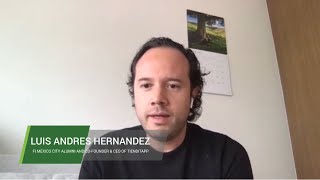
Three Founder Institute alumni discuss their companies: Cheryl Nederfield's Palm Health (digital health), Luis Andres Hernandez's Tiendit (last-mile delivery), and Matt's Dreamfully (mindfulness app). They describe the 14-week program's hardest parts, finding co-founders, and how mentors and office hours shaped their startups.
Chapters
Hello everyone and welcome to the Founder Institute Alumni Q&A panel. My name is Ryan Micheletti and I'm Head of Global Operations for the Founder Institute. My role here at the Founder Institute is to work with all of our accelerator leaders in 200 cities around the world to help make sure we're running a really great program and creating great companies. So as most of you already know, Founder Institute is the world's largest pre-seed startup accelerator. Over the last 12 years, we've created over 5,000 companies across 200 cities with a mentor network of over 21,000 mentors. And one of the latest programs that we've launched is a program called VC Lab, where we're helping create venture capital firms all over the world with the goal of launching 1,000 venture funds by 2025. And so if you're a founder and if you're interested in being backed by the largest startup accelerator in the world, and also having a good connection here to our team and program in Silicon Valley, then Founder Institute is a great option for you to work with our mentors and through our processes to help you get to traction and funding. So anyone can look at our programs that are enrolling. We're currently enrolling across 6 continents. If you go to fi.co/enrolling, you'll be able to see a lot of those programs. And I also run the Silicon Valley chapter of Founder Institute. So if you're interested in working with me, you can apply to that one as well. I'd love to bring up Dustin Betts, who's my partner in crime and our co-host today. Dustin, do you wanna do a quick introduction?
Yeah, absolutely. Thanks, Ryan. My name is Dustin Betts. I'm a community manager and the content editor at Founder Institute. So in that capacity, I sort of act as a liaison between Founder Institute HQ's alumni success team and our marketing teams to help share a lot of our alumni stories from across the whole global FI network. So, you know, that can be grad news that we share on social media, doing videos, interviews, and blog profile pieces and things of that nature. So excited to be here.
Awesome, thanks for joining. So let me go over a quick agenda for today. In a moment, we'll introduce the alumni who you see here on the panel. We'll do a really brief, like, interview, and we'll have some questions that we'll ask. But at the end of the day, we want this to be as interactive as possible, and we want to get your questions answered. So if at any time you have a question for any of the alumni or just a question about Founder Institute in general that you want us to answer, go ahead and put it into the chat. Felicia is here in the background. She'll be able to answer questions in the chat and will also ask those questions to the panel. When the time comes. So Dustin, maybe you want to start off with some speaker introductions?
Yeah, absolutely. So our first founder guest that I want to introduce first is Cheryl Nederfield. She's the founder of Palm Health, which is a Founder Institute Toronto portfolio company. Cheryl, do you want to tell us a little bit about Palm Health and yourself?
Sure, thanks Dustin. And first of all, thanks so much Founder Institute for having me here today to help out with people interested in Founder Institute. My name is Cheryl Nutterfield. I am a family physician by training. I graduated from the Founder Institute Toronto program. We started in June of last summer and finished in September of last summer, and it was all virtual. Got to meet lots of great companies from all over because it was virtual, and I actually live in Ottawa. So we did the whole program virtually. My platform that I'm developing is a digital health tech platform for interdisciplinary care teams to better take care of complex patients. And what the premise of the platform is, is to measure functional outcomes in patients to make sure that we're delivering healthcare that counts and ensure that the patients have a better quality of life. This is not something that's done very well by healthcare providers. We tend to focus on symptoms and signs and not on functional outcomes. And with our big data, we're going to be able to measure the value of the delivery of healthcare, which is what healthcare providers and healthcare organizations need to know to deliver better healthcare. And we're now at the stage to continue looking for clinical sites. To keep on gathering this data to prove the effectiveness of this platform for all of those interested in it. Thanks very much, Dustin.
Fantastic. Welcome, Cheryl. Yeah, thanks so much for joining us. Okay, next up, second founder I want to introduce is Luis Andres Hernandez. He's the co-founder and CEO of Tiendit app and an alumni of the Founder Institute Mexico City program. Luis, Please introduce yourself.
Hello everyone. Thank you, Dustin and Ryan and Felicia for having me. And it's a pleasure to be here. Well, I'm Luis Andres Hernandez from Mexico City. I'm the CEO and founder of Tenditap. And I will give you a little introduction about my product and my company. Well, the thing is, in here in Latin America, There are around like 1.5 million of neighborhood independent convenience stores, like vendors, stands, and booths. Here in Mexico, there are a lot of them. But there is a problem. Well, when also manufacturers of consumer products such as Coca-Cola, Bimbo, PepsiCo company generate revenues upward, upwards of $15 billion in this market segment. However, serving the— and empowering this point of sales creates a problem complicated by the high cost of direct distribution, lack of knowledge of purchasing behavior, and the absence of strategies to bring their products to these independent stores and vendors. Out of this need, Tiendita was born. Tenditap is a digital platform that connects independent stores, stores with manufacturers, through a last-mile delivery model that can reduce logistics and can reduce logistic costs while providing and analyzing information focused on developing strategies and sales campaign at the point of sale. How we do it? We locate wholesalers who receive better price from those brands that need distribution. We are then able to negotiate the cost to ensure the best price. Then Tiendita delivery drivers go to the— Tiendita delivery drivers go to the wholesaler to purchase and pick up the products. When they deliver the goods to the independent stores, vendors' stands or booths that are registered and are within a mile radius. At the same time, Tiendita obtains data on the purchase behavior of the shopkeeper and information of the point of sales to carry out actions that increase sales to consumer and can be used to develop marketing and logistic and supply strategies. Finally, well, the immediate goal is to serve 1 million independent vendors in Mexico and reach more than 20,000 in Latin America in less than 2 years. We raised around $1 million. And well, I will tell you a little bit more about my experience of Foundry Institute, that is a great thing, is the best thing I ever had in my life. So thanks for having me.
Awesome, thank you for joining us, Luis.
Luis, really appreciate that feedback. And yeah, thanks for joining. I'd also like to introduce Matt. Matt, you actually went through the program in Silicon Valley, even though you were down in SoCal, and we work closely together. So Matt, you're the founder and CEO of Dreamfully. Do you want to do a quick intro?
Yeah, thanks so much, um, and thanks for having me. So as Ryan said, I'm the founder of Dreamfully. Dreamfully is a casual wellness app that basically makes practicing mindfulness as easy as scrolling TikTok. So we cater to the 65% of all people who are visual learners leveraging guided breathing, relaxing imagery, community-created content, and more to put you in a better place. Um, and then actually on the B2B side, we're able to leverage our app's data and insights to provide organizations with actionable emotional data on their employees that can help them make more informed decision about wellness and just overall optimization. Um, so our team is composed of nationally leading mental health professionals Gen Z entrepreneurs, coders, meditators, and we're all dedicated to making applied mindfulness more engaging and adoptable than ever. And if anybody's interested, please sign up for our waitlist at dreamfully.io. I'll put it in the chat. We will be launching this fall. And then one other quick call to action, just because I know Founder Institute always brings together some pretty dynamic groups. We are looking for a UX designer to help us with our mobile app development, someone experienced. So if it's one of you or anybody you know, I would love to connect and I'll drop my email at the chat too. Thank you so much.
Awesome. Thank you. It's good to, good to have you back, Matt. So what we're going to do now is I have a couple of questions that I'll ask the panel, but again, we're here for the people who are viewing this. So all of the registered attendees, I already see that there's a couple questions here in the chat, but we want to make sure that we get to as many of your questions as we can. So go ahead and put your questions in the chat. We'll, we'll be sure to ask them. So this question, I'd like to go kind of one by one, and maybe Cheryl, we'll start with you and go to Luis and then Matt. But you know what, what stage were you at when you joined the program and what was your biggest reason for joining the program?
Program?
Last June when I joined, obviously we had just started in the pandemic and I was actually confused as to what to do. I think a lot of us felt very isolated and the stage that I was at that time was a solo founder of my company. I had an early prototype ready and was just about to do some clinical trials, but the pandemic had sort of forced me out of those atmospheres or those environments because of some of the hospital changes. And what I was looking for from Founder Institute, which I definitely found plus more, was the ability to stay focused, have a sort of a— I'm going to say a disciplined program to follow. And I actually quite enjoyed that. I wasn't confused along the way. The steps of the program and the exercises that we were to do from session to session kept me on track. They built upon one another in a very methodical and logical way, which I appreciated at the time, but now appreciate even more having finished it. So I really liked the process of going through Founder Institute, and I wasn't sure what I was going to get when I started, but that was one of the major, major benefits that I experienced going through this program. In addition, obviously, I wanted to meet people and I met tons of people, both from the program, outside the program, literally all over the continent for sure. And that was extremely helpful. I was looking for that and I definitely found it.
That's awesome. And Luis, what about you? What stage were you at and what was sort of your motivating factor for joining?
Yes, thanks, Ryan. Well, I started in 2020. I was in the idea stage. Well, I had a company before that. It was a digital agency. It's the normal, the common enterprise that you can build. But when you enter to this world of startups, you know that you can be, or you can have more chances to be successful because of the technique. Of doing a business, a traditional business, or doing a startup. So I think that was the main point I want to learn in Founder Institute. I also noticed that there were a lot of startups of Silicon Valley doing things here in Mexico and in Latin America that are very successful right now. So I was investigating what they are knowing that we don't here. So it was like, all right, okay, let's have a chance to— let's give a chance to Founder Institute to know what they can teach you for your startup or for your company. And it was like a very, very, very big change in my life because you have another perspective of the business, of how you can do a business. So that's the main point that I took the decision for being in Foundry Institute. And as I told you, I was at the idea stage, like a pivot, like doing a pivot. Is that the right— sorry about my English. I'm doing my best effort to be here, and I'm not practicing so much in these days, so I'm going to ask you a little bit of the words I forget. So I'm doing a pivot. I was doing a pivot about my company, my last company, so it was the best help here to have for doing that. And well, I passed to B2C to B2B. And it was great, the help that I have here in Founder Institute about the teachers, the mentors, and all the people around you. I think it's very great over here.
Yeah, that's great. And your English is very good, by the way. It's much better than my Spanish.
Thanks a lot. It's very confident to hear that.
And Matt, I actually remember like, you know, before you joined the program, we had a couple conversations and you were thinking about joining, I think it was Waterloo versus the SBU program, but Where were you when you, when you joined and what was sort of the motivating factor?
Yeah, great question. I was in a really interesting place. I actually had a virtual reality company that I'd been working on for a while and it was a B2B company. So we started to like actually service businesses. We were creating therapeutic experiences in VR basically. But then COVID hit literally like the first week we were like ready to deliver these orders. At the same time, I noticed a lot of issues. I was a first-time founder totally by myself, and I knew I needed the support of Founder Institute to help inform me about the direction I'm going. You know, for everybody listening, I remember one video that was really influential was, I think, hearing Jonathan talk, a Founder Institute team member, who was saying that in the worst case, what this program will do will help validate your idea or tell you that, you know what, it quickly is not going to work. And being able to get that even in this efficient, you know, super speedy way is just so valuable as well to save time. And that's kind of what I realized day one. So I ended up pivoting as well for a new opportunity. And so At the time, it didn't feel like I was starting from scratch, but looking back, I really was completely, which was pretty crazy.
Yeah, that's, yeah, our co-founder Jonathan Grecian, and yeah, the structure of getting a lot of different feedback throughout the program can definitely help facilitate that. Next question, I also want to pose it to each of our founders on the panel here, and that's basically you know, what for you personally was the most challenging part of the program? And maybe let's go in the same order. Start, start with you, Cheryl. What was the biggest challenge, you know, during the actual 14-week accelerator program itself?
So the most challenging parts were obviously the areas that were the weakest for me. I don't have a lot of background in corporate finance. Some of the questions that were asked in our exercises were difficult for me. But that allowed me to know where I needed support and where I needed resources. And the nice thing about Founder Institute was sort of this awakening of me of how to fill the gaps in with my advisors. And so I started to reach out to advisors who could make a difference and who could help me with those gaps because I can't be expected to know everything and I don't want to know everything. So I was quite grateful for being pushed to go through those. And those were probably the most difficult areas for myself personally.
Yeah, perfect. You got to learn what you don't know so that then you can— yeah, whether you become the expert or find the person to help you. Yeah, that makes a lot of sense. How about you, Luis? What part of the accelerator curriculum did you find to be most challenging for you?
It was like the validation of the of the startup, of the idea, of the product. As Matt said before, the mentors help you to validate that idea, but also help you to go out with the customers, talk to them, and don't ask the classical question is, do you like a product like this or like this? No, let Let them talk about what they need and how you can help them. So don't be afraid to offer the product, and the best validation is if they buy it or if they use it. So you will— you— and I think that that is a big step to take, because There are a lot of startups I knew that also— I'm including me— that you have everything in papers and you have a lot of plans, but you don't do the next step, that is going out, ask for the opinion of the people that will be your clients, so— and start selling. So I think that was the most part of the, the most powerful thing that also Founder Institute give me. So I think that was a big challenge for me being there, because also you have to demonstrate that you are selling or be, and if not, you can be take out of the program. So that's also very good.
Yeah, I'm glad that you emphasize this part, because when I say about like the curriculum, I mean, Founder Institute is not very pedagogical, or it's not very like classroom, it's just like business building exercises like you were talking about and getting into the nitty-gritty of customer development and going out there early and often and getting feedback from your potential customers. So yeah, awesome to hear that from you, Luis. How about you, Matt? Which, I guess, part of participating in the Founder Institute did you find to be most challenging during Silicon Valley?
Yeah, I'll be honest, this was such a hard program. This was really like one of the hardest things I've done. Um, so I would say like no individual part of the program is overwhelmingly difficult. Um, but they are so comprehensive and so thorough that they'll have you literally in like the 3-month program or however long it is, do pretty much everything to just build the most incredible foundation for business you can, which obviously is, you know, there's a reason it's not that common. Um, and so I think the hardest thing for me was to just keep my motivation high, keep my resilience high, and then the times when I, like, everything wasn't perfect, um, and like being kind of a perfectionist, being okay with like moving forward, not feeling like I have full control of everything, which I guess is inherent to this journey. But just trusting the process and they tell you like there are times you're gonna wanna quit during the program and it was true for me, but I'm so glad that I didn't.
Yeah, that's such a good point, right? I mean, like, you know, I always say that Founder Institute is a proxy for real life. There's gonna be times in your founder journey, you know, outside of the program where you're gonna think about quitting or when, you know, you have a series of unfortunate things happen and you need to figure out a way navigate around it. And so, you know, the program not only helps you build your company, but it also helps you build what we call your adversity muscle. Being able to take on those challenges, being able to kind of have the right mentality and be able to like, you know, stare it straight in the eye and be able to overcome whatever comes your way. And that's really what it takes to launch a global company. And so, you know, I usually tell founders that it's called the Founder Institute because We're here to build great founders, not just build great startups. So I've got a question here from Laura, and I'll ask this to the panel, so feel free to just jump it right in. But what are some challenges a non-technical founder should anticipate when launching a startup?
You know, I had an idea that is now a prototype as a physician, but I don't have a tech background. I didn't know what UX or UI was. I didn't know anything about coding. And, um, being a non-technical founder means that in the beginning I did waste a lot of time. Now it was my time, but it was still valuable. And I now have a co-founder. So when I started Founder Institute, I did not have one. Now I do. Boy, my life is a lot easier. It's good to find the right person and share the journey with them and be able to work on it together. And it's, it's the best thing I've done. And I would also attribute the ability to find that and know what I needed through the Founder Institute program also. So it has helped me build the team that I need, that I know that I can work with to move forward. So it's all this foundational groundwork that's been laid because of that. And there was one aspect that I didn't mention in the last question that I think is really, really important, and I forgot about it earlier. Was that we broke up in groups and we would meet regularly. And it is the best place to be open and honest about all the mess-ups and fears and anxiety that you're going through, because you cannot share this with anyone else in your life other than other founders. You can't talk to your friends and family about it because they don't get it. They might say, well, why don't you just quit if it's causing you this much stress? And every other founder understands why we like the stress and why we're here. So to find those people that you can share this with is really important. And I still talk to many of them today, and it's a year later. So I count on them, I trust them, and you cannot find that anywhere, you know, everywhere. You can't find that on the street. So anyways, me as a non-tech benefited greatly. Very glad to have my tech co-founder now.
So you bring up a lot of great things around co-founders, and I want to ask you about it. But before we switch questions, any other feedback from Matt or Luis on non-tech founders?
Yes, I also think that if you don't— well, I think Founder Institute also helps you to know who can be your best match. For example, you can be better at, I don't know, finances, or maybe, or as a sales— as a salesman, or I don't know, maybe you You can have one skill that can be merged with the other skill of that co-founder that you need, that in this case you maybe need a CTO. And I think it's the best combination because someone going to be expert in one thing and the other one going to be expert in the other thing. And there are some times that you need to be split and do your job. For example, I'm taking care of the fundraising and my CTO is 100% focusing in the product. So it's the best combination that we have. And also they teach you that in Founder Institute and also how you can find someone that will help you a lot of years because you are going to be partners and also you have to be— to have that chemistry. I think it's very important to look at that, but don't be afraid of having a startup if you don't know anything about tech. And also you can learn in the progress.
So, you know, let me ask one more question here, Dustin, then you can jump in with the next one. So Cheryl, you mentioned co-founders, and I see a couple questions here in the program. You know, one is from Sain, they're asking if having a co-founder is a must-have for the FI program. And then Shah asks, you know, will I be able to find co-founders in the program? So does anyone want to share their experience either having a co-founder in the program or finding co-founders in the program?
I would love to share one small piece of advice that resonated with me so much. And so first of all, on the co-founder, like, definitely you're going to want to find someone that could build your solution, even if it's not perfect, like, as soon as you can. That's just— it's such a difference maker. But one, I think it was a tweet I read, said something like, you don't find your co-founder by going to network events and like kind of doing the business card exchange. You find your co-founder by going to your best friends, people that you know and trust, and convincing them to join you on this crazy journey. And that, I mean, obviously it's situational and there's a million ways to find a great co-founder, but that's kind of the approach I took. And being able to like find somebody that I already knew, trusted, and kind of just welcome them onto the team, it's almost like family from day one. That being said, there's a million ways to build a relationship and a million ways to find success. So just take it with a grain of salt, but it So really, I would recommend that a lot.
Yeah, there's definitely some comments here around like, you know, finding co-founders, using your network, those sorts of things. And just to, you know, be very specific, you do not need to go into Founder Institute with a co-founder. Sometimes you will find a co-founder or you will certainly find a lot of people who could potentially connect you to your co-founder. So it's really about like, building that network of people and connectors, but you don't need a co-founder to join Founder Institute.
Yes, I want to ask the next question about here. It's related in a sense, in the sense that having a team helps you obviously balance everything to do with the giant workload of running a startup. But the question is basically about time management and how to take the work-life balance load of being a startup founder. And going through the curriculum. So the person who asked the question here correctly says, you know, we tell people to prepare for up to 20 hours of work, like outside the sessions each week. So the question is, you know, how were you as founders able to balance, you know, your commitments to your business with your family and your mental health? Anybody who wants to speak to that?
I'm going to say that there were areas throughout the curriculum that were easier and were faster. And then some take longer, and it's going to be different for all of us. So did I struggle with time management through the areas that I found more difficult? Yes, but the amount that I learned from it was invaluable. So it's worth the struggle. It's worth the time. And what is balance? That's a hard question to ask. It's different for all of us because if you're happy with what you're doing, your life is going to feel more balanced. It's different if you don't enjoy what you're doing. So, um, balance to me is, um, relative, and I've never been busier, but I'm super happy. So that's where the balance comes from, I think. And that includes the family and the friends around in my life who know that I'm just as passionate about this.
Yeah, I think that makes a lot of sense. I think it's going to be an extreme rarity to find an early-stage startup founder who's working a standard 40-hour work week. So yeah, balance is definitely a matter of perspective. Matt, Matt or Luis, I'm curious, any follow-up on the work-life balance and mental health pieces?
Yeah, yes, I think that, yes, as Matt said, also it's going to be a lot of work that you are going to do here. And it's not an easy program, that's that. But I think if you have this mentality of, okay, I need to do an effort and that extra mile that I need to take, totally worth it, it's totally worth it. So I think it can be that you have to do 2 jobs at the same time, but it's just going to be like 3 months. And that's 3 months are going to change all your perspective. And, and you can be well, and later you will see the, all the, all the good things that bringing that have that, that Founder Institute can bring to you. So I think therefore, it's very viable, having these 3 months of a lot of effort, So I think you can be scared because also it's your company and you're working in your company, you like it, it's a passion. So when it's a passion, I think it's not so much trouble and problems of working in that. So I think that is my point of view about that.
No, it's great. Thanks, Luis. Yeah, that's okay.
So there's a couple questions here around like the stage in which you join the program. So Paulina, you're asking like, are there any stages you recommend to start the program? And for your particular case, you've got a product in beta stage and you're asking if it would be better to wait and have your market analysis, unit economics, and all of that in order before you join. And then at the same time, Topeka, you're also asking, you know, some of these alumni, what was your revenue when you started? And how do you think FI would allow you to go on the growth path? So, you know, revenue numbers are confidential, but I can tell you just to kind of give, you know, answer those questions and then I'll turn it over to the alumni here. You know, the typical founder is what we call pre-seed, right? And that's actually a pretty big stage because at the one hand you could be at the idea stage. I think Luis, you joined at the idea stage. So you woke up and you're like, Hey, I've got this crazy idea for a startup. I want to go and validate it before I quit my day job. I want to meet other people who can help me build it. That sort of stage. The average founder in the program is sort of what we would call like MVP stage. And this is probably where you were, Matt, and you were, Sheryl, like ready to kind of build something. You want to put it in the hands of customers, grow it, pivot, figure out where you need to go next. And then sort of the later stage of pre-seed is what we call early company, and that's where you've potentially raised some angel money, you have a product that's in the market, you have a team that's full-time, and, you know, those founders are usually looking at Founder Institute to get to further traction and help them raise money through our Funding Lab fundraising accelerator program. And so, you know, that's kind of the wide spectrum, and I've had founders join who had already had $750,000 in revenue or sorry, they had $750,000 that they raised from angel investors and other founders that were $20,000 in monthly recurring revenue. So my personal recommendation to you, Polina, is I wouldn't wait to join. You know, you already have a beta. The more you learn now and the faster you learn, the more you're gonna— not only you're gonna expedite your success, but you're also gonna save a lot of time and potentially money by iterating and pivoting and having these understandings, like the sooner you do that in the program. And so let me ask the alumni here. So this is kind of to everyone, you know, what, I guess, is there a particular stage that you would recommend for founders to join?
Knowing what I do now, I would have started earlier. I would have started where I'm at. And I would do it again. So it's, it's any stage, I would do it over again because we all need that discipline and we don't want to feel alone. It's good to have the support, so I think at any stage it's worthwhile because I think all of us learn different things from our, the student, the cohort, and, and all of the advisors. I don't know about you, Matt and Luis.
As early as possible. I mean, you're going to be tested on your core assumptions constantly. And like literally the first day, Mike, the other director of the Silicon Valley program, basically literally my first time meeting him, it was a quick 15-minute meeting. He like looked me in the eyes. He's like, look, this is going to be hard, but what you're doing right now is not going to work. And that was like literally day one. And he was right, and I ended up pivoting, and it took me on this great journey. But that type of early feedback is like so important.
Yeah, and also the advice comes from mentors that already have done a startup or have passed that way. So the feedback that you have is from an expert. That already have lived the experience of having a startup. So it's not the advice that your friend can tell you, that maybe he has a traditional company. It's not the same advice in that way. This is an advice of the people that knows the industry, knows the world of the startups and the investors and the VCs and the angels. So So that's hard, as Matt said, it's hard to hear what you have to hear, but it's worse to be in the same way and nobody tells you. So I think early stage is very, very good having here in Founder Institute.
Awesome. Hassan asks a question here. He says he gets the impression that the Founder Institute program is tailored for founders with e-commerce, like digital products, and that are looking looking for like, and that have high growth potential. And he asks, what space is there for companies who want to grow slow and steady with minimal funding during early bootstrapping seed stage? I guess what I would say to that, Hasan, just at the top before I open it to comments our alumni might have, is that we do require you to be a tech-enabled company in some way, but it doesn't necessarily have to be a company that's venture scalable, so to speak, right? That a VC might expect to return their entire fund. We're like, we see it as a success to see companies that bootstrap and grow slowly and over time. Not all companies of our alumni go on to raise funding, and nor should all of them. Many do and are venture-scalable businesses, but it's not a hard requirement. So that being said, which is my kind of caveat, I don't know if anybody wants to speak to that, to kind of bootstrapping during the early stage and how the program helps support you or didn't?
I learned some very valuable information about when to start looking for investments. And we've been bootstrapping, completely comfortable with that. I now know more what investors want. So I want to deliver to them what they want, not what I think that they want. You have to be transparent and accountable for what you're doing. And it was a reality check. Earlier groups that I was sort of hanging out with before, raising money was just something that they did and they really didn't understand much about it. So I think the feedback from the VCs that we met through the program was invaluable, and it taught me when was the right time to raise money and under what circumstances and what they were expecting. I did not learn that before I had come to the Founder Institute program.
Awesome. Thanks, Cheryl. Luis or Matt, any thoughts on the early stage or bootstrapping?
Yes. Well, talking about the structure that you need to present to the VCs, I think also it's a very good way. The structure that gives you here in Founder Institute is the right— it's like a standard in the industry. But trying to do that, the standard also has a challenge, because you want to say everything to the VC, but the VC only want to know the most valuable things about your startup. And there is a standard, and also here in Founders, you can learn about it. And the VCs knows, well, receive a better message when you come with this presentation, with this pitch deck, and all the materials that you need to show them. So I think in terms of raising money, it's also a very good start to be here.
You know, so there's actually some questions here on fundraising that I can jump in and ask. You know, first, a really quick question I can answer directly. So, Polina, you're asking if any sessions are in person to meet other entrepreneurs. The short answer is all of our sessions prior to the pandemic were in person. So that was like a really great piece of the program. During the pandemic, everything was moved virtually. So all of the sessions right now are virtual. And as we're coming out of the pandemic, we will be doing some more in-person stuff, but it depends on where you are in the world. Certain regions are affected more than others, vaccination rates, those sorts of things. So we're being conservative, right? We don't want to put any founders' lives at risk and create any like issues with the pandemic, but we will be doing more in-person stuff. And the good news is like, you know, regardless if you're in a program or if you're an alumni of a program, you'll still get access to the same in-person events. And one of the perks that a lot of these founders don't really realize is that you can still attend any session around the world once you graduate. Like, you know, it's sort of like you go through the program, you graduate, and now there's like a bunch of unlocked resources for you. If you wanted to attend a program in Toronto, or if you're flying to New York and you want to meet with founders there, you have this like ready-made network of other founders and investors and mentors and directors in the network that you can tap into. So we will be doing some in-person stuff, but I do think that it will be a hybrid version where the core program sessions will be virtual, and then there'll be some socialization and networking events that are in person, you know, at a local bar or something. All right, questions on fundraising. So, Alex, you're asking if the panelists could talk a little bit about fundraising, any money that the panel has raised. How FI supported that process. And let me just preface this by saying, when a lot of founders who are kind of looking at joining the FI program, they don't realize that there's actually a fundraising accelerator program called Funding Lab that's free for all of our alumni. Now, you have to graduate the Founder Institute program to access it, and that's because it's— it follows a very similar structured format, and there's a lot of things that, like, we want to make sure are in place before you go out and fundraise. But once you graduate, you know, the program, you can join Funding Lab for free, and we run that, you know, 2 to 3 times a year depending on the volume and demand. So you can check that out by going to fi.co/fundinglab. Again, that's a free fundraising accelerator for all of our alumni. So does any— has anyone gone through Funding Lab, or have you raised money that you'd like to talk a little bit about?
I went to Founding Lab. It was like the second stage of being approved that you can raise money. So also the work that you have to do there is, like I said in the first program, is like prove your product, go to the customers, try to sell them. Here in this program is go to the VCs, try to raise money. So this second stage, it's very useful. And also they teach you the technique of how you can start raising with your friends and family at the beginning, then maybe with angels, and then with the VCs. And also they, they let you can learn from, from Founder Lab, Founders Lab, that you can choose first the people that maybe you don't care if they don't give you money, so you can practice with them to be prepared for the ones, for the people that you want that money, because maybe it could be smart money. So about that technique, I think Founder's Lab, it's very great. My experience is that with that technique I already raised $1 million. So, and here in Mexico it's very difficult to raise that money at this stage. We don't have here the culture of invest as in the States, they have the culture of investing. We don't have so many VCs here in Mexico. So I think it was the best, it was great being in Founders Lab. And well, my next step is going to the United States to look for VCs for investing here in my startup. So I think it was great.
Yeah, that's good to know. And some things I would just kind of throw in there too, you know, there's a lot of misconception around fundraising, especially from first-time or early-stage founders. Founders. You know, the days of being able to like raise money to build a product are, you know, it's very hard to do that. Most investors want to fund growth, and because there's more startups, there's more competition for those investment dollars. And we're actually seeing almost this like investment gap where there's more startups that need and could use funding than actually are available in the markets. And so that's why we started our VC Lab program, which is a venture capital firm accelerator where we help new venture capitalists raise their venture fund. And in fact, that actually— our fourth cohort of that just started today because we want to create more liquidity, more investors, more people that can fund startups around the world. And one of the things that we've been doing, at least in the newer versions of Funding Lab, is connecting the venture capitalists from VC Lab to the founders that are raising money in the Funding Lab program, effectively bringing the two together. So does anyone else have comments that they'd like to share about, like, fundraising?
I would just share that— so I'm actually taking part in Funding Lab. It's kind of starting up right now, so I'm in what they have— it's the pre-curriculum. But you quickly learn that fundraising is a very defined process. There are things you do. It's almost like running a sales cycle and it's like not, it's like a very practical thing. Like before I knew this, I had no idea. I thought it was more abstract, but it really is that there's a very clear structure to it. And this is across the board in tech pretty much. So I just say that because a lot of you may, may not be aware that it, there really is Yeah, just a lot of defined structure to it, and if you follow that, you're just infinitely more likely to succeed, and that's what Funding Lab really drills into you in a great way.
Yeah, Luis kind of spoke a little bit about that earlier, where having like his lower target or lower value target investors being like earlier in his fundraising cycle, so he could kind of like work out the kinks with his pitch and build momentum throughout the round as he goes and like save those really high-value smart money, as you said, like target investors for towards the end of the round when you're really honed and your pitch is perfectly tight and everything. So yeah, there's definitely a structure to it. That's interesting. There's a question here that I want to pose, which is basically about FI's advisors and mentors. And this is for anybody who wants to answer it. I think all three alumni probably could speak to this. So, you know, how often do you meet basically the mentors throughout the program? What is the format? And then, you know, How do you identify basically advisors who you want to interact with maybe outside the program? Does anybody want to speak to your mentorship relationships that you built or especially valuable mentors throughout the program?
I think the mentors were invaluable and we met them from day one. I found that they were all very willing to help out and participate with visits uh, I'm going to call it outside of the session hours. And so I took advantage of those as many as I could. I would also try and find people who were not familiar with what I was doing to get their opinion because it was very invaluable. It helped me to think outside the box a lot more and gathered a lot more valuable information than I might have otherwise. And then I did end up meeting some advisors that did have— mentors that did have some specific knowledge in my area who I sought out more than once and have continued to stay in contact with them. So I think the relationships we built were great and met a lot of fantastic people.
That's great to hear. Matt, Matt or Luis, any especially valuable mentorship, advisorship relationships, or how that went for you during and after the program?
Yeah, I was, still am, so blown away by the mentors in Founder Institute. It is such a massive, powerful network that having graduated from the program, I really do have the core belief within me that like there's nothing that I want to pursue that I wouldn't have access to through the network. You realize these are individual people successful in their own right that have so many different types of varying experience. And you actually, if you go through the FI program, they make it so efficient. You literally have a button that says schedule office hours. You see the information of everybody, you can read their backgrounds and then just pick a time and you have a meeting with them. So it's like super optimized. And then obviously you can build relationships Some of the mentors that were in my program are now like formal advisors to the company and are helping me do some exciting things. I think that's relatively common. So that, that to me is like the biggest value add that just continues throughout the life of the program and beyond.
That's great feedback. Yeah, I'm glad you mentioned the office hours, uh, tool because that's probably the best innovation that came out of the pandemic was like, you know, before you'd meet mentors at a session, now you can schedule office hours with them directly. And so I think in our program, Matt, we had like 30 or 40 mentors like at any given time, like offering office hours that you could meet with. So I agree, I think that at the end of the day, like your startup is like a collection of people. And if you can find the right people and like build that nucleus around you, like that's That's the most important thing when it comes to your startup. So what I want to be mindful of the time here with the last like 7 minutes, I usually wrap up these alumni events with one last question. And so we'll go one by one and Cheryl, maybe we'll start with you. What tips would you give someone here who's on the call to one, build a successful startup and two, be successful in the program itself?
Itself?
So the first, being a successful startup, um, you can't do it by yourself. You need a strong team, number one. I think that is important. And find people that you can trust and you can talk, uh, to openly. Um, that, that's, that's the most important thing. You'll feel so much better doing that. And then to be successful through the Founder Institute program, I'd say embrace it for what it is. It's hard, but it's one of those things that you'll remember as good times. And refer back to the program afterwards because there's lots of valuable information in there that perhaps you didn't have a chance to dive into as well because of the stage that you were in during the program. But there is lessons learned to be— to go back and repeat it again and update things. To continue to build upon that. So embrace the program because it's there and it's much more valuable than you'll be aware of during the moment.
Yeah, that, that's really good feedback. Luis, what about you? Any advice for building a successful startup and being successful in the program?
Yes, thanks. For, for building a successful startup, I think it's It's like the first thing I think is to take out your ego and think that in my case, for example, I had a— already I had a company before I do my startup. So my ego was very big and why I need to be in a program like Founder Institute?
It's—
I think the first thing that you have to do is take out your ego. Learn about this new world and try a lot, try a lot. Also, try to do this like your first job, like you're 100% time involved in your startup. Maybe at the beginning you have a job, but try to be there as fast as possible in your own business, it will change everything. It will change the way you see how you can get money to survive. So, if you have that feeling behind you, you will work better than if you are in a comfortable zone, and also you will be successful faster. Because you are going to be 100% in your startup. So I think that could be one advice. And for the program, I think that be aware of what you are receiving, the messages that the mentors are giving you. Be open and also take out your ego again and don't think I have all the reason, no. Comprove it with data. I think comproving with data, if you have the reason, that's also a great tool. And enjoy, enjoy, try to enjoy all the, all the course, all the program, and be relaxed. I think that, that will be my advice.
Yeah, that's, that's also good advice. Matt, what about you?
Yeah, I would emphasize You know, for like, in terms of the Founder Institute program specifically, I would say trust the process, do the work, and show up consistently, even if you feel like you're behind. You'll be behind for a lot in the startup until everything clicks. So just really keep your belief strong and know that these people have been doing this for— I mean, Ryan, maybe you could say how long it's been, but like so many cohorts. And then for the— aside from the Founder Institute, I would really just echo what Cheryl said about team. My biggest advice is to make sure that you have someone who can build the solution, at least to an MVP level or like version 1 thing within your team internally. That's just essential. You're going to need to pivot You're going to need to do so many different things, so you want to make sure your team could do that, and then that will hopefully get you to the next level. So that's, that's my biggest advice.
That's great. And so I just want to thank everyone for joining. Thank you to the panelists, Cheryl, Luis, Matt. This was awesome. For everyone who's viewing this today, you'll receive a recording via email that will have a recording of the information. and also your next steps if you're interested in applying to Founder Institute. And if anyone ever has a question, we run these pretty consistently, but you could also just shoot us an email. So just reply back to any of the emails we've sent and you can ask our team a question. So thank you once again. This was really great. I appreciate everyone's time today.
Thanks so much for having us.
Thank you.
Thank you. Thank you. Hello, for everything.










