FI London Director Mercedes Bankston - March 2021 Leader Interview
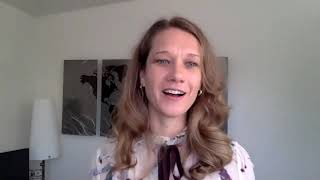
In this March 2021 interview, Founder Institute Content Director Dustin Betts talks with Mercedes Bankston, Director of the London chapter, about the role of mentorship in early‑stage entrepreneurship, how the FI program structures mentor interactions, and strategies for building mentor networks remotely during COVID‑19. Mercedes discusses her personal motivation for supporting women entrepreneurs, the impact of gender diversity, and her view on post‑Brexit London as a thriving startup hub, highlighting abundant grants, a strong fintech and health‑tech presence, and the city’s global talent pipeline. She shares best practices for nurturing local ecosystems—emphasising community, meet‑ups, and digital platforms like Clubhouse—drawing on experiences from Irvine, California. The conversation spotlights several FI alumni (Zovi, Style Swap, Subly, Circadian, Game Steak, Pink, Finverity, Oddbox) and their funding achievements. Mercedes also reveals her stealth crowdfunding/equity initiative, Funderstar, which targets validated Kickstarter/Indiegogo projects to provide follow‑on capital and operational guidance. She mentions a novel startup tackling revenge‑porn removal and the upcoming London‑Silicon Valley cohort designed to bridge UK founders to US markets. Throughout, she stresses the importance of passion, solving real problems, and leveraging diverse backgrounds for competitive advantage.
Chapters
My name is Dustin Betts. I am the Content Director at the Founder Institute, and I'm here this afternoon with Mercedes Bankston. She's the Director of the London chapter of the Founder Institute and is working on a lot of other really exciting things that we're going to talk about here today. Mercedes, thanks so much for joining me.
Thank you, Dustin.
So before we kind of dive into it, the first topic I think we want to talk about today is the value of mentorship to entrepreneurs. I know in your past, prior to your work at Founder Institute, you did work as an EIR at the UCI Applied Innovation Irvine and have helped match teams with mentors like novice entrepreneurs, basically matchmaking. The breadth of our global startup mentorship network is obviously a cornerstone of the Founder Institute. Why are experienced mentors so important for entrepreneurs and particularly for first-time or early-stage founders in your experience?
Oh gosh, mentorship's really powerful because it's learning lessons. So when I'm looking for a mentor specifically for entrepreneurs, oftentimes I go after someone who has failed a couple of times and then has become successful. And the reason for that is like when you hit failures in your company, you learn really quick and you can pass those lessons on very quickly. And you can also hone in on where the problems are early on in an entrepreneurial journey. So when, you know, I'm talking to entrepreneurs and they're afraid to share their ideas, they're afraid to share things that are pretty intimate inside their company, you know, my perspective is you should share these problems and you should discuss them and you should find people who have already had these journeys And they can tell you kind of exactly what to do so you don't have to fall down and make that mistake. And that really is the reason why entrepreneurship is so important. Particularly at the Founders Institute, we work with a lot of mentors and we really encourage the entrepreneurs to meet with them weekly. And it's for those life learning lessons, but it's also to make sure that you don't fall flat on your face really early on. Into your entrepreneurial journey.
Yeah, yeah, definitely. I kind of wanted to ask you about that, sort of maybe to expand on that just a little bit, you know, what entrepreneurs who join the London Foundry Institute accelerator cohort can expect from the mentors. So can you talk about kind of the different roles, maybe like in sessions or office hours or how founders interact with mentors?
Well, how the program is set up is from a week-by-week basis of a different topic. So we bring in mentors who are experts experts in that topic and can help the entrepreneur push to the next level, essentially. So why is it so important to meet with those mentors? Well, again, it's that knowledge, it's the introductions, it's, you know, it's also like free advice.
So when you're setting up your own company, you know, there's all these tools out there on the market.
They all do different things, they all have kind of their own pricing schemes. And so it's really helpful to talk to either previous customers or people who have used those platforms intimately, and they can advise you of the pros and cons of every decision that you're making. They can help you with cash flow.
You know, cash flow is probably the number one way to make your company successful or to sink it. You know, a lot of entrepreneurs that we meet been knocking on doors to VC companies for a long time with actually what I consider terrible pitch decks. They don't understand what an investor wants or what an investor needs to invest in you. And these mentors can help you through that process and make you a lot more successful from day one.
Yeah, definitely.
That way you don't waste your time. You know, time is valuable. So, you know, the great thing about the Founders Institute is it's a 4-month program. 4-month program, essentially. And within that 4-month program, we're going to give you all the tools to succeed and launch.
Perfect. Any other kind of mentorship-relevant tips, maybe outside of FI itself, or just for founders who are working now in the past year in COVID, maybe to build mentor networks remotely? Any other thoughts on mentor building?
Well, I think mentor building is essential to having a connector network. So your connectors, you know, obviously are your cheerleaders and your champions. And the best way to get investors or clients really is word of mouth.
So, you know, use your mentors wisely.
They're gonna help you save money, they're gonna help you get clients, they're going to help you succeed. So you should absolutely reach out and find them, maybe have an advisor network. That can help propel you through all these challenges.
Perfect. Next topic I want to move to is sort of diversity and inclusion in the startup world. We're coming up here on International Women's Day. I know that in your past you established and grew the Orange County chapter of Girls in Tech to over 400 volunteers, I believe. So I know while Girls in Tech focuses on female empowerment across all sort of areas of STEM, what motivates you personally to be, I guess, involved with women entrepreneurs specifically? Specifically?
I mean, other than being a woman myself, you know, I just think being involved with like women and kind of people that are interested in entrepreneurship, you know, it's a network and it's fun to like communicate with people who are like yourself, maybe if they're from different backgrounds. You know, the one thing about entrepreneurship is it doesn't really matter like where you're from or where you live or where you're going, if you're an entrepreneur, you have some of the same personality traits and you probably have a little bit of grit. Maybe you didn't fit in in the workplace. Maybe you got fired many times because you didn't fit in the workplace. These are things that we see, but when entrepreneurs come together, they accept each other's quirks, right? And they accept that, they can move forward in a way with friends that are also entrepreneurs, maybe in a different form and factor than say in a corporate world or within a university type system. So I do think it is important to like network within the entrepreneurship community to learn from each other. And when we talk about diversity, like I said, entrepreneurs come from all walks of life. I mean, I've traveled the world and In Latin America, you see entrepreneurs literally peddling bananas on the side of the street. I mean, that is kind of the basics of entrepreneurship. And then you see big tech companies in Palo Alto and Silicon Valley, you see big fintech companies in London. Everyone has a journey on how they got there. Everyone is passionate about whatever that subject matter is that they're selling or creating. And I think it's really that passion that kind of glues people together within diversity.
Yeah, perfect. Focusing in, I guess, on the gender diversity aspect, you know, obviously it's been a really hard year for so, so many people, but as we kind of climb out of the trough of, you know, the recessionary impacts from the onset of COVID-19, but the word that people keep using is she-session, right? That there's kind of like more detrimental impact that's specifically falling on women workers and, you know, presumably presumably women entrepreneurs in some respects too. What is your vision, I guess, for achieving greater gender diversity in the tech or startup ecosystems? Just thoughts on what does that look like, how we get there, or other ways that we can help support more female founders.
It's a good question. There's many facets to that. I myself, I don't think that I've really ever experienced a gender problem. And a lot of that is just because I keep a strong presence and I have a tech background. So it has a— I guess there's just a natural flow that happens. Like, I'm just not going to let someone put me down because I'm female. That's just not who I am. But I do see how women get into this situation. Quite often. And, you know, I kind of think part of that is you just kind of have to fight through that situation and address it and not take it personal because, you know, there's a lot of places in this world that aren't friendly to women. And it isn't necessarily a personal thing. It just might be like how they were raised, you know, unawareness. So keep in mind that there's a lot of ignorance in the world and don't fault people for being ignorant, but try to educate them along along the way. And that's really what I would suggest doing. I think this year is going to be really great for diversity. And maybe we're not seeing it now, but things are changing pretty rapidly. We've moved forward in technology 5 to 10 years. Educational systems are changing like overnight. And so I think as a result of that, like, we're going to change overnight as well. As humans. And then to take that kind of like a next section is I don't think people really care who you are, what you look like, if you have the numbers to back up your idea or your vision. And that's really what it comes down to is finding like your customer market. You know, I work with Black entrepreneurs all the time that their entire customer market is just other Black people, and that's okay. The same with like in Asia, there's like different demographics that different foods that we eat that are really relevant to maybe Asian entrepreneurs. So in a sense, like also celebrate your diversity. Find out like what is your one unique factor that can propel you faster than maybe another entrepreneur. Sometimes using those, being female, being a certain color, even being a certain nationality, whether you're British or English or even from California, people really relate to where you came from and use that to your advantage as your differentiating factor.
Yeah, absolutely. I really love that kind of message for perseverance and things trending in a good direction. Really cool. I want to pivot now and talk about London, the London startup ecosystem, basically, because you're the director of the London Founder Institute. London is obviously a financial capital of the world and at this nexus of global trade and business. It's a special place now post-Brexit. We'll see Britain's a leader in the vaccination campaign, so maybe good things happening with the economy. In your, I guess, so putting it, putting our 2021 framework around, you know, how the City of London is now, what do you think makes London unique as a startup hub in 2021?
Oh gosh, there's so much that makes London unique. So I saw a report maybe a year ago that said London had a better startup ecosystem than Silicon Valley. And I actually believe that to be pretty true. Being a Californian living in London, I understand diverse backgrounds. I see startups all the time. I've been involved in entrepreneurship since I was 19. So I've seen a lot of things. So when I look at London, it's already a very naturally diverse city. And by the way, it's continuing to be that way. When we look at the numbers at the Founder Institute, I would say we have a lot of female entrepreneurs, but we also have a lot of foreign entrepreneurs that are not British. And I think that's across the board been consistent for since the London chapter opened in, um, since London opened up at the Founder Institute.
So that being said, I don't see that it's going to change. Um, we have tons of grants that just ballooned over COVID. In fact, I would say this is a better time for entrepreneurs. I've seen some of the best funding from actually our own graduates in the past year, getting grants anywhere from £175,000 to like £350,000. And it's almost like the government is throwing money to startups to start new companies. And they're doing it particularly in areas that you would expect, like health technologies, COVID, transportation, transportation is being hit really hard. Sustainability is really important to the UK. You know, that's also like a UN factor. Education isn't going to change, I think, in London. London is kind of the center of education around the world. Which is why I think London will continue to thrive because foreigners from all over the world are going to come to London universities. And then by the way, they wanna stay. And then they go and work for a company and they realize like, hey, I can do something better. Like let me start a startup and something I already know. So we see a lot of fintechs that start that way. The same with like healthcare. There's a lot of people who, love the national healthcare system in London and in the UK, but they realize it has some major fatal flaws. So they want to change those outcomes. They have a mission to, you know, create a startup essentially to find money. And by the way, London is probably one of the best places in the world when it comes to finance. I mean, it's rated number one. There's lots of investment bankers, There's literally like a family office probably on every corner in London to get money from. There's lots of VCs. The Founder Institute is actually opening up a whole VC lab. And we're going to see just a lot of companies funded in ways that haven't been funded before in economic regions that we haven't thought about. And it's all going to be about technology, sustainability, education.
Healthcare.
What else do you need?
Yeah, yeah, perfect. I kind of feel like Brexit, it's sort of been a long process, especially for those of us maybe who are sort of watching from the sidelines through the international media, sitting on our side of the pond in the US and talking about how there could be a more pro-business, pro-free trade kind of version of the UK that comes out of post-Brexit. And it sounds like you kind of subscribe to, at least in London, you know, seeing that diversity as being, you know, core to the future as well as not just like the past. Is there any other ways, you know, that you see Brexit affecting entrepreneurs in the UK or maybe ones in Europe? Is there considerations about regulatory things still on your radar or changes in the regulatory environment that entrepreneurs should think about, European entrepreneurs, when they're incorporating or choosing where to hire or anything like that, or not so much a consideration?
Yeah, I think for startups, this isn't going to be a big problem right now. So, you know, London has created quite a few, actually, startup visas specifically for London entrepreneurs, but also the UK. So I actually think there's probably gonna be more opportunities because of the pandemic.
We're talking about major city centers around the world that all of a sudden shrunk, and they're looking at deficits financially.
And the question is, how can we change that? How can we make sure that people have jobs? So entrepreneurs are one of the quickest ways to do that. Startup visas are a dime a dozen. There's lots of accelerator courses within London. Itself and also the UK. But the reason for that is because there's so much opportunity, and there's opportunity within the government. There's so much money. Like, I don't feel that we're lacking in terms right now.
You know, like I said, lots of companies are getting funded every day, and that wouldn't happen if London wasn't a good place to go. It wouldn't happen in the UK if there wasn't any money. So I think the UK is still going to become, or is going to remain a top focus for entrepreneurship around the world. It's still going to be a top place for Europeans to move to. A lot of that has to do with transport. English still is a national and worldwide language, essentially, in entrepreneurship. And one of the best places to get that type of training is to move to London. I know lots of entrepreneurs that are Italian or German and they decide like, hey, I need to improve my English, so I'm moving to London to work in a coffee shop. And then while they're there, they're like, hey, there's something that I wanted in my own home country that would make life easier in this particular city or this country. So why don't I start my own company? And then they apply for visas and then they hire other Italians or other people from their country. And they bring them over.
Yeah, yeah, that's perfect. And a cool vision. And I know some entrepreneurs like that too, who came from like Spain and then lived in London and then launched a company after. So totally relate to that. London aside, I guess kind of zooming out, drawing upon your expertise from other places you've been and worked in entrepreneurial ecosystems like in Irvine, California, you know, what are some attributes that you think are shared among great local startup ecosystems? And then maybe to put a spin on it again with the work from home kind of post-COVID trends, are there other best practices for entrepreneurial ecosystem building, maybe that's done digitally?
Yeah, so I think, you know, community is essential. You know, having your friends around, again, entrepreneurial friends. Like I said, you know, they come with like an energy that I don't know how to describe, but like, you go and meet with like entrepreneurs and you come back just like buzzing. Like on a high of like, how can I take my company to the next level? I need to work on this. Like, this is really exciting. So, you know, I think with the pandemic, it has been hard, right? Because we don't get the same type of connection on this Zoom. You know, very rarely do I walk away from a Zoom meeting with like the warm fuzzies. I mean, it does happen, but it just doesn't happen as much. It depends how starved you are. If you haven't had any conversations that you getting on Zooms, it's exciting. I would say Clubhouse, like one of the reasons Clubhouse is actually really exciting right now for entrepreneurs is because there is like all these conversations that you would naturally have at the pub or, you know, in Irvine, like it would be over coffee. So whatever that like community is, like you need to tap into it and continue those forging those relationships. So when I lived in Irvine, I would run into entrepreneurs at the beach, I would run into them while I was like bike riding in my own neighborhood. I used to attend something called a Million Cups, like every Wednesday or Thursday morning, and a lot of entrepreneurs would meet and listen to other people's pitches. And then we would actually make introductions for those people. You know, a lot of them had really good ideas. So I think going to meetups, whether it's online or in person, is one of the best ways to make friends within entrepreneurship. It's also one of the best ways to meet mentors, maybe new clients. So just try to figure out like, not only what can you get out of it, but how you can help someone. So one of the things I always do is like when I'm at these big conferences and meetups, and I talk to entrepreneurs, I'm just like, how can I help? Like, what are you struggling with? And being that network connector to introduce them to someone else or to give them a resource or a tidbit of advice sometimes impacts them in ways that you just can't believe.
Yeah, yeah. I think being able to offer something, give first, and making a connection for somebody probably makes them remember you, you know, more maybe even than the person that you connected them to. Yeah. I like that advice.
I think the other thing too, I have lived in, I think, 6 or 7 cities, maybe 3 countries in the past 20 years.
Moving to a new ecosystem is really difficult, particularly if you just landed, you don't know anyone, you don't have any friends. So one of the things I did when I left Irvine and I moved to London was I was like, geez, I wish I had some friends. So I actually contacted the founders of Institute. And, you know, I did that through my Irvine connections because I knew the guys that ran in Irvine. They linked me up. I met with that team and I really loved what they were doing. And next thing you know, I became a mentor and then I became the director.
Yeah, and you kind of mentioned a couple of times just about the number of companies who have been funded out of the London chapter in the past year. I don't know if there's any alumni that you want to give a shout out to because I know there's quite a couple of them, you know, that have received funding.
Oh gosh, there's some really exciting alumni. So, um, Zovi, which is Scott Lieber, um, he has an IP on a kind of home protection for internet devices. I think he's raised $1.5 million. Jo Waddington from Style Swap, she's received a grant.
I'm not sure the number on that, but it's actually pretty exciting. And she's in a sustainable market as well, a sustainable retail market. So to receive a grant is A, really difficult, but B, in her market is even tougher. But she just has a lot of grit and a lot of enthusiasm and energy. Another person that has a lot of grit and enthusiasm and energy is Holly Stevens from Subly. Subly was awarded a contract, I believe, through LinkedIn to put subtitles on videos on LinkedIn, which is brilliant. You know, she has a great story of adding subtitles that takes only 4 steps versus 17 steps. And these are the things that kind of are ingrained in my mind. Circadian, a DNA testing company for really rare diseases and things that the NHS has not been able to discover oftentimes in adults and children, has raised quite a bit of funding as well. And then most recently we had Game Steak, who he's bootstrapped along the way, and he's done a phenomenal job. He doesn't want to give away anything in his company. He is starting to look for investors. But he just launched this past week, and I know it's going to be a huge success. Some of the games that he's launching have like 4.5 million people on them. So he's off to the races, which is like so exciting. So whether they receive grants, investment, crowdfunding, or bootstrap, so like they just made it, we've seen some very, very exciting companies over the pandemic thrive.
Yeah, yeah. And two more, I was just like Googling on the side while you were talking, just what we want to shout out maybe, the fintechs. Well, so Pink is one London fintech company that's done some equity crowdfunding, I think, which we might talk about next. And then Finverity, I think, is also a London fintech that I believe has had some funding or success the past year. So lots of great grads doing lots of cool things, that's for sure.
We also have Oddbox. So I think Oddbox went to a Series A this year, if I'm not mistaken.
Yeah.
I didn't mentor her, that was before I became involved with Founders Institute, but I did mentor Pink. So, that's actually a really interesting classic case of 3 entrepreneurs that all had separate ideas that met at the Founder Institute and they leveraged each of their skills. So when we talk actually about mentorship, I mean, they were mentoring each other in their own cohort, which is oftentimes what we see. Because everyone comes with their own superpower. And in the case of Pink, um, gosh, I can't think of the CEO's name. I should know this.
Uh, anyway, Rupert, I think, maybe, or at least he's one of the team members. Rupert?
Oh no, Rupert's the VP of Sales. Oh, okay. And then there's Mark, and then the other one is the CEO who is very technology savvy and Rupert has a lot of skill sets that the CEO doesn't have. And then their other co-founder, Mark, came from Unilever and is in marketing. And he has a lot of skill sets that both the CEO and Rupert don't have as well.
And they all work, they work brilliantly together.
I think they've had two crowdfunding campaigns. If I'm not mistaken, they've raised about $4 million, maybe more.
That sounds about right to me. Yeah, they've had some good fundraising news over the past year or so. And they do, They definitely have good marketing too. It's cool to hear that. I never heard the founder story that they actually met through the FI program with the complementary skill sets. So really cool.
I can't remember Rupert's idea, but I remember Mark, he went through 3 different ideas and then he scrapped them. And some of them were very altruistic ideas, like he really wanted to give back to the community, but they ended up in crowdfunding.
Yeah, yeah. Cool, cool. Okay. I want to pivot. Well, that's a great kind of lead into my next thing. So I know that this is sort of in stealth mode, so feel free to disclose, you know, however much you want or can right now. But I know during lockdown, you started working on your own crowdfunding project, I believe, Thunderstar. Do you want to kind of tell us about whatever you can disclose right now?
Yeah. So, I mean, it's pretty basic. We go after companies that have already been on Product Hunt, Kickstarter, Indiegogo, and essentially validated their company and the need within the market.
So they've sold a certain number of sales or they've raised a certain number within those platforms. And then we go back to them and we say, hey, like, we noticed you did really well on Kickstarter, Indiegogo, and so we want to put together a crowd fund, equity crowd fund. To your same consumer base, as well as figure out like, where can we take these companies into the retail market? What kind of connections can we leverage to help you grow faster? And the reason for this is a lot of companies that are on Kickstarter, Indiegogo, they're actually really good companies and they have good founders. They're not necessarily just one-hit wonders, but they don't have the money to finish making the product. So when you back something on Kickstarter or Indiegogo, you're actually just backing the concept. Doesn't actually mean that you're going to receive the product at the end of the day, because oftentimes those founders actually run out of money. So in some of the validation I did, strangely enough, I reached out to Rupert at Pink, and I think he had purchased over 60 Kickstarters in his, like, history of being on Kickstarter, and only Something like 30, I wanna say it was like 38 had actually come to fruition.
Okay.
And so I knew there was just a massive need in the market because again, entrepreneurs make big mistakes. And this is like what we do at the Founder Institute is look at those spreadsheets and say like, geez, maybe your cost of product is going to be too much. And the money that you have coming in is gonna put you at a negative cash flow. That happens a lot of times on Indiegogo and Kickstarter. Really, my goal is not only to give them money, but to use that money efficiently and make sure that we fix these mistakes that happened in their initial crowdfund. It is risky, but I do believe that companies that are successful on those platforms, they have something and they actually really just need an investor to go in and refine them and give them the tools and the knowledge to change their business so it can actually be profitable and revenue generating.
Perfect, awesome. And I guess, is there anywhere that people should follow you or the fund, I guess, to learn a little bit more as more becomes available, or to follow you on social to learn more?
Well, you can go to funderstar.com. You can also connect with me on LinkedIn. I'm obviously on Clubhouse. And so those are all good places. You know, on Mondays I try to host a session on Clubhouse, just kind of bring me your problem and let me see if I can fix it. And that's actually been pretty successful. It's been a lot of fun just to talk to random entrepreneurs around the world. And oftentimes they actually don't even know like what their business is, like they're trying to do like 5 different things at once. And be the Swiss Army knife of whatever their company is. And my recommendation is take a step back, solve one problem, do one thing well, and then let's take that out for investment.
Yeah, that's what John, our co-founder of Founder Institute, calls the rule of one. Yeah, it's like solving one for one. So yeah, do that.
I didn't know that.
I've only met him once. So that's interesting.
Cool. Kind of as we get close to wrapping up here, I just want to sort of ask if there's anything we missed. I mean, are there any trends that you're watching in the startup world in 2021 in particular that we haven't talked about yet that you want to?
Gosh, I don't know that there's any trends that we haven't talked about. I feel like everyone's talking about the UN sustainable metrics, which by the way are like so broad, I'm not even sure exactly what they mean. I think people get wrapped up into like these ideas and they're not necessarily passionate about how to solve them or again, what they actually mean. So, I mean, I think 2021 for entrepreneurship really is kind of like a resetting. And if you're looking at starting your own company, there's two things that you should really evaluate. Are you like truly passionate about the company itself or the problem? Is it something that you wanna dedicate your next 10 years to? You know, I see entrepreneurs all the time. They're like, oh, this is just a quick way to like make a buck. And then they get so tired within the grind that their company fails. So let's make sure that we're not gonna hit that cycle. Because I do see that actually happening. And then the second one, actually, I completely forgot.
That's all right.
Yeah, no, I mean, yeah, well, okay. I mean, just going back, I guess, to London then to sort of wrap up. I mean, what do you think is most exciting right now? I guess maybe something you already mentioned about earlier, but just in wrap-up for London Founder Institute in 2021, what are you most looking forward to?
You know, I think for me, like, I love meeting with, like, new entrepreneurs and watching them go from that idea to launch, or they come in and they've been working on their company for a year, they can't figure out why it hasn't taken off, and through our mentors, we can just really help them grow their account base. So there was a gentleman that came to us a couple years ago who had a really great company, but he only had 400 clients. And by the time he left the Founder Institute program, he had 25, 2,500. And it was just amazing. Like in 4 months, like we grew him so much. And it was just really like refining some of the things that he was completely missing in his marketing, his messaging, his customer development. So for me, I just get really excited talking to new companies, watching them grow, come to fruition and take off. And I probably could do that every day.
I mean, it's, you know, that might be like my addiction.
Yeah, that's a healthy obsession to have for an entrepreneur and a leader. So I'm sure that many new entrepreneurs in the London ecosystem will benefit from that over this year.
Yeah, I think there's also a lot of new ideas that are coming about because of the pandemic. We're looking at the world just a slightly different way, through a different lens. So one of the ideas that came through this past cohort that just graduated was from a woman by the name of Laura Bloomer. And her company goes after people who put revenge porn on the internet. And I mean, I've been working with entrepreneurs for a long time. This was the first time that I ever heard this idea. Usually I hear ideas like 5, 6 times by the time they come into the cohort. But this was a first, and her company is getting quite a bit of traction because there's some legal concerns out there. There's countries that are passing laws. But more importantly is that victims of revenge pornography oftentimes spend $100,000, $150,000 trying to get that content off of websites like Pornhub, you know, wherever people place these. And her company is making it within basically 24 to 48 hours. She's giving like the legal resources behind it. She's deleting all those images off the internet. And that's exciting. That's really exciting for something that's actually quite personal, that really frankly shouldn't happen. Only really indecent people do things like that.
Yeah, but for those who are unfortunate enough to experience it, it's extremely traumatic, not to mention really expensive. So the impact that a startup like that can have on people's lives is very real and significant.
Yeah, yeah. So I mean, I see her kind of not only changing kind of that storyline, but saving people money. And most of all, there's a lot of trauma that's associated with revenge porn. A lot of victims actually end up committing suicide, which is just, you know, frankly, a pretty horrendous path to go down. So, you know, I kind of see this as a way to like change the metrics and give kind of power back to the victim and maybe prevent that cycle of, you know, going down a pretty deadly path.
Yeah, yeah. So just, yeah, more, I mean, totally, like you said, startup idea you've never heard before, you know, kind of like out of the blue. So just excited for things like that, that are new startup ideas that people maybe haven't thought about and helping them tackle those early stage challenges. Yeah.
Yeah.
And I think that's a great example of the type of company that someone who's 20 to 70 can understand. So when we talk about my own fund and the things that I'm looking for from an idea perspective, any 20-year-old can understand why revenge porn is probably not a good idea. And a 70-year-old obviously has the wisdom of like, geez, like, these are all the factors that can happen. So, you know, from an investor standpoint, a customer standpoint, from a storyline standpoint, she's hitting all these great metrics of, you know, really wrapping people in and wanting to like solve the problem, essentially.
Perfect. Yeah. So I guess final question, sort of in closing, is just, you know, is there any kind of other updates you want to share or ask kind of for the audience before we wrap up for those who might be watching?
Yeah, nothing really important. I mean, from a Founder Institute perspective, we are launching another Silicon Valley London chapter, which I think is pretty amazing. And again, it comes from the international factor. I know a lot of people that are from Europe like to go to London because they feel like that's the best place to grow their company, and it absolutely is. But to take that a step further, if you want to grow your company into America, the London Silicon Valley chapter probably is one of the best places to do that because you're getting mentors from Silicon Valley, you're getting them from London, other places in the United States, and you're seeding your network really early on before you launch in another country. We truly believe that companies that go through London will launch in America. And you need to have the understanding, the knowledge, the resources. You know, the hiring practices are very different. When you compare like two different countries, oftentimes it's night and day and how they do everything. And so getting that knowledge early on will help you architect your company from a database standpoint correctly, which is actually really exciting to me. It'll save you a lot of money in the long run, quite frankly.
Yeah, absolutely. So the London Silicon Valley cohort, you know, dip a toe into both the London startup ecosystem, which Mercedes feels is better even than, you know, also dipping your other toe in the Silicon Valley startup ecosystem. Yeah, this has been really interesting for me, kind of, you know, getting to pick your brain and see your vantage point from your perch as the leader of the London Founder Institute chapter. Mercedes Bankston, thanks so much again for joining us today.
Thank you so much, Datsun.










