FI Silicon Valley Fall 2021 Graduation, with keynote speaker Abby Sugar of Play Out Apparel
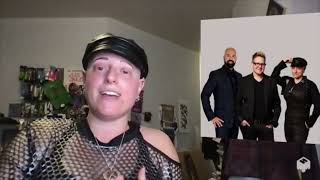
Abby Sugar, founder of Playout Apparel, speaks at Founder Institute's Fall 2021 graduation about building a gender-inclusive fashion brand for Gen Z. She shares leadership lessons including her mottos "fing figure it out" and "upgrade your problems," and emphasizes authenticity, self-awareness, and continuous learning. Sugar's company raised an oversubscribed pre-seed round and was named to Forbes Next 1000.
Chapters
Hello everyone and good evening. My name is Ryan Micheletti. I'm Head of Operations for Founder Institute. Welcome to the Founder Institute Silicon Valley graduation event for our Fall 2021 cohort. So first of all, let me congratulate the, congratulate the founders who graduated the program. I know the last 4 months have been grueling, but you've grown a lot. You've done a lot of really good work and we're super proud to announce that we have 18 founders graduating this program. So it's my honor to host the session tonight. For those of you who don't know, Founder Institute is the world's largest pre-seed startup accelerator. We've been around for almost 13 years now, building global startup ecosystems in over 200 cities. So during that time, we've created a portfolio of over 5,500 startups across 200 cities with over 21,000 mentors in our network. And so as head of operations, I run and I work with all the different startup leaders around the world that run the accelerator programs in those various cities, as well as helping run the flagship FI Silicon Valley program with Russell, Mercedes, and Scout, who are on the webinar today. So our cohort originally started with 75 founders, of which the top 18 have earned the title Founder Institute alumni. And so before we jump in, let me give you a brief overview of the agenda today. In a minute, I will introduce our keynote for today, the lovely Abby Sugar. Abby, thanks for joining us. And after the keynote, we'll dive into the founder pitches. So we have 8 founder pitches doing a 3-minute pitch live during this event. And the audience can use the chat to ask questions and connect with the alumni. And then finally, at the end of this, we're going to do a big networking session. So I think almost 200 people registered for this event. We're gonna send out a special Airmeet networking link in the chat towards the end so that those of you who want to jump on and connect with founders, mentors, and other people from the Founder Institute network, you're welcome to join us there. So make sure you stick around and we'll share the link at the end. And, you know, before we get started, I also like to give a big shout out to the mentors and the directors who helped us run the Founder Institute Silicon Valley program, as well as to the other leaders that have open admissions right now. So if you are a founder who's interested in being backed by the largest startup network in the world. Go to fi.co/enrolling to check out the programs where we currently have open applications. So without further ado, I'd love to welcome a friend and Abby, and CEO of Playout Apparel, Abby Sugar. Welcome to the graduation event.
Thank you so much, Ryan. It's good to be back. I'm, you know, bummed that we're not in person because The little key piece of information is that the Silicon Valley 2020 FI cohort that I graduated with was the last in-person cohort before COVID moved everything virtual. So I missed one of the legends.
That was a great cohort too.
Yes. But are you ready for me to take it away? Is this the thing? Yeah.
What? Yeah, why don't, uh, why don't you do a quick intro and then I'll hand it over to you and you can, uh, you can walk us through the keynote.
Yeah, so as Ryan said, my name is Abby Sugar. I go by Sugar a lot. I go by Abby Sugar a lot. And I am the founder and CEO of Playout Apparel. And at Playout, our mission is to lead the next generation of fashion by applying equality to the design, shopping, and gender expression. So we're building the future of inclusive fashion through a new values-driven shopping ecosystem that is gender equal, offering community and clothing to help Gen Z shot their authentic selves in real life and the metaverse. So I'll get into more details about that as we go on. Ready to go?
All right.
Awesome. So here's our website. You know, we are live. This was a growth stage idea that I came into FI with. And since then, we graduated from FI and we are part of the Founder Institute Select Portfolio. We were named to the FI50 fastest growing companies of 2021, as well as being profiled in the New York Times last year. And I was named to the Forbes Next 1000 list. So recently, we oversubscribed our pre-seed round by over 15%. And that was really exciting from angel investors and funds. And, you know, also, let's be real, fundraising is terribly difficult. Some of my, you know, I get a lot of support from other founders, which is huge. I recommend everyone rely on that network that you have for yourself. And in addition, I was talking to one of these founders, and I think that we were discussing how the statistics of getting your startup funded is a lower percentage success rate than getting into an Ivy League university in the US. So keep that in mind. It's extremely challenging. It's an added layer of challenging, challenging for women and other underrepresented groups. And part of that is I'm going to talk about resiliency and leadership tonight for everyone. And, you know, it's funny because when I was talking to my friend, he's here, Tori, shout out, you know, he actually said, Yes, it is hard of lower success rate. However, didn't you go to an Ivy League? So that is true and this is harder. My life motto is fucking figure it out. So when I was thinking about what I wanted to talk to everyone about tonight, one of the things that I have done a lot of personal work on and that I think is always about personal growth is leadership, is your team. It impacts how you interact with your co-founders. It impacts how you work with outside vendors, and it impacts your first hires, for example. So I know we're all tired of watching talking heads on Zoom. So at the very least, you know, I strive to be entertaining. And at the very best, hopefully I can be memorable. And two things that I want you to take away that I want you to remember: one, fucking figure it out. And the second one that I like to talk about is always upgrade your problems. So I will definitely get into more details about both of those things. Also, I swear a lot. So that's a thing that is going to happen. Here's a quick little GIF of some of our Playout products. I will describe those. But what I like to start out with, people that know me very well know that I like to provide my life story in 3 sentences. And so that happens to be, my father's a psychiatrist. My mother is a neuroscientist, a neurologist, and my ex-wife is a neuroscientist. So maybe you'll remember that. I encourage everyone to kind of think about, you know, what 3 sentences you can tease out about yourself to be memorable when you meet somebody. I identify as an artist, and so I'm not your usual Silicon Valley tech founder or developer or engineer. And One of the things that I really appreciated about the Founder Institute was when I was going out there, I was a little bit concerned, right? Because I'm not that stereotype. And they were incredibly supportive. And, you know, just, it wasn't about fitting into that box. It's actually about what are we doing to diversify the opportunity and the landscape here. So I identify, you know, when I provide my bio to talks that I'm giving such as this, to panels, I always say that I am an unapologetically queer female startup founder. And not only do I identify as a leader, as the CEO of my company of Playout, I'm also a leader in and for the LGBTQ+ community and a leader in the startup ecosystem. So we've grown so much since we first went through the Founder Institute, not only personally, but, you know, as a company, my co-founder and I. And when we first entered Founder Institute, we were a tech-enabled direct-to-consumer brand. And now we do have physical products. You can see these images here. You can also see this, I'm wearing one of our pieces. My co-founder is the designer. It's behind the photo, but this is one of our pieces as well. And we've, we have a much bigger, loftier vision. So when it comes to tech, we are building a circular values-driven shopping ecosystem. Which means that we want to provide a subscription buyback approach to circular fashion and recycling, as well as a play-out brand-facilitated resale marketplace. So in addition to that, focused on the Gen Z consumer, we're community-driven and mobile-first. In the emerging metaverse, we look to provide memberships, brand loyalty points, exclusive access to physical goods through NFTs and crypto rewards, and gender, gender-equal VR digital fashion. So my vision, my bigger vision, right, besides clothing people in the real world, where does Gen Z spend a lot of their time? They are online. And we look to partner with Web3 platforms to be the gender equal digital fashion designers, suppliers, and experience builders of the future. So as I mentioned, Playout really came from a personal need for gender expression affirming apparel to exist. Exist. So every person should feel able to authentically express themselves and move through the world with positivity and ease. Clothing and shopping from brands that represent who we are, and especially the values-driven Gen Z shopper who are, are, are voting and shopping with their dollars, is a major way that we do that as social beings. So my co-founder and I, um, are creating the brand that we wish existed when we were younger. Um, As I said, fucking figure it out. This didn't exist. And I was, I always say that I was just crazy enough to want to build it myself. What does gender equal mean exactly? Right? Just as people come in different sizes, somebody might shop an extra small, someone else might shop a medium or a 3X. They also come in different shapes. For this, we offer both flat front and pouch front styles of our bottoms in the same garment with no men's or women's gender allocation. We don't have men's or women's sections of our website. All of our styles are marketed with non-binary, all gender expressions wearing the same items of clothing. They're all designed in-house by my co-founder Gray. And our limited edition prints are original paintings that are then digitized and printed on the fabric and made into our apparel. So when we say that we design inclusively, this means there is equal opportunity for shape, size, color, and style in shopping without gender categories or, and no othering due to body differences. So this is a photo of my team. When I want to talk about how does one grow as a leader, how does one cultivate leadership? And I thought that this was very— I thought that it was a very important topic for the graduates tonight because some of you may be first-time founders. You know, some of you may be first-time CEOs. Maybe you're trying to figure out if being a CEO is the exact role for you, right? Because there's a lot of self-awareness that you need. And, and maybe it's not the right role for you, right? I always tell people to really look at their skill sets and what they enjoy doing. Because if you don't enjoy what's required of the position, it's going to be that much harder. And it's really hard to begin with, right? So You know, I can only share how I have, how I have come into this role, how I have, how I have chosen to pursue it. And one of the things that I always like to talk about is when people, I don't know, I don't know how many other people get this, but I have a lot of people that comment to me and say, wow, it's so impressive that, that you have your own company, that you started your own business. And I always tell them that it's super easy to start a company. You file some paperwork, right? And then there's paperwork that says you're, you're an LLC or you're a corporation. What is really difficult is building, running, and growing a successful and impactful company and leading that company and leading your team, leading your employees. And also, you know, leading your customers, right? So as startup founders and CEOs, it has to be more than about making money running your company because it's too hard. So being a leader to me is about how you inspire your team with your mission and how you inspire your customers and, and dare I say, your community. With what you are building. So I've done a lot, as I mentioned, personal work and self-growth on being a leader. And to start with, I have an incredible and, and very seasoned and impressive team, and they are older than me and they have a lot more corporate work and life experience than I do. So Actually, you know, my co-founder and I were friends before we were business partners, and they're 18 to 20 years older than me, right? So we decided to, to do this crazy thing together, right? And part of that was me saying, this is my skill set, this is what I'm excited about doing, these are the things I'm really focused on business development. Financials, execution, and they're on the creative, creative direction and marketing side. And I, I understand that stuff intellectually. I hate doing it. And so they were like, well, why don't I just do that with you? And I was like, if you're serious, I'm dead serious. So let's do it. But to be clear, right, um, Gray Leifer is the chief design officer of Playout, and they're the former director of creative production at Intermix and has been in the fashion industry for close to 30 years. Similarly, after we went through the Founder Institute, we were introduced to John Lackner, Playout's current and amazing COO. And when we first met, John was the co-CEO, double CEO of two Mexican, a Mexican retail brand and a Dutch retail brand in Mexico called Mumuso and Hema. And he's also the former country CEO of H&M Mexico. He spent 20 years climbing the corporate ladder at H&M and was incredibly successful there. So I was like, I don't have that experience. I don't have 20 years of experience, right? What is my place here in leading this team, in being CEO? And why would these two incredibly successful and smart individuals follow me in their own right, right? And I think that a really important part of any startup, because it's really hard, is What is your mission, right? It has to be more than money. And our mission between the three of us, John and Gray and I, is absolutely aligned and our values are aligned. And both Gray and John in their former roles in corporate fashion were like, I want to do something that is impactful and that is that means something. That's not the same selling a little dress, right, to the same purchasers and customers all the time, right? So I already talked a little bit about how Gray and I discussed what we were passionate about doing, what we were, what we had higher skills in. But I think that being a leader also means having that self-awareness for yourself. And encouraging your team to explore that self-awareness so that you can play to people's strengths, right? And, you know, even though, especially actually, because you don't know what you don't know, you need to hire experts in areas that you are not an expert, right? So John has extensive retail experience. And so I'm always like, here's a crazy thing I read. In your experience, what do you think about that? And he'll either be like, yeah, we tried that, meh. And it's like, great. Or he'll be like, oh, that's really interesting. Let's try it. Never thought about things in that way, right? When I first started at the Founder Institute, longtime friends of ours, other people would ask Gray. They told me this, right? Would ask Gray if they were okay with me taking on the CEO role. And their answer was 100%. They don't want this job. And guess what? I really don't want their job either. So one of the things I wanted to encourage everyone to reflect on was a certain, a number of leadership sort of values and words that I personally hold. And so I thought that it would be really nice to share and encourage you all to keep in mind. And the first was authenticity as a leader. I always fully 100% show up as myself for better or for worse. But the point is, you know, if I show up as myself and that puts someone off or doesn't resonate with somebody, That's not a person for me. It's not about me. It's about them. And that's okay. You're not going to be liked by everybody. Secondly, and I'm sure that I've said this a few times, is self-awareness. One of the funny things is, you know, I have some very, very dear friends, Gray and John included, and sometimes I You know, it's hard to, it's hard to see yourself, right? Especially if you're in meetings or something. And I tend to be very assertive and also relatively aggressive, right? And not in a bad way, just I like to execute. I like to get things done. So Greg and I were talking after, after a Zoom, you know, with outside people, not just our team. And I was like, I feel like everyone's really quiet and I'm a little bit much. And they were like, well, you're not passive and you're, you're certainly not neutral. So you are aggressive, but that's okay. You just need to be aware of certain people that might be quieter or more introverted. They're gonna, they might be intimidated. So you just need to, to have that awareness to allow space for other people in a collaborative environment. So I'm always trying to become more self-aware. I'm always seeking feedback, right? And along with that, I think that brings us to communication. So listening to your team as people, how are— how am I doing as a leader? But also, how are you? What are you excited about working on for this campaign, for our startup? Are when you first bring them on, are they aligned with your mission? And, and are they thriving in the role? And if not, why? Right. So I also rely very, very heavily on communicating expectations, communicating boundaries and bandwidth. And that comes a little bit more into play when I'm working with other brands, or I'm building partnerships. Because There might be certain people that are super excited about this partnership or about female founder fundraising as an example, because I'm very active in investor groups and such things. And I'm like, that's great. We need to make change. I'm also running my company. So I don't have the bandwidth to execute on that. If you want to take it under your wing and completely run it, Absolutely, I will show up, but I have to tell you, I don't have the bandwidth to be putting it on. So as long as you're communicating that upfront, everybody knows what to expect. And it also goes to taking responsibility for yourself, for your actions. And then when something— if you're communicating well, ideally fewer things should, should go wrong. But if something does go wrong, you have lines of communication to fall back on. You have expectations that you express to fall back on. And so there's also taking responsibility for your own actions and your own communication. Part of that is probably a lot of startup founders are perfectionists. And I definitely am. And I will also say, I also don't like confrontation. I don't like being the bad guy either. So of course, there's always going to be, you know, conflict. There's always going to be something. There might be some hiccups, something challenging that happens. But if you communicate directly and well up front, those things should happen less frequently, in my opinion. The last word that I like to leave people with is curiosity. So I'm a, as I said, my life story, right? My father's a psychiatrist. I'm a big proponent of therapy. I'm a big proponent of reading. I'm a big proponent of, you know, doing group work, masterminds, supporting other founders. Um, so doing something that's a hobby of yours, right? Um, and when I talk about communication, something that I, have read and educated myself on is nonviolent communication. And I think that— don't quote me on this because I'd have to research it— but historically, it's something that is practiced in relationships, right? I think that there's applications for business as well. So I also wanted to recommend a couple books because all I do is absorb information, is read. So these are two books that I wanted to recommend. And one is Radical Alignment, which actually takes what I was just talking about in terms of nonviolent communication and how to have better communication and expectation setting, by Bob Gower and Alex Jamison. And for the foundations of going into not only difficult conversations, but any conversation, right? And the second that, that I like that I, you know, maybe this will change in 4 years, but in terms of leading and setting OKRs for your company is radical focus. I also, every day, I'm subscribed to so many email newsletters, right. And this includes the 1440 Daily Digest, which is just for news, In Snippets and some entertaining journalism. And then from Fortune, the CEO Daily, the Broadsheet, and the Term Sheet. Just to review, even though we are not a Series D raising $300 million company yet, I'm paying attention to who are doing, what funds, what VCs are doing those deals, right? So the next and sort of second to last thing I'll leave you with, which I think goes along with fucking figure it out, is Eleanor Roosevelt said, do one thing every day that scares you. And this is a quote that I first came across probably when I was 12 or 13 years old. And, you know, I think about it a lot. This was when I was that age. This was the time that those like quotable cards and journals existed. I mean, they probably still exist, but you know. So I had one of those journals with this quote on the front of it. And frequently, I look at Gray, or I look at John, and I just remark at the level of stress, anxiety, and risk that we function under daily as startup founders is beyond what most people can handle, right? To be very real, you know, in August last year, there was a period when Playout had 3 weeks of cash in the bank, right? And trying to get the next check-in, right? Trying to get the revenue up. Where can we cut expenses? Well, nowhere, because we're not paying ourselves yet. So we can't even cut that, right? And this is not unusual. And you can see, New York Times, Forbes, right? We're at the very beginning of our journey. And you can run in the red with growth as long as you have the runway. And raising money as a queer female founder is hard. Raising money is hard, period. So do one thing every day that scares you. You know, waking up as CEO is probably that thing constantly. And the second and sort of maybe second or third or final motto that I mentioned in the beginning is always upgrade your problems. So you will face challenges, something will go wrong. However, I think it's better to have a new different problem than to be repeating the same struggles over and over again. I better have different problems when my revenue is $10 million annually than when I have revenue of $1 million annually, right? So don't be afraid of those challenges. Just make sure that you're leveling up and those are different challenges. If you're experiencing the same problems, you're not growing. So lastly, you know, whether you're a first-time founder or a fifth-time founder, I think you should always be seeking self-awareness, self-improvement, reading, educating yourself, especially as the CEO and the leader of your company. So thank you so much for having me, guys.
That's awesome, Abby. You know, a lot of things you said really resonated for me. I love the level up your problems, authenticity, self-awareness. Those are all really key traits. And I think a lot of leaders who are here on the call, like, they always have kind of like you know, what's, what's your tagline? What are the things that really resonate with you? And, you know, you hear this a lot about like how hard startup life is, right? Because you're facing all these problems. But, you know, I think there's a chance here to kind of change the narrative, which is kind of what you're saying about leveling up your problems, because there's this innate power within every single one of us to change not only ourselves, but also the world around us. And so you're, you're a really, really great example of someone who's been able to do that and come up and, you know, really excel when you face these challenges. And so I just really want to personally thank you for joining us today. This was awesome. And stick around for the presentations. We're going to jump into that next.
Absolutely. I'll be here for a while.
Awesome.
Thank you.










