Founder Institute Alumni Q&A Panel: StockCard.io, Orbiseed.com, MisTeePro.com & MarsEngines.com
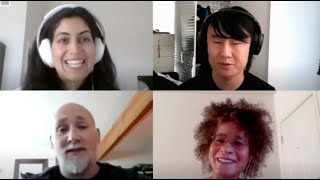
Four Founder Institute alumni discuss why they joined, what the program taught them, and how it led to funding. They cover the curriculum (weekly pitches, product specs, P&L analysis), mentorship, and post-program support through Funding Lab and Venture Lab. New founders should research mentors, prioritize advice carefully, and trust the process.
Chapters
Hello everyone and welcome to the Founder Institute Alumni Q&A panel. My name is Ryan Micheletti and I'm Head of Global Operations for the Founder Institute. I've been working here for the last 5 years with Adeo and the team, and my role is essentially to work with all of our local leadership teams around the world to make sure that we're running great programs for you and creating great companies. So the context of the call today is really to get your questions answered from our alumni. I was speaking with the panel before we just made this live and telling them that we get, you know, probably 4,000 applications concurrently at any given time. And a lot of those founders who are applying to the program have questions that they want to answer and a lot of time want to speak to a graduate. And so obviously it'd be very hard to scale those individual requests, so we wanted to create this panel to allow you as an accepted founder in the program to get your questions directly answered from the people who have graduated the program. So today we're joined with many, uh, really great panelists, several alumni, and also my co-director Mike here. And so we'll go into just very brief introductions, but before we do that, the reason you're on this call is that you've been accepted into the program, and we're enrolling and accepting founders in over 180 cities around the world. So if you're interested in joining the program, this is the best webinar you could join because we hope to answer your questions directly. So I'd like to introduce the panelists. Maybe Mike, since you're my partner in crime in the Silicon Valley chapter, we'll start with you. So this is Mike Supravici.
Hello everyone, my name is Mike, as Ryan mentioned. I lead the Alumni Success Group at the Founder Institute. So what my team and I do is that when Founders graduate the program, we take over and we try to help you scale in any way that we can. Sometimes we do that via one-on-one kind of help, hand-to-hand combat we call it. Other times we do it through various post-programs, such as our funding lab initiative, our product market fit initiative, where we essentially help you get to these milestones quicker. And other times we do it through various types of webinars similar to this, where we basically bring in a expert or thought leader on a particular topic, and we try to help educate the whole community on that. So kind of with all of the above strategies, our entire goal is to basically help you scale. Another thing that I do with Ryan is that I lead the Silicon Valley program as well, and I co-direct that with Ryan.
Awesome, thanks Mike. Hoda, you're a Silicon Valley Founder Institute alumni. Why don't you go next?
Sure. Hi everybody. My name is Hoda. I'm the founder and CEO of Stock Card, and we use AI to help self-directed investors make good investment decisions in the stock market and avoid things like FOMO, panic buying and selling that is happening right now. Everybody's probably familiar with due to COVID-19. And as Ryan mentioned, I'm a graduate from Silicon Valley chapter, Winter of 2017 was the cohort that I went through and had the pleasure of working with Ryan and Mike, and since then been using them as my advisors. Very glad that I'm here. Thanks.
Thanks, it's good to have you. And if anyone has questions about the stock market or needs some advice, Hoda is definitely the person to go to. Jack, do you want to go next?
Yeah, absolutely. Hi, my name is Jack. I'm the co-founder and CEO of Orbisi. We're based in Toronto. We're an AI platform that uses AI technology to help risk engineers and insurance companies manage their risk better, reduce their cost, and sell more. So we actually went through the Founders Institute program in Toronto just in fall 2019, and it has been a great experience so far.
Awesome, thank you, Jack. Janice, would you like to go next?
Yes, my name is Janice Williams-Oliver. I am the founder and CEO of Misty Wants to Know Incorporated. And I'm launching a tool called the Misti Pro handheld steaming tool with its oil-filled pods, which discharges an oily steam to detangle hair fast. And I graduated in September of last year. And, um, I too have benefited from the counsel and, and advice from, uh, Ryan and Mike. Since my graduation.
Awesome. Thank you, Janice. And last but certainly not least, Aaron, would you like to go?
Absolutely. My name is Aaron Davis. I'm the founder and CEO of mountainaerospaceresearchsolutions.com, or excuse me, marsengines.com. You can find us, yeah, that's where you can find us online. I make air-breathing 3D-printed rockets. We're looking to change space access and long-distance commercial travel. I'm a recent graduate of FI, the Silicon Valley chapter. It's a good experience, and I look forward to answering anybody's questions.
Awesome. Thank you. Thank you to the panelists for joining us today. So just to reemphasize, this is live, and you can ask any question you want. Don't hold any punches, just pop it into the chat, and we'll get to it today on the call. So I'd like to just start off with a couple starter questions, and hopefully Coda, maybe you want to go first. So what stage were you at when you started the program or when you applied? And what was the biggest reason why you joined initially?
Yeah, so I quit my corporate job, 15-year strategy corporate job in fall of 2016. And I was just about thinking how to get started with the company, where to start. And sort of like coming from corporate background, I was, I didn't have any startup background, so it was more about what is this startup building experience look like and where to start. It was really like where to start and how do I create a plan for the next 30 days, 60 days, 90 days, like how to get everything off the ground. And so I, right after I quit my job, I applied for Founder Institute and got accepted luckily to the, to, to the program that was starting in a couple of months right after. So for me it was really, That was really the experience, the reason. It was more like I'm coming from corporate life. I don't know what's going on in the startup world. How do I get support and process and program that get me off the ground and kind of get me in the groove of starting the company? And yeah, that was, that was it. That was where it all started, basically.
Okay, great. And Jack, I'd like to ask you the same question. You know, what stage were you at when you joined the program and what was the main driver for choosing to join?
Absolutely. So we were at a different stage in that we actually just came out another startup. It didn't go very well. We ended up closing it. So we started a new company. The WarpSea was just a couple months old. We actually raised our first round from an angel investor before we started the program. So we had a bit of experience with startup because the previous experiences. But we want— we know for sure if we want to build a momentum really fast, We want the network opportunity from Founders Institute to really help connect us to the right people, build the eco— the process, and really speed up the early stages of the startup process so that we don't have to do everything slowly and again like we did with our last one.
Great. Thanks, Jack. And, you know, a question from Marcus here, and I'll ask this to you, Janice, and maybe you could tell us, you know, what stage you were at and why you joined. He's asking, you know, what did you find most beneficial from your participation in FI, and did you wish you had known anything before joining the program?
Okay. Well, I— when I started the program, I was very early stage. I mean, I just had a concept. I had tried to get into some other accelerators, but I really was too early stage. To be accepted. A lot of accelerators want to see some sales on the books, or they definitely want to see a prototype. And I'm launching hardware. So, and at the time, like I said, I was just in the concept stage. So the benefits that I got from the program, I would classify them under visibility training, and network. Um, I really love the fact that I was getting visibility with potential investors. For example, during the program, every single week you are pitching your company. So, um, the visibility is not only great from being visible to investors, but it's also really great to answer the questions and be challenged because it really helps help you grow as a company, and it's going to help you when you have to interact with investors outside of the program. Like I said, the training was really great because I know for me, I won a pitch competition, and I really feel that I won it because of the fact that I had all the training. I was pitching every single week, and I was receiving the questions, and I was really good at sort of answering them. And since I've graduated, the network has been tremendous. You know, for example, one of the mentors who critiqued me on my pitch during the program is now working with me. And so, yeah, that— I would say those are the benefits. That's what I got out of the program. And I hope I answered the person's question.
Thanks, Janice. And Aaron, before I get to you, I'd just like to kind of piggyback off that, and Mike, I'd love for you to jump in here as well, right? Like, our goal of the program, if you think about it, we have all of these local chapters around the world, right? So we want you to build local networks of mentors, founders, investors, because especially at the early stage, that's going to be your immediate network that helps you get to traction and funding. Right? The earlier stage you are, the more likely the, the investors are going to be close to you, and we have lots of data to support that. Then when you graduate the program, after you've kind of built this local network, we unlock the global network and you can start working with our team in Silicon Valley or tap into other programs that are located around the world, right? One of the big secrets of FI— it's not really a secret— but as a graduate, you can attend any FI program around the world. You can just show up to a session, meet mentors, meet other founders, and we want that kind of collaboration because that adds value to the collective network. So Mike, is there anything that you would want to add about that?
Yeah, the key is what you make of it, right? And so look, we can provide you with the network, we can provide you with all these tools to access the network and things like that, but you are the one that has to put the effort into trying to basically make that work, right? Like, you know, you have to go out of your way, you have to go out and email people and make sure that you do that, and if you do that, you're going to be really successful. So one of the things that, that I usually recommend to companies that join is that they try to set up office hours with every single mentor in the program if they can, right? At the very minimum, you know, that you will get some pretty good advice that you can, you know, use or not use depending on where you are in the process, In the best case scenario, it can turn out to be a greater thing, kind of like the scenario that Jen has put together. Another thing too is that a lot of folks don't realize this when they join the program, but every single mentor that's in your current local program is an investor or knows investors, right? And so when you go out and try to run a fundraising process and you have to pitch 50 to 100 people, which is pretty average these days, right? That's why it may seem overwhelming, but if you take advantage of the network that you have there, you're kind of already halfway through, right? So you kind of have a pretty good head start.
Awesome. Thanks for your input, Mike. So Aaron, a question for you. So would love to know like what stage you were at when you joined the program. In fact, I still remember the initial phone call you and I had. And then, you know, what you— what the main driver was. You know, Louie asks, uh, in the chat here, you know, uh, what did you hope to get out of the program when you decided to join, and were your expectations met? So maybe you could kind of talk a little bit about that, Aaron.
Yeah, um, I joined the program as kind of a lark. I saw something on LinkedIn that my friend posted, and it said something about startups and NASA. I was like, oh, I'm— that's me, I'm doing rockets, you know. So I signed up. I didn't really know what to expect. I went out to the first meeting, I thought I was here, you know, turns out I was way down here. You know, I had a lot of, I already had a working prototype, I had patents filed, I had a corporation set up. Like, that's a good thing because these are all things they're gonna require you to do. I was pretty full of myself, I was like, "Ah, I got all this stuff handled." And I got there, I was like, "I don't even know what I don't know." It's like, I gotta not only attend this, but I've gotta excel. These people really know what they're doing. It's such a unique network. Um, the relationships you build, uh, within your own cohort, the people they bring in for you to meet— I got to meet astronauts, you know, huge investors in, in the space industry. I mean, it's, it's phenomenal. And what's really great about it is everybody's going the same way. Everybody's going through the same struggle in their own way. So you build this, this group of people where normally entrepreneurship is massively, you know, alone. And now I've got this group of people I can always reach out to be like, hey, I'm having a hard time with this, or I don't understand this, or, you know. So it's been really great, especially for me.
Yeah, and I think that's probably very important in this time of quarantine, right? Building that support network of other founders going through the, the same thing. So it's a really great perspective. Um, so, uh, a couple other questions here. So Anatoly, you, you say that as you've read, the program takes 3 to 4 months. At which stage should your product be before you join the program so that you can get investments? So, you know, we— I guess like I'm happy to jump in and answer that, and then maybe panelists, if you have anything you'd like to add. So Founder Institute focuses on what's called pre-seed, right? And so what that means is at the very earliest stage, we can take someone who has an idea and help them launch a company, right? The middle, the average founder of our program is around the MVP stage. They have some kind of prototype or wireframes, and they really wanna tap into the program to get that expert mentorship. And then kind of on the later side of pre-seed is someone who's raised, you know, a friends and family round. They've got an incorporated company, they have revenue, they have a product, and they're really tapping into FI not only for the expert mentorship, but for sort of the lifetime of support. Because again, you've got to remember, the program might be 3 to 4 months long, right, the core program. But after you graduate, that's just the beginning, right? It's sort of like the entry into the rest of your life and the support that you'll get from FI for your company's life cycle. So we have free postgraduate programs like Funding Lab, which Mike runs. We've got, um, office hours that we set up. We help companies— I mean, we're still helping companies that have graduated 10 years ago with like M&A advice. We help founders raise venture capital when they're at that stage. So although like everyone, you know, who is on this call might be seeing FI in this context of a 3 to 4 month program, we're incentivized through the Equity Collective to help you get to exit and help support you throughout the entire founder journey, right? And so that's something that I think is really important. So for you, Anatoly, right, you know, you're asking about what stage should your product be. You know, it depends, right? You know, to join the program, it doesn't necessarily have to be— it doesn't have to be at any stage. But for you to raise capital, and Mike, I'll pass this over to you, your product definitely needs to have some traction. And so, Mike, maybe you could talk a little bit about what you're seeing, because you literally help hundreds of companies a year raise capital. What do you see as like the minimum criteria to raise money?
Yeah, so it's kind of a broad question, and I'll answer it that way. Look, Right now, having a product for most companies is table stakes. And the reason for that is because, you know, you're competing for that same amount of money with thousands of other businesses that have, you know, products and traction. And this is not just for, you know, angel investors. This is also for various other accelerators. And, you know, Jack can talk about this as well and things like that. And so, look, you know, the bottom line is that You need to be able to convince investors that, you know, that your product has a realistic shot at taking off. And, you know, if you don't have a product, it just adds a whole level of risk, right? So it's not only now just the go-to-market risk, you know, you need kind of like a product to show that, can this person even build it, right? So you kind of probably need all those things, honestly, in order for you to be able to raise capital. There's variations of that as well based on kind of like the type of business that you're building, whether it's like, you know, B2B versus B2C and various different types of things that require it. So they require more traction. So for example, if your product is not as difficult to build, so let's say you're doing a marketplace, right? If you think about what a marketplace is at its core, it's basically, you know, you're just facilitating transactions. You need very minimal product to facilitate transactions. You can literally just do that kind of manually, right? You can start getting traction with very little product, but, you know, if you're doing something a little bit more, you know, more advanced, so for example, in Aaron's case where he's basically building an air-breathing rocket, a lot of the risks in his business is like, can this even work, right? Can we even build an air-breathing rocket? So he has to actually prove a little bit more to be able to show the skeptics that this can work.
Right?
So it just depends on the— on where your business is at.
Definitely. So just want to reemphasize that, you know, make sure your questions are geared towards the alumni because I want to make sure like this is a really great chance for you to get direct answers from the panelists. We actually at Founder Institute headquarters, we set up time to talk to all of our founders. So if you want to ask, you know, specific questions about like program logistics and things like that, that's really great for those types of calls, but this is a time for you to get questions answered from our alumni. So up here I see Steve, you ask, is FI still appropriate for experienced entrepreneurs doing a third or fourth startup, or is it more oriented for first-time founders? Jack, maybe you could answer that question.
Yeah, absolutely. So definitely I would say yes. As an experienced founder, you probably know the number one thing you look for is really network and connections. With the right network connection, you can really scale and speed up your startup a lot faster than if you don't have anything. So it never hurts to gain more, a lot of the connection there. Of course, some of the, for example, starting deals might not be applied to you. So the housing corporate, if you're 1301s, it's fairly straightforward. But for example, some of the topics that a lot of the mentors discuss, like how to hire, how to build a culture, If you haven't reached that section, or you are even doing a new business model, it still helps to at least make that connection, or at most, some of that perspective really helps you into your— get a different opinion on how to do things differently, which you can take into account when trying on different style startups.
Awesome. Thanks, Jack. Hoda, here's a question for you. So this comes from Anne. What was your biggest surprise of the program or element that benefited you?
Yeah, actually, before I answer that question, I want to build on something that Jack said in terms of experience. I think it's very interesting that I keep going back to FI's website even now. Every time I have a— I'm thinking about something else, right? Like I'm thinking of, oh, I'm making an offer to a new employee. I go back to fi.co and then go to the resources and I'm I was like, oh, how do I make a conditional offer to this person that I'm bringing it up? So it was really good when I started, but I keep going back to because there's just so much resources available. So I found that, that sort of builds on top of what Jack was saying, that it's not a one time. Yeah. So to your question in terms of what was— can you actually report your question again?
Sure. So what was your biggest surprise about the program or element that benefited you?
Yeah, the biggest surprise was sort of again what some of the other alumni mentioned is that at the beginning I thought I have a good understanding of what I need to do and then as I went through the program I realized actually there's so much more I need to do that I didn't even think about it. And by the end of the program, to me it was an interesting surprise because I had this understanding of all these things that I need to think about that I didn't know that I didn't know. Now I know that there's gap there and I have to go and fill it out. Really, for me, was because I was looking for a process to get started, that gave me that good process. That was surprising. There's all these things you have to learn. There's all these people that you have to connect with. There's these all aspects of the stuff that you have to think about that I didn't have it on my list. So to me, it was just having that feeling of, oh, I know I have a good start and I found all these things that I didn't know I need to focus on. That was a really good gave me a good momentum to get started and get other people excited about the company as well.
Great. Janice, so here's a question for you. So Ofer is saying that, you know, as a, you know, he's bootstrapping a startup. He's, this is his second company and he's wondering about the fit of the program. He says that the mentorship is mind-blowing, but he's worried about the 101 of the course. And being overqualified. So maybe you could talk a little bit about the curriculum and how it helped you.
Okay. Yeah, I mean, the curriculum was great. I mean, and so one of the things that I really tried to spend a lot of time with that I found helped me sort of flesh out and better understand and better build a stronger company were the homeworks. And so, um, um, I really got a lot out of that experience. And as painful as the sprints were, um, and sprints are homework assignments that you have to do in a very short period of time, um, and you have to do quite a bit of work. So I had 2 sprints. One sprint was I had to complete a product specification document. And the second sprint was a profit and loss analysis where I had to look at 3 scenarios. I had to basically evaluate 3 scenarios and choose the one that really made sense for my company. Um, they're excellent. It's— they're excellent exercises to complete because I know for me now when I'm working with a potential vendor, to be able to give them that product specification document is just a great way to sort of start the relationship because it shows that I'm really buttoned up and I really understand what I'm looking for. And it allows them to ask me more informed and smart questions. And so— and just understanding the finances of your business. And how you're going to make money and what it's going to look like when you can make money. What are some of the other expenses that you're going to have to consider? These are the kinds of things you're going to need to understand where you're talking to potential investors anyway. And so that's what I really appreciate with the company is with the experience at Founder Institute is that it has really helped to strengthen me as an entrepreneur. When I actually have to go out and speak to investors or speak to vendors or potential partners, for example.
Yeah, that's great. And, you know, one thing that I recall when you were going through the program is, you know, you have your MBA from a reputable school.
Kellogg.
Yeah, from Kellogg. And so maybe you could talk a little bit about, like, how this is different, because I think, you know, people kind of assume they look at this program, it's got a curriculum, they're like, oh, is this school or is this, you know, what is this, right? And so, you know, how would you say FI benefited you outside of, you know, your MBA? What were some, you know, similarities, differences? Could you talk a little bit about that?
Yeah, so when you're getting an MBA, you're learning concepts, you are doing case studies, but those are case studies that aren't related to your business, okay? So those case studies are really for, um, sort of helping you understand how to apply concepts. Um, so the difference is, is that, you know, you're going through the Founder Institute and you're actually focused on your company. So you're actually focused on your startup and you begin to sort of, you do, you come to the program, if you kind of look at the whole thing as a puzzle, you do come to the program with some of the puzzle pieces, but then as you're going through the program, you begin to understand what puzzle pieces are missing and what you need to go after to order to get those puzzle pieces in place. And so I would say yes, If you've gotten an MBA, that experience is helpful, but what the Founder Institute experience provides is it allows you to spend those 3 months of really being focused on your business and understanding what it is you still need to be successful. And then it also gives you all of these mentors and all of these resources that you can tap in order to fill in those missing puzzle pieces.
That's great. Thank you for, uh, for your perspective. Um, a question here— there actually, there's two, so, uh, regarding funding, um, one from Daniel and one from Michael. So, uh, Daniel's asking about how FI helps them fundraise. Michael, you're asking about, uh, what's the average amount raised, you know, either as a seed round or first round of grads by FI. I mean, Mike, you run the Funding Lab program. Maybe you could talk a little bit about how FI helps companies fundraise and then also talk a little bit about some of the stats and the numbers that we see in terms of amounts raised by grads, etc.
Yeah, happy to do so. So we run a post-program that's basically kind of like FI, but it's specifically for fundraising, right? So this is exclusively to alumni. It's a 3-month program where we essentially package everything together so that you don't have to think about things that you should be doing versus other things and wasting time on things that don't matter. And, you know, right now our funding rates for the Funding Lab program are roughly about 90%, so it's becoming pretty successful. We've been doing this for over 3 years now, and it's improving with every kind of cohort, you know. And the program, again, it's very programmatic. It's, you know, it's a similar concept as FI. We also have been recently introducing even more, more founders as a result of this very, very programmatically as well to potential investors besides the folks that you will get to meet during, during your program. So that's, that's essentially what Funding Lab is, and that's catered at folks that are raising pre-seed and the folks that are raising seed, and there's a big difference there, and we can cover that in a second. In addition, we also have another program called Venture Lab. This is designed for companies that are further along. They're companies that are raising a Series A and above. So these are folks with pretty serious revenue traction, you know, very large teams and things like that, and they're basically raising a Series A. And then, you know, we have an entire program dedicated for that and we help several companies raise Series A. You know, with respect to like the dollar amounts, that's a hard one to say, right? Like, so we operate in 200 cities worldwide. We have a portfolio of over 4,500 companies. And so that is highly dependent on where your company is located. Same thing with the terms and things like that, right? And so, you know, in less developed ecosystems, for example, the funding rates are lower. In, you know, more developed ecosystems, the funding rates are higher. Now, that being said, I would say that on average, a typical pre-seed round is somewhere between $250K to as much as $700,000, which is pretty common in the Funding Lab program, especially in developed ecosystems. And again, You can knock off, you know, 25 to 50% if you're in a new up-and-coming ecosystem, right? And at the seed level, it starts to go from anywhere from a million to even higher than that, 2 to 3 sometimes. And so those are some rough statistics on that. You know, right now there still seems to be a little bit of confusion in the market about the difference between a pre-seed and a seed round. So just to be clear, at the seed level these days, you need a tremendous amount of traction. Okay. So most people that are raising their first round of financing, they're actually raising a pre-seed round of financing. Just to kind of give you an idea, if you were, for example, building a B2B SaaS company, you're competing for that same amount of money at the seed level with companies that have somewhere between $50,000 to $150,000 in monthly recurring revenue that's growing at 30% month over month. Okay. That's just kind of what you're competing with for the same capital. So ideally you want to be at the higher level, right? You know, and so that's why there's this whole entire bucket of kind of financing called pre-seed where you see, you know, folks that have less traction, they're raising primarily from angel investors versus like say institutional funds and things like that. And therefore the metrics are a little bit less, you know, not as high and they're more focused on the team and things like that. So just, just, just kind of what the market looks like on a general level. Again, very big fluctuations between where your company's located.
Thanks, Mike. Um, this question is for you, Jack. Uh, this comes from Laura. So she says that for those of you who already had a product in some state or stage, how much time did you spend on the program work weekly and were you still able to keep up with the ongoing business development and work needed to just run the company?
Yeah, a great question. Actually, one of our biggest concerns before doing the program is how much commitment we have to make, especially when we already have product, uh, customer, and we were dedicating 50, 60 hours a week to our own business, ongoing business. But what we found is that it's less of a concern than we originally thought. Especially because a lot of those programs, assignments, are tailored towards your business, right? There's a— even though it's really questions that's there, but it's really depending on how your business works, you can answer it differently. A lot of the questions, for example, have you talked to a customer, talk to this many customers, for example, we already done that. We just really took what we did, and that was it. So some of those early trend It wasn't very time-consuming. A lot, ultimately, a founder has to do, really trying to make your business successful, and it's really interrupting how you're operating and making money. I, I, most of the mentors, directors, are very flexible about really changing in such a way that it fits your needs, especially if you're working on a business already.
Yeah, so you bring up a great point. You know, the other day I was looking through our curriculum, and there's literally over 200 tasks and things that you'll go out and do to build your company. And as Janice was saying, it's sort of like puzzle pieces, right? You'll come to the table with some of those tasks complete, right? And if you have that complete, great, you just pop that in the section. But we want to make sure, right, and the value of this program is really the structure, that you have all of those pieces together to make sure that you're able to go on to build a global company. Right? And so, you know, piggybacking on the concern about the curriculum and how much time it takes, you know, we're giving you things that every great entrepreneur has had to do and will need to do if you have not done it. So if you've already done it, great. You know, you already have the content and you can answer it. If you haven't done it, then you probably need to and should do it, right? Any other comments based upon that question around the curriculum?
I add something to it. I think even if you've done the work, when you come across the assignment, think— rethinking it and seeing what you've missed, or can you build on top of it, it's already a great exercise. Because, you know, as I'm sure everybody sort of— as they build the company, you never have the first answer first. You know, first time you think about it, you have a little bit of answer and you go do something on top of it, and then things evolve and things evolve very fast. So you always have to go back to those fundamental questions and ask yourself, you know, is the product on the right track? Or do I have the right milestones? Do I have the right team? Um, you know, all that sort of stuff that you go through the curriculum, it's never one answer. You would want— you thought about it once and it's done. I mean, even after 3 years, we're still going back to product specification, hiring, you know, like same course, sales, you know, building your pipeline, all that sort of stuff. It's a, it's a, it's, it's basically building a company. It's not that complicated. It's like, 10 to 13, 10 to 15 concepts that you keep going back and going back and going back and keep building on top of it. So, to me, it's never over, you know.
Yeah, it's a very iterative process. What we have also doing, we recently did a pivot, so we actually went back to some of the early questions about customer discovery and product development. And when you look at it now, it's a very process-driven workflow in how do we figure out what pivot direction to take. And it's a lot easier to make them sort of without— it's a lot easier to make now than if we didn't join Founder Institute.
Yeah, that's a good point. I know you recently pivoted. Go ahead.
Yeah, I was just going to say two things in terms of how you're constantly evolving throughout the program. If you came to the program with a pitch deck, and I did, I mean, I had been talking talking to a number of people before I had started the program and pitching them using my deck. But you're going to find that that pitch deck changes sometimes every single week. And it changes because of the way you're being challenged, the input that you're getting, because you're constantly trying to refine and you're constantly trying to figure out what is that one thing about what you're trying to do that's is going to really resonate and is going to make sense. Well, how do you sort of structure or word that problem? So that is— that's sort of an example to me to share of what it is in the program that's going to constantly change and evolve as you go through the program.
Yeah. Those are all really great points. I've got a really good question here from Drew that I think is relevant to everyone on the panel. But before I get to that, because it's going to be a really good one. I do want to address Ivan's question in the chat, which is talking about, you know, how is the program different across different cities? You know, we have Toronto and Silicon Valley represented here. You know, I would say this, just, you know, because my role is to manage all these different programs. The core program is the same everywhere in the world. It's the same curriculum, same structure. The difference is really who are the directors that are running the program. Right? Who are your local leaders and who are the mentors, right? All of the postgraduate programs are the same. All the support that we provide is the same, but it really comes down to the people. Who are the founders, mentors, and directors that are with you? And what people don't really know and what we don't really talk about on our website is that we thoroughly screen our local leaders. Like, there's literally a Founder Institute process for qualifying these leaders where they have to go in and do these kind of tough assignments and They have to take the same Entrepreneur DNA test you do. So it's sort of like a condensed 4-week training program that we challenge and make sure that we're only letting in really top quality director candidates to run our programs globally. And so the directors who run the program have actually been through the same process, albeit a little bit shorter and under different context of, you know, starting a program versus starting a company. But they've been highly validated. So the mentors that they bring in, the leaders that, that run the program, and as a result, the founders that join are all what really makes the program unique and different in each local market. So, Drew, getting to your question, and, you know, you ask, and this is to everyone on the panel, do most FI participants use personal savings to cover living expenses while in the program and growing their business? And so this is a really, you know, kind of important topic here because, you know, I think everyone on this call, including Mike, including me, have done the starving entrepreneur game and it's tough. It's not fun. It's really hard. So I mean, how did, you know, everyone on the panel, how did you balance like making money versus working on your startup? Did you have to dig into your savings? Janice, it looks like you've got a lot of things going on in your head right now. So why don't we start with you?
There were people in the program who were working at the same time. And so it is possible to do that. You know, when you're an entrepreneur and you're trying to launch a startup, money always seems to be a challenge. And so you just, you know, hopefully you're— you've saved your money and you maybe have a spouse that's working at the same time that you're going through the program so that you can— so that you can survive.
So maybe Erin, how did you kind of self-fund yourself while, you know, launching your company? Because you're still doing it, right? You know, the program ends, but you still got to pay rent. Right?
[Speaker] Yeah, I mean, I guess in my case, it's kind of unfair question 'cause I got lucky and bought some Bitcoin like way back when, but yeah, I mean, it's all out of pocket, you know, especially rocket engines. I mean, nobody needs one except for like 12 people. So you're trying to sell a revolution technology to 12 people essentially that actually can make a decision. Yes, we're gonna change everything that we know and we're gonna take your product. So it's an uphill climb and you gotta be ready for it. I mean, regardless of what your product is, it's gonna take longer to make money than what you think.
[Speaker] Mm-hmm.
[Speaker] Yeah, and I think it applies ultimately to just startups as a whole. It's very hard to try to do a startup if you're worried about where to live the next month. It's, yeah, again, sort of having at least that Net of safety is definitely, I would say, fundamental to really thinking more on your business. Because if your decisions are driven by, oh, where I'm going to find next month's rent, sometimes that doesn't really lead to the best business-making decisions. I had personal experience as my first startup, where I was basically a student, I was living in a basement. In fact, I think in the last couple months, I rented a closet in someone's apartment, and that's where I lived for a year.
I add a little bit to that as well. I think you do need a base to start with because at the beginning there's maybe so many things that you are— you have to think about. So it's not— it's very hard to do a full-time job that pays a good, good salary and also build a company. It gets really— especially if you have a family and kids and things like that. Um, so a little bit of base, I think it helps. And then the second thing we did is that I still take consulting projects on the side. And I mean, my case is a little bit interesting because I'm like, I'm in the stock market and I can write. I can find job on Upwork. My team can find job on Upwork or some other platforms and we could write blogs and articles for everybody. But even to this day after 3 years, and we still have like, we now have revenue and things like that. You know, we have money from like angels and friends and family who invest in the company, but we still, every now and then we're like, we need to hire that second developer for the next 2 months. Where is the money going to come from? We haven't budgeted. Well, guess what? I'm writing blog and articles and posts and taking consulting projects. And it's hard because you have to do it. You have to build your company. And then after 8 o'clock at night, you know, you have to also write a consulting work for somebody else. I mean, you make it work. It's not easy anyways. At the end when you're starting, you have to be creative in terms of where the money is going to come from.
Yeah, I think full-time startup, part-time work is probably the best combination.
Yeah.
Yeah. That's great. Thank you everyone for sharing that. Nikita asks, what are some gaps or frustrations that you had during the program in regards to its offerings? What did you guys hate about the program and not like? Where did Founder Institute fail you? You can be honest.
Yeah, so I think Founder Institute really need to explain their sort of the, sort of the, their stuff, really the options pool or the better, right? It's actually one of the most founder-friendly terms I've seen. Because selling in a way is not really taking away your shares initially. It's just really asking for rights to purchase those shares later on, which I think is a difficult concept for people who never really went through those. And the more simple explanation, I think, will really help convince a lot of people about VALU, because else you will be really trying to make a difference. Okay, there are other accelerators who give you money for shares, and then what does this mean, right? But I think it really— a better explanation of that really would help make a lot of that decision much better.
Well, I would say my— it wasn't so much my frustration with Founder Institute, but it was my frustration just in general when I was pitching to mentors. I mean, I'm talking about a problem that specifically related to women who have a type 3, type 4 hair type. And so a lot of the people that I was— and particularly when I was being— the first time I was being tested on my pitch, I mean, they really had no clue. And so in sort of evaluating the problem, they, uh, their point of reference was just like totally off. And so, but what I did, and I guess I'm the kind of person who, if I'm given lemons, I'm going to try and make lemonade, is when I realized the issue that I was encountering in terms of just people just not getting what it is that I'm trying to sell here, I had to kind of step back and begin to have conversations with people outside of the program to sort of better understand what it is that I need to do better to sort of present my problem and why it's of value. So as a result of sort of that analysis, I began taking an Afro wig, quite frankly, with me whenever I pitched, whether it was within Founder Institute or whether it was outside of Founder Institute, and give it to the panelists so that they would really understand the type of hair that I'm talking about here. So yes, that was a frustration of mine as I was going through the program, but because I needed to address it, it was a good frustration because when I was able to address it and overcome it, my presentation and my ability to connect with potential investors was even stronger.
Anyone else want to comment?
I just want to say like every week you're gonna be stressed and frustrated, and if you're not, you're not getting anything out of the program. So it's impossible, you know, you get Mike there holding up a 2 after you thought you just nailed it. It's like, oh, I've spent all week on this presentation, I've practiced 50 times, I'm gonna get up here, I'm gonna get 5s from everybody, Everybody's people writing checks.
It's like, ah!
But it's your own inadequacies and you're getting some good feedback from reality there. And it's just, it's a really good experience.
In hindsight, yeah.
Yes, we all have memories of that, yes.
I don't even think I ever got any 5 out of you two. So I don't know, maybe, maybe I got to redo the program and get my 5 finally.
You're welcome to rejoin anytime.
Yeah, for that 5, I will do that.
So here's a, here's an interesting question, um, from German. Uh, do you think that you could achieve the success, um, that you've gotten without FI or, uh, how much more time, um, what would it take to achieve the same results without FI?
Well, you know, again, I, you know, I'm benefiting. One of the key benefits that I'm getting, that I got out of the program is, is I have someone now who's working with me. And, um, and that's huge. I mean, that person not only comes with a tremendous amount of expertise, I think he's like had like 4 or 5 startups. Very seasoned professional, but he's also helped to improve upon. So now I'm not only launching this tool to detangle hair, but there's some other aspects of my company that he has helped me sort of think through and create as well too. So if I hadn't gone through Founder Institute, I would not I would not have that person working with me today.
I'll add something to it. I think it's hard to answer that question because we didn't A and B test it and see like whether I'd build Stock Card without Founder Institute or with Founder Institute. But what I would say is that Founder Institute, the way I've been lucky to work with Founder Institute and benefit from Founder Institute is always that Even after you graduate, it's your sounding board. Whenever you need something that you're just so tunneled on what you're doing, sometimes pinging somebody like Mike's always on Slack and I always like ping him. I'm thinking about doing this. What do you think? You want someone to keep asking the tough questions. And Founder Institute can be that person that is asking all the person as like an entity that can keep asking those tough questions and be honest with you. Whether you're reviewing your pitch or whether you're thinking about something else, and then they just bring you back because they've seen so many things. So you kind of, as you build the company, you need someone to play that role for you, sort of give you a process and guide you and ask you tough questions. And to me, for me, founders should have done that. We also have a great board member that does that. I always ask the tough questions that, you know, gets me very angry at the moment. And same with Mike and Ryan. They ask these questions that I get at the beginning. I'm like, ah, they don't get it. And then I'll go think about it and I'm like, oh, actually they were right. So I don't know whether I would have done— maybe I would have tried to find 3 board members that would do that for me. But Founder Institute being a group, they've been helping us through those, being that tough person, asking those questions, or kind of giving you also solutions to you. So it's been a really— I mean, the role that it played for us has been very instrumental in terms of helping us get along.
Yeah. And also spinning a bit off the track here, it's also the relationship built with your peers also. Significantly helps a lot. One, for example, we had a peer in the startup who's doing, helping people with visas, and we were just having employees who had visa issues, so we found someone to help us with hiring, with visa, with SRED claims, which is a Canadian version of research credits, and we also found someone in marketing because of introduction from one of the mentors. It's actually, we managed to build a lot of our team actually directly through Foundry Institute. Connections.
Yeah, I think I would say just quickly that majority of startups fail, and having an entire organization with people who are dedicated to success in startups in your corner is something you should really go for, because having a group of people who are invested in making you succeed, you know, it adds a layer of accountability too. It's not just you anymore, it's not just you and your buddies, It's like I've put this time and effort in, this is a tangible thing, and now this group of people is interested in my success as well. So it's just, I mean, if you're really serious about this and you're not kidding around, then I would not pass up this opportunity.
Thanks, Aaron. That's awesome. Um, so we have about 5 minutes left, right? And, uh, we, we have a ton of questions. I wish we had a little bit more time to, uh, to go through all of them, but I want to ask a final question to each of the panelists, which is, you know, what's one piece of advice you'd give someone to be successful in the program? Jack, maybe we can start with you.
Yeah, absolutely. Number one thing I would say, figure out your priorities. You will get tons of advice and often conflicting advice as well, so knowing which one to take, which one advice to say, sorry, but I don't think it applies to us, And that really helps you to really spend your time efficiently and not trying to do everything at once.
Yeah, 100%. It's your job to filter through the noise and make the decisions as the executive. Janice, what's one piece of advice you'd give to someone to be successful in the program?
So every single week you're going to be pitching to a panel of mentors. And so what I would suggest you do is really read up on their bios, because that's going to help you better understand the kinds of questions they may ask you. And also, some of those people may be people that you'd like to talk to after the session to get their input on various things. So that would be my suggestion.
¿Cómo está?
Yeah, I would say go through the program with an open mind. It's very easy to, if they give you an assignment or if they say something, you just kind of become offensive, like defensive, and say, oh, like, why are they asking? Why are not they getting it? But if you go through this program with an open mind and always ask yourself what they're giving me to do, how it can help me make a progress, that would be a really beneficial approach to going through the program. At the end of the day, I mean, I think Mike, both Mike and Ryan mentioned it, it's what you put into it, you will get out of it. And the curriculum can take you, you know, if you have an open mind to it and think about it and really do the work, it can take you great places, the places that you didn't know, or the stuff that you didn't think about. It's really what you put, and it's not only Founder Institute, like building a company, it's all about like what you put into it and, what, you know, how you, how you use all the resources that is available to you to build your company, that matters at the end.
100%. Uh, Aaron?
Yeah, I would just say to trust the process, uh, outwork, uh, yourself from yesterday. No matter how hard you worked yesterday, work harder today. Um, don't give up. Doesn't matter what the assignment is, do it to your absolute best no matter what. And don't quit.
Awesome. Well, I'd like to give a big round of applause and thanks to our panelists. Jack, I think— sorry, I think I skipped you. What was one of the pieces of advice that you would give?
I think you were asking me the first one.
Yeah.
He was the first one.
Okay, great. So for people who do have other questions, I know we had to kind of cut this short, short by a couple minutes, but we do have an AMA online information session tomorrow featuring the co-founder of FI. So it's literally going to be just questions from the audience. You know, we probably only got to maybe half of the questions here. Definitely recommend that you go in and ask questions of John. He's a really, really great resource, especially if you have questions around marketing. He'll be a really great resource for that. We will send a follow-up email. So you'll get a copy of this webinar and follow up with other information and resources within the next couple of days. And if you do have further questions, you can just reply back to any of the emails that we send you. We're happy to set up a time to chat or answer your questions via email. It's been an absolute pleasure. Big round of applause to our alumni. Thank you for joining us.
Thank you.
And we look forward to helping you. Good luck to everybody.
Thank you. Good luck, everybody.
Bye. Bye.










