Health & Fitness Club Digitization with Praveen Kashyap, Founder & CEO of SmartHealthClubs.com
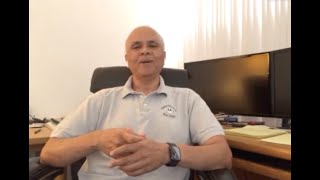
In this Founder Insights interview, Dustin Betts talks with Praveen Kashyap, the engineer‑turned‑entrepreneur behind Smart Health Clubs. Kashyap recounts his career at Samsung and Motorola, his early invention of an IoT weight‑tracking device, and the pivotal moment when a major California club asked for a single app to replace three disparate systems. This led the company to pivot in 2017 from a niche hardware product to a comprehensive club‑management platform covering scheduling, payments, nutrition, and training plans. Kashyap discusses common pre‑MVP pitfalls—overly broad vision, insufficient domain knowledge, and the cost of learning the fitness industry on the founder’s own dime. He then explains how COVID‑19 devastated the fitness sector but simultaneously accelerated demand for virtual classes, on‑demand video, and capacity‑booking tools. Smart Health Clubs leveraged its flexible architecture to launch a “Virtual GroupX” studio within weeks, resulting in a rapid increase in club sign‑ups (from 6 clubs in Q1 to over 30 by Q2) and a 2.5‑fold rise in member app usage. The conversation moves to founder advice, emphasizing the long timeline for adoption, the benefits of bootstrapping versus raising capital, and the importance of building a product that solves immediate, mundane problems. Finally, Kashyap envisions a broader wellness future where health clubs provide preventive health services beyond fitness, a shift he believes will persist post‑pandemic. The interview closes with a call‑to‑action to explore the clubs using Smart Health Clubs’ platform.
Chapters
Alright everybody, hello, my name is Dustin Betts. I am the editor of Founder Insights, the blog and newsletter of the Founder Institute, and we're here today to talk about building beyond COVID. I'm joined by Praveen Kashyap. He's the founder and CEO of Smart Health Club. Hi Praveen, thanks so much for joining me.
Hello Dustin, thank you for the invite and happy to be here.
Yeah, so before we kind of dive in and start talking about your startup, Smart Health Clubs, I'd like to hear just a little bit about, about yourself, professional, personal experiences. What was it that led you to founding this health and fitness clubs technology company?
Sure, let's do that. So I am an engineer. I have done Variety of different things in the past, including working at Samsung and prior to that at Motorola. I finished my PhD in computer science way back when, and since then I've been at these companies. I've led software R&D teams. So, uh, uh, in my team and I, we built the first Samsung Smart TV back in 2000 '10, '09-'10 time period. And then in 2015, I got excited about Fitbit, that they had come out with a pedometer at that time. I got excited about that, what all it can do. And I wanted to build something similar for weight training. I've been interested in doing that for a period of time, actually even before that. And, um, I looked around for a device that would do, help me with weight training. Uh, there wasn't anything that, um, I could find in the market. So I decided to build one. I'm also an inventor. I have 20+ patents right now. Uh, so I built a workout tracker that would automatically measure the number of sets, number of reps, the weight that you're lifting, uh, and put all of that information in an app. Now, I was obviously very excited about that. Went and spoke with Mike Alpert. He is the CEO at the Claremont Club. They're the largest single location club here in California. And he said, you know, great idea. This is the next generation technology that the fitness industry has been looking for. However, I have a problem right now that I need your help in solving. So he said that my members right now are, They have— they're using 3 different apps for doing a variety of things at the club. And if you can build me one app that does everything that my— that these 3 apps do, then not only I'll use your technology, but also replace all the others that I have. So we essentially pivoted at that time from building what would be the next generation technology which was a workout tracker, to doing something that the clubs need right now. So starting 2017 is when we had this, when we flipped or when we pivoted. And what the clubs were looking for, what Mike Alpert was looking for, he's a visionary in this industry, in the fitness training, in the fitness industry, you know, and being there part of it for last 30 years and more, ran club and all that. So what He was looking for is, his vision really was probably not the best suited for a fitness, for a startup. He wanted this for us to be able to do, or a product that will do everything that the members would need. So it's not only, you know, doing a calendar, for example, but be able to do, show all the information that they have at the club, be able to sell all of the services, be able to provide all the information that the club needs from an app. Along with that is to be able to do nutrition training or nutrition planning for the members, fitness training, be able to create plans for members as well. So when you put it all together, it becomes, it becomes, he has the right vision. And, but for a startup, it was a challenge. It took us multiple years to actually build it out. But one of the advantages that we had, because building it out, we started out with a very wide vision. So we built things that the design was such and the architecture of the, of our product was such that we were able to, we built it for, um, uh, for essentially a lot of things, or if at that time it was most everything that the clubs need. So it took us a time, but after we have built it, we have been now through COVID crisis, we actually have taken advantage of that by easily adding other things to it. So that is kind of a story of who I am, what we have done, why the company, and where we are right now.
Great. Yeah, that's really awesome. I love that high-level kind of story because I was going to ask you kind of, you know, to give us your sort of elevator pitch, but talking about basically, you know, the smart weight tracking, the IoT kind of device that you built first and then how you took it to the customer and basically they wanted you to build this more unified kind of platform that tells a much better story of kind of like how you got from where you were to where you are today. So that's awesome. I want to dive into some— a question about basically pre-MVP. I thought it was really interesting, all the patents that you said you had. I didn't know that about you. And so I really want to ask you about like in the earliest stages of a founder before they have their MVP, before they've really launched a product. I mean, maybe, maybe you can speak to it more generally because you've talked about, you know, the challenges that you faced with taking the weight tracker, the smart weight device, and then basically broadening what your offering was to fit a whole need for like this sector. But from your experience pre-MVP, what are big challenges that you see founders face with launching first products? And maybe best practices from, from your standpoint as an inventor in getting the first product or building that MVP?
Yeah. So from my perspective, I can talk about the mistakes I made and the things that I think founders should try to avoid moving forward. So the big mistakes, one is having the big vision. Yeah, I think it's a great idea, but it's going to take a long time before you can achieve it. Second big mistake that I ended up making is I came from— I've done a few different things as I talked to you about earlier on, but mostly in technology. And it is— I was— I worked at Samsung, did smart TVs there. Prior to that, it was set-top boxes and wireless controllers and such. And designing chips at Motorola. So I was excited about fitness training, but I knew nothing about it. I know, I knew no, there were, when I started out, I knew no one, no one at the club. I did not know what the needs were. I did not, you know, I go to a fitness club, but that doesn't make me an expert in the fitness industry. So not knowing about the fitness industry, at all, or the startup, the area that you wanted, the domain that you want to pick, I think it is a good idea to know some things about it before you start. Otherwise, you end up paying the price like I did, starting out with something that was exciting for me, but there wasn't— at that time, at least, there wasn't a need for it. And the needs are, as I started talking to Mike Albert and through him, now I know pretty much at least all the major players in the industry. So it took me a while to get to that point. It's taken several years to get to that point. And most startups don't really have that much time. I was, in some ways I was able to do that, a variety of different things that I ended up doing. But for most startups, that time is something that they don't really have that much of, and they need to be able to, you know, first of all, as I said, don't have— it's great to have a very wide vision, but able to figure out what is the MVP where you can go to the market and start making some money from it. The second thing is know enough about the industry that you're gonna get into, otherwise it's gonna take you, you know, a year or two or more on your own dime before you learn enough about the industry. Those are things that it's easier to learn on someone else's dime. So if I had done something in TV, I would have learned enough from Samsung and done something in that area, and that may have been a better choice for me. But anyway, that's all in the past.
Yeah. Yeah. I think that's really interesting about the customer development for people just to think about, you know, it's obviously, you know, good to chase a problem that you're really passionate about solving, but just be aware that you're gonna have to put in extra customer development time talking to people, educating yourself, and becoming the expert that you won't be on day one. Yeah, so that's really, really interesting. Another question I wanted to ask you about, you know, you mentioned basically a little bit about COVID The onset of COVID has been a huge challenge for most businesses. I know there are big challenges in the fitness industry more broadly. How has COVID hit, you know, the industry? And then how have you responded? And I guess, you know, what's been the results for you guys?
Sure, so COVID, as you have already pointed out, has hit pretty much every industry, most cases negatively. The fitness industry has been hit particularly hard. Most of the clubs are still closed or they are in partial stages of opening. They expect most of the clubs, the projections are that about 20% of clubs are gonna go under. Fitness clubs are gonna go under. That number may even be higher based on how long, depending on how long the whole COVID thing lasts. And even when the clubs are gonna start opening up, they're gonna have limitations on how many people are gonna be at the club at one time. Sanitation is gonna become a big issue. So where the clubs, even when they, after they open up, just like restaurants and other places where they're not gonna have, they will not be able to, their revenues are not gonna go back to where they were for a period of time. So it has hurt the clubs particularly hard and what, but the impact of that for us has been largely a positive one because clubs now also realize that the traditional ways of doing business for them that was face-to-face or in club visits, they have to change that. That was a realization. You know, we had tried that for a period of time, but it, it wasn't, there wasn't a crisis. So COVID is a crisis. Now people have to learn how to react with it. People have to learn how to live with it. That's really the only option we have moving forward. Lockdowns really haven't worked. And they have just, all that they have done is destroyed the industries and moving forward we have to open up, we have to let people go, but then let people go and do the regular things that they do, but give them tools that if they don't want to go to a club, they can do it from home, which basically leads you to a digital delivery of fitness and that's a business that we are in to start out with. So for us in, Q1, for example, we had, just looking at the numbers, we had signed up 6 different fitness training companies and we had 14 locations that we had signed up. In Q2, which is not over yet, we have 13 companies that we have signed up with and we have over 30 locations right now. And we are expecting to have another Probably by the end of the month, we get— we expecting to get another 10 or so locations. So that has been, as I mentioned to you earlier on, it's been a huge positive for us. And a few different reasons for that. And this takes me back to what I was talking about, you're having a big vision. Having that big vision has really now come in, has helped us because we started out with being able to do a variety of different things. There was in the design, there was enough, enough capabilities left in the design that made us, that allowed us to do a few things that the clubs needed. One thing that the clubs need is virtual delivery of content, classes through Zoom and all these. So the clubs could do that through Zoom or Facebook Live. They're doing it right now. But the thing that they did not have is how do I schedule a class on the calendar so the member knows about it. We were able to, within about 3 weeks or 4 weeks of COVID hitting, we were able to launch a service, what we call Virtual GroupX or Virtual Studio, which now allows clubs to offer all of these virtual services through the app, even though the content actually resides on Vimeo or it's not behind a paywall yet. That is something that we are working on to put it behind a paywall, but everything is in one place. Your calendar is in one place. So you see all of these, uh, classes that are happening on Facebook Live, but you know when they're happening, who's teaching it, so on and so forth. That's all in the app. Uh, same thing with on-demand classes. The, the videos themselves may be on, uh, Vimeo or YouTube, but they are all listed in the app and members can easily look at it they can follow the video that they want to, they know how popular the video is, so on and so forth. So we had built up all of this capacity earlier on because of our vision that we had. And that capacity is now bringing fruit to us during this COVID crisis. This, we were able to do that and we launched it actually within about, as I said, 3 to 4 weeks after we launched it in April time period. And a lot of clubs actually got very excited about that and they have, many clubs are using it right now as we speak. The other thing that we realized is the clubs are going to have restrictions, capacity restrictions. Previously the restrictions were largely on some of the classes like a spin class, for example. You only have 15 bikes in the spin room. So some, that was done, those limitations, those capacity limitations were limited to only a few classes. And those were typically, if you go to a club, you can go to any group X class. But, and there were only a few classes, that's what in most typical clubs, that's what you would have. That was pre-COVID. Post-COVID, even the number of clubs, even the, if you have to access the facility, you do, go cardio activity or do strength training, you, many of the clubs now are, they need to, members have to book a class. They have to book a spot there. So we were able to take what we had earlier on and convert everything which allowed the clubs to easily book, or rather the members to easily book anything that they need to do including Booking a cardio spot, booking a weight room, racquetball. Actually, there are clubs in Washington right now, they opened up their swimming pool. So be able to book a swimming pool. On the pool they also have cabanas, so you can book a cabana. Racquetball, tennis. So any and all of these we were, because we had the flexibility in the app, we could easily do all of this functionality, which now clubs are, you know, we have our app usage, even though clubs are not opened up yet, our app usage has doubled, actually more than doubled by members. It's gone up 2.5 times and we don't have all the clubs that we had signed up. They're open again and certainly even if they're open, they're only offering a very limited variety of services. So what has happened through all this is now, previously our app was nice to have, now it is mission critical. Without that, you cannot access the club. So that is a change that has happened through COVID for us. It is obviously exciting for us, but More than that is the ability for us to be able to really help our customers when they needed it. And be able to do it quickly enough, that has made a difference. They're able to open because we can provide, members can easily book, otherwise they really could not open. Or if they could, they have to do, they have to jump through hoops and put limitations, various kind, before they could actually do that. Now we made it a whole lot easier. Everyone.
Yeah, that's a really, really interesting story. I mean, just start to finish of COVID disruption there, or some— something in some industries it's less of a disruption and COVID is more of just an accelerant. And I'm kind of curious whether you think, you know, if an app becoming mission-critical would have happened eventually anyway and it just would have taken 10 years maybe to get to this level of adoption, or, or was it just you know, this was gonna happen anyway, or do you think it maybe wouldn't have gone this way without COVID? And do you have any thoughts about that? I don't know, just—
I think certainly COVID has accelerated 5 years. It would have taken us to get to this level maybe 5 years from now. You know, clubs have been looking for things like on-demand video, live streaming. They were talking about it. Now that is, they need it. So it is, it used to be a want or nice to have. Now that's changed to must have. And we have right now, you know, over 20 customers, each and every one of them wants on-demand video. They want live streaming. We have multiple other customers who are, who I know they want that, they need it, not just want it. It's right now, it's a need. The other thing that we have seen is we had other modules or we had other functionality that I talked to you earlier on about, because we had really done, our app does, our vision was to do everything that your members need. So we had functionality that would, for nutrition planning, nutrition counseling, nutrition planning, fitness training and planning. We had all those things in the app and there were a few clubs that were using it. But now what we have seen is pretty much every second club that we talk to, they want it and they're gonna start using it as well because they realize that they have to make their services, the clubs realize they have to make their services available virtually. Otherwise, you know, this COVID thing is not going away anytime soon. And even when it goes away, once you get used to Because, you know, members, in my mind, members always needed this. It was the clubs that did not provide that functionality. You know, if you look at it, would you go back to pre-Amazon days where you could not order anything? You know, you could obviously go to a grocery store, right? That you could do anytime. But after Amazon came in and they disrupted the whole business, would people go back to grocery stores or wherever they purchase stuff from, physical stores? Answer to that is no. Same thing is going to happen in fitness as well. So yes, COVID will get over a year or two whenever, once we have vaccine or when people start, stop bothering about it. Right now it is on top of everyone's mind, but after the fear goes away and we have a vaccine or whatever, most people get it, whatever, whichever way it's going to end, it's going to end one day. But the, uh, what has been created right now with the ease with which fitness can be delivered to people when they need it, wherever place that they need it, that is gonna remain. That's not gonna change. People are not gonna go back and the clubs realize it. Clubs know it, that this is their on-demand video delivery of GroupX training. That is there to stay. That's not gonna go away.
Yeah, like you say, the members are asking for it. Like they're asking for that now. They see that, you know, digital delivery as the fitness solution that they need right now from their club. So like that's, you know, that's great. Yeah. I love that. One thing I wanted to ask you about, I guess, just general advice. I mean, for early stage founders, one kind of, I guess, fun way to think about it is, you know, what was one thing you wish you knew at the very beginning of your own startup journey that you know now that might've been helpful if you had known it at the beginning?
I didn't know it was gonna take me as long as it's taken me. I probably might not have started. Maybe that is a good thing that I was ignorant about it. But it does take, especially if you're gonna do all yourself, because I have not really raised funds much at all. I've raised, I have a few people who are interested and they continue to be a few people in the industry who are investing in the company. From time to time, I thought about raising funds from outside, but every time I was able to find a way around that, that I did not need to raise. So, so far, basically I own pretty much everything. You know, there is, there is, you know, it's just a C-Corp and I do have some shareholders in the company, but it's mostly, it's mostly mine. And it's taken me, it's taken me a long time, obviously, to get to this point. It has been a very exciting journey, but at the same time, it is something that I think even if, even otherwise, with even with a great idea, if you're gonna get into it, and I thought the whole thing with being able to track how much weight you're lifting and all of that, that was a great idea, still is, but adoption in the market takes time, especially if something is very new. It takes, you know, the business model does not exist right now. People like it, they don't know how to monetize it. So what we had to do is we started out with a next generation idea, Then we went back and said, okay, what are the problems that people need right now? And those problems may be mundane, like for example, having a calendar on that you can book some, that's not new, but doing it right, making it easy and having it out there in time for people to actually take advantage of it, like what has happened in COVID. I think those are all the new things. That we have seen.
Yeah, that's, I think that's some sage wisdom. I don't think, you know, just being really honest about how much work it takes is bad for founders to hear. Like you really should, yeah, hear that upfront, be very aware of it going into it. So yeah, appreciate that. One kind of question, I think we've touched a lot on, you know, changes that the fitness and health club industry's going under. Is there anything I forgot to ask you about? Kind of a topic, something emerging in the, you know, the digital fitness industry that you're watching anything like that, or something I forgot to ask you about you wanted to talk about?
I think there is going to be, already is, and there's gonna be even acceleration towards being able to provide wellness outside, and wellness is more than just fitness, as you know. Be able to provide not just fitness but wellness outside of a hospital. Hospital is really the place where you go to, to recover from a problem, but I think the fitness clubs are the place where they can provide wellness, which will eventually prevent you from, or minimize how many times you end up going to a hospital. And I think that Through COVID, if there are going to be behavior changes or habit changes, hopefully one of the good ones is going to be that we all are much more careful about our own health because what we have seen through this and we will continue to see, it is people who have, not everyone is dying through this. People who are healthy generally survive. They may have a bad COVID case, but The people who are really, who are dying with this or are having extended stays are either the elderly or people who have other risk factors, high risk factors. And many of these risk factors are really, I think they are your choices that you make. Being unhealthy, being obese is a choice. It's not really something that you cannot control. So I hope that the good thing that comes out of all this is that people realize that there are many choices that they make about their lives that is going to have an impact upon their mortality. And especially with COVID for the next year or two till the time we have a vaccine or whatever will fix this problem, this choice is very real. And that people, what they get out of this is, yes, they cannot go to the health club. You know, there are challenges there. But do they need wellness services? Is that need of wellness services or fitness services, has that gone away? I think that's only increased through this. So I see that long-term, And I hope that more people think about that, that their need for wellness and fitness really has, as I said, I think has only increased. And they need to go find that from either their next door fitness club or from wherever they can. Because this is gonna be important for us moving forward. Not that it wasn't important, but I think it's shown very clearly that it is even more important now.
Yeah, I think you're definitely right about that. It seems like, you know, you go to the doctor or hospital, there's not that much preventative healthcare, especially with COVID Like, people go there for when you're sick. And so wellness, it dovetails much more with, like, overall, like, with the idea of— it's called a health club for a reason. Like, it's not just fitness, it's like all the spectrums of wellness. And yeah, I totally agree with you that that's the convergence would happen. Very much in this area. Yeah, it makes a lot of sense to me. I think you're right. And I think the things that you talked about, like these other risk factors, if you have diabetes, hypertension, yeah, your risk factor for if you get COVID is a lot higher. So yeah, I don't know. Everything you said there, that totally makes sense to me. I love that. OK, final question here to kind of wrap up with is just for anybody who's watching live, anybody who watches the video afterwards that we'll put up and share around on social media, Any hints that you want to drop about, you know, where Smart Health Clubs is headed next, or just asks for our audience for them to check out or anything like that?
Yeah, come visit our website. Look at, if you are interested, we have some of the top leading clubs. They have come up with really great solutions. You know, one is Ochsner Fitness there in New Orleans. They have their app is available on the App Store. Vida, they are a big chain. They have 6 locations in the Washington area. Another one is Mountainside. They have 18 locations in the Phoenix area. We have here in California, we have a Fairmont Club, single largest location. So they have very nice apps. Go ahead and check them out. And I think they have done, all of them have done a great job and in their app and be able to look at all the services and everything that they're providing. I think this is going to be, for some people, it's going to be somewhat of an eye-opener of what all that can be done.
Awesome. Yeah, me too. I really think that this kind of idea of digitizing, you know, it's not just the fitness, it's going to be the health aspects too. And that people are gonna hopefully, like you say, are gonna come out healthier in the end through this. And I think you very well could be right. This has been really, really enlightening. We're definitely looking forward to following your progress at Smart Health Clubs and keeping up with it. I wanna say thank you again, Praveen, for joining me. Thanks so much.
Thank you, Dustin. Bye-bye.










