How Startups Can Get Millions of Users through Thought Leadership
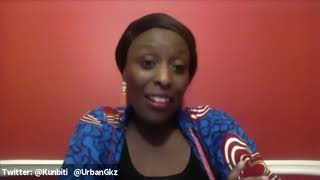
In this virtual panel moderated by Rachel Shepherd of Founder Institute, four Black women founders—Kunbi Tinuya (Urban Geeks), Carrie Schrader (Mixtros), and Thani Chambers (Savvy Money & Black Women Talk Tech)—share their personal "why" for starting their companies, how thought leadership fuels growth, and concrete tactics for building digital communities and acquiring users. The discussion covers the importance of product value, hyper‑local community building, social‑media and newsletter strategies, strategic partnerships, press and pitch‑competition exposure, funding approaches (bootstrapping, friends‑and‑family, pitch‑competition capital, accelerators, no‑code MVPs), and the biggest operational challenges (technical co‑founder scarcity, resource constraints, ageism, work‑life balance). The panelists also recommend books, podcasts, and mentors that shape their thought‑leadership mindset. Audience questions about media channels, earned‑media tactics, and scaling community engagement are answered throughout, providing a practical roadmap for founders seeking to grow to millions of users through credibility and community‑first growth.
Chapters
Hello everyone, I see you all filing into our virtual room that we have today, and I thank you so much for joining us. My name is Rachel Shepherd. I'm the Director of Global Marketing at Founder Institute, and you're here to join us today for a panel about how startups can get millions of users through thought leadership. And I am so, so, so excited to to be here with our panel. As I mentioned, I'm the Director of Global Marketing at Founder Institute. What is Founder Institute? It's the world's largest pre-seed startup accelerator. We've launched over 4,500 companies across 180 cities and 6 continents. If you're interested in learning more about Founder Institute, we're enrolling across all 6 continents, and you can learn more about that at fi.co/enrolling. But that's enough about me. I'm here to introduce you to our panel. Firstly, I want to take a moment, we usually have a really global audience with us today, so go ahead and put in the chat where you are calling in from. If you are familiar with the Bay Area, I am calling from just outside of Oakland, California. It is hot here today, but I am very excited to be here with everyone. And so these wonderful ladies have generously provided their time to share their founder experience on how to grow digital communities and gain customers through thought leadership. And of course, we're here to answer your questions about your founder journey as well, as each of them are founders and they're here to share their experience. Welcome everyone. Lots of Californians. Oh, Clearwater, Florida, Pasadena, Ghana, West Africa, Monterrey, Mexico. Welcome, welcome. Excited to have a global audience with us today. So first and foremost, I'd like to introduce Kunbi Tinuya, founder and CEO of Urban Geeks, one of Crunchbase's 25 Black entrepreneurs making waves. Urban Geeks is headquartered in Atlanta and is a groundbreaking video-centric African American, Latino, and multicultural digital news platform focused on technology, science, and business. Welcome, Kunbi. Thanks so much for being here.
Thank you so much. Thank you.
Absolutely. We also have Carrie Schrader, CEO and co-founder of Mixtros. Carrie and her daughter Ashley are the 38th and 39th Black women to raise $1 million in seed funding in the US. Keri is also a breast cancer survivor. Mixtros is headquartered in Birmingham, Alabama. Mixtros helps people make more intentional connections at various networking events by supporting the way people actually communicate with one another. The platform matches attendees into smaller groups with their responses to questions created by the organizer to allow them to connect easily. Welcome, Keri, thanks so much for being here.
Wow, what a mouthful, and you did it beautifully. Thank you, thank you.
Thank you, Gary. And if anyone here is hosting events or thinking about hosting virtual events, definitely check out Mixtroast. And last but certainly not least is Thani Chambers, founder of Savvy Money and New York chapter lead for Black Women Talk Tech. She is an award-winning entrepreneur and business strategist and an economic equity advocate. Savvy Money is headquartered in New York, a simple money management platform for the self-employed. Savvy Money has helped many founders this summer in particular navigate pandemic relief funds. Welcome, Toni. Thanks so much for being here.
I'm happy to be here. So glad to be here. Thanks for having me.
Wonderful. So we are going to dive right in and we're just going to start talking about the founder journey and thought leadership and how to grow digital communities and gain users. Since I know we have many founders in the audience. Mariah is in the audience. I see you, Mariah. Hello. Thanks for joining us. So please put your questions in the chat for the panel. So we have some questions to get us started, but we're here for you. So please do make sure if there's anything you have on your minds to put it in the chat. So kicking it off, let's go ahead and start with Kunbi. As a founder, what is your why and what made you want to start your company?
Yeah, absolutely. So for me, my why is very personal. Just to rewind, before I launched Urban Geeks, I was a news correspondent for— I won't say the name of the brand, but basically a high-profile African American news website. And probably at the time, it was one of the top 10 minority sites. And what I say to people is, in 4 years— I did that job about 4 and a half years— I wrote 4 stories about tech and innovation. And so my why is I was working for one of the biggest African American websites, and we were not covering technology and innovation. I think at the time the perception was that Black people, minorities, are not interested in technology. But I'm hopefully, and I'm sure Urban Geeks has actually proved people wrong. So yeah, I mean, that's really my why. Working for a big brand and we weren't covering these type of issues.
That's beautiful. And obviously Black people and Latino people are very interested in technology, as Urban Geeks has grown tremendously and has experienced tons of organic growth of which I've been super proud to witness since Kumbi and I got a chance to meet each other about a year ago. So wonderful. And Carrie, how about you? What is your why and what made you want to start your company?
My why is because I'm crazy, because we were doing— both my daughter and I were doing quite well in our chosen career paths. But we came across a weekend where we both had an unlikely networking experience. Ashley was in New York in her age demographic, and I was in Franklin, which is right outside of Nashville, with my very youthful age demographic. And it was just, it's all the same. It can get to be awkward. And we literally had a conversation about it and said, there must be a better way that people, and at that point we were talking just about live events, that people could go to events, collide in a meaningful way with people, and collect data for the event organizers. We literally stayed on the phone for 4 hours that day, and we, we did the research that only a founder could do on the Google. And when we found out that there was no way that was putting people in groups based on anything without the swiping— my daughter has taught me that swiping thing, my husband doesn't appreciate it— but, um, you know, that swiping back and forth. How can I really just find people that I have something in common with or not based on what the organizer says. So literally it came to us, it made sense, and we, we moved on it. And we still to this day, I cannot tell you what made me quit my job and her eventually quit hers. And oh, by the way, I was and am the breadwinner. My husband retired early to be a stay-at-home dad, so he was in therapy for a long time when we weren't getting those checks on the 15th and the 30th.
That is a beautiful story. Thanks so much for sharing that with us, Carrie. And before we get to Tony, too, if anyone in the, in the audience wants to share their why in the chat, if you're founders out there, we're here for you. Let's talk today and let's see, you know, share your why and share what made you want to start your company. Tony, share with us what made you want to start your company, Savvy Money.
Sure. So I've been an entrepreneur for over 20 years and The interesting thing, in about 15, I don't know, after a certain time you stop counting, but for the last 15 full time. And even when I was building other businesses, I've owned a brick and mortar salon called Winky Co Beauty Bar, and I was one of those pioneers in green beauty before it got really hot. And just sidebar, it's not always great to be a pioneer, but that's another panel. But I was building other businesses, I still was always self-employed because I had a family that I needed to take care of. And so in between, I was consulting and helping other women entrepreneurs with what I had learned and experience I gained as a consultant and a business coach. And so I was always self-employed and I realized that we were always not considered, we were always, um, I mean, just this year, it's amazing. It's unprecedented that we've actually been included in the stimulus packages that happened, that we were even thought of. And that was a fight, that someone had to go and advocate for that. And so I realized that there was no one advocating or doing enough for this group. And as the New York City chapter lead for Black Women Talk Tech, we just had a report just released. And if you know some of the statistics in the report, it said 70% of Black women founders were solo founders, right? They were solo founders, and a large percent of them were still having— still have a job. Still have a job or still have another stream of income. And many of those women are self-employed. And so we needed to pay attention. It just wasn't the gig economy. There were, you know, designers and UX designers and consultants out there long before. The final thing was tax time. When you had to deal with taxes, a lot of accountants and people just in the industry just didn't understand what to do with you. Right. So they didn't understand how to maximize and do the best things for you so that you're not overpaying taxes and you're able to do more with your money and keep more of your money. And so thus Savvy Money was born. Yeah. And just a little note about Black Women Talk Tech really quick with Just Like That founder journey. It really started with Asosa, Lauren, and Regina meeting at a conference. And they were literally online, I think, to get food or something like that. And they were the only Black women at that conference. And they decided that day, we need a place for us. Why is there nothing for us? Like, we're in here. We have a different struggle. We have different obstacles. But where do we go to talk about this? And Black Women Talk Tech was born.
That's wonderful. Thanks so much for sharing all that with us, Tani. And Christy in the chat agrees, said financial knowledge is the only equalizer. It is everything. Great point, Christy. I'm very excited to have you all here today. Thank you for sharing a little bit about your background and why you started your companies. And so I want to— this question is for Carrie, or Carrie will kick us off. What role does thought leadership play in the growth of your company? So Mixtros, you've raised over $1 million, you're in fundraising mode again. What role does thought leadership in getting out there and talking about Mixtros and talking about event marketing play in the role of Mixtros?
Well, you call it fundraising, I call it hell-raising 'cause it's certainly not fun. I think thought leadership in anything, even like in a regular career, the more that you, have experience and you have experienced it, you actually have a background, the more credible you are. And so with me being a senior-level HR professional and Ashley a director of events, we can speak from firsthand knowledge of, and being people, 'cause we created Mixtros with people in mind first and technology second. So we are experts in the field, and to be able to talk about it regardless of my level of technical experience. So if you start asking me, of course I know how Mixtiles is built, like our developers have beat that into me, but I'm not as comfortable talking about that as I am the benefit of people colliding in an organic way and how that impacts the outcome an event, whether it's live or virtual. So the more that I can lead those conversations and then back them up with facts and actual experience— and for me, it happens to be— I can't believe Tony and I both have 20-something years. Well, not as an entrepreneur, but I have 25 years as an HR person, so she clearly started at age 2, um, you know. To be able to have, to be able to talk that kind of real-world experience does make you more credible. And notice I said in the field of HR, not technology. I clearly believe, obviously, that you don't have to be a technologist to be a successful, successful founder across any of, any of the fields.
That's a great point. And I wholeheartedly agree. I've had a lot of conversations recently about, you know, tech and the language used around tech needing to be more inclusive because I think a lot of people out there are starting more tech companies than they think. And if— or even, you know, startups, right? So startups and all of the startup resources, we want to make sure that that's much more inclusive to the greater scope of businesses, right? And that tech and scalability is possible for a lot of companies in a lot of different ways. Fantastic. And Kundi, how about you? What role does thought leadership play in the growth of your company? And I'll add an additional question to that is how can founders find earned media and thought leadership opportunities with your experience at Urban Geek?
Well, I think actually to rewind, even before we talk about thought leadership, I think the most important thing is that your product, service, or expertise actually brings value. I mean, if you have a great product or service or expertise that actually brings value, that's actually, you know, hot, people will actually approach you to, you know, speak at conferences, at events, sit on advisory boards. So I think that's the first thing. I think the first thing is to actually home-tune, you know, your brand, your personal brand, and your actual skills and values that you actually have. I mean, without a doubt, you know, being thought of as a thought leader or influencer brings credibility to your brand. So for instance, I sit on the CES advisory board, and again, that was just a personal invitation to come to sit on their board. Obviously, if people see that I'm sitting on boards of that, you know, that level, it definitely brings a lot of credibility to the brand. And so, I mean, that's it really. I mean, basically it's just credibility. I mean, yeah, and you will get the invites. I mean, you know, most of the things that I've done outside of Urban Geeks it's not stuff that I've actually pursued aggressively. People have approached me. And so that's why I always go back to the fact that your brand or product or whatever you're doing actually needs to be of a, you know, a level of excellence, you know, whether it's— and then from there, people actually take notice because you'll be surprised who's actually looking at the work that you do.
That's a great point. And, Tani, how about you? What role does thought leadership play? I actually checked out some of your YouTube videos prior to us chatting today, and a lot of that thought leadership is out there. Out there, right, where you're teaching people at scale how to really sort of navigate the COVID pandemic process. And so I'd love to learn more about how thought leadership's played a role in Savvy Money's growth.
Sure. So, I mean, thought leadership, especially I would say this year for Savvy Money, has helped us to grow tremendously. I think we were at a place at the top of the year after some setbacks. Last year, one of my staff members passed away unexpectedly. She was our product manager. It was kind of like, oh my God, what are we going to do now? And we were launching a clinic, a clinic for self and a tax, a financial clinic for the self-employed at the top of the year. We were just nailing down the, um, the partnership with the coworking spaces we were going to be out of and then COVID hits. So we were having like a rough time. Um, and then prior to that, like in the, in the late of, um, wintertime, a lot of our competitors started adding the services and the differentiators that were in our business to their business. So we were like, okay, but what thought leadership did for us is when we were out there advocating and speaking on behalf of these groups. And for me, it was several groups. I was speaking on behalf of Savvy Money, speaking on behalf of self-employed entrepreneurs, but I was also speaking on behalf of Black women founders and assisting them when COVID hit because no one was ready for that. So giving them the information, inspiring them, helping them, and then on the back end also talking to what I like to call the powers that be and communicating to them what the issues of my group were having and how they could resolve those issues. When you are then— you know, to me, thought leadership— oh, that's probably a question we just talked about. But what thought leadership to me is really just like a bold, innovative idea that you put out there. And people hear that idea and they want to follow. They want to learn more. They want to get to know you. And then you begin to build trust. And next thing you know, your company's growing because now that they have trust, they're going to start, you know, they'll test your company out. They'll see what happens, except, you know, and then you go from there.
Fantastic. That's awesome. And audience, please do put your questions in the chat. Don't be shy. We have tons of— there's so much expertise here. And we're going to continue to touch upon all of the lovely expertise these ladies have. But please do put your questions in the chat for them. So, Tonya, I'm actually going to toss this this question back to you, which is how have— how can founders lead and grow digital communities to elevate their startup brand? So with your experience with Black Women Talk Tech and subsequently sort of transferring to a completely virtual experience, do you have any tips for how founders can lead and grow digital communities?
Sure, absolutely. So with Black Women Talk Tech, we have— New York is the largest community. We have over 10 chapters. Globally, and we're growing, we're stepping that up this year to more chapters in different states. And New York has been the largest because we started there, and there's a foundation in New York. But just because you start there doesn't mean you can keep that momentum going. And so one of the, the strategies that we use is, one, we're always in contact, we try to stay in touch, and in touch on a local level. We stay in touch on a local level. We have 10 chapters, and we have those chapters for a reason. We could easily just be a broad national brand, but what is happening to Coombe in Georgia and what's happening to Carrie in Alabama— was it Birmingham, right? In Birmingham, right? May not be the same thing that's happening to me in New York or you, Rachel, in California, you know, it's different. There are— there is a big— there is a big difference in being hyper— there is a big difference in being hyperlocal and being able to find out the needs of this particular group geographically, because there are different things. For example, when COVID hit New York, we all know the story of what happened in New York. And so at the time Georgia may not have been affected at the time. We really needed to focus on them and find out what they needed. And in that respect of finding out what they need, that helps us develop solutions to solve their problems, just like any founder. But the main thing I want to say is that you need to start small and focused as possible. Because what happens when you start small, you really, really get to know who this person is. You really, really get to know who this person is that you're serving and their needs. And what happens is, is they go out and like attracts like, right? They go out and bring more people in. They say, well, you know, this company helped me, try them out. We all know the power of word of mouth. But when you start super, super small, you can get incredible amount of data from a super narrowed focus group, and that helps you to grow larger. You'll find out the bold ideas, the talking points that you need to have, right, for your thought leadership strategy that will begin to attract more people and help grow your brand, grow your users, grow your audience.
Yeah, absolutely.
Mm-hmm.
Hyperlocal is a great point because that's how we run Founder Institute, right? Like although we're virtual, like entrepreneurship and, you know, starting a startup is very different, you know, from one location to another. And so we wanna make sure to have that perspective to keep that in mind.
Access to resources are different from state to state. We're lucky in New York and like larger cities, and there's other states and cities that don't even have half of what we have.
Yeah.
So true.
Go ahead, Kudankin, as well. Yeah. And the other thing I think is really important is social media presence is incredibly important. Just how you, you know, project your brand, the consistency in the brand, and, you know, whether— whatever, actually, and I do believe that it's hard often to manage multiple platforms, and maybe that there may be one or two platforms that really work for you. So for me, it's Twitter, and some people's Instagram if they want sort of real sort of visuals. So definitely social media presence and a lot of engagement. So for us, you know, our newsletter is very important to us, you know, a regular newsletter where you're constantly engaging with your audience. Is incredibly important as well. And just, yeah, I mean, yeah, I mean, I just think social media and newsletter presence are also another way that you can actually really grow your community as well.
I just want to plus one that, and we have it, we have on a national level and on a local level our newsletters, which is very important. So we're trying to get everyone where they're at. So thank you for bringing that up.
No, I can add to that as a plus two. I will say that once we started with the newsletter, like, now people actually look forward to it, and we've expanded out from just talking about ourselves to talking about what matters to potential users. I also agree with that morality thing. So Mixtros is still a very small team, and so it takes time, and my daughter This is when I'm like, woohoo, I got a millennial on our team. You know, I mean, there's stuff like even posting that I would post to something whenever the feeling hit me, but actually Wednesday at 7 o'clock was a better time. And so there's some— there is some method to the madness. And I do think that you need to start small. We've all— our following is all organic. We never paid for it. But whenever we are somewhere We engage wholeheartedly. We are candid with people. And so that is a fresh memory people say, like, they keep it real. So for instance, we went to a conference a couple of years ago. We simply wore a shirt that said Black female founder. And on the back it said— no, Black female founder fund me. And on the back it said got seed. And the reason we wore the shirt is we would go to places and people would come up to me and say, Hey, gin and tonic. And I was like, what does that mean? Like, I know that doesn't mean that you think I'm gonna get you one, but because we were like, uh, as Tani has already said, like, we go places as Black founders, specifically for me in tech, and there's no other women, no other women my age for sure. And so people thought we were with the serving staff. And so that just wearing that $12 t-shirt that we got from a big box store, and my neighbor at the time put the lettering on it. We got in Forbes. And so then we just, you know, kept on with that. But really, a little bit at a time. And I say, keep it real. People are looking for that. And beyond the Kardashians.
Say that again. Can I just add this last thing? You know, Glossier is that I did a case study on Glossier and they are a great example with growing community starting really small. I mean, they're a billion-dollar company, so they're proven, like we can't argue that. But they, where they, where was, where they really got the data and everything they needed to become that company was these small Slack groups. These small groups on Slack where they were able to really connect with their audience and, you know, lo and behold, in a very short time they became a billion-dollar company. So, you know, having the largest audience, a million followers and all that doesn't necessarily mean anything, but having a super targeted, this is my buyer, this is my customer, this is my user, is always going to be better than quantity.
Absolutely. And engagement as well. I think, you know, it's not just about— I mean, obviously you want as many followers or people clicking on your site, but also high engagement. That is very important because that shows that people actually— what you're putting out there actually resonates with your audience. So that's really important as well. And that's something actually about Urban Geeks. I should sort of do a bit of bragging here, but when we look at our stats, our engagement levels are extremely high. You know, whenever I look at our stats, people stay on Urban Geeks for on average 20 to 30 minutes, which is unprecedented for a news site. It's typically 2 to 3 minutes. So I think engagement— so, you know, when I'm coming to companies for, you know, potential partnerships, I say to them, well, we're not TechCrunch, we're not Wired, we're not Mashable, we don't have that huge audience, but we have high engagement. I've got the data to prove it, and I can show you screenshots. And sometimes that actually can close the deal.
Absolutely. That's something we preach to founders all the time is build one amazing product for a very specific audience and provide that value, as you were mentioning earlier, right, Koundé? So a question from Greg. Thanks so much for putting your question in the chat, Greg. He said, how do you get your idea to be heard through the noise of thousands of other people who also want to be thought leaders? Koenbi, do you want to kick us off on that?
Well, I mean, and I always go back to just your product or service. I mean, if you are producing something that's good, you know, I mean, there's so much you can do with social and, you know, getting yourself out there. But at the very core, it's about your brand or product. If your product or brand is strong, you know, if you're able to differentiate yourself from your competitors and you have a very unique voice, people will, you know, people, you will be found. So I think the essence of it is actually coming up with a great idea that you're passionate about. And I was going about, um, being a perfect, you know, basically if you look at a lot of founders and you, and you ask them about their story, their why, you tend to find founders that are driven by passion or, you know, a problem that a bit what you said, Kerry, something that you actually observed that has actually affected your life tend to do better. So for me, it's about having a great product at that essence. Once you have got that, then I think everything— it's like a jigsaw puzzle, everything comes. So that's, that's, that's the key, having a great brand or idea or service.
Absolutely. And, and Kerry, you already shared some ways that you cut through the noise, getting on Forbes with your creative t-shirts. And, and is there anything else that you, you've experienced that has really helped you guys level up as thought leaders with Mixtros?
I mean, again, like, I can, I can name different articles, I can name things that we've been in, but I also want to say, for us, it's a long game. And if you just concentrate on, you know, you're trying to be a thought leader, then you're not really focusing on your product. It's almost like a perfect mesh mash when it comes together. And so what I can say is, because I do have deep expertise in HR, whenever I talk about Mixtros, I always intertwine that in. When you hear Ashley, who is my daughter and co-founder, she uses her experience as a director of events and, you know, intertwines that. But I really think it's funny, like, how sometimes the, the, the atmosphere, the earth will just open up and give you that moment. And you have to be ready to take it when it's yours. And every moment is not yours. And it's kind of like, if you get— in my opinion, if you get hooked on, I can only move when I hear a bunch of thunderous claps, then you're not going to go anywhere far. Because I tell you, we have done some magnificent David Blaine-type tricks and nobody clapped but my husband. Like, I was all ready and I, you know, had my Spanx on, was all ready to give a good speech, and people were like, "Yeah, okay." But to somebody else's point, "Cumbia," guess what? Somebody that we didn't know was listening. We literally lost a pitch, and Ashley, that's a story we love to tell, how she just totally fell apart. I stayed in the room and worked the room, there was a man in there that gave us 4 times as much money as the pitch was worth because he got what we were doing. And he's like one of our favorite investors today. So I think you got to think about it holistically and not, I'm going to just do this one thing, because if you are doing this and you're doing it well, then I guarantee you, you're not paying attention to your business.
Absolutely. Tawny, do you have anything to add too about cutting through the noise?
I think, you know, just going back to what I said, when you know who your customer is and you are an answer to a problem or you provide a solution or you're a temporary answer or you're what they need to hear, they will hear you. You go where they are and you talk your talk and they they will hear you because they're looking for— they're looking to hear what you're saying. They're looking for the solution that you're offering. So don't worry about cutting through the noise. If you as the founder, the entrepreneur, has done their homework and you know as much as possible about this customer, then you will go— you will find them. You will go where they are and you will speak to them. You just— if as much as— when you know them, your message will resonate with them. Okay, and like Carrie said, sometimes we have a little off night, but, you know, most of the time people are not just going to shut you down one time. There's a reason why they stopped to listen to you. You said something. So don't worry about the noise. Don't worry about competing with everyone else. Just, you know, keep focused and keep going.
It's great advice. Yeah, no one, no one sees the small steps everyone's taking behind the scenes, right, to get the work done. And I think it's important to know that that is happening even when you see something that looks like a like a unicorn story happening overnight or something like that. There was a lot of work that was put into that. Wonderful. Randall has a question, and thanks for keeping these questions coming, by the way. We've got 30 minutes left, and so please do keep putting them in the chat. Randall said, how did you identify initial channels to get your message out? Tani, do you want to get us started with that question?
Sure. I think from Black Women Talk Tech's perspective, it was partnerships, right? So, I mean, originally it was— it spread fast because, again, they were looking for this. The first Black Women Talk Tech was 30 women in a room at Google. And they could not fit the amount of women that showed up. Oh, you know, they had room. They got a room for only 30 people. That's what they were given. And 100 women packed up in that room. And that's when you know you have something. And so first it was just like word of mouth, like, hey, we're having something. Oh, hey, are you Black woman in tech? Are you— you have a technology company? You're a founder? Hey, you need to check out this event. And then over the last 5 years as it's grown, I mean, it's grown from, you know, 100, almost 100 women sticking up in, you know, fire hazard of a room, to the next year, 500. To the next year over 1,000, until last year, this year, over 1,400 women showing up. So, and now as a broad scale, we have over, we have the, you know, the air of over 15,000 people who are either Black women founders, who are allies, or who are supporters in our community, in our whole community. And we have over 3,000, I believe over 3,500 Black women founders. Now, we're looking for— some of us are looking for millions of users and things like that. So in perspective, it's like, that's nothing. But when you look at how small this base is in comparison, we arguably have the market share in this area. And it all started with 3 Black women on the line having a conversation, then inviting some other people. And then getting to know them, and quickly in 5 years they've expanded so, so abruptly. So yeah. Partnerships.
Yeah. Partnerships and building something that people need, right? And I think that's— Partnerships.
Sorry, so I lost the question. But partnerships to get in front of the people that you needed to. So it started with just word of mouth, and then it started to grow, and then you start to build partnerships because there, there's still plenty of, um, people who don't know about Black Women Talk Tech, or, you know, even Savvy Money when it grew this summer with all of the pandemic relief. And each year and each generation, that changes over, right? And people who attended a Black Women Talk Tech conference, um, the second year We are getting stories 2 years later that they came, they were interested, now they're founders and they're growing really big businesses. A lot of the women that you see in all these articles are members of Black Women Talk Tech. They're members, they started there, they made their connections there. So it was about partnerships and it was about, again, the message, getting the message out there. Now, choosing the channels, I think originally we just did what everybody else was doing, social media, put it on, get a handle for everything. And I think our most, our strongest channel right now is Instagram, and I would say, and Facebook. And then, of course, our newsletter. So immediately we started getting people on a list, immediately, and started talking to them. And like I said, right now our email list is crazy, so.
That's wonderful. Thank you. Yeah, I totally agree. Getting lists, like, I'm always telling founders that, like, start building a list now because you're going to need it 3 months from now or 6 months from now. And you have to have people to tell at that point.
And so you can't own— you don't own Instagram or any other social platform, but owning an email address or owning that email list is more valuable and more powerful than any social media platform. I think Many of us have probably experienced a glitch on Instagram or something happened and we're like, oh my God, and you could lose it all. So email.
Yes. Kudbi, do you have any thoughts too as well on channels?
A lot of things. A lot of the Italian is actually backing up what you say, but probably in my own words. Definitely the newsletter, en, e-newsletter is so important because companies will pay to access your niche audience. So we have companies paying us, you know, and actually quite big companies, and paying us because they know we have X amount of subscribers. They've got very, you know, good breakdown of our demographics. So that's something I will say to people, you're going to start a company, and I've even found teen companies that have started their newsletter, they've put something up on Instagram or some social media platform, we're going to launch this and this is what we're going to do, and they've started their newsletter even before they've had their for their landing page. That's how important that newsletter is. So I find that with a lot of companies that want to partner with us, they're very interested in having that newsletter. So that's the first one. Then the second thing I was going to say, partnerships, partnerships, partnerships. One of the things that we did when we first launched, we were very strategic in our partnerships, and we intentionally, even if it wasn't a financial exchange, partnered with bigger name brands. And that gives you credibility. So as you said, you mentioned Google, if it's Facebook, that is really, really important. And then when we partnered, say, with a more established brand, we would brag about it across every social media platform that we could do. You know, Urban Geeks has partnered with AT&T. I mean, that was one of our past partnerships, and we brag about it. I think that's very important because when you're new, people don't really know who you are, they don't know much about about your brand. But if it is— my big thing, I think, to be a success— one of the things that helps make your business more successful, it's all about perception. It's all about perception. So as you say, you can have a scrappy team of 5 people, but you could, you know, the way you portray your brand is that it's a team of 40 or 50 people. So it's all about perception. So if you come in early and you can get a bigger name brand to partner with you, as I say, at certain points, money, you forget about the money at that stage. That's a really, really important, a really good strategy. The other thing I was gonna say as well, and this is a bit more of a PR thing, but it's something that we did, and I know this because I'm a journalist, so, you know, I know the importance of press, is that the other thing I say is it's really important to control your narrative early. So, you know, everyone has, you know, story to tell, why they launched, whatever. Control that very early. And as in terms of just getting your, you know, your story out there, even if it's just a small piece in the local, in a local, in the local press, that is important. Just getting that first article out. And then as you say, maybe at some point it'll be Forbes or TechCrunch or some of the bigger brands. But I think just getting your story out in a local brand, and I say this because of my experience as an ex-BBC journalist. Journalists are very lazy, so when someone approaches me, even now, I'm a journalist, someone will approach and say, "Oh, hi," they send me a press release and say, "Can you cover us?" The first thing I do is do a search and see if they've already been covered before. If I see that a brand has already been covered, even in a smaller, you know, local rag, that gives me reassurance that this is, you know, that this is a credible, um, brands. So definitely local, local press, strategic partnerships with bigger name brands, and newsletter. Those are 3 points I just want to reiterate.
I love that, and, and, and that's such great advice and great insights too, because I think press is something a lot of founders don't know a lot about but know they need it. And so that's some great advice there as well. Carrie, how about you? How did initial channels play a role in getting the word out for Mixtrose?
Well, I'm going to say with press, and especially because we were talking about a technology that people were purchasing to use at live events, we needed people to understand it was something and to start differentiating it from other things out there, which we're really just starting to tackle now because it can be quite cost prohibitive. The one thing is we have not ever paid for press. So we've been on like we were on a show, Rooster and Butch, a reality TV show. We did that. We've, you know, we've been in the business journals, whatever. But again, we are hustlers first. So wherever we are, whatever city we are at, when we go to a conference, you know, not only will we speak on the panel like we are out hitting the pressing flesh, like, what's up? Who is this? Who is that? I mean, I was getting some of my best meals when we were traveling because every dinner there was to go to, we went to. Of course, we again had to stay focused on our business, but along the way, pitch competitions. Kumbi said like she heard our name from Creative Startups. We've won some. We've actually won some international pitch competitions, winning Rise and Rest. Then that's a huge BC, and we're in a lot of their printed stuff. So just really doing the things that would attract a cumbie to say, let me take a look at them, because again, we're now moving our, our channel of press and social media into education so people really understand and can distinguish the difference between mixtros and video conferencing platforms and event platform.
Yeah, can I just add to that? And because you mentioned pitch competitions, and so that is so important. I mean, we've won a couple of small pitch competitions in Atlanta. That is, again, another amazing way to get your name out there, especially if you win, to get your brand out there, get some free non-diluted capital, and also just to get yourself out there. And again, it's all about credibility. Oh wow, they won a pitch competition. They must be, you know, they must have a really cool product. So that's another way. I mean, it is a bit daunting, you know, entering these things, but it is really worth it. And the other great thing about pitch competitions, it also helps you craft your message. You know, your 2-minute pitch, your 10-minute pitch, it also helps you craft your messaging. And if you want to fundraise, it gets you in front of potential investors as well. So definitely pitch competitions are another great way.
The thing I will say, I 100% agree with that, But as you mature in your journey, you need to start picking the pitch competitions that really match what you're doing because they are— the good ones take an extreme amount of time. And so again, you're then— that's taking time from my business. So we get on when we try to pitch, we never go in with winning. And if we win, it's hopefully it's a huge prize. It really is. Market awareness because I don't care where I am, I'm gonna always be pitching for client acquisition first and, and investment dollars second because client acquisition gives me equity-free capital.
Absolutely, well said. Um, and then Christy from the audience asks, how did each founder fund their tech platform and what did you find is the most effective way to drive new users to your platform? Tawny, do you want to kick us off with that?
Sure. So for Savvy, I am— I'm very interested. I have participated in accelerators before, and a previous startup I received funding that way. I've also received private equity for previous businesses. However, for Savvy Money, I am of the mindset right now that I'm building very slow. And as Kerri just said, she nailed it on the head. I am more focused on getting paying customers than spending a lot of time on trying to raise capital. That's just me personally. Because raising funds is a full-time job. It is a lot of work. So for me, I am focused on— we're going to beta, going to beta with our customers, with our current— beta users and learning from there. And when we absolutely have to start raising, we will raise. But I still, in the meantime, before I start raising, I am still building the relationships with VCs and etc. I happen to be an investor myself and have a small investment group and syndicate of Black women. So we're always out there looking and, you know, doing things. And so that also puts me around investors and getting to meet other investors. So when I'm ready, I'll just get out there. But I think I have more leverage when I have as much traction as possible and I have revenue, and then I have something to negotiate with my— with potential investors, because I am now then offering them an opportunity and it's not vice versa.
Yeah, I love that. Carrie, do you want to share a little bit about funding your tech platform as well as you're going through the process now and how you— what the most effective way you found to acquire new users is?
Yeah, well, we bootstrapped in the beginning, and, you know, that's the process of using one's own funds. I bootstrapped Ashley's sandal strap. I say that if she was sitting next to me, I'm like, yeah, thank you for those $7. But we bootstrapped, and then we did around the friends and family, which we did almost north of $200,000 when Black women were only able to raise $36,000. Again, a lot of it came from— if Ashley was on here, she would say my mom's former colleagues, because we're in a different stage of life, and she was, you know, like, and my colleagues are having babies and buying houses or whatever. And then we had a few family members to come in, um, and then we got in the big game of raising money. And what I will say is it is not like you may have seen on TV. It is— people are not— and, and even now with the Black Lives Matter movement and Me Too and all of the things to level the playing field, which it needs to be leveled out without a doubt, And there are people who have unfair advantages, and maybe they are fair because they were born into extreme wealth or, you know, what have you. But at the end of the day, most people are not just going to give you money regardless of what earth suit you have on. That's what I call this, my earth suit. It's harder with this earth suit. But a lot of people, no matter what earth suit they have on, people are not going to just give them money to be like, show me what you got. So you do, to Tony's point, the more traction you can show, that's what that bootstrapping time is like. Show me that you're interested in what you're doing and believe it at some point, and then I'll come, I'll come behind you. And so that's what, that's what we were able to do. And again, the fund, the funding we're raising right now, that's going to close like that because once you land that first person, It's like planes landing into an airport. Just getting the first person to say yes is so important. And trust me, people told us, oh, you'll talk to 100 people, you'll kiss 100 frogs before you find the prince. Like, my lips are dry here. I have the Burt's. I didn't kiss more frogs or frog asses. Sorry, I've kissed more frogs than the law should allow. But once you get that prince, then the other people come right in. So, um, that, that's how we've done it. But again, I'll go back to have a product, have clients, that's a compelling story, and have a large market. Because again, when people give you their money, they're generally wanting to make more money than they can make in the stock market or certainly at the bank. Uh, so again, uh, you have to have something that has that appeal.
Awesome. I think everyone else in the chat is having just as much fun as I am listening to you, Carrie. You crack me up, and I'm definitely going to use the term sandal strap at some point versus bootstrapping. I think that's great. Kunbi, do you have anything you'd like to share about how you funded Urban Geeks and the most effective way to drive users?
Some funding is from pitch competitions. That's why I say pitch competitions, non-diluted with capital as a way to— and then really paying customers. We haven't raised at all, and there's a story behind why we haven't raised. But yeah, I mean, it really is paying customers, and that's really how we're funding the business. I do know that obviously if I had raised, we probably would have moved a bit faster, and, you know, in terms of our growth. But at this point, you know, we've just decided to actually self-fund. And I think at the end of the day, what makes a great business, whether you've raised a million dollars or whether you have revenue of a million dollars. So it's all about paying customers, paying customers, you know, coming up with smart revenue models, actually. And, you know, people are willing to pay you for your service. And I think that's the most important thing.
Absolutely. So two founders on the call have talked about, you know, growing slowly and with intentionality and making sure that the users are coming in and not necessarily necessarily searching for capital. And I point that out because I think a lot of founders think capital is the organic next step in every venture. And sometimes it's not. And it's worth thinking about and considering, you know, finding other ways to grow organically as well. Like, I know Urban Geeks released membership earlier this year, too, and finding new ways, things like that. So that's amazing. The next question is from Joseph. Joseph said, what's the biggest challenge you've encountered when implementing your startup and how did you solve it? So I think maybe think back to the biggest challenge in your startup journey and how did you get past that? Carrie, do you want to kick us off with this one?
Certainly. The biggest challenge is like we— I walked away from a corporate career and I thought that I was going to take my education and knowledge of that and just, you know, translate it to Mixtros. And that's not— at all how it works. And certainly some of my corporate governance stuff comes from that, but this is a whole different animal. Um, you, you, you have to be scrappy. You have to be able to take— you, you need to be able to sort through feedback from feedback that is valuable and may not align with what you were doing, and feedback where people just like to talk. Because I have met some talkers who love to talk, don't have any money to add to the story or anything. Ashley and I have even said, if you're not up with us at 3 in the morning, it's only really so much you can tell us because we're here living it. Um, I think you have to work on being resilient. I think that if it wasn't for supportive family— again, my husband is like, okay, so what happened to the check? Coming in the house. My son, who is younger— he's older now, but when we first started, you know, I had all these frequent flyer points, and whenever, you know, we boarded an airplane, it would be like, okay, you know, Section 1 come. And my son was like, why don't we walk on the carpet anymore? It's like, you're lucky to be getting on the plane. Shut up and wait for Section E to board and be thrilled that we're going. Okay, shut up. So I think it just kind of have to think about those things, but you also have to be willing to work hard. This is a 24/7 thing. And like, my eye used to twitch in my corporate career. Now I got eye twitching, I got thighs that twitch, I've had vertigo, I've broken a crown in my mouth from grinding. I mean, it's the craziest thing. I feel so fulfilled from this crazy journey, which You know what? I think we're on the— we're in a watershed moment, but it only takes that little bit of thing to take a watershed to some dirty water. So it's just the craziest journey to try to stick on and try to stay sane. So I say this: if you're going to do it, do it. I would think about your resources before you get in, because like, I'm too old to sleep on a mattress on the floor. I still had bills to pay. You know, you can look at me, I'm a pretty big girl, I like to eat. So there's some basic things that's not gonna stop, but there's a lot of stuff in my life I had to put on hold, like excessive travel. I mean, I even cut down on nails. The first thing I got rid of is somebody helping me at the house, keeping the house together. It's like, guess who's the housekeeper? Me. Uh, gardener? Me. I mean, so it's just those kind of sacrifices that you have to be willing to make and get your family ready because it changes the dynamics of your family because you're concentrating on something that does not stop on the weekends. And so I don't know where I took your question, but hell, I took it where I needed it to go. And get yourself a therapist. I actually started with a remote therapist, and she looks forward to my calls every week because I'm like, you really don't have to talk, let me talk to you, let me tell you about some people, and then I'm good for another week.
That is amazing advice, Carrie, and yes, so much wonderful. I hope everyone's writing these down, and you will get a replay of this video, by the way, so you can listen to these amazing insights over and over again. And I saw Tawny cheering you on in the chat. So Tawny, do you want to add anything on what has been your biggest challenge in how you've overcome it?
I just want to plus one everything that Carrie said. Like, I can't— there are just certain things I can't do. I've often told people when we talk about being a different type of founder— I saw someone in the chat saying, you know, these men wearing these badges of honor of failed startups, but they had $1 million to fail. And we walk into this as Black women like, we got one shot. Like, we think about it as one shot. And many of us are full adults, like fully grown. So the idea of, you know, of, oh, well, the sacrifice is to go sleep at your mom's house or live in your mom's basement. I'm like, that's not a reality. Like, I have real New York rent and a family to take care of. So things are going to just work out a little bit differently for me. And I think someone had mentioned about ageism, and I'm here to say, yes, there is. But that's probably a whole nother panel as well. There is a whole lot of ageism, definitely, in the tech community. But one of the biggest challenges for me, which I think is common, is finding a technical co-founder. And I was blessed to find someone that's going— that committed to helping me navigate that. I believe she's on the call now.
Great.
Hey, Lisa. So who actually, just when I needed this person, came and had experience in that background. But I want to say that I didn't say, hey, we need to go ahead out here and let's build this. What was beneficial about this, because of course I don't have any money to give her, right? Not as an engineer at the level that she she's at, like we know what that costs. And first of all, they all work for the big tech companies anyway, so we could barely get them, right? But what was valuable was that I was able to find other resources, right? So looking for those other resources. So like no-code, no-code platforms are like the best things ever. And so then I can now utilize, you know, my CTO as like to say, hey, let's look over this and she can manage this and you're not stressing her out. She has other ambitions, she has other things, she has bills to pay, you know, things like that. But we're able to go ahead and find these other type resources that other founders like ourselves are creating that are making our lives better. I mean, I was around in the dot-com bust, okay, and I was in technology back then, and I have to tell you, like, We've come a long way. We've come a very long way. So that was one of the challenges, was just finding this technical co-founder. But now, more than ever, when we're looking at trying to raise money or going through these accelerators that actually are paying out money, the Y Combinators of the world, et cetera, that you want to get into before you start raising and set up what everyone says, supposedly, right? You now can actually build something no-code and actually submit that. You couldn't do that some years ago. You couldn't apply to accelerators and say, I don't have a technical co-founder. I don't have a technical team. Now you can utilize the resources and the technology that's out there to build that MVP to prove your business and then raise that money to move forward. So I decided to build what I can with what's available to me. And acquire customers, run them through beta and acquire customers, and then raise when I have to. So, yeah.
Amazing advice, Toni, because there are so many— Oh, yes.
I'm sorry, real quick. Unlike what Toni has done, we always have had an outsourced dev team. We are lucky, blessed, fortunate. It's been the same one since day one, but there's no way we could afford it to bring on talent. Now, we are doing that with our new round. Looking for a director of development to start bringing it inside. But we've had it there on the West Coast, we've been in the Southeast, and it has worked and it's been great. But as a technology company, I guess we better bring some technologists in. But even with that million dollars, a million dollars is nothing, it's very small in this game. And the only way we've been able to make it last, which the last time we finished raising was in October of 2018. So October is our lucky month that I mean, that money has lasted that long. So sorry. Just wanted to say that.
Yeah.
No, it's a wonderful question.
Yeah. You have to do what you can right now.
Yeah.
Yeah. Thank you for adding that because there are so many. The number one question we get from founders is how do I find a co-founder? How do I find a technical co-founder? So it's really great to hear from founders how you've been able to navigate that in different ways. and then, yeah, Kudzi, please do.
Because we went to technical, I actually have taught myself. Yeah, I really did. I mean, in the beginning, I mean, I literally got to a point where, especially when we first launched, I didn't have the money. So I'm a smart girl. I basically did a lot myself. YouTube videos, I've learned. I mean, it's basic, but when I have glitches on my site and I have issues, I can do it myself. I don't have to pay X amount for, you know, for some of them. And the wonderful thing about that as well is that you just have— it just gives you a lot more control, just knowing how to do some basic coding. And just especially when there's glitches that happen at 2 o'clock in the morning. So that's something I've done. I just— I mean, I did it out of necessity. I've learned how to do a lot myself.
That's amazing. And I'm going to squeeze in one last question, if that's okay with panel, which is, as thought leaders, the audience wants to know what are you reading or listening to. So top books, top podcasts, things like that that inspire you. Carrie, do you have any thoughts off the top of your head?
Well, Ashley forces me to listen to podcasts on How It Was Built and all that stuff. I am working at a feverish pace. I have a husband and other outside interests that I try to to nurture, like, one 20 minutes every month. And so when it— when I have extra time, I really try to enjoy my family and work on my mental health, like, seriously. So Ashley forces me to listen to a lot of stuff. I kind of, kind of breeze through it. But no, I just enjoy listening to young people like you guys and old people. Old people's lives matter. I love just listening. I gain more out of a conversation like this than I can out of anything that I can read, because a lot of the written material is not realistic world material. So that's mine. Sorry.
That's great advice. And then, Tawny, any, any thoughts on your end?
So I have so many books, and books are like in school text textbooks to me, so I'm constantly going back to them. Right now, I am in Real Impact by Morgan Simon, which talks about impact investing, because I believe that investing should be impactful. Venture Deals by Brad Feld. No pun intended, but seriously, that's where I'm at. And then, another book called Know Your Price, which is by a Black author that just is talking about the disparities and the things that's happening in the Black community as far as economics. And that's kind of where my mind is at. As far as podcasts right now, I'm listening to— I'm not a fan. I'm trying to get into podcasts, but it doesn't happen. I have to be like so intentional. Like, I need to go listen to someone. So like, recently I've been listening to Arlen Hamilton a lot. And one person I've been listening to, and on Gimlet, I've been listening to her story and other things that she's doing and listening to her podcast. But also I've been listening to Paul Wolsey Brunson, I don't know if anybody's familiar with him, or still familiar with him. He was a major matchmaker. But the interesting thing, talking about thought leadership, is that he was this huge matchmaker. Oprah, everything is endorsing him, had a show on Oprah. And I think, actually, he just got back on TV in the States, 'cause he was in the UK on another television show for Married at First Sight. So you guys will see him, shameless plug. But he is an amazing entrepreneur behind the scenes. He's known and he is actually my thought leadership mentor. So we talk about all the time about messaging and the bold ideas that need to be out there to attract the people that we want in our tribe, the people that we're servicing and we're helping. So that's who I'm listening to. His podcast is called Better with Paul and it features amazing amazing entrepreneurs. It's inspirational and educational, so I love it.
I love that. And Kundi, outside of, or in addition to Urban Geeks, what should all of the founders on the call be reading?
Arlene Hamilton and Paul Bronson, who's absolutely amazing, smart, just, I love him so much. And he always has such, he's, I mean, I just think he's amazing. So he's someone I definitely, um, listen to as well. One of the things I should say is, well, aside from podcasting and reading. And this is something I probably should have done earlier, um, is I'm just about to start working with a business coach and someone who's really smart, really knows numbers, you know, because that's what you need to know. And so that's another thing as well, because sometimes I find— I think in my journey, sometimes, you know, you get isolated. It's just so much work. I mean, I started doing this with a 2-year-old. Let me tell you, 2-year-old child launching a company Bootstrapping a media blog was no joke. So, I think you can also get great advice from actual mentors and, you know, real people as well. But Paul is amazing. Yeah, he's— I really think he's just amazing.
And Team Jamaica, yes!
And I have to say, I have participated on some of Paul's calls, and the panelists that he has on there, when they say get in contact with them, they absolutely mean it and have been awesome people to talk with and to really engage with. I've had great luck with people on his calls.
Yeah, me too.
Wonderful. Well, we've already snagged a few extra minutes of your time, and you ladies have been so insightful and inspiring today, and the audience has had a wonderful time, and we thank you so much for everything. So have a wonderful evening. And everybody, you'll get a recording of this within 48 hours. So thank you ladies so much for your time. Have a wonderful evening. Bye-bye everyone.
Thank you.
Oh my goodness.










