How They Did It: Success Stories & Advice from Underrepresented Founders in Tech
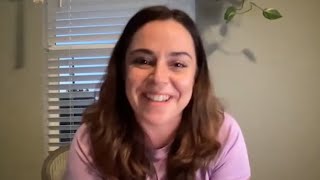
Mercedes Bankston, Paloma Lucheta, and Eliza Sepúlveda share how they built startups as underrepresented founders. They cover fundraising with metrics to reduce bias, how non-technical founders can recruit engineers or learn to code, and why startups fail: founder burnout, co-founder misalignment, and ignoring customers.
Chapters
Hey everybody, welcome to this Founder Institute webinar. My name is Jonathan Gritchen. I'm a co-founder of the Founder Institute. We have a very interesting event for you today or tonight, wherever you are, and I know that we are expecting a pretty large international audience. When we run these events in the nighttime here in the United States, we tend to get a lot of people all across the Americas, but also some people in Asia and Australia as well. So if you are in the audience, please let us know in the chat where you are calling in from, or wow, that makes me feel old to still say that you're calling in from somewhere, but where you are joining in from today, tonight, or this morning. So Montreal, New Zealand, great. Mexico, Costa Rica, Melbourne, Tokyo, Adelaide, or Adelaide, I believe is how you're supposed to pronounce it. Anyway, Montreal, North Carolina, Michigan. This is awesome. And we also have an awesome set of speakers for you today as well on this webinar who are representing a couple of different regions in the world too. So the topic that we're going to cover today is basically how advice from people that have built a great and successful career in the venture space, whether it's as an investor or as a founder or as a company builder or as an ecosystem leader, that are, you know, basically can be classified as an underrepresented minority. And I know that, you know, I don't classify myself as an underrepresented minority, although I probably on some classifications I am. I am very much going to be in a learning mode here today on this webinar as well. I think at the Founder Institute, we do a decent job at trying to open doors for people people that necessarily don't have the greatest opportunities, but I still think we have a long, long way to go. So I'll be having some questions to ask some of our panelists tonight, but I hope that you all have questions as well. I want to make this event as interactive as possible, so please throw your questions into the chat. We will have different members of the team are in there in the chat, and they'll feed those questions. And I will— again, I have some questions that I'll start with, but I want to mix in your questions as much as possible. The value of of these online events is the interactivity. So please don't be shy, throw your questions into the chat. Okay, so with that being said, why don't I start with some introductions? So we'll start here with the purple screen. Hey, Mercedes. So Mercedes Bankston is— she is now the Program Director of Founder Institute London and Founder Institute Silicon Valley. And she's also launching a new venture fund called Funderstar. She's a venture capital advisor advisor at Loyal VC, which is investing in companies all around the world. And Mercedes, if you want to complete that introduction.
Yeah, thank you. So I've been, I guess, associated with Founder Institute for about 4 years now. But it's also pretty special to me because when I started out, I started my first company at 19 and I sold it around 21, 22. And there was a lot of disasters that I had along the way. And if I had had something like Founder Institute, I probably wouldn't have made those mistakes.
Okay, awesome. Do you want to tell us a little bit about Thunderstar as well?
Yeah, so we are a crowdfunding platform. We've actually pivoted, so we started out going after Indiegogo and Kickstarter-type companies, but we realized actually not enough of those could be funded in the UK. So now we've changed our methodology essentially to companies that have hit certain benchmarks financially or within product and typically help people. So if it's in healthcare, education, silver tech, safety, there's so many categories that we could name there.
Awesome. All right. And if you want to learn more about Mercedes, and we'll do this for all the speakers, just check in the chat there. And I see a pretty active chat, which is awesome. Super international audience. Keep those— start getting those questions coming. You don't have to wait for the questions. Throw them in there and we'll loop them into the conversation. Shortly. All right, so our second speaker that I'm going to introduce is Paloma Lucheta. She has overall rockstar, to be honest with you. We've been working with Paloma for years now. She's a graduate of the Founder Institute. She has been kind of de facto running a lot of our programs in Brazil for a long time, as well as our Female Founder Initiative in Brazil. And now she is managing all of our chapters in LATAM as a regional success manager at the Founder Institute. Paloma, anything else Ada?
Oh, just that I'm super thankful for FI and all this journey. A little bit different than Mercedes, I did get the help of Founder Institute since the beginning of my journey in 2015, and I just benefit so much from this great network of mentors and supporters that helped me through my journey. In the beginning, way less female mentors and female founders in Brazil, but we have been changing that reality little by little. With female founders, and I'm super happy to see a lot of Latin founders here in the chat. So anyone that's out here, please reach out. I'll be happy to join you to this awesome community.
Yep, and her information, not her personal information, but her LinkedIn was just shared in the chat. All right, and next is Eliza. And now we just mentioned, we just talked about this a second ago, But Sepúlveda? I know I messed it up.
It's Sepúlveda.
Sepúlveda.
Wow.
We literally just talked about this. Okay. Well, clearly I don't have the best of phonetics on here, but Eliza is an EIR at MAD Venture Partners, and she also runs our FI Austin program in Texas. Anything else you want to share, Eliza? Yes.
So I'm an entrepreneur in residence at MATH Venture Partners. We look at companies incorporated in the US that have an unfair advantage in customer acquisition. So bring us an interesting way that you're acquiring customers, and we can help you with the rest. We invest in early-stage companies, so, you know, pre-seed, seed, although this is a really frothy market right now, so everything's happening a lot earlier. Really excited to be here with everyone else tonight.
Okay, and do you guys focus mostly on B2B or B2C or both?
We have invested in everything as long as it's software-enabled. We've done software-enabled hardware, we've done healthcare, we've done B2B, B2C, so bring us, bring us your companies.
Okay, cool. All right, well, welcome everybody. So we have a great panel representing a couple different parts of the world, although Mercedes now you're based in California, but also runs the London program. So we have a bunch of different regions represented here. So get your questions into the chat. We'd love to hear them. I'm going to start off with a few just to get us a little bit warmed up, but please don't hesitate to get us your questions. Okay. So I guess, and I don't know who I would ask to start this with, but If we could just hear, maybe I'll start with you, Paloma, just a little bit about your journey. How did you get interested in startups? How did you find yourself becoming a startup founder? And, you know, maybe what some of the challenges were along the way. I'm kind of putting you on the spot here, but let us know the cliff notes.
Awesome. So I actually started my startup journey Just mostly like I think a lot of our entrepreneurs, which is I found a problem that I had and nobody else was solving. So it was a very natural thing for me to solve that inside my own day-to-day life and then get people to asking me to help them too. And when I saw I had a project and then I had potential clients and I registered in this website, which was called Web Foundry Institute, that someone referred me to, and I had a startup, right? So I started in a way of I didn't even know what a programmer did. I'm not a technical founder. I didn't even know how to build an app at that time. I had no idea how would you even start, and that was kind of always my journey. Of just trying to find the people and the resources and put things together to try to solve a problem. So I think that is what I love to do. And now on the other side, helping other entrepreneurs to also solve problems is just amazing to see how when you are actually committed and you find something that you're very passionate about solving, it might not feel like it's possible, but you are going to find people, institutions, mentors, and And a lot of people are going to do things that you wouldn't believe they would to help you in this journey, right? So I think that's the great thing about being an entrepreneur is when you're solving someone's problem, you also have that spark and that fire that motivates you to keep going. Even when things get tough, you're still going to wake up and see that's worth it trying. So I think for me, learning about startups through FI was very helpful because it was a whole new vocabulary, a whole new world for me. And not being a tech founder, I still had to learn how to program a little bit and become a little bit more knowledgeable about the subject, but also finding diversity in your team. So I had to find a co-founder that knew technology that could complement me, that was very different than me. And my group of early team members had to be very diverse in that sense of, backgrounds, my business partner was from France. So I think that adds a lot of value to that start of your journey, the diversity in the first phase as well.
Okay, awesome. And I guess I'll go to you next, Eliza. You know, how did you get into the startup and venture capital space? And, you know, did you encounter any kind of obvious hurdles as you were starting to do that?
So I started my career in technology 10 years ago with IBM. And I was on the commercialization team for IBM Watson when they decided to move the Watson headquarters team from Austin to New York. And I had been living in Austin for 4 years. And as a displaced Northeasterner, I love it down here. The lifestyle is much better. So that's when I left to join a bunch of executives who are leaving IBM to start their own artificial intelligence company. I was one of the first 10 employees. I was the second female that they hired, and I had a lot of experience working with engineers in the past. So I kind of was able to infiltrate and figure out how to speak their language. It was definitely challenging early on in my career because I wasn't taken as seriously for face value because I was young and also a woman, but Bringing and delivering meaningful results is what gained the respect of people around me. It took me a couple of years ago when I actually, when I found out about Founder Institute, I was running business development at, in more of a community role for a coworking space and coding school. What I found to be most helpful in building relationships with folks in venture capital over these last 4 years to support our founders was just really approaching it with a lot of empathy and coming into the relationship and finding ways that I could provide value to them. If you provide value to others within the ecosystem, normally you'll get something in return. So that's how I've overcome some of, some of those initial boundaries. I think it is hard to get used to if you're coming from a different industry where you might be surrounded by more women. So maybe if you're coming from education or working in HR or marketing, for example, but I think if you come and deliver value, it's hard for people not to take you seriously.
Okay, that's great. And it's a, it's a good segue as well. And just, just as a quick tidbit there, Eliza, so they wanted you to move to Armagh, New York, is that correct?
They actually wanted me to move back to New York City.
Oh, okay. IBM headquarters is the town I grew up in. That's why.
Oh, really? I grew up in Westchester County, so.
Okay. Wow. Look at this, so many connections already being made. But you mentioned just providing value, right? Just that it's just kind of that one thing that it doesn't matter. It's totally objective, right? It's quantitative. And I know Mercedes, we were chatting right before this webinar, you know, as an investor, right? I think you were mentioning that, you know, one of the quickest ways to just remove bias and all that kind of stuff is just to look at the metrics, right? I mean, Do you wanna just share part of that, you know, just that thinking as an investor and how maybe you encounter that or didn't encounter that as you were building your career?
Yeah, so I mean, if you just focus on the metrics, the metrics don't tell lies, right? And so they don't have colors, they don't have accents, they don't have gender type roles, quite frankly. And so I've always found that to be like a very good way of going about life and actually also looking at things objectively. So particularly in my fund, like I said, I look and say, hey, how many sales can you do within a 30-day period? How much money can you bring in in a 30-day period, particularly if you've had like some type of aggressive like crowd campaign or something of that nature? And it doesn't matter to us who's behind the product. It just means that you need to meet those metrics. And when we look at funding, it really comes down to metrics. Granted, yes, there are a lot of problems within funding around the world, but I think it's also in how you communicate it. So when we've worked with FI founders and we've really focused on metrics, and then they've gone after investors, they absolutely hit the mark. And in fact, you know, one of our London teams that graduated basically when the pandemic hit. You know, it's a majority female group, and the majority of those have been able to get funding in the pandemic. And it's all about because they're out there on social media, like you can see their visibility, their customer accounts are growing, they're focused on revenue. And at the end of the day, that's all that matters, like when you're an investor. Because you're not getting money from an investor to piss it away. You're getting money to like make your company a lot stronger. So that's why metrics matter.
Right. And I know, I think it's like an amen, right, to a lot of startup founders where it's just like, don't judge us by how we look or whatever. It's just by our performance. You know, do you think it's, at least for me, in my uneducated point of view, it seems like the venture industry is slowly moving in that direction. I mean, it's kind of like taking the Titanic and, you know, trying to, trying to nudge it, but I'd love to hear, you know, starting with Mercedes and then maybe Paloma and Eliza, if you think, if you think we really are kind of moving to that place where it's just, it's more objective and not just for purposes of equality, but just for purposes of good business, right?
Yeah, I mean, I think it is changing. And so women obviously have created little niches in their worlds as far as like fast-scaling businesses. So you look at companies like Spanx, you know, it's basically hosiery that's been improved over the past 50 years. Um, she's grown that company and no man was going to grow that company. Let's be real. The same with, you know, I forget who it was that had like the seniors dating website. You know, she was in her 30s, I think, when she started it and realized that there was a need for grandma and grandpa to like date. You know, it was one of the hottest like IPOs out there. So yeah, I mean, it is changing. But again, like those companies really focused on revenue, sales, marketing. If you look at like their logos, they're beautiful. And they definitely are attractive to a big demographic out there. So clearly they've done their research and they've been able to scale because they've checkmarked all the things that matter versus, you know, some of the tech companies that we come across that they can't get off the ground because they don't focus on sales, they don't network, they don't care about anything else. And we see that a lot with men, quite frankly. Or at least I do, because, you know, how often do you talk to someone who has a brilliant idea and they have no value for the salesperson?
Yeah, it's a good point. Paloma, I'd love to hear, you know, and I'm certainly not talking bad about Brazil. I was born in Brazil, actually, but it is, you know, kind of a patriarchal type of culture, you know. I mean, what have you seen down there? Have you seen a lot of investment going into women founding companies, and any other thoughts on that?
Yeah, I think since I became an entrepreneur like 2015 and started raising for my own company, and now on the other side of the table, I'm part of groups that invest in dozens of graduates from FI and other deal flows as well. But it's almost like we, and myself included, right? Very hard to see what we are not aware of. So now it's easy to see the gender one, right? Like, because everybody's talking about it. So we are seeing a lot in the VC and in the accelerators and even in the companies nowadays. Our portfolio companies today are very worried about How is my team diverse? Because it's just facts, right? We just talked about numbers. You look at the numbers and the more diverse, the less bias your company has. Chances are it's just seeing more opportunities and being able to provide those gaps. So I think the gender one is one that's becoming very, very visible in Brazil and Latin. A lot of investors are now aware that If they don't look at that, if they don't look at social entrepreneurs as one way of investing, that they're just losing a lot of money because the numbers are coming out and are proving them wrong and there is that gap, right? So sometimes I wonder what else are we not seeing that's going to come up in a few years, but definitely gender is one. So we do have our largest growing startup in Brazil, the portfolio right now of FHI has over 500 grads in Brazil. In our top grad right now, it's 4 female founders that are part of the funding team. But then again, now it's 4 females and where's the guys in that team, right? So those girls have the other problem, which is how do I bring diversity into my team the other way around? So I think it's a constant discussion of just us taking a breath and looking at what else am I missing in my team, in my startups, in my portfolio, and how do I make more diverse either it's race, gender, or backgrounds, experience, and age is a big one. I think Eliza mentioned, right, very hard. We tend to judge a lot on the age, so I'm always conscious about how old are people and am I judging them based on their age.
Yeah, that's a big one, and it's one— and we have research that shows just with the admissions test that we use at Pfanner Institute that this myth of the 23, 22-year-old hoodie-wearing kid from Stanford. While it can create a massive company, it certainly is not any kind of archetype that we should necessarily strive for. So we are getting some good questions in the chat here, and I want to bring some of these up. So one of them came into here, and I believe it's probably a follow-up to something that you said, Paloma. Which was about, you know, finding good technical talent. You know, you had mentioned that you didn't have any background in tech and you were building a tech product, right? Did you find any issues kind of recruiting technical talent and bringing people on board? And regardless, you know, what were some of the strategies that you used to do that?
Yeah, so if you're going to build a tech business, even if you're not a technical co-founder, you're going to have to learn about what you're doing, right? So I'm not saying you're going to become your CTO and you're going to become the main guy that does technology, but even if you have a CTO, you have to learn that stuff, right? You're going to have to be able to judge better decisions. So either technical co-founder or not technical co-founder, definitely go learn about, either if you have one or not, you have to educate yourself. So that's kind of where I started. I was just like, okay, I don't have one. It's very hard, but I'm just going to sit down and do it, right? And it's not something that I like doing that much, but you got to write your first lines of code. You got to learn all the little letters that mean all this stuff. And through that process, get advisory. Just reach out to people that know what you want to do and and ask for their help. So it's probably they're not going to become your co-founders right away, especially if they're like the top person you dream of having one day. But that's kind of what I did. I was like, just teach me how I can do it at least myself in the beginning. Let's prototype, try to put something out there. How do I learn this? So I got good mentors through FI, but also through my own personal networks. And that's how I kind of booked my co-founder. I was like, can you be my advisor and teach me about how to build a company. So he started giving me a few hours a week and some mentoring, and then he started loving to work with me. And that's also a good test drive. And when he saw he was fully in, right? And then he left his formal job, making tons of money, working as like a very important person to adventure himself with me. But it also takes time, right? Because if he has some security in another job, he's gonna have to save some money for that. You gotta also align expectations because probably in the early days of your company, you're not gonna be able to pay a salary. So— Yeah. It's also a tough, a tough moment, but definitely you can start by creating that know-how and finding those advisors that will help you understand. And luckily you are gonna just get someone to join your team. And to take that risk with you. I was thinking the risks are high and the reward might be even higher, so definitely worth it for some people, not for many.
Elisa, I'd love to hear if you've seen any of the companies that you've advised or worked with or looked at for investment, investment opportunities, if, you know, if that question has come up, just like, what is the technical capacity of this team? And if they haven't been able to recruit a CTO or a proper tech person, even if maybe they have some of those metrics, if that's— would that be sort of a stopping point for you?
I don't think so. And one thing to remember is that you don't need a CTO in every instance. You might need VP of engineering. If it's a technical problem that's been solved over and over again, like if you're building some sort of like hiring marketplace, that's not as difficult of a technical problem. So don't be quick to give away a lot of your equity. Um, the other piece of it is we have seen founders and funded early-stage founders who may have cobbled together like a bunch of no-code stuff or have worked with some overseas IT solutions and don't really have a super scalable product. That's okay. That's why you're raising money. And the reason why we're giving you money is because you've met those metrics, whether it's showing that you have tons of engagement from the right audience, whether it's you have this pipeline of revenue that you can't close because you need the product to be scalable. Um, if you have the right metrics and you are showing that there is enough demand in the marketplace for the problem that you're solving, you don't necessarily need to come in with that technical talent. Now, a good venture capitalist who is invested in your early-stage company will be very helpful in finding that first technical recruit, especially at the senior level. So they'll use their own networks, um, recommend certain hiring agencies, and work closely with you to be able to help you find that technical talent.
It's a tight market out there. Yeah. So just to paraphrase, you don't care. It's like, it's just show me, show me the metrics, right? Kind of show me the demand.
Like you come in with like a list of LOIs and you're like, my platform is going to absolutely crumble, but look, we could close like $5 million. I'm like, all right, give me the wire instructions.
Like Mercedes, I'm gonna assume that you're gonna give that a hell yeah.
Yeah, I mean, I think this is like the biggest problem that I see is, and I see it in the chat thing on the side, but people are asking like, hey, I need to build, I need a technical founder. And actually you don't, like go use like no-code or white label type solutions. Like if you're a delivery company, go look Uber for, you know, white label Uber solutions, or if you're a dating app, There's tons of dating app no-code. There's the travel industry is even more saturated with no-code. So, you know, it's going to take care of probably 80 to 90% of your needs. And then maybe you build an API that links into it just to prove the model. There's a famous story in the UK with a company called TransferWise. And They basically help expats transfer money from like the US to the UK, and you put in your bank account details, the numbers and how much you want to transfer. Well, they didn't have anything on the backend. They were manually moving money over to your card and it looked like the website was real, but it wasn't. And now, I mean, they're worth, you know, millions of dollars.
Right. Yeah. So it's just proving the model, proving your ability to get customers and that you're actually solving a problem that a customer has. Right. And then you go to the investors to scale it. Right. But you don't necessarily need this flashy platform just to prove out the model. So I saw a quick question here from Philip was asking, I missed the two metrics that Mercedes was talking about in the beginning that were the most important. I'm not sure what you mentioned. I mean, I guess we can go into metrics on a couple of different types of businesses that maybe would be metrics that somebody should focus on, but yeah.
Yeah. So I think when it comes to investment, every investor has metrics that they are looking for. And so it is your responsibility to ask people like what you are going to judge and accept as far as companies. And every, you know, every VC has a different criteria. You know, some of them are vertical specific, like whether it's sustainability or tech or, you know, healthcare, and others are all about the numbers. I'm about numbers and about numbers in a period of time.
Right.
Okay. Yeah. So it's largely growth, right? So I know like month over month, quarter over quarter growth. Key metrics, consumer company, it doesn't necessarily have to be revenue, right? Because you may, as you said, Eliza, you may have something that's about to blow up, right? But it could just be user growth. It depends on the kind of business. I know that we've had people come into Founder Institute that have literally just had a landing page, but they had waiting lists of 10,000 people for some product that didn't yet exist. Right? Like that could be seen as a form of traction where it's like, okay, we validated the demand for this product and we obviously have a decent, do a decent job of actually finding customers. Right. And those are like two of the biggest hurdles that you need to cross. So, okay. So I'm glad, I'm glad we covered that because yeah, I'd say so far, probably as soon as you mentioned CTO, Paloma, and tech co-founder, that just brought on a whole flood of questions. So hopefully, maybe in summary here, you know, just keep the questions coming. I'm not discouraging the questions, but there were so many about, you know, how do we know when to do a prototype, all this kind of stuff. It seems like the moral of the story here, and Paloma, I'd love to get your thought on this too, is, you know, cobble together what you have. You don't need a huge development team. You don't need the flashiest product in the beginning. Cobble together what you can to just prove that what you're building is sustainable, right? And then you can kind of go from there.
And I think even more important, John, is you as a non-technical co-founder, go build it, right? So we mentioned no code here. There's no need for code. That's what I did, right? Like I built it with the help of advisors until I was able to get one. So, yeah, the CTO is going to come at some point, but if you don't have one yet, you're going to have to build it and you're going to have to take that role. And it's good because you're going to be way more stronger as a founder. You're going to be stronger as a founder in the long run because you had to pull up your sleeves and build your product. And next time you tell someone, "Oh no, let's just change that button." from here to there, you can understand that's way more than just changing the button from the left to the right, but there is a whole thing behind it that as technical— no, as non-technical founders, sometimes it just creates also empathy for you to recruit in the long run and for growing a team.
Yep. Okay. And I know our team at the Founder Institute shared in the chat here too, no-code.tech. You know, they're not affiliated with FI at all. I just know it's a great resource. It's a whole movement of no-code tools to develop different tech products. So it is very much moving in that direction. And again, it does, you know, it's not maybe what you see your business being 5 years from now, but it's certainly enough for the first phase of your business to prove it, to start recruiting a team. And potentially to start raising capital and actually selling a product. So let me see, I want to bring in a couple of other questions here. So Alex had an interesting question, um, and this is— it's specifically to funding, but I think this could, this could relate to any, any kind of aspect of building a business. But, you know, cold emails, uh, is a way that a lot of people kind of especially in the beginning when they're kind of trying to break into a new network or break into an industry, have to, you know, that's the way that they have to do it. So, you know, have you— is that a strategy that you have used? And is that any, any tips on how, on how maybe you did that? And maybe you failed spectacularly and you could just tell us what you did and we'll know not to do that. But But anyway, any, any thoughts on, on cold emailing, just because it is a pretty normal tactic that people need to use when they're breaking into an industry?
I would say I love a cold email. Noah Kagan has a really good article on this. I think it's from like 2015. Do your research. If you've worked in enterprise sales, think about it like enterprise sales, go learn as Absolutely everything about me that you can on the internet, make an interesting headline and put a hook in there that really makes me wanna respond. That's interesting. Think one of the other things that founders, where founders miss the mark when they do the cold emails is send me a deck. Like don't send me the deck. In the first conversation with you, I don't even wanna see the deck. I wanna get to know you. I'm an early-stage investor. I'm here for the long haul. We might have a relationship for 10+ years. I want to know who you are, why you have passion for the problem that you're solving, and where you've taken it so far. So get creative with those emails and get to know who your audience is.
Yeah. So Noah Kagan, just, I believe it's okdork.com, right, is the site. Yeah. So Noah was like one of the first growth marketers at Mint.com. He has a lot of interesting strategies. Mercedes or Paloma, And just a second when you were saying, Eliza, yeah, like, my email's all over the internet. I mean, at this point, it's like, and my phone number is too. So there's like nothing I could do at this point. So I'm constantly just archive, archive, archive. But yeah, if it's the headline, something that's fast, if I open an email and it's more than, I don't know how many sentences or whatever, it's just like, I can't, I don't have time. Just, yeah, the personalization. And not just saying like, oh, I see that you're interested in X, right? It's very clear to see an email that has bullions in it. But yeah, Mercedes or Paloma, any thoughts there?
Yeah, I disagree.
Disagree. Okay.
I disagree. That's okay. I can't stand cold emails, particularly if they have like a lot of jargon in them. So, you know, I get the LinkedIn, I get the Facebook, the instant messenger, like now I have people like searching for me on Telegram, so much so they deleted it. Um, so yeah, I just decided that I'm only interested in like 2 sentences, like my company has done this many sales and this is what we do. So you need to tell me, like, are you interested in talking further? Sure or no? Like, um, I don't want to spend time with someone if I don't feel that they've hit the metrics.
So that's me.
Okay. Paloma.
I think asking, quote, emails work is like asking, like, does marketing work, right? So general, like we don't know who is your client, who, like, what are you trying to communicate. But I think in general, like, you gotta think of the other person, right? Like put yourself in the other person's shoes and like if you know John gets like hundreds of emails a day, and he's a busy person, he's the co-founder of Founder Institute, like what's going to make John want— like what's in it for him, right? Like how are you going to communicate? What are you going to communicate? Which words are you going to use? Why would he ever respond? So when you start like looking at the other person's perspective, it might be easier to judge if for that person, for that moment, what you need is that channel the best one, what messages, and then just test it out. Because I see a lot of people just blasting emails with no customization, and obviously that's not the way, right? But then if you know what you want, it's usually work backwards from there, right? Like, I want a meeting with John for 15 minutes to do this, like to pitch my startup and to get in an FYI. Like, how am I going to get that? And the solution might vary, and you're going to have to test a few channels and a few ways to get to him. But don't think cold emails don't work. I use them when I need them and it depends on the purpose and what my goal is. Sometimes it works, sometimes it doesn't, but you can't blame the email because of that. Right.
I guess I'll bring it back to like kind of— so cold emails is a strategy to achieve a goal, right, of getting in contact with people that maybe you just don't have access to or whatever. Are there other ways that you guys recommend doing that? I mean, it kind of goes back to what Eliza was saying before, like provide value, right? Any other ways that you would recommend?
I think building like white papers. So I did something a couple of years ago, just trying to find CEOs of telecom companies and you can go into LinkedIn Navigator. And that was our target audience, only CEOs of large cellular telecommunication companies. And I think our marketing budget was less than $2,000 to send them basically a white paper. We like, an ad would pop up and it'd be like, oh, like, here's how to like grow your telecom company with online mobile service and streaming type companies. And we got the largest guy in Cambodia. Like another one in South America. And with those 5 leads, it was not only did it pay for the $2,000, but we only used $156. So, you know, make them come to you. You don't need all these leads if you can just get high quality and high dollar sales.
Okay, so more of a sniper strategy than trying to cast a wide net kind of thing?
Well, give them information and then they'll take your call. And I also think traditional mail is kind of interesting, particularly in this day and age. Like, I'm pretty excited if I get like some type of lottery scratch-off card. I will absolutely call someone back if you send me a gift. So I mean, use your gifts wisely. But snail mail, I mean, you have to think that's how we did marketing like well before email. And, you know, in a sense, like it's become dead. But geez, people love to get letters in the mail or thank you notes or a present.
I remember my, my, one of my marketing professors in college would tell me, he's like, what do people like to get the most? Invitations to something, right? So he was showing us all these examples of invitations that marketing campaigns that people have built. All right, so I'm gonna get to a couple of other questions here. Let's see, and keep the questions coming. We'll go, we got about another 10 or 15 minutes here. And thank you so much. Just, if I don't get to it, if we get cut off here, Paloma, Mercedes, and Eliza, thank you so much. For everybody in the chat, we will be sending a video of this chat as well for everybody who registered. And there's information in the chat too if you wanted to connect with any of the speakers here tonight. So let's see. Definitely— OK, so Vin was asking, and I'd love to get— and maybe we'll start with you, Paloma. What are the biggest, in your opinion, some of the biggest reasons that you've seen startups that you've worked with or that have mentored or advised that basically have failed. And is there any, you know, I don't know if probably, I don't know if that is different from, you know, people that maybe are, you know, that come from money or whatever that have some advantages versus those that don't. But I'd love to hear your opinion on that.
So one time I heard Adeo Ratsky, also founder of Founder Institute. One time I heard him say something, and at the time I didn't agree, and of course because I was a startup founder at the time, but now I come to understand more and more that that might be the case. But he said that startup only fails when a founder gives up, I think it was what he said. So we have all these reasons that we think a startup might fail because they run out of money, because they fought with each other as co-founders, or because there's just not venture capital enough in Brazil and nobody invests in startup in Brazil, or because the clients don't like the solution I built. And I ran out of money. So in the end of the day, there's all these reasons why we could think that's true. But in the end of the day, startup founders are just masters of fixing problems. And if you still have a problem that it's worth solving and you're committed to it and you're just pushing, you're going to figure it out, right? So I think there's a lot to say of like, A startup does fail when a founder gives up because we always are able to find another way. But at some point, it's just not your time. There's also personal things that come up and it's okay, right? So I think we at Founder Institute, we see a lot of our grads in Brazil, change priorities, and things get tough, and sometimes it's hard, right? So not always you're going to want to keep going, but I— the more time I spend in this market, the more I see that that might be the truth. And I'm there to support the founders through that moment as well, because I think it's an important one. And it's not a finite thing, right? Like, you might just need a recharge and then come back and do another one.
Okay. Eliza, maybe I'll go to you here.
I mean, I agree. It's normally because the founder gives up at early stages. I think the other main reason I've seen at the earliest stages is co-founder disagreement, right? Like, I think people are always quick again to hire like a CTO if they're not a technical person or a co-founder. Slow down, make sure that they're as committed as you are, because if you're going to be, you know, hacking away at this thing for 4 or 5 years, not really paying yourself, and they end up with 40 or 40% of the company, and then okay, we finally have traction and you go to raise This is something that we've seen a couple of, like, several times that, you know, there's this rogue co-founder on the cap table. Um, definitely something that's fixable, but it makes it much more complicated for investors. And in a market that's as competitive as the one right now, they better be really committed to investing in you, to, to untangling that. So, uh, I think it's don't rush into relationships with co-founders that you're not 100% sure of, because that could be be the sinker for your company.
Okay, Mercedes.
Yeah, so I have a very different viewpoint on this. And particularly since we've gone through the COVID in the past, like 2 years, I don't think companies validate routinely, and I think they stopped listening to their customers. And when that happens, it allows new I guess new companies to come into the market and to perhaps take you out. But I mean, there's just like so many examples, like Pebble Watch is a great example of a company.
I had one of those.
They lost relevance. They, you know, started, their engineers started making cool things for them and they really didn't listen to what the market had. So remember your market fit. You know, other companies, like they couldn't sustain the pandemic because they weren't willing to change. But new technology is coming out every day. And so you have to change with that. You have to change with your customer taste. You know, I think kind of, I guess the best way to put this is a quick story. You know, there's a lot of challenger banks in the UK that are coming out that are online banks. And why are they so relevant? It's not because like banking is a new concept. It's because it only takes 13 to 15 steps to start a new account. Whereas if you go to HSBC, it's like, oh, you need 4 interviews. You need a letter from your employer. It's a face-to-face interview. So you have to take time off and get there between 9 and 4. And, you know, oh, it also takes 100 steps online. You know, which one are you going to do if you're going to go set up a new bank account? Which one do you have time to do? Just because we've been doing it the old way doesn't mean that we're relevant today.
Yeah, it makes total sense. And a lot of those cases, it's, it's probably the old banks are offering better rates and stuff, right? It's just they're the— they just don't have that, that insight of actually making it easier and a good customer experience to bring new people on. Okay, so we have a couple of minutes left here, and I know we have a lot of questions that we are not going to be able to get to tonight. I'm trying to If I didn't get to your question specifically, I have been trying to kind of group them together into more general questions. But again, we will be sending a video recording of this event shortly, I believe in the next 48 hours. And we have a lot of other events coming up as well that you can see at fii.co/events. But there's two questions I want to bring up here. The first I would say is, and this is from anonymous, But it was kind of a lot of other people were just asking to, you know, any favorite blogs or books or newsletters that you all follow that you think that you would recommend for people, especially I think our audience here tonight or this morning, wherever you are, is going to mostly be people at the idea and pre-seed stages, right? Any recommendations for what they should follow or books that they should read? Or podcasts, I should say, Marcy just put in?
Startup by Gimlet is a great podcast.
Okay.
Definitely start with season 1. Season 2 is kind of dry.
Okay, Paloma or Eliza, any—
I love, and I see that someone just actually put in the chat, but This Weekend Startup by Jason Calacanis is one of my favorites. Kind of like, I think every Monday it comes out and I kind of just put it in the background and I listen to all the episodes. I think, John, Jason's coming up in one of our events also.
Yeah, we've always been part— I'm from New York and my co-founder Adeo is as well, so we've always loved Jason Calacanis and his very unique brand and attitude that he brings to the startup and investing space. So yeah, we're doing an event with Jason and in a couple of weeks that you could see at fi.co/events. Twist or This Week in Startups is great.
Yeah, someone just posted Twist too in the chat. So I think that one is a great one for you to just learn about startup investing, see real founders talking really tough about what they've been through. And it's also good to see that other people are going through the same troubles as you are. Like how are they solving it. And it's a great, great lesson for me. And then about diversity, when I started as an entrepreneur, I used to be very like, what's the difference between a female founder and a founder, right? Like I was always like the girl in between a bunch of like older guys. And I just didn't see much difference because I grew up with two older brothers. So for me, it was just very natural to be in a male environment, I guess. So for me, I was always like, it makes no difference. And then I read one book which changed my mind completely about that, which is called The Female Brain. It's kind of a researcher that scanned, CAT scan, a thousand, I don't know how many, hundreds of thousands of brains of females and males and kind of went through the difference, not about gender, but about the brain formation and hormones of women and men. And that kind of opened a whole perspective for me of why do we want more women into business, and why is it good to have that difference, and what's the difference between being a man and a woman. I think there's even a documentary on Netflix based on the book, but the book is way better. There's also The Male Brain, which is then the other side of the— the research, but the very interesting research. And for us that might be more analytical and like to see the science behind it, it definitely changed my view and made me more open to understand why we should bring more diversity into the conversation. And why is it that women talk more and men think a lot about sex and stuff like that? Of course we're generalizing, but It's very interesting to see that the brain is different and it activates in different ways because of hormonal changes. So I think the Human Lab podcast has been my favorite podcast recently because I just love learning about the brain and seeing how my employees work and why they do what they do. I think humans are fascinating. So that's one that I would advise you.
Yeah, and the way that I always try to, try to tell people, like, it is diversity, it's, it's the morally good thing, right? We should always try to give everybody equal access and all this stuff, but just even if you were to look at it with the most capitalistic greedy mind, it's just smart business, okay? Because even the example that you just brought up, Mercedes, right, of these, these banks just not being connected to their customers anymore. You need new viewpoints, you need diversity of opinion, whether that's from people from different places, different colors of their skin, different backgrounds, whatever, right? You need all of those, those viewpoints in order for you to make sure that the products that you're building are relevant in today's market. So yeah, it's just, it's just good sound business. And for somebody that doesn't care at all about the merits of diversity, it's just completely stupid to not try to do that as a business owner, as a business operator. Eliza, any podcasts, books, blogs, or anything that you would suggest?
I like the book Levers. It's by Emil Schwarzfarb and Trevor Boehm. They both are Techstars managing directors. It's almost like a workbook that you can go through as an early-stage founder. Founder that helps you build repeatable processes and repeatable sales.
Okay, awesome. All right, and then I guess the last question, uh, that I'll serve up to you all, and then we'll close things out. Uh, thank you everybody for joining, but this will be the, the last question. Um, so basically just any last parting advice that you give to anybody who is either trying to build the startup, trying trying to recruit a team, trying to break into the venture space, trying to break into being a venture investor, and that maybe feel like they're hitting either some kind of glass ceiling or they're just sort of being boxed out a little bit just based off their background or where they're from or their lack of experience or whatever it is. Any practical advice that you would give them as they start this journey or as they try to overcome some of those challenges? Does anyone want to volunteer to go first on that one?
All right, I can start. I think it's two things. One, find other people like you. Build a small community of folks who are in the same position, have the same experiences, and are trying to break into the same groups. There's nothing like— and that's one of the things that I love about Founder Institute is how tightly knit all of the cohorts are. In supporting one another throughout their company's journeys. So find other folks like you. The second is shoot your shot. Like, don't be afraid. Send. If you're not sending one email each week to like that reach person, then you're not reaching far enough. So, uh, and, and know that because of the internet, all of this is democratized. Get on Twitter, join Discord communities, Sit in Clubhouse. It's easier than ever to get in contact with people in all different positions all over the world. Um, bring value and make it relevant, and you'll be able to get in contact with people. So good luck.
Okay, I know Mercedes, you'd raise your hand before.
Yeah, so when you're spreading your business idea, uh, make sure that you write down what people like and what they dislike. Because oftentimes, like, we have blinders and we love our baby too much that we're not willing to hear all the objections. But if you have those same objections over and over, then chances are there's something wrong and you need to change it.
Yep. So just constantly be iterating, basically, right?
Paloma? I would just say, just go for it, right? Like, there's way less courage in the world than there is genius. So I think you just gotta pull up your sleeve and do it and don't ask much, don't overthink it. And I think my main advice would be in the early stages or maybe even in the long run, you should take way less of a head of a salesperson when you're starting off and more of a researcher. So instead of trying to sell people your idea and trying to push your solution, just literally think it as an experiment, right? Like how does a research does at university, right? Like it's pretty much I have one hypothesis, I'm going to run this experiment, I'm going to try to minimize my bias and just listen. And if you sell stuff, trying not to sell, probably when you do try to sell later, it's going to be way easier than if you're trying to just sell too much in the beginning. So that would be my one tip.
I love it. All right, thanks everybody so much. Thank you, Paloma, Mercedes, Eliza, for joining. Let's give them all a round of applause. Thank you everybody for all the great questions. I know we didn't get to all of them, but I was trying to get in as many as I could here, and I think it led to a pretty, a pretty good discussion. And I know the feedback that we're getting in the audience here is great as well. So whether it is the evening or morning for you, happy Thursday or have a good Wednesday night. Thank you all for joining. You could check out the other events that we have, founders do coming up at fi.co/events, and you'll get a recording of this event in your email in the next 48 hours. All right. Thank you, everybody. Have a good day or evening. Take care.










