How to Build a Successful Cannabis Startup: An AMA with Kim Kovacs of Arcview Group
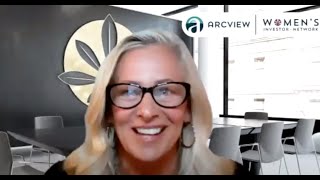
Kim Kovacs of ArcView Group discusses funding, regulatory hurdles like 280E and the SAFE Banking Act, and market shifts toward delivery and edibles in cannabis startups. She highlights the limited investor pool, the importance of data-driven product development, and social-justice licensing initiatives like the Women Investor Network.
Chapters
Hello everyone. I see everyone joining us. It's so lovely to have you. Welcome to How to Build a Successful Cannabis Startup. And we're doing a fireside chat, an AMA, an ask me anything with Kim Kovacs. Hi Kim. Lovely to have you here today.
Hi Rachel. Such a pleasure.
Thank you. Thanks for joining us. So, first of all, we have a very global audience, so I'd love to hear in the chat, where you're joining us from. Uh, I know that, uh, I'm, I'm calling in from the Bay Area, from Northern California. Oh, Brazil, Tulsa. Welcome. So exciting to see everyone here. Um, and so fantastic. So I'm not going to talk for too long. I'm going to introduce myself, introduce Kim, and then we'll get started asking some questions today and really talking about the cannabis industry. Ooh, Montreal, San Diego. Welcome. Santa Fe, New Mexico, DC. Fantastic. So I'm Rachel Shepherd. I'm the Director of Global Marketing at Founder Institute and the co-creator of the Female Founder Initiative. The Founder Institute is the world's largest pre-seed startup accelerator. We've helped launch over 4,500 companies across 185+ cities in 6 continents, and we've just surpassed 75 countries as well. So we're very excited to be helping as many startups as possible start, grow, and launch their companies. If you're interested in learning more about Founder Institute, we're currently enrolling across 6 continents and you can learn more at fi.co/enrolling. And thanks for answering our first poll question today. We just want to learn a little bit more about what brings you here today. So please do let us know. Here with me today, I have Kim Kovacs. Kim is the CEO and most recently appointed to the board of directors for the ArcView Group. The ArcView Group blazed the trail for cannabis investments and is the largest and first vertically integrated firm servicing the industry. As a trusted global leader and nexus for investors, companies, entrepreneurs, money managers, and community, ArcView provides an expansive ecosystem that delivers a broad spectrum of programs and services to the, to the industry. Kim is a multi-time founder and executive with expansive experience across many sectors, having raised more than $100 million in equity capital for these ventures. Kim has also served as a pitch competition judge on numerous panels and has invested in early-stage startups with a particular interest in female-founded companies. That's how— that's why Kim and I get along so well. And also, I have also— she's also been a mentor and speaker for Founder Institute in Orange County. So we're super excited to have Kim with us today. Kim, is there anything you'd like to add?
Now, there we go. First of all, shout out for SoCal. So I'm in Orange County, California today. So nice to see we got a couple of people from the area. At least I saw San Diego. But anyway, yeah, thank you so much for being— letting me be here today and talk about sort of cannabis and investing and getting a startup going in cannabis, or even if you have a startup in cannabis and kind of what you need to do here. So, um, but anyway, I'm just thrilled and love to start unpacking, you know, what this industry is all about and kind of especially in light of COVID Uh, but just a little bit of background about myself. So I've been a founder, I've sat in your shoes. Um, I've raised a lot of money, um, over $100 million for companies that I've either co-founded or founded, and I've had 6 exits. Now, not all of them have been just home runs or anything, but they've all exited, whether that's a flat, a negative, or some positives. And that allowed me to become an angel investor. And so, I started doing that in 2012 and actually started a group for Golden Seeds in Southern California. And so, started a female-centric chapter there and we invested in a lot of great female-founded companies. So, that was really my foray into angel capital investing. And now running with ArcView is such a pleasure for me I was a member first and then I joined as their president and now CEO.
Fantastic. Awesome. And we'll be sharing some links in the chat too, if you'd like to learn more about Founder Institute or ArcView as we continue to discuss today. So Kim has generously provided her time to give us some insights and tips on overcoming the very unique challenges associated with the cannabis industry. And we're going to talk a little bit about founder success stories. How to raise funding, and a lot more. And so to kick it off today, about half of our attendees here are thinking of launching a cannabis startup. And so since we have a few people who are at the idea stage, would you mind sharing some gaps or opportunities you've seen in the cannabis industry?
Yeah. So hopefully I don't dissuade you from starting a company after all this. It is a tough one. And the other, the first thing I'd like to say about sort of starting up in the cannabis space is that it is for not the lighthearted. There's a lot to sort of overcome. In this industry, not just the typical startup grill and mining for capital and various other things, but there's a lot of other layers of complexity for cannabis businesses in particular because of the industry that we're in not being federally legal or being federally legal for hemp, but yet still layers of FDA regulations and other things. And so for starting a business in the cannabis space, you really have to think of a few things before you really get started. And the other part of that too, is it is pretty capital intensive because you do have these layers that you have to walk through like licensing and different things that you have to really understand before you really jump into this industry. So why don't I kind of get started on a first, a couple of things to kind of look at as far as where the industry is now and what I would do in light of COVID especially because those have also created opportunities in this space. So the first one is that, you know, with COVID cannabis is deemed an essential business. And there were, you know, just, that was kind of a little bit of a push-pull. And I would say not all markets in all states said that, but the majority of them did, especially that have medical only versus rec. And so that's the first distinction is there's medical licenses in different states and then there's recreation. So there's only allowable 11 states that have recreational licenses. So that's basically anybody over the age of 21 can go into a dispensary. They can buy cannabis, you know, through a regulated dispensary. And then the medical side is you have to have a medical card for certain types of conditions, and you have to really understand in those various states what those conditions are because that will also limit the types of products that you can have and the different types of distribution that you can have. So, for example, some states with medical don't allow delivery. Okay. So all of that is kind of going on now with cannabis being deemed essential, but now we've got COVID, right? And so one of the things that really has really popped up, I'd say, and really now front and center is delivery. So anything that has to do with delivery or touchless technologies is really, really hot right now in the industry because of the reasons that we don't want to touch each other. I know we don't want to come in within 6 feet of each other, but yet cannabis is an essential thing. It helps with a lot of conditions like anxiety and stress. Stress in various ways, and people may not want to drink during this time of COVID but they can certainly get some relief from some of these things through cannabis. And so having the ability to do deliveries or having products that, or technologies that allow you to have that commerce and to be able to do things that don't require cash, touching of cash, and/or interacting with a budtender or somebody in a close proximity. And so some of these really interesting kiosk technologies telemedicine has taken a new resurgence. Data, data is so important right now in the cannabis space. I cannot emphasize that enough. And so for any of you starting companies in any of those kinds of areas, I would say absolutely. The other one is the types of cannabis products. And so what we've seen over this last first, I'd say quarter, now half year is that edibles have surpassed flower as an accelerated growth opportunity. So think about it, right? I mean, COVID is a respiratory illness. Issue. And so we've seen a sort of a decrease in vaping products and we've seen a decrease in sort of flower and people wanting to smoke versus people wanting to ingest or take an edible. The other thing that we've seen is that the actual consumer has shifted. So we're seeing a lot more boomers and older people who are concerned about their health and wellness now trying cannabis sometimes for the first time. So one of our members, it's a company called Caliva, they're a really big operator here in California, and they saw a 600% increase in this net new market, this boomer market, just in the last few months. So, if you're starting a company and you're thinking about doing a product-based, a CPG company, really look at who that new consumer is right now and start to really understand who they are, what types of products they want to consume, what kinds of things are they looking to solve like sleep, stress, anxiety, pain relief, these various things, and really honing in on that customer, which I'd like to talk about a little bit later. So those would be my areas. I would also layer in one more that I think is kind of interesting, and this just popped up yesterday, so that's why I'm gonna mention it. The FDA is starting to go out now for new comments on their guidance on the use of cannabis, THC, and cannabis hemp, and things that then could be included in some new things for research. So I think we're gonna start to see the opening up finally of research in the cannabis space that has been very limited because because it's been a scheduled drug.
And that's really awesome because as you said, data is a huge piece of the puzzle that needs to be grown within the cannabis space. And research is really— it's gonna make a big difference in that and answer some of those questions. What are people using it for and why? Yeah. Awesome. So I kind of along those lines too, I wanted to see if there were any specific opportunities within CBD or hemp. So there's like, For people who are just now learning, there's many layers to the cannabis industry. As you mentioned, hemp is federally legal, but then there are other layers that are not. Any specific thoughts regarding CBD or hemp versus THC products in terms of opportunities in the industry?
So I think the barrier to entry on a CBD line is pretty low. You know, you can get distillate, you can get raw material products, you can get labeling done, you could get a website up. And you could probably be in business for $10,000. Now, you might not be in business for long because it is a very crowded space. So I don't know if you've Googled CBD products lately or gone onto any Instagram page, but basically everybody's kind of talking about their next new greatest CBD line and it's hemp-based and they can do interstate commerce over the web, take credit cards, get a bank account, these sorts of things. And so it's a very crowded space. And what is interesting about the hemp plant is that there's over 25,000 uses for hemp, and CBD as a single isolated molecule out of the hemp plant is going to be the most— or excuse me, the least exciting as we move forward. So if you're really looking at, I would say, both CBD and hemp in particular, not talking about THC, but CBD and hemp, so CBD itself, as some of you may or may not know, is one of about 150-ish cannabinoids that we've identified, and so it is just one. And we extract that one out of the hemp plant, leaving all the rest of those really great cannabinoids sitting there in the plant. And so a lot of people say you don't get the benefits of, you know, the holistic part of this entourage effect of all these cannabinoids. And so CBD itself is an isolated thing, you know, definitely has some efficacy, but, you know, in a whole plant situation, you're going to see a lot of difference. That's why, in a lot of ways, just that CBD extraction molecule isn't worth a whole lot as we start to synthesize. Because if you can synthesize just that CBD molecule and get the same benefits as you would from a hemp plant, you might as well use hemp for one of those other 24,999 uses. And those include things like fuel, renewable fuel, feed and feedstock for animals, fiber. So there's hemp clothing. In fact, Levi's just announced they're coming out with a hemp line of jeans. They can be used for other types of materials like plastics and rubber. It can be used for making batteries. There is so many things that hemp can be used for. And I don't know if people know this, I didn't before I started getting into this industry, but hemp was the first crop here in the United States, actually before we were the United States. So hemp was, in fact, our first dollars were printed on hemp paper. So hemp has been around for a very, very long time and really an essential crop. For many in the world and global, and it's also legal in most places globally. And so, I would just say from CBD, I would almost take the CBD kind of portion a little bit out of that and look at the other things that are emerging from hemp and where can you go as an entrepreneur and find those little pockets of opportunity that haven't been really inundated like the CBD topical cream or the CBD tincture that you can find now at any Mother's Market or Whole Foods.
Wow, that's incredibly insightful, and it's— yeah, you don't think about all of the different ways that hemp can be used and what that could mean in terms of potential for markets.
And it's, Rachel, it is a great crop. It's very sustainable. I mean, it's a weed. They planted it around Chernobyl. It's a cleanup crop, right? So I mean, it really, it can grow kind of anywhere, and like I said, it's so valuable, and because it's an efficient crop. It doesn't require as much water. It doesn't require as much energy to grow. You don't have to have it indoors. It's not as, it's not as sensitive as growing a THC marijuana strain, right? And so, yeah, really fascinating stuff. By the way, we're having August as our Hemp Month at ArcView. And so we're going to have a lot of programs and different things for people out there and others. If you're interested in hemp, check us out. For August.
Awesome, thank you. And then I wanted to ask too, if people wanted to learn more about this industry and they're really just digging in and they're joining us today to learn a little bit more and they want to learn about all those opportunities and what percentage of companies are out there, because I know as you mentioned there's a crowded space and even in pockets where it's legal that there's often a lot of crowding as well, I think in terms of certain technologies, where can people go to learn more about this? Industry as a whole and opportunities?
Well, ArcView, of course. Yeah. So we've been around for 10 years and a lot of people don't realize that. We were really the pioneers of creating this playground for investors and companies to come together. They did it all in person before. So we'd have these great events. People could kind of like, we would say just collide, right? They'd bump into each other. They'd start talking about these different things and they were able to fund companies that way, start companies, and all these sort of things. And back then, 10 years ago, I mean, most of the states were still illegal, you know, or just emerging with their programs. And so there wasn't really a lot of places to go for information either. And so, you know, we're really a trusted source, but there's a lot of places to get educated. And I would say that is absolutely key. So one of the things that we started several years ago was a part of ArcView called ArcView Market Research. We did that in conjunction with BDS Analytics. Literally, that is the market. So if you're looking at where market trends are, where they're going, where the predictions of net new things are, definitely check out BDS Analytics, check out ArcView Market Research. I would also join and start looking at joining other organizations like NCIA, which is the National Cannabis Industry Association. So those are organizations that also promote various different ways and means of learning about the industry and then just doing a ton of research. I mean, there's, you know, Leafly Magazine. I mean, there's all these different places that you can start to really unpack what you want to do industry. The other thing is really understand the regulations because if you're going to be in one of these regulated markets, you got to really, really understand those regulations and surround yourself with people that do. So there's one more I'm going to do a shout-out for. It's called MPP, which is the Marijuana Policy Project. And what they do is they actually start to identify net new markets and also help craft the regulations around them. So they're just a wealth of information about what kinds of regulations exist. Is it a limited license state? Is it, you know, all these different things. So let's say you're in Florida and you want to get into the industry, you know, go to MPP, see what's going on in Florida, understand who the players are, and then join NCIA so you can connect with those players and then get on ArcView's discovery platform so you can learn what we're going to ask you in those tough questions and being able to set up your cannabis business.
Fantastic. Thank you for all those amazing resources. I think that'll be, a next action step for a lot of people on the call today. And then really briefly, one more question on trends is regarding any trends you're seeing on a global scale. So of course, a lot of the conversation we're having is somewhat specific to the US and state by state. But outside of that, we do have a global audience today. Any trends you're seeing on the global stage that you're really excited about?
Yeah, actually, I love the global stage. I think this is like, you know, it's so fascinating to me, just like if you start to really look at the history of cannabis and like what sort of happened and how it sort of got into the Schedule I and all these weird things that happened in the '60s and '70s. There wasn't really a lot of, I would say, solid reasons why. It was very political. It was very much a penalty, if you will, for a lot of different countries, a lot of different states, a lot of different people who are using it. And I think what we've come to realize is that certain countries stepped in earlier, like Israel, Canada to really say, "You know what? This plant should be legal and we should be able to research it and we should be able to test and then get that data that we need to see if there's this efficacy that we all think there is just anecdotally, right, that it's helping with these different things." And so those two areas of the world have been really pioneers in developing. So Israel on the research side, Canada really on the commerce side of things. And so they've opened the door for all these other countries to say, Wow. Okay. So crime hasn't gone up, tax money you're getting, all these new research opportunities, all these new educational things, all these different ways and means to get, you know, healing to people. And so literally country by country are implementing new laws like daily. And so we're watching Germany, we're watching things that are going on even in China right now. We're going to be coming out with a big research on hemp opportunities in China. You know, I mean, the world stage is really opening up to cannabis and if you think it's going to be just a US-based thing. It's not. We're going to see these centers of excellence emerging and quickly about where are the best areas in the world to grow, right? Where are the best areas in the world to cultivate or to make products or to do distillates or to do different oils or different things? And so those are going to start to happen. And I think, honestly, this sort of thing of COVID of being more connected with Zoom and other platforms, right? We're already global. Look at the people here. I mean, you guys, I mean, I would have loved to have said I'm going to go to the Netherlands or something and go check out what you got going, but realistically, probably not, right? But now we can. And so now we can share the journeys that our investors have taken or our companies have taken in the US and what they've done right and what they've done wrong. And then a new emerging market in the Netherlands or Belgium or wherever, right, can start to use those as a playbook.
Yes, that global knowledge share can really do a lot. And we've experienced that with Founder Institute. It's really, it's really huge and can move an industry forward much faster. And I see Craig in the chat is advocating for Australia and New Zealand being a great spot for cannabis companies in the future.
Absolutely.
Yeah. Keep putting your questions in the chat. We're going to collect all those and we're going to take a lot of questions from the audience too for Kim as well. And we're going to touch on a lot of things as we continue to move through some of our questions, which we kind of talked about this a little bit, but next up is what are some of the unique challenges that founders will face if they start a cannabis startup?
Well, I think I mentioned a couple of them at the beginning, which is, you know, you got to really understand, you know, not just the market and everything else that you're going into and with open eyes. I mean, you know, it is tough. I mean, you're not going to have the same kind of P&L because there's this little thing called 280E in the United States, which basically says that because you're operating a federally illegal business. We're going to treat you like a racketeer and we're going to charge you like this crazy amount of tax and you don't get to write off stuff like you would normally do. Okay? And so, there's things like that. There's things like insurance and compliance and all these different things that you really have to really understand that are different than starting a baby food company or a SaaS platform for doing certain kinds of things. So, you have to really understand those differences and nuances that just being in the the cannabis industry creates or you have to overcome. That's number one. Number two is I would say that the industry itself did a little bit of a disservice to ourselves. So back a couple of years ago when I first started investing in cannabis, this is a true story, I swear to God. I was approached by somebody. They said, I have this, you know, the SaaS platform. It's an ERP system. It's a point of sale. It's great. We've got 100, you know, dispensaries online. We're closing our round in a week. And if you're in, you're in. If you're not, you're not. And I said, well, do you have a due diligence process? "Can you share with me your term sheet? Do you have your deal docs?" We don't have any of that. "If you want to write a check for $25,000, we'll take your money." That was it. I'm not kidding. There was no other. It was like, take it or leave it. And as a sophisticated investor, first of all, we don't like being told that. And number two is we almost were forced into this sort of uncomfortable position because there were a lot of deals that were getting funded by a lot of people. And it was a at the time, the buyer's market. And so if we wanted in on the deal, you just did it. And thank God a couple of them worked out. One of them didn't, right? Because I made my own decision. I should have listened to somebody else, probably from ArcView. But that's the other thing is that has changed. Okay. So if you're thinking, or if you started a company like 2 or 3 years ago in the cannabis space, and you're going to come to a group of investors, even ArcView investors today, and you're going to have that kind of an attitude, it's not going to happen. We are going to do due diligence. We're going to have the same checklist. That any other VC or angel group's gonna have. We're gonna do, take our time. We're gonna get to know you. We're gonna really challenge you on all those assumptions and everything else. So now we're leveling the playing field with every other type of investment out there. And we're also asking you to be an expert in the industry in which you're in, which also then includes that regulatory layer and all the other things that have to do with cannabis. So back to what do you do is you need to really understand what we're gonna ask for. And I would say that's what our ArcView what the Discovery Program is all about, because we're just going to tell you right then and there what we're going to ask you for, and then you'll be ready. So when you come in and have that conversation with us, you're going to be saying, "Ah, I already know that these are the top things you're going to look for." Yes, that's so true.
And knowing your industry well is not just a cannabis-specific thing too. If you're going to talk about, you know, newer sophisticated technologies, you better be able to defend those. And we talk about that a lot at Founder Institute, meaning if you're going to throw out the word machine learning, Do you know how machine learning works and the true background of that technology and also how it's critical to your business as well? So yeah, that's a great, great piece of advice.
Well, and let me add on the other side of that too is you can't just say, I know cannabis, right? So if you're coming in with like something like machine learning, for example, and you say, hey, I'm doing machine learning for cannabis strains and maybe some other things and you know cannabis, but you don't know what machine learning is, we're going to double hit you on that one because we want you to know about about both.
Right, exactly right. Yes, know your technologies well, founders. It's, yeah, it's very important. And so next up, I want to talk about a little bit— we touched on the global pandemic and some of the changes that have progressed some technologies. But on the other side of this, do you see the progressions that we've seen so far in this growing use case having an effect on legislation as it pertains to the US on the other side of the pandemic?
Oh, yes. I call it your get-out-of-jail-free card for your regulators and your legislators. So, you know, we've had a lot of sort of cannabis or pro-cannabis, you know, regulations that have been floating around. They've been on the books. You know, it's been a very political debate. It gets into the morality of cannabis, which it shouldn't, but it has. And so, you know, we've had these out there for a while. I'll point to two in particular that I think are important to know here. One is the SAFE Banking Act. And so what the SAFE Banking Act does is it basically says, okay, cannabis is still fed— and I'm talking about THC now, not hemp— but cannabis THC is still federally illegal. However, we're going to allow banks to operate as if it weren't, so long as they do the know your customer and they follow a certain protocol. But we're not going to hold the bank then accountable for working in an illegal space, and we're going to give them that cover. Number 1. Number 2 is we're also going to protect investors who are investing in that space for that reachback, which some investors really are afraid of. Now, it's never happened. I don't know of one case of an investor getting all their money taken away because they invested in a cannabis space, a legal, state-legal cannabis business. So those 2 things would be then covered under the SAFE Banking Act. The best part about it is if you talk to the people who have been opposing this, they're now actually in favor of it. And the reason they're in favor of it is because cash is dirty. Cash can carry COVID, right? And if you could remove that cash element off of the cannabis industry by swapping it out with the SAFE Banking Act, oh my God, you're a hero, right? And you don't have to be in the morality position. You can go back and just say, well, it just makes sense because it's safe, right? So that's a great thing for cannabis right now. The second one I'm gonna mention as sort of this interstate commerce. So there are, again, not pushing for federal legalization, but there are different governors getting together right now, and I think we've empowered the governors to make some decisions where maybe before they were a little reluctant. Now they're like, I can make decisions. And so now what they're doing is they're getting together in these multiple states and they're gonna say, well, New York to New Jersey, we're just gonna have free trade between the two of us. Oh, we're gonna add in Connecticut, and we might add in Massachusetts and we're gonna have one area where we are allowed to share because right now the way cannabis laws are written is the state is isolated. So if you grow it in California, you have to sell it in California. Well, Oregon's not too happy about that, right? Because they grow a lot of cannabis and their consumption numbers aren't as big as California. Would they like to sell to California? Oh, hell yeah they would, right? And so by putting these sort of interstate opportunities together and for states to kind of band together and work together, that creates a bigger marketplace for cannabis overall. So I think there's some really good opportunities on the regulatory side. And then I will add in one more because it's kind of near and dear to my heart. So there's a little city over here called Anaheim. It's the happiest place on earth because that's where Disneyland is. Well, however, Disneyland is not open right now. And so the city of Anaheim is hurting big time for tax dollars, right? You think about how much money, you know, Disneyland makes for the city of Irvine. A lot and being closed, they're not getting anything. And so they're looking at their neighbor just south of them, which is Santa Ana that has legal cannabis. And so these municipalities are going, oh wow, we could start filling in tax dollars here. Right. We could start really, you know, filling back up all the losses we've had for the last 4 months, 5 months under COVID with allowing cannabis businesses now to be in our municipality. All of the cities basically have this on the docket.
Wow. So we're seeing movement at the municipality level, not even just at the state level, but just across counties, et cetera, are starting to, to move and seek the opportunities associated with post-pandemic opportunities as far as cannabis goes. That's amazing. One of the things I want to talk about too is Kim, I know you've done a lot of work for minority founders in the cannabis industry. And so I wanted to, to really open it up for conversation about how does ArcView seek social justice and equity, especially for communities of color and those most affected by the war on drugs? 'Cause it's a very important topic.
Very important topics. And, you know, for us especially, like I said, we have been around for 10 years. Our co-founder, Steve D'Angelo, is a gentleman of color. And he literally, I mean, has fought tirelessly and will continue for social justice and social equity in the space. He's got an initiative right now that's different from Arcview, but we're supporting 100%, called the Last Prisoner Project. And so this is really addressing the criminality of cannabis and people who were incarcerated under prior rules and regulations, but they're literally serving life sentences for what we would now call a legal amount of marijuana. And it's just, it's a travesty. I mean, the prisons are already overfilled with people, and here are people who have been like serving these times times out for things that they were only smoking pot and for their own consumption. And so that's a really big one. And he's been working on that now for several years, and we are a big supporter of that. But cannabis, as a newly minted regulated business, one of the things that we thought was extremely important, and by the way, our cannabis, our members of ArcView have funded over $3 million into these sorts of initiatives, is to create social justice justice and social equity programs. And I'll be the first one to say they're not perfect, they're not all working, but it's a step in the right direction. And what this does is really say that licensing, so someone who's gonna get a license in a certain area, they're gonna go first to somebody who's been most impacted on the war on drugs. So either they've been incarcerated, a family member's been incarcerated, and so those license applicants kind of go to the top the list. Now, again, it's not perfect. Does it work the way we want it to? No, but it's a step in the right direction. And we want to continue to not throw the baby out with the bathwater, right? But we want to make it better, and we want to learn from what we've done and make those now changes into the next regulated market so that we can continue to advance that. So if you look at states like Illinois— I mean, Massachusetts is redoing some things. Arizona might be coming online here, you know, in the next year. They're all looking at what worked what's well and what hasn't and how can we make it better. So that's kind of the industry. Specifically for ARCU, we have an advocacy statement that we've been living by and are now doubling down on to make sure that we have access to capital. And we also have those who have capital in the minority space in our country making this available. So we're offering, and we've done this already, memberships to anyone of color or that is actively investing in the space, become a free member of ARK View. That's part of our thing. And we want to be able to fund companies that have diverse teams that address the social issues of today and really promoting that through. And I had a delightful conversation with this gentleman, Brandon, who's on the board of a company that we really do support well, which is called the MCBA, Minority Cannabis Business Association. And he's got a startup company and he literally knocked it out of the park yesterday during our investor grouping and our membership meeting. And just, you know, it is so great to be able to come back to this sort of an industry, right? That was illegal and really affected people in major ways and in their families and being able to come back and say, you know, we're here and let's make this an economic win.
Yes, and it's really amazing to hear that ARCU is doing things on the systematic level in terms of access to licensing and capital in addition to offering opportunities within your network.
Absolutely, Rachel. I'll say this, you know, 0.000— 3 zeros plus a 6— percent of venture or angel go to African American women. We've got WIN, Women's Investor Network. We want to change that dramatically. We want women to support and fund other women all across the world. I mean, that's really, that's one of the initiatives that we have at ARKQ, but it's not going to change if we don't fund these companies. That's it.
We got to get capital to work. Absolutely. And African American women is the number one growth growing entrepreneurial group in the United States as well. So we need to get more capital into their hands and funding their businesses. Absolutely. And sort of speaking of capital, to kind of, you know, piggyback on that for a second, what are some of the unique challenges associated with fundraising for cannabis-specific startups?
Well, we all know fundraising isn't easy to start with. You know, I think number one is there's there's a limited number of funds that are in this space. You can't go walk into a traditional venture firm and see on their list of companies that they're funding their cannabis sector, at least not yet. But what I can say is they're starting to come into this industry and we're creating this new playbook. Like I said, the due diligence checklist now matches what they're going to be looking for to encourage them to do that. So there are some funds that are in this industry. A lot of it really though is still back to sort of who you know and networking and finding the people who are taking, you know, sort of those early bets in cannabis. Because we're still early. I mean, let's be honest. I mean, we still have a long, you know, industry in front of us. But to me, that really is the key part of this is really networking and finding those people who are looking to then invest. And if they're not ready to do it on their own, then you You have, as a founder, a resource to throw them to, which is us. And why don't you say, "Hey, I've got this great cannabis startup. I know you haven't invested in cannabis before. You're a great investor. Why don't you go over to ARKView and they can help you on this playbook of things to look at and get some mentorship and some camaraderie there and learn how to become a cannabis investor and then come back to to me, right? Because to me, you know, when I was raising money, one of the things I always tried to do is connect on a personal level with whomever I was raising money with and try to be a resource for them too, right? And trying to be a thought leader in the space. So if you're really going to take the dive into cannabis and really make it happen, then be a thought leader on all these things. And every conversation you have could be helping someone get more education or more knowledge about the space so they can make those good investment decisions. Decisions, right? And so, so that's, that's a few of those. The other one is you have to get really creative and you have to be extremely capital efficient right now because cannabis is not an inexpensive thing to do. So I would say that if you're thinking you're going to start a company and then start making revenue like that $10,000 CBD example I gave you, you're going to make some money, but you're not going to get enough to sustain it, nor are you going to really get the platform ready to go for that next big round. So really think through that very carefully. And I would just say, start aligning with us and really seeing where, what we look for and like at what stage we start funding.
Right. That's important for growing the whole industry, right? Because if there aren't as many opportunities to get angel investment or crowdfunding or these things that help founders bridge the gap between getting started bootstrapping and seed, that space needs to grow in order to get more capital into the hands of founders.
Absolutely. And we want to give the confidence to those people that you know who want to get into cannabis, right? So let's surround them with people who have and make them a winner in this too.
Yeah, absolutely. And so ArcView, you mentioned the Women Investor Network, which was created by ArcView to bring more women investors, companies, and products to the forefront of the cannabis industry. What unique challenge do you think WYN addresses? Wynne addresses as far as investment goes?
So, I'd say there's kind of 3 things that Wynne is focused on. And we're, well, first of all, redefining what investor network means. It isn't just about being an investor. So, our Wynne members are companies, they are men and women, they are people who are interested really in advancing the opportunities for women in this industry generally, and then specifically bringing products that women will tend to align with. And that's not just CPG products, but the other ones in the other spaces that I mentioned, you know, research and doing different things. I mean, like one of the things I'm really kind of focusing in on are some like, you know, Alzheimer's studies and various other things that can be then done with cannabis and women especially. So, you know, how do we start to look at these different products? We call them products with purpose. And so those are the things that we're supporting in WIN. And what this is, is it's really interesting. It started a couple of years ago. So Bobbi Paley, shout out to one of my WIN members. So she and Jean Sullivan started WIN several years ago, and they basically had this little idea of, hey, let's get a breakfast or lunch at one of the ArcView events and invite the women, right? And so it started off that way. And at first there were like, you know, a handful, 10, 20, 15, whatever. Then it grew to 50, then it grew to 100. And all of a sudden we were like, the biggest part of the ArcView event was this WIN lunch, you know? And so when I came in, And I said, that is what we need to do. We need to really focus in on this opportunity for women to collaborate together. So that's the number one thing that WIN does is it allows women to come in at different levels. I know nothing, I know a lot, let's collaborate together. Let's really build a network so that we can support each other as we start to get to that end goal. It gives us access to capital and it also, like I said, promotes these products that have purpose. Women, we have a very powerful thing in our purses, well, when we can carry them around. I haven't carried a purse in like 3 months, but our pocketbook, right? We spend a lot of money on different things, especially for the household. In fact, we spend about 90, 95% of all household, including healthcare products and everything, are chosen and selected by the women of the household. And so that's a lot of I mean, that's a lot of power. So if we decide what those products need to look like, we start to fund those kinds of products. I mean, that to me is the win in part of the WIN Network.
That's fantastic. Yeah, my mind always goes to women's health and the opportunities you talked about that cannabis can address in health and telemedicine. And so much is—
women's sexual health. I mean, we finally are now opening up conversations around this, and, you know, the fact that women, we weren't part of FDA studies and approvals for a lot of medications that we use every single day, including Ambien to go to sleep. We weren't in that study.
Wow. Yeah. And that's caused some problems for women as we've been prescribed things over the years. And yeah, there's a lot to be discovered and there's a lot of opportunities kind of circling back to what we talked about in the beginning in the space for women. And so a couple questions about standing out as a founder. So cannabis in some places can be somewhat of a crowded space, specifically as an investor, and you've had your investor hat on many times. How can a founder stand out or how could a company stand out? What are some things you look for before you make an investment?
So, you know, I've actually switched that around a little bit. I used to be, you know, like I said, really into the— well, maybe I haven't. Let me think about it. I don't think I've actually switched it too much. To me, the number one thing is the customer. I want to know that you know your customer better than you know, like, your best friend. Because to me, if you really understand who your customer is and what they're looking for, what's their buying behavior, you know, what are their psychographics in addition to their demographics, to me that is really, really critical because cannabis is personal. Now, no matter what you think and who you talk to and everything else, the cannabis consumer is buying it for a personal reason. Now it could be to get stoned. It could be to help with fibromyalgia. It could be all kinds of different reasons. But if you understand who your core customer is and who you're going after, then to me, that's what I would like to unpack with you. And that's what I'm going to challenge you on. And so the more you know about your customer before you walk in and talk to me, I'm going to just speak for myself because I mean, we've got 600 members, so they're all going to have their own little take on this. But you know, that's really important. And like I said at the beginning, the customer in the cannabis space is changing and it's changing dramatically. So if you come back to me with the big purple dragon daddy flower thing and say, this is what I'm going to come out with, I'm going to be like, well, why? Flowers on the decline and these kinds of brands are doing better. And so I'm going to know more about the space than you do and about a potential customer. So that's one. The second one is competition always is like one of the things that I look at and I'm like, do you really understand who your competition is? And a lot of times in cannabis, it isn't who you think it is. It could be the stigma, it could be the fact that they are taking Ambien and their doctor prescribed it, and if I'm not wearing a white coat, I'm not gonna listen to you. There's a lot of different things about competition. And so when you come and say, you know, number one, I don't have any competition, then I'm gonna say, you know, bullshit. And then I'm gonna say, or if you tell me if you're a tech company and your competitor's Google, I'm also gonna say bullshit, right? So you have to really understand, and the power that we have today is I can go and find all these companies that were just funded yesterday on TechCrunch, and I can say, well, so-and-so just got, you know, $500,000 from this angel group, and they seem to be a similar company to you. That's a competitor. You need to know who those people are. And so those are a couple of things. And I, I don't know if they're any different than they are in other industries. I think again, with the layer of cannabis is that you have to understand that. And then I'd say the third thing is really understanding not just the regulated market that you're in, but the restrictions that you have in that market. Marketplace, right? So if you're doing a CPG product, there's packaging requirements, there's tamper resistance, there's marketing to anyone under the age of 21 and the different platforms and the disclosures that you have to do. So you have to be really aware and address those things too.
Fantastic. And I want to get into some questions from the chat that are popping up as well. And Varun had a follow-up question on this in terms of differentiating from other cannabis companies with your brand awareness across customer segments. Anything specific there that you'd recommend to Varun?
You know, that's going to be a really— and you know, they've been trying a lot of different things. A lot of brands have, you know, they've come up with different types of form factors and different types of, you know, influencer marketing and Instagram. And you know, because you can't really do Google Ads and search and things like this yet with the THC-based product. I'm not talking about CBD. So, so for a THC-based product, so if you want to be in a differentiating position, I would look at where those white spaces are and also where the trends are going. Like I said, edibles are really on the rise right now, but do you really want another gummy company? Meh. So we're seeing really interesting things. I'm seeing artisanal chocolates. I'm doing a review of a company right now that's doing some really cool vinegar and olive oils and different things to cook with because cannabis and cooking is really starting to take off. Beverages are getting some really interesting attention right now because you think about how we socialize, right? When we wanna unwind, we have a glass of wine, we have a beer, we have something in our hands that we're consuming with somebody else, right? And the other thing that's interesting with cannabis, cannabis used to be a shareable, okay? So cannabis, when it was first like, you know, you'd pass a joint around and that was like the culture. You'd share, you know, whatever you were having with someone else. And with COVID we're not doing that anymore. We're not sharing, okay? This is now mine. So I'm not gonna share that with you, nor do I wanna take something that you've You know, put close to your face.
No more sharing.
No more sharing, right? So let's take sharing off the table. So where then would you start to really differentiate yourself? So let's say you are in, you know, this cannabis space, you're gonna be doing an edible, maybe looking at some beverages or other products around that beverage category, you know, that could be a white space that you could do and then really, really unpack that customer.
Fantastic. That's great advice. And then John also had a question from the chat. He said, in terms of software for the industry, what are some of the big players or opportunities in your opinion?
Ah, that's a great one. In fact, I just had a debate. There's a company that presented just the other day called Springbig, and they're doing really, really well right now, and they've got a very high valuation too as a result because of their growth. As far as software is concerned, I would really look again at where the industry is and where it's going and not just solving the the problem of today. So there has been a lot of what I would call sort of quick solutions to fix things because the big players weren't in it. Microsoft's not in it, you know, all the big ERP systems, they haven't really stuck their toe into cannabis yet, but when they do, what are they going to do? Are they going to build or are they going to buy, right? That's the usual question that a big company is going to ask. In some cases, they're going to buy and they're going to buy because you have a lot of customers. Or you have a unique process. So let's say you're starting a point-of-sale system, for example. Well, first of all, there's a lot of solutions in there, but maybe they aren't doing APIs as well as, you know, you can do, right? Or you have a tech team and you're going to put it on a different tech stack than what's in the industry right now that will be very attractive to somebody like a Microsoft or someone who might want to come into this industry. So really look at what your endgame is, especially on the technical side, and then really address that. Data, AI, big-time opportunities. There's some things in Bitcoin and I just lost the other word of that. What's the— Contract side.
Oh yeah, yeah, yeah.
That word. Oh my gosh, my brain's full. So there's a lot of other things that are now starting to come up. Compliance also is going to be a really big one. So you think about all these net new markets coming up and there are some players in that, but they are now just really on the seed to sale. But there's other areas of compliance that are popping up. QR code technology, interestingly, taking a refresh, you know, because a lot of companies are putting their QR codes on so they can do their compliance work through that. So there's a lot of different areas to look at on the technical side, but I would say whatever your core areas of expertise are, start looking at who's there. And again, find those spaces where either nothing exists or you can really knock it out.
Awesome. And Craig kind of had a related question too. He was saying, what are the opportunities for international business development for non-plant-touching companies? And he mentioned software and medical vape, but I know you mentioned that vape's on the decline due to COVID. So any thoughts on international business development for cannabis companies?
You know, I mean, that's a, that's a tough one too because, you know, if you, well, if you think about it, US-based investors already have to overcome getting into the cannabis space. And now you want to put them into an international situation where the markets are still evolving and things around that. I would say that from an international point of view right now, I would really be looking at international and how do you play internationally. There's things, but there's so much to do here in the US. I would really be very US, if I were a US-based company, I'd be very US-centric right now. I would have a part of my plan to get into a global situation, but even just getting from one state to another, is somewhat complicated, right? Well, for non-plant touching, never mind. That's plant touching. For non-plant touching though, you know, I mean, it's still an adoption state by state. So let's take that software for an example, right? If you're in a medical-only state versus an adult use, you know, you're going to have a different basically set of software or different software that you're going to be running your dispensary business on because you've got to verify medical licenses. You've got to be able to maybe tap into the telehealth so that you can provide a medical license to somebody who's a customer who doesn't have one. And so there's various, you know, parts of that that are nuanced. But, you know, there's a lot of opportunities, I would say, to start building locally and then having applicability globally, especially for the non-plant touching.
Well, that's sort of related to— yes, I think that's very helpful, and hopefully that answered your question, Craig. And then a question kind of related regarding the FDA. Mike wants to know, the FDA seems to be going back and forth without needing approval for products. Should I wait or should I go ahead and start my business and get started? So kind of along the lines of being US-focused, what are your thoughts on that?
Yeah, I mean, that's a tough one, especially in the hemp side, right? Because the FDA has not come out one way or another about allowance in food. Well, as of right now, they're like, no. So you can't technically, you know, include a CBD-only brand and use it in a ingest it. I know people are. I know they're doing it as an e-com kind of a platform and play. Keep in mind that's not— that's technically not legal because you'd have to find the pockets of areas where, you know, the FDA has relinquished something to the stateside. Topicals, free rein. So if you want to start out with topicals, and a lot of companies are doing that, they're building in their brand based on a topical and then being able then to then move that quickly into, you know, an ingestible when the FDA comes back around? We're not sure. I mean, that's the hard part, is there's precedent that the FDA has already done with the cannabis, with CBD, and making that a drug. And so now there's a precedent of that molecule being in a drug and part of that FDA process. To go back and now put it in as a nutraceutical or a cosmeceutical or various other things like that, that's gonna be a little challenging for them. So they're gonna have to really figure it out. I think this is kind of an opportunity for FDA to redraft some things that they've been probably wanting to redraft for a while now. But I can't really say whether or not you should start because there's a lot of other opportunities in the regulated state, regulated space where you can come in and start making money, right? And start really developing products and doing it under the state regulations versus the federal.
The benefit of being a startup, right, is you can be somewhat nimble as things develop. So I usually, you know, a lot of founders ask if they should wait to see how COVID plays out, and I think that that's a hard thing to do, that everything's changing every day. And so I know, but as startups you can be flexible.
And yeah, I mean, that's exactly right. I mean, if you can be really flexible and pivot, and/or you can really have in your A, B, and C plan, right, if this happens, go go here and pivot this. I hate the word pivot, but it seems appropriate in COVID. We don't expect anybody to have all the answers on where this is going to go, but things could happen quickly. Let's say the states open up or the SAFE Banking Act opens up. All of a sudden, you're going to see an influx in capital in this industry that you've never seen before.
I would want to be there. Yeah, things can change very quickly. So we have some more poll questions coming up, so please feel free to give us some feedback on those. We're just interested in learning more about how we can help you, and hopefully we've answered some of these questions for you today. And so a couple more things. Ashley wanted to know, what tips do you have for success in the delivery business space?
So we talked about that being a new opportunity with COVID Yeah, so the success in the delivery space is going to really depend on who and how you're licensed with, you know, so are you creating an opportunity for just a marketplace and a brand? Do you have your own license and your own delivery license? We found that the more successful companies seem to have their own license. Ease is a really good example. So they were one of our earlier companies that we invested in, or members did, at ArcView. And, you know, they've been pivoting and they've been having to really think about where they play because the regulations in California in particular, you can't do like rev-share unless you have a license. So they have to do a technology fee, and there's like different ways that they've been able to work through it. But, you know, the sticky factor is owning the customer, and therefore if you can tap into getting a license or working with somebody really closely, or maybe even merging in with someone who has a license with the delivery side, I think it's great. What's nice about the delivery right now is that yes, there are still people who need it in 20-30 minutes, but really with the net new customer, you can actually do scheduled deliveries and have them be longer longer term, like hours out. And I think that's great because that gives you a lot of opportunity to maximize your delivery scheduling around, right? As opposed to, you know, the— it's called the, the, the traveling salesman problem, right? You don't want to send your salesperson here and then way over here and then back over here again because that's not efficient. So if you can build up your delivery schedules in advance and being able to hit them then sequentially, you're in a great place. So technology Technology solutions that can do that are going to be really hot, and there's a few companies that are working towards that, but I think that's still a fairly green space right now. And then also cart size. So if you think about incentivizing people to add into their cart, they're actually buying more than they used to. So the cart size used to be around $50, $60, $70 for a delivery. Now it's up into the hundreds and almost $200 a cart size. And so there's a lot of add-ons that you can do with that cart size that I are really cool.
Amazing, and those are some great ideas. And also, we have a few minutes left, so we're gonna take a few more questions and try to get through some as best we can. So David said, Kim, what are your thoughts on growers and manufacturers as customers? Specifically, we're working on an autonomous greenhouse bot that uses AI and machine learning to navigate the greenhouse and identify various plant illnesses, stimulate yield, and environment sensors?
Oh my gosh, is his name David? So the one thing I don't know about is grow. So that was actually the first investment I made, was into an ag tech company that had like this really cool thing for like helping plants out. And because I didn't know anything about grow, they literally treated the plants and they killed them all. That was my first cannabis investment, and it literally lasted like a month, and I lost money because I didn't know about it. But what I can say is is that there's still a lot there on the grow side, and especially on efficiencies in different manufacturing processes and different things like this. What I would say to you is reach out, and Laura can either put her email in there or we can get you connected with some people within the RQ community who know way more about this than I do. And we actually have one of our partners, one of our companies members is doing a tour, and it's Dark Heart, and we're gonna kind of get behind the scenes. So honestly, come and see that tour and being able to connect with them directly afterward, and they can probably answer a lot of great questions for you.
Fantastic. And okay, we're gonna take one more question from the crowd and then we'll wrap it up for the day. So Megan wanted to know, how can one move forward with an edible product line and find reputable sources? So if you're interested in getting into that edible growth that's happening, how can you go about doing that and finding the best people to work with?
So the best people or the best products, you mean as far as like sourcing, you know, good cannabis stock? Again, that's kind of on the, a little bit on the grow side. There's a lot of people who are really pointing to vertical integrations right now. So if you're an edible company, you know, owning a little bit more of the supply chain, right? So that you can control that stock. That's a tough one because, you know, this plant is, a unique plant, and that's why the lab testing is required at each batch level because it does vary. And that's one of the things that has been a real challenge for the industry is sort of consistent dosing and being able to get to that lower level dosing because the margin of error is still 10%. So let's say you have a 2.5-milligram THC product, you only have 10% of 2.5 milligrams versus 10% of 10 milligrams is a bigger variation, right? And so getting to these lower micro-dosing, they call it, areas, but that's where the customers are, you know? And so if you really also look at ways and means of doing edibles and technologies, if you can get to those lower micro-dosing consistent levels of execution on the manufacturing side, I think you've got a great opportunity, you know, to address that net new market. But back to the consistency in supply and sourcing, again, I would look at things like who's on the NCIA membership membership list, what companies are producing for other edibles in the industry, or maybe even looking at a manufacturing partner if you aren't one and you just have a good edible brand. You know, go to one of the really top-notch manufacturing partners that are out there, and they will help you also connect with those great suppliers. A friend of mine, she runs a company called KeyKoko Tea, and that's one of the things they've done really, really well is to be able to lock down their supply. So maybe a WIN membership for you and connecting to Jen and being part of that network, that's kind of where you can ask these questions and really find the best people to help you.
Fantastic. Well, Kim, I want to thank you. You've been a wealth of knowledge for everyone on the webinar today. There was lots of exciting questions and conversation happening. I think a lot of founders got a chance to connect with other founders in the industry, which is— we're really grateful for. That's what we're here to do. If you're interested in learning more about Kim and what they do at ArcView, you can go to arcviewaccess.com. And we put several other links in the chat regarding the specific support they give for founders and also WIN, the Women Investor Network, 'cause there was a lot of interest in that based on the poll results, which was very exciting. If you're interested in learning more about Founder Institute and you have a pre-seed startup, we'd love to learn more about you. And you can see if we have a program near you. Of course, all of our programs are virtual through 2020. But if you wanna see if there's a program nearby, it's fi.co/ enrolling. And thank you, thank you, Kim. Thank you so much for being here with us today.
Thank you. What a great organization you guys have, I just got to tell you. So thanks so much.
That's amazing. Everyone have a great day. Bye-bye.
See ya. Bye.










