How to Lean on Startup Advisors & Board Members During COVID-19
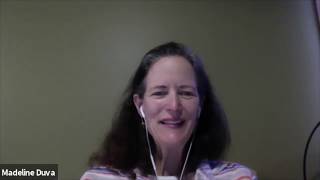
Jonathan Grecian and Madeline Duvva explain how to find, hire, and work with startup advisors and board members during crisis. Use the FAST template for equity compensation, avoid vague requests, and build your network before you need it. Fire advisors who don't fit without burning bridges.
Chapters
All right, welcome everybody to this webinar. I see some people joining in right now, which is great. My name is Jonathan Grecian. I am a co-founder of the Founder Institute, and we got a great topic today that I know is gonna be very relevant to a lot of the people in our audience, and it's about not only how to find, engage, and sort of close advisors and board members, but also how to lean on them. In times of, uh, in times of change, in times of struggle, or even in times of growth. And I think we can all agree that right now is definitely a time of change, no matter what type of business that you're in. So really quick, the Founder Institute is the world's largest pre-seed startup accelerator. We're currently enrolling in over 70 cities around the world. Literally right now we're enrolling in more cities than we ever have been in our history, uh, because even though, uh, the economy may not be doing so hot, uh, times of change are great times for entrepreneurs. So if you want to learn more about FI, go to fiinstitute.com. Fi.co, and you can also see all of the programs that are enrolling at fi.co/enrolling. Okay, so today here we have one of, probably one of the most active Founder Institute mentors I think that we have ever since day one, ever since we started doing this back in 2009, Madeline Duvva. Madeline, it's great to, great to see you. And usually when when we were not in a, in sort of this quarantine reality that we live in now. I used to see you a lot more often at the various founder institute events. But, um, uh, Badalyn, do you want to, do you want to introduce yourself and kind of give a quickie on your background?
Sure. Hey everybody, really glad to be here. Super fun. Thanks for inviting me, Jonathan. And, um, uh, so my background, I've been in the valley longer than I care to admit. And came out of, you know, after grad school, I was at Fidelity Investments and built a customer service system there. And before there was The Lean Startup, I was kind of going out and actually talking to the users of the system because we were building that internal customer service system. And I was like, the thing we were implementing was going to pull down the company, and I went bananas. And so I was like, no, we've got to talk to the people who are going to use it or they're not going to use it. Just flew out to the, you know, phone sites and talked to everybody, and we built it from that perspective. So really come from a product lens and a product management lens. Moved out to the Valley and started a little spin-out out of SRI, and we built handwriting recognition. We were at the beginning of pen computing, so that gives you a little bit of my age there. And so, you know, that was a company that was around for a long time. I was there for a very long time, raised a bunch of money for them. We did a Chapter 11. We came came back, we had a billion-dollar market cap. It was a wild ride. And then from there, I went to a little company that got bought by that company. So, but I got out again. And then just mostly had done startups. And the last time I was a CEO, it was, I did a company, it was called China MobileSoft. We built a complete Linux platform for mobile phones before Android and sold it to PalmSource. And then was advising companies for many, many years and swore I'd never do it again, never be a CEO again. And one of the many companies I was advising is a company called Fluxx, F-L-U-X-X dot I-O. We service the nonprofit sector, so foundations and nonprofits, and it's a grants management system. And so I'd been advising them since 2011, and in 2017, The board asked me to step in. I said no. The founders then asked me to step in and I said yes, and I'm still there today.
So, and that's, that's an interesting segue too, because, you know, we, we brought Madeline on the seminar because she, she's an advisor to a lot of companies, right? And that's super interesting. I didn't know that, that you were an advisor to Flux before you came, before you became the CEO and all that. So that, that's super interesting dynamic. In that. And yeah, some of the other companies that Madeline's been an advisor to: Drop, SlashTop, Tracker, iFi, and just a ton of other companies throughout. It's mostly Silicon Valley, right? Or are there— are you advising companies in other countries?
I've done other, you know, Drop is in Ireland, so I've done definitely some in other, you know, I was working with Fatigue Science for a while up in Canada, and then another company that over in Europe that does plastic, you know, kind of really trying to look at how do you minimize that usage with a really interesting way of infusing it to get these nanostructures in there so you're using less of the plastic. So a lot of different companies. Then I've been over to, you know, with FI to Moldova and Kazakhstan. So super fun.
Cool. All right. Well, I'm seeing a lot of people in the chat here. Well, it's about to say it's international and now there's languages in here that I don't understand. So there you go. That's a pretty good indication. We have an international audience, but thanks everyone for joining. And as I was mentioning before, you know, the topic here that we have today is how to find and also how to lean on your board members and advisor to build out your company, and especially in times like these, which can be classified as interesting times. And we're basically gonna break this down into two topics today, okay? And the first topic is gonna be kind of the basics of advisors and board members, how you might find them, what the benefits are, how you wanna communicate with them, those types of things. But then I really want the meat of this to be really about how, as an entrepreneur and as the founder of a company, that you can lean on these board members and advisors to really help you get through these tough times and to just help you get to where you wanna go, to help you build an awesome company. So for everybody that's in the chat, kind of the best thing about a webinar is our interaction with you. In the chat. There's tons of videos on YouTube you can go watch and all that kind of stuff. We're here because we want to answer your questions. So please, at any time, throw your questions into the chat. We have a member of the Founder Institute team that's in there right now. She's probably talking to you at the moment. And she's going to be serving up and queuing up all the questions for me that I can ask Madeline, and we'll weave them into the conversation. But please, at any time, throw your questions in there. We're going to get to as many as possible. And really, the whole point here is that we want to help you with your specific questions. Please don't be shy. Get your questions into the chat. Okay. So the first topic that we have here is sort of the, the basics of advisors and board members. All right. So as I said, Madeleine does this with a lot of companies. She's been doing it for a long time, and obviously she believes in the process because she's now the CEO of a company that she just first started off as an advisor to. Like, what would you, Madeleine, advise companies you know, what are the biggest benefits? Why should they be seeking out these types of relationships, especially in the earliest stages?
Yeah, I mean, I think on the board side, you know, one of the things you gotta be careful about is you can, you know, you can easily get a new VP of engineering or another, you know, swap roles out. You can swap your advisors out, but board members are hard to get rid of, right? So when you get a board member, you wanna make sure it's a good fit for you. —so that's a very different relationship because you essentially report into the board. Typically, board members come on, you know, you want an outside board member, but typically they're your investors. And so when the investors, you know, you want to make sure that's a good fit for you. And that's super important because you can't—they're not easily removed. And so that relationship, don't just tell investors or tell people what they want to hear. You need to tell people what is really going on. Otherwise, you're going to end up saying, oh, this is what they wanna hear, this is how I'm gonna get their money, and you're gonna have divergent goals, and that's gonna be very problematic for you as you go forward. Advisors are a little bit different. I've been a board member, I've been an advisor, both, and sometimes I don't want to be on the board because it's a more— there's a fiduciary responsibility as well, and people need to understand that. But as an advisor, you know, it's really about, you know, when you're looking at them, Are they— do they know something in your wheelhouse? What do you need? If you're the idea person but you're not a coder, you know, maybe you want someone with some technical skills. Maybe you're a coder and you've got some really great ideas, but you need somebody to help you on the marketing side. So you need to figure out where are your strengths and be really honest about that, what your strengths and weaknesses are, where are your holes and gaps, and look for people to help fill and, you know, fill that gap and fill that hole.
Right, so basically rounding out your team, especially as an early-stage entrepreneur where you're probably not gonna have a ton of money to start just hiring the best of the best people, right? So having advisors on your team is a way where you can still access some of that value without having to pay like amazing people like a crazy amount of money, right? You know, as far as, you know, what about like sort of the opening the doors and the strategic relationships, right? Because a lot of the companies that we talk to when they're, you know, definitely filling in, you know, skills gaps, right? But let's say you're building a type of company where you need specific access to different markets, whether it's for sales or BD or something like that, right? You're probably going to want to be trying to identify some people that that can open some of those doors as well, right?
Yeah, absolutely. So I mean, I had a fair amount of experience in kind of channel and, you know, kind of retail and those kind of things as well. And so when, you know, with Drop and kind of looking at how do you find the people, what do you need to do, right? Are you a consumer product? Are you going to be in the channel? You know, are you a mobile product? Do you need someone with mobile expertise? Where, you know, if you're are you selling to the enterprises, it's really about the connections and the network that they have. And that's part of what, as an entrepreneur, you need to be doing is building your network. And it's super important because it's those connections and it's also two-sided. You wanna be super helpful because there are people that I helped 15, 20 years ago. And, you know, with Drop, there was an issue. We had an issue with a chipset. And a person that I, who used to live, in France that I had worked with. I'd helped him get a job in the US, and now he was working at Qualcomm, and that was the chipset we were using. So I was able to pick up the phone and call and said, I need some help on this, here's my problem. And I got directly to where we needed to go. Those kind of things are, you know, they seem small, and it's some, you know, somebody can do something in half an hour that would take you months to do because they have those connections. So that's really what you want to look for. Is building that network yourself, but also, you know, making sure the people that you are looking to help you have the connections into the places where you need to go, depending upon your, you know, skill set and depending upon what markets you're going after.
Right. And I'm gonna— we're getting a lot of great questions, so this is great. Everybody, please, uh, keep, keep those questions coming. We're lining them up here and we're going to get to them, start getting to them in just a moment. But, you know, As far as looking at the benefits, let's flip to the other side, right? So you're an advisor to a lot of companies, and clearly you just shared with us that the benefit was not so that you could become the CEO of a company, because that was something that was not in the initial game plan. So what is, you know, what's the benefit for you on the other side? Because that'll obviously be a super relevant, you know, viewpoint for the entrepreneurs to see.
Yeah, and I think that's important because a lot of times advisors are looking for their next jump, and I was not. Like, I had been a CEO, I had a good exit. I was like, I'm done, I just want to help other people. I was super lucky, um, and I wanted to pay back. And, um, it was not something I was looking to do. And, uh, but I, you know, it was a— again, the board came, and then the, the investors— not the investors, but the actual two of the founders were like, would you step in? Would you consider stepping in? And I was gonna do it for a short period of time, 3 to 6 months. It's now 2 and a half years later. So be careful. So, you know, I mean, and I love what I do and I love my clients and my team is amazing and all of those things. So that's wonderful. But, you know, as a mentor, it's, I learn as much from the entrepreneurs than they're gonna learn from me. And what I always tell people is, you know, it's your network as well of the entrepreneurs that you work with. And that's why something like FI is so important because you get to know your cohort, you know, and you can be sitting there going, okay, I'm working on this. What are you using to, you know, how are you checking in on your employees? How are you, what HR products are you using? What, you know, are you using Trello? How are you using Slack? What are the best, you know, best of breed in X, Y, and Z? So that, you're going to learn more from that cohort, I think, than you're going to learn from mentors, but mentors can help point in different directions. So I learn a ton from the people that I interact with, and it's just super fun to impact a business. We know when you— when years later someone will be like, like Ziv at iFi was like, do you remember that conversation? We were sitting in that restaurant and it was raining, it was, you know, it was leaking in there, and you told us this. And I was talking to them about founder equity and how do you do it and what do you have to think about and what is your strategic direction. And it's like, he goes, I always pay that forward. And so, you know, and then that makes you feel good. Like I positively impacted the way he looked at his business and then the way he's gone on in his career. And I think that to me is like super rewarding.
Yeah, no, I hear you with that too. Like I think it's also maybe at least for me as an advisor and as a mentor, it's a lot of, sometimes it's the challenge. A little bit, right? I guess there's always that saying that, you know, the best way to really internalize something is to teach it. Right. You know what I mean? And there's a lot of times when in my head I'm like, yeah, this is clearly the right way to do things, but then when I start advising other entrepreneurs to do it, I'm like, oh crap, I'm not doing this myself, right? So I think there's a lot of value there and definitely that sort of getting that intel from the front lines, so to speak, on how things are going is super valuable as an advisor.
As well, right? Yeah, I think sometimes it's hard to remember to, to, you know, take your own advice, right? Yeah. And I think the other thing is, you know, when you're working with an advisor, you know, don't ask them to solve the problem for you, right? Like I always tell people, I don't have any of the answers, quite frankly. I just have a lot of questions. And questions are much more important because they'll help you get to the right answer. Because everybody's coming at it from a perspective. And, you know, I have my perspective. Somebody, you know, Adeo has his perspective. John has his perspective. And we may tell you different things because we're looking at it from our lens. And so you have to be able to take that information, sift it, and figure out what lands for you. Don't ask anybody else to solve the problem for you. But just, you know, really kind of concretize those things. And also don't ask them to boil the ocean. People will, like, What's the best, you know, pricing strategy? And I'm like, well, what kind of market are you? I mean, there's so many questions that go around that. So that's not really a good question. To really hone those questions down and really understand what are you trying to, what are you trying to learn? And what do you, you know, there are no shortcuts, right? And so what are you trying to glean? And what are the pieces that are important to you? And narrow that down and focus on that instead of these very general uber questions that really aren't gonna get you anywhere.
Yeah, I'm gonna take a little bit of a tangent here, then we'll start to get into how to find and engage the advisors. But yeah, it's a super interesting point because I see this a lot too. There really aren't, there's no like startup experts, okay? The best we can do is pattern match. So you're probably gonna get, like if you go to an advisor and you're just like, hey, just, tell me what to do and I'll do it tomorrow, right? Like, that's not going to be an advisor relationship that's going to last very long, right? Like, they're going to want to understand, hey, here's the problem that I'm having. Here's like what some people have told me to do. Here's what the research I've done online seems to point to. Like, what do you think, right? Because again, like, as you said, like, there's no shortcuts, right? There's never going to be one way to do it. And the ways to do it are going to change, especially in times like now, on almost a weekly, monthly basis. So it's It's just, it's about, you know, it's gathering information and, you know, really trying to engage your advisors in a discussion, a strategic discussion that's interesting, right, versus being like, I don't know what to do, tell me what to do.
Right? Yeah, and I think it's also sometimes just getting, like, people would ask me, you know, when I was working with a lot of CEOs, like, what do you do? And I'm like, well, a lot of times I'm just getting the hamster out of their head. Right? Because you start to spin on something and you're freaking out about this or, you know, oh my God, I can't pay anybody or what do I do about this? And you just, you perseverate on things. And so I would try and kind of really like look at that hamster and try and get them to understand what they're really, what is the problem you're really trying to solve and then trying to help them walk through it. Not with the answer, but again, asking a lot of questions. Nobody has the, you know, there is no one right answer. And that's what you gotta be careful of. And that's, it happens a lot, you know, and you can see it. You know, someone will talk to one investor and they say one thing. And so then you jag down that path and then somebody else says, well, you should do this and you jag down the other path. But I mean, I've had cases where one of the companies I was advising, you know, we were building kind of a, YouTube Metacafe type of thing, but these guys weren't consumer people, right? So I was kind of always talking my head, super smart, I'd worked with them before, really liked them. But then what happened is, you know, we were going and talking to people and everybody kept coming back to, wow, what I really love about this, we were able to do interstitial ads. And this was before interstitials were, you know, the thing. Right? And so every— and so I was like, you guys, nobody gives a shit about all this stuff you're doing. They care about this. This is what you should think about focusing on, because if not, you need to go get a different team because you don't have the consumer experience to build that. So think about it. And we ended up actually focusing on that piece, and they ended up selling, you know, to, uh, to Millennial Media. So, you know, again, really thinking about what are you doing and what are you doing well. And sometimes, you know, you— you're going in, and that's the thing I always say is you got to focus on the problem. Don't focus on your, your solution because either that or you're going to keep trying to jam it into some little hole and it's not going to work. But if you really understand the problem or the challenge that your clients are facing, then you can kind of go in and go, okay, and then they're going to teach you what, what it really needs to shift into. And then you're— that's when you're going to end up with product-market fit. Versus saying, I built this thing and they're gonna love it, right? Because it's incredible because I built it. And it just doesn't work that way. And when you let your product out in the wild, they do stuff you never would think they're gonna do with it, and you're gonna learn so much more about it. That's why you got to get the hell out of the building and talk to your clients, talk to the people you're trying to target.
I couldn't agree more. It is my go-to too as an advisor, but I'm always like, they'll start talking about all this stuff and I'm like, okay, let's bring it back to the basics. Basics, like the problem you solve for the customers. What, right? Um, okay, uh, the ways that you're trying to market to them are X, Y, and Z. There's some kind of disconnect, right? All that kind of stuff. Um, but okay, we have so many questions here, and I'm sure that there's a lot of people that are, are being very patient. So let's start getting to some of these questions. So Tim was asking, and this is sort of segue went to segmenting also, and like how you start to find the advisors and engage them is— so Tim's asking, how do you organize advisors, how do you find advisors when it's just you and all you have are some ideas?
Well, I think part of it is, you know, following the right people, who's interesting, who's writing interesting stuff, try and engage people. You got to go to networking events, a little harder in the age of COVID but try and get involved, you know, whether it's a webinar where they're having offshoots of that, you know, that's why something like Founder Institute is very helpful because there are mentors built into that. And then you're gonna hear from folks to get feedback. But it's about building your network. It starts small. I mean, you know, I've got over 8,000 people in my address book. And I cull that thing. But I've, ever since I was younger, like I would write it down and people would be like, how do you know that you met me? And you know, 19-whatever and, you know, 19, 20, and because I write it down. Like, when did I meet that person? Did they make an impression of me? Right? And that kind of stuff is important, just, you know, and then you connect with them. And don't just like blindly connect with people on LinkedIn. Have a reason and ask them like, hey, John, I read this article. It was really interesting. I'd love to follow you. I'd love to be, you know, in your network. Somebody is more likely going to respond to that than if you just hit up, oh, I listened to their thing, boop, and a lot of people connect. I don't, because if I don't know the person, then somebody asks me, who's this person? And I'm like, I have no idea. So I can't make a recommendation or connect people because I have no, you know, basis on which to do that. Right. So it takes work. Building your network takes time and it takes effort, and you just got to put it in. It's not A simple thing.
Yeah. And now too, as well, without physical events. I mean, this is what we tell a lot of our companies to do is even on Hootsuite, right? It's free product. You can set up filters. So whatever industry you're in, you can just set up filters and then start to see like search terms. Okay. Are you working in SaaS for hospitals or something? Right? Like you can obviously come up with some search terms. You could start to see the different people that are talking about it, start to follow them, start to engage with them. Will be a much, much cleaner LinkedIn request or cold email if you're already engaging with them on some other platforms or something.
Yeah, and also, like, you know, try and be helpful to other people. You know, there are two types of people in the world. There are givers and there are takers. And if you're just going to be a taker, people aren't going to want to work with you. Like, all you're doing is like, you know, when people send me a note, hey, I'd love to pick your brain, I'm like, oh, one, I hate that term. And secondly, what do you mean you want to pick my brain? Like, do you have anything to offer me? You've never even met me and you're like, hey, I'd love to pick your brain on this.
Pick your brain and get a cup of coffee. Two things.
I don't have time to get a cup of coffee. I have barely time to breathe, right? I do this because I've been doing it forever and I love the Founder Institute. And it's, you know, I've done stuff in other countries, but a lot of it right now I just can't do because I've got a full-time job. I loved it before because I had so much more time to spend with people in the class. I just don't have it. So be relevant to people. I mean, you know, before there was all the, you know, like we have so, you have so much more at your disposal now. But I used to be reading magazines, I'd read an article and then I'd send somebody a note and say like, I read this article, it was super interesting, you know, blah, blah, blah. Like be useful, be an asset to somebody, and then you will build that reputation. But if you're always taking, it's really difficult. Yeah, for sure.
And I'm seeing a couple of questions in here too, and we're going to get onto sort of the relationship between advisors and entrepreneurs in a second. But a couple of people have been asking like, and I know this probably varies, right? But is there a magic number is what Jen's asking of advisors? You know, Uday's asking like how many are too many?
You know, it depends. You know, I mean, a lot of people, you'll sometimes you'll go to a website and there's like 'Seriously, people?' Or, you know, I mean, a friend of mine, there was one time he had a— it was kind of a consumer product, he had an advisor on it, and I went in on the platform and the person, one of the advisors, wasn't even on the platform, right? Like, because you could follow people, and I'm like, 'Seriously?' Like, you got to get these people engaged. So, you know, don't— and the other thing is, I mean, I was at a show one time and I was walking around I forget where I was. I was talking to this company. It was a consumer. I've done a lot in, you know, physical products like connected devices. People call them IoT. I hate that term, but, you know, connected devices. And I was looking at this product and I gave them, you know, a bunch of feedback. And they were like, will you be our advisor? And I'm like, I just looked at them. I'm like, you don't even know. Don't fall in love that quickly. You don't know me at all. And you're asking me to do something. You're asking a commitment from me and you're going to commit to me. And that just makes no sense. Get to know people, understand if that makes sense for you and if that connection makes sense. So it's— I just think there's, you know, it's relationship building. And again, people feel like you don't have time, but if you don't have time to do that, you're never going to build your business because it's all based on those connections that you will, you know, that you're going to— that you're going to make and then use over and over again that, you know, 10 years down the road, I have people helping me on something that I helped them years ago. You do it because you want to be helpful. And some days it comes back to you. Sometimes it doesn't, but sometimes it comes around 5, 10 years later.
Right. So that was a red flag. And Tim had questions here. Any red flags to consider if you're— if somebody is asking you to be an advisor? So if it's somebody you just met at an event and they're immediately offering you equity, that's probably a red flag. What about, you know, other things like if they're not open to feedback or something like that that you think would be red flags?
Yeah, I mean, I think one of the things that's super important is that people be coachable, you know. I mean, there are a lot of very bright people out there with a lot of really good ideas, but good ideas will only get you so far. It's about execution, and everybody needs help. And I mean, I need help. Like, you know, and I've been doing this a long time. And— I need help too. If you don't realize that, then therein lies the problem because then mentors cannot help you, right? You know, and you also have to be able to be vulnerable with your mentor. Like, I'm struggling with this, or I'm, you know, I'm depressed about this, or this is really challenging. What do I do about that? And it might be, you know, I mean, I sometimes have been asked by VCs to come in and counsel a CEO out of a job. Right? 'Cause he's not the right person to do it. You know? And, you know, I'll go in there and just ask a series of questions about what they like to do, what do they want to focus on? Because as a CEO, especially as the company gets larger and you have investors, you know, like, I mean, even at Flux, you know, the founder, there are 4 founders and, you know, the CEO, great, incredible product guy, but I was like, You know, you gotta manage your board, you gotta always be networking, you gotta manage people, and you gotta manage a budget. And some CEOs wanna learn how to do that, you know, that come from product or whatever, some don't. And if you don't, then get a COO or get a CEO and be the product person or be something else in the company, right? You know, at Drop, Ben really wanted to learn all that stuff. And he's done a really good job and has scaled up at it. But those are not simple things to do, and it takes you away from— if you really want to code, be honest with yourself about what you're good at, what you want to learn, what you don't want to learn, and what you're not interested in. Because, you know, being a CEO, it's a great title, but it's a shitty job.
I don't want to be CEO of FedEx too. I'll just throw that out there.
I swore I'd never do it again. Here I am.
So a couple questions first about— so there's been a lot of questions about like equity splits and things like that and the real mechanics. So let me, um, let me, uh, forward people to a resource that we have. Okay, fi.co/fast. F-A-S-T. It stands for Founder Advisor Standard Agreement or Standard Template. Sorry, that was the, uh, the acronym. fi.co/fast. And actually, we, we've released, uh, We released this many years ago. Basically, it's a free document that we created with some lawyers in Silicon Valley where people can basically check, okay, this is how much work we're doing, this is how much equity that you'll get, and make things very simple for advisors and entrepreneurs to engage. And because obviously the legal part can be pretty intimidating, I know. And Madeline, you mentioned you've actually used that agreement yourself too, right?
Yeah, absolutely. It's easy. You know, it just makes it— somebody doesn't have one, it's like they have one, great. If not, That's just an easy— and it also gives you kind of criteria of why you would give someone more. And that's super helpful because some people will be like, hey, I want 5% of your company. It's like, seriously? Like, what are you going to do for me? You know, there are cases where, you know, there are cases where I've been in an office a day a week for companies as an advisor. There are cases where it's a cup of coffee once in a while, right? And, you know, it really depends on what people need, what people are looking for, and, you know, kind of the level level of effort and also the level of interest on my side, right?
Yep, for sure. So for, yeah, for anybody, for anybody in the chat that's interested in really kind of the mechanics of it on the legal side, which, you know, is less interesting, and so we're not going to talk about that here, but go to fi.co/fast to get into some of that stuff. So, um, but, uh, into here, you know, you, you started to get into a little bit of, you know, that you want some of the entrepreneurs that you work with to be vulnerable and you want them to be sharing with you, uh, some of the challenges that they have or, or whatever. Stephen asked, you know, I think I may be bugging my advisors too much. How can I gauge that? And maybe also just to kind of piggyback off Stephen's question, like, yeah, I mean, what is the right amount of communication and what are the types of things that you want to be hearing from your entrepreneurs that you're advising?
Yeah, I mean, I guess, you know, again, FAST can help you kind of with the amount of Yeah, you know, the level and amount of time. You know, one, you should always think about writing kind of a letter to your advisors or friends or interested parties in the company. You know, even if you meet somebody and you like them, you're like, hey, you know, John, I know you don't want to step on as advisor, but I, you know, I'd love to just keep you, you know, posted on what my, you know, progress is. And most people are gonna go, sure, right? It's not that hard. For me to say, yes, you can have that. Then, you know, as I look at it, it's like, oh, hey, so-and-so should talk to so-and-so. So you get top of mind from people. So it depends on how, at what pace you're working, but monthly is not a bad idea, at least quarterly to kind of, you know, like I do a quarterly talk to our clients, you know, the state of flux. And we talk about what's going on at the company and kind of keep them updated. So, you know, it really depends on the cadence. It depends on the relationship you have with them. And then be prescriptive. Like, what are you trying to get from them? Don't waste their time. Hey, I just want to pick your brain. Like, no. What do you— why do you want to take that person's time? And then take that time. Like, hey, John, I need 15 minutes of your time because I'm struggling with this. You know, can you help me with this?
That's an easy thing to say yes to, right?
Yeah. Right? Like, not a hard thing to do. But, you know, you gotta also— it is important to be vulnerable because if you are struggling, being a founder is very tough. You know, it's a very difficult thing. It's super lonely as a CEO. It can be very depressing. You know, some days you're gonna feel like a million bucks, and the next day you're gonna feel like, I'm gonna kill myself or kill somebody else. Neither of which is a good option. So, you know, you, you know, that kind of labileness that you have as an entrepreneur can be very, very tough. And so it's important to take care of yourself. And mental health is not something that people talk about a lot, but it's very important to kind of have routines. You know, I get up every morning and I work out, right? So at least I've accomplished one thing in the day. If the whole thing goes to hell, at least I worked out. So, if you have these little things that you can do to accomplish, because you're going to have good days and bad days, and, you know, I think people will take time to do it, and it's not a hard thing to ask, but you do have to be— don't, again, don't ask them to boil the ocean for you. Don't ask them to solve problems, but it's like, okay, you know, you have a CTO and maybe he's not doing what he needs to do. How do you fix that? Your VP of sales is not hitting their numbers. What do I need to do? How do I find a replacement? Really kind of what are those, what are those blocking and tackling things you need to solve and how are you going to solve them? And then ask people, you know, or I'm, I want to go into retail and how am I going to go about that? Right. And I could say, hey, you know, you should talk to these people up in blah, blah, blah that know Amazon really well and what have you. And I mean, I have a company I work with forever, SlashTop. And, you know, at the very beginning, I was their mobile advisor, right? But it was like 2005, 2004, it was still a little bit before kind of the iPhone and whatever. And he's like, when? And I'm like, no, don't do it. You know, we were just starting with iPhone and I was like, don't do it. You're not ready. He's like, you're my mobile advisor. I'm like, I'm giving you good advice. Because you're gonna spend, you know, especially early days of Android, you know, you were building so many iterations of it. It was super expensive. Android people weren't spending money on stuff. It was like build for iPhone only, but you're not even ready to build for iPhone because your customers aren't gonna know, you know, it's not gonna make sense. And then, well, ways later I called and said, now's your time. This is now, you gotta start to focus on mobile. But it's really about, don't just jump on the trend that you see coming. You gotta really think about, where is the bang for the buck for your client? You know, mobile now is everything, so that's a different story. But when it was coming on, it's the same thing with AI or these, you know, people have these buzzwords or blockchain and, you know, Bitcoin and how am I going to do? And it's like, wait a minute, does that really have relevance for your business today?
Right, for sure. And I'm seeing here too, Jen Wong was saying, no brain picking. That's going to be my Post-it note. I'd throw no coffee into that too. But I think to sort of sum it up, it's, you know, everybody's busy, right? And advisors are going to be busy just like investors are going to be busy and journalists are going to be busy. And, you know, I come from a marketing side, right? So it's like, what's your call to action, right? Like, what's your ask? Like, and yeah, the more specific you can be on that, then the better off you're you're going to be, and even the better response rates and the more helpful it's going to be for your business, right? So getting through some of the other questions here, Thomas had an interesting question, like, how do you fire an advisor without burning bridges? You know, to be honest, I haven't seen too much of that myself, but I don't know, maybe, maybe you have a different take on it, Madeline.
Yeah, I mean, I think, you know, again, you gotta enter a relationship with caution. You know, I mean, I've had so often where people, like, I've worked with people for a while and they're like, wait a minute, but you've been, you know, there's one of the, my COO actually, her husband has a startup and I was working with him, you know, he was in one of my classes at Highway One. And it was really funny 'cause I had no idea that they were married because I knew her in her maiden name and then, you know, one day he was home and saying, you know, Madeline this, Madeline that, and she's like, who? And then we realized that we were all connected. But he wanted me to be an advisor and I kept saying no. I'm like, no, I'm already helping you. Why do you want to give me shares? It's like, I don't want the commitment on my side. So be careful when people are like, you talk to them and they're like, sure, I'll sign up as an advisor. When they're too, you know, it goes both ways. When somebody wants, me to be an advisor and they don't even know me, you know, you've met me for 5 minutes and you're like, will you be my advisor? It's like, wait a minute, you don't know anything yet. Just slow the hell down. And vice versa, if someone's like, I wanna be advisor, I can help you, you know, give me 2% of your company and blah, blah, blah. Hold on a minute, like, show me the money, like, show me the value. I always like to, I mean, I worked with iFi for a long time before, I stepped in as an advisor. And they were like, come on. And I was like, you know, and I love those guys and I'm still friends with all of them today, right? And they're different companies now. But, you know, again, it's about building that relationship, right? It's not just networking, it's building that relationship. So don't be too quick on either end. And then you're not going to get in a position where you want to fire them. But when you have an advisor, you have shares and they vest on a monthly basis, right? So you can kind of say, hey, you know what, this isn't working out. And be honest and straightforward with people. Like, you know, I don't feel like you're interested and I feel like we're not getting a lot of it. I think it's probably time for, you know, time for us to part ways. You know, I want to remain friends, you know, I'm happy to help you anytime, blah, blah, blah.
But Yeah, I agree. A lot of times it's pretty natural, right? Yeah. You know, if you go into the— if you go into doing— building some of these relationships not with the expectation of like, oh, I need you to prove to me that you're a valuable advisor, like, no, it's just like you're getting some advice, right? You're probably providing some value as well, whether you know it or not. Maybe it's just the perspective that you have or the interesting idea that you're pursuing, which may be something interesting to this person hasn't seen before in the industry, right? If you're, if you're just approaching in the beginning as advice discussions, business discussions, just like interesting conversations, right? Over time, I think the advisor thing sort of starts to surface itself fairly naturally. You know what I mean? Like, a lot of times it'll just be like, so maybe we should like formalize this. Yeah, you know what I mean? It's not like, hey, want to be my advisor? Here are the terms. You know, it's, it's, it's, uh, like you said, it's a lot about the relationship building. Um, so Govinda asked the question here, is there a platform where we can look for industry experts to find advisors in a specific industry? And I'll, I'll take this one, Madeline. There is, and it's called Google. Okay. Um, google.com. Um, and to a lesser extent, Twitter, LinkedIn, anywhere else, right? Like there are experts in your industry. There are people that are thought leaders, there are people that are badass salespeople, badass tech people, badass policy people, whatever, right? Google, honestly, especially as like a first-time entrepreneur, I've always told people it's your best friend. Like, if you know how to Google well and find information, you're gonna get a leg up and have the patience to go through Google to find information, 'cause it's pretty much all there. But after that, you know, the finding them is not the hard part, as we've been trying to say, like it's, it's the building of those relationships, right? So we're gonna segue now into how to lean on advisors and board members during hectic times, which now could definitely be classified as that. So, you know, what are some of the ways that you're working with some of your companies now? Are there like common things that they're coming to you with, or, you know, just right now we're going through a massive upheaval of of everything. What, what role do you think advisors and, you know, can play, especially right now, you know, depending on the types of businesses? Yeah, I mean, it really varies.
I mean, I'm on a CEO Slack thing with a bunch of CEOs that, you know, from Canvas, which is one of our investors, that VC, and also with Felicis. And, you know, so they've had these kind of talks where everybody's on there and just kind of riffing about, you know, what their challenges are. You know, it's like a safe space to talk about what you're freaking out about and what you're not freaking out about. So, and it's funny, I've had a lot of texts from people going, can I talk to you about X, Y, and Z? So, you know, people will call me about, you know, somebody texted me the other day, can I talk to you about leasing, you know, the lease, right? Because we also lease our building. What are you doing? How are you doing it? I'm like, here's a really good, you know, he had just signed a 5-year lease at $74,000 a month. And I'm just like, I'm like, okay, holy shit, let me give you the name of somebody. That's a lot. He focuses on tenant rights and he works with tenants and only, you know, he's a broker, but he works with tenants and he can help you. So again, you know, I have no knowledge about that, but— Right.
You're not a self-proclaimed lease expert, but it's just—
No, but somebody reached out to me, but I'm like, I know somebody who knows about that, right? Because you build those networks and that's part of it. You know, people are like, oh, brokers, they don't mean anything. Brokers are super important when you're looking for space, right? You know, and I've used them in different areas, and you— and then if you need help, you reach out to, you know, one of my DCs in my building. So I was like, hey, you know, what are you guys doing about this? Do you have any ideas on this? So, you know, again, it's really about that network and finding people with that network, right? And so, you know, a lot of things that I've been helping people with, and a lot of people are stressed out because they're having to let people go. Or they're reducing salaries, or— and that's really stressful. You know, a friend of mine had to let go of some really talented people, and that's a huge bummer. It's a disappointment. You know, you care deeply about your team, and you don't want to have to do that. You know, knock wood, I'm not in that position. But, you know, it's— that's a very important thing to kind of— how do you do it humanely? How do you do it well? How do you do it with respect? You know, how do you help people keep intact? Because when you lose your job, that's a terrible thing. Even if it's in a pandemic, you're still going to feel like shit. And you don't want to do that to one of your teammates. So helping them through that. You know, some of the business stuff, people are just, you know, some of my folks are, you know, they need help reaching particular people. So again, they're— it's about, again, connection. It's about connections. But a lot of it has been just kind of, you know, leaning on the shoulder and, you know, both of us kind of going, ah, you know, it's— this isn't super fun, right?
And so it seems like it's a little bit like anything and everything you can help with, um, if they're able to reach out to you and sort of be vulnerable about it and just be honest, right?
Yeah. And I think that's super help, you know, But if you're honest with people and you do show that vulnerability, people are going to, you know, most people are going to try and help you. Like with my board members, I'm very specific, right? Like there are certain ones that I go to, like Michelle, I go to when I need stuff on sales and, you know, revenue and those kind of like, how am I going to approach this? What should I be budgeting against? You know, she can be brutal, but she's incredible. Right. For Paul I go for, you know, specific things, and for Sandeep I go for others. And then sometimes I need all of their collective thing because it's a, it's a board issue and it needs to be voted on by the board. But sometimes, you know, some people, you know, one's more of a product person, one, you know, again, one's more on the finance side. So really kind of figuring out who's gonna be your best person to go to. And sometimes you go to both, right, because you get a different perspective because you're really struggling with something. And How am I going to solve this problem? But likewise, just, you know, as an advisor, you know, one, you just want to be, be there for people because especially in a time like this, it's super tough. You know, it's just everybody's got home challenges. You know, just even looking at my team, you know, most of my team is doing great being remote, but people have really small children. Now they're a parent. You know, you're a mother or a father, you know, you've got a full-time job. Now you are a daycare person and you are a schoolteacher. I mean, it's a bit of a nightmare. And so I'm really trying to pay attention to those people. And if you have a team, you know, talk to those teammates about it. Check in how people, you know, be human, right? Ask, I'm talking to every single person in our company and saying, hey, how are you doing? No, seriously, like, how are you doing? Do you have what you need? Are you feeling supported by your manager? Do you feel like coworkers are there for you? Like really trying to make sure these people are okay because these are the team that, you know, you're shoulder to shoulder with and you got to get through this mess with. So, you know, don't forget to be human.
And we were just discussing a related topic to leading just in the couple minutes before we went live here where, yeah, I think, I think there's, and I think this is inherent with most entrepreneurs, right? Like you, you you always want to project a level of positivity and confidence, right? But I also think it's super important to be able to be honest with people. And what I was telling Madeline before was that, you know, we've had some companies, some Founder Institute alumni that we thought were doing fine and we had checked in with them and then all of a sudden we get an email saying that they're dissolving the company and we're like, whoa, like what happened? Why didn't you reach out to us? Maybe there was something that we could have done to help, you know? A lot of times, it's sort of this entrepreneur's plight where you always have to be "killing it." And it is important to— if you don't have relationships that you've built where you're comfortable sharing those types of vulnerabilities and problems, then you probably haven't built the right types of relationships. Right? Especially, and I think advisors specifically fill a role there that probably something that you can't tell even some of your employees, that you can't tell your board members, that you can't tell your investors, right? The advisors kind of fill this gap where they're sort of, they're in this sort of safe space, right?
Yeah, and hopefully you can do that with your board too. I mean, I'm so fortunate to have the board of members that I do. Like, it's, I've been on boards where people have screamed at people, like, I'm telling you, be careful. I saw at one point a question popped up. It's like, don't board members get voted on every year? No. If you're a public company, yeah, but it's still, you're never gonna be able to remove them. The reality is, you know, these are your investors. When you have a board member from an investor, I can't swap one of them out. I'm just super fortunate that I have great ones. And, you know, I knew one of the, you know, the chairman of the board, I knew, that's why he asked me to step in. Right? So I knew him for a long time ahead of time, and then we brought someone else on the board, and then one of the co-founders is also on the board with me, and she's fantastic. So, you know, I feel very fortunate in that. But it's true, you, you know, you do— as the leader, you need to be positive, but you also need to be realistic and honest and transparent with your team. And you have to be careful about too much transparency, and I'm often guilty of that. Then that can make people unnerved, right? So it's a very fine balance about that, you know, and you do have to be the one because you're the leader, you got to get people to follow you, you've got to show the passion, you've got to show the enthusiasm, all of those things are super important and you can't lose sight of that, but you do have to have somebody that you can go to and go, shit, I'm, you know, I'm failing, like I feel like I'm doing a terrible job and like how do I do this better? Because you can always improve. Yep.
And I think a lot of times too, it's a lot of those interpersonal decisions as well. I think the kinds of things you can't really Google, right? But okay, so last call for questions, everybody. We got a couple more minutes here. Please keep them coming. And I'm gonna, I'm gonna go through a couple quick questions here. So We had a couple of questions. So here was it. Sorry, it was, how do you know if you're getting good advice? Or how do you know— I think actually the question was phrased as, you know, what if you're getting bad advice? And Kaiser asks, how do you know if you're getting bad advice? And is there any— I saw that, it piques my interest because I'm like, huh, you know, do you have any thoughts on it?
I think sometimes, again, remember everybody's got a perspective. Yeah. Everybody's got an agenda and it's not yours. And so you have to remember what lens somebody's coming from, right? So, you know, an investor may want to look at, okay, I want to just get my money out, right? Because it's a pandemic. And so maybe I want to sell the company, but it's too early. Or maybe somebody is saying, you know, so again, listen, and you've got to learn to actively listen to understand what the question is. Repeat that question, really understand, you know, like if you don't understand the question, say, hey, John, what are you really trying to ask me here? You know, help me understand. I'm not really sure I understand that question, and try and keep clarifying it, right? So I think, and then when people are giving you advice, Again, don't grab that advice and run with it. Does it land for you? Have you heard that before? Listen for the patterns. But people miss stuff, even some of the best investors in the world. I mean, Bessemer Venture Partners, I have so much respect for that firm. It's one of my favorite firms. Those people are incredible and they've done really, really well. If you go to their website, it's B as in boy, V as in Victor, p.com. They have the anti-portfolio. And they show you all the things that they totally screwed up on, like not investing in Google. Like he— Dave Cowen was like hiding and trying to get out of, you know, what's her name's house too, because she didn't want to talk to them. Right. So everybody makes mistakes. Every— you know, nobody is perfect. If, if we were perfect, we'd have that crystal ball and could do it, you know, So remember, everybody's got a perspective and everybody's got an agenda. Figure out what people's agenda is first. And, you know, are they trying to run your company? I was never— most people wanted to work with me as an advisor because I'm not interested in running your company. This one, I was kind of pulled into it. And again, happy to be here, but it was not something that I was actively looking to do. In fact, I told Jason to get a CEO or COO and had no intention of it. But really listen to what people are saying and does it land for you? Don't just— because somebody's smart and somebody's been super successful, you know, they could have been— so much of it's luck.
So, you know, and they may not understand your market as well as you do, right?
They probably don't. They probably don't. Yeah, so it's not—
it's— there's never an end-all be-all. And I think that's You know, you want to get as much feedback as possible, right? If somebody's an advisor and you've engaged in a relationship with them, then obviously you value their feedback more than others. But it's still, you know, you want to temper that, right? Yeah. Yeah. Okay, so here's an interesting sort of little bit of a contra— contradiction that's going on here. So I'll say the first part. So Thomas is asking, from my experience, In my experience, it's important to find the right advisor. Finding the wrong one can cause big damage. Beware of any advisors seeking compensation. They always suck. So that's what Thomas is saying. And then on the other side, we have Steve, who is an advisor, who is saying, you know, I'm an advisor. I want to advise and work on projects, but I also don't want to be an unpaid employee. Is it appropriate, expected for an entrepreneur to to expect unpaid labor provided by the advisor, right? So you're sort of looking at it from these two respects. I have my opinion of these two sides, but I don't know, Mano, if you want to tackle that, you know, just—
Yeah, I'd be happy to. I mean, you know, oftentimes I've spent time with people and I don't— because I don't want to commit to you. I'm happy to take a look at something, give somebody some feedback, but don't expect any more with that, right? Like, you know, and I've done that, you know, a lot of times I've worked with people for a long time before I've become an advisor, just because I, I'm very particular about who I want to work with and are they coachable, are they people that I want to work with. Right. Again, you know, stuff goes wrong and you want to be in a boat with people, and this is why, again, board members are super important, like people will take money from anybody and then you end up with these board members that you may not like. You know, it's when the seas get rough and you're in the boat and you don't have a paddle and water's coming on and you all stink, you start to see the metal of the person. You know, when stuff is going well, it covers over many ills. So you want to make sure that you like these people. And so that's why I don't just jump into, you know, working with somebody. You know, I might help somebody just because it's interesting and whatever. But no, you should compensate people. Like, either they get shares in a company, because if they're helping you, that one introduction can change the course of your business. So, you know, just because it takes someone half an hour when they've got 10, 20, 30 years of experience, don't underestimate that. But then again, if people are sitting there going, hey, I want 5% of your— you know, I'm going to introduce you to these people, it's like Well, then you can do it on a, you know, that's a more shystery, right, thing. And so you could say, hey, look, if you deliver that, I can give you this, right? So if you want it to be transactional, but it shouldn't be transactional. It should be something that, hey, I like this person. This person helps me think. And that's part of it is like you are doing a lot. And, you know, you're constantly doing. And if you don't take the time to think, think and what strategy and where's the tip of your arrow and how you're going to get there. And that person can kind of help you go, hey, have you looked around this corner? Have you thought about this? What about that? So advisors that are asking a lot of questions, I would say, are not really good advisors. If they're telling you what to do, they don't know what to— nobody knows what to do, right? I mean, yes, there are certain things like, no, you, you know, you do want to do price testing Right? You don't just want to, you know, you think if it's cheaper, it'll be better. No, there's a, you know, asymptotic, you know, the value curve, right? So if you price it too low, people don't think it's worth anything, right? If you price it higher, you'll actually get more customers. So you're leaving money on the table, but you can do some of those tests, right? So again, I think you do have to value people, and if you don't give somebody any value, like, why should they value you and spend time with you?
Yeah, I agree. And it goes both ways here. And it's, you know, especially if, for example, let's say you wanted to raise funding, okay? Having people, being able to show, hey, these people are my formal advisors in this business, okay? And these are awesome people, right? Like, I'm a company that's gonna be a SaaS company, right? I found this person who was head of sales for a SaaS company that killed it, right? And this person feels that it was enough, it was valuable enough of their time to sign this agreement with me, and I gave them a pithy amount of future value, which is going to be worth nothing for a very long time, if it ever is, right? Like, that is an indicator to investors that you're doing something, that somebody else that knows the space really well feels skills is valuable, right? And again, it's something that can be reevaluated over time as well. So yeah, I do think that I— Thomas feels differently for sure, but I don't think, you know, now if somebody's just coming up to you being like, hey, I'm not going to talk to you unless you give me 2, 3% or whatever, different story. Okay.
You don't talk to that person.
Yeah. But what you should always do and what we've been sort of advocating here is sort of a try before you buy, right? It's like, build a relationship, start working with them, start, you know, speaking with them regularly. And then eventually, it could be like, hey, do you think we should formalize this? Right? Like, that's the approach it should take. Yes, you shouldn't be signing up to somebody who's not going to give you their first piece of advice until you sign away some equity. That's not the way to go.
Yeah, you don't want that person. Yeah. Because if it's all transactional, it's gonna suck. Yeah, and they're probably not a good person.
Mm-hmm. All right, so these were some awesome questions from everybody. Thank you. Just as a final closing note, Madeline, you know, you've obviously— you've been working in not only startups but also large companies, technology companies, and all these types of things for many years now. You know, any closing thoughts for for entrepreneurs in times like this? This is certainly— well, it's the first global pandemic you've seen. Yeah. Certainly not the first, you know, economic downturn that you've seen. You know, any closing thoughts, whether it's related to advisors or not, that you'd like to impart on some of the people online today?
Yeah, I mean, at the end of the day, you guys, you gotta, you know, you're gonna work hard, but you've got to maintain your sanity. And so take care of yourself and maintain your sense of humor because life is short, right? And, you know, literally you could die tomorrow out in a pandemic. And we've— I've had 2 employees, you know, one of our team members and his husband got sick. They're fine. Another one, you know, his wife and his 2 little girls got sick. They're fine. Very scary stuff. And another friend of her mother passed away. So, you know, this is very serious stuff. But at the end of the day, you got to maintain your sense of humor and your sanity. You are not your job. Your company is not you. And remember, you are you. And likely is your company is going to fail. That's the reality. That's part of being a startup. Most of them fail. Failure is a reality. So don't Don't freak out about that. Don't beat yourself up about it. You know, you're going to have to try really, really hard and you're going to have to persevere through a lot of shit. But, you know, don't marry the two because that's when you end up with depression. That's when you end up drinking too much. That's when you end up kind of freaking out. Maintain your sense of humor. Make sure you develop relationships outside of your job and have some fun. And, you know, you only got one life to live. You know, don't kill yourself because of the work you're doing.
Great advice. As an entrepreneur, it's hard advice to follow. Yeah, it is.
I know it well. That's why I say it to myself all the time. Yeah. Every morning, it's RPM. Rise, pee, meditate, and then work out, and then your day is gone. You know, your day starts. If you don't think you have time to meditate, you know, for 10 minutes a day, everybody, then you need to be meditating for an hour a day. So just take that 10 minutes and do a little breathing because you can panic. And don't panic. You know, this too will pass. And if you fail, what's the worst? You're going to learn something. If you don't learn something, then that's the true failure, right? You're going to learn much more through failure than you will through success. I've learned a lot more in my failures. And mind you, I've had plenty of them. Like plenty. So take a deep breath and we'll all get through this together.
Yep, and we'll get through it stronger too, right? That's something where the companies that do survive and do thrive right now are, you know, yeah, they're pulling long weeks and long nights, but they're gonna come out of this with new revenue streams and new technologies and all this stuff. You know, Founder Institute has gone totally virtual, right? I mean, obviously, like, that's, those are things that are gonna benefit us and benefit entrepreneurs for a very long time, right? So, yeah, try to look at the positives of it.
It levels the playing field with your remote team. You know, we've been slowly, you know, I've got people in Ireland, I've got people in Colorado, I've got people all over the place. And now I've been doing this Monday morning missive. And, you know, I just got feedback from a VP who's in Ireland and he said, my team loves it. Because they feel like they're on a, you know, level field with the people that were always in the office, right? Because they always felt like kind of outsiders. Now we're all dispersed and everybody's at home. But, you know, I'm doing this to kind of keep the team up to date. And everybody loves it. And think about that as well with the people that you meet. Hey, can I keep you updated? Write it. You're not just writing it for them. You're writing it for yourself. Because when you write that down, you're organizing your thoughts. And it's gonna be like, oh my God, I haven't done that, you know? And it'll help you remember what to do because you're so busy doing and so busy. Busy is not helpful. What's gonna move the goalpost? And so if you summarize what you did that week, you're gonna be like, shit, all those things I said I was gonna get done, I didn't get done. Damn it. So summarize that, and again, maintain your sense of humor because we're all gonna need it.
Yeah. All right. Well, thank you so much, Madeline. For anybody, uh, for everybody on the line, we are going to be sending out a video recording of this. Uh, Google Madeline Duvos. She does some really cool stuff. Fluxx.io, F-L-U-X-X dot I-O, is her current company. Um, and she also mentors at a ton of Founder Institute programs as well. So thank you so much, Madeline. Absolutely. Super fun, you guys.
I wish you were all in a big room together because it's so much more fun, but Yeah, one of these days we'll all be able to be together in a big room again.
Yeah, hopefully sooner rather than later. Thanks to everybody that joined in from all around the world, and for more online startup events, check out fi.co/events.
All right, take care everybody. Take care everybody.










