How to Manage a Remote Team, by CEO of Instant Teams
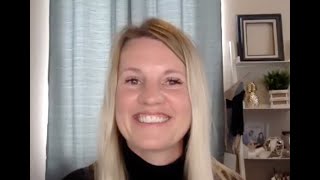
Liza Rodewald, CEO of Instant Teams, shares how to manage 114 remote employees across nine time zones. Four pillars: strong communication guidelines, intentional remote culture, core-hours policies with flexibility, and productivity visibility. She covers asynchronous messaging, mandatory video for collaboration, structured Slack channels, and tools like Donut for random one-on-ones.
Chapters
Managing remote teams really goes— it's a global issue, right? And if you're like us here at the Pfanner Institute, we have been managing remote teams for, for a couple years now, but with COVID these things became sort of a tertiary issue and now are a very primary issue in how we run our business. So I'm really excited about what we're going to be talking about today and welcome Hans from, from Frankfurt. How's it going, Hans? And anyone else, let us know where you're from. This is a 100% live webinar, and we do have somebody in the chat already who will be there throughout the entire webinar taking your questions. And really what we'd like the majority of these webinars to be is us answering your questions. Okay? So we are going to go through a quick presentation, but then after that, we're going to spend basically the second half of this webinar just answering all of your questions. So we got Vancouver, Cambridge— oh, it's Cambridge, Canada— South Florida, D.C. I believe our— excuse me— our speaker today, Liza, is a graduate of the D.C. Founder Institute. So welcome from D.C., Brussels, Vienna, Netherlands, Zambia, Berkeley, Ontario, Rodrigo, Nashville, Turkey. All right, awesome. So thank you everyone for joining. Please don't be shy, OK? As I said, we're going to go through a presentation about managing remote teams and then we're going to get to all of your questions. But before we do that, let me just quickly introduce the Founder Institute. So the Founder Institute, we are the world's largest pre-seed startup accelerator. We help founders that are either a solo founder that just has an idea all the way up to sort of a small team before they've raised a significant amount of funding or before they've really reached that level of traction where the business can move forward. And we help founders do that now in over 75 countries. We just recently crossed that mark, I believe, last week. And we're enrolling in more cities now than we ever have been in our 11-year history because these are the perfect times to start businesses and financial downturns and when the whole world is in chaos, which is what it seems like right now. So if you wanna learn more about FI, check out fi.co, or you could see the list of all of our enrolling programs at fi.co/enrolling. Okay, so today we have a guest. Her name is Liza Rodewald. Welcome, Liza.
Hi, thank you. Good to be here.
So, Liza, as I mentioned before, Liza is an alumni of our Washington, D.C. chapter, and she runs a company right now that really helps people. And I'll let you formally introduce it in a second, Liza, but that formally helps people hire and manage remote teams. And, you know, this is something even at Founder Institute that we're dealing with every day. Right. It goes beyond just using Zoom. You know, how do you manage the remote teams? How do you start, start to and continue building relationships with remote employees? How do you really foster that sense of camaraderie? How do you not step on people's toes in terms of that, that, uh, personal and professional life, uh, you know, separation, which I think all of us are sort of dealing with to some certain extent today. And, uh, Liza is the perfect person to tell us about it. And honestly, these are problems that we're having at Founder Institute as well. So I'm going to be taking copious notes. So, Liza, you want to tell us a little bit about yourself and what Instant Teams does?
Sure. I'm Liza Rodewald, the CEO and co-founder of Instant Teams. And Instant Teams really helps companies build high-quality customer success teams from military spouses that are located around the globe and in every time zone. And our technology platform really enables that remote team creation and management portion of the remote team building.
Awesome. Okay, so yeah, as I mentioned before, Liza, if you want to start getting that presentation going, Liza's going to go through a presentation on managing remote teams.
Okay, sounds great. So thanks everyone for joining us here today. Happy to share some of Instant Teams inside information with you today on how we manage team members. Right now we currently manage over 114 remote team members located in 9 different time zones. And so a lot of the information that I'm going to share with you today came— comes directly from our experience over time and our policies and procedures and everything we have in place. And if you're joining us, stick around towards the end because I have some free downloads for you guys as well that'll help kickstart some of your remote work policies. So let's talk a little bit about what remote work looked like pre-COVID. So if you were not operating a remote team pre-COVID, Or if you were, here's some of the biggest challenges that we faced. Pre-COVID, 54% of remote workers felt disconnected from the companies that they worked for, which is a huge problem when you're trying to build up company culture and teams. On the company side, one of the biggest fears that companies had with remote workers is productivity. How can I make sure my remote team members are being productive, they're getting things done, without seeming, you know, like I'm micromanaging or, or, you know, in their space constantly. So these were kind of the bigger challenges for remote work. So what happened post-COVID? Well, I'm sure you guys have realized a lot has happened post-COVID. So one of the biggest things that happened is a lot of companies were suddenly forced into remote work. So if you weren't a distributed team prior to COVID, you were kind of forced to be suddenly, and that makes it very difficult when you don't have the proper structure in place to to properly support your team members. Another big area that everyone felt affected by was all of a sudden, so Instant Teams is 100% a distributed company, remote first, so we've been operating like this since our inception. But even Instant Teams had to redo some things. So we had just 2 weeks prior to COVID, we had released our internal childcare policy. That said, you know, team members had to have childcare during certain times. And so obviously when COVID hit, we had to completely wipe that and say, okay, now what do we do? Because everyone's working from home. That means everyone is also home. So spouses, your dogs, the mailman, kids, like everyone's now in your work environment, which is a challenge. And it's a challenge for companies and workers. The other big thing that we saw suffer was the mental health. It's a stressful time. There's a lot of things going on. And so being able to address that and be forefront on your teams is really important. So I'll hit a little bit of that. So how do we do it successfully? What are some tips and tricks? So here are some of the 4 key ingredients. I'm going to go through each of these sections through the webinar in detail. But strong communication guidelines are absolutely essential. To being able to manage a remote team effectively. You have to have the right technology in place and implemented in the correct way. You have to intentionally create remote culture. It can happen organically, but it may not be what you actually want. So you have to be very intentional on the type of culture you want to build when you're building out your remote teams. And then the other thing is core hours and boundaries. So it's important to have a flexibility policy, and I will go into that in a little bit more detail. I wanted to just briefly hit the tech stack that we use here at InstaTeams for the specific items that I'm going to go through. Obviously, we use technology in all kinds of forms for project management software and things like that. I wanted to specifically hone in on the communication and the flexibility policies, the systems that we use. So you're probably familiar with Slack. So we use Slack for all of our messaging communications, but you can use any tool that has that messaging type feature. We use Zoom for all of our virtual meetings, but there are, you know, obviously other tools out there for that. And then we use our own platform that we've created called Arty to do the visibility into the remote workforce. And I'll get a little bit more into that later. So communication, as I mentioned, was the number one on the four pillars there that we're going to go through, that it's important to have communication guidelines. It's important for these to be documented, written, and communicated over and over to your teams. So one of the interesting things that we found at Instant Teams that we needed to define and help remote team members understand is asynchronous communication. So what does asynchronous communication mean? So if you're in the tech space, you've probably heard of asynchronous in some terms, but that to your remote teams and your remote workers just means that you may send someone a message, you may send someone an email, and you may not get an immediate response. And that's because everyone's working in their own times. They— maybe the time zone is different. So you have to get used to being able to work and communicate asynchronously and not get upset or have expectations that you're going to have instant communication all of the time. So teaching your team members that and setting that as a precedent is extremely important. The other thing is mindful communication. So have you ever read a Slack message and thought, ooh, that sounded kind of harsh, or I wonder what they mean by that. So people will inherently apply tone to messages. And you have to teach your team members not to do that. It's a constant reinforcement when you're managing remote teams. And you have to also teach your team members to communicate in a mindful way so that they understand, hey, this might come across maybe a little harsh, or maybe this comes across too direct. So I myself have to work on this because I'm a very direct communicator. And so sometimes I'll send a Slack message and then I'll think, oh, I should have said, hey, how are you? And then whatever it was I was going to say, because I hadn't talked to that team member maybe in 2 to 3 days. So it's important to be mindful of how you're communicating, and especially across messaging platforms, because tone will be implied. So you have to teach your team members how to overcome that. We also have a policy of overserving our customers, overserving in our team members, but not oversharing. So just quick story. So we had a remote team member one time, you know, tell a customer this big long story about why they missed a meeting. And, you know, they don't need— your team members don't need to know that, you know, your dog was sick and threw up all over you. And then you had a flat tire, and they don't need to know all of that stuff all the time. So keep your communication to the point. Don't overshare. Try to keep some personal boundaries in there, but do overserve. Also be very quick and precise and say what you mean so that your communication can be understood clearly by the other party. And then the last one I wanted to hit a little bit was burst the bubble. So what do I mean by bursting the bubble? So you may have some introverted team members or team members that just prefer to work offline on their own, and you may not hear from them for a couple of days. So these team members need to be encouraged to bring themselves to the table. So we call it bursting the bubble, which means, hey, this is what I've been working on. This is what's going on, like proactive communication without being directly asked. Because if you are like me and you're busy and you're more extroverted, and so you're always talking and doing things, you may realize, hey, it's been like 4 days and I haven't heard from this team member. Where are they at? And you need to help encourage them to learn how to burst the bubble on their side, and you need to bring it out of them as well. Another big factor in the communication is how do you run virtual team meetings? First of all, what I saw a lot of companies do Whenever they started working from home or sent all their team members home is thinking that a meeting like this where we're on a Zoom together or we're on a Facebook Live or we're doing something all together means productivity. And that's not the case. So your team meetings need to be intentional. You don't need to have meetings just to have meetings to check to see if somebody is working. That's not a good way to utilize virtual meetings. And people get Zoom fatigue, like after 2 or 3 meetings in the day, they're pretty zoned out. So you want to make sure that you're just having meetings for collaboration versus status checks, things like that. So collaborative meetings always require video. That's an Instant Teams policy. So everyone has to be on video unless you have some circumstance for the day that you can't. So maybe you were in the car or you were having to do something and you needed to just call in on your phone. So that's an exception. But the policy is to— that we require video because it just helps enhance that personal connection, which is what you're really trying to build with your remote team members. The other thing that I started doing as a manager that I noticed when we got on our team meetings, we would immediately jump into solving the problem or discussing things that were kind of heavy. Usually when you get on a team meeting, it's because you need to either solve an issue or you need to brainstorm and collaborate. So the topics are typically, you know, very needy. And what I noticed was our morale in the team meetings, like, started kind of at a low. So you don't want to jump into a team meeting and immediately everyone's, you know, kind of like, huh, and this is how you feel. You want the energy, you want people to bring the energy. And so what I started doing was starting each team meeting with a quick win. So this is like 30 seconds. So it's really fast. You don't want it to be long. You don't want long stories, but you want to encourage people to have a quick win. So something either personally, and this is really important post-COVID too, a personal win or a professional win. So I let them do either one. I modeled it first. And I will say at first it's a little awkward for your team to get used to it. But when you keep modeling it and you, I shared personal wins, I would share, you know, professional wins. And then everyone gets a little comfortable and you can tell the energy of the meeting just really rises. So I highly encourage you to do that or something similar to that to make your— to bring the energy back to your team meetings. So remote culture, I mentioned at the beginning, it can happen accidentally, but it may not be what you want. So it has to be extremely intentional. So here are a few things that we do to help build culture within Instant Teams. One thing that we obviously do is leverage technology. I'll get into how we use Slack, Humaxa, Donut, a few of these technologies to help build culture. The other thing you want to do is teach ownership. This is one of the big pillars that you can ask any of my team members that I talk about all the time, and it's especially important in remote work. You have to teach individuals to take ownership because ownership creates solutions. And it's really important in a remote work environment where you don't see what someone else is doing. You come together as a team and everybody's like, I thought you were doing that. I thought you were doing that. We have a gap. Okay, we have a gap. Let's take ownership of the gap and let's create a solution for it. Let's not create a blame culture. So that is something that has to be very intentional when you're building out the remote teams. Here's a quick example of how we use Slack. So we have a community channel where we, you know, congratulate people, we celebrate birthdays, we do all kinds of announcements and things in there to do engagement. We have a You First channel that encourages moving your body, mental health, like taking care of yourself, taking care of your team members. So you can see one of our team members here going on a bike ride. So we want to encourage our remote team members to be active, to take care of themselves, to have a life outside of work. And so this is a way that we can help communicate that to them. So here's how we've set up Slack. You can do this in other messaging tools, so it doesn't have to be Slack necessarily, but we have a dedicated channel for company-wide announcements. We have customer-specific channels where we have sub-teams. So we build all this out kind of in a hierarchy way. We have that You First. We do the mental health check statuses. We have a lunch table where people can just talk about whatever they want. So they're taking a break, they just want to share, you know, a fun article that they found, they want to share a funny meme, whatever it is, like they can bring that to the water cooler slash lunch table channel that we have dedicated in Slack. Another integration that we use, which I think is amazing, and we started off with Office Vibe, but we actually switched switch to Humaxa, which is a tool that integrates into Slack and will give you anonymous feedback from your remote team members. You will be amazed at the type of information people will share with you when it's anonymous versus you asking people to give you feedback and them knowing that, you know, you know who they are. So we have got some of the best things, information back from our team members by installing something like this. So Humaxa is actually an FI company as well. And we have, we have seen great engagement with it. You can customize it, you can have it ask team members questions, you can use it for culture building. It's a really cool tool to integrate with your Slack channels. The other thing that we have is Donut, and Donut allows people to have one-on-one meetings. So as your teams grow and you start to get bigger and bigger, it's hard to keep that feeling of, I know my coworkers and I'm connected. And Donut is a way that people can opt into it. You just opt into the channel and say, I'd like a donut this week. And all that means is it's going to randomly pair you with someone else who also said they liked it, would like a donut this week. And it'll set up a, you know, quick 15-minute meeting where you guys can meet each other, talk about, you know, whatever you want to talk about. It can be professional, it can be personal. So just a way for team members to say, you know, I'm feeling a little disconnected and I'd like to, you know, meet some more people in the company. Personalized outreach and check-ins is important. One of the things we have is an open door policy of appointments. So we have specific times set in our schedules and our calendars where any team member can come book time and talk about whatever they want. So this is important because when you invite people to come to you, they will come to you and bring things. But if you just assume someone will, if they want to, then it's not gonna happen. So you have to open the door, you have to be proactive. The other thing that we've adopted is these mental health check-ins because it's the same thing. People normally won't come to you and say, hey, I'm having a bad day, can we talk? But if you proactively ask, hey, drop a heart in this color, how you guys are feeling today, and then someone does the black heart, then you know, okay, I'm gonna reach out to them and see if we can schedule one-on-one time and just see what's going on. Or I know there's some issues going on that, you know, we need to address. But it's a safe, easy way people can give you feedback without feeling like they are taking up too much of your time or embarrassed about, you know, bringing it to you. Virtual team building is extremely important. We do things like trivia, holiday parties, coworking coffees. We've had virtual workouts where we've done yoga sessions together. We've done personal development sessions where we bring in a speaker. And have everybody participate in a personal development session. I just shared this funny picture because Erica, my co-founder, and I, we installed this fun Snapchat filter for Zoom. We thought it would be fun to bring to a meeting. So we both dressed up in these pink fuzzy coats and came to the meeting. Well, and then we just switched filters throughout the meeting just for fun. Well, like the next day I had a very important meeting. And all of a sudden it was in Microsoft Teams and all of a sudden the Snapchat filter just took over my background and I was like flying in the clouds through the whole meeting. So these tools are fun and good, but just be careful because sometimes they come across in strange ways during meetings. And I'm sure you probably all have experienced somebody having a little bit of a technology failure during a virtual meeting. This topic is is extremely important. And I, before running like teams of hundreds of people, I would have never thought really to intentionally set core hours and flexibility. But as we started to grow, we realized this was a very important part of being able to create a remote company and manage remote teams. So you need to have a policy in place that defines what remote work is to your company. Now, it can be different for every company, doesn't have to be the same, but you need to define it with your remote teams, because otherwise it's going to be all over the place. So what we did is we created a flexibility policy that gives our team structure, but still gives the remote workers a feeling of flexibility and having their own time. So we built in core hours, and then we built in flex hours. So let me show you an example of this. So this is how it's actually in our policy and how this works. So we have core hours for each time zone so that people that are in the East Coast know that from 10 to 4, they need to be online, available, and working. So they have flex time before and after that, or they can build flex time into another day. So maybe they want to work longer on Tuesdays or longer on Thursdays, but at least we know that from 10 to 4, we can get ahold of them. So as your company grows, you have to define what that is, because, you know, you need to respond to customers, you need to meet deadlines, you have things. If everyone's working flexibly, flexibly, and on their own time, sometimes that makes that communication hard, and it, and it makes you actually lose time. So you need to, you know, just define that as your own company, figure out what works with the type of company that you are, and define it and set it, and then show the expectations to your team members and model it yourself as the leader. Boundaries are really important also with remote teams because they will tend to work all the time. So you'll have your A players and they will tend to be online answering your Slack messages, answering your emails at midnight, at 6 AM, you know, with no boundaries. And you don't want your team members to burn out. You want them to set boundaries. So this is something that we work with our team members. I work with myself like we're constantly working on setting these boundaries and communicating them out. I put an example of my email so you can see. We have like a digital human notice on all our emails that go out that basically say, hey, I sent this to you at a time that I'm working. Please respond at a time that works for you. Do not feel pressured to respond to my email right now. I live in Hawaii, so I'm 6 hours behind East Coast. So I'm sending messages you know, late into the evening for the East Coast, but I don't want my team members to feel like they have to respond to me immediately when I send a message. So I think it's important for you to set those boundaries, communicate them, and model them yourself. The last point that I want to hit really is the visibility to measure productivity. So Big Brother mentality hurts remote culture. Remote team members do not want to feel like you are tracking their every move and that you don't trust them. Them. But as a company and a leader, you need to know that work is being done. And so there are different ways you can do this. And it's a balance to figure out. But one of the ways is like time tracking and status, task reporting, using different software. I'll show you a little bit about what we use. So we use our own system already to do this for our team members, where they can track time in real time. And they can just say kind of what they're working on, what they've accomplished. It can be in chunks. So it could be like a 2-hour chunk, it could be a 30-minute chunk, it doesn't have to be granular. It can be more broad if you'd rather do that. So you set the policy, you set the tone. But this is how we do it so that our managers aren't constantly asking people what they're working on and our people aren't constantly saying, you know, nobody understands what I'm doing or they don't know all the things that I've handled today. So it just creates that visibility between the two parties without the pressure of I'm recording your screen or, you know, I'm constantly asking you where things are at so that we have that open line of communication with really important in remote teams. And the last thing that I want to share with you is I have some free handouts for you. So if you go to instantteams.com/downloads, you will get copies of the actual policies we use at Instant Teams. And you can customize them to whatever you need for your remote workers. So we have the core hours and flexibility policy where we define what flexibility means, the core hours, the structure. So feel free to download that. Change it up, use it for your team members. We have our communication policy in very detail where we outline mindful communication, asynchronous communication, so everyone understands and is on the same page. Feel free to download that, hand it out to your team, customize it. And then we have some of our more detailed remote culture builders that go into a little bit more detail on some of the slides that I mentioned on how to build the remote culture and how to keep that engagement with your remote teams. So InstantTeens.com/downloads, you can get copies of that. So go there. And now I'd just like to open it up for questions.
All right, that was awesome. Let me bring myself back up on the screen here. Thank you. We got a lot of questions in the chat too, which is great. So let me, let me start. Sorry, I'm just having a problem here. Okay, got it. So I had— and I got a lot of notes, okay? I have extra large, extra large notebook here to take notes like this. So definitely, and I'm going to start with some of my notes because, you know, I want to learn. Um, but everybody please, uh, get your notes into the chat. And actually, I think that there's some poll questions. Um, Liza, did you want to mention those real quick?
Sure. So we have a few questions in the poll. So what is your biggest challenge with managing a remote team? So I'd love to hear what your biggest challenge is now. And team morale, employee engagement, burnout, scheduling, time zone, communicating virtually, or other. I think I hit most of those topics here, but happy to go deeper into any of those subjects that you guys are feeling are, you know, most pressing to you and your companies right now. Cool.
All right. So first question that I had, and please keep the questions coming. I see Rodrigo, Lauren, Amin, Noreen, Ayanna. Please keep the questions coming. We're going to— we want to get to a lot of your questions. But one of the first topics that you had there was the communication ethos. Right. And that was— I thought that was interesting because for sure, for me, like as a manager, I always am sort of quick, to the point, concise. And if you just look at that as a message, it may seem like angry, right? Or it just seems inherently negative. So how— I know you mentioned a couple things on there, but are there any other ways that— because as you said, people do inherently apply tone to message where people might be able to manage some of that rather than putting a paragraph together about, hey, if you could, if you don't mind, versus just one sentence.
Right, right, right. Direct communication is important, right? So you don't want to lose that for sure. It's something that I know I mentioned I struggle with too, because I'm a very like direct person. But what I've tried to do lately after talking to a few of my team members is I will sometimes answer a Slack when I'm in the middle of something else just to help multitask, right? So I'm answering email, I'm doing this, and I just send a very short like two-word answer. And then I go back and realize, OK, that I needed some more around that. Like, that was just— so what I do is I've stopped doing that. So I stopped answering Slack message while I'm in the middle of something else or while I'm trying to accomplish multiple things at a time. So I stop, I be intentional about the message that I'm sending, and I put context around it because a lot of times my answer might be no or not yet or something like that. And it that this doesn't come, come across well to the other team member, right? It was an answer to the question, but it needs more context. So always apply context to it and don't try to multitask because you'll tend to come across a little shorter in tone.
That's interesting. Yeah, because obviously now that we're all remote, the— it's like a temptation to multitask becomes even greater than it was before. Right.
Yeah. And I felt like, well, if I answer them, they'll get the answer right now. Otherwise, they'll have to wait 10 minutes. So I feel like I need to react quicker, but actually it can hurt more than help.
Now that makes sense. Yeah, that makes a lot of sense. And, you know, I think also in some of those cases, so, you know, do you, do you just say like, hey, can we take this offline or something like that? Because I've definitely seen a couple situations where, you know, it's in a Slack channel or whatever. Right. And again, we're all multitasking, right? I'm going one Slack channel to the next to the next. But literally, that's like the equivalent of like shouting something into a room and then leaving and then shouting into another room.
Yeah.
Right? So how often do you find yourself kind of like, okay, hey, the answer is no or something, but let's chat about it in a couple minutes or something like that, right?
Yeah, so I think in today's culture, especially with all the technology, people are afraid to like just pick up the phone and call somebody.
Yeah.
That feels intrusive, right? It's like, I'm slacking you, but I'm not going to call you. So what I've tried to teach my team members is like, it's okay, like we're talking. If it's easier to communicate this voice vocally, we don't have to schedule a Zoom meeting in advance. Just call me on my phone. If I'm not available, I just won't answer. Right? Like teaching people to, to reach out in other forms when you need more clarification, I think is important and not, not to be afraid of that. I personally, I don't know why, I just hate the phone. I hate talking on the phone. So it's not my default to do that. But sometimes you could solve a problem in like 30 seconds by just picking up the phone real quick, having a quick conversation, and then moving on.
Sure. Yeah. So Amin asked the question here, which is sort of related to, you know, if you need to take a conversation and just provide more context and nuance to it, can voice messaging, right, passing messages more softly— like, do you find yourself in Slack calling people through Slack? I mean, I know that tool is not— doesn't seem fully baked out, but do you see yourself doing that a lot?
Yeah. Yes, we've done Slack calls, which is actually pretty easy to add multiple people real quick. So if you all need to jump on, I have Zoom integrated into my Slack too. So I can just do backslash Zoom join Liza Rodewald, and then they can jump on real quick to the video chat if we need to do that. Or, you know, if you're working and you happen to be driving and you just need to make a quick voice call, then we'll just do it. All of our team members have Google Voice numbers. So we know, you know, we're not calling everyone's cell phone and they know it's a work call so they can choose to pick it up or not. So we use those different tools in those different ways to do that.
That's interesting. Yeah, Google Voice. We haven't— I mean, it's something at FI that we do, at least with Zoom, is where we set up a couple of Zoom accounts and we just put like a Bitly link to it, you know, and it's a Bitly link that everybody could know. So it's not like, oh, meet me at Zoom 542 blah blah blah, right? It's just like, meet me here, and it's like this always-on room. So it's always like, oh, we could just pop in there. Chat, right? So I think kind of lowering the barriers for people jumping into those kinds of things is really good, right?
Yeah, yeah. And you can also personalize your Zoom links, right? So mine is my name, so people know, hey, you can just jump on Liza's real quick and she'll be there. So there's definitely different ways to do that.
Okay, so it looks like we have some of the results here from some of the polls that we put up, and I think it'd be good to just announce them now because it could guide some of the more more of the questions that we have. So it looks like on the biggest challenges of managing a remote team, that far and away the employee engagement one, uh, was number one at 38%, and then communicating virtually at 22%. Um, and I guess also 58% of people haven't heard of the term asynchronous communication. So do you want to maybe dive into that for a moment so that we could help 58% of the people, and then we'll start getting into some of the other topics?
Yeah, so asynchronous is a, you know, old term back from telecom, right? So, you know, it's been around for a long time. It's in technology in different forms. But when you apply it to communication, it's just teaching your remote team members that you're not always getting an immediate response. So some people, if you've ever been in a Slack with someone who's not used to this, they may be like, hello, are you there? Question mark. I asked the question like sort of an impatient mindset. But what you have to teach your team members is that communication and work happens asynchronously a lot of times in remote work. Right. So I may be online, I may be online from 10 till 1 answering, but then I may have meetings for the afternoon. So if you have a question and it came in during the meeting, then I may not be able to get to it for a few hours. So just teaching them that it's OK to expect it and then developing those core hours around it to where everyone also sees, oh, Liza's core hours are from this to this. I can expect to hear back from her a little bit later in the afternoon or something like that helps eliminate people thinking, oh, they're ignoring me, or maybe they're, they're too busy to answer me, or I'm not important, because you don't want your team members to feel that way. So defining asynchronous communication, putting a label on it, and then teaching everyone, hey, this is how this works and it's okay, is important for that to be successful.
Now, and I think that having that concept of core hours really laid out And is this something even, because it could be hard to keep track of like, okay, Liza, you're the CEO, right? So it's probably like, all right, Liza's in Hawaii. So she's going to be up late if I'm on the East Coast, right? Um, but is this something that even people are putting like in their Slack, like as, as notes, like how, how is it easy for people to see like, okay, this is what this person's work hours are. These are their flex hours, et cetera.
Yeah. So, um, we do have some of that information in Slack. We have the core hours policy with everyone's information. Also, so you can access Google Docs. I mean, we use Google Docs all the time. So we have a few company resources so everyone can look up real quick to see who's in what time zone. But I think that's, you know, definitely important as you, as you grow, right? As your teams get bigger and bigger, it's hard to know exactly where everybody's living. And one thing for us is all of our people are related to the military in some form. So they move. We had, I think, what, 17 members move over the summer. So everybody's shifting time zones, right? So you may be used to someone working on the East Coast, but now they're on the West Coast and vice versa. So we have to in real time keep track of that stuff.
Yeah, so for you guys more than most, it's really important that communication is really, really set.
Yeah.
So, okay, so, you know, as far as the, the communication side, Noreen had a question here like You know, it's a problem with maintaining focus, right? So I think one of the big takeaways, and I was taking notes here before too, is, you know, really resisting that urge to multitask when you're doing remote management. But also, Noreen's asking like, how do you maintain the focus during virtual team meetings when there are so many distractions? And I think, Noreen, like, I think there's two aspects to that, right? That there's yourself as a manager, but then it's also how do you try to mitigate that from all the other people that are on the line, right? If you're doing a Zoom call with 30 people, you know, there's babies crying, there's dogs barking, there's mailmen coming to the house. I mean, how is— do you guys have strategies to deal with that?
Yeah, so I think pre-COVID, everyone was so obsessed with the fact that I'm working from home and I cannot have a distraction or an interruption, right? If somebody walked behind me, it was like the end of the world. If my phone rang or the mailman was knocking at the door, it was like, oh, I'm sorry, like, let me take care of this, you know, post-COVID, we all have it constantly, right? So I think it's one of the better things that has come out of the COVID situation is just normalizing everyone working from home, right? Somebody walks behind you, big deal, ignore it, move on. There's no reason for everyone to stop the meeting and be like, oh, I see somebody walk behind you. Or, oh, I hear the baby crying. Just keep going. You know, just no, don't make the person stop and apologize. You know, just keep moving through the meeting. If it's something that's becoming so bad that nobody can get any work done, you just ask, just ask them to mute themselves. You know, hey, can you mute real quick so that we can get through this? Most people that will be in remote work will know that my baby's crying in the background. I'm definitely going to mute myself and be like, I'll be right back. You know? So I think just accepting that part as you know, that's part of the normal and, you know, not forcing people to apologize. Don't stop and take time to recognize it. Just move on, keep moving, and you'll be fine. You'll be able to go through, go through your meetings. Also set agendas as the leader. So almost every meeting that you have in remote work, even if it's loose, set an agenda so that you can pull people back. So, OK, we've talked about 1, 2. We only have 15 more minutes. Let's make sure we hit 3 and 4. So you can redirect conversations, right? So even if you don't know exactly a very detailed agenda, doesn't have to be this huge memo like we used to send out with like 10 points in it. But as long as you get like, here's the 4 things we want to cover during this meeting, you can redirect people back to the focus to make sure that we stay on topic and that we end on time, which is important.
Makes sense. So Rodrigo was asking, and I thought just as a sort of an intro to Rodrigo's question here, I thought it was super interesting. It was, I think it was your first slide, right? Which was 54% of people feel disconnected, right? When you're looking at sort of the two sides of the equation, 54% of employees feel disconnected with remote work. And basically the managers, they're just, they're so afraid that you're not doing anything because they can't see you at your desk doing stuff. Right. And I think those are all very natural, very natural feelings, right, that we all have to get over. But, but Rodrigo's question, I guess it kind of lends a little bit more to the onboarding side is You know, if you have this, this intentional culture that you put into place, like, how do I tackle the issues of getting new team members to be responsive, to be responsive, to be accountable, and to really buy into this, this kind of this culture that you're putting in place? Do you sort of monitor them a little bit more closely in the beginning, or how have you guys seen that working?
Yeah. So, I mean, we've built into our onboarding going over the company's values and mission, like explicitly in several ways. So they get it via email, they get it via an onboarding session with us. Like I go through new hires and I give like the pitch of the company so they understand what we're about. Like taking a little bit more time on the onboarding will save you time a little bit later down the road. So those—
so are you saying that— sorry to interrupt, but for virtual employees or virtual team members, you you think it's a little bit more effort on the onboarding side?
I think you should definitely spend some more time explaining the culture of the company because they're not going to pick it up inherently, right? They're not going to be walking down the office and seeing it modeled. It has to be very intentional, right? So we spend more time on the onboarding side on that. And we go through those 3 policies that I created or our team created. I didn't actually personally create them, but my team would go through those 3 policies in detail. We send them to them, we talk about them, and then in all of our big all-call meetings, we kind of go over them. We hit them again. So people have to hear and see things multiple times before it really sinks in. So just be intentional on how many times you're talking about what mindful communication is, what asynchronous communication is. You got to weave it in constantly throughout your culture and throughout your meetings so that it really sticks.
Makes sense. So Marcus had a question here in terms of, again, like managing any kind of disconnection or some of these strategies that And so what he's saying is, given that it's really hard to run A/B tests in management, right? And that's for sure, because the A/B test could result in really bad things happening. How do you make sure that some of the— like, how have you guys kind of come up with some of the procedures that you've been introducing here? How have you been testing them, refining them, those sorts of things? It sounds like Marcus is kind of afraid to implement some of this stuff because it could have really, really bad effects. Right.
Yes. Well, I can say personally, I did not just come up with all this stuff off the top of my head. Like, this is what we have lived and breathed since we started this company in 2016. Right. Almost all of these policies came from something we learned where we saw the gap in our own team and said, hey, okay, this is not working. People have their own ideas of what this is. How can we solve the problem? And then this is how, you know, we've implemented a solution to solve the problem. Is it always perfect? No. I mean, you'll have to work through those and you kind of have to define yourself how your company culture needs to be. But you can use these at least as a framework and then kind of apply them to your unique situation and make the tweaks that you need. You know, it's definitely not meant to be a one-size-fits-all, but take the general concepts and see how you can apply those to your company.
OK, so I'm going to take a break here from the audience questions, but keep the audience questions coming. All right. I'm going to ask a question of my own. So, you know, I know that here in the team building side, you said you guys do some trivia, you do some cowork and coffee, professional or personal development sessions, things like that. I mean, how do you, at least from my experience, right, we've tried to say like, okay, like let's all do lunch together on like Wednesday or whatever, right? And what usually happens is everybody shows up the first time and then a little less, a little less, and it just sort of dies a slow death, right? After about a month or so. So how do you kind of reinforce without— and maybe forcing is sort of the wrong word, right? Because you don't want to force this stuff. But how do you really— because everybody, you know, things are— it's crazy what's going on in the world right now. So if somebody's joining something that maybe is a little bit more social or something, as managers we know that's important, but how do you like kind of get those things actually rolling and get them to become part of the culture, so to speak?
So I'd say, first of all, don't overdo it. So a weekly is probably too much, right? So I see people have happy hours a week, you know, people will be like, ah, then they don't want to show up or they feel bad. You know, you want people to want to come, you want people to want to show up, right? Is the goal of that. So don't overdo it, don't overschedule them. And then ask your team members what they want. So we asked them, hey, do you want a personal development session? Do you want Life coaching? Do you want— so that they have input. When they have input to what the activity is, then they're more likely to be engaged and show up. So we make sure that we are— we switch it up so we don't have workouts every month or we don't have trivia every month or we don't have, you know, we change it up so that it's different and then it's coming from the people that work for us instead of coming from us. Like, what do you guys see? What's most important for you right now?
I thought something interesting too that I wanted to dive into. You mentioned it was sort of like this, uh, I think you used the term like it's a virtual like water cooler kind of thing, right? Where there were like discussion prompts or things like that. Can you explain that a little bit? Is that something where like every week, or maybe not every week as you just said, but like a team member provides some kind of, you know, you said like a meme or something like that. Like, how does that work?
Yeah. So the water cooler is, um, completely excuse me, team-led. So if a team member wants to contribute on the water cooler, then they just do. So it's a natural, organic thing. But in our Community channel, those are more intentional. So we have specific topics, we have a team leader that's in charge of that. And then it's important, very, very important as leaders in the company that you engage, because you have to model the behavior so that people will engaged, they feel like it's okay, right? So in our community channel is where it's more intentional as far as we do it every day, though. We have specific topics, we have things that we discuss, we have the You First channel, like we'll promote the different channels within the community channel. So that one's more intentional. But the water cooler is just pop in, you know, say what you want. It's moderated, but definitely, it's meant for employees to lead it versus having, you know, a team member leading it.
Got it. OK. Yeah, I've just— I've always found it challenging to— yeah, because it makes sense, right? The water coolers, funny things happen and that kind of stuff. It's hard. It's just hard to mimic in the online environment. Right. But I think it just takes time.
I would assume it does. And the more you do it, you know, the more people will catch on and they'll do it. And the more people crave that kind of thing as well. So as your engagement goes up, more people will start participating. Then it becomes very natural and organic.
Got it. Okay. So I'm going to take a hard, hard right turn here. So Kalina is getting down to the brass tacks. How do you measure productivity of a remote team member without seeming, you know, big brother-y, as you said? And I could totally see how that kind of breaks a barrier of trust where it can cause more harm than good. So how can, how can a manager do that without being a big brother?
Yeah. So how we do it is one, using our own technology. So we do require team members to log time blocks and just tell us what they're doing. That way I can check anytime and see, you know, team member A has worked on these 10 things. We set expectations with the remote team member, like what are our goals for the week, what are our goals for the month, so that you can measure, you know, what they've logged versus where they're at. And we also do like some status reports in Slack. So if you have a team member that needs a little bit more engagement to get things done, requiring just a quick, you know, 3, like, these are the 3 things I accomplished for the day, sometimes helps team members that struggle with, you know, keeping on task. So you have different strengths and different team members. So I would just encourage you to be a little bit flexible about what you require there, and definitely be clear on goals and intentions and things that you're expecting. Expecting, because that communication can get lost too with remote team members. So you might be expecting them to accomplish these, these 5 things, and they were actually focused on these, these 5 things. So it's not that they weren't, you know, working, but they weren't productive in your mind because it was the wrong task. So clear guidelines of what everyone should be working on is important in that too.
So in that scenario too, you said with that team member that maybe needs a little bit more of a of a personal touch. So is that something where they're just reporting to their, to their, you know, direct manager? Okay, here's sort of the 3 things that I was working on today. And maybe that manager also in the morning is like, hey, like these, you know, just in case you didn't, you know, it wasn't clear, like these are the things that we want this month, these are the things that we want this week, etc. Like, it's a little more structured, right?
Right. Yeah. So, um, kind of like Scrum standups, right?
Where you're doing like Peter just brought that up here.
Yeah, yeah, you can do that. I would just encourage you, don't use your virtual meeting time to do that. Use it in like an asynchronous way to communicate. Like, use your virtual meeting time to really solve problems and collaborate and set goals. So our goals for this week is to accomplish XYZ, and then let them report status through an asynchronous way, through Slack, through an email, through something like that, so that you don't waste time just reporting status when you're— it's valuable face-to-face time, right, when you're remote working. So you want to use that the best that you can.
Got it. So these, these tools, the Slacks, all that kind of stuff, great for just status reporting, but the face-to-face stuff, use that to problem solve, to brainstorm, to plan, that kind of stuff.
Right, right. Set expectations so that, you know, that communication is clear.
Makes sense. OK. And conversely, the setting of the expectations and those types of things, the hard conversations should not be done in, in the messaging tools because that removes all the tone and leaves a lot to interpretation.
Yes. Yes. So I would highly encourage you to jump on a Zoom. Zoom is the best, right, because I can see your face so I can see that nonverbal communication. I have been on team meetings where I said something and then immediately I could see their face drop and I'm like, oh no, like, I didn't think that was a bad thing. But apparently I should have prepared and prepped that conversation better, right? But if I had been on Slack or on the phone, I would have never seen that. And I would have totally missed that that team member felt, you know, upset about what I had just said or what I had just presented, right? So it gives me an opportunity after the fact to go back personally one-on-one and say, hey, Just want to clarify this, didn't mean anything, because I could see that immediate reaction. Right. So you want to, you want to do that for sure.
For sure. And Imran here, I guess Imran's bringing up the fact, you know, is it possible to overcommunicate or overhelp as a manager? Right. Like, at what point do you start to go into, I want to communicate, I want to help you, to where now you're very clearly on the side of micromanagement?
Right. So I think it's important. You know, that our rhythm is like a weekly check-in with the different departments. So we'll have a weekly meeting. So we try not to do too many meetings. And as far as the Slack, I let people come to me, minus the things we do intentionally, right? So those community channels, those things that we have, those kind of help lead the daily conversations. So I would say, you know, you don't want to overcommunicate, but I would say most people tend to undercommunicate.
Yeah.
So if you feel like you're overcommunicating, you're probably in about the right zone. Now, if you're constantly communicating, what did you do today, then you need to step back and think, okay, all my communication is asking for statuses, so maybe I should put something else in place for that to happen so that I don't feel like I'm constantly asking people what they're working on.
Makes sense. But I think generally speaking, undercommunicating is probably getting you into a more a hairy situation, right?
Right. And you think, oh, people just know that automatically, but you would be surprised. People have all kinds of different ideas of things. And so if you're not super clear with what you're trying to communicate, you know, everyone will add their own situation and their own tone to it. And, you know, you could be way off the mark there.
Yeah, it was interesting. I was listening to a podcast the other day and it was, it was some sentence, some innocuous sentence. It was just like, I thought you told— I thought you didn't tell me to do X, Y, and Z, right? And just the way that you say it verbally, it could give that one sentence— it was something like 17 different meanings, right? Like if verbally you, if you, you know, emphasized, I thought you did this, or I thought you didn't, right? Like, and all that stuff totally lost in all of this asynchronous and just the digital communication.
Yeah, yeah, and people will read also, like, skip words in what you write in Slack, right? So the "did" or the "not" or the whatever, those things can be missed very easily. So you have to be very careful in your communication there.
Yep. So I'm going to give a last call for questions here. We're going to wrap things up at the end of the hour. But yeah, anyone throw your last questions in there. This has been great, Liza, but I'm just going to go through a couple more questions here. So There was a question about children. So Amin was asking, you know, is there— do you have a specific kind of support or policy for people that do have kids that are working with you, or does it just fall into kind of the general, you know, we expect you to be here at this time and then these are flex times and you manage around that?
Yeah, so pre-COVID, we had a very standard policy that you had to have childcare during your core hours. That was 100% expectation. After COVID, when nobody had childcare, we had to be like, okay, how do we rearrange this? So what we did to address that now is to go to each team member and say, okay, here's your expectation of core hours. How realistic is that for you right now? And what can we do to shift things around to make that work? So say if we know we have a core team member that has young kids that are, you know, 4 and under and they have a nap time. Okay, what is that nap time? Let's make the core hours this, let's change your flex hours to XYZ. So you, let's job share. So that's the thing that we introduced to, like, if you feel overwhelmed, because you can't work 40 hours a week right now, let's figure out, you know, if we bring someone else in for the 20 that can work during the times that you can't work, then we can flex it, you can keep your job, you're not as stressed. So I would encourage you to talk to each team member individually, set your core, what your company policy is, and then plan for exceptions and don't, don't set your policies based on exceptions, right? You want to set— so our policies are still in place. Most of our team members are knocking it out of the park still. Some of them needed to shift things a little, so we came up with specific arrangements for that. So I would say, you know, definitely still set your policies in place and then adapt around Makes sense.
Yeah, I think even though just the concept of policy has to, has to be much more, you know, malleable.
Yeah, and you have to present it in a way that it's helpful. Like, we don't make policies just to be corporate and, and have rules, right? We do it so that it's helpful to everybody so that they feel empowered, your employees feel empowered. That's the whole point of this is so that they understand expectations because most of them will want to know, how am I doing? Am I meeting the expectations? And so having good, sound policies in place help give them that, you know, satisfaction and know that they are meeting that expectation.
Okay. There's been a lot of questions about hiring and sort of onboarding for remote team members as well. And certainly I'm not going to jump into that whole other can of worms here with 2 and a half minutes left. But, but maybe we'll, maybe we'll do another, another webinar. But I'm looking here, you know, an interesting question from Armando. He just threw in there to the chat is— and this is something, and I think this really gets to the core of it. You talked about it a lot, but it is hard to manage. And I've seen it, right? It's like how you want your people to be working hard. You want them to be motivated. But also there's that line where they can go into burnout. Right. And those personal professional borders and boundaries are so muddied right now. Right. So your employee on the East Coast, you know, I don't know, it's 2:00 in the morning there. You're emailing them. You know, how do you really kind of go above and beyond to say, look, you need to— here are the times that you set, you need to stick to these. I— yes, I know that, you know, you have that message under your, your, your signature. But still, if I'm like a newer employee or something, I may be like, well, screw that. I'm going to show her that I'm always online. Right? Like, and those are, those are dangerous things. They're good for a very short period of time, but long term, they're terrible.
Right?
So are there any other ways that you guys have used to really ensure that that does not become the normal and that's not expected?
Yes. So one, I think you have to model it yourself. So make sure that you set boundaries and you say, hey, I am taking— I'll be offline for the next 4 hours or something to where they see you doing it as a leader so they know it's okay. Even if as a leader you're not technically going to be off, off, right? We all know—
saying I have to, I have to turn the away thing on on my Slack. I don't think I've ever done that, but okay. All right.
Yeah.
Just set the example.
Even if you— I mean, we all know as founders, like, we're never really off. Like, if something's happening, you're going to address it, but you have to model the behavior. And you also have to sit. I mean, I have had to force team members. I said, you're supposed to have the day off. Stop answering these messages. I don't want to see you answer another message. I'm going to get on. We're going to get on Zoom and I'm going to tell you, get offline. Like, you have to make sure that they understand it is truly okay. So you have to just reinforce, reinforce constantly. Most of my team members, they go above and beyond all the time. And so I have to just reinforce, like, it's okay. It's okay to take today off. You needed today off to do something, please take it off. I don't want you to answer. If anything happens, I will take care of it. You know, just like reinforcing it over and over and over till they kind of get it because you don't want people to burn out. You know, that's the last thing you want, especially your best team members. You want them to know that it's okay to shut down. It's good for everyone to shut down.
Makes sense. Okay. All right. Well, thanks so much, Liza. We're here at the top of the hour on the dot. So For everybody, for everybody else on the line, Liza, what was that link again that we had up? Was it instantteams/downloads?
Is that— instantteams.com/downloads. And you can just fill out your information and you'll get access to all three. You can customize them any way that you want. Also feel free to connect with me personally on LinkedIn. It's Liza Rodewald, just spelled exactly like you see in this Zoom window. And I'm happy to, you know, share my best practices and best tips and help any way I can.
Great. Yeah, and everybody, please do check out Instant Teams. As I said, this is something they've been doing for a while pre-COVID. Obviously, as Liza's gone in, you know, our world has changed, so there's been adjustments that have been needed, but this has been 100% remote team for a long time, which is why I've been taking copious notes, because we've been somewhat of a remote team for a while, but certainly not fully, and we're all learning, right? And there's just— there's so much trial and error. And as I forgot who mentioned it, but, you know, when you're A/B testing management philosophies and strategies, you know, it's a little bit different than A/B testing like a landing page, like really bad, really bad things can happen.
Well, install Humaxa on your Slack channel and they will tell you, I promise you, you will get some real-time feedback when they can do it anonymously. They'll tell you where you're, where you're missing the mark.
Awesome. And that's, yeah, humaxa.com. Yeah, and also instantteams.com. Thanks everyone for joining, and we're running a lot more of these webinars. Check them out, onlinestartupevents.com, or you can see them at fi.co/events. Thank you everybody, uh, and thank you, Liza.
All right, thanks for having me.
Take care. All right, bye.










