Jason Calacanis, Peter Pham & Adeo Ressi on Raising Capital in 2024
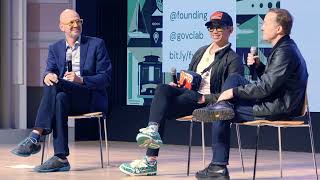
In this panel discussion, Jason Calacanis, Peter Pham, and Adeo Ressi explore the evolving landscape of startup fundraising in 2024. They note a shift toward lower valuations (2009‑2014 levels) and founders raising only the capital they truly need, thanks to AI‑driven efficiency gains that boost team productivity by 30‑60%. Talent density has rebounded, with multi‑founder teams outperforming solo founders in speed and funding likelihood. The conversation covers the mechanics of modern venture investing: Calacanis describes his "3 Ds" (Deal flow, Decision‑making, Doubling‑down) and a 13‑signal framework for evaluating startups, along with red‑flag criteria. He emphasizes speed—meeting founders within 48 hours and making decisions after 2‑3 meetings. AI tools now automate due‑diligence, data analysis, and even generate market‑size estimates, dramatically shortening the research cycle. Practical advice for founders includes researching investors, tailoring pitches, focusing on three core pillars (team, product, customers), and keeping communication concise and data‑driven. The panel also touches on hiring veterans, the impact of multimodal AI, and the importance of building simple, customer‑validated products. Throughout, the tone is conversational, energetic, and often blunt, reflecting the speakers' experience‑driven optimism about the current fundraising environment.
Chapters
We were talking about fundraising when you came in. You're an expert on it. Peter was giving us a lowdown on a lot of his views. He's raised a lot of money.
What I love about what Jason's done now is he now has an audience big enough to raising money has gotten easier. It's the lots of people looking at a deal in in a short amount of time, right? Gets the yes faster?
Yeah, are you talking about venture for startups?
Well, we were talking about raising money for startups, because I'll tell you what the audience is here. So we got about a third—
How many people are a founder of a company? Raise your hand. How many people are a venture capitalist or angel? Raise your hand. Okay, keep them up nice and high. If you're a startup, ready? Look at them. OK, good.
So it's about a third, a third, a third. So we have about a third mentors and ecosystem leaders, about a third investors, and about a third entrepreneurs somewhat early in the journey.
Right now it's 2009 to 2014 valuations. Founders— and I tweeted this, and somebody was like, you're just trying to get people to accept lower valuations. And I'm like, no, I'm telling you the valuations people are asking for. Not that we're offering. Yeah, you know, as a seed investor, people come to us and I don't tell them, here's an offer. I say, what are you raising and what terms? And they say, you know, in a hot market, they're like, I don't know, what are we raising and how much are you willing to pay? And now people come in and they just say, we're raising $500K at a $5 million valuation, we're raising $800K at an $8 million valuation. There's a very sober funding environment, and entrepreneurs have figured that out. The smart ones, they're raising only the money they need. They're using AI to build their companies more efficient. Forget about putting AI in your product. Of course you're going to do that. But the really savvy ones are doing things with AI to run the company that are making everybody in the company 30, 40, 50, 60% more efficient. So then they need less dollars. And so the savvy founders are raising less, doing more, and You're getting— talent density is back. The major problem in a ZIRP-like environment, the zero interest rate environment, is there's too much funding. So the number 6 person at a company starts a company. Then the number 7 person starts their own company, 8th person. And that 6th, 7th, 8th person at the company, they would have been a great number 2 at a startup or a great number 3. They'd be great co-founders. But you had the talent spread out, as if the NBA went from 30 teams to 500. And then like the number of all-stars stay the same, so the quality of the product goes down. Now we're seeing 2 developers and a growth hacker, a designer, a developer, and a growth hacker, a product manager. Just really great talent density and no more solo entrepreneurs. That was like a really disturbing trend. Far too many solo entrepreneurs raising $3 million and trying to find tech talent. Now it's 3 people who— one got laid off from Amazon, the other one had quit working at Uber when they made a shit ton of money. They built a prototype. Their other friend left Airbnb, who's a great designer. And now they've got the product done and $5,000 in traction. It's really great. The talent density is great. How many people are a solo founder? Raise your hand nice and high for solo founder. Look at each other. OK? And you guys go meet later. How many people have 2 founders in their company? OK, raise your hand if you have 3 or more. You're going to get funded first, the second, and then last. Why? Why does that happen that way? Well, if you have 2 or 3 people who are working and grinding and building the product, you get product velocity. You get more product velocity. You figure things out quicker. You get more shots on goal. You need to raise less capital. If you want to go fast, go alone. If you want to go far, go together. That's the moment in time. 3 co-founders is what you should do. 2 of them developers, one of them designer, one of them growth, one of them sales, one of them product. Whatever it is, as long as you can build the product without money, because you may have to. And then when you come to investors, you can get money.
Everything. I've met founders last week, oh, we're thinking about doing this, just launch. Oh, we need to do SEO, ChatGPT. Like, we need to design and code the website. You can take a screenshot now. Like, everything can be done today instead of waiting.
So it sounds like you guys are bullish.
I'm more bullish than I've ever been. Yeah, I'm investing $1 million a month. I'll do 150 investments this year. It'll be the record year for me in terms of number of investments. Best possible time.
There's no more limitations. There used to be, right? If you look at the scale— AWS, well, I don't— rack servers, no more, right? Shopify, no more. I need 'No, I need to set up bank accounts. No, Stripe. I need a phone number. No, Twilio.' Coding was always still this thing. Now, no, anybody who has an idea, just start building it. You don't need anything to build.
So I want to—
And also think about this. When you started Founder Institute, I just had one of the co-founders of Udemy, your best investment ever.
Yeah, he's right here.
Oh, hey. They have just built such an— you think about how much work it took them to build that business, how long it's taken to build Maven. And then another founder we invested in said he set up his startup in one day. He's like, I went to Stripe, Atlas, Mercury Bank— I'm just shouting out all these people— use the promo code TWIST for startups. I don't know if they're advertisers or not. But then, uh, and then I got like legal papers here, and then I set up like deal for my international coder, and then I did this, and then I did this. And then he was like, And that was 3 PM. And I just thought, holy shit, like, he just provisioned the entire startup stack by 3 PM. And we had just given him $500,000 to do it. I'm funding somebody for the second time. I really just love this founder. He just did it all in 3 PM. And that was like, when he did his last company, like, maybe that was like 3 weeks of work. And now it's 5 hours.
And even before that, it would have been 3 months of work.
3 months, yeah. And the cost was nothing. Cost was like $1,000 to set everything up. Cost would have been $50,000. And that's really what, to Peter's point, what AI is doing. Oh, you got to set up a website? Oh, you need to write a press release? You need to write some marketing copy? Like, people who are shitty writers— not like Adeo, not a great writer— who would always send me stuff. Can you punch this up for me? No problem. But you don't need to have a friend like me anymore. Like, Adeo can just hover over his writing.
Act like Jason Kalkanas is the problem.
No, he just writes it, and then it just— I had people in my company who would come to like, you know, there's like 3 people who are the good writers in every company and like they become roadblocks. Now in Notion and Coda and Superhuman and Google Docs, you highlight it and you say, make better. It's like monkey, make better, gunk. And it's like, and then I read it and I'm like, well, fuck, I spent my whole career being a great writer and now everybody's a good writer. So like what I can do for people is like the last 10%. But everybody's a good writer. Yes, sir? I'm sorry, who's the radical?
I was suggesting you just invest in us.
Oh, okay, yeah. Just be appropriate, okay? It's fucking founders. I'll totally, I will invest in you. How much do you need? Just grab me later. I'm rich, it's okay.
But it's funny, 'cause we had these moments. We had these moments on setup. Remember Ted Wayne came up with Series C document? Remember that? So it used to be like legal, cost you $50,000, and he came up with Series C doc. And everyone started using that, and then the SafeNote, and then like, and then it was convertible, then Safe. Yeah. And then I did this. And then, yeah, he did.
And also Adeo set up the, um, the, the great, um, what do you call it, advisor agreement that to this day everybody uses. Yeah, yeah, it's great.
All these things. But now ChatGPT, everything.
So let me, let me, let me— I was like, there's no way I was investing in all this conversation, by the way.
So I am, I'm just putting the two panels together.
I'm like you.
I want to leave, leave Peter up here. It's more dynamic. I was meeting with the investment team, we were looking at an equestrian company, and somebody was like, "Excuse me, boss, what is the total addressable market you said in chapter 7 of your book?" Total addressable— I was like, fucking people working for me quoting the book to try to break my chops. I'm like, "That's your job." And they're like, "Well, you know, I did—" And I just went into ChatGPT, Claude, and Bard, and I took the same prompt. You are an associate at a venture firm. You're breaking your boss's chops. He wants to know what equestrian total addressable market is. Please tell me in bullet points the total addressable market globally for equestrian. And then I cut and paste that into all 3. And while this person's talking, I then cut all 3 of those, dumped them into the chat room, and I was like, it's big enough. Like, and I was like, put citations. That would have been a week of work for an associate. Yeah. And if that person was getting paid whatever, $75,000, $100,000, whatever, a week would be like $2,000. So that would be $2,000. And now it was 30 seconds for free. I mean, I cannot tell you how fucking crazy this moment is right now. And it was all accurate. Like, oh, hallucinations. Nope, these all had citations. It's getting better every fucking week.
Every week. It's like Steve Jobs dropping a new iPhone every 2 weeks. That's like, that's where we're at.
And the thing is, like, have you seen what it can do with images as well?
It's not kidding. Yeah, no, I literally, the multimodal thing is like, that's 3 weeks old and it's fucking nuts. Yeah, it's nuts. I took a picture of the Peloton screen and I was like, you know, I've always been wanting to put that data into a spreadsheet. So I took like 3 pictures of the last 3 days. I was like, put this into a table. And it was like, of course, boom. And I was like, well, that's an hour of work, you know, cohort done with 3 blurry images from my fucking phone.
So let me make it practical for you guys, because one of the things a lot of investors will be like, what's your TAM? What's your this? What's your that? And you're gonna— you will have to do some work, but you can also now ask ChatGPT, hey, give me a bottoms-up analysis of my tags.
Dump a CSV file in there and you can have cohort analysis. Code Interpreter is a data scientist in a box. We used to be like, oh, they want cohort and data, talk to data scientists, it's gonna be 2 weeks. No, just upload CSV, PDFs now as well, and type in prompts like give me cohort analysis, correlations.
Peter's making a very good point. It's unbelievable. And it just to dovetail it with the one about the writers. I think right now the first 60, 70, maybe even 80% of competence in most jobs is already able to be done by this technology. So think about it, when you're a startup and you don't have a lot of money and you hire people, like, how often do you hire somebody with 90 or 100% like perfection? It's like, no, normally you're hiring somebody who's 60, 70, or 80%, and you're like, oh, that's what I can afford, and that's what I could get right now. And it's like Mm-hmm. And then the other thing is international. Like, you were onto this international thing really early with your assistants and stuff like that. I have startups now that are like, oh yeah, no, Argentina, $24,000 for a developer, this place, $37,000 for developer, Portugal, this amount. And I'm like, remote work has made the average salaries just go global. So this idea that you're gonna compete for some developer who's got $400,000 from Zuckerberg, and now Zuckerberg's like, fuck these people, I hate working with these people, I'm letting go of 20,000 people, 'cause I don't like the people who work at my company. And then those $400,000 jobs don't exist anymore. And there's developers in other countries that are getting $50,000 or $75,000, and you can get 3 of them instead of negotiating with 3 people here who have 4 job offers. There's no more 4 job offers for a developer.
People remember before ChatGPT, people had 2 jobs at home. Like, there were literally people, 2 jobs. I had a friend of mine, he sold his company their VP of sales was on the list of acquisition. And the company's like, wait, what do you mean? She works for us. She was working for both companies.
Yeah, it's called Overworked on Reddit. There's a forum teaching people how to have 2 or 3 jobs. And I had this happen. One of my startups was like, hey, we got this incredible candidate from Google we want to hire. I was like, oh, that's great. They're like, well, there's just one thing. Um, they want to keep working at Google, but they said that Google takes 10 hours a week. And I'm literally talking about Google. I'm not making the story up. And he said, yeah, the person thinks they can do the job no problem. And he's willing to work for like $150,000 instead of the $400,000 he's getting at Google. And I was like, is that ethical? And the person's like, absolutely not. I'm like, so why are you doing it? He's like, well, this person's worth $400,000. I'm getting him for $150,000. And I was like, fair point. No, don't do it. What happens when this all comes out and you knew, and then Google drops a lawsuit on you, and then whose code and what laptop was he on when he wrote it? Holy fuck. Like, what if your company is successful and then it's like the guy who was doing self-driving at Waymo who went to Uber? Exactly. He showed up with like the disk and Travis was like, yo, get the fuck out of here with that. Literally kicked him out of the building. The guy's got, oh yeah, I just hear from Waymo. Literally Travis is like, You need to leave the fucking building now. Like, remember the Waymo lawsuit? Yeah, yeah, yeah. Guy went to jail, got pardoned by Trump.
Shout out to Donald Trump. So let's get practical, okay? Because you're talking about the present, which in many ways feels like the future. And so we're probably in this weird point in history where things have changed so fast that nobody really knows what to do. Right, to be fair, I don't even know what to think of this. I think I'm pretty—
10 months ago there was maybe 1,000 engineers working at AI, and then all the money was in crypto. In the same time FTX collapsed, OpenAI came out, and all of venture goes, oh, boom, half a million engineers working on AI now. Google, Microsoft, Facebook. And what the products we're seeing today, if you think about October, we're seeing alpha versions of things. The half a million engineers, the billions of dollars pouring, we haven't even seen those products yet. In the next 3 to 6 months, it's going to be bananas. Yeah, I mean, yeah, yeah.
Think about it.
Just the pace of change is nuts. They integrated the images, they integrated the data. And it's not just—
I mean, listen, OpenAI's got the lead, obviously, but it's not just them. Like, I like— yeah, Cloud's kind of better for some searches, and Bard's getting better, and Google's got 7 franchises with a billion-plus users.
Microsoft just released it into their Office suite. And it's going to also be built into the operating system.
Facebook LLM. It is in the operating system.
Yeah, so it's like—
It's going to record your entire screen, so that's going to be kind of scary, what it's going to know. Well, so, so what your point is, like, what do you focus on? And so I've been through this before. In the dot-com era, we had this craziness. In Web 2.0, we had this craziness. In the SERP environment, crypto I avoided because the people were idiots. Um, no offense, um, but they were just, just—
How many people in here are working in crypto?
I just called them weirdos. Don't do that. It makes it super— I'm raising my hand. No, they were just the weird people who just wanted to— they were anarchists and weirdos who don't build products. So anyway, shout out if you got a bag. But otherwise, like— but what you do when it's chaotic is, you know, chaos is a ladder. And chaos is what causes progress. So never waste a crisis. Start building. Study a customer. Find a problem. And just put your fucking head down and ignore the news. Turn off social media. Turn off everything. Don't go onto Reddit or Hacker News. Just talk to the same 10 customers, and then every day make the product a little better for those 10 lighthouse awesome customers. Products— there's really 3 things that startups do, and everything else is minor and, generally speaking, unimportant. You build a team that builds a product that delights customers, and then you listen to those customers, and you go back and you build a better team or you get that team to function better, add people to it, remove people from it, but you work on that team, and you work on that product, and you delight those users more. What founders do is they get distracted. Because there's conferences to go to, and then there's our mission statement, and then there's raising money, and then there's the cap table, and then there's employment contracts. Just any possible thing that they can get themselves distracted with, they will. There's the news, what's happening in the news, the stock market, the war in this— the other war in that region, the president. What great founders do is they block everything out. That's what you need to do. Block everything out and focus on 3 things. What are the 3 things? Team, product, customers. Let's say it again. Team, product, customers. Okay? Did you focus on those 3 things today? No. Now you're gonna go back to your office tomorrow and you're gonna focus on those 3 things. And that's my job being an old curmudgeoned, you know, he's 52 years old now. I'm going to founders and saying, hey, how's the team going? They're like, team's great. I'm like, okay, did you add anybody? Did you cut anybody? Nope. Okay, how's the product going? When did the next release come out? And when's the big reveal? What, you know, data you're working towards to have that new product on Product Hunt? They're like, oh no, we don't have a new date. Okay. Pick a fucking date and then work towards it and release a product on that date. That's what fucking Steve Jobs did. That's what Bill Gates did. That's what Elon does. If it's good enough for them, it's good enough for you. So pick a fucking date and launch a fucking product.
And then what's that going to result, right? The results is 6 months ago we did this in this amount of time. 3 months ago, it's now customers are doing this and now this. It's the velocity, right? It's all ties together. Do these things, you increase velocity of your business.
And what's— and I guess you're going to give us a customer point as well.
Well, the first step in getting to your customers is you have to have that product, and then you have to not be afraid of talking to them. And what I find is founders are really scared to talk to customers. And it's really simple. You email them and you say, hey, I see you're using— let's just assume you have like some beta users. You email them and say, hey, uh, you know, I noticed that you're in the top 10% of our user base in terms of engagement. My name is Hideo. This is my company. My co-founders Peter and Jason are CC'd. We're wondering if we could do a quick Zoom call with you, ask you 5 questions, and we'll give you a $25 Amazon card or a Starbucks card or whatever you like. Just, we'd be really helpful for our startup. And 9 out of 10 people would be like, OK, I want to help you. You can keep the $25 card. And then you talk to them, and you listen, and you have a very small mouth and very big ears. And you say, oh, how do you solve this problem? And then they talk, oh, I use Excel, then I cut and paste it over here to Notion, and then I do this. And you're like, oh, okay. And what would you do if our product didn't exist? Like, how would you do it then? And they're like, you're canceling your product? And then I was like, oh, now I know how product market fit, you know, in this— that's the pitch.
The world used to be like this. They used to do things this way because of AI software. We built this thing and now they all do it this way.
It's all the same.
So, so I want to go back though to that question that I was asking. So I agree with you, tune everything out, focus on product or team, product, customers. Okay. But we just had like a big bomb drop with AI and everything else that can change everything you just talked about, right? It can help you figure out what type of team you need to hire. It can help you figure out what kind of product you want to build, help you build the product, and it can then help you even get customers, come up with marketing. Everything has changed, right?
I mean, copycats. Just keep, just keep going. Just keep focused on those 3 things. It'll all work out. The problem is, like, the big bomb goes off and you're like, okay, I'm gonna stop trying to solve this problem, or what do I do now? And you get paralyzed. There's a lot of ways to get paralyzed. Fear is the mind killer. Like, fear stops a lot of people. I've seen this many times in my life. I've experienced myself as a, as a founder. You get scared about something You lose your mind, you stop focusing, you start making— stop making progress. What you need to do is make a plan. Just make a plan and then execute against the plan, and then meet with your team and say, okay, we made this plan, we're executing against it, but ChatGPT or Claude just launched something that kills our startup. So we know we have these customers, we know they have this problem. What do we do now? What product should we build now on top of that? What's the next problem we can solve? And it's that simple. If somebody solves the problem that you're working on, you just go on to the next one. Unemotionally, you just build a new plan. And the teams that build plans and execute against a plan can then look at the plan and say, the plan's not working, we need to change it. But just showing up at work and doing email and Slack all day, and doing meetings, and listening to podcasts, and other numbnuts talk about themselves is a waste of time. They can listen to like 2 podcasts. Pick 2 of your own.
Well, he said that— Let me guess which one might be one of the 2.
That's the thing, right? If you were listening to the customers, you would know what to do next, right? Yeah, customers will tell you.
Customers will tell you. Customers are not thinking about all this chaos that we're like in the front row seats. Like, I was just at the Skift conference and I was a room full of like people who were in, um, like deeply in travel tech. And I was like, how many people use ChatGPT? And like a third of them raised their hand like they had used it. I said, how many people have used it in the last week? And it was like 10%. And I was like, okay, they're not even using those. I was like, anybody use the Google Flights, you know, Google Bard integration? And like nobody raised their hand. I'm like, guys, it's been out for fucking 2 weeks. You're in the travel industry. And they're like, all of them are like, holy fuck, and getting their phones out and Googling it. And they don't even know how to turn Bard on for their domain, that they have to log into Gmail, that it's only available if you turn on Labs. Like, people are not as tuned in as we are. To all of this. Like, the customers go slower.
Now I'm curious, how many people here have used ChatGPT? 100%.
No, no, that's a stupid question. Yeah. How many people use ChatGPT today? Raise your hand. That's the answer. That's half. On my home screen. How many people use Google today? Great. Same amount.
It's crazy. That is a crazy stat. All right, let me bring us back to fundraising when you came in, which is one thing I really want to talk to you about because you You kind of are a master, and you're a master on both sides, right? Because you've been— your book is great on teaching investors. What?
Tell us about the book.
Angel. Will you tell us about the book? It's in 12 languages. Years ago. Don't worry about it. Anyway, they always give me a compliment. Continue. I'm saying something about a master. I like the way this is headed.
You really thought through how to be a good investor, and you've lived by those principles, and I think they're great. Right? And so there are a lot of investors here, but on the other side, you know, you've dealt with a lot of entrepreneurs going into investors. So how, you know, you can pick whichever side you want to go at it from, but I'd love to hear your views on investing in 2023. What's the right thing?
And sure. Um, so, uh, I'm working on the next book right now. I have two ideas for books. I've been working on them both simultaneously, and whichever one Captures my attention, I'm going to go with. But what I would say is there are a series of things that make a startup worth investing in in the early stage. There are signals you can look for. I've identified 13 of them right now, and that's what I've trained my team to do. Now, I'm also an LP in 24 venture firms, 4 of my own and then 20 other ones, and I had one manager a year. And so when I am evaluating a venture capitalist I look for 3 things, the 3 Ds: deal flow, decision-making, and doubling down. Now there's another one which is competing for deals. I'm in a lucky position, I don't have to do that. I'm at the early stage when there's usually 4 or 5 people in every round. And also I'm Jason Calacanis, which means like pretty good guy to have on your cap table. I'll take him, he'll have me on the podcast and he'll tweet about me to a million people. So I have a slight advantage that, you know, people will make room for me on a table. Deal flow is destiny. So if you're an investor, if you meet with 5 companies a week and my team meets with 60— we do 60 introductory meetings to startups a week, 3,000 a year. That's a lot. Um, we are going to pick from 3,000, and you're meeting 5, you're going to pick from 250. We're picking from more than 10 times as many startups as you, which means we're going to pick much better startups. That's deal flow. Then there's decision making. And then what do you look for in a startup? And then I have 25 things that we consider red flags or pink flags that would be a reason to not invest in a—
Could you tell us some? Yeah. Well, why don't you want to finish all 3 first?
Well, yeah, and then there's doubling down. And, you know, early in my career I made these incredibly legendary investments, but I didn't have a doubling down strategy. But it was obvious to everybody Robinhood was a winner, Calm was a winner, Uber was a winner. It didn't take a genius to figure that out. You just looked at the metrics, and I had the metrics, but I didn't have a board seat. I didn't have pro rata, I didn't have the bankroll. So starting with my third fund and with the syndicate, and now in this fourth fund that I'm raising, I'm reserving 50% of the fund to follow on the top 30 names of the 400 names in the fund. So doubling down is critically important because when you do have a winner, pushing more money into it, those later rounds can be the best rounds. That's why so many people got into like late-stage investing is because Peter Thiel figured this out. With Facebook, like the last round, which he didn't participate in, was like a double in 9 months. But he didn't participate in that, and that made him crazy. He was always upset about it. Never enough for that guy, obviously. And so that's what I look for when I do managers. Now when I'm looking at companies, I like builder founders, I like product velocity, I like world-class design. These are things that, you know, all have to do with the product, right? This eventually means great product. And then we love serial teams. A team that has worked together before, critically important. A team that's raised venture capital before or had an exit, that's really appealing because they've been there, right? So these are just some of the factors I'm looking for in that early team. Now, what are, what are red flags? Oh, okay, there's a lot. It's an accounting nightmare. They're in a vertical that's challenged. It's a slow sales cycle in that vertical, like healthcare or music. Those are really hard, or education. Doesn't mean we're not going to, but there's a red flag. They've given away too much equity. There's like 4 founders, they gave each person 25% day 1, they didn't vest, the cap table is broken, or the accountant's broken, or they have legal issues. So we go through those 25 and we identify how many the company has. When we have 3 of the 13 Chiclets of the tiles, we go on to a second meeting. When they have 4 or 5, we're probably going to invest. And then on the converse, if there's 4, 5, 6, 7 of these red or pink flags, we'll look at it and say, can we resolve them? So like a red flag might come up like a legal issue. Oh, this person is suing us for overtime. Okay, who gives a shit? It's $1,000, right? No problem. Oh, we're being sued because somebody brought their zip drive from the last thing with the patents on it. Okay, that's a company killer. We don't need to catch that knife, right? And so I put people through that. And I have 19 people on the team now. We're doing very high-scale investing. 19 full-time people, yeah. And so we are processing a large number of companies. We're transcribing, and we have all the talks we do with them. And we're using AI to now analyze that. And I've been doing this for 18 months, and nobody knows about it until this very moment. And what that's doing is I can now— I was like, marketplace is market—
You use like Firefly for that?
We use a tech stack that's very interesting, but I don't wanna give anybody any ideas. So I was like, guys, marketplaces, marketplaces, marketplaces. I've made a shit ton of money on marketplaces. How many marketplaces in the database? They're like, 407. I'm like, how many do we invest in? They're like, 4. I'm like, okay, give me the other 403. Now I want you to go find out which one of those are growing. They're like, how are we gonna know what they're growing? I'm like, I have 3 ideas. Go get this piece of data, get this piece of data, get this piece of data, then tell me out of those 400, How many have all three of those checked? And I'm in the process of doing this right now, like three different signals that would signal to me that they're doing well, and then start with those. And I'm automating that. So now you start to be like, okay, we can get to companies faster than other folks. And really it's about speed. We want to get to startups, and our goal is to be the first institutional investor and the first one to 10%. That's all we do as a firm. We want to be the first institutional investor and then the first institutional investor to 10% in the winners, in the breakouts.
And, uh, yeah, we're doing that through your follow-on to get to 10%. Follow-on.
Yeah, I mean, you know, like if they come to the accelerator, you get 6%. They go to Founder University, uh, we might get 2.5%. If, you know, we direct invest, we make it 5%. So we're going to have to make a second investment in order to kind of break that 10%, or maybe 2%.
When you want to invest in somebody, how fast do you get back to people?
So, um, The good news is right now we generally do 2 or 3 meetings and then get them an answer if it's a qualified lead. There's constant contact, basically. Yeah, you know, and I think we try to do the meetings, we try to get on the phone with people who apply for funding within 48 hours. We definitely get a response to them in 48 hours, and then it's up to them to pick a meeting. So we give them one Calendly link for the entire team, And then they see like, oh, there's 3 slots this afternoon, there's 10 slots the next day, there's 10 slots the next day. So it's really up to them.
The meeting goes well, they know it.
Then they go to the next meeting, and that meeting is supposed to take place in under 5 days. That second person is supposed to watch the video and read the notes from the first one, and then boom, they can do the second one.
And then it gets to me. In the moment, you don't go 3 weeks before talking to them?
No, no, no, no, no, no. I mean, usually it's the founders who need a couple days to get ready for a meeting, right? They want 2 or 3 days to get ready. So we try to be fast. With the accelerator and Founder University, it's instant. You know, we'll just— we can make a decision after 2 meetings. Yeah.
So let's switch over a little bit to the founder side. So I'm a founder coming in to pitch you, let's say, and what would be your advice to them on just how to show up well? Because obviously some founders show up not well, right? And like, maybe it's they have a good business and they don't show up well because—
Yeah, I mean, knowing what's important. To that investor is good. So I think really understanding the investor's history. So if they've been on a podcast listening to it, if they've written blog posts, reading them. And when people come in and they're like, you know, I saw you interview Travis on that thing, and then I know you did Robinhood, and I know that you like marketplaces, and you like innovative business models, and you're into world-class design, 'cause I saw you had a DAOs thing. You know, our design right now is like a 7 out of 10, but I've got a really great designer. I'd love to show you the mockups for it. So you know, you're sort of customizing it to me a bit. And a lot of times people just come in and they just, They don't understand who they're pitching and where they like to invest. So I think understanding a lot about the person you're about to pitch.
So website, podcasts, blog posts, just— Social media. Yeah, do your homework.
Look at the portfolio, go to Crunchbase, look at what they've invested in, what are the last 5 investments, and then ask them a couple probing questions. Hey, so what fund are you on? Oh, you're on Fund 4? Okay, great. Are you investing out of Fund 4 or Fund 3? Oh, you're investing out of Fund 4? Great.
How big is the fund? Right when you walked up, we were just talking about that.
You want to check the investor. I think qualifying them is a really good idea.
So, don't just be like, this is a big thing that I think founders don't, they come in there, they're like pitch, pitch, pitch, and then they're like, did I get it? And they didn't ask a single question of the investor.
Yeah, you want to kind of build rapport with them. And what also investors are doing is they're seeing if you can volley the ball back and forth like a good ping pong or pickleball or tennis, you know, kind of volley. If I ask you a question, if I feel like you listened intently to the question and you answered it concisely, then I can ask another one. I'll ask a question. So what's the business model? They're like, I was born in Bay Ridge, Brooklyn. My mom was a nurse, my dad was a bartender. And I'm like, so SaaS or consumer?
And if you don't know the answer, it's okay to say, yeah, let's— let me get back. Yeah, not lie, just don't mess up making things up.
Yeah, but concise. Be concise. You know, how much you're charging for your product? $100 a month. Boom. How many customers you have? 300. Like, just be concise if they ask you a question. Don't filibuster, because what they're trying to do is they're trying to see if they could work with you over the next 10 years. And if you're annoying, or if you're— and then if you're annoying and you're not a good, you know, not good at explaining your ideas, you're not a crisp communicator, well then they might think, well, how are you going to ever run this business successfully? When you talk to somebody like Travis and he's telling you about Uber, or Vlad with Robinhood, you were there when Vlad pitched us on Robinhood at the famously— It was you, me, and Elon. —at Antonio's Nut House. Yeah. These kids come in and they're like, you're Jason Calacanis. I'm like, yes, I am. Tell me about your startup. And they're like, OK, so we're doing this. And then they look over and Elon's sitting next to Adeo. And they go, you're Elon Musk. And he goes, yep.
Elon don't talk. That must have been the most uncomfortable pitch ever. And first of all, it's a dive bar with peanuts on the floor.
The shittiest bar ever. Well, you know, Adeo invited us out, so you know, when Adeo is inviting Elon and J-Cal out, he's like, ah shit, what's the cheapest place I could go? Oh, I know, Antonio's Nut House, the place that's been shut down for like 5 fucking years because there's rodents and all kinds of reasons.
Only the best for you, Jason.
I mean, I literally got the pint of beer, there was like 2 types of lipstick on, and I'm like, how's that possible?
Anyway, to the point on the concise— Vlad's like, go ahead. A little specific on the concise. If you have any numbers and data, know it. Don't range, oh, we have about 50 to 70 years. We have about the churns around this. If you as founder and CEO don't know the exact, you're not obsessed with the data, as a company grows, how do you—
You have your numbers straight. Know your numbers. Yeah, study them before you go in. Right, uh, definitely.
I think showing the product, uh, so before I said like, you know, team, product, customer, um, if you just followed that and you came in and said, hey, there's our team, here's the product, here's the customers, what questions do you have? They'd love it. Founders, investors would love it if you just came in and talked like that. Hey, we're 3 guys, 3 gals, we're 2 guys and a gal and a they and a them, whatever you kids are into, it's okay with me. Don't cancel me, you can be whatever you want. Don't cancel, don't cancel Jason. Like, you know, it's like a P, a she, a they. We're all here. We all worked at Google. Now we're doing this. Oh, wow, you worked at Google? That's great. All right, so you guys worked together before, and you're technical? Great. I'm the product guy. He's the developer. She's the designer. Great. OK, we know you're— OK, great. Awesome. Nice team. OK, and we're building this product for this customer base. Awesome. And then they can get into the rest of the stuff. People put so much cruft in their— in their decks, and they really don't cover those 3 things. And what I find is you really have to repeat it 3 or 4 times. So we're an app that helps you get a cab and watch the cab and pay for the cab on your phone. Let me show you how it works. I take out my phone, I click request a cab, I put in— it pick— I drop the pin, and then it says finding a cab, and then you can watch the cab come to you I get in the cab. When I leave the cab, I don't have to pay the driver. It's already got my credit card. That's Uber. You just press a button to get a cab and you don't have to take your credit card out.
Yeah, you have to say it over and over again.
But I said it 3 times and it's like there's no way to not get it. And that's the perfect pitch. The great businesses are very simple. I have an extra I have a pool house, and I put it on— I took pictures of it, and I put it on this website Airbnb, and I put it up for $300, and then I put the weekends it's available, and people rent it, and then we get 15%. That's Airbnb. I mean, these businesses are very simple. When you're trying to explain it and you can't say it's simple, it's because either— yeah, I mean, either the business is not a good business and you haven't figured out what the business does yet, You know, or you've just been reading too much startup advice.
It's the telephone game, right? Because if he's pitching me, I need to go back to talk to my partners, my spouse, my friends, and if I can't explain it, I'll feel dumb and I'll say, "Oh, never mind." By the way, to solve this problem, there's a very simple way to do this.
It goes back to customers. We ask our customers to describe Founder University. To us, people who had been through the program. That is such a good idea. I said on the forum, "Write it like it's a Yelp review." They wrote back, "The best place to learn how to start a company." I was like, "Well, I would have never fucking come up with that." But yeah, that's the tagline, "The best place to learn how to start a company." Sure, why not? People are like, "These hamburgers are great. Get animal style." Awesome French fries, and they have a bunch of off-menu items like animal style. Customers will describe your product so elegant and simply, and that's really what you're trying to do.
That's a great idea. Go to your customers, ask them to describe it Yelp style, get enough of it, synthesize it, and then bring that to the VCs. We've run— this has been great, by the way, right? This has been great.
I hope it's been helpful.
So I want to take some audience questions. Let's do it. And then we have some alcohol, so I want to— but I love it when it's like McDonald's style. So anyone want to raise their—
oh, we got a microphone, so wait for the microphone. Hey, don't pitch your company, just ask a concise question. Yeah, I know what you're going to do. I can see it in your eyes. All right, fuck it, pitch your company. Jason, it's good to see you again, but good job with the Angel Summit, All In Summit. Mike Shcherbakov, general partner at the Veteran Fund.
We have a bunch of veterans and military spouses in the room, and I'm curious, what prompted your tweet yesterday about military veterans and the job board?
Ah, great question. I tweeted, I'm trying to figure out how to hire military veterans. A friend of mine, Antonio—
We have a company here, by the way, that allows you to hire—
My friend Antonio Gross has this guy Matt who works for him who's just extraordinary, and he's like Special Forces. And then I have another friend who's got a Special Forces person who works for them. And it turns out that, you know, for my style of working, which requires a lot of stamina, a lot of follow-through, a lot of loyalty and commitment and honor, I just thought, "Wow, how did I miss this?" Like, there are all these vets, and they have these qualities innately. And yeah, and they get up early, they stay up late. They don't complain. They get shit done. They don't complain. It's basically like, people from the military are the opposite of like everybody else, you know? Like, they know, they just like, it's like, oh, I've got to get shit done and that's the job. Okay, I'll do the job. And then literally this woman's like releasing a TikTok and she's like, I had to get up at 8:30 and I don't get home till 6:15. And if I got up at 6:15, like, where's what's left in my life? Like, when do I date and see my friends? I'm like, 6:30?
I don't know. Military, Olympic athletes, elite NCAA athletes. I mean, they do the work.
Anyway, I've gotten a lot of great folk. I've gotten like maybe 20 different people running different things with vets, and I'm just really excited about the possibilities. So yeah.
OK, we got quite a few other questions.
OK, yeah. Hi, I'm Delmitri Williams. I'm the founder of Rx Interactive. We're a healthcare gamification company. Earlier, you guys threw some shade at us solo founders. I'm not quite solo, but my husband works full-time, my co-founder and funder at this time. I have a sales background, so I got no all my life, but it paid. How many nos do I have to get as a small team before I get funded?
Until you get a yes.
Yeah, that's a good answer. That's with me also, like I'm doing my— I'm not just asking anybody.
I'm making sure that, you know, I mean, so let me just stop you on the solo founder thing. Um, we're not trying to give you a hard time about it, we're trying to help you. So let me ask you this question: as a solo founder, you own 90% of your business right now? Like, you have— yeah, so you— okay, so you own 80%. Now imagine there were a person on your left, a person on your right, and the person on the left was the hardest job you're trying to fill right now, let's say a developer, and the person on the right was the second hardest person that you're trying to hire right now, let's say that's a designer UX person. Or growth hacker. Or a growth hacker. Let's say it was 3 of them, and they each had 10%, which 10% is the threshold for a founder, a co-founder in my book, 10% ownership. And so you got those 3, and you own 50%, but you have those 3 as committed as you are. Do you think you would get funded? Yes. Okay, okay, so we're done. Hold on. I just want to point out to you that we're done. We're done. That's your job. Your job is to go find those 3 people and give them a big chunk of equity and say, "Come on this journey with me." And if you can't convince them, then you're not inspiring enough, or the idea is not good enough, or you haven't tried hard enough. I'm giving you the tough love, the straight— I know you want it straight. You have to get 2 or 3 co-founders. If you want to go fast, you can go alone. But if you want to go far, you got to go together. You cannot do this alone. You're a first-time founder? Okay. First-time founder, solo. Every VC is going to be like, "Hard no." Every accelerator is going to be like, "Hard no." Why? Because they have another team with 2 or 3 co-founders who figured this out, and they're applying too. You're in a competition. And this is one of the things founders don't know. We have choices. So Y Combinator has so many people applying. They accept but 1%. They don't accept solo founders. Why? It's not that they hate them. It's because they don't have to. They don't have to. And so since they don't have to, they don't. Because the statistics show that 3-person companies go further than 2, go further than 1. So they will do 3, then 2, then 1.
It also shows that you have the ability to recruit somebody Yes, to believe in that mission, to believe that you're gonna climb that hill, which means maybe you'll be able to convince other people because you will need a giant team to climb that hill. So if you can't convince one person to do it with you, how do we expect you to convince a whole team to do it? So that's—
and you have to convince customers, you know, you're gonna have to convince investors, you're gonna have to convince them.
Always be selling. You're basically always selling.
Okay, great question. Do me a favor and, uh, so you're in a challenge vertical, healthcare. So that's also like That's also a huge thing. When you ask— Also, Black women get like 0.017% of venture funding, so that could be going against you too. But I wouldn't let that stop you. I would still do the other two things.
Speak clearly with your questions because it's hard to hear up here.
Hey there, my name is Simon. Coincidentally, I set up a group on LinkedIn called Olympians in Business, and I'm thinking about doing a venture thing, an incubator for Olympians who want to start companies. But that's not why I'm— Killer idea. Thanks. I'm kind of nervous talking to Jake. How I feel like I listen to him 4 times a week and I only listen to 2 podcasts and they're the ones that he wants to sponsor. So anyway, pleasure.
Hey everybody, hey everybody, welcome to the show. That was just in your head.
Exactly. So I have a question on, on Series A funding right now. So it is a tough time. If you're lucky enough to be in AI and it's a frothy space still, a lot of people even today have been saying you should raise only what you can get by on, but what you need, right? What you need. Because you don't think you can stand up a big enough valuation, maybe. Maybe that's the reason. But what if you can raise more? Would you, A, take as little as possible that you think you can get to the next round on because you think you're going to have a lower valuation? Or do you get everything you can and you don't worry about the dilution because you have enough money?
You have no idea what's going to happen. Exactly. Every plan falls apart. So having money, surviving, is the most important thing. Don't raise a ton of money and just burn it, but yes, as much as you can.
Yeah, but with that said, if you do something stupid, right, you're gonna get fucked, which is like most of the companies right now.
You want to make a plan, and then if it can last 18— when I ask people this question, how much runway should I have, I'll get one of three answers: 18, 24, or 12. And so I'll go with 18, this is the amount of runway you should have. But if I told you like this is a great investor, you're leaving Spain and you're going to the New World and you don't know how far it is, and one investor is like, hey, you get 1,000 lemons, and the other one's like, I'll give you 1,000 lemons and 1,000 oranges, and the other one's like, I'll give you that and like, I don't know, 20 chickens that make eggs, you'd be like, I'll take the third deal because fuck, I don't know how long I'm going to be out there in the open ocean and I don't want to get scurvy and have a mutiny. So look at it like that. Would you like to have more provisions? Or less provisions. Like, it gets fucking crazy out there when you run out of provisions. People start shanking each other. Yes, sir. And it's— remember, startups are binary.
It either is going to work or not work. So staying so stuck about dilution, focus on survival and building the company.
Yo, Sergey has like 9% of Google.
It worked out okay. And by the way, startups take 7 to 10 years. If you're phenomenal, you will get re-upped. 4-year vesting, right? Like at year 3, you're killing it, guess what? You get more equity. So focus on building a great company.
Elon got re-upped. Everybody gets famously, you know, so you get re-upped. All right, uh, let's do 2 more questions. Do we, or are we, we're getting kicked out? Speak it quick. Well, I think fast, we're getting less bar time. This, this has got to be the last question, guys. All right, last question.
Hi, um, hi, I'm Tim.
That's Sam. We are like students from Germany.
We're building an intelligent shop platform for people above the age of 60.
And my question is, we're a team of 3 people. How can we convince VCs and also angels to invest in us, freshly out of university, instead of like an experienced team?
Okay, it's a couple of Germans. They just quit school. 3 Germans. 3 Germans quit school and walk into a bar. There's a rabbi and a priest. The Germans say to the rabbi, I'm just joking. OK, so here's what happens. The Germans want— and they have some sort of a startup, and they want to get funding. Just build the damn product and get some customers, and then bring the customer data to seed and angel investors, and get a couple of angel investors to give you $25,000, $50,000, or go to an accelerator. You're not going to get VC. There's a really beautiful system that's been laid out in Silicon Valley, which is a milestone-based funding environment. So your first job is to get a $25,000 seed check from your parents. One of the three of you has got a rich German parent who drives a Mercedes. 100%. And so you just— whichever one's parents drives like the most expensive Mercedes, go get $25K from them. OK, check. That's your first one. They know which one it is, too. The G-Wagon one, right? Your parents are pushing the 300. So then you go get an angel, a proper angel, after you have that product done, and they're going to put $50K or $100K in. Now you got $75K to $125K. Then you're going to try to get into— or at the same time, you're going to try to get into an accelerator and get that $50K to $125K check. Then you're going to go meet seed funds, and you're going to try to get a $250K check. You want to go kick the door down at Sequoia No, it's not going to happen. Thank you.
Just start building. All right, guys. This was much more amazing than I could have imagined.
Big round of applause. Thank you. Peter Pham loves to take selfies.
These were some of our first mentors ever.
I was the first mentor. I was there the first night. No, no, no, no. Yes. I was there the first night at Stanford. He had a bunch of kids there. And I had just remembered this incredible movie, Back to School. Anybody ever see Rodney Dangerfield in Back to School? Raise your hand if you're old. Great. The rest of you, go watch it. There's just a great scene where— Sam Kinison plays this crazy teacher who just yells and berates the students. So I just came in and I was like, what are you building? Why should you get any money? You don't deserve to win. I just fucking hammered them. It was hilarious. And then I— was anybody there that first night? Who was there? There was a clipboard that was broken. And I just took the clipboard. I was like, you guys aren't even fucking listening to me. It's a waste of my time. And I smashed the clipboard down. It shattered. They were all like, oh my God, this guy's serious. I was like, you don't understand. It's fucking 2010. It's fucking hard out here. You're not going to succeed. You're going to fail. You got to work harder. And they're like, okay, we'll work harder. And then Udemy was in that class, and this lunatic came up with this crazy thing. He's like, well, I'm gonna have the speakers, and I'm gonna stack rank the speakers, and then I'm gonna give them each a percentage ownership in the companies. And I'm like, this is way too fucking complicated, Hideo, you're an idiot. And he's like, no, it's gonna work. And I was like, all right, whatever. I mean, this guy is making me sign documents. I'm like, this is super complicated. I'll just come speak at your thing. And then literally, I don't know, 8 years later, a $25,000 check comes to my house. You were the second best speaker in the cohort. Aaron from Mint was number 1. Peter Pham was number 1. You were number 2. Peter Pham got like 50 grand. I got 25. And I was like, shouldn't we have averaged the speakers out? Like the top 5 get the same amount, or maybe the top 2 get the same amount. But anyway, I just want to tell you how lucky you are to have Adeo in your life. He has been a tireless, tireless supporter. Of startups for two decades. Give it up for Adeo!










