Seattle Startup Ecosystem Report, with Levi Reed (LIVE)
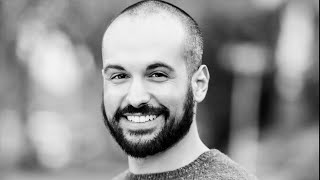
Levi Reed, co-director of Founder Institute's Seattle pre-seed accelerator, discusses how the program helps technical founders pitch better and why the region thrives. Amazon, Microsoft, Google, and Facebook create a talent flywheel that feeds startups like Flight AI and Agaz Investments with mentors and micro-VCs willing to get hands-on.
Chapters
Welcome to this startup ecosystem report livestream. My name is Dustin Betz. I'm a community manager at the Founder Institute, and I'm joined today by the co-director of of FI Seattle's regional pre-seed accelerator, Levi Reed. Levi, thanks so much for joining us today.
Thanks, Destin.
This is super fun. Yeah, so today we're gonna talk all about the Seattle and wider Pacific Northwest US startup ecosystem, but to kick off our conversation first, I'd like to ask you briefly a little bit about yourself. You've been leading, helping to lead the Seattle accelerator since 2019, I believe, going on 3 years. You're currently the co-founder of an e-commerce growth company called Unimart. You've previously led and managed product, marketing, and partnerships divisions and teams across Amazon, I believe, for more than 4 years prior. And I know you're currently also involved as an advisor at FI's friends over at Loyal VC. So given that abbreviated bio by way of introduction and all the experiences that you're bringing to work with FI pre-seed stage founders, what has been your personal experience like at the Founder Institute Seattle over the past almost 3 years leading the program now. How has it been? What are the experiences that stand out or stick with you so far as a program director there?
I think one of the most interesting parts about it is being that it's pre-seed. I get to kind of have a firsthand seat watching as founders transition out of whatever they were doing before, which here in Seattle is often, you know, roles at companies like Microsoft or Amazon or Google. And they start to move into startups often for the first time, and, you know, kind of getting a front row seat to seeing what that process looks like and bumps in the road, and especially how these really driven, brilliant founders overcome these kinds of challenges and think of really creative solutions. That to me is one of the most exciting parts of it, honestly. The other thing that really stands out is that, and then this is the reason why I joined Founder Institute specifically, is just how frankly, how well run the organization is. The programs are really well organized, everything's documented, tabulated. I always know what's going on. And it makes it for me, you know, as a director with the organization, honestly, a much lighter lift to help to manage. I get to focus on what I really enjoy doing, which is working directly with the founders, and a whole lot less on, you know, backend paperwork and setting up meetings and, you know, just kind of dealing with that sort of thing. So those are two of the big things that really stand out for me.
Yeah, yeah. And so, yeah, you mentioned, you know, the pre-seed stage, and we're obviously industry agnostic for the most part. To take it— there's obviously a large variety of where people come in at different stages and all different kinds of industries, but where's one of the areas that you see most incoming pre-seed founders making the greatest progress at over the course of the 3.5-month accelerator program itself? Or yeah, what are some of the areas that you just see the founders make big strides?
Honestly, one of the biggest things is, and it sounds very simple, but it unlocks almost everything. Uh, it's communicating what their startup is, what they're doing, and why, and the importance of it to people who aren't directly involved. Um, and this, this is, you know, we do this through, through the pitch every week, uh, through networking events, through meeting with mentors. But ultimately what, what happens is you see these founders come out of the program and they've really mastered the art of very succinctly, or some not so succinctly if the occasion calls for it, in more detail, being able to summarize what it is that they're doing, why they're doing it, who it's for, who they are, why they should be the ones doing it. You know, all of these kinds of salient details that go into making up a pitch or a sales process or interactions of any sort with investors or partners or advisors. And you know, that's kind of the first step for a lot of these founders, especially here in Seattle. We have so many tech startups coming from the ecosystem that we have here. And a lot of the founders are very technically enabled, very technically inclined, but don't necessarily have a great deal of experience in sales and marketing and these kinds of functions. And so it's an area where that kind of practice is critical because it's one of the most tragic things to see when a startup flounders because it's unable to develop the kinds of relationships necessary, even though the idea and the technology behind it is excellent. And we see this, you know, our founders, frankly, I'm gonna brag a little bit here, but our founders coming out of FI in Seattle, I'm involved in a lot of organizations here relating to startups and investing, and FI founders, consistently win pitch competitions around the area. I mean, very consistently. When there's 2 or 3 in an event that I'm at, at least, that's for, you know, pre-Series A startups, if there are FI Founders in the competition, it's probably an FI Founder winning. And just seeing that so consistently happen has just been one of the most encouraging things, you know, over the course of this experience.
Yeah, being able to articulate all of those different things, yeah, not just when pitching investors or, you know, pitching on stage, but also to all the other different stakeholders that you mentioned, especially if you come from a technical background where communication is not necessarily your forte or the focus of your normal day-to-day. Yeah, that makes a lot of sense why you would see like so much advancement in, in that area. So yeah, really, really cool. I want to pivot next to talking a little bit more about the Seattle and the Pacific Northwest startup ecosystem itself. What are you seeing from early-stage founders out there right now? What are the trends or developments that you are watching right now or are most excited about kind of in the region?
You know, I hope these words age well. They might not, we'll see. But I know that, you know, there's a lot of chatter right now over perceived economic insecurity in the markets right now. And it's certainly, it's hitting the stock market, obviously. It's also, you know, you're starting to see later stage, more mature startups starting to suffer a little bit in terms of access to funding and revenue sources. But I think the real impact of this kind of downturn hasn't really hit the early stage yet. There's a lot of early stage VCs reportedly sitting on dry powder. There doesn't seem to be a significant, at least as far as I can tell, a meaningful slowdown in early stage investing right now. I mean, there's absolutely some things that we're noticing, right? There's some belt tightening happening for sure. But a lot of it, I think, is anticipatory rather than reacting to actual, actual problems. Now, all of that said, one of the most exciting things happening right now, in my opinion, is just the proliferation of early-stage VC. And this isn't unique to Seattle, but I would say it's especially apparent here. There's just a massive number of very small, very specialized VC funds, often founded by people who have just recently been startup operators themselves and have a a really excellent ability to kind of think carefully through their lead flow and ask intelligent questions and also provide some really great support. And then again, because they're, you know, they're very small, they're micro VCs, they're typically running much smaller portfolios with a great deal more time and attention to be able to give to each of those founders. So that, that's me, one of the most exciting things. And, and, you know, as you see money start to move into this space, concomitantly you see other resources and, and infrastructure start to develop to support very early stage founders. So we're now starting to see people really recognizing the fact that things like a friends and family round, not viable for a lot of potential founders because they don't have those connections. They're not coming from backgrounds with that kind of money. And what we're starting to see is investors realizing that that represents an opportunity, right? Just because someone can't necessarily, doesn't have the connections to raise money early on, doesn't make them any less likely to be successful in terms of their own attributes, the quality of their idea, the quality of their experience and skill sets, the quality of the team that they can pull together. So there's a huge opportunity here. And one of the most exciting things to me is seeing these, this new form of institutional investment popping up that's poised to take full advantage of that. And in doing so, create an entirely new set of opportunities for people who have historically not had those opportunities.
Definitely. It is an exciting trend. And yeah, Founder Institute's sister organization VC Lab, really its mission is all about kind of fostering this next generation of rising VCs who you're talking about, where there's definitely a lot of overlap there and more interest than ever in the pre-seed space. And so yeah, there, it's definitely a lot of exciting things going on there. I guess just to kind of summarize or to put it in perspective, people outside of Seattle obviously think of like the Amazons and the Microsoft headquarters, but just in your kind of on the ground and being part of the early-stage startup ecosystem there, for those, why Seattle? Why the Pacific Northwest? Why is it a great place to build a technology company? And then maybe thinking back to what you were just saying before about the kind of macroeconomic trends, you know, why is maybe now a good time to start a company?
Yeah, well, why Seattle? I mean, okay, I'm very biased. I live here, I love it here. I've been here about 6 years now. I'm originally from the East Coast, but the thing is, what you have here is kind of this perfect storm of factors. It's sort of a petri dish for startups, especially tech startups, in a way that I suspect from what I've read, you know, it was before my time, but I suspect San Francisco, Silicon Valley was, a bit like this in a lot of respects, maybe a few decades ago. One of the advantages we have is that we have a lot of very comparable resources for startups in the tech industry by virtue of having so many massive tech companies headquartered here or with significant presences. You know, you've got Amazon and Microsoft headquartered in this region. You've also got major offices for Facebook, Google, Expedia is headquartered here. And what happens is you start to see this virtuous flywheel develop as those companies The people passing through them, building skills, building networks, they leave, they go and they start companies, right? There's such a huge wealth of companies here that are just directly descended from these Amazon, Microsoft, Google, Facebook lineages, right? And often their company culture almost mimics that, that quote unquote parent company. But then what happens is those companies become successful, they become established, and then you have people spinning off from them and launching their own startups. So you have this sort of generational, structure almost to how these companies are being started. And people will reference this, right? You'll talk about somebody is, you know, ex-Convoy, which is, you know, a transportation tech startup here founded by ex-Amazonians, you know, and they'll trace the link back. But what happens is, as you start seeing this develop, this whole ecosystem and infrastructure springs up around it, like the micro VCs I was talking about earlier, right? It's really, I mean, at its most fundamental, it's a basic supply and demand economy, in my opinion. But what you need is an economy of scale essentially, or a network effect, if I've used enough buzzwords yet. You need enough of these different factors, these different entities, right? To actually create a flowing, vibrant ecosystem. And I think we've crossed that threshold here in Seattle. I think we crossed it some time ago actually. And what's happening now is we just have this advance happening at breakneck speed of this proliferation of new ventures. And new tech startups and the resources springing up to support them. So that's incredibly exciting. I mean, this is a very, very exciting place to be if you're interested in startups or the tech industry at all. And then, yeah, I'm sorry, I think there was a second part to your question, Justin. I've totally blanked on it.
Oh, well, I mean, I love how those connections that you pulled together sort of around the talent of the— as this ecosystem matures and yeah, those flywheel effects and how they feed on each other with people starting their second company And yeah, having those big tech organizations that help foster that upcoming rising talent for who become spinoff entrepreneurs. And I think the parent company idea is kind of funny because obviously it's not like a true parent company, but in a sense, yeah, that's where they kind of came up in the tech ecosystem and learned. So yeah, very, very interesting, I think. The next thing I want to ask you about is just to give some local Founder Institute grads a shout out. Especially for any prospective Seattle founders who might be watching and thinking about the Seattle Founder Institute, who are some of the local Seattle FI alumni portfolio companies that they could check out if they're interested in seeing a company who came out of the program?
Yeah, oh man, I feel bad here 'cause by necessity, right, I just have to pick a couple, but I think one of the startups that I really loved working with, and it's just been so exciting watching their success coming out of the program Flight, Flight AI rather, F-L-Y-T-E. So that was founded by Shilpa Sharma. She went through our program, I wanna say about 2 years ago, and then joined Techstars not long after that, which is actually a very common path, at least in Seattle for a lot of our FI founders. And we maintain relationships with accelerators like Techstars just because there's such great pipeline there. There isn't really any overlap between the two programs. So coming out of the pre-seed accelerator at FI, having a few weeks to kind of, you know, digest what they've learned and integrate that into their company. Often we see a lot of our really successful founders move into top-tier accelerators like Techstars as a next step and find a lot of success doing that. So with Flight, I know that they've gone through a pivot recently with the platform that they're offering, and unfortunately, I don't know a ton of details about the new platform, but From a mentor point of view, I suppose, or an advisory point of view, it's been so inspiring to watch how the company started with not a whole lot more than an idea, frankly, when Shilpa joined FI. And she's fleshed it out into this very, very exciting cutting-edge AI company, or AI product, I should say, servicing some very large brands. I've used previous iterations of the product myself and been incredibly impressed by it. One of the really fun things, honestly, working with Flight has been watching you know, colleagues with expertise in AI when I described to them what the platform does and go, oh no, that's not possible, you can't do that. And then they use it and the next thing they want to do is call Shilpa and go, how did you do this?
You know?
And just getting to watch that kind of success, that kind of change being driven, you know, Shilpa went through the Seattle Angel Conference here in Seattle as well and made quite a splash with her abilities pitching the company. Again, as F5 founders tend to do. And so just watching that kind of growth and success has been very exciting. Another company that I've really, really enjoyed watching grow is Agaz Investments, founded by Karam Aga. So Karam was part of a cohort that I was actually mentoring out. So this would've been 3 or 4 years ago before I actually joined as a director and was initially just doing mentoring for the go-to-market module. Of the program. And so we connected there and then he, like Shilpa actually, both received an investment from Loyal VC after graduating from FI. And right about that time when Agaz accepted the investment from Loyal, I actually joined Loyal as a limited partner myself and became an advisor through the fund. And so we continued our relationship there in an advisory capacity through Loyal, which was very exciting. Karam is another one that is just, he's just so much fun to work with. Like really brilliant guy, you know, and deep, deep subject matter knowledge. And like Shilpa, like really all of the founders who graduate the program, just this well of drive and willpower that's almost slightly intimidating, to be honest. You know, you watch what some of these founders go up against and the obstacles that they go around, over, under, sometimes just plow right through. And it's very inspiring to see. Watching Agaz grow, you know, and some of the numbers they've been hitting recently in terms of growth, in terms of funding, has just been so exciting. And Agaz is super interesting too, because it's an Islamic finance investing company. So they're really trying to provide retail investment solutions for a surprisingly large, but very underserved community, because there's a number of stringent requirements for, you know, those wishing to observe Islamic finance investing. Practices, under religious practice that really cannot be met by existing offerings. And this is a very sincere, very promising shot at delivering this kind of a product and service to a large population across the US, but globally as well. So that's very exciting too. I'm on a personal level, one of the democratization of investment opportunities generally. So this one is, is close to my heart. Yeah, I could go on for a while, but maybe I'll stop there.
Those are great examples. I think this is Jeremy maybe who is in the LinkedIn comments, I'm not sure, but yeah, 'cause he was building on things that you had mentioned, mentioning that it's so great to see the grads returning to become mentors in the program as you were, you know, you mentioned working with Egas before you joined to become a co-director, but yeah, he also dropped in the links to both of their websites. So that's where you can go check out the AI company that Levi was just mentioning. It's flightai.com, and then this is the web URL for Agaz Invest, Agaz Investments, it's agazinvest.com. So yeah, those are, those are two Seattle alumni who were, you know, especially keeping an eye on. I know another one, I think it was before your time, but PetHub is a cool pet tech company that also joined a Seed Accelerator from Mars Petcare, the Leap Venture Studio. Yeah, Refactor was a Seattle company, I think also before your time, but they were acquired by Sophos last year. So yeah, lots of really really cool success stories in the Seattle and greater sort of region that we're keeping an eye on and yeah, and that we're excited about. But we're getting, I guess, towards the end now, but we would be remiss to not also give a really quick shout out to a Founder Institute Seattle partner who's been a terrific partner and is a partner again for the upcoming 2022 cohort. And that is Fenwick and West. And so yeah, they're, I believe, a legal partner of yours, but just wanted to give a shout out and thank you for your support to Fenwick and West. Their website's fenwick.com. So yeah, thanks to the folks over at Fenwick and West. And yes, very much so.
We love Fenwick and West and they always send some folks over to do our legal sessions as well to mentor. And poor, poor Ryan, we always harass him with so many questions. He's so exhausted, but he says he enjoys it, so he keeps coming back. So that's good. But yeah, it's a really great session.
They've been a fantastic ally and partner to the chapter for For the founders, yeah, for all the legal partners, the founders actually will work with you as to— with that legal partner, as you mentioned, if they so choose during their incorporation stage. So the founders will have face time with that partner. So yeah, thanks, Fenwick and West. Yeah. Do you have any other sort of parting thoughts, Levi, as we get to the end here? Any final advice for founders who might be watching or just thought you want to conclude on?
Yeah, I think, you know, two things I'd mention just in terms of kind of let's say accessibility. One, I get a lot of questions from founders about, you know, they're not in tech, is it still appropriate for them? And in general, I say yes, absolutely. The program, I mean, here in Seattle, we do have a preponderance of tech companies going through the program. That's, but that's just a factor of where we are, but it is not, the program's not designed to be for tech companies specifically. It's designed to provide guidance and support essentially industry agnostic, right? But the other big thing that I want to say, we've been making a big effort here in Seattle to try to increase the range of representation among the founders that join the program. So we put on a lot of events here, you know, as we lead up to each cohort, trying to kind of highlight the professional women and founders in the network and who have gone through the program, as well as, you know, founders of many different backgrounds, ethnicities, etc. We're really proactive about offering wherever possible financial assistance in the forms of fellowships, fellowships and scholarships for folks who don't necessarily have the financial wherewithal to go through a program like this. It's something that's very important to us, I think, institutionally as an organization here in Seattle, but also on a very personal level for myself and all the directors as well. So one thing I do want to say on a personal note is just to really encourage anyone, you know, if you don't feel like you look like a founder, or maybe you're not coming from a traditional background, or you're not the right age in your opinion, or something along these lines, Reach out, drop us a note, let's have a chat. We can have an informal conversation, it's totally fine. But there's so many interesting statistics around founders and who's actually successful that really blows up some of the traditional ideas that people have around who's a successful startup founder. I'll say one thing, a successful startup founder statistically is quite a lot older than you might think. Turns out industry experience and general experience, professionally actually has a lot of a benefit as a founder. It's not a necessity, but it does help. So different things like that. We just, we really, we want to be an option for everyone. We don't want anyone to be excluded for reasons that have nothing to do with their ability to succeed as a founder.
Absolutely. Yeah, totally agree with that sentiment. Yeah, we believe that great founders come from everywhere and yeah, going along with what you were saying of the, the age of a successful entrepreneur is quite a bit older than most people's dorm room stereotype kind of notions. Another, I guess, factoid that sort of goes hand in hand with it is that immigrants and first-generation Americans are also way overrepresented in terms of like successful founders. So yeah, we believe that great founders come from everywhere and yeah, echoing that sentiment in Seattle, definitely something we agree with. So yeah, really exciting. Last but not least, yeah, we just want to remind— so we sort of talked about this just now— any and all pre-seed stage startup founders, if you're in Seattle, the Seattle area, wider Pacific Northwest US, the final deadline to apply for the FI Seattle 2022 accelerator program is this Sunday. So this weekend is the last chance to apply. Program is starting in just a couple of weeks. You can learn more at our website fi.co/seattle. Or you can apply at fi.co/join. And yeah, we're very much looking forward at the Founder Institute to helping another great batch of new founders in Seattle building some exciting early-stage tech companies. And we hope you will come out and join the community here. This has been really interesting talking about Seattle, the tech and startup ecosystem and everything you and your team are working on there in Seattle. So Levi Reed, co-director of the Founder Institute Seattle program, thank you so much again for joining the livestream today.
Thanks, Dustin. Super fun. Thanks for inviting me.
All right. Yeah. Take care, everybody. And yep. Go check out fi.co/seattle if interested. Thanks.










