The Latest Trends in Venture Capital: A Fireside Chat with Christine Herron
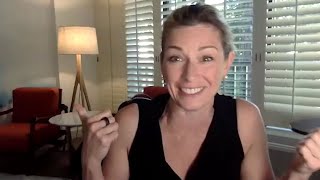
In this 2021 webinar hosted by Adeo Ressi of VC Lab, venture‑capital veteran Christine Herren discusses the current state and future direction of the VC ecosystem. The conversation begins with an overview of VC Lab’s accelerator, which compresses the typical 9‑24‑month timeline to launch a fund down to about six months by sequencing decisions and providing structured support. Herren then shares her perspective on two major themes: diversity & inclusion and impact investing. She praises emerging managers who are willing to experiment and fail, citing Backstage Capital’s unconventional use of carried interest, while criticizing entrenched firms that pay lip‑service to diversity without changing hiring, investment, or LP practices. The dialogue moves into practical advice for aspiring general partners (GPs): the limits of angel investing, the value of advisory work, finding champions, structuring short‑duration “one‑year” funds, and navigating solo‑GP challenges such as decision‑making speed versus lack of backup. Herren emphasizes mindful investing – embedding DEI questions into due‑diligence, using salary bands, and supporting founders’ unique needs. She also addresses the perceived decline in risk appetite among larger VCs, the importance of curiosity to master new sectors, and strategies for under‑represented individuals to break into VC through social media, point‑of‑view development, and networking. The session concludes with a discussion on convincing traditional LPs to back innovative, impact‑oriented funds, suggesting grassroots band‑wagon tactics and proof‑of‑concept smaller funds. Throughout, both hosts stress the need for genuine cultural change, transparency, and kindness in venture capital.
Chapters
Welcome everybody. We have an exciting webinar for you today to discuss the positive impact of venture investing hosted by VC Lab, and our special guest is Christine Harron. So I see people are streaming in. Thank you for your patience. We were just dealing with some technical issues and I see we're already at 73. 76, that's great. So let me just quickly introduce VC Lab, give people a moment to come in, and then we'll get right into the topic. Um, before I even introduce VC Lab, and I'll say this a few times because we're already at 92, we are going to be responding to audience feedback and audience questions. So if you have a question that you'd like us to get on stage, so to speak. There's a Q&A area. There's a Q&A button at the bottom of your screen. Click that button, it will pop something up. You can ask a question and then you can upvote questions. So we're gonna definitely get through the highest voted questions. So make sure to ask your question and vote up questions that you wanna see, uh, answered. Let me quickly introduce VC Lab. My name is Adeo Ressi. I am CEO of the Founder Institute and CEO of VC Lab. VC Lab is a venture capital firm accelerator. So we work with aspiring general partners, people that want to launch a venture capital firm, and we put them through a roughly 4-month structured program to launch a venture capital firm. It turns out that this program is working rather well. So in general, in the world today, if you wanna launch a venture capital firm, it's taking somewhere around 9, 12, 18, or 24 months. I would say if you can do it really quickly, you can get it done in 9 months. If you're kind of average, you're in the 18-month range, and if you're slow, you're in the 24-month range. VC Lab graduate funds, and we have 42 funds that have graduated the program, the average time to their first close is just 6 months. So we've dramatically sped up the amount of time that it takes to get to your first close from a minimum of 9 months in the real world, probably 12 to 18 months more practically, down to just 6 months. And we do that by helping you sequence the decisions that you need to make so you're not wasting time doing things that don't matter. And we'll be talking a lot about launching a venture capital firm today. So we're already over 100 participants, which is great. So we'll, we'll jump into the topic at hand. So if you haven't done so yet, please apply to VC Lab if you're interested in starting a venture fund and share out anything about today or VC Lab, because we're really trying to change the venture capital community by opening it up to amazing people around the world who want to launch VC firms, which brings us to our guest today. So I am very, very excited to be joined by Christine Herren. She's traveling, so even better that she's able to join. Christine is a, a real leader in both, well, diversity and impact in the venture world, two areas that we care deeply about at VC Lab. And her career spans pretty much all facets of the venture community. She's advised accelerators like StartX and 500. She's worked at corporate venture capital like Intel Capital. And she's worked at actual kind of early-stage venture capital as well, including first-round capital. And that gives her this amazing purview of the entire industry. And before, you know, I've been talking a lot right now, so do you want to add anything to your intro, Christine, before we jump into some questions?
No, I think, well, the one thing I think I would add, especially given the topic that you've proposed for today around having impact is I did also join Omidyar Network, which if you guys are not familiar is the eBay founder's investment group, or now it's one of many, but at the time it was Pierre Omidyar's first foray into doing impact-based venture or mission-based venture. And so that certainly was an interesting transition from a very typical Series A fund, which is the kind most recent thing I had done before that in venture.
Yeah, and Omidyar is truly impact, impact, impact. I think all they care about is impact, if that's correct.
Well, that depends on, you know, certainly I think that goes back to, you know, I think a comment that I had made, you know, with you earlier about how, you know, pretty much every investor has the opportunity to be an impact investor. You know, impact does not mean you're not out to make money. You can 100% want to make money and also 100%, you know, want to see good things happen in the world. And, or to be, have some mindfulness about where you do and don't, you know, place your cash once you have some.
So you've seen it all, right? You've seen all facets of the venture world, which is really unique, honestly. There's, you can get people who have a lot of corporate experience, a lot of VC experience, And they, but they don't have that range of perspective. And so maybe the first question I would ask is, what excites you the most and frustrates you the most with what's happening in venture today?
Yeah, I think what excites, and I thought about this a bit, 'cause I'm like, gosh, am I excited? Like, what am I excited about? And one of the things that excites me, and this is gonna sound really, you know, odd perhaps, is I'm excited to see a lot of people willing to fail in venture. You know, it's funny because we talk about people failing in entrepreneurship constantly. We talk about how it's important to have a culture where it's okay to fail, it's okay to try something new, take a risk. If it doesn't work out, you take a lesson, you move to the next thing. And, you know, some of that culture is finally bleeding into the venture community with emerging managers, where emerging managers are coming along and saying, "You know what? I'm okay trying something new." And whether that is my LP base, whether that is the way I'm going to source my deals, the way I'm going to target my investments. So, for example, and I don't know how many folks may already be familiar with this, but so, one of the ways Backstage Capital with Arlen Hamilton, who I think, very well known, And perhaps less well-known is how Arlen actually managed to support getting off the ground. She managed to support all of those efforts, all of those offices in different cities where they wanted to get entrepreneurship started by selling off some of her own carried interest. And so for years and years and years, people have always been told, oh, don't ever sell your carried interest. Communicates to your LPs that you don't really believe in what you're doing. And I look at that and I think a lot of people who start from scratch and bootstrap their way up, it's like, yeah, sometimes you do. You sell the furniture in the house so you can build the house. No point in having furniture with no house. So I really liked that she tried something new. Now, there was— they went a little too far with some of the expansion on that, you know, had to retract it a little bit. But still, there's no way she would have created the awareness, that center of gravity, to get people into the space without taking a risk and trying something new that everyone has said for years, no, you can't do that, that's, that's a terrible thing for people to do. So I think things like that get me excited because I think doing things and getting started the exact same way is going to produce the exact same results in terms of Who's starting a fund? What types of companies are they funding? Like, you know, you start the same, you end the same. You know, something has to change very early. Um, so I think that's exciting. Um, and I think, uh, frustrating. I think, yeah, so many choices. Uh, I think the thing that's probably most frustrating is how seeing long-established venture capitalists, the ones that already have a platform and it's a very comfortable platform. It's a very high platform for some of them. Seeing some of those people really not put their money where their mouth is, to say nice things, to say the correct things, but you don't necessarily see changes in how they take money, how they spend money, how they hire, how they promote, how they cultivate staff, how they invest in, not in terms of just cash, but also in terms of correct management, leadership coaching into their founders. So I think wanting to see more come through, I think that Mark Schuster, for example, is amazing. He has actually put his money where his mouth is. Like he does all of the right things. I would love to see more people sort of follow that model of venture. Managing.
So you say you think they're saying the right things, but then if you actually look at what they're doing, a lot of the times they're saying and doing don't add up.
Yeah. And so, you know, and I don't mind, you know, I will say the thing that, you know, in theory is personally revealing, but really is not a surprise. You know, so I've certainly had those calls, you know, back when I was leaving Intel, you know, I was like, oh, am I going to go right back or am I going to take a break, right? And you would take these calls and you'd have like that initial meeting and you would know that I am being met with so that someone can check the box on their little Rooney rule list that says I met at least 2 diverse candidates before I hired for this position. It's like, okay, so why am I here? I'm not a tire, do not kick me. I don't enjoy it. So I think that's, So yes, so people are starting to do some of those practices or they say they want diversity. And so, again, if we're speaking about hiring at a fund, and so they will bring in someone who's underrepresented ethnically or who's female or fill in the blank from any of these underrepresented groups. But then when you look at the background of that person, where they've worked, what they've done, It's really not that different. And again, I think a recent exception, Andreessen Horowitz just brought in another partner who does not have the typical background. He did not go to Harvard Business School. He did not go start a company coming out of college and build it up and sell it, some big thing. He is someone who hustles and gets in and learn the business. And it's like, yeah, this is someone who doesn't have the right background, but is the right guy. Um, so I think again, more of that is fantastic.
That's great. And, and questions are coming in, and just for people who ask questions, uh, it's in the Q&A section. And make sure, try and keep them like concise and easy to read, uh, because I will, we'll try and get to them and upvote them. Okay, but I'm going to go through some questions first with you that I know are important and people want to know. So, you know, Okay, you kind of hinted at this. Venture capital is pretty male-dominated, has been for a long time. It's been something you and I have talked about before. How do we change that? How does this change? The time has come for change. And do you have ideas on how we can bring more women into the field?
Yeah, I think in order for it to change, and this is why it's been so difficult, it really is that bringing in not just diverse body parts, but actually diverse perspective. And so if you're basically looking for the same perspective with different body parts, it's not— you're not really going to change very much, you know, because the pool is going to be a different pool than if you say, okay, we actually want real diversity. We want those different perspectives, those different cultural styles, you know, different ways of speaking and sort of exploring ideas or taking problems apart. And when you do that, I think getting comfortable with those issues is really what it's going to take to get the doors open and valuing different kinds of people at the table. And that is very hard to do. It is very hard to intentionally take your business, assuming you're a successful partner, it's very difficult to take your business that you've become comfortable in and say, you know what, I want to be uncomfortable. I want to get comfortable with being uncomfortable. So that I can change, you know, sort of what I see when I look around the room, what I see when I look at the portfolio, you know, etc.
Isn't venture kind of an uncomfortable business?
I mean, you would think so. But, and this is, you know, I can only speak from my own experience, but I know in, you know, my, you know, I'll use COVID as an example that hopefully is not overly polarizing, you know. Well, I know you probably like polarizing, so I'm a little provocative. So I don't know, that might be a mistake. But so for example, there were, you know, things that I would do that were risky during COVID you know, so I opened my house up, I had all these kids coming in, you know, did the learning pod, you know, so now I'm exposed to these other kids' families. And so since I took that risk, I reduced other risk. Like, well, I can't have it all be risky, I've got to kind of balance it out so that my viral load stays, you know, not too bad. So I didn't get haircuts, I'm still rocking my pandemic haircut.
Me too.
Yeah, I was like, I'm sitting here, I'm like, oh man, I gotta go party now. And, you know, I didn't go out, you know, to the movies even though they had some capacity, right? So I did, you know, I took it down so I could take it up. And so I think when you look in, you know, some of these venture businesses, it is so freaking risky. You're constantly trying to please placate, keep happy your limited partners. The number one thing that you can do to make a limited partner happy is to make them money. The number two thing you can do is make them look good. But the challenge is the way LPs get funded is not necessarily by taking risk. They get funded or they get paid on a salary. They get paid on not losing money and just sort of keeping keeping it going. And so there's this challenge of like, okay, how do I take a bunch of risks that might be scary while still keeping these folks happy and making them feel like it's gonna be a predictable set of returns, right? So that they continue to get paid, so their endowment continues to grow and takes care of their community. There's a lot of tension in those things you're trying to do. And so I think a lot of organizations, investment organizations end up being a little more conservative. They end up being more conservative internally because they're being so much riskier externally, and they're putting— in fact, the more dollars are at risk, the more likely it is that they're going to be more conservative internally. If you look at sort of the more private equity style funds or the ones that are doing very, very late-stage venture, those tend to be pretty white shoe. Those are not the ones that are taking big risks. On people, you know, with the wrong backgrounds, or, you know, that, you know, don't belong to the right club, or that, you know, don't speak the right language, don't have the right slang, the right accent, you know, you know, people who are slow talkers instead of fast talkers, you know, whatever it is.
Well, so can I, can I, can I just dive in on that for one sec? So, so you're talking about within versus without, and to some extent, when we look at a VC lab, it's like maybe we can't change it from within, within, because to your point, it's kind of so closed and conservative and trying— you're— I think you nailed it, right?
And I think, and I think that conservatism is not just, you know, I think a lot of people, when I, when I use that language, I think a lot of people may associate that with, you know, sort of an older demographic, an older white male demographic. And that's absolutely true at younger male demographics, younger white demographics as well. It's not just you know, people who are, you know, 65 years old. You know, it's all the way up in between. It's the 25-year-olds who went to Stanford and, you know, got hot and started a fund. It's them too, you know. Right.
And by the way, it's— and to your point, they then look for women that are like that, right? Not necessarily women that are different or minorities or whatever. Everyone's looking— yeah, because it's so risky in the world, they want similar mindset, not different mindset, right?
Yeah, you know, you want your woobie, you know, life is scary.
Well, but, but, you know, it's interesting because we had Steve Jurvetson on one of these, and, you know, he's partnered with a very different woman, uh, in his new fund Future Ventures, and, and, and he likes the fact that she has a very different viewpoint, and he doesn't even want them to agree on deals. He likes the fact that they disagree on deals. And he was telling— and so, you know, I'd love to hear, like, do you think it can be changed from within, or do we need to change it from without? Do we need to start telling—
well, I would— and I would argue that, um, that is not necessarily changing it from within because that's a new partnership.
Yeah, that's exactly— that's changing.
So I would argue that that is exactly proving your point about You know, if you do want to change it, you, you know, you have to sort of, you know, scrap it, start fresh, do something new. Um, and, uh, you know, again, it goes back to what I'm excited about, which is the people who are new, you know, coming in, starting it from scratch. I mean, I know that, you know, one of the reasons, um, I think that I've had my random walk survey course of venture capital is because there were challenges in all of those things. So for example, if you're doing corporate investing, it's incredibly challenging to have every 12 months, you've got a new set of mandates that may or may not match up to the investments you're making in that 12 months. And then the cycle kind of goes and goes when it does not match to these long-term cycles of venture, right? So that's a challenge. And then you've got challenges in sort of typical Silicon Valley, the kind of cronyism stuff that we were just talking about. You know, being female, probably not using the right language half of the time. I'm always, you know, my feet, you know, I didn't think they were too big to fit in my mouth. You know, I got them in there. So I'm always in trouble. Maybe not as much as Zadeo, but I'm always in trouble.
Being in trouble is good. I mean, to your point, we need to blow this industry up a little bit and bring some new perspectives in and change the way things are done, right? And then we can have a positive impact on the world. I want to get to a lot of— there's so great, guys. Thank you so much for questions. Upvote the questions. Let's do some more internal, like 1 or 2 more internal questions, and then I'm going to start speeding through these questions that are coming up. Take a moment to vote on them. So, uh, what you mentioned, some long-standing negative aspects of VC culture in our prep for this. And, you know, what are some of those things that you say right now I want to get rid of? If there were maybe top 3, top 1, you know?
Yeah, yeah. Um, I would love to get rid of, uh, and people, I say cronyism, you know, say like, wow, that sounds like such a harsh like mafia mobster kind of word, the cronies at City Hall. But I'm like, but actually, yeah, cronyism. I would love to get rid of that. I would love to make it easier to find funders. That's why I think frankly, one of the most fantastic things you're doing at VC Lab, when you were first telling me about it, was freaking make it easy to find LPs because most other VCs, you know, the way that people had always been saying, well, this is how you find, you know, your LP is you find another VC who's kind of willing to kind of like vouch for you, right? And like, and they're willing to like let you, but otherwise they're like, oh no, you, you know, like they are very jealous of their LP relationships. They don't share those. So you never, so, you know, unless they're willing to vouch with the family.
So cronyism is one thing to get rid of.
One number one thing, because that's That's accessibility. That's, that's the, you know, they're gatekeeping, but they're not setting the tone. And this kind of goes back to, you know, how many of these folks that talk about, oh, we want diversity and we just hired a female partner, like how many of them are going to emerging female managers and introducing them to their LP base? Probably not so many.
All right, what's another big one you want?
Yeah, so, uh, gatekeepers not setting the tone. And I include not only the extent that there are GPs that are gatekeeping to the LPs, but also the LPs, right? Despite all of this hand-waving in the community, you do not see the LP community moving towards mandates internally. You don't see them saying, hey, you know what, we're going to pull out of South Africa during apartheid. You don't see them saying, hey, we're going to pull out of tobacco in this situation. You see them saying, oh yeah, it'd be wonderful to see more diversity, but not actually putting a mandate in. So I'd love to see that change. Right? Again, money where your mouth is. And I think that, you know, this is certainly— this was an issue during the bubble. I think it was another issue, you know, maybe the last, you know, maybe not last year, but the 10 years before that. Sort of this people just chasing, you know, the latest shiny thing that kind of looks and smells the same with the same kind of people doing it. Because again, sort of wanting to see diversity in the market isn't just about the types of founders or the type— it's also the type of companies. And sort of everyone looking and saying, hey, we need to be built just like Uber. We need to be built just like Airbnb. It's like, how many times you go to like a YC Demo Day and it's, oh, we're Uber for, we're Airbnb. Like it was a joke. What's the thing everyone's going to be for this year? So I'd love to see less of that. I'd love to see if people are going to grow their funds in the venture community, and it's hard to not let success take you up. So if you are going to let success take you up and you are going to increase your fund size, and so you can increase your management fee and all these other things that in theory come with doing well, try to keep the risk appetite the same. I'd love to see— that's a negative thing, is people actually, they take it down. Which doesn't necessarily mean they're making better investments. It just means they're not working as hard to find the newest, riskiest, most innovative thing that might actually make that big impact, that might actually be long-lasting. They're just doing all this Me Too crap.
So before I go into the next question, can I just double-click on that for a minute? So do you— I love— that's an interesting view that I haven't heard anyone say before. You think that the venture community has actually had its risk go down lately, especially the bigger guys? I would agree with that statement now that you say that, but it's interesting.
Well, and again, not risk in terms of actual financial return risk. I don't think that has changed at all. It's that, again, it's sort of that seeking comfort, right? Seeking the familiar. I guess familiar, right? So I think they seek the familiar. They say, okay, here's someone who looks correct, smells correct, is in the correct space. It says AI. It says AI and it's like Uber and it's a dude from Stanford. Let's go.
It's got the three things.
AI, dude. I'm all over it. Smells like Uber.
Well, then you look at power and money.
It could be a very risky deal. I'm sure it would be a very risky deal. But there's this— it's going back to that thing where you have at the LP level. And again, I think many people have heard the anecdote about you don't get fired for buying Coca-Cola or buying IBM. You don't get fired for buying IBM stock. It's like, OK, I don't get fired for investing in the Stanford AI Uber deal. Yeah, it's like, it seemed like it should be good. If they fail, I'm not in trouble. So yes, less risky.
All right, so, so, so let's take that and to one other thing we talked about before, like, and, and then we have now lots and lots of questions. They're gonna be fun, so we'll try and burn through them. We're getting ready, so vote now on questions you want answered because that's coming. Coming next, but, uh, how can individual venture capitalists be more mindful about their investing? You know, so we got a lot of people who are hopefully going to be starting venture capital firms listening right now.
How—
what, like, sage advice on being more mindful?
Yeah, um, that— and that is— that is the question, I think, um, because, uh, again, as you and spoke about, I think you can be impactful without having an impact fund, right? Like, it is not necessary to have an impact fund to be impactful. Your business practices make you impactful. You know, saying, you know, and this is, you know, a small thing, but for example, if you are making— writing a check to a new company, you know, you send them that list of due diligence questions like, okay, here's all the materials that we need from you. Just including on the list, what's your diversity, equity, and inclusion policy? We need a copy of that, right? Like, you know, I want a copy of that policy and you put it right on the list right next to what's your boilerplate employment agreement, what's your blah, blah, blah. Like, it doesn't— it's not a lot of work to sort of subtly do these things. It's not a lot of work to, you know, make sure that when you're on the board of a company, they are using hiring, you know, sort of salary bands in their hiring practices as versus negotiating one by one. And make them narrow salary bands. It doesn't, you know, salary and equity bands so that you don't get a big delta in between, you know, diverse employees and, you know, white male employees. You know, say, you know, put in there like how often do you, you know, review, you know, everyone's salary to make sure that you don't have any inequities. You know, it's not hard to just ask the questions that make people think. And so if you can just remember right up front, set the tone. I'm going to ask the questions that make people think. In many ways, I think if everyone were doing that, that would be far more impactful than any x percent increase in the number of female venture capitalists. Or on the other side, if you have invested in women, Black entrepreneurs, anyone, again, from the less represented groups, Are you recognizing challenges they might make and making sure that they're getting the support they need? Because again, I think this goes back to being less risky and doing some cookie cutter on your investing because it's easy to support the same white man again and again and again with the same educational background. You know what that person needs. There might be some little bits in here and there, but they generally need the same support. They don't have issues that you're not familiar with. If you're going to invest in different types of people, you are going to have to deal with different issues on their behalf. You are going to need to support them through those issues. And so I think the mindfulness about always asking those impactful questions, and I think that mindfulness about, hey, what does this entrepreneur need from me? You know, what does this team need from me to be successful? You know, doing that little bit of work, I think just those two things hugely impactful. I think having an impact-based fund is on top of that. I'd much rather, you know, if I had to choose, I would take everyone being mindful over a few being impactful.
That's a beautiful thought. All right, let's jump into questions from the audience because we have so many. Thanks everybody for doing that, and don't be shy. Okay, so Martin's asking, and this is a great question, what advice would you give an aspiring GP that doesn't have deep VC experience but has good sector knowledge. And I think that's probably what we see now, the most common new VC coming in. They have— because guys and girls, there's only a few thousand VC firms worldwide, 4 that are active, maybe 5,000, and maybe 15,000 to 20,000 active VCs in the entire planet. So of course you don't have VC experience, right? So what advice would you give?
Yeah. Well, I can tell you what advice people are often given, which I don't necessarily agree with because I think it assumes a lot, which is to start making angel investments, right? That's what everyone says. Oh, you start making angel investments. And then once you've got an angel track record, you can sort of wrap that up and say, well, if I'd had a fund, this would have been my return, right? And so that's the advice I hear a lot of people get. And I know that can be a little frustrating if you're not ready to go with your own personal dollars. A lot of people have the great background but don't have the dollars to go out and write the angel checks. So I think that's kind of the right thing that you can do. And this is, again, where the cronyism is frustrating, is you have to go start spending time. And so if you're saying that you want to invest but you haven't invested yet, I think that the question I would ask yourself is, well, why do you think investing is something you want to do? Why do you think that is something you'd be good at? And not because you fit some checklist somewhere. The checklist is not what makes a good investor. What makes a good investor is whatever is unique about you, you're going to bring to the table, whatever judgment you have that is going to be insightful when it comes to startups. And again, I'm assuming that I'm assuming the person asking this would be earlier stage, not jumping in doing Series Ds. So go start doing advising. If you think your unique perspective— and everyone's got one— if your unique perspective is actually going to add a bunch of value, in theory, you should be able to sell that directly to founders. In theory, you can say, hey, you know what? I'm trying to develop, you know, sort of like a body of work that I can go use to get some money. So you can go sell that, you know, in theory, if you were to go advise a few companies, you know, frankly, like, that's as much a demonstration of your ability to add value to entrepreneurs as anything else. It's also going to demonstrate your ability to get deal flow, which is often what people use that angel experience for, to demonstrate deal flow capacity, people willing to let you in. In fact, I would argue you're demonstrating more by doing a little collaborative work with the founder than you are by letting— having them take $25K from you. Right? Like, because $25K is $25K. You're not going to have a lot of meaningful ownership. You're just on a list somewhere. Right? Whereas they only had like maybe 4 or 5 people that they brought in to help out. Right.
And the angel list, you could even put 1,000 and like have no impact at all.
Right?
Advising, I agree with you that advising is way better.
Yeah. So I think that's one way, you know, if you have the space, the capacity, if you're still employed somewhere else, if you're allowed to do that, you know, that's fantastic. The other way, and you know, this is a little more work in terms of breaking down the walls, I think, but the other one is to go find your champion, go find your patron saint. Go find your Elon Musk. Go find the person who will back you, who just believes in you. So go find your Timo Deo guy. Right? And you have those people in your life. It's just really hard to know who they are sometimes. And so you'll have to step out of your own box to say, okay, who do I really respect? That I think would support me. Not necessarily, I mean, dollars would be great, but even without the dollars, sort of support you in helping get you in front of the right people, have you spend the right time at the right events, which is, I didn't go there because I think that's kind of the obvious thing is, right? It's like, go start spending time around founders and find out what they need. Go start trying to spend time around some of the LPs if you can find them, because apparently they're like— it's like going on, um, a snipe hunt to go find LPs.
Oh, and there's so many cheeseballs in the LP world. They're like— there's this thing that's like the LP Collective, and it's got this lion or whatever, and it's like $9,000 to join or something.
Oh my God, yeah, paying money up front to get— it's like usually not, not a good outcome, you know, with the lion.
All right. So we got lots of great questions here.
One thing I would add, and I think most people don't, you know, wouldn't know this. So First Round Capital was not started as, you know, your typical 10-year fund. First Round was initially like a $3 million, 1-year vehicle, right? It was a 1-year fund. It was a few million bucks. And that went well for Josh and Howard. And so they said, okay, we'll do that again. And it was a little more. Like, okay, now it's going to be like $10 million, but still a 1-year fund. And so there were a series of 1-year funds because at the time, Josh was like, well, I want to, and Howard were like, I want to do this, but I'm not sure I want to do it. I haven't been an investor. Maybe I'm going to hate it. Maybe people won't want to invest in me. And so that's another thing to do is sort of tighten up that timeframe so that you're not trying to sort of set up 10 years of work. You're setting up a year of work. It's an easier commitment both for you and for the people that might back you.
Okay, so this is a— I'm ready to get ready. Who should get into VC and who should not? Who is an ideal VC and who is a bad VC? Now, a lot of VCs, guys, have what is referred to as sharp elbows. And, you know, that is like the modern-day venture capitalists. They're like, oh yeah, hey, how are you? But in the background, like, yeah, so I'd love to— who should get into VC, who should not get into VC, who's a good VC, who's a bad VC.
Yeah, and I'm not— and I certainly won't name— although, you know what, I tend to not want to name negative because that's not constructive for anyone. But, uh, you know, I put a few names up there, I said some nice things, um, earlier. So I think that— who should get into VC? I think that if you are a good enabler of people, if you help people do better at the things they're trying to do, you should be in VC, right? You should be in VC. If you are trying to squeeze for money, get the hell out. You do not belong here. There are many public markets happy to take you, hedge funds happy to take you. That is a great outcome. You find your people. But, you know, of course, every so often the Redditors might come after you, little GameStop action. But you know, that's, that's part of the game. So, but yeah, I think being a good enabler of people is incredibly important. Especially again, I think earlier stage, that's more important. I think as the company gets bigger, you start needing other things and, you know, being a good connector will become more important, right? Being a good, you know, sort of sounding board becomes— because there is a difference between being an enabler and being a sounding board, right? So there's this, you know, and again, if you're anyone in here as a parent, I mean, it is like being a parent. You know, kids need different things from you at different ages. Companies need different things. Founders need different things. You know, so the founder who kind of had it all together when it was, you know, her and her best friend and, you know, a couple of people is very different from what that person's going to need when it's a team of 100, right? Or it's a team of 1,000. And they've stepped— now they're trying to deal with, okay, I've stepped back, there's this other CEO, you know, how do I have, you know, a good relationship, right? Because we got the expansion person in. And I just really want to make stuff. And you get that a lot where people just want to make stuff. You know, they want to deal with the crap. So I think being a good VC is number one, you've got to start with being a good enabler of some— of someone else's dream. And then you need to be flexible about someone's evolving needs. And so that's who belongs. I think someone else who belongs is sort of someone who's— you have to be good at saying no when it's time to say no. Because there is a time, often, where you have to say no.
I mean, can I, can I just Double-click on that as well. Sorry to cut in every once in a while. I mean, a lot of venture capital is saying no, and a lot of people who come into it are thinking, oh my God, you know, I'm going to give money away. Well, you give money away like what, 1 in 100 to 1,000 of the times that you don't give money away? Something in that ratio.
Yeah, and so, and it's the flip side, right? On the one hand, you are the enabler of dreams, And on the other side, you are the destroyer and crusher of dreams. And so, you know, and I've had, you know, I've had days where I've come home and like, you know, my partner be like, so hey babe, how was your day? I'm like, oh man, I crushed a lot of dreams today. It was really hard. And it's funny because I think the people who are better enablers, you know, hurts more to say no. You know, and then, you know, not just no about Hey, we're not gonna fund you, this is why. But also no for someone you have backed. I think one of the hardest things I ever have had to do is saying no to someone whose company is not doing well. I backed them initially and now my fund is not gonna write the next check for X number of reasons. Like, hey, you know what? We did the first note, we did the second note, we're not gonna do the third note. And again, then that's not a unique situation for an investor to be in where at some point you say no, and it's— I mean, that one, that one is not just the no of I don't want a second date. That's the no of no, I don't want to, you know, have more kids with you, and I want a divorce, right? Like, that's—
yeah, that's like, yeah, exactly, right?
I mean, I still love you, you're still a good person, but this isn't working, you know? You need to be doing something else.
Um, and so, no, and that, that's important for people to hear, that like a lot of times they come in with this role colored glasses and they don't realize that there's, it's not so easy a job.
Yeah. And it's hard. I mean, and again, it's, and it's hard for them and for you to know, you know, at what point are you supposed to be beating your head on the wall because it's gonna break? And at what point are you just bloodying yourself and it's not gonna break, right? You've gotta walk around the wall or go do something else. And so I think being able to have that judgment, which is not just about, you know, a deal judgment for that first check, it's also sort of that judgment ongoing, like when is enough?
So there's a lot of questions coming. I'm gonna try and burn through some more quickly. A couple questions relating to solo GP from Chris. Is it a disadvantage or difficult to raise as a solo GP? And what are some of the average fund sizes you've seen as a solo GP? I'd love your thoughts on that. Happy to also contribute if you want.
Oh yeah. Well, and you're probably, and frankly, Adele probably has a more well-informed view because you're actually in the business of spinning out funds. So, but sitting from this side, I can tell you that being a solo GP, you're essentially a sole founder. So anything that, whatever your opinion is of being a sole founder, like there are parts about that are harder, there are parts that are easier. Can you go faster? Yes. In certain ways you can make decisions faster. You consult yourself like, okay, you got You good? Yeah, you good? Okay, we're done. Right? So you can go a bit faster in that way. It's only you—
What happens if you disagree?
That's a problem. And that's a problem. I think we've all had that problem from time to time. So having no one else to share the workload with, the same issues with investors, you know, it's just LPs instead of angels or whatever, right? Which is who's gonna do the work if you get sick? Right? Is it gone if you get hit by the bus? That kind of thing is like this risk with a sole founder. You never get a break. Like if there's someone else and you can actually take a vacation for a few days, just you can close your eyes and sleep because someone else can still be working. So I think it's all the same challenges and benefits. You don't get the benefit of having sort of that team rapport when things are hard. Or when things are going well to sort of— because usually if things go well, you can't handle the workload. So having someone to do that with. And I think that translates, I think, on the other side, right? Like people, there are people who fund sole founders and there are people who don't. So for StartX, when people come in to get interviewed, we give a pretty hard time to the sole founders. Almost always, the first thing I ask a sole founder is, Why don't you have a co-founder? And get the answer back. And if the answer even remotely smells like, because I don't share well, they are not going to get into StartX. No one in that room wants them. They're not going to be good for the community. So what you want to hear is, it's like, yes, I would love to share the work. Yes, I would love to find the right person, but it's important to me that it's a good fit. And so I haven't been able to spend the right time, or this is what I'm looking for. I'd love introductions. You know, so there are ways to manage through that, but, you know, be honest with yourself about if you don't have a fellow partner, like, why don't you have one? What is the going-forward plan to someday have one, or will you never have one? And be very clear so that you don't waste your time with investors that won't back it. And so that the ones that do, you can just get, you know, again, focus is great.
Everything you just said, I agree with 100%. I'll add a couple quick little tidbits on that. Yes, a quick tidbit. You can use venture partners to bolster some team rank on a solo GP fund, and maybe some of those venture partners prove to be very good and you can bring them on as a partner later on. And then second, in terms of fund size, I like to say that, and this is something we found very true, if there's a number of money that you can raise very easily, multiply that by 10, and that's your ideal fund size. So if you could go out there and raise $500,000 really easily, then your first fund size might be $5 million. If you can raise $1 million very easily, then your first fund size might be $10 million. So now, for disadvantaged founders, you know, maybe that number is zero. And there's a couple— there's lots of questions about that, Christine. So So, like, you know, let's say you are a minority or you don't have the network and you want to get into venture capital to help, let's say, peers in your group succeed. You know, what are your thoughts about how someone from a disenfranchised minority, or which could in some places be women, in some places be people of color, it differs around the world, any thoughts on how they might get started in the field?
Yeah, so I think the one of the first things to just start doing things like this, right? Because you don't have to already have a bunch of, you know, connections just to start learning, right? If it's something you might be interested in. So, you know, so you can follow people on social media, you can start conversations on social media. I know that most of the successful things I've, I've had, just, you know, someone getting to know me, you know, I know I react really well when someone comes to me and they've got an interesting perspective, they have something to say. And so it is possible for you to develop something to say with zero connections, right? So develop a point of view. And if it's a point of view about diversity, for example, then there's a whole bunch of investors that do invest effort into diversity thematically. Go chat them up and say, hey, this is something I've noticed, what do you think? Or, hey, here's some more information I saw you were talking about, you might find this something good to know about. So develop those points of view. If you can write, it definitely helps to write.
Either in thread formats or, you know, you know, to be fair, I think Twitter is not right.
No, it's not. So, you know, 140, although it takes, although I, I think it tends to take us, there is a certain skill set. I found it.
Oh my God, I don't have it, by the way. And I know what you mean because I am like Twitter.
Yes, like the ones who can do like, it's like, you know, 100 tweet thread and like people are just going through every one. Like, that's That is a real writing talent, I would argue. Like, there was a fascinating article in the Times about the movie that's coming out, Nola, about the woman who did like the sex trafficking long string of tweets about going to Florida. I don't know. Anyway, you have to see it if you haven't seen it. But yeah, so I'd say, you know, putting— basically have something to offer, right? And you can develop something to offer, whether it's a packaging up of your experience, whether it's a point of view on, you know, something you're paying attention to or something you find interesting. Because believe me, if you come across as smart, you know, different point of view, and you look like you're useful, people will spend time with you. You know, people are gonna sponsor—
That's beautiful though. What you're saying is now like, just, just become what you want to be in the world. Right, and start on social. That gets you the network with founders that will hopefully then build your network with potential investors. And then you can start, you know, creating the version of yourself that you want to be online and then actually turn yourself into that version in the real world by then taking your online network and converting it to advisory positions and limited partner investments. That's a beautiful strategy. Sorry to interrupt. Any other thoughts? There's tons of other questions I wanted to ask.
Yeah, no, I mean, the only thing I'd say is, you know, as I'm queen of the metaphors, it's like sort of imagine you have a grappling hook and it's like you're in Mission Impossible or whatever, right? And you're swinging that thing and you're gonna latch onto something and yank. Yank, right, to get yourself up. You decide what you're going to yank onto, right? I threw out some ideas. It might be going to school, right? Like, I am from the hillbilly part of Florida. And, you know, somehow got myself into a good college. And that was a yank, right? Like, okay, yank. Do I do any networking with anyone I went to school now? No. I went to Columbia, New York. Oh my, amazing experience. Definitely life-changing. Third class, I had women in it. And, but that doesn't mean that I use those people now. They are not part of Silicon Valley investment community. Like, you know, I still have friends, but like, they're not part of my professional life so much. But it was a yank, right? And so, you know, again, don't be afraid to just like yank on whatever is going to get you up to that next level.
Yeah. Okay. I love that. And I love the analogy of the grappling hook.
Okay.
Lots, so many interesting questions, guys. Oh, I like this one though. So how do you marry investing in a sector you don't have much knowledge in or understanding with being inclusive? It's a very, it's a fascin— I'll be quiet because I— fascinating question.
Yeah. Well, and actually it's fine. I can't believe I didn't say this before, but so one of the best qualities about a venture capitalist is someone who's curious. Right? If you're not curious, you are going to be— you will be a shitty VC if you're not curious. Because that curiosity is not just going to take you to like, ooh, it's this. Like, you get to follow fascination and learn about something new again and again. And that's so cool. But it's also going to help you find problems. It's sort of like, oh, I'm curious about that. What's that? Right? So you'll find both good things and bad things if you follow that curiosity. So anyway, so I think that that curiosity is gonna drive you to learn about the thing. So something kind of teases your interest, you know, and all of a sudden it's like 2 AM and you're like, oh my gosh, why am I still reading, you know, you know, posts and articles about, you know, this thing that's cool? Like, I need to go get myself some sleep. That's how you know that's a good thing for you to be spending time on. It doesn't matter where you came from. And that's why I think one of the sort of under-recognized things about venture in general is that it does not take long to become an expert in a new space in venture capital because everything is new all the time. So if you go look at AI from 10 years ago, you didn't have a bunch of AI investors running around. There weren't any. And then You know, all of a sudden you start to see it showing up, and then now people are starting to do it, and the first book comes out from O'Reilly, and you know, all this stuff, right? And with those breadcrumbs, if you come in when early breadcrumbs are showing up on a subject and you just sort of like are idly reading stuff and find it fascinating, like, you have an opportunity to become the expert in that thing. Do not—
well, right, because a lot of times you're also being pitched by the founders who are on the cutting edge of the field that doesn't exist, right?
And that is the one caution I would put out because I know there are people who, you know, you'll go and you'll start a fund, you say, okay, this is going to be the, you know, the Bitcoin fund or, you know, whatever it's going to be, right? Where's my carve-out, right? Where's my carve-out space so that those new fascinations have some space to come in because eventually, you know, the new thing is the old thing. And if you're going to be in venture, you have to constantly be making space for the new thing.
So can I ask on that, I remember I was at a table with like all these famous people like Elon Musk, all this stuff that was at an event, and these guys were talking about crypto. And this is a long time ago. This is when Bitcoin was like a dollar or whatever, literally a dollar. And they're like, so it's this thing. And we're all like, we're like literally like, ah. So then we realized that two of the people at the table were trying to hustle us to buy Bitcoin. And then we were just like, so wait, and we're being hustled? So we just were laughing uncontrollably. And now it's whatever, almost $40,000. The coin. So how do you suspend your disbelief in some of these things that sound crazy?
Yeah. Well, part of it just goes to being a kind person. So which is no matter what kind of cockamamie story someone has, like, started telling you, you know, again, go be a parent, be a parent again and say, okay, someone is so excited about the ugliest baby I have ever freaking seen. Do you say it's an ugly baby? No, you never say your baby's ugly. It's always like, oh, it's so sweet, and you find some random thing about that baby to compliment, right? Oh, I love the little curl in his hair. That's all the parent needs to hear, and they're so happy, like, oh yes, I know, it's wonderful. So find something to compliment. But as you start to see more of those babies, you're like, well, you know "Maybe that's not an ugly baby. Maybe that's just the new baby. That's just what everyone's starting to look like." Because there's a difference between that one crazy dude trying to sell you Bitcoin at dinner and over time, it's like, "Okay, I had like 2 or 3 people come in talking about this sector. And now this month I had this many and now I've got like 100 coming over my email. What the heck is going on? I need to pay some attention." right? So, and that's one of the reasons I really, really like being involved with the student accelerator programs is, you know, as you get to see very early on, what I do is I make my, my little secret cheat sheet as a judge, right? Is I take the liberty of starting a Venn diagram, you know, like just on paper, right? You know, keeping my Venn diagram of like, you know, what am I hearing? Where are the overlap spaces? You know, and so I'll go beat my brains on on, you know, the interview wall and we'll go meet like, you know, 45 teams in one day and like after stack ranking. And, uh, and then I'll have this beautiful Venn diagram about like, okay, I got this, I got this, and everyone's targeting that demographic. And like, I love doing that.
Oh yeah, that's really great advice, by the way. I love that. That is really great. Now I want to get to one last question. I know we're going over, but this is such a good question. Do you have time One last one?
Go for it.
All right, yeah, no, I love this question. So what will make these new prospective VCs successful if the LPs have the old perspective and ideals? How do we convince LPs to take a chance on us when we're more reliant on— you get the gist of it.
I get the gist, yeah. And hence the dilemma. So you cannot force an LP to do anything. The closest way you're going to force an LP to do something is if, let's say it's a university endowment, is going to be to somehow lobby that university board to talk about where are your investments going. Again, think about it in terms of like apartheid, tobacco, all that kind of stuff, things where there were mass changes in what investments were deemed acceptable and unacceptable. If you are prepared to go tilt at that windmill, you can do that. If you are not prepared to go tilt at that windmill, then it's going to be by basically making the bandwagon that they feel left out of, right? And so to get the bandwagon going, you know, you need to go ground up, which is much more challenging. However, it can be more accessible because accessible because you could start doing that either at a local level, like in your community, or you can do that, you know, or with your circles, you know, and even if you are not someone that has a bunch of relationships with sort of people who might write individual checks as an LP, which is how many of the smaller funds get started, right, as Zeyda was alluding to. If you're not someone with those connections, you probably will know someone with those connections and there is no reason you can't just start doing that publicly in a social forum, or find a group because there are groups or are people who are working on that and amplifying those voices. Or again, back to bring something unique to the table, saying, well, what can I contribute? What information can I go dig up? Or what ideas can I come up with that would be helpful to these other folks that already have a platform and are working on the challenge?
So, so maybe to take that into tactical advice, right? I always like to say start with people that believe in you or believe in what you're trying to do, right? Which is exactly what you were just saying. And then maybe you do a smaller fund with whatever you can scrounge up, prove that the model works, and then you go to the big guys and go, look, I'm making money. You're in the business of making money. Let's collaborate. And then it's an easier thing because of the job security and all the other things we spoke. I just want to say, like, I have goosebumps. I'm reading some of the feedback here. People are so enthused by what you said. They loved your comment about, uh, be curious and be kind. That's been, like, circulating in the chat. That's such a beautiful, uh, uh, and thoughtful way of, of looking at venture capital. And that's just— I must say that your, your views on venture capital are inspiring to me Christine, and I always leave these sessions happier and, and feeling more, uh, right-minded about the world of venture capital. So thank you so much for joining us.
Thank you. You guys are doing amazing work, so I'm happy to support.
And, and for everyone, guys, there's tons of questions in here about VC Lab. Let me just say we've got a session, uh, next Thursday at this time. We'll talk about those questions. And I didn't want to take Christine's time and answer them. So we will answer your questions about VC Lab this time next Thursday. Thank you very much. Thank you, Christine. Thank you, everybody. Have a beautiful day, guys.
Thank you.










