Gumroad Open Board Meeting #1 - August 2019
In this open board meeting, Gumroad founder and CEO Sahil Lavingia walks the audience through the company’s origins, funding history, and financial performance, emphasizing a capital‑conservative, profitability‑first mindset. He discusses competitive dynamics with Stripe, Shopify, and Amazon, and explains why Gumroad targets the niche creator market to avoid direct head‑to‑head battles. The conversation covers international expansion plans, especially localization for Spanish‑ and Portuguese‑speaking markets and the challenge of supporting native‑currency payments. Lavingia outlines the product roadmap—checkout autofill, discovery, account‑less subscriptions, rich‑text embeds—and previews upcoming features such as memberships, tiered pricing, and eventually services, noting fraud concerns. He highlights community initiatives like Gumroadians creator dinners, the importance of direct creator feedback, and the company’s culture of careful hiring and employee satisfaction. The discussion also touches on the trade‑off between growth and profitability, the concept of “profitable confidence,” and the value of technical debt cleanup over aggressive growth. Financial transparency is underscored by the sharing of monthly P&L statements. Throughout, Lavingia’s tone is candid, conversational, and optimistic, reinforcing a vision of a sustainable, creator‑focused business built on careful financial stewardship and product excellence.
Chapters
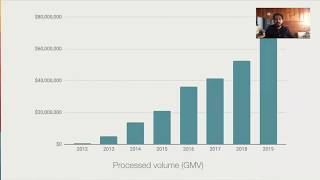
I have my, my Gumroad pen and my Gumroad notebook and iPad if I need to illustrate anything. But basically, I'm just gonna run a board meeting like I would normally. Board meetings go pretty long, 2-3 hours. I've done, I don't know, 12 of them, I think, when we, you know, we raised 2 rounds of funding. So we had a board, Kleiner Perkins was on our board, and so I kind of know how to run something like this, but I don't know how a ton of other people do it, so it's kind of hard to tell if I'm doing a good job. So this is just my interpretation of a board meeting. I think it's okay. Hopefully it's helpful. The most important part of a board meeting, in my opinion, is the Q&A. So answer questions in the Q&A or ask questions in the Q&A, and you can— other people can chime in with answers on the chat too. I won't be able to look at the chat, but I will look at the Q&A module. That's the most helpful thing. I think board meetings are great because it forces you to sit down every month or every quarter and really be forced to answer questions about your business that you might not be thinking about at a high level on a regular basis, basically. So, not marketing. The goal of this is not to market Gumroad. If you're interested in Gumroad, I'm sure you can figure out how to learn more about it. I'm going to try to keep this shorter than it normally goes, and we'll iterate on this. So if it goes well, the goal is to put this on YouTube and, um, and, and make them a regular thing every quarter, every 6 months, depending on, uh, how much work it is to do. And, and, and we'll probably iterate on the format too. So if people have feedback on— if they want guests or different things, just let me know. I'm pretty open to feedback, I think. And then the why, the why that I started doing this, that was the first question I got, and I wanted to answer that at the beginning too. And I often have this what/why, which you'll see that format happen later. As we started doing open financials, you can read more in that article that I mentioned about why we started doing open financials. And there are sort of two problems, I think, with open financials on Twitter. One is that they lack context. So getting nuance on why these numbers changed and how we think about changing them, you can't really do that on Twitter super effectively. And then the second problem is I don't want it to turn into a bragging thing. Like if Gumroad does really well over the next 3, 4, 5, 10 years, every month being like, hey, look how well we're doing. I think the underdog sort of thing that works for us right now might go away. And I think this is kind of maybe a better way to keep things personable, to keep things human, to sort of show people that we're just trying to figure this thing out, just like everybody else, just like all our creators are. And lastly, I think is hopefully it's useful. I think I would have, you know, there's so many articles and things about raising money that were really useful to me. When I started Gumroad, but there weren't a ton of resources, and there are definitely more now, but if you wanna run a board meeting, you know, first couple times, you kinda have no idea what you're doing, and so, and certainly, you get an idea pretty fast, 'cause you have an investor that's kinda giving you feedback on like, this is, you know, this is how we kind of, how we run ours, or how we like to see things discussed, et cetera, but you know, if you're an indie hacker, or if you just want some of the value of a board meeting without going out and raising money, I think you should be able to do that. And it's fun. I really love board meetings. I feel like maybe they get a bad rap or something, maybe they don't, but it feels like that sometimes. But they're great. It's super fun to just talk about, I mean, talk about what I've built and what we're building and get really pushed on if we're doing things the right way for a few hours every quarter, I think was really great and productive for me. Those are all the notes that I have, so we're gonna just jump into it. Welcome, welcome to the first Gumroad board meeting. And so this is a slide that we normally don't have, but I thought it would be useful to just show people just for the first one, like sort of just the historical trajectory of the company in terms of how much volume we did. We started the company in 2011. I started it in September 2011, raised $1.1 million, then raised a $7 million Series A, and then In 2015, when we went out to raise a Series B, we realized that was not gonna happen. You can tell from those growth numbers, like the year-over-year growth from 2013 to 2014 versus 2014 to 2015. If you're an investor looking at that, like, it's pretty worrying, and I don't think they were necessarily wrong to stop investing. To answer the question in And by the way, those folks raising your hands, just answer a question or ask a question in the Q&A.
That way I'll be able to see it.
But to address a question that says, why the massive dip in growth in 2017? We just basically had no people. I mean, we went from 20 people to 5 and then from 5 to 1. And you can read about that in that Medium. Article, and so we just didn't really have the capacity to ship products. And there was a, when that happened, there was a good shot, I remember, a good chance, I remember thinking that this might be it for Gumroad. It'll stabilize and then it'll exist for our creators forever, but it's not gonna be a longstanding thing. And so when, even when it just, grew a little bit, I was pretty happy about that because it showed, I think, that we built something that had, I guess people call it product-market fit, but we built something that people wanted, people were finding, people were discovering organically without, it was just me doing support basically once a week trying to make sure things didn't explode. So this is the year-over-year GMV growth. I think this is, if I was, sort of a venture-backed startup founder, I would really pay attention to this stuff because it's, you know, basically if that is, you know, it gives you a very clear sense of how the business is doing. And I think a lot of, if you're doing bad on this graph, almost nothing else matters. And if you're doing great on this graph, you could get away with a lot of crap. So I think it's a, It's a really good one and you can kind of see pretty quickly that even in 2015, 2016, like you're not growing at the rate. Good question, Steven. Can you explain? Steven's our CFO.
He's awesome.
By the way, if you want to jump in, let me know and we can do that a little bit later to get more into the financials. Your GMV growth basically means I think it means— this is a good test for knowing what I'm supposed to know. GMV is gross merchandise volume, I believe. And so basically how much volume we processed every year. And so year over year, you know, so if you go back in 2015, we processed a little bit over 20, and in 2018 we processed around 50. $5 million for creators. And so this is the year over year. The exciting thing is that even though we had some hard times, we've sort of recovered from that. And certainly we're not at the rates that we were, but that's fine. We're not trying to raise money or sell the company or anything like that. It's pretty nice. And it is also good to mention at this point that we don't set goals. Anymore. And so that's the thing that a lot of board meetings will have. We used to have them like, you know, this is where we want to be in 3 months. And frankly, like, for us, like, it just wasn't that useful to do because like we'd either hit them or we wouldn't hit them. And we didn't really inform like how we were thinking about— like, we were gonna work really hard and build what we were gonna build to grow.
I mean, regardless if our goal was 100% month-over-month growth or 4% month-over-month growth like that.
That is kind of a side effect of what we were doing. So that's the thing that this, this, this board, uh, this deck does not, does not contain. So last quarter we processed—
oh no, I need to move this Q&A module. Sorry about that, give me a sec. Um, it should be fine.
Um, yeah, so last, uh, last quarter, so over the last 3 months, and this is, uh April through June, we processed $17 million. We did $1.155 million in revenue, which is about— annualized ends up being a little bit over $5 million, I think. That math seems wrong, but I know our annualized revenue is about $5.1 million. Gross profit of $400K and operating expenses of $416K, so we lost a bit. A little bit of money. And the reason for that is just last month we had a lot of— we started making investments, we started doing these creator dinners around the US and things like that. And so that's why that dipped a little bit. But our July numbers, which aren't included in this, are back up in the black, so that's good. And so yeah, we're growing. If you look just this quarter, this past quarter, year-over-year growth is 38% in terms of how much volume we put out, process, and our revenue growth, which is a little bit more than that, is 42% year over year. And the difference, the 4% difference in that, is typically a result of two things. One, there is average purchase price changes over time, and because of the way our fees are set up and credit card fees are set up, like, you know, if you end up with a higher price point per average order, it will change the revenue differently than it will change the volume process. And then the other thing is an investment in discovery on Gumroad, and we take a 10% fee for any new volume that we generate for creators. And so our focus on that has bumped up our revenue a little bit faster than our overall processed volume. Process volume. Someone asked what we're spending most of the money on in operating costs. Basically just engineering, product development. I think on a balance sheet it would be called basically R&D. And we made an awesome hire that I wanted to shout out. Sid joined us from Teachable. He was the VP Product at Teachable, and he's been doing some awesome work that I'll get into in a little bit.
This stupid Q&A module is really in the way, so let's try one more time. Yeah, that's good.
So we shipped a bunch of stuff. This is another thing that most boarding meetings will have. It's kind of like what we actually got done. I'll just go really fast through this stuff. We shipped out Checkout Autofill, Accountless Subscriptions API Robustness, and Rich Text Embeds. And the focus for these has mostly been around increased customizability and supporting a lot of our creators that have reached a certain level of scale. And Gumroad, which is a phenomenal product, I think, for people just getting started, starts to break at a certain level for people, and they often leave. We call this the graduation problem. And so that's something that we've been working on quite a bit. Autofill is awesome. It basically allows you to autofill checkout forms for people using URL parameters. Accountless subscriptions means you can basically buy a product, subscribe to a product, $10 a month without having to create a Gumroad account, which is really cool. We sort of started that for normal product purchasing back in the day, which was, I think, a big reason Gumroad broke out in the early days, and et cetera. Rich text embeds allows for people to embed images and video and really create much more rich Sales pages on Gumroad, and there's a lot more coming on that. And then Discovery. Discovery has been the big focus for us, which is focused on new volume for creators, figuring out how we can drive new sales for creators, because I think if we can do that, it's just incredibly compelling for creators. So if you extrapolate the first half of 2019 and you just kind of say if we grow exactly at the same rate for the, for the second half of this year, this is what that graph is going to look like, which is pretty good. Definitely better than it has been since, since basically 2014, and in terms of, or maybe 2015, in terms of how fast we've been growing, which is a which is pretty exciting. You can sort of zoom in on that here and see that not only are we growing every year, but the rate at which we're growing every year is growing. So the derivative is accelerating, which is pretty exciting. Means that hopefully, you know, we can help more creators make more money, and that's great. And we're just getting started. I mean, there's so much more that we want to do. And so this is kind of, I think, the bottom end of our growth is going to be roughly 40% a year if we do nothing. So the more that we do, the more that we can build on top of that, which is pretty exciting, I think. This is what discovery looks like. And so we shipped this. This is all live. Excuse the weird middle bit. Some weird thing happened with Sketch. But it's basically a marketplace, like you're pretty familiar with, 5-star ratings. You can search and filter and sort and do all these sorts of things. And we're just constantly iterating on it. This is already live, but we're adding autocomplete, we're adding filtering by file type, we're adding a ton of functionality.
You'll be able to search for specific creators, not just products.
You'll be able to see what's hot, what's new. Just imagine the App Store or something like that, building a lot of that functionality directly into Gumroad. And the great news is that we kind of have already solved the chicken and egg problem of a marketplace.
Didn't have the marketplace aesthetic.
We had people sign up and sell products directly to their audiences on all of these different platforms, and now we're sort of putting the glue together and exposing that in a way that's not intrusive, hopefully, or invasive to creators. And we take a 10% fee for that, and it's great. So this is the percentage of volume that we've that goes through Gumroad every day, or every month, I think. Yeah, every month, that's through our marketplace, through our discovery features, which is pretty exciting to go from, even at just the beginning of this year, to go from basically 2% to 4%. I think that's a really good sign. We haven't really pushed it that much. We tweet about it once in a while, but it's really just people are finding Gumroad, they're buying products on Gumroad already, and it's just, creating insertion points into this experience and making sure that people know about it, so that over time, people just know, oh, if I wanna learn UI design or React or how to play the guitar or I wanna buy some Photoshop brushes, they know they can come to Gumroad and support creators, and creators can make the majority, the vast majority of the proceeds, which is pretty rare in these other marketplaces. So combined with the growth of the platform as a whole, and then the growth of discovery within Gumroad, that trend looks pretty nice to go from, basically doubling since the beginning of this year, and more than that. So that's a good sign.
It's a good sign.
We'll see how it continues to go for us. And so this is kind of like just looking at month over month, or every month on Gumroad, the amount of volume that we process. We just broke in July, $6 million processed for creators. That's pretty exciting. So yeah, we'll just keep trucking, we'll just keep going. You can see I added a little bit of sort of my emotional state, or the company's emotional state, each time where we thought like, sort of, oh, this is going to be massive. And then it wasn't. And then we had a couple of these incidents where we're like, oh, this could be really huge, right? You see some of these early spikes and, and then the layoffs in 2015, the kind of trepidation of like, what's going to happen to this thing? It kind of flatlined for about a year and then just kind of started upticking again. And now who knows? We'll see.
We'll see how things, how things continue for us.
And I think that indicates a lot of sort of the value and how we sort of compete with a lot of what's on the market. One, we're super open about what we're doing, so I think we have a lot of creators have a lot of empathy for us. We're profitable, we're small, we're nimble. We never want to get into that place in 2015 where we were, you know, having to let go a bunch of our friends and kind of start over. And we're here for the long haul, I think. We're not a young company, we're not a huge company, but we are a pretty durable company. And so I think creators, many of whom have had experiences with services that they trusted sort of betraying their trust or what have you, I think it's gonna be a really good signal for us and our growth long-term. And then the last thing is a focus on zero-to-one creators. So zero-to-one creators are basically people just getting started. And we're really good, I think, at catering to those folks. Sometimes almost at a detriment to the growth of our product. We're really trying to make it easy for people that make $100 a month to know, to understand the product, to know what they need to be doing to have success. And a lot of these folks, they look at some of our competitors and they just, they're just like, I'm a creator, I don't know what the hell I don't know what any of this is.
I'm not a marketer.
I'm not a business person. And then a lot of them just never do anything. And I think long-term, that's going to be really meaningful in terms of our growth and really pay dividends in the coming years. And I'll get into that a little bit later too. I want to talk a little bit about what we're shipping. So that's the past. That's sort of like the historical update. That's great, but you know, you can basically get that. Just by reading it yourself. So I want to talk a little bit about what we're shipping in the next 6 months and why, why we're shipping all of these things and why do we prioritize these things and how do they fit into our competitive advantages and our focus as a company on zero-to-one creators. And so the zero-to-one creator, right, like that, that is a huge, a huge thing for us. Like how do we help people that just get started really focus on the top of the funnel stuff And a big part of that is adding a product, creating your first product, and editing your product. And we haven't really revisited that experience in several years, and so we're finally doing that. And I think we're super excited about this. We've talked to a ton of creators about this. With this, I mean, now hundreds or thousands of people will see it, and so that's pretty exciting. And hopefully people will be excited about it and not freak out. Basically, there are a lot of reasons we're doing this. One is that we wanted to highlight all of the different things that you can do with Gumroad. And so instead of having our current UI as this kind of fork thing where you think you can create a product, but there are all these other things you can do, but you kind of have to discover them organically. And a lot of people years later will say, "I didn't even know you could do a preorder on Gumroad." And so this is gonna allow us to really showcase front and center all the different variations of a product that you can sell. Sell on Gumroad. And this is gonna feed in later into some of the other stuff that we're doing. You're also gonna, yeah, we're just going through and cleaning up the whole thing. If you're unfamiliar with Gumroad, go create an account, takes 2 seconds, and you'll see what we currently have and how this is so much better. And really break up the WYSIWYG-ness of it. The WYSIWYG stuff was really effective in the early days when we kinda wanted to show people, like, just type in what you want, this is exactly what it's gonna look like, everything kinda looked like a product does, That's how it looks today. But we wanted to break that up and make it feel more like an editor experience. Because I think if we do that, then we can add context and show the UI that's the best for explaining what these things are that might not necessarily correlate with explaining— with the display of how it might look like to an end customer. So that's part one. Discovery we talked about. We're taking the discovery stuff that we've built and we're applying it to creator profiles. So you'll be able to do a lot of that searching and sorting and filtering on creator profiles, which is pretty exciting. And that's gonna open the door to these posts that you see here. So you'll soon, as a creator, be able to have posts on Gumroad. In the next 3 or 4 months, you'll be able to post just like on Medium or on a WordPress blog, but just built right into Gumroad. And it's gonna be awesome. It's gonna be one more thing that we do. It's gonna really enrich, I think, the creator profile experience on Gumroad. And that's gonna open the door to this very dramatic unveiling of our membership product. So this is like the big thing that we've been working on internally, and a lot of the editing experience, the discovery stuff, the filtering, sorting, the posts, all of that stuff sort of sets the stage for a membership model on Gumroad. And we have this functionality, a lot of this stuff is kind of, as I mentioned, kind of hidden away, and this is just going to make it front and center, so if creators want they're gonna be able to have a membership business on Gumroad, and it's gonna feel like Gumroad was made for it. That's the goal. I think everything that we build, we wanna make it feel like this is what Gumroad is for, not that, oh, this is some random feature that they built for just the 5% of the users that might have wanted this. We want it to feel like this is why Gumroad exists. So that's pretty exciting, and hopefully rolls out by the end of the year. So to recap all the things that we're shipping and why we're shipping them, a lot of it is, as I mentioned, it's kind of this bifurcated approach where we're always constantly figuring out how we can make these things easier for new creators, for zero-to-one creators, and how we can enable new ways to monetize and minimize the graduation problem. So as people scale, they want more customizability, they have tons and tons of products on their profiles,, they want to do Facebook retargeting, they wanna do upsells, all these sorts of things, we're gonna make it possible for them, for them to do that. And then the sort of the strategic sort of high-level change is with memberships is to, is to really basically admit that we thought we would help creators sell products and that's how creators were gonna monetize. There was this whole message around the democratization of of communication and social media, and all these creators now had direct access to their audiences, and they could sell directly to them and talk directly to them. They didn't have to go through a middleman. And we were gonna sort of close the loop by allowing them to sell products in a way that they weren't really able to before. And I think to a large part that was true, and we built a business doing that. But I think we've seen that there are many ways that creators are gonna earn their livings on the internet, and selling digital products is certainly one of them. Memberships and patronage is another one. And there's gonna be more, I think. Classes, workshops, mentorship. As I talk to more and more creators at these creator dinners around the US, they tell me that being a creator is not sort of like a single, one-dimensional, "I just sell a digital product and that's it." It's sort of a multi-pronged business, similar to Gumroad now that we have Discovery and we have a premium offering, things like that. And so we wanna kind of be able to allow creators to do the same. It's always fun to see that. The mirroring of what we do and what creators wanna do as well. And so, that's sort of the long-term vision. In the next 2 years, you'll start to see new ways for Gumroad to help creators. To go back to our competitive advantages, as I said I would, and sort of reflect how they work and how we think about them strategically. Because we focus on zero-to-one creators, it means that we don't do nearly as much volume per creator, because so many of our creators make $10, $50, $100 a month. And when you look at a lot of these businesses, a lot of their revenue comes from the head of the tail or the head of the curve instead of the— whatever the metaphor is. And the exciting thing for us, I think, is we've done such a good job, I think, with the top of the funnel that I think as we get further down and we do Facebook retargeting and better customizability, I think we're gonna grow a lot faster because all these people are already familiar with Gumroad, they just kind of outgrew us or what have you. And I've talked to a lot of people that have said, yeah, just let me know when you have these 3 features and we'll come right back, 'cause we know Gumroad is gonna do them really well. We're profitable and small, which is something a lot of our competitors can't say, which means that we're not going away. And that's really exciting to creators. It means that we're not likely, I think, hopefully, to sort of like jack up our fees or do things that are super creator unfriendly. And just, you know, we've built a business, it's profitable today, the unit economics work, and it's sustainable. I mean, everything that we do is 100% sustainable. And that's really exciting, I think, to creators. They all wanna be in that place. And I think it means that we can stay, insanely affordable. I mean, we're cheaper than Patreon or Shopify, or really any of these tools, and we could do it in a sustainable way, which I think is really great. So you look at that, this is sort of the funnel people make purchases. That's often like the lead gen for Gumroad is you discover Gumroad because a creator that you follow sells a product on it, you buy it, you sign up. 12% of our creators bought a product before they signed up, last time I checked. They make a sale, they make a lot of money, etc. Eventually, they earn a living, which is awesome. I met a couple creators this last week that drove Teslas to our meetings that we bought them.
So that's pretty cool.
But that's, you know, that's very few creators get there and we're really focused on that sort of the top. Just to set the context of where our focus is and where our focus will be over time. And this just, I think, represents the power of doing that, both the negatives of our approach, I think, in the past, and hopefully, it's gonna pay off for us in the future. So this shows basically by year, sort of basic cohort analysis, like where our revenue comes from in terms of the year that a creator signed up to Gumroad. And you can see roughly what happens is every year there's sort of this like initial growth, right? All these people discover Gumroad in 2012, and then they establish themselves, and then roughly they make the same amount of money every year. And so you can see this in some cases, like 2013, that actually fell, but in general, you can kind of see that whatever they kind of get to by the end of the first year, is kind of where they end up long-term. And that looks to be changing in the last couple years. Like, we'll see if those curves flatten out, or it looks like you can tell each year, like the initial growth, like the lines get a little bit more vertical, which is exciting too. But basically, we want to, we think we can change this. We think we can make it with a lot of these long-term, sort of later in the funnel, stages that this thing doesn't flatline over time, and that actually every cohort eventually should actually continue to grow over time, should not flatline. And I think the reason it flatlines is because some creators get so big that they just build their own stuff on Stripe, or they want cheaper fees. That's normally not a reason, but they want customizability, or they want one-click upsells, or these certain features that we haven't been able to offer them. And so the hope is we've already built a great sustainable growing business, but if we can do some of that stuff, we're gonna see a much more accelerated growth curve. And I just wanna talk about this really random thing that we're doing, and it's pretty exciting to us. So I'll just jump into it. It's called Gumroadians. It's our content play. And so this kinda happened in kind of a weird way. Basically, we wanted to figure out how we could become creators ourselves. Obviously, we have the software product, it's great. The software product helps creators make money and earn a living doing what they love and spend more time creating. We wanted to find a sort of non-software product way to do that, to sort of push that message. We saw all our creators making stuff. And we kind of got jealous, and so I thought it would be fun to say, hey, what, what would we make if we were a production studio? What sort of content would we make? Sort of product probably would be around creators and the problems that creators deal with and sort of try to motivate and inspire creators. And so we decided to sort of build this universe called Gumroadians, which is about creators and the problems that they deal with on a daily basis. And it's science fiction It's set in a sort of ambiguously dystopian world, and it focuses on the stories of these creators that make stuff all the time. They've solved hunger, they've solved healthcare, they've solved a lot of these problems, sort of post-scarcity.
And so what do they do all day?
They make music, they write, they sort of explore their minds. Um, but they still have problems. Everyone does. These things don't go away. And so I wanted to talk about them, and I wanted to basically say, you know, Gumroad helps creators earn a living doing what they love. And Gumroadians helps kids realize that they can be creators for the rest of their lives. They don't have to stop being creators when they get to high school because they need a real job.
They can, they can, they can do it forever.
And so that's, um, that's a big project we're working on. We've never really grown in any traditional way and done marketing in any traditional way, so I thought it would be fun and interesting and a learning experience for us to say, what happens if we try to do this? What happens if we try to become creators ourselves? And I moved to Burbank in Los Angeles a month ago to, you know, which is sort of the animation capital of the world, to get serious about it. So we're starting with that web comic that we're gonna release later this year. We're gonna start doing animated shorts on YouTube, and I'm gonna start pitching streaming services like Netflix and Quibi and all these folks that live in the area. About what it would look like if we had a real budget and a real team behind something like this. And yeah, I think those things both kind of align in why we exist, which is to make it possible for more people to be creators and to take it seriously, and for it to feel like being a musician or a writer or a stand-up comedian are just things that you can do. Because you want to and you can do them in a sustainable way and feed your family and get a roof over your head and do that for tens of thousands or millions of people over time. And we do that already for probably hundreds of people, I would say. And so now it's just a game of growth and trying to open up those opportunities for more people. So that's all I got. Let me close the deck and that way I can actually read some of the chat and stuff.
So let me, uh, how do I go back to unstop share? There you go.
Um, cool.
Q&A.
That's pretty fast. Hopefully that wasn't too boring for everybody. There's 113 people listening to this.
Uh, that's crazy.
Um, so I'm just going to start asking Q&A, answering Q&A, and we'll just do this for, for the next like 30 minutes or so. And I'm just gonna go by— so vote on the questions and I'll just go by that, by how many votes each one has. So is there— oh, just got beat. What has been your most difficult roadmap roadblock up until now? Everything's hard in a different way, you know, acquiring your first customers, hiring.
Hiring, I mean, honestly hiring is like the hardest thing.
Really? So maybe, maybe it's not all the same, but hiring is brutally difficult, which makes sense. You're trying to convince people that this is what they should be doing with their time. Like, they can basically have one job at a time and they should be spending time working on your thing.
I mean, that's a pretty, pretty ballsy thing to be able to think you can do for people.
So hiring was definitely the hardest thing. And there's other things. There's certainly other things getting to profitability.
Was not easy.
Finding customers, building a great product is super, super, super hard. Like, you know, 8 years in, I'm still like, there's so much crap that we need to fix.
You'd think it would—
we figured everything out by now, but I think that's a big part of it. It just takes a long time. That's the way it goes. Payments. Yeah, so we build on top of— it's complicated, and honestly, I don't know if I recommend getting into this game, but yeah, we build on top of Stripe and PayPal, and so we use Stripe Connect, and we also use PayPal because you have to if you're accepting payments for people on the internet. 38% of our volume is PayPal. It's the number one feature request I have for Stripe, and I tell them pretty frequently, is to support PayPal. Yeah, we basically, it depends on, I mean, it's very complicated. Like if you buy something from India from a US creator using PayPal or using credit card, that's different. If you buy US within US, it's different. If you buy US from someone who's in India, it's different. We do hold funds in many of these cases. And so yeah, that's a consideration that you have to be well aware of. You don't have to technically, you could allow people, and we are gonna allow creators to plug in their own their own Stripe and PayPal accounts, just OAuth, and then just act as basically a wrapper on top of that. But that's probably not gonna be ready for a little while. But that's what I would recommend doing in the beginning, is just allow people to plug and play, and then if you want, you can get into the gateway game. But it is a sizable amount of work, and it means that you basically are on the hook for money laundering, for risk, for fraud, for chargebacks. Refunds for creators that might not be even using the platform anymore, that now you're on the hook for the refunds, etc. It's not something I would take lightly, for sure. It sounds like you acquire creators early and then want to remain their partner for the long term. What is the churn on a logo revenue basis?
I assume you meant log O revenue basis. And what is your current LTV/CAC ratio?
I mean, our CAC is basically zero. We don't sort of, we haven't built the product in kind of like a traditional SaaS way because it looks actually, the business model is much more like a marketplace or something like that. So that sort of, a lot of that stuff doesn't really apply. Our LTV is something like $4.45 or something per creator. But again, it's difficult because it's a power law, right? So it's not like, oh, every creator is worth this much to us. So the volatility of it, the variance of it is much more significant than like a traditional maybe SaaS sort of company where the LTV is much more of sort of a compressed bell curve. Formal roadmap planning? Not really. I'm kind of a dictator on that. Like, I mean, we definitely talk internally and try to figure it out. And honestly, a lot of it is obvious.
All kind of agree, like we know what we need to do.
You talk to enough creators on a daily basis or weekly basis, like everyone has a kind of a great sense of like, okay, this is what we need to be doing to help our creators out. This is what they're telling us to do. I call it internally, I call it the faster horse. Like we're just building a faster horse. You know, there's that Steve Jobs quote, like if you ask people what they wanted, they wouldn't have told you they wanted cars, they wanted faster horses. But at the end of the day, the car was invented once and we're constantly figuring out how to make cars better. So I don't think it's a bad strategy, especially for an 8-year-old company, to just say, we built what we built, we innovated a ton and did some really weird, cool stuff in the early days, we invented some cool stuff, buying inline on a website with just one JS that now Stripe Checkout does, we created that. And so, awesome, but now we're just iterating and making things better and better and better every day, every week. And so, yeah, we don't do sprints.
We just ship.
We just figure out what we wanna build. I can actually show you if you want, if you're curious about it. This is a board meeting, so I guess I'll show you how we think about this stuff. We use Notion, we just switched to Notion. Notion's great. So you can see our roadmap. A lot of what I discussed today, this is an internal document that I try to keep up to date. It's like a memo, kind of Amazonian. You read it and you should have a pretty good sense of why we're doing things and all this stuff. And then our icebox, this is how we decide to work on stuff and sort of, you know, roll here. So, it's not too crazy. There's not a lot of infrastructure. I think we're a tiny team of 8 people. We don't need all remote, so we don't really need a ton of process anymore. When we were 20, 25, and also when you're trying to grow and really hit certain milestones, some of that strategic planning makes a lot more sense potentially, 'cause if you don't hit those milestones, then you're not gonna be able to raise money, and those sort of have implications for how you run the business. But the way we're doing it is like, if we have an awesome year of growth, or a terrible year of growth, like, things don't, we're still profitable, we're still building stuff, we're still roughly the same team size, It doesn't have a profound implication on what we're trying to do. My greatest concern is the possibility that you, Sahil, lose interest in Gumroad and move on, or that investors start demanding returns. Investors can't demand returns.
I'm the board.
This is a board meeting. I'm the board.
It's just me.
So that concern should be alleviated. They don't have any control, and they're frankly great. They're investing in a lot of other companies. They're not trying to hammer me to return like a 2x multiple on their investment from 2012. A lot of that has been written off as well, so that's not a problem. What if I die? Thanks for that question, appreciate it. I haven't thought about that in a few days. There is, yeah, I mean, I'm sure there's, people can deploy the site, people, there'll be some sort of legal suit, I guess, and I'm not exactly sure what happens when that happens, the bus factor, right?
If you get hit by a bus, what happens?
I currently have no plan to lose interest in Gumroad, like the Gumroadian stuff, like a big part I'm doing that is 'cause I want to and it's exciting, and like, I have this vessel, Gumroad, that lets me, figure out how I can help creators, and that's just a problem space that I don't think I will get bored of for a long time. If I ever lose interest in Gumroad, there are multiple people I know that would be amazing leaders for the company, that I would give it, sort of, I can do it tomorrow. If I wanted to take a break and go to Malaysia for 6 months off the grid or something, I would have no fear of doing that. Not that I plan to do that, But it's a concern. I think the final way that we'll alleviate it is we'll open source Gumroad, so there's even less of a risk of Gumroad going away, because even if things somehow totally implode, maybe I just have a mental breakdown and I decide that, like, I don't know, no one's gonna be able to use Gumroad anymore, you can just fork it, and there'll be gumroad2.com or whatever. Maybe you'll come up with a better name. So that's the final way that we plan to alleviate it, which should basically, just like a WordPress, right? Like you're not super concerned that like Automattic's gonna go away because WordPress will live on. Creator dinners have been awesome. It's hard to tell honestly. And it's frankly like, if you try to justify it as like a financial investment, like it's unjustifiable. But it's in terms of, I think the long-term, like one, the relationships that I'm building with creators, and all the feedback that I'm getting. And it's just a fun, good thing for me to do. I've never done it in 8 years, and so I think if you sort of spread the cost over the past 8 years, like, it's totally worth it to, you know, to invite the top 25, 50 creators, depending on how large a city is for us, and just get their feedback and thank them for using the product. And we can afford to do it, and so I thought it would be a good idea to experiment with these sort of like high-touch events. And it's always weird, it's always funny when you show up and they don't expect, like I just kind of assume that everyone that uses Gumroad is like, oh, it's a startup, it's probably run by some young person, but then I show up and they're like, I was expecting, I don't know, a thing. And I'm like, Gumroad's not, maybe not as successful as you thought it was. GMV answered.
Awesome. All right.
Can you share more about how you think about the graduation problem and building a more robust stack of tools that creators can grow into, unlocking more powerful ways to build their businesses over time? Yeah, I mean, every business has this problem, um, basically, you know, because you can always, as a business, and all our creators are businesses, right? So you can always say we're at a certain scale we have the capacity to build a lot of this stuff internally. Instead of paying external services, you, it makes, let's say 5% a month, it makes sense to spend $15,000 to do 2% internal transaction costs or something like that, right? Like the math eventually works out if you get to a certain scale. So it's not necessarily about getting rid of it, just delaying it over time. And doing it slowly, like just constantly talking to creators and saying like, what's the thing What's the reason that this part of your business that was on Gumroad, you moved off of Gumroad? And it's like, oh, I really wanted a user interface that catered more to the content that I was selling on Gumroad, and the list of files was no longer working for me.
We can go fix that problem over time.
I think fundamentally, the core of Gumroad will always stay the same. The purchase experience on Gumroad is awesome, hasn't changed a ton. And so it's really the pre- and the post-purchase stuff that's important.
For us to improve.
The pre stuff, like the landing page customizability, is gonna be a big thing, and then the post-purchase stuff, which is like the library experience, the content consumption experience, that stuff's gonna get way better as well. If we do that better, people are gonna spend more time on Gumroad, they're gonna go to the discovery stuff, they're gonna buy more stuff from creators, and it's all this nice flywheel effect, hopefully, that starts happening over time for us. "What's the hardest part about hiring?" It's, I mean, everything. I mean, it's super time-consuming. Like, when I was hiring full-time at Gumroad, it was a 40-hour minimum I was spending just fully recruiting, and then I had all the other stuff I was doing on top of that. Like, I had another job too, as CEO. It's just, you talk to a lot of people, it takes a lot of time. Most people say no. And so it's just kind of hard to kind of constantly just reach out to strangers, have coffee with them, tell them this thing that you've been building and you're so excited about, and then they're like, I'm good, I'm not interested. And that's just the default. I mean, you just get kind of used to it over time, but you got to stay excited and stay optimistic about it. Um, but just hard. I mean, you know, just like imagine, uh, imagine you, like, you know, what would it take to convince you to to leave whatever you're doing and work for somebody else and their vision full-time. Like, that's not a simple thing, a simple thing, a simple decision that you make. And also, it's a timing thing.
Like, you're not ready to make that decision all the time, right?
And so you kind of have to talk to people and hope that, like, as you reach out to them, they're perfectly— like, this life decision, big change that they plan to make perfectly hits. And someone was already thinking about leaving their job or shutting down their startup and finding a job or moving to San Francisco or what have you. And so, that's probably the largest thing is the fact that so much of it is just timing. It's just constantly making sure you're top of mind and people know who you are and building reputation that's hopefully positive, because when they're thinking about that, hopefully they think of you, they think of Gumroad as that opportunity for them. So that's just hard. It's hard to do that at any scale when you're a tiny company and you're just kind of trying to hack it. And frankly, like, you don't have that much to offer. You're like a startup that hasn't succeeded yet. You're tiny. It's not, you know, it's definitely sort of an uphill battle. What are the roadblocks for creators to keep growing? Just becoming a better creator, becoming a better artist, building an audience, you know, just constantly producing content. Producing content, I mean, basically whatever. There's like a couple things that I tell creators. The first thing is you've gotta make stuff.
Like you gotta get good at what you do.
That's, you know, sort of step one. Like I wouldn't be here talking to you because I have a bunch of Twitter followers. If I didn't learn how to design and code 10 years ago, right? It's not like an overnight thing that happened. And got relatively competent at doing that, and that got me the job at Pinterest, and it got me investor connections, it got me to raise money, and da da da, right? It doesn't happen just because I'm, I don't know, social media savvy. A lot of creators are social media savvy. Basically any kid under the age of 14 is. And so it's like, what do you have to offer?
How can you get good at what you're doing?.
But then how can you produce content, valuable content, and put it out there? Because that's how you are both gonna build an audience, you're gonna get better at your craft, 'cause you're gonna get feedback on how to improve. And the more you give away, when you're finally ready to say, hey, I have this product that I spent a lot of time making, would you buy it, would you support me? That's when folks are gonna do it. Even this board meeting, for example, this is a way for us, for creators, I'm a creator, I sort of identify, I think, as a creator. Creator of Gumroad, this is a way for me to keep growing, to experiment, to try, to learn, and to build deeper relationships with people so that one day, if I need it, if I want to, you know, if we launch a new thing or this Gumroadians comic strip and we need— we're trying to make it go viral or whatever, like, we're gonna have an easier time doing that.
It doesn't let me— okay, cool.
Why should we choose you versus Stripe? I think they're sort of fundamentally different companies. If you're looking for, if you're someone who knows how to code and you want to do payments, you need to accept payments, credit card payments on your website, go use Stripe. I love Stripe. We were probably user number 50 of Stripe or something like that. So, yeah, hopefully you don't have to make that choice.
They're sort of fundamentally different products in my opinion.
"How do you talk to users?" Don't call them users. I try not to, at least. I know it's a little bit pretentious of me, but I call them creators just because it makes sure that I'm always aware that they're not sellers, they're not merchants, they identify as creators, they want to make stuff, they want to make money so that they can make more stuff, not the other way around. And just ask. I mean, honestly, just ask them. What do you want from us? Try not to ask leading questions. Try not to get proof that what you've already decided to do is what you should be doing. It's very easy to do that. Like, oh, that's what you want?
Cool, we're already building that. That's not super productive.
And honestly, I don't even typically come in. Often I'll have a laptop if I need it in my backpack with a bunch of these screenshots that I showed you, right? To get feedback, but it's just a casual conversation. And sometimes it takes 20, 30, 40 minutes to get into, oh, I didn't realize that was actually a real problem for you. And so, have long conversations. I do them all in person. Sometimes I use Zoom. I try to do them in person just 'cause I think, having a creator tell you there's this bug or there's that, that can happen over email. But what I really want is to really understand how they think about their life and what they want out of it and how Gumroad can fit into that long-term. And that's not gonna happen if I just come in and I ask them a bunch of questions about Gumroad. They're just gonna tell me about Gumroad. What I wanna know is like, what did they do today? Like, what do they struggle with? Like, was it a pain to get healthcare? How did they get healthcare? How did that vary? Like, how did that change when they moved from state to state? Like, those are the questions that I'm interested in because I wanna sort of like holistically understand the life of a creator, and then I can figure out, okay, these—
in these parts of it, I think government can play a role, uh, long, long term.
Uh, how— what are your suggestions on how to find a tech co-founder? Honestly, I just learn to code yourself. I tell everybody this, and everybody hates that answer. Um, but if everyone can learn how to code— no one was born, uh, this is what I believe. I don't know what the data actually shows. Maybe, maybe the data's off. Maybe I'm— or Maybe I'm off, maybe I'm wrong, but I really believe that anybody can learn how to code. I'm not a savant or anything close to that, and I'm the worst engineer at the company, which is how it should be. And I can code enough, I can figure things out, it's only getting easier and easier and easier. And so, yeah, learn to code, or at least attempt it, give it a shot, don't say, oh, It's not for me because I don't know math. Like, I don't write math on a daily basis or on a yearly basis. And then if you don't want to, for whatever reason you're like, I tried that, it's not for me, like, just get as far as you can without having those skills. And the farther you get with your business, like, the more enticing it is for a co-founder, a technical person, to say, okay, yeah, that's the person I want to partner with. The more interesting you are by yourself, the more interesting you're going to be to a technical co-founder, or anybody else, any person you're trying to bring on board, an investor, a person who wants to write an article, who's thinking about writing an article about your space, a potential customer, like all of these things become easier the more sort of competent you are on an independent basis. Love the information, thank you, but are you not ever concerned about your competitors having access to all of this? How do you How do the benefits outweigh the risks and the costs? Well, the biggest thing is that we're profitable, and that has really made life way more fun and interesting because before it was about raising money. And so I was sort of the zero-sum game where like an investor can raise in them or can invest in them or can invest in us. And so there's, you know, you, you know, an engineer can go work at their company or our company if they're interested in this space. And so inherently it was just like more of a zero-sum thing where now that we're profitable, it doesn't matter. Like I don't, competitors see all of this stuff, which they should, I mean, if they're good competitors, they should be watching this.
So hello, everybody.
I mean, I've talked to them. I've had dinner with basically any founder that we compete with, because we're all trying to solve the same problem. We're trying to make creators' lives better. So I don't really have a concern. I think we're not gonna win because we were secretive about what we were building. Because eventually that stuff's gonna be public anyways, right?
We're gonna ship it.
So there's only like a 3-month lead time anyways. We're gonna be successful and they're gonna be successful too. I think what you're gonna see long-term is the good businesses will thrive.
I think that the idea that like you get killed by competitors is vastly overstated.
It's kind of like a shark attack or something. Like it just doesn't happen. Nearly as much. It's mostly like death by coconut. I'd love to hear more about subscriptions, memberships, thoughts on competing with WordPress, WooCommerce, Shopify, and Patreon. Yeah, I mean, I answered a little bit with the graduation stuff, but I think we can do a great job. I think a lot of it, a lot of the The reasons we haven't is because we haven't promoted the fact that we even do it enough, so I think that's gonna help a lot. Similar to Discover, I think as we just do it, it's just gonna grow. Luckily, we already have all this word of mouth and sort of the distribution and reach already, so it's just like shipping stuff and telling people that we do this thing now. I think we lack a lot in the customizability and integration part of the process, and so a lot of the work that we're doing will be around making it easier to connect Gumroad with other experiences. We did ship a lot of stuff, even just yesterday, I think we announced that we made it even easier to build custom integrations on Gumroad within your own website. And so, yeah, that's sort of the interoperability of Gumroad, it's just gonna get better and better and better and better. And the goal being that, depending on how much of Gumroad you want, you can use.
And the rest you can disregard.
Have some coffee, let's take a break. I don't drink a ton of coffee. What are the top 3 challenges for Gumroad to increase its GMV to 2x next year? That's not our goal. So, I don't know, just more creators making more money. Yeah, it's not really something I think about. I just think about making a better product for our creators, making our current creators' lives easier. And if we grow, we grow. Will you ever raise a Series B? Probably not, is my guess.
Yeah, maybe, I don't know, probably, yeah.
You never say never, but I think at this point it's pretty unlikely. My life is pretty nice without the pressure. Of it, and I think we get to do a lot of what we want to do without it, and so I don't think the benefits will outweigh the costs for a while, if ever. Marketing Gumroad in Latin America. Yeah, we do localize in Spanish and Portuguese. And we plan to do more of that. The biggest thing will be payments, allowing people to pay in their native currencies, which is something that's been on our roadmap for years, and it's just really hard. But yeah, eventually we'll do that for sure. What risks do other payment processors like Stripe pose to Gumroad? I don't think a ton. I think you could potentially say the opposite, like what risk could e-commerce platforms like Shopify and Gumroad, competing with Stripe or something like that, have to Stripe? There is always the, you know, you're always gonna, whatever business you build, you're always squeezed on two sides. You're gonna be squeezed on the sort of the enterprise white label offering, whatever that is, which in our case might be something like Stripe, And then you're gonna be squeezed on like the sort of the vertical integration, which might be something like a Netflix or an iTunes, which typically takes a larger fee, but they sort of abstract away everything. And they're typically incumbent solutions and have distribution.
And that's like the sort of big advantage for them, sort of like legacy distribution.
And every business has those things. So you just have to be mindful of where you wanna compete. Do you wanna sort of go in this direction? Do you wanna go in that direction? In terms of how difficult would it be for them to offer competitive pricing, I don't think it's hard for them to do that, but I think if you're Stripe, if you're a $20 billion business, a business like Gumroad is not interesting to you. Creators are a tiny market compared to e-commerce as a whole. And so that's the best way to not get killed by Amazon is just pick a small market that that they don't care about. And they're busy, they have larger problems to deal with. In terms of an initial investment in Gumroad, I built it over the course of a weekend, took 22 hours I think, and then I shipped it Monday morning. I left my job at Pinterest a few months after that, and then I raised $1.1 million, and then $7 million, and then built the team out. So in terms of initial investment, like that weekend plus, you know, maybe a few hundred hours of building and meeting with investors and things like that before we raised all that money.
Awesome, cool.
I think that's it. I think that's all I wanted to cover.
Oh, there's a chat. Oh crap, I didn't see any of this stuff.
Yeah, so that's all I wanted to cover. Let me see if Steven's in here, if he's still in here. Let me invite him to talk and let's see if he wants to chat about anything specifically.
Steven.
I don't know how any of this stuff works.
Can you hear me?
I can hear you.
Cool.
How's it going, man?
Good. Thank you.
Okay, you did okay.
You did good.
Yeah, I don't really have anything to add. I mean, I just—
cool.
Just from maybe a little historical perspective, Sahil and I connected way back in 2012, right after he raised all his money and was starting to build out the business. And, um, one of the things that I was always impressed with was his— he was very, um, uh, capital conservative. Um, he, in other words, he was very— a lot of founders raise a bunch of money and go out and immediately spend it. Um, and Sahil managed to build an amazing business and a product and make it stretch a long time. And then he made— took all the right steps to actually sustain the business once we realized that, you know, the B round wasn't going to happen like we expected. So, so it's a good outcome all around.
Yeah, it worked out.
I mean, I think that conservatism paid off because when we needed to do the layoffs and everything, like, we already made sure that the business was going to work. You know, there are certain businesses, I think certain startups that just like the unit economics wouldn't work. Like they need to raise more money. Right. And so the fact that we were able to kind of figure things out, even though it was a little bit painful.
Yeah.
I think it really saved the business. I don't think, I don't think we'd be around without, without having, having done that.
Yep.
Agreed.
Awesome.
Well, I always appreciate your help. Putting together the financials every month. If anyone's interested in what the financials actually look like, like P&L, I've shared those before, but you can always send me an email and I'm happy to send you, send you that.
And Steve, Steve and his team are the ones putting that together for us.
Thanks, Steve.
Thanks for a second.
Sure.
Let me invite Sid. How do I, how do I kick you out now? Oh no, I just see me as a panelist. I think you might have to kick yourself out.
I'll just mute myself.
All right, let's invite Sid to chat a bit. Let me get your name going.
All right, let's see if this works. Sid, you should be able to talk if you unmute.
Can you hear me? Yep.
Cool, man.
You did a great job.
Thanks.
How's it been? How's working at Gumroad?
Dude, it's one of the funnest experiences that I've had professionally, honestly. Just the culture that you built, the product itself, super fun to work on.
Just fucking fun, man. Awesome. Yeah, I'm excited.
I think the stuff that we have planned, and doing it with care, and without the growth, very important. Focus is so great. To just be able to say, what's the actual right thing to build?
Instead of like, everyone's had this experience, like, oh, we do this slightly differently. Creators are going to be a little bit annoyed by it, but they're not going to leave, but they might do it more. And you kind of have to make that decision.
Yeah, it feels like we're actually solving the problem that a lot of creators encounter as opposed to some of our competitors who have to deal with a lot more stuff. They have to deal with investor expectations or raising up the prices. All of that stuff just has not been a worry at Gumroad. So even as an employee, it adds a lot of stability.
Yeah, totally. Yeah.
And I think it's one of those things that I feel like even I didn't really appreciate, I think, back in the day, you know?
You're like, oh, we have, we raised all this capital and it's gonna allow us to build this awesome team and then we're gonna be able to use it to solve all these problems for creators.
I think that makes sense. But when you get past that and you're profitable and all these things, you realize like, the mental overhead of knowing like, oh, we're gonna run out of money if we don't raise more money, et cetera.
And like, we need to be growing.
Even if you know you can go raise money, like you still have to continue to grow at a certain rate. And you're always like prioritizing. You know, there are all these things that I feel like we get to do at Gumroad, like a lot of technical debt cleanup and like redesigning certain features and making things simpler for creators, that if we were trying to like optimize for growth, like we would never get to those things.
Yeah, it would always be at the bottom of the list. And what happens over time is, you know, that stuff just accumulates, right? So when, as a creator, I'm using the product and I'm seeing a lot of these updates, uh, day in, day out, it's like, it gives me a lot of confidence to see that, all right, like, these guys are actually making things better. Things are better day over day, month over month, year over year. Um, what happens if you do the opposite, which is, you know, you aim for growth, you try and sort of, you know, hit your numbers, whatever, is that the creator experience just lags. And over time, you know, I'm sure even the most sort of quantitative startups see the impact on their sort of LTV numbers, right?
Yeah.
Totally.
Yeah, and it's like, I was talking to Sahil Lavingia, the CEO of Wistia, about this, 'cause they kind of went through a similar, kind of similar process. And he said, he calls it profitable confidence. But when you're profitable, you can actually take risks that you think you were taking as a venture-backed company, but you really weren't because the risks were always short-term and they're always trying to grow the company. Whereas stuff that they're doing, stuff that Mailchimp is doing now, just making content, like what we're doing with Gumroadians, it's hard, the creator dinners, it's hard to really evaluate the short-term, the growth impact of something like that. But if, you know, long-term in terms of like creators, uh, appreciating what we're doing, like it's hard, it's very difficult to say, oh, that's, you know, the LTV is now, you know, for these people that went to these dinners is now $40 or whatever. But if you're building a 15, 20, 30, 40-year-old business, like of course eventually all these investments work out because it's a fixed cost investment to me. And it's like, it's just like a percentage over time, you know. Yep. So yeah, well, I appreciate you joining the team. And yeah, I'll— I also don't know how to kick you out either, so you might just have to mute yourself. Oh wait, I see it, I see it, I see it. I can remove you.
Well, thank you. Yeah, thanks for hopping in. Great stuff.
Thanks for joining. All right, let's Oh, did I kill everything?
No. Um, all right, who else is here that I recognize from the internet that, that is familiar enough with Gumroad? Um, José, are you interested in joining?
Let's send you an allow to talk notification.
So José is a creator on Gumroad, one of our most passionate users, I would say.
How's it going?
Can you hear me?
I can. From the Dominican Republic, right?
Yep. I think I'm the only Dominican in the platform.
Maybe.
I'll check actually for you.
There might be a few.
They could be.
You could do—
oh yeah, let me know. I would like to reach out to my fellow Dominicans.
How large is—
how many people live there?
Um, like 10 million people. So it's a small country, man. You can fit Dominican Republic like 20 times I'm in Florida.
Oh really?
Yeah, it's a small country. You can travel like from the south to the north like in 2 or 3 hours by car. So it's small.
Yeah, awesome.
The people are so warm and they— we just love people from all over the place. It's a great place to come visit during summer.
Awesome. I'll have to come.
Yeah, you should come, you should come. I'll drive you around. Oh, you should, you should make one of those, um, Gumroad, uh, dinners that you, you are currently doing.
Yeah, yeah, we needed—
we need to start doing—
once we, once we exhaust the, uh, the US metropolitan areas, we're gonna have to go outside.
Um, yeah, so what do you think as a creator? What are your thoughts on what we're building?
And, and, uh, and yeah, I know, I know you're very vocal about what we should be doing.
I'm not vocal, I just reach out on DMs and tell you all my ideas. And I also tell, you know, I have some students that actually learn from me and I always tell them, start with Gumroad, learn the platform, learn how to sell online, learn how to create a landing page with Gumroad and start making money with it. If you like the platform, stick with it. If you don't, find something else that works for you. And from what I can see with Gumroad is that it's such an easy, let's say, ecommerce platform to use, not only for starters, but also for anyone who's in the online business that I cannot, let's say, I cannot not promote it enough because it's such a great product. And you, for example, you're always open to new ideas, and you always answer all the DMs I send you, so that gives me comfort. You know, you don't have many CEOs answering questions to their, let's say, buyers or clients, or as you say, creators. That's something that talks really great about the company, and it's something I truly, truly 100% appreciate. And I believe that other people who are hearing the webinar, we'll call it just a webinar, can also sense that, you know, you're one of the few that actually answers the DMs, which is quite nice and gives me a lot of comfort that you actually seek out advice from the people who buy from you. That's rare, that's rare, and I wanted to thank you for that, really. I'm just waiting for the upsells to be done.
We will.
Working on it. I'm going to harass you, man, all day until you put the upsells because it's such a great thing to have, especially in my niche.
Totally, yeah. Yeah, and I think you're great too because you interface with all these people that are getting started and so you have, not only are you familiar with Gumroad, but you see what these new folks that come into it kind of struggle with as well and what they want.
Yeah, yeah, we have a huge community community on Twitter that are all into like teaching other people how to make money online, how to sell their skills, how to, well, sell their skills and make money and make the world a better place by teaching other people to do what they do. And it's all on Twitter, which is quite, you know, mind-blowing to see people making money on Twitter, like, you know, the place where people go and just start talking weird things and memes and cat memes, and they're actually using the platform to make the world a better place. That's to me great. Yeah, yeah, it's always a new thing here on Twitter. So it's been like 1 year since we started doing this on Twitter, which is quite nice.
Yeah, I know, it's been crazy, crazy year.
Have you seen that? You've seen that? You told me once that one of the creators even made more money than you.
Yeah, I made more money on Gumroad than Gumroad did. And they're growing faster too, so it's not even going to be close soon.
Yeah, by the way, I had a question. Are you ever letting people sell their services through Gumroad? Because I understand there's some complications behind a service. It's not actually something you can deliver at that time, but many people want to make money selling websites and selling their their consultations and stuff. And Gumroad, at the moment, I believe doesn't let you do that. You can do it, but it's against the terms of service, so you can get banned from Gumroad for doing that. But are you ever opening up that part of Gumroad, letting people sell services?
Yeah, I think long-term we will allow for that.
The biggest reason we don't is just like the sort of the risk and fraud aspect. Because with digital content, you can always, you know, you can kind of, you have visibility into what's happening a little bit more. And so kind of like in the deck, you know, we, it's, there's that slide that says like, we want to help creators make money in all the different ways that they, that they want to make money.
And so the membership stuff is like, you know, part 2, like digital products was like part 1, memberships will be part 2, and probably next year, services.
So providing, you know, either classes, workshops, webinars.
What are you thinking with memberships? Because I already have some people paying me a monthly fee. Yeah, with a membership on Gumroad. But what are the future— what is the future?
I think a lot of it is making the content delivery better so that, you know, right now a lot of it is through email. And so when you— in the future, you know, you're going to have a place that you can go and browse it all. Just making that a lot more rich.
And then I think There are a lot of people that want the visual of it to make it look like there's tiers and you can pick between different amounts, change your tier after the fact, which you currently cannot do on Gumroad, things like that that I think we're probably 70% of the way there already. And so it's just like the last, which is why we're doing it.
We're already so close, we might as well finish it.
What about free? 7 days for free, and then after the 7th day you get charged. Is that something that's coming to Gumroad one day?
One day, probably, yeah.
I mean, I think one of the powerful things with the way that we're building it is that all the features that we've built for Gumroad in general are going to work for memberships, right? And so things like, if you want to pay upfront for the year and get a discount, you're going to be able to do that. If you want to do, uh, yeah, what you mentioned, potentially, if you want to say it's, you know, it's like maybe cheaper for the first month, like a discount code just for the first month, et cetera. All these things that we're gonna allow for products on Gumroad in general will also apply to memberships.
The goal is that it will be an incredibly powerful feature set when we allow people officially to have membership businesses run on Gumroad.
You know, even though you might think you don't have those features at this very moment with Gumroad. I've learned how to use Gumroad on my own side to, let's say, overcome those things that you cannot actually do in the platform itself. So if I want two different membership prices, I just create two different products, put the overlay on my website and just sell it. And that's how I've more or less jumped around the hurdles hurdles of not having those features. So they work. And overlay, well, I told you the other day, make it work on mobile. That it would help me a lot.
You can do some pretty crazy stuff with Gumroad. It's just making it so that people know, and it's baked into Gumroad just on the platform itself, so you don't have to finagle some JavaScript or anything like that, you know.
So finally, just wanted to thank you for this amazing product, man. Really, this— Gumroad helped me change my life. For years I dreamt about making money online and selling websites. Well, I don't sell websites on Gumroad, but teaching people how to do what I do, teaching people about my ideas, values, and stuff. And Gumroad has let me use my own skills and my own ideas and sell them through Gumroad. That has been possible thanks to you, especially here in Dominican Republic that we don't actually, we can't use Stripe here. We can pay people who use Stripe, but we cannot create a Stripe account here without actually opening a business in the United States, which sucks big time. So having this tool, Gumroad, has let me charge for my ebooks and membership without actually building a business outside of my country, which is more complications and more paperwork that I'm not willing to do at this very moment. And that has been possible thanks to you and your team. So thank you so much for your platform. It's really a game changer for me and for many people that I know too.
And thanks for hopping on. I'm gonna I'm gonna invite Trent next, and then probably— thank you— call it quits after that. Thanks again. Bye, Sahil. All right, let's see. Oh, Trent is using an old version of Zoom. Let's see if this is gonna work. Trent, you need to un— un— uh, unmute yourself.
It might not work because you are on an old version of Zoom.
We're gonna give this a few minutes and then we'll— or a few seconds maybe.
Oh, it's not gonna work, is it?
It's not gonna work.
All right, sorry, sorry, chat. Next time. Well, thanks everybody. That was it. That was the first Gumroad open board meeting. So hopefully it was educational. And yeah, we'll see you. Send me your feedback, please. I don't really know what I'm doing. So send me an email, Sahil Lavingia, sahil@gumroad.com. And, uh, and we'll hopefully do this again soon. Take care, everybody.
Bye.










