Investing ft. Brianne Kimmel (worklife), Tyler Tringas (Earnest Capital), and Sunil Pai (AngelList)
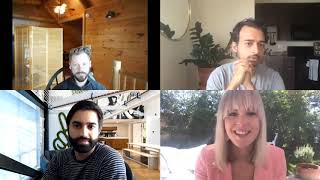
In this YouTube panel hosted by Sahil Lavingia, investors Brianne Kimmel (WorkLife), Tyler Tringas (Earnest Capital), and Sunil Pai (AngelList) discuss the evolving landscape of early‑stage investing. They explore how AngelList’s suite of products—SPVs, traditional funds, and the newer rolling funds—lower the activation energy for new fund managers and broaden access for LPs. The conversation covers the shift toward subscription‑style fundraising, the regulatory constraints (accreditation, investor limits), and the role of operator‑angel LPs in providing sector expertise and co‑investment networks. Tyler explains Earnest Capital’s Shared Earnings Agreement for bootstrapped founders, while Brianne shares her strategy of building a work‑focused fund with sector‑aligned operator LPs. Sunil outlines AngelList’s mission to abstract back‑office complexity, enabling founders and managers to focus on deal‑flow. Sahil shares his personal experience raising a rolling fund, emphasizing the analogy to dollar‑cost averaging in public markets and the long‑term, low‑commitment model for LPs. The panel highlights the broader theme of democratizing venture capital, the impact of COVID‑19 on remote work and local syndicates, and future possibilities for scaling LP participation beyond current SEC limits.
Chapters
So we're gonna try, I'm gonna try to keep it pretty broad. I want this to be sort of interesting and educational for people who are interested in LPing my fund or others, but also might wanna start their own funds, founders who are looking to take money, engineers, designers, everybody who works at these companies. I think sort of, I think what's interesting about the response is that sort of like this ecosystem is sort of a big part of like the sort of, Silicon Valley innovation, American dream, sort of the new American dream as Tyler calls it. And a lot of people just don't really know how this stuff works. Like I started raising money for this fund around a month ago. I've been an LP in funds, I've raised millions of dollars from VCs. I still learn a ton, and, you know, just talking to folks and being forced to learn this kind of stuff. Some of it isn't, is, you know, is because it's just boring and uninteresting, but some of it I think is, is actually really interesting and just doesn't get talked about and sort of fits into my sort of macro meta thesis of just democratization in general. And so I think, yeah, it's gonna be fun. So to get started, Tyler's gonna moderate. I wanna get everybody's story. So let's start with Brianne, who's running sort of like one of my favorite funds right now with WorkLife and Yeah, like let me know how you, you know, let us know how you got started with it and your journey from sort of being an angel or being an operator to an angel and now doing sort of a fund. And I'll try not to be annoying as well, this thing.
Yeah, awesome. Thanks so much for joining everyone. It's awesome to see the number of participants that are hopping in. And so for those of you who don't know me, my name is Brianne Kimmel. I started a new future work-focused fund called WorkLife. Less than a year ago. And the vision of the fund was essentially what you were saying. I believe that work is changing, and I think it's changing across how people find their first job, what your first job title is, where you want to work, how you make money. And so the whole vision for WorkLife was, can you take a broad macro concept such as the consumerization of enterprise, and can you slowly unpack different trends and find great teams that are solving really complicated problems for everyday people. And so the fund was essentially built on evenings and weekends. So I had previously been at Zendesk. I was an angel investor on evenings and weekends. I'd been an angel investor in Webflow, a no-code design tool, awesome community, great way for anyone to launch their own business. I view websites as being step number one, and that's your first footprint on the internet. And so through my investment in Webflow, you know, started observing all of these little macro trends that were happening. So, you know, new ways for people to make money from home. You know, there's a lot happening in the publishing industry where you see a lot of people that are self-publishing on Amazon or, you know, starting their own books now through Stripe Press. And so essentially, I took a step back and took a really holistic view of how are people working, what do they want to be doing next, and what are the programs and services that will help everyday people be successful. And so I think that in a lot of ways, the way that WorkLife has evolved is, you know, initially our first few investments were more tools for remote teams. And I would say they are tools for more tech workers. And so that was just looking at the raw numbers where if you looked at Buffer's annual survey, you know, 99% of people prior to COVID that took that survey said that they plan to work from home for the rest of their life. And so to make that actually happen, we needed program services, things to, to enable what people actually want rather than what employers are struggling to deliver. And so we started out in low-code, no-code tools for remote teams. And then now I'm spending a lot of my time on new classes of work, basically looking at new industries or industries that are aligned to macro consumer trends and building programs and services for those individuals. So think the Shopify economy, the creator economy. I've made a number of investments in sort of the back office and the boring part of how streamers and YouTubers and people can actually make money and do this ultimately full-time. And also looking at, I think right now, especially during COVID we look at a lot of parenting, education, things that are actually prohibiting people from doing their best work and also thinking about education from the lens of teachers and how do we help teachers make more money, How do we help essential workers actually make work better and use technology to do that?
Awesome. Tyler, how about yourself? You have a sort of a very different take on venture capital.
Yeah, so I run and started Earnest Capital. We launched about a year and a half ago, sort of running up on just about that, February of last year, I think we went live, made our first couple of investments. We do something quite different. I kind of barely consider it venture capital. It's kind of in the same space, but what I usually call it is funding for bootstrappers. So it is early-stage capital, mentorship, community, kind of that first check anywhere from the capital that lets you kind of quit your job or stop freelancing up to kind of making your first hires. And then from there, we're usually investing in companies where at least their plan A is to run the company like a bootstrapper, right? So they're going to grow the rest of the business from free cash flow. They're not necessarily planning on raising additional rounds. Usually that means they're operating in kind of all of these interesting niches in every part of the economy that, you know, you really are not sure at all how you could build a billion-dollar business, but you're quite sure you could build a great business in there. Those are the kinds of companies that we like to back. We sort of created our own funding structure for that called the Shared Earnings Agreement, basically to kind of align us with those kinds of outcomes where if you necessarily don't want to raise more capital, you don't necessarily want to sell it, but we still want to invest in you and have a great outcome as well. So we have kind of a profit share-based arrangement. You can find all the details on our website, the term sheet and all that sort of stuff. And what else? Well, we have an awesome group of kind of bootstrapper or bootstrapper-esque mentors, of which Sahil is one. He was an early LP and mentor for Earnest, and Sahil is a great mentor. He writes all the tweets for all the portfolio companies. He's awesome. Yeah, in exchange, I have to write all of his tweets for him. It's fair trade, I guess. But anyway, yeah, so that's what we do. And so far, it's going well. We've been investing in about a company per month. Oh yeah, I guess we're talking a bit about fund stuff here. So we launched the first fund, kind of a really small proof of concept fund of about $3.1 million. Started raising for that in August of 2018. So we had about a 6-month period of just getting individual angels, essentially everybody that I knew that I thought had the capacity to write a check and would kind of get the vibe of this fund, basically just sort of hit up and put that one together. And we've basically fully invested that, and then we are right— literally, documents are going out today for our Fund 2. So, and that Yeah, so I'm happy to talk more about that, but that's where we're at.
You used AngelList for your first one, right?
Yeah, we used— yes, we did.
Yeah. Yeah, so I think that's—
congratulations, that's awesome!
Yeah, yeah, thanks.
Oh yeah, yeah. So Sunil, can you talk a bit about AngelList before I talk— I do my spiel on my fund? Uh, I think such a big part of me even doing this is the sort of AngelList, uh, productization, democratization of of enabling this kind of new path. Like, I think the stuff that all three of us are probably doing, like, 10 years ago would have been very different without Twitter, without AngelList, and without some of the other sort of macro shifts. So I would love to kind of hear AngelList's sort of point of view and strategy and sort of just the history, I think, of like what you've kind of seen from like, you know, 10 years ago, 15 years ago, whenever AngelList really kind of got going, you know, to today and some of the trends and some of the features, especially you can end with rolling funds, 'cause that— Yeah.
Yeah, so I think we're really in the business of putting managers into the investing business. So what we offer is basically— there's a lot of things like, you know, that you had mentioned that you've learned along this journey that are not very interesting, back office things about how funds work. That's not why you become an investor. You become an investor because you want to invest in great founders and fund the future. So AngelList as a business is really focused on abstracting away all of the complexity around that. So You know, great technology is invisible. That's really what we're going for. The fund formation docs, the taxes, the accounting, valuation, um, you know, distributions, all of those things aren't really what great GPs should be thinking about. They want to be off to the races. And so we have 3 different products that enable that, whether someone wants to come in and do a single deal through an SPV or they wanna raise a traditional fund, or they wanna do a rolling fund. We wanna be the infrastructure to support them, put them into business, and help them scale up to have an impact on startups.
Awesome. And specifically with rolling funds, let's see if I can actually screen share this so people can see some of the benefits. Like, what is the, you know, like talk a little bit about like sort of the traditional fund and then sort of syndicates, I think was sort of like the next big evolution, I think of that. And then sort of rolling fund seems to be like the next thing. Along this line, talk, sort of talk a little bit about that evolution and sort of some of the benefits you get from doing a rolling fund in this one.
Yeah, so you can think about, for the people that aren't familiar with the term, it's something new. It's something that AngelList has launched earlier in the year. And a rolling fund is basically an open-ended venture fund. It allows you to start raising a small amount of capital, start investing it, and then scale up and add more LPs over time. And the way that you're able to do that is because LPs don't just invest like a single lump sum. They subscribe to your fund on a quarterly basis. So it's like applying the subscription model to venture capital. And, um, why it's different is because if you're raising a traditional fund, the, the journey typically happens like this. You decide you want to raise, and then that's when the shot clock starts ticking. You have about 18 months You go on a roadshow, you talk to a bunch of LPs, you have a first close, you have a second close, and then pencils down, that's the, that's the size of your fund. Whether you hit your target or not, that's typically the way it works. That's, that's not really a great model. Obviously it has a lot of inefficiencies and it's not great for GPs. First, because when you're out and you have that forced 18-month window when you need to raise, You're not talking to as many founders, so you might miss out on deals. And then secondly, what if you close your fund and then, you know, next week you meet an LP that says, "This looks awesome, can I invest $1 million?" You can't. There's not a real way to work with them. So you maybe put them on a waitlist and come back in 2 years, which obviously, you know, kills all momentum. And then the third part about traditional funds is most of them are following a 506 model, which means you can't really market your fund. There's a lot of limitations around compliance about what you can say about your fundraise. With rolling funds, we've broken that apart and structured the product as 506, which is why we can have conversations like this. And Sahil, obviously you can talk about your fund as you're raising it because we have a way to verify that all the LPs are who they say they are, they are accredited investors. And so it gives you a lot of flexibility. So yeah, basically the benefits in comparison are an open-ended fundraising cycle, LPs come in on a subscription basis, and you have more flexibility around your marketing.
Awesome. Yeah, no, I think that sums it up. It's just sort of, to me, like, I like to boil it down as just pure democratization, right? Like it just, Anything that sort of feels like an inefficiency, a thing that's bundled that might not need to be bundled, a thing where you can't talk about something you might want to talk about, which inherently is going to create access problems, right? I liken it to actually to politics and the sort of like a lot of the innovation that's happened in politics, because you have these candidates that basically can raise money from anybody. They can raise money from Twitter on their website, and they don't have to sort of do the traditional sort of establishment thing, which is you, every, funnily enough, sort of every, on a cycle, a yearly kind of cycle, if you're in Congress, 2 years, President, 4 years, you sort of like get into these closed-door meetings with a bunch of rich people. They're often old and white. And then you sort of, you get these big checks from them indirectly or directly, and there's some sort of relationship that's, that gets built sort of, that no one really sees, right? And I'm not saying that's wrong or whatever, like it's not a sort of political statement, but I think like what's really interesting about this new wave of politicians, and I think sort of fits in with this sort of rolling fund thing, is that you can kind of go direct, you can go D2C in a sense, right? And you can kind of just say, hey, look, I can raise from a much broader set of LPs because I can talk about it, I can reach them. There are all these people when I tweeted about raising the fund that, that I talk to as being LPs that have never done this before, that I never would have— they would have never known I was doing it. I would have never known this was something they're interested in, right? That liquidity kind of doesn't exist. And so when you create that transparency, you create people who are able to do things potentially better than the quote-unquote establishment in certain ways that just never would have been able to work through this sort of quote-unquote party system. And sort of, I think, sort of very similar in politics, very similar in VC. I'm sort of excited to see like the sort of the next 5 to 10 years of, you know, like what rolling funds does. I'm really excited about, you know, hundreds of rolling funds. And just, I think that's such an amazing way to sort of broaden the sort of scope of who can be an LP, who can be a fund manager. And ultimately what that means is who can start a company and raise capital, right? Because it is such a relationship, trust, game. It's a long game. A lot of people don't have access to that game. I think 40% of VCs have gone to Harvard or Stanford. And so I think this is sort of essential, right? I assume politics, you probably see a similar stat, right, with politicians. So I think it's gonna be really cool. And I think one of the reasons I'm excited about it personally is I want to be on that side of things. Like, I want to ride this wave that I really believe in strongly. So yeah, I'm super pumped.
So this is— I'd love to build on that a little bit because I think what's really interesting is that when you're just getting started either as an angel or if you're thinking about raising a fund, operator LPs are actually a really strong competitive advantage. It gives you both a co-investor network. It also can help you from a diligence standpoint. You know, as someone who does a lot of workplace productivity or modern enterprise investments, It's also a nice entry point into different companies. And so when I was thinking about my initial LP base, I strategically went to sector-aligned CEOs. And so I wanted folks like Stewart Butterfield from Slack, Eric Yuan from Zoom. Like, you want a number of people that are sort of the high-profile, awesome breakout companies in your category. I think you also want people who are a few layers down and who are more sort of director level and above, and those individuals who have more time and can roll up their sleeves and help companies as well. I think AngelList would be the only way to really do that. If you were going to go with a traditional back office, I think the legal fees and the, quite frankly, the time to actually structure all of these documents would become your full-time job and you would have less time to meet companies and less time to build your network.
Yeah, totally. And I think that's super critical. The activation energy to be a, to be a GP 5 to 10 years ago was a job. It was a job, right? You had career VCs and you had career politicians, and now you have people who actually can spend all of their time campaigning or finding companies or helping companies that otherwise— I mean, I've talked to VCs that are like, "Yeah, I spend 80% of my time is talking to LPs, 20% of my time is talking to founders, including my existing portfolio." It's just such a— if you can really sort of get rid of that, I mean, it's really the only way. I would never be able to do this because I have a day job, right? And so it's super cool.
Some people have thought about it almost like how it costs so much to start a company 10 years ago. Now with AWS, you can spin up a server, you can get something going, you can get an MVP and see if it works and then scale it up. Very similar here. Raising a fund isn't a daunting task. If you have a good deal flow, if you have a couple of capital relationships, start small, do some deals, see how they go. See if the companies raise follow-ons. If you get some exits under your belt, meet more LPs. That's an ongoing process and stack and right-size your fund for where you are and you can grow it over time. We don't have to start with a $25 million fund. You don't have to start there. You don't need multiple GPs. You can just get into business and see if you're good at it.
Yeah.
I mean, it's not— The one thing that I'll say too, and I think this is something that's new and It's a newer evolution now that there are more angel investors in the ecosystem. I also see very strategic operators developing an LP strategy much sooner than, you know, maybe the last 3 to 5 years. And I think what's interesting is when you identify full-time emerging funds or you identify syndicates on the AngelList platform that have great access, you have a better shot of getting into the next great company by being an LP in that fund rather than relying on your own sourcing as well, just because I think the networks are getting a lot tighter and a lot deeper. And so in a lot of ways, I highly recommend an LP strategy for operators that are busy and don't have as much time to meet companies, or they want access to a particular network, either a sector-specific network, a company alumni network. Like, I, I love watching all the new syndicates that are popping up, like the Air Angels, which is the Airbnb syndicate. There's an Uber one. You know, I think what Locky Groom is doing with like really pulling together the Stripe alumni network. I think there's a lot of ways of getting access to great networks of people that are likely to start companies, and sometimes that's the best entry point into angel investing is actually through a small LP check.
Totally, totally agree.
Can I— I don't know if we're gonna touch on this, but I think, I think the transparency aspect here, the 506, the ability to, you know, and for folks who have no context on this. Basically, the old rules are the SEC says because you're not publicly traded and you're not subject to all the regulatory scrutiny of being a publicly traded fund, you're a private fund, you get to skirt a lot of that scrutiny. You can't go publicly market. So it's this idea of you can't just go door-to-door knocking on, say, "Hey, join my crazy venture fund where you might lose all your money." This is the old rules. So you basically couldn't talk about it. You had to do elaborate— we did this elaborate hack with our first fund where we had this friend end of the fund newsletter that we would sort of market and be like, well, this is a bunch of interesting sort of investory-related behind-the-scenes stuff. And we would have a checkbox that was like, by the way, this is only for accredited investors, you know? And so we could market this and then people would get into there and then we could say, oh, by the way, like we, we do have a fund, you can invest in it. Um, and it's just, it's very stupid. And so it's great to be able to just publicly say like, you know, Sahil Lavingia, like you did for this new fund, like just tweet it out. Like I'm raising a fund, here's what I'm doing. If you want to join, you can. And I think that's going— I think we probably are underestimating how many new folks that's going to bring into the ecosystem as LPs, right? Folks who, you know, don't necessarily see the whole of angel investing as something that they want to just get access in, but they see a slice that resonates with them through a particular fund. It's just like too much work to try and like get your way in there and figure out how to do it. But if you can just say like, hey, This is my thing, I'm doing it, here's how you can join us. I mean, it's something we're seeing with Ernest where the vast majority of our LPs, it is their first ever non-real estate illiquid private market investment, right? They do real estate, they do public stocks, they do all that sort of stuff, but they've never done anything investing in companies. And when you can just be very transparent about your strategy and who all is in there and all that sort of stuff, it's really, I think, growing the pie of LPs in a substantial way, which is pretty cool.
Totally. Yeah. I mean, like, Silicon Valley, you know, is what it is because of the capital, right? And that sort of brought, you know, that sort of now shifted because of coronavirus. And I think that's sort of accelerating this thing that was already happening. But I think, yeah, the more people that get into this system, like, the better. I mean, you can see even with the public markets, there's a lot of uncertainty. And, you know, I think it's, it's sort of, you know, people are looking for different asset classes, and they just don't know about this one. You know, it's a, it's a great asset class, in my opinion. And I think the more people that have access to it, I think the better. So yeah, let me share my story a little bit. So for people who are sort of starting their own funds or thinking about it, this is sort of like, you know, really in the last 30 days, From this tweet or so, June 1st, so I guess 45 days ago, I tweeted this thing out. This is the power of Twitter. I can just tweet this, and I got— I ended up doing, you know, I got a lot of emails, ended up doing 4 checks. And the story of the fund, I had no intention, again, like I would never sort of go on that roadshow and do spend 9 months or 18 months or whatever talking to family offices and fund of funds and really do a fund, like a sort of traditional fund. But what happened was I invested in 4, 3 of them were looking for follow-on capital. So I emailed a few folks, including Naval, about them saying, hey, look, I invest in these 2 companies, they're looking for more capital, let me know if you want to interest any of them. And he just replies like, you know, I would love to, you know, if you're interested, I would love to sort of anchor your fund effectively. Like, these look great. You know, have you thought about, have you thought about this? Give me a call, we can talk about it. There's this new thing called Rolling Funds that I read about in February when it launched. And so that, you know, the bar is super low. I'll, you know, I'll be your first anchor. You know, you can, you can get a few more, you can ping a few folks and see where you end up. And you can start small, as small as you really can. And, and then if it works, you can sort of quarter by quarter, you know, level it up over time. And so, you know, I put together a little memo, which I'll put a link to in the Zoom chat. Let me see if I can actually share it. So yeah, I wrote this little memo. This is the memo. Besides, the only thing I redacted was some personal information, but this is the memo that I wrote. It sort of goes through who I am and why I'm interesting, a little bit of my angel investing track record, which is Minimal, you know, I didn't do a ton of it. I was super focused on Gumroad, which in hindsight, I honestly wish I was doing more of this stuff. I just didn't know about it. My thesis, some examples of why I think I could be interesting to founders. You know, I am a founder, I'm a designer, I'm an engineer, I have a big audience on Twitter, I can get into some deals that are competitive. And then sort of my thesis, which is pretty light, honestly, because I think sort of for this kind of generalist, sort of small fund, a lot of it is just going to be, you know, who's in my network, who do I talk to, like, who do I just— what are my interests on a sort of like day-to-day basis? I think that's going to really affect the companies that I see. But the sort of the— this is sort of the line that I really tried to kind of pin down, like what I really believe in, which is I want to back people who are working on really difficult, boring stuff, honestly, because I think That's the best way to sort of sweep the competition, is to just have a lot less of it. And you'll typically have a lot less of it if you're working on a difficult, boring, complex problem. And then what I think I can help with is helping them craft sort of the easy-to-use, elegant solution. Uber is an incredibly difficult, complex problem, but the solution is pretty clean and elegant. So that's kind of how I sum it up. And this is it, you know, this is sort of what I sent everybody, I emailed, you know, 100 or so people, I DM'd a bunch of people, and I'm up to around $800,000 per quarter in commitments, which is, you know, a $3.2 million fund per year, which, you know, most funds are— most traditional funds sort of think about it, it's sort of a 2-year or 4-year deployment cycle. So take your pick, you know, on sort of what fund size that equates to. But it's something that I would have never done this, a year ago, 2 years ago, right? It would have been zero or a big early stage fund. And I had to take it really seriously and come up with a name and like all of this work, which actually fits very much into sort of the Gumroad thesis, which is like, there's, you'd have to create a storefront and do all these things and like, let's make it really easy and you get started. And people have even, when I send people to AngelList link, which is, they made super self-serve for LPs, multiple people have been like, this is just like, this looks just like Gumroad in that sort of ideology, which I think is really great. And yeah, so that, I did paste the link, by the way, someone asked in the chat, you might, let me paste it again, 'cause there's a lot of messages, but that's really it. I just did a bunch of phone calls with dozens and dozens of people and sort of just like added that, that sort of up over time. I have around 100 LPs or so. I'll probably end up with, I don't know, 110, 120 or something like that for the first quarter. And then we'll see what happens. I'll start writing some $100K checks into some companies and people, new LPs will come in, some LPs might leave, existing LPs might sort of up it. And we'll see how it goes. Oh yeah, I'm actually sending it to only the panelists. My bad.
So, Sahil, yeah, a bunch of people are asking for the fund link. Do you have like an AngelList fund link that you want to share, or should they just DM you? Or—
yeah, if you want, if you're interested in being an LP, just DM me. Um, that's— and then I can sort of like, we can do a phone call or whatever, and I can clarify any questions people have. Um, but I'm, I'm, I'm super excited about it. I think that there's sort of mass amount of potential. Like, I want to, I want to see hundreds of these things going forward. And I think one of the interesting things about when I've talked to folks, it's similar to startups. Like, people think there's this like crazy amount of stuff you have to do, and so they never get started, right? And it really, like, I really want to make sure people understand, obviously there's like relationships. I've been doing this for a long time. That stuff is really important. Definitely the focus, that's sort of fundamentals of why you'll be able to raise money from LPs. Probably half or over half of the people I had some pre-existing relationship with. There were some employees from Gumroad that went on to do awesome stuff and a lot of Gumroad investors, et cetera, et cetera. But if you have that kind of stuff and you want to get started, really just, you can write up a Notion memo, put together a deck, and then send it out to people and see what happens. My goal was $100,000 a quarter to get started. And I sort of did a lot better than that. And I still have some meetings coming up. So we'll see where it ends up. But even if it was $100K a quarter, it would have been great. I would have done like a quarter and, you know, which is sort of more capital than I have personally to deploy in this way. And, you know, we can kind of just see what happens there. So I put that link if anyone's curious, I'm happy to help. If people are interested in LPing, let me know. If people are interested in, in starting their own fund, I'm happy to help. AngelList is also a great contact. But yeah, what questions do people have, either from the panelists or from the attendees?
I have a question. I'd be curious to hear everybody's opinion on this, which is starting out, okay, you have a, let's say, particularly by venture scale, relatively small fund, all things considered. How are both of you, Sahil, as you're starting, and Brienne, when you were starting to write your first checks out of a fund, how do you think about first check, only check, leading around, following around? Is it best to start off cautiously and basically follow folks? Does that feel a little commoditized and you need to go and actually do stuff to prove that for the next fund that you can actually lead or be the first check? Like, how do you think about that? Whoever wants to hop in, but I'm curious.
Yeah, I'll jump in. I would say that your fund size is your strategy. And so if you think about portfolio construction, for the average first-time fund manager or for the average angel investor, you know, you typically start somewhere between a $25K to $150K check, something like that. I think that it's very rare to come right out of the gate with no prior investing experience and lead a round. I think what we're seeing now, and I want to speak to, you know, there's been some really great recent blog posts around like the rise of solo capitalists, and solo capitalists are individuals who potentially do lead a seed, a Series A, a Series B round, likely through an SPV. Those are individuals that are incredibly well-networked and that have access to trusted and pretty significant capital sources. I think for the average operator, which is definitely how I classify myself, with someone who did not previously have investing experience, who was spending, you know, most of their day operating inside of a tech company and use limited hours on evenings and weekends to build a track record, I think that you typically do start with smaller checks. You know, some people enjoy that model where it makes sense to be the friendly, helpful angel where you don't necessarily take a board seat, lead a round, do the traditional quote-unquote VC job, but rather you're the call before the call or you're a friend that's, you know, someone you can text anytime on WhatsApp. I think there's different— now there's a lot of optionality in even how you view your own goals as an investor. And so I would say for me personally, you know, I had a desire to help startups. I was at Zendesk, I was building programs like Zendesk for startups and spending time with AWS and with AngelList and Product Hunt and a lot folks in the ecosystem. And so for myself, it was more about access. As I was meeting interesting companies, or as I would see an interesting company building on the Zendesk Apps Marketplace, I'd just write a small check. It's like, I want to get to know you. It's a great list of people on the cap table. It was more of a network accelerator than anything, and an opportunity to help companies. And so I think now that I have the fund, and now that you, you know, you are a good fiduciary of someone else's capital, and so that does change the responsibilities almost immediately. And so I think that You know, to Sahil's point earlier, you know, a large percentage of my week is in building LP relationships or managing LP expectations. And so I think that the jobs can be quite different in terms of being an angel investor, um, you know, what I would call more of these new modern funds that are on AngelList, where I love not having to do very much of the back office work myself. That gives me more time to meet companies, help companies, spend more time in the ecosystem. But I think there's a whole— there's so many options before the sort of traditional Sand Hill Road, large teams. Everyone has a very specific job. And so it's great to see just how much optionality there is, both for founders and for people that want to build a track record as an investor.
Yeah. Yeah, I think about it similarly. I think as a sort of I did a bit of angel investing, but being new to the game, like, I really want to work and learn from experienced investors, you know? And so I want— Hunter Wahl calls it the "and check," not the "or check." So I want to be an "and check." I don't want to sort of elbow anyone out of the round. I don't have the time or sort of mental fortitude probably to do that kind of thing. And so I want to work with people like Brianne, co-invest together, which is why my check size is sort of like on the on the smaller side because I really, I want to find a lead if they don't have a lead and participate and learn. And I want people to look at me like a founder and operator that people can get, yeah, the call before the call versus like the professional investor who's gonna help them put together their Series A and maybe, you know, be really involved day-to-day in the company. Maybe I think, I think Brian mentioned that, yeah, your fund size is your strategy. So as you raise more capital, you might have to increase your sort of average check size, which might mean you want, you know, you're gonna do less deals per quarter or per year. And that's gonna sort of affect the way that you sort of, your sort of, you know, your approach and also not only in sort of picking and choosing how many companies you wanna invest in, but also your level of involvement and your level of comfort. I think when you're doing angel checks, you can sort of just do anything, right? It doesn't really matter. One sentence someone says, it's just so compelling. You're like, that was amazing. You know, here's $5,000, let's see what happens. When you have other people's money, that's a little bit different. So you kind of, I think, need to be a little bit more diligent about things. But I, you know, it's a work in progress. I think the cool thing with the quarterly fund, model is I can sort of, you know, scale it over time and sort of start with $100K checks, see how that goes, and sort of change my approach a little bit, right? Because I'm not gonna go from like a lowercase anywhere from an $8 million fund to a $25 or $40 million fund or something like that, right? Which is what you have to do when you're raising every 2 years. Sort of, there's so much that has happened in that time. You know, I might go from $800K a quarter to, you know, $900K a quarter or something like that, which is not gonna fundamentally change things. So yeah, so that's kind of how I think about it. I also think founders are sort of, it depends on the founders. There's certain founders, if you're sort of super new and green, it's really helpful to have someone who's sort of really gonna help you figure out some of this stuff, like introduce you to a law firm and a bank and like really walk you through a lot of this stuff, which is really important. But if you're sort of a repeat founder, if you just want capital, you want good operators on your cap table that are busy running their own companies, so they're not gonna bug you and they'll sort of answer your WhatsApp messages pretty quickly. And that's what you want. A lot of founders want that. And they can just put together what used to be called, I think, a party round, a little bit derogatory back in the day, but I actually think it's a great model if you know what you're doing, and you just, you wanna make the fundraising process clean and simple and easy. And you really want to sort of like have the VCs at arm's length until you are ready for your A and the board seat and all of these kind of things.
One quick point to build on that, which I think is really interesting, is I think in this environment, the time to conviction is really critical. And so what you'll find historically is that generalist seed funds or generalist angels, what you would oftentimes find is you'd meet an interesting company, you get really excited about the founding team, but then you have to go away and due diligence. What I'm seeing today is that with all of these new specialist funds and with all of the operator angels in the ecosystem, there's not really as much time to go away and learn about that sector. And so I find, if anything, you know, if there's a great company that's reimagining the creator space, like, you'll be the first to see that company just because I trust you to get to conviction quickly. And, you know, as an operator with expertise, like, the feedback that you give to that founder is going to be so much more compelling than a generalist or someone who's still trying to wrap their head around the concept. And so I think, if anything, you know, a lot of newer funds are a little bit more specialized in nature, or we all collectively get together and talk about, like, who's the expert for X, Y, and Z? Because when a founder comes to us, we need to move very quickly. And so I think that's one of the most exciting things about some of these changes that are happening in the early-stage ecosystem where it's less about a founder coming into a meeting or, you know, taking an Uber all the way to Sand Hill Road and pitching a firm. Now it's more like, let's get together, let's collaborate, let's pull together a plan on how we can help this company collectively. And that's where I get really excited.
I think, I think that's definitely true. We're seeing so much of that where there's operator angels, solo capitalists, who get to be collaborative. I think when you get to hundreds of millions of dollars, or even if you're writing and you're leading Series A's, it's a zero-sum game. There's only one VC that gets their 20% ownership, and they're sharp-elbowed with everybody else. But operator angels or solo capitalists who can form these bands or mafias, get to conviction quickly, add value— it's almost a no-brainer for a founder. You get the capital quicker, you get, you know, real-time advice from people who are building companies and you get their network and Rolodex. So it gets you into business faster and you can just focus on what you want to do.
Yeah, I think it's great too. And this speaks to the breadth of the AngelList platform and just the— how quickly you're iterating on different products as well, where, you know, I had initially started as more of a focused debut fund, one varying check size across seat in Series A. Now with Fund II, I do have the ability to lead a Series A or lead a Series B. And it— however, it's very selective. And so I think that there is something very true in founder-investor fit. And so that's where it's like very selectively a company that's been maybe someone in my inner circle for a number of years or something that's incredibly sector-aligned and directly in the strike zone. But I think what's great is like in having a lot of that optionality, I can both be very collaborative and then occasionally when something is directly in the strike zone, come in, lead the Series A or lead the Series B, or be that second largest check alongside a top-tier fund. And so I think that that just speaks to the breadth of the AngelList platform where I think venture is becoming increasingly flexible. And I just think it creates so much more optionality for founders. It's also great because we get to have these conversations and we all work very collaboratively. And I think it makes the job at the end of the day a lot more I find it a lot more interesting.
Yeah, and I think it just creates more tools. It allows founders, based on what they're building, what stage they're at, what kind of company they wanna build, what kind of return, like there's all, I think even when I started talking about raising a fund, people would thought it was a joke, 'cause I kinda preach this, maybe this other side of the gospel, and obviously I've written a post about it, and I tweet about it occasionally. And I think, you know, my answer is just like, look, VC is a tool. It's like a hammer, not everything is a nail. And even within VC, I think it's, you know, before maybe traditionally like 10, 15 years ago, and I'm sure even sort of, you know, there was a different era before that, like there was sort of a one-size-fits-all kind of thing, right? And now with, you know, even with the solo capitalist kind of movement, with these SPVs that AngelList makes really easy to do, I think every— it's just sort of classic unbundling, which is every time you bundle, you have inefficiencies that kind of come as part of that. And when you can sort of say, you know, like, let's— when you have sophisticated founders and operators who are getting more sophisticated all the time because things like this, it's just open and accessible to everybody, they can construct the sort of the right vehicle for their company. Which I think is just a win-win for everybody, right? If you're sort of forced to fit into the sort of raise a $10 million Series A and go for the unicorn for every single company, like the vast, vast, vast majority of companies created are not a fit for that. And that's totally great, right? And there should be options for those people that aren't just like getting a loan or bootstrapping, right? Like Tyler's model, and I'm sure so many other things are gonna happen over anytime there's a binary kind of thing where it's you either do it or you don't do it, you know, traditional fund or you don't, or you have to do the career politics thing or you can't run for office at all. To me, there's sort of like a— that is going to transition into a spectrum. There's going to be options over time. It's just a matter of the software needing to get built, you know, the sort of like the enough people, sort of enough new money kind of getting to that kind of the level where they can fund the next generation and think about it differently. It just takes time. It takes a lot of time. And it fits perfectly, I think, into the creator economy thesis, which is people are building their own audiences now. They're connecting directly with all the people who care about them. And, you know, a founder, like, if you look at sort of the creator economy, if founders were on one side, you have founders, they might raise money from VC firms, those VC firms might be raising money from fund of funds, those fund of funds might be raising money from from university endowments, the university endowments are collecting money from people who went, alumni, and those alumni might be working at those companies that the founders started, right? Like there's like this crazy loop. But what if, in the future, like a founder can go raise money directly from those people or from one of those alumni who's like, who became a VC and they have a small fund that's just all their alumni, right? And so I think, I think it's gonna be amazing. I think one thing I wanted to add is how sort of this is so important in the COVID era, right? Because that whole kind of dynamic of going to Sand Hill Road and bringing a deck and pitching a group of people, like all of this is, even this thing, we probably would have done like a little thing at some office in San Francisco and a couple hundred people would have shown up and like, now this thing is sort of so broadly available to people. And I hope that sticks around because I think it makes this super accessible or a lot more accessible than it used to be. And I think that's great, you know, that's great for everybody involved except maybe sort of the institutional sort of establishment, quote unquote, right? And it's scary, but it's also exciting.
I agree. I'm really excited. I mean, just just even thinking through the number of conversations I've had in the last week, some of my most frequent co-investors are now back in their home countries. One is in Columbus, Ohio, one is in Seattle. And it's one of these things where, you know, one of the key insights that I had with WorkLife is when people work from home, they actually start to reconnect with their own neighborhood and they start to reconnect locally. And so I think that's an incredibly important shift where rather than feeling this obligation to move to Silicon Valley to quote-unquote "make it," I think now people are working from home. You know, post-COVID, you'll be able to spend more time at local coffee shops, you know, contribute to your local accelerator. I think in a lot of ways, there's just been a new distribution of Silicon Valley or traditionally startup people who are now reconnecting with their neighborhoods and Already in the short term, I'm starting to see new local syndicates that would have previously been more, "We invest in Bay Area companies." They're now local syndicates saying, "We invest in Swedish companies," or, "We're building this local syndicate around Mexico City." And so I think if anything, it's creating that next level of democratization where founders won't have to fly anywhere. They'll actually be able to find really trusted sources of capital locally. And I think that would not be possible possible if it weren't for AngelList and some of the new funds and people that are now returning back to home for the extended time.
Sahil Lavingia: Danielle, could you talk a little bit about— there are still some restrictions, right? Like, unfortunately, it's not— or fortunately, there are probably good reasons for some constraints on this. But in terms of accreditation, and the sort of the, you know, some of the SEC limits around number of LPs and things like, could you talk a little bit about like, yeah, what is still required? Geography is no longer kind of required, which is amazing. But what are still some of the hard limits? And then also maybe where you think things go from here? Like, what are you potentially excited about over the next, you know, 5 to 10 years in terms of some of those limits changing potentially?
Yeah, that's a great question.
So just, just add into that, a bunch of people are asking about investing as LPs in these kinds of funds from outside the US. So if you just want to touch on geographic constraints there too. Answer a bunch of these.
So we'll start with that one. So anyone, uh, you know, whether they're in the US or abroad can invest into these funds. They're structured as US entities. Most managers are investing in the US, but they have the ability to invest outside of the US as well. So that's up to you. Um, in terms of, uh, you know, the LPs and qualifications for them, everybody needs to be an accredited investor to invest into any of these private vehicles, basically. So even if they're living abroad, they have to meet US SEC accreditation standards, which are an income of $200K for 2 years or a total net worth of $1 million minus your primary residence. So unfortunately, that bar is still limiting. On the AngelList side, it's not something that we can necessarily do. We've been involved in a lot of the legislation to try to change some of these things over the years, um, but that's one that currently everybody needs to be an accredited investor. Second is around investor limits. So this recently changed, and hopefully we can push the ball a little bit further, uh, in the future. But there is a limit that a pool of capital like this under $10 million can have up to 250 investors. And then funny enough, when you go beyond $10 million you're limited to having 99 investors. There's some kind of hacky things that we're working on where we might be able to pull out people who are above the accredited standard called qualified purchasers and then put them in a separate vehicle. And so we're actually thinking through a couple of strategies to enable more flexibility, but I would say those are really kind of the hard limits right now that we're up against is accreditation, you know, still applies. Hard investor limits. But, you know, and Sahil Lavingia, to answer your question of where I see this going, I think there's legislation that needs to change. But then what I see this doing is putting people into business, allowing for a lot more meritocracy, and people scaling up these funds over time and maybe even joining together. So what we're seeing is people through AngelList or, you know, even through Twitter, they meet other folks, they chat about their funds, they have similar theses, maybe they started by themselves, but then they bounce these ideas off of each other, they realize that, you know, maybe working together is a good thing. And so we're seeing certain fund managers kind of choose to go into business together. And I can see that especially happening with rolling funds. There's a lot of, there's a lot of cross-pollination in the types of deal flow that people are seeing and doing. And so I think that people will band together in the future and start raising larger, larger pools of capital.
Yeah, I mean, it's, it's amazing, the sort of 506 and like the fact that I've been able to kind of raise from all these LPs in sort of a much more scalable way than sort of, you know, than what the traditional would have been, which would have been like a bunch of coffee meetings and, you know, driving out to Sand Hill Road and meeting with folks and all of that kind of stuff. But like, I could— I would love to see a future where I could have thousands of LPs. So if the SEC is watching, that would be great. Let me know. Someone asked about rolling funds, like, so specifically as an LP in a rolling fund. So, so there's a— I think it's $1,000 a quarter is the sort of actual sort of super, like, the minimum minimum, if, if, and if, if the GP sort of wants to go as low as AngelList allows. What are— how does the rolling fund work as an LP? I think people people are asking about, you know, if you invest in a quarter and then, you know, you have an exit the quarter after and you stopped investing before that quarter, like, how does that, how does that work? And talk about the hurdle as well, which I think is kind of an interesting solution.
So we have a lot of flexibility based on a fund manager and what they want to do. So certain fund managers will have their LP subscribe just for one quarter, and then you can opt out after that. So if you want to try your hand, see how this manager does, put in a check for one quarter. At the end of the quarter, reassess. You can pull out, you can increase, you can decrease the amount you put in the next quarter. It's all up to you. Um, other fund managers like Sahil Lavingia, I think your example is that you generally have LPs come in and commit for 4 quarters. So they're kind of with you for a year long term. They get a little bit more portfolio diversity over time. So that's, that's another way where LPs can come in on different terms. It's really up to the fund manager. But as an LP, I would think about, you know, what is your total budget? What are you interested in investing into this fund? And then actually split it out and think long term. It is a subscription business, and you want to be, you know, if you're making a bet on this manager, it doesn't make sense to just come in one quarter and expect to hit the next Uber, right? You have to think about the long game. And in terms of how carry is calculated and what— who gets exposure to what, this is incredibly complex on the back end for us to be able to track this. But what we enable is basically— and the short answer is that LPs get exposure to the funds that they're invested in. So if you invest in Sahil's Q4 fund and he invests in the next Uber, in that fund you have exposure If you drop out and you're not in the fund where he does that, then you obviously don't get exposure. So the idea is think long-term, invest behind managers as not like a one-and-done, but a relationship. And then after time, decide if you want to opt out or if you want to increase your ownership, because you can always do that.
Yeah, I think one of the— Tyler, go.
Yeah, I was just going to say, I want to just make one comment here, which I think is phenomenal around changing the mindset around making this more of a subscription rather than a huge chunky check, particularly if you're raising money from individuals. I found the worst part of raising my first fund was when somebody would come and they would say, "I'm really excited about what you're doing. I would like to invest $25K." And you have to be like, "You know, it would be really good if you invested $100K instead," and really hard sell, push people up because it's like, this is the only time, it's going to be like years before the next fund. I really need to get as much as I possibly can right now. And now what I find that I'm doing is actually the opposite of that, where folks will come in and say, you know, I want to put, I want to invest $100K. So what do I sign up for? $25K a quarter? And I'm kind of like, well, $100K would normally be spread out over more than one year. So actually you should do like a lower amount. So that it's more sustainable. So you don't realize 2 years from now, oh crap, I'm way overallocated in illiquid funds. And it's such a more pleasant experience to be talking to folks and to say, no, I'm like, keep this in more of a sustainable range that you can commit to quarter after quarter versus having to just constantly be upselling people on the biggest check that you can squeeze out of them.
Um, yeah, I, I, I think I— yeah, I do the same thing. I'm like, look, I— like, there's some people who are like, I want to put this much, and I'm like, honestly, I'd rather have half of that but you stick around for, for indefinitely. And that's kind of what I— look, we, we're applying this sort of model that maybe is going to get antiquated over time. And like, people are like, how big is the fund? And I'm like, well, it's— there's no size. It's ongoing, you know. It's like, how much are you going to pay for Netflix? $10 a month.— you're not paying for a lifetime subscription or whatever. And I think that's sort of one of the other interesting things that I want to come into this sort of this new asset class, which is the way people think about public stock, you know, public equity. And, you know, like I think about it, like I put a little bit of money every month into an ETF on Vanguard. And that's sort of like everyone recommends that, right? Like if you talk to almost any sort of investor or teacher, whatever, like, they're going to say, look, you can try to time the market, you're probably going to be wrong. It's, it's much better to sort of dollar cost average, right? Which, you know, which is to basically— which is basically to say you buy sort of much less every single month, you just automate it, you make it unemotional, because you kind of assume this market's going to sort of do things that you just can't predict. It's a crazy sort of beast. No one really understands it. If you're not convinced of that, by now, you're, you know, you're not going to get convinced, but it's just, it's just better. And this is what I think most folks do. And I, that's kind of how I pitched this kind of fund to some people. I'm like, look, like, think about it. Like, I want to do this for the next 10, 20, 30 years of my life. This is, this is like not a thing that I'm going to do one fund. Ideally, it's just an ongoing thing forever. And I would love to have you as an LP forever. Right? And so I would much rather you say, hey, look, I'm gonna put in, you know, $25,000 a year indefinitely, just like I would put in $50,000 a year or $100,000 a year into Vanguard or, or some index funds or anything like that. And I think that's sort of, I think the second order I'm really excited about is if people can start really thinking about this like an asset class that is about sort of a much more long-term investing strategy. It's not just like, I'm, you know, I'm giving you $100 grand, whatever companies you get into, the next 18 months and the follow-ons and the paradas. And then I have to sort of, you know, years from now, I have to sort of make another decision based on some of that data. It's still incomplete. I think it's so much better if people can just say, look, I'm putting in, you know, a fourth of that. And I want to kind of do this forever, because I want to be in the game forever. And I think you don't know, like, you know, you can say, oh, it's an amazing year, it's a terrible year, COVID is going to do this, COVID, you know, it's like, no one really knows, right? We'll know in 10 years or 15 years from now, like, if this was a good, quote unquote, vintage or not. It's way more effective to say, you know, in my opinion, to say, I'm gonna invest this amount every quarter indefinitely, you know, and I think that's better for sort of all parties to sort of start thinking like that. And I think it's less stressful. I think it opens the door to a lot of LPs who wouldn't have written that $100K check, but might do, you know, $6,000 a quarter and up it over time if they feel like, you know, they wanna do that. And so yeah, anyways, we're a little over, so like, let's do— I would love for everyone to plug their funds and product, and we're all available on Twitter, so you can plug your sort of, your best way to reach you as well for people who have questions. Starting with Tyler.
Yeah, so this was great. Thanks for doing this, Sahil. Super fun, super awesome to see how many people are here, and A million great questions that we didn't get to answer. Maybe we can do like a Twitter AMA afterwards and crank through some of these. Yeah, I'm @tylertringas on Twitter. DMs are open. And Earnest Capital, there's links all through the chat and in the Q&A and stuff like that to everybody's fund. But yeah, that's where I'm at and love to hear from you guys.
Thanks.
Briane, you can go next. Yeah, thanks so much. Thanks so much for having me. I'm @BrianeKimmel on Twitter. The fund is called Work.Life. We actually just launched our new website 2 weeks ago, and so it's worklife.vc. And we invest in early-stage companies, very much focused on the future of work. And so creator tools, developer tools, design, anything that touches the workplace or the work-from-home economy.
Awesome.
I'm Sunil. So everyone, thanks for joining and asking all the questions. Sahil, thanks for having us. If you're interested in setting up a rolling fund, if you have questions about this structure, something that I can help with, just feel free to reach out and email me. It's sunil@angel.co or DM me on Twitter @sunilpai, and then happy to work with you on it or answer any questions either on the GP side or the LP side. Awesome.
Awesome. I'm Sahil. I run a company called Gumroad. I have a little fund. If you're interested in being an LP, you can DM me. If you have other follow-up questions about this, you can do the same or email me, sahil@hey.com. I hope this was really helpful for everybody. It was helpful for me to just get a sense of what questions people have. And so, yeah, thanks for tuning in and see you on the internet.










