Managing tentpole launches at Gumroad ft. Josh Pigford from Baremetrics
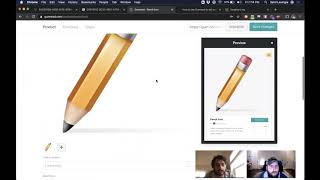
In this interview, Gumroad CEO Sahil Lavingia walks Josh Pigford through how the company tackles large, "tentpole" features—using memberships as the primary example. Lavingia explains Gumroad’s end‑to‑end workflow: ideas start in a Notion‑based roadmap with an icebox, move through scoping, design, technical debt, and a "ready for GitHub" column, then become small, shippable tasks that are claimed by engineers. He shows how the team breaks a massive feature into atomic pieces—database migrations, UI redesigns, new toggle flows, real‑time previews, and incremental UI tweaks—so that each change can be released independently and often without a big public launch. The conversation also covers how bugs are triaged (support tickets, quick fixes, and prioritizing money‑related issues), the CEO’s hands‑on role in shipping tiny fixes, and the cultural emphasis on continuous small wins over big, infrequent releases. Lavingia shares Gumroad’s long‑term mindset: operating profitably, thinking in 5‑10‑year horizons, planning to open‑source the platform, and focusing on creator‑centric improvements rather than rapid feature bloat. Throughout, he stresses the importance of clear documentation, asynchronous work, and the ability to ship quickly by keeping tasks tiny and well‑scoped.
Chapters
The How You Work, or How We Work at Gumroad document. So that whole sort of system where you've got the icebox and like you move across these different sort of states of an idea existing, that makes sense on a, if you think of like a small item, but where I, where I'm trying to figure out or understand is when you've got this, what is a big feature, which I think you call like a tentpole or something like, what does that look like?
Logistically. Yeah, totally. Yeah, it's a good, it's a good, it's a good question. I think like, yeah, you're 100% spot on. Like when you have like a bunch of bugs basically, right? Like it makes total sense to have kind of like a Kanban board or whatever people call it, right? Moves. And there's like very clear, like this is bug is fixed, right? You can email whoever and do, do whatever. Um, so yeah, I think what would be awesome is I can just show you, um, I'll share my screen and I can kind of walk you through like memberships. So memberships is like the big thing we've been working on for like a a long time. So let me share my screen and I'll show you that. So yeah, for folks that don't know, Gumroad is a software that helps creators sell digital products, and we're sort of à la carte Shopify-esque, and we're sort of branching out into a more membership sort of model. Let me show you what it's gonna look like. So this is what it's gonna look like. If you've used Kickstarter, Patreon, anything like that, you'll be familiar with this kind of layout and aesthetic and things like that. So if you go to a Gumroad profile, it currently looks something like this, where someone will have a profile and then you can see the products that they have for sale. So there's gonna be a new tab basically where you can see that new tab is added right here. And then you can click it and see this kind of, this view. And then to do that, you know, there's a lot of functionality we have to build. That's so, that's the consumer side. There's all the creator side stuff, right? And so it's like a ton, a ton, and a ton of stuff. And even talking about like when we started working on it, it's tricky because it's like, well, what counts as working on this feature, right? Like simplifying the orientation process, you know, redesigning signup. Like there are all of these little things that we've done in order to basically make it kind of like clean the room so that when this new thing enters, it has like a nice space for it. And that's typically how we work, is we always like, we have like some big thing, like some narrative that we want to sort of like tell, like a story or something. That's like, you know, we want to do memberships. We believe that creators are monetizing in multiple different ways, and we don't support like one of the big pillars of that. We need to if we want to if we wanna sort of like follow through with our vision, mission of helping creators earn money on the internet. And so, yeah, and then we work backwards. We're like, okay, what does that mean? Right? And so for example, let me pull up like our old roadmap. So that's right. And we use Notion for everything, which we really, really like. And you can see it like how, Like I'm constantly fine. It's like a manifesto or an essay or something. I'm constantly tweaking it and things like that. So we can just like, this day must have been crazy. Let's pick the end of the day. It's probably a bit better. But you'll see like at the end of, this is last year's roadmap. At the end we had this goal, which we're still not at yet. So it's taking a long time, which is fine. But it's kind of like a story, like okay, well, to-do memberships, like what do we need for that? Uh, and it's always like a breaking everything down, like a kind of a tree, like memberships. It's like when you play a video game, you unlock the skill, right? At the— sure, you get the dragon sword or whatever, but to do that, you need to do things and like, you know, have certain like strength and this and that, complete these quests. So I kind of have that mental model where it's like, okay, what are the two things we need that feed into this? What are the things that feed into each of those? And so membership's like a big one is posts. Like that's sort of like the, The largest, most obvious thing that we don't do is we have no sort of blogging functionality, and memberships are all about that, right? You need a place where people can come and see all this content. So this is what it looks like. And so we're like, okay, well, we need to do posts, but to do posts, like, we need to do other stuff. And, you know, for example, we had to redesign the whole profile in order to include posts because it's like profiles before, like 3, 2 years ago, were incredibly simple, like just like a list of products., and so we added filtering and sorting and all these things. Um, and that was a really good insight for us because we were like, okay, we wanted to do this other thing, which is discovery. Um, and if we want to redesign the profile, which is kind of a grid of products, like we can tackle— so the quote being, you know, kill two birds with one stone. Anytime we have an opportunity to do that, it's like, it's, it's a win. And so it's like, okay, cool. We can just rethink what, what it, what the purchasing or what that experience looks like. And so we redesigned Discovery, we added this sidebar, which you would have probably noticed on this page that was not there before, so it was just like a 3x3 grid. We added all of these features that everything we shipped on Discover is now on this page, and that created the opportunity for us to add this new space for posts. But even then, once we have posts, that's not enough, right? You need more. And so we shipped this new, or this was the design, we ended up going with something different, but we ended up shipping a totally new edit flow, and then finally the goal is to do posts, and we're still at this step. And so, for example, just for folks that aren't familiar, I found this old blog post, probably not even that old, but this is what the edit page used to look like. Which is like very, very, very fundamentally very different from like something like this. And there's like probably 100 things in here that are different. And so it's basically like making a list of all of those things. And I can show you, and then we break it out into a task like this that might look something like this. That's— this initially would go into Notion, like memberships would kind of be a single item in Notion. Because it's far out and we're like, "Okay, we know it's going to be a bigger thing." And then, it's kind of like, "Okay, we're getting closer." It moves into the scoping column, so I'll show you what this looks like. We have scoping, design needed, technical debt, and ready to add to GitHub. This is kind of the next step, right? Once it's ready, it gets pushed off and this moves to the to-launch category, so you'll be able to see all the things that we've We built, or are close to having been built, and then the other stages up to launch. So there's two boards, which are nice because it separates the product engineering side from the marketing content side. So memberships, we basically broke it down into all of these mini steps where we redesigned— we think of design as a launch, like we were like, okay, what is the perfect like look and feel for memberships. And then it's like, okay, well, that means all of these different things, right? And memberships was such a big change for us that we were like, we basically have to redesign the whole product around this idea, because Gumroad was all about, like, you go to Gumroad to sell a product, and that's no longer gonna be true. You might go to Gumroad and have no reason to do that, you just wanna create a membership. And so we were kind of redesigning everything from scratch and it's been really fun. But, you know, for example, this is the edit page. I can show you what it looks like now. It looks something like— I have all these demo products, but you can see what it looks like now, which is very different. It has a real-time preview on the side. It's much more form-like. One of the big epiphanies we had was this was attempting to be super WYSIWYG, which worked when you're only selling a product. It's like, cool, we have one thing that we help people do, it's gonna look like that one thing. But the minute we wanted to be like, well, memberships, what is that gonna look like? Where does that fit in this world? It didn't work at all. And so we had to go back from first principles and be like, okay, well, the WYSIWYG doesn't make any more sense. And that's actually great because we can build an edit and creation experience that's fully built for editing and creating, and then you could have a separate a real-time preview that shows what it's going to look like. And so that actually is one of the smartest things, I think, that we decided has been totally worth it. And you can see, fundamentally, it's the same page, right? You have edit option share, it's now product checkout share. There used to be an edit preview toggle, we don't need that anymore, so we moved the URL up here, it used to be down here. It's just a lot, I think, easier to understand. A lot of small wins, basically, just tons and tons and tons of small wins. We were able to, because of the lack of WYSIWYG, you can now easily add multiple things and reorder them and delete them. So that was a whole feature launch by itself. And so, it's always about, okay, what are the shipments that we can pull out of memberships so that when we actually launch memberships as a diff, like a software diff, it's almost nothing. There's almost, it's like one line of code that is like, boom, it's done. And then, as you mentioned on Twitter, the launch might be very different. It might be like, hey, we have memberships, it's this big new thing. It feels like a V2, but it's really all about just finding, okay, how can we break everything up into small tasks? And one of the wonders, we were talking slightly before this call about sprints and that sort of thing, and one of the beautiful things about this, asynchronous by default model that we have now is that we just— it's just this ongoing flow. Like, basically everybody is always blocked, so you just have to work. Like, you, you know what you're working on for the next couple weeks. And so it's really nice for something like this because you can— if you can break things down, you can like just give enough chunks of people, you know, you can give enough tasks out that there's always gonna be enough work to be done.. And so, you know, for example, with memberships, you can go into our Notion and see, you know, like, you know, there are all of these things that we need to, like, that we need to change in order to better support memberships. Like, for example, a really good example of something we've been working on for a while is I want to simplify the ad flow. So the ad flow currently looks something like this, where you hit new product, You can choose a type of product, like digital, physical, or anything else. You can hit digital, then you can select if it's a preorder or membership, and then you can finish off, right? And so one of the fundamental things we didn't like about this is because at this point, you don't know what a mem— you don't even know that we can do memberships. So you might come here and be like, oh, they don't do memberships, never mind. And so what we wanna do is make this the default screen. And then have physical be a toggle. But we can't do that because we can't, we can't have physical be a toggle because there's this other option right here. Right. And so there's like all of these, all of these things and you kind of just have to figure out, there's a, there's a joke that I love that it's about like a, might be a little bit of a sexist joke, maybe it's an old joke, but it was a wife asks her husband to like fix the car and then like as he's doing that, he realized something else is broken. As he's fixing that, he realizes something else is related to that. Basically, she walks in on him 3 months later being like, "Hey, I asked you to fix the car," and he's like, "Dude, what does it look like I'm doing?" Right. He's like, he, in his head, he has a path, right? Yep. And that's what it feels like. So, for example, with this Anything Else thing, you click Anything Else, you can enter a URL after purchase. Fundamentally, it's kind of the same screen, it's just you have a new option because you don't upload files, so what we did was, well, let's not upload files as part of this. For example, you can see up here that file uploading used to be part of the, of this screen. We redesigned this whole thing as well. We decided no gray backgrounds for contrast reasons. But what we're gonna do is move this out of this, so it's actually gonna be right here, so you'll be able to add it as like an option right here. As on the edit screen, that's where you add files., and so this will go away once that goes away. Now that'll be its own shipment where it's gonna move over there, and this will still be there. Then the next shipment will be removing this, so then we're gonna have two options. Then the next version is gonna be moving to a toggle, so then we can go straight to this form, uh, with the toggle. So already there's like five different shipments that have nothing to do with memberships really, you know, like there's these like small incremental improvements. And the beauty of it is like all of our users benefit from this every day. If we ship, I did the math on Sequel, I think around 700 people create products every day. So, for me, the idea that we're gonna wait 6 months to launch something, I'm just like, there's 6 months worth of, do the math on that, that's a lot of people, that's thousands and thousands of people, that might drop off or have an easier time if we're shipping sooner. And it's not perfect. For example, what's really frustrating here could be there's no way to go back to that previous thing, right? You have to hit cancel and go back and do it again. And it was just like, that's, you do have that problem where you do release things that are slightly weird because you're kind of transitioning. But that's just the nature.
Well, so the transition part.
So, yeah.
How, I mean, presumably, you know, you attempt to break it into shippable components as much as makes sense, but I'm guessing you might be in the middle of a given shipment and be like, this really should be broken down even more.
Yeah.
Or, yeah, I guess, is that pretty common or?
Yeah, it happens for sure. And you know, sometimes we'll hide buttons. Like, we're like, there's no way, this is gonna be like a 3,000-line div. And have that. So what we'll do is we'll do all the backend code for it, and then we'll just hide the button, put it behind a flag or something. And so that way, we can test it over time, and maybe even give it to a couple creators that really want it, and are willing to deal with the weirdness of it. But it's, I'm almost always more comfortable with improving the product in a way, if it makes something slightly worse, If I know in a week or two that thing's gonna go away anyways. For example, this is what we're working on the creator side, but this is basically what I mentioned, which is moving that anything else option away from add product. That will allow us to do the physical toggle. That's gonna make it one step, so once we have this thing one step, then we might be able to be more creative with, you know, we can kind of, it's always like you're taking away and adding, and then like 3 years from now, we're gonna take away to add, and like, it's always a back and forth and balancing act. You know, there's so many benefits to this, like it's a lot cleaner, it can go mobile formatted really easily, it's better high contrast. I think more people actually are spending more time on their phones, so like the sort of like full-width designs that we used to go with, I feel like, are like getting less interesting to people, like it's just so much, People just read vertically now, they're so used to scrolling that we're adapting the way that we think to this model. We've centered the nav, so it's all very clean and very efficient. And then, there's all this work we gotta do, right? For example, we have to redesign, well, let me see if I can get to an example membership product I created, yeah. So, you can already create a membership, right? This is already possible. It's just like the front end, the consumer side is gonna look very, very, very different. So, you can create tiers, which are called versions. There's a bug here that I'm working on fixing right now. But you can create a version name. This makes no sense to people. They're like, "What the hell is this?" So, we're redesigning that whole thing to make it look like, one, we're gonna call it tiers if it's a membership, then you're gonna have this a much more beautiful, elegant thing. You can add posts directly here. They're gonna have descriptions, all this stuff. But it's always about how can we shrink the process. We're making this whole page React. And so, that's a whole big thing that we're trying to do while we're also shipping a lot of these features. And so, yeah, it's a constant thing where we're trying to figure out, okay, how can we, How atomic can we get? But some of them are so atomic. I'll ship a change that's just like, if membership, show tiers here. And that's the only change. It's really small stuff. Because it goes a long way, and I think because we have such an active creator base, people notice this stuff and they feel the movement of it. We changed this recently where we have this current box live. Where you have this preview. So I can show you what a membership looks like right now, I think. Oh yeah, we don't have real-time update on this. So we're adding all these real-time updates now. I'm like, it's fine, most people don't use this stuff. But now that we have it, we can add, like, okay, make this real-time, make this reflect. Currently, I think you have to refresh, but it should show up right here. That's like the current membership, just looks like that. So, it's a total redesign. What does this mean? How are we gonna put this whole thing in this? I don't know. But that's like, we'll deal with that when we get there. But we did, this is what's in staging right now, is this kind of simplified preview. So, we're always trying to find, yeah, how we can break things down. Trying to think if there's other stuff I can show you that like—
So how does something— this is like a logistical question. So you've got something in the icebox. Yeah. And it's, I guess, it gets moved to the ready to add to GitHub.
Yeah.
Is GitHub where— and maybe, or maybe you don't do this at all, but I mean, like, say, like our engineers will, you know, break a given thing down into a bunch of stories, um, for, you know, so they just don't forget to build some part of this or whatever. Like, does that exist in GitHub? No.
Is that where that—
no, it's just up to them on their own to-do list or whatever.
So, so the basically the way we think about it is we want all creativity to happen on Notion. It's way better at like free-form thinking and talking and like coming up with stuff. And so, by the time it gets into this column, and I'm basically the only person that can move stuff into this, which is kinda true at every startup, that the CEO kinda gatekeeps. So, I was just like, let's just make it explicit. Let's just have a column that's like, it's sort of blessed by Sahil kind of thing. So yeah, everything in here, you'll basically notice, is pretty small and specific. Separate this toggle from this thing, filter products. This is a task where it's like, currently when you upload things, they're saved by default, and to move to this new world where everything has to be saved specifically, we're going to change that.
I see you have the edit page overhaul tag. The tag is how you group similar or something within a main feature or whatever it might be?
Yeah. Well, if we go here, you can see there's 8 things right now in here, and some of them are tagged with memberships as well. Go back to here and kind of see, like, okay, there are all of these things that we need to ship for membership. So there's at least a minimum 1, 2, 3, 4, 5, 6, 10, 15 different features. And then there's these ones, which we've decided we probably don't need all of these for launch, so they're kind of not— they might be listed above, but they might not be like subscribers dashboard, sign up, separate sign up fee, things like that.
Oh, okay. So back to the GitHub, um, ready for GitHub column. And so say that there's an item tagged edit page overhaul, but is that, is that card or item or whatever still theoretically— like, is that something that gets pushed to production but once it's done, or does it need to wait until all the other edit page overhaul items are done?
Push to production. Push to production. So basically, the flow is you have an icebox task that gets— after discussion and debate and all these things, it gets moved to ready to add to GitHub. Ready to add to GitHub is— and this is, by the way, purely asynchronous, right? So at some point, I move stuff over. I try to always have 8 to 15 things in this column. And people just do it. They don't even ask me, "Hey, can I work on this?" They're just like, Anything here is 100% fair game.
And do they need to like essentially claim it, like to like throw their name on it if they're going to do it?
Yeah. So, so, so the way it works, there's kind of two steps. Um, there's a suggested assignee. So sometimes I will assign somebody that's a suggested assignee. That's like 99% chance this person is going to do it because they're the ones who did everything else related to this thing. Right. Um, but it is a suggestion. And then when they, and this is clunky. I wish there was a better way. When Notion has an API, we'll figure this out. But basically they copy paste the Notion card into GitHub. So it's no longer— it's still in Notion technically, right? Because it's copy pasted to GitHub and then they move it from the icebox to to-launch. Okay. And when they move it to to-launch, this is now my domain where I'm like, okay, I'm the one responsible for communicating all of this stuff. Effectively, they can basically go to production with that. There's code review and everything like that. Sure. But basically, we've already figured out that this shipment is not going to break anything. It's going to be better without making anything much worse. For example, this new welcome greeter, I moved to GitHub, so it's now in here. It's not ready yet, which is why it's in the new status column, but you'll see there's a screenshot of it. Of what it looks like, but this is not what's live currently. What's live currently is just a redesign of our existing form, which is just community and country. So I redesigned it, and typically I always start with the design first. If I had to really generalize, it would be like, take a feature, figure out what design wins and discoveries do we have that we can implement today without that feature, and then implement all of those things, like redesign the nav, redesign the layout, make the background white, make the button full width, et cetera, all these sorts of things. And so I did that, and then, so you can see new simplified design right here, and then I still need to do all of these ones before we actually feel like this is complete. And what complete means basically is that we're gonna tell users about it, right? So that's this ready to launch column. So there's currently nothing that we have launched that we, that we've shipped to production that we want to tell a huge amount of people about. So, for example, this is close, ready for polish, which is what I was talking about, which was cleaning up, you know, this sort of white background is pretty new. We've shipped this on the left change, we're updating the preview box, and once we do that, that's going to be done, and then we'll do that as a launch or a tweet, probably, not even a launch. So we very rarely, honestly, we almost never even announce things anymore. And it turns out, there's very few things that are really worth, we have 100,000 people on our email list, so if we wanna email someone, it has to be a functionality improvement, typically. Like memberships, we'll do, oh, and then we have tags, so you'll see the big announcements tag. So you'll see, you'll basically hear no secrets, you're probably gonna know what's gonna come out from Gumroad. We're gonna do this email newsletter blast, Big announcements, we're gonna announce 3 new themes like dark mode and a couple other ones that we really like. Memberships, one-click upsells, image thumbnails, you could even see those on our roadmap. You'll see, this is what I was talking about, the custom delivery, we're moving into files, we're redesigning this flow, all these tiers and things like that. Even this is an intermediary step because it's this first and then it's gonna look like the design for tiers, which is gonna look different. And image thumbnails, and then finally memberships. So it's always like, you know, it's basically like you have a thing, like what can you pull ahead of it? What can you pull? By the time you get to it, you're like, there's like, oh, you've done everything, you know? Sure.
It's like if a product's going to require some sort of like new UI thing, then like go ahead and do the UI thing. So that there's like a standard in place for when you ship that feature.
Exactly, exactly. I think in general, people, it comes with time, but yeah, you just figure out like, okay, we're gonna ship memberships. So a good example is we're gonna ship memberships with this flow. It's been really simple. It's not good enough because we need, we need to move to a world like this. You know, people are gonna want this, but what this needs is a description per tier. So we're gonna have to add a description for tier. So basically, where is the— trying to go— so basically, you know, to do that, we're gonna have to add version and then, you know, add a description box, right? Which is basically what you see— oh no, what you see in Notion in the roadmap up here, right? We're adding a description box right there. So, this will be what we'll do. We'll just have a shipment that's just like— and even this shipment will be broken up into two things. It's going to be broken up into actually three things. Migration, like just the database changes, the schema changes. Then, it's probably going to be the front end on the buying experience, which we might be able to— we'll be able to add descriptions ourselves and then see what it looks like and do that. You're muted, by the way.
Um, so on the, on the, on the database migration, like, that is also— that's broken up into its own.
Yeah, and we always do migrations first. Yeah. Okay. So migrations happen like basically on their own, and then it would be— yeah, and then it would be finally this, which would be like adding the actual box to allow users to add their own description, and that's going to be for versions, variants, and tiers. And then that way, when we get to this layout, it's just like, oh, just changing the visual aesthetic of it, or vice versa. I might say, okay, let's see if we can do this visual aesthetic first. Like, okay, we enlarge this thing, we make it gray, we do the collapsing and expanding. So there's, yeah, it's always like, and the beautiful thing about software is you can typically figure out modular ways to do it. So it's not like there's one step, and I'm sort of a full-stack designer engineer hybrid person. So literally every day I just, I'm like, what 5 small different random things can I do? And it's great because what it does is it massively simplifies the code review process. 'Cause if you're reviewing like 3,000 lines of code, you're just like, sure, it looks good. But if there's like one change and it's like, if membership tiers else versions, you're like, cool, I know what that says.
Okay, so you say you break all this stuff down into these like shippable components and like, is there ever a time where you prioritize? Those items? I mean, because I guess imagine you ship a database migration that sets up the next thing, but somebody's not working on that next thing.
There's no— yeah. We could have things that are just sitting there ready to go. And because we feel comfortable, we've decided this is not going to put the— it's not like for 6— up until we get to that point, we're going to feel weird. Or it's gonna feel off. It's like, no, there's just an extra column in a database somewhere for a while that has no performance impact or anything like that. Sure. Right?
Well, I guess you can, you sort of force that a little bit by what you put in the ready for GitHub.
Yeah, and there's definitely, that's probably the most art side of it, right? Which is like, yeah, figuring out what order roughly are we doing things? But it's nice because we basically have a singular focus right now, which is memberships, and so even everything here, This image thumbnail's even, like this is probably actually gonna go below memberships, I can even move it down real time. This is all prepping for, actually I'll move it here, for memberships, right? And so, they're related, you can always kinda tell that they're related. Yeah, I'm trying to think if there's an example of a situation where it's like you don't wanna,— it feels weird to ship half/half. But there have been a couple times. A good example was when we were getting rid of that toggle that we had, this toggle right here. So there was a time where we can't get rid of the toggle because the toggle has so much functionality behind it. You can do the WYSIWYG preview, you can change a few settings. So for a time, we basically moved those settings— we had to move all those settings over to this new tab. Called Checkout, which didn't exist. And actually, Options had some of this stuff in it, actually. So, it's a little bit different. But so, there was a period where we basically had a tab that had 2 things in it because we just needed it to get rid of Preview, right? So, that does happen where you'll find, oh crap, new users are just gonna see purchase flow or options or whatever and click it and there's like 1 or 2 things. And there's no real-time preview yet, or no, actually what we did was we did a really simple real-time preview, which is kinda why it looks like this, is because we couldn't redesign everything yet, so I basically put this box and it kinda floats into the bottom right, so it didn't have to worry about design at all. So you could maintain the WYSIWYG-ness of what we had as we were working on this new version. And then once we had this new version, we made it unfixed and put it right here. And that's kind of weird because you have this thing that feels like it should float and move around, but it doesn't. So that's why we're moving then finally to this. Whew. Yeah, this is going to be great. But it literally— we probably got rid of that edit preview toggle. It could have been honestly a year ago. Okay. You know, like it's a huge, like, it's hugely, uh, it takes a lot, a lot of time. And we, we, yeah, it's, it's always, and I notice like it's hard because we, one of the things you lose this way, I will say is you can't measure a lot of this stuff because you're making so many incremental changes every day or every week that you're just like, it's not like we did this and 20% rise in this or that. Right. And so, and the beauty, and actually one of the reasons I feel so comfortable being open about this stuff now is because we're growing quite well. Sure. But when people are like, Sahil says that like, like, like NPS is stupid, by the way, Gumroad is flat, like no wonder. It's like, you know, you kind of can't help but, and we've never used any NPS, we were probably We also have a different kind of team. If you hire someone whose job it is to improve the onboarding flow, and they're just like, hey, I shipped 50 things, you want some accountability, like, well, what, when, you know? And now Gumroad, we're just in such a different place. We're profitable, we're not looking for growth necessarily. If it happens, it happens. We can really start taking our time. Memberships, we've been working on easily, the designs, for over a year. And like, even like, I, these are, these are public numbers, but last year we went 40, we grew 40%. This year compared to January. So just, you know, only 20-something years today, but we're up 61%. So our growth rate is growing, or, you know, we're, we're accelerating. We're kind of like hitting something.
And I mean, I, I'm comfortable with that too, in the sense that it's like, really, it's almost impossible to like actually attribute, you know, like some UI change or whatever to like actual growth. I got such lagging indicators anyways.
Yeah, 100%.
So totally, I get that, that makes sense.
Especially when you— with what you're building, what we're building, it's not, it's not like a social network where you can like make it easier to repin something. Like at Pinterest, right, like that, and it would be like 40% decrease in repins. It's like, yeah, we like People can do that all day long. There's no limit. But selling products or building a software business or SaaS business, that just is gonna take a lot of time. You're not gonna really be able to shortcut a lot of this stuff. And so yeah, it's just always constantly finding what is the smallest shipment that we can do today. And yeah.
Slightly changing gears here. So, and you mentioned this briefly in your document, but bugs.
Yeah.
Like, how do those— this may be a byproduct of the fact that obviously there's a lot that the app does, but I think of like, we have an insane number. We don't even call them bugs. We call them like accuracy or like edge case things where you're dealing with like the analytics side where there's just a mismatch. So like we spend an inordinate amount of time dealing with that stuff. Yeah, um, yeah, so like, how do you guys handle sort of like just the weird things that crop up? Is it very— is as simple as like a couple people report it, so we're gonna work on it, or—
Yeah, really, we try that. I mean, they're definitely like, if it's money related, um, it skips like the whole queue, right? Yeah. So that— we just had one today that was like, I got it, just some user reported a negative credit, like a debit, I guess. But in our parlance, a negative credit, this is like technical debt built into the phrase. But yeah, so it's like, you know, basically within 24 hours we should tell them like, why, what is that, why is that? If it's money, especially money they don't have that they think they should have, most likely it's not our fault, like it's not broken, sometimes it is, but often it's not. And it's just like a user, and that's always like, I really try to, like, we have 2 part-time support people, that's all we've ever had, they do around 100 tickets plus a day. And it's always been that. It's literally like we've always had roughly the same amount of support cost, because as we grow, we just get better, like the percentage of, you know, sort of like dollar per ticket kind of thing is trending up. That's the goal. But yeah, it's always a battle. And that's like the most, honestly, sometimes the most brutal weeks is when you feel like you did a bunch of stuff, but then you've like, it's like you just have the same amount of bugs as you had last week. Right. What the f— And it honestly, I feel like it gives me a lot of empathy for like, when you see a company and they haven't shipped anything in a year or something, you're like, oh, I know what they're probably doing. They're probably just fixing an insane amount of bugs. Small bugs here and there, and really getting their ducks in a row. And then, yeah, the nice thing about the way Gumroad works is sometimes, sometimes if for whatever reason, like, a lot of the team is doing that stuff, I can always at least go in and ship like 3 or 4 tiny things. So there's always some amount of movement. And it's kind of, it's kind of why I preach this like learn to code thing. I know people get upset by it sometimes, but just like the idea that you can jump in and and do something, and because I'm the CEO, I can skip everything, right? I can move it all the way into production effectively, if I really wanted to. And I mean, anyone can do that, it's just, I'm the person who can't get fired, kind of thing. Sure. And so yeah, that gives, and honestly, sometimes, like, if I sit down, I can do, it feels like I can double the shipping speed at Gumroad. I can't actually do that,, but just because I have so much context, and I've been working on this thing for so long, and I talk to creators as a significant part of my week, sometimes I'll meet with a creator and they'll be like, oh man, it'd be so cool, like, you know, I add discount codes like on the train, and like, my tablet that I use, like, this thing, like, I need to tap it twice, and I'm like, literally, a big company would never fix that, because they're like, it would take a meeting, a thing, 3 months, it would take this whole thing that would cost tens of thousands of dollars operationally to ship something like that. Whereas I can just be like, that is 100% worth doing. I go home, I open a PR, sometimes I'll do it directly in GitHub, 'cause I know exactly what the fix is in my head immediately. I'm like, oh yeah, I know. You add 10 pixels of padding to this, or you do display block on mobile, by default., right? And then, I don't know who benefits from it, I normally message that person, but I assume there's hundreds of people, and when you just do that long enough, like that 61% growth, I really do believe that's just a function of, every single person has a different story. They go through their life and they have an experience with Gumroad, and trying to organize it into this data and say, okay, 300 people this, and like it just, It's just like we could have spent all that time just like shipping like 10 small things. And we do, we're honestly like more reactive than a lot of people would think. Like it really is like someone will, and it's kind of the squeaky wheel gets the grease in a way. But in general, like some of the squeaky wheels make a lot of money, you know? Sure. And they're reporting, they might be reporting bugs that a lot of other people have experienced. And so, yeah, and then also the other trick, and this is, again, same kind of CEO power, but I'm gonna launch a product on Gumroad this year, but I'll do occasional small things, and I'll fix every single bug that I find. Like, literally every single one. So, I sold a bunch of physical paintings on Gumroad, and there were 10 different small things. And so, one of the features we launched, for example, was duplication. So, you can take any product and duplicate it. And it just creates a new product with that same name, same price, same file, same everything, basically. Different URL, but effectively, everything else is the same. And then, you publish it, you sell it. And it was great for me, 'cause I was selling all these paintings that were exactly the same. All I needed was a different preview and a different name. And I'd forget, like, "Oh, crap." And I'm kind of pedantic sometimes, so I'm like, "How did I format?" the dimensions in the little description. I wanted every description to feel the same and stuff like that. My cat's coming. No, Catty, no, no, no, no. Yeah, it's— but I know that all of those small things move the needle for somebody. Somebody would have done what I did, which is like, I don't really want to sell painting because I know Gumroad's gonna take 5 minutes instead of 3 minutes or 2 minutes or 1, you know? Yep. And there were always, I was talking to someone actually the other day about Panic and Basecamp, like how some of these products are just so flippin' good and so, like, just insane. And I think a lot of it is just like, it's an insane amount of time.
Like, it's just— Well, they've been doing it for decades.
Exactly, yeah, literally. It just takes, you know, sometimes you're like, it took 8 years to build Gumroad, like, how's that possible? But yeah, it takes a long time to like, really, like a lot of these, and that's why like, some people, you know, they're like, are you concerned that you're so open about stuff that people are gonna copy you or clone you? And I'm like, no. No way. I know, like, it's gonna take them, I mean, even if you were just purely copying us, it would take you a couple years or something. Oh, sure. And that's just the stuff you see. That's not all. If you upload a video, we automatically pull in the size, we send it to Amazon, it's transcoded, it's going to stream automatically, we'll send you an email if it fails to transcode. All these subtleties that most people— it takes years to even get to that point in a company's life where you're worried about that stuff. Things like, for example, these numbers are real-time update. If you have like a— A lot of people wanna launch a product and stare at this page for a while. Sure. Things like that, that they might not pay attention to, or like, you know, this thing, you can click, or you can hover over these and it tells you like the approximated MRR and stuff like that for memberships, but not for everything, only memberships. And that's tricky because you might have memberships that are monthly, but then you also have some annual customers, and obviously these are things you're very familiar with. But yeah, it's always trying to find the low— it just feels like there's low-hanging fruit all the time. And the beauty of it is when you do get to something like memberships, when you do finally have a feature like tiers or something, I'm wondering if there's a— yeah, something like this, you just start to notice more and more low-hanging fruit. And it does feel like you just unlocked a new skill and you're like, pfft. I can go clean up. When we moved to that new edit page, for 2 weeks, it was 5 PRs a day of change that, change that, fix that, fix that. And it gave us so much confidence. That's the other thing about when you ship incrementally, it gives you confidence that you're on the right path. It scares the hell out of me when someone's like, yeah, we're launching V2, we haven't told anybody, we have this big thing lined up. The thing with launches is they're very temporary.
Oh, sure. It feels really good for that day, and then after that, it's like, okay, now what do I do?
It's like your product funnel, right? It looks like a shark fin. Oh yeah, totally. And the beauty of Gumroad, the way that we've built it, and not to say that people can get here immediately, but because we have so many people constantly going through the flow of signing up and selling and signing up and selling literally every day, few minutes, I think, there's a new person. It's like we could do something like we have— what we do do is we have cohort analysis that I just run manually and, you know, every month. And I'll show you that. And this is also public as well. But, and it just gives us like a nice level. And again, you can't correlate this with or causate this with really anything because, you know, it's just like the market even is totally fundamentally different. Even when we did layoffs, it was like here, you know? Like, it's just so— But you know, so this is our yearly cohorts. And you can see every, you know, 2012 creators, 2013 creators, 2014. It's like every, almost, there was one year which we had a worse year off, which was 2016, 'cause we like, that was like post-layoffs, we didn't do anything. We were just maintaining the product. But you know, guess what? All these other people kept going, basically forever. These people, I would assume, make $1 million a month forever. But you'll notice, once we really started focusing on the spit and polish aspect of Gumroad, which was basically a year ago, like this, I'm sure this will plateau at some point too, but this is a fundamentally different cohort, it feels like, than any of these. Totally. And I think that's, it's just like, just like, I think the reason that bug queue never goes down is like there's all these different stories, people coming in different ways, doing different things, coming with like different weird data sets and stuff like that. And so it's like, it's unfortunate, but there's not like one thing you're gonna ship and it's gonna get rid of like 30 bugs. It's like, you're gonna have to ship 30 different things for 30 different bugs for 30 different users. And like over time, you'll have a product like Basecamp and Panic have and hopefully governments— I feel like this page is— not this page, this is definitely not there yet, but it's finally getting there where I'm like, I feel really good about this page. But there's still stuff that we can improve on and we're still figuring out, oh, maybe if we made here, made the nav transparent so it has more of a hierarchy here and Update the icons so that they're just slightly easier to read. I should move this here. It's like, this is not, I think, up to accessibility standards. Maybe we move create here so you can create a new product from any page. It's impossible to really measure. It's like 5 additional people take advantage of it. But even, I remember Adam from— From Tailwind and all the other amazing things that he's done, refactoring UI. He DM'd me and he was like, all I want, I send people offer codes all the time and I have to come up with names for them. So just fill in, just fill them in. I don't care what they are. And so that's what I did. I literally, in the JS, there's one line that just generates whatever alphanumeric string and puts it in and also auto selects it, so you can just hit copy, and then you can hit save, and then you're good to go. And I assume thousands of times that has saved people 30 seconds, 10 seconds. Totally. And over time, and when you, Gumroad, I feel like we're definitely at scale now, where we're seeing and feeling that, where I just see the type of things people are doing, and the velocity, and the amount of people, that these changes feel meaningful. And just small things, like we added uses and we wanna change the switch thing so you can actually click the dollar sign and change it to a percentage and all sorts of stuff. So, I don't know where it is, somewhere in our abstract or something. There's so much that we're working on. That we wanna do, but it finally feels, and I'm sure it only finally feels like this because this is what we're currently working on. It's like in 2 years, this page is gonna feel super out of date. And something else is gonna feel really, really new. We're gonna add thumbnails, and thumbnails are gonna be awesome 'cause then we can redesign this screen to have thumbnails on them, which are gonna be really easy to comprehend. And you know, oh, another discovery I made recently is Flexbox because we were so, Though we didn't use Flexbox for anything, but now we have Flexbox, it's fucking awesome. So I'm going through and like, so this is, I just remembered, 'cause this is a table currently to get these all nicely to align. But now that we, with Flexbox, we're winning, even stuff like here, you can click and change this and it just does this beautiful thing, where before it was like a fixed thing. And it's literally like 2 lines of code to do that. It just, you know, you just make this max and then this just kind of will automatically constrain to the size of its content. And then it's like once I discovered that, I literally went through the whole product and I was like, where else does this happen? And the funny thing is literally, we got an email about this a week before that was like, I change it to, you know, CAD, and I can't see the full thing 'cause it gets cut off a little bit. And so it's like, that person might've been, like, would've been, I don't know, in theory, this person could've been a big seller on Gumroad, but like, that thing just threw them off, and they were like, I don't know, this thing might be too buggy for me, you know? And the example I always use is like, I was talking to my wife about this, she was talking about an app that she'd heard on a podcast for all the time, and she's like, "It's genius, they're gonna make so much money off that ad," and I'm like, "Well, you haven't bought the product," and she's like, "Yeah, I know, but I will," and I'm like, "Okay, do it now," and she's like, "I'll do it later," and I'm like, "Exactly." People are living their life, they're on their thing, and for you to really capture them, you have to be so smooth, so good, You know, like, any little thing. Like, imagine how many times you sign up for something and then you like run it, you know. Like, I'm trying to get into an account right now. I won't say the startup name because I do like them, but I reset my password and then I got distracted and then I came back and the reset password link was expired. Yep. 2-hour expiry. And I'm like, literally, I was like, I guess I'm doing this at some later date. And it's like those little things add up over time, you know? Especially Gumroad, we're 8 years old. Like, how many of these— like, there might be, I don't know, however many people that are now have added a product and said not added a product or filled something out when they didn't fill it out. They still might not sell something for years. Sure. It's just, I really do believe in that compounding thing. And you go back to our cohorts, And it's just like some of these things, it takes so long. Even our current growth, you just kinda see this, it looks kinda nice, but so much of it comes from the past. So it's like literally, you couldn't compete with Gumroad on volume, just purely on the basis that literally half of our volume is from people from 2000, 2011 up to 2017, basically. Right. Like, that is like 5+ years of users, you know? Yep. It's just, it's, yeah, so it just, I think that's the biggest shift I've had is patience, really, is just really being like, okay, let's operate on a 5-year scale or 10-year scale. Like memberships, dude, if we were in venture-funded mode and someone told me you're gonna spend 6 months designing memberships, I would've been like, "No, we're shipping this thing in a week, in a month." Right. We're shipping this thing in a month. And guess what? When you do that, it doesn't work often. You know, you get your little launch spike, you get your PR, and then it doesn't work because people, you know, it doesn't do enough. Shopify, I think, is a brilliant example of this. Like, even 10 years into Shopify, I feel like people were like, "Oh, it's a nice business." Right. And now it's like literally everybody uses it. It's like, it doesn't really even have competition. It's so— and I don't, I couldn't even tell you why. I don't know. I'm not intimately familiar with using the product, but like, it just becomes such a default. And I assume it's just that kind of mentality of just like, they've solved all of these things, you know? And it just, yeah, it just starts to panic Basecamp. Mailchimp, a long time. And someone who runs a company that focuses on creators, she told me a really good thing, which is— and she's kind of more anti-VC probably than even I am, and I'm not super anti-VC, but she's not a fan. And she said, like, you're building stuff for creators. Like, creators, like, just think about their own careers. They're gonna take 20 years to mature into, like, their peak, right? Like, the average musician might peak at, like, 38 or something like that. They might start using your product when they're 18. So, you think Gumroad's big now, just wait. Literally, if you just kept doing what you're doing and spitting and polishing and responding to the market, anyone who's 18 and has a Gumroad account now, they're still going to be using this stuff or needing this stuff. It's not going away. Yeah.
Well, I think the reality is you can almost just keep keep iterating. It doesn't have anything, even be anything massive, but the fact is like the natural cycle of certainly the tech startup world is most things end up shutting down or getting acquired and shut down. You'll just do this without, like outlast them by sitting there, you know? Yeah.
And it, it leads to subpar products because like, why work on, why spend 6 months if it's, you know, it's going to exist for 3 years and then get bought and shut down. Right. Whereas Gumroad now, and I tell the whole, like, I tell the world and the company and the team and everybody, like, Gumroad will be open source at some point. It just, it might take a while. I can't commit to a date, but we're working on it actively, always same thing, trying to find the small wins, like, oh, this is gonna make it easier so that when we do get here, it's gonna be a smaller shipment. And then it just gives, I think, everybody including myself And the reason I tell people is so they can hold me accountable to it. I still get emails all the time that are like, "2 years ago you said this." And I'm like, "It's happening, don't worry." But, you know, I need that because I'm not gonna be able to put in the time and effort into these small tiny details if I'm like, "Oh, 2 years from now it's not gonna mean anything anyways." Right. Right. Whereas if I know, like, no, this is gonna be an open source project and my full belief is for this to be kind of like WordPress scale. But focused on e-commerce, not blogging and content management. We already have gumroad.org and blah, blah, blah, all that stuff. That's kind of like the master plan kind of thing. And it just gives me the confidence to be like, yeah, we can do these things. And when you get to profitable, then you have the financial confidence. You have the confidence where you can just say, yeah, it might take memberships. I'm totally okay delaying memberships, but currently our date is July. Our original date was November of last year, so it's already delayed a ton. Whereas at Gumroad, what we would have done in the past was like, we're not gonna ship it by November, but we will ship it before the end of the year because we're all gonna work insane hours to go do that. And no, I'm not forcing anybody to, I never did, right? And that was this different mentality because we needed that because we needed to grow because we needed to raise more money. And it all ties back to these fundamental assumptions you make about how how your business is gonna grow in the future. So once you get off of that, and you notice the best products everyone names, there are exceptions obviously, but a lot of the best products people name are the ones that they do, they've never really struggled to be, they've always been long-term thinking. Even the VC ones, they're the ones that have killed it at such a level that they, like Slack, they raise money and they never spend it, 'cause they're literally, Stripe is another one where they're just like, literally growing so fast, they can't not be profitable, you know? Right. At least that's what I've heard. And Slack and some of these other examples too. And one last thing I'll say, I know this is running long, and I'm excited to hear people's feedback on it too, because I want to do more of this, but it's easy to look at some of these products and be like, they haven't shipped anything in years. Like, you go to their blog and it's like 3 things last year, and you're like, oh, these guys suck. Like it's two of us in a room and we're outshipping them. One, they have scale, and scale just makes everything take longer, right? Right. But two, I think they figured this thing out, maybe, right? Where they're like, actually, you don't need to, you're not gonna win on features, you're gonna win on figuring out the market, figuring out the use case, and then just getting so flippin' good at it. And just constantly refining and refining and refining it. And then it turns out, You don't need any of those other features, or you can do one of those every 6 months. Pinterest is a great example I always use, because I'm familiar with it. They ship a major feature, maybe not even once a year. In the beginning, I was like, Gumroad's going to outship them, we're this amazing engineering team, blah, blah, blah, blah, blah, blah, blah. And it's like, guess what? They're a $16 billion company and we're not. Uh, so yeah, people, yeah, it's like these are things I feel like people all learn over time, but sure. Yeah, you're not, you're typically not going to ship yourself out of like a small market, you know?
Right. Or ship yourself to like profitability or anything like—
Yeah, exactly. Yeah. And a lot of these things, like, I remember like, um, we were so focused on the software component of it that we were like, this thing is going to spread like wildfire, wildfire, like the internet is beautiful photons move fast, right? Like, this thing's gonna cover the world like a virus. And but it's like, what we forgot was like, well, humans don't— aren't— humans still need to be the ones selling products, making products, feeling comfortable. And the truth is like, everyone drinks Coke, everyone, you know, uses Colgate. Some people use Tom's, some people don't drink Coke, right? Obviously. But, you know, it takes a lot of time to sort of upend the trend. And so yeah, I think patience and just like really core focus and yeah, always validate your assumptions and make sure you are growing. For example, these numbers are flat, maybe we'd be doing something else, but we're like, no, this is working. We grew 15% year over year, then 25% year over year, 40% last year, and now we're already up 60%. Like something we're doing is correct. And if that's true, then we don't need to obsess. Like this is literally what you saw. Is basically all that I look at, you know? There's not some secret dashboard where there's all of these A/B tests or whatever. It really is this simple, and it's 'cause we have the confidence now on multiple vectors to feel like, no, we're kind of focused, and sure, we could, it would be nice to know we redesigned the ad flow and like, conversion, you know, 18% more people were adding products. But like, it's like, whatever, it doesn't matter.
Well, I mean, you kind of keep doing what you're doing until it either stops working or until you even just like notice like, okay, we were like, if something like is trending down, even if it's still good, but it's just like down, once again, we should look into that. But like, this hyper obsession over things.
Honestly, startups, that's what they do. Like, the good ones that raise a bunch of money and do all the good things you're supposed to do, like, have all the dashboards and use Optimizely and all that stuff. It's funny because we did that and what turned out what we do is we really focus on like edit, for example. We'd optimize all the metrics and then we'd basically hit a peak and kind of plateau and be like, okay, what's the new metric that we want to focus on? So it's kind of, people already do that, just they might have a little bit more awareness of the value of what they were doing. But to be honest, if you're a user of Slack or GitHub or Gumroad, you can probably tell, almost predict what they're gonna ship next, 'cause you're so intimately familiar with what's broken, what's not working. Like Twitter, Twitter is a great example. You see it all the time. I can probably predict at some point in the next 2 years, Twitter will have search within DMs, right? Like, and they don't really, you don't need like a bunch of people to tell you that. Doesn't mean it's any easier to build, or faster to build, but you know, you build that intuition working on a product, using a product. And certainly at Gumroad, like, it's the number one thing I could do is just like, some creator will email me being like, could you fix these 8 things? And, I'm like, "Sure." Done. Yeah, it's not even worth like, I agree with all of them, like they're all great. Like, you know, one will be like, "Hey, this was translated wrong in Russian," or something, you know, like things like that. And it's like, instead of even having the little cycle of figuring it out, and like, we don't have meetings at Gumroad or anything like that. It just makes it so much easier to just like, "Yeah, let's fix it." Like, we know it's a good idea, it would take longer to debate than than to fix, you know? So like, yeah, just, just do that. Honestly, it's the way to go. Anyways, that was fun.
All right. Yeah, man. And thanks for showing me all the, how the sausage is made. Yeah. That's helpful. I can, I'm really close. Like a lot of times I just get stuck on the logistical stuff. Like I get the theory behind it and it makes sense. But it's like, well, how do we like organize this? So that was helpful to see how you did.
So










