Write a Notion memo to iterate on your idea - Lesson 2
Sahil Lavingia teaches how to write a Notion memo that turns a raw idea into a product blueprint. He critiques real drafts, showing how to tighten vague pitches into "X for Y" statements, strip feature lists to MVP essentials, and build a compelling go-to-market plan that can guide design and align your team.
Chapters
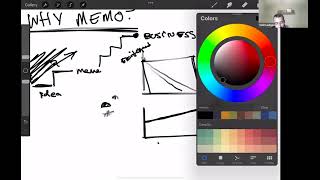
Today we are talking about writing a memo, turning the business idea that you have into a memo that you can use. The way that I frame it is so good that you can raise money off of it, but that's a pretty low bar, to be honest, especially in this market where there's a lot of money flying around. I think a much better bar is, do you want to invest your time? Your time is much more expensive than anybody else's money. So I think that's generally like the, the sort of the framing that I would like to use here is basically like, this is the stage in which you kind of figure out. And I mean, I guess this is kind of a question that you ask a lot as you go. But do you actually like want to work on this problem? So yeah, so I'll explain a little bit about sort of, again, this is going to be a kind of a brain dump of a lot of kind of opinions that I have about sort of why I put together these memos and what questions they're supposed to answer. But first, let's start with the why. So why write memos? I guess maybe one assumption would be, why don't I just start building the thing? Or why don't I just start talking to customers or whatnot? So why memo? Pretty simple question. Actually, I'd actually kind of be curious, why memo? Why do some people— Why do you think? Why would you write a memo? Maybe there are people here who are like, why the hell am I writing a memo? This is stupid. And maybe there are other people who are like, no, I love writing. I don't want to build anything. Please delay building as much as possible. Matt Phillips says, clear writing is clear thinking. To organize your thinking, clarify your thinking. Is the idea even worth pursuing? Reading makes it tangible. Hash out idea, write your thoughts on paper, scalable way. So yeah, clarity, clarity of thought often, often comes up a lot. A big one for me is, do I actually even want to work on this? I think there is like this idea that people get where they, they come up with an idea, right? Airbnb for dogs or whatnot. And they, they think that they have that idea fully established in your head. You, you can't help but kind of like fill in the blanks. But the truth is you have done almost no real work thinking through what that business actually is, like what that business actually looks like. What is the business model? What is the strategy? And a lot of these things, I think there's almost like this Silicon Valley kind of like discussed around MBAs and business plans and strategy so that it's just become so focused on product. But these questions are really, really important. Because if you don't have these middle steps, right? If you don't have this, like, let's say here's idea, like the idea step. And then, you know, you kind of have your memo step. And in this case, you know, we have design and build and then event, you know, event eventually, let's say here is when you say I have a business, you know, awesome. I just like, I'd much rather get up here and be like, oh, that was a bad, I actually don't wanna do this. Or this is sort of a fundamentally flawed idea. Go back to the beginning and then go up with a new idea, right? You wanna kind of build these reps. So it just saves me a ton of time. And generally I find that like my certainty, I'd say on average, when I have an idea that I get excited about, like really excited about to the point where like my wife's like, please stop talking about this idea. I'd say if I, from that point to going through to the end and I'm like, I wanna build this, I'd say roughly 5% conversion rate. So like 1 in 20 ideas, I really am like, oh wow, this like, and, and it's actually like, it's, it's, I've learned that it's actually really easy to figure out what kinds of ideas those are gonna be. And the simple way is that my excitement generally starts like here or no, let's, let's be more like my, I, I, my excitement is like here, right? Right? Like, because I haven't thought of any of the bad stuff. Like, it's just good, right? It's like the night— it's the reason I had the idea, right? There's some good reason I had the idea. And then I do more research. Like, this is the way most ideas go. Like, that's, that's the way that's like, that's excitement. This is my excitement bar, right? Excitement. That is where most— and some of them like kind of go like this. Some of them get really far. And then I realize, or like, I actually get more excited over time as I like learn more. And then I realize something that like makes the idea impossible. Like you can kind of draw my excitement levels, but I found that the ideas that work generally, they just go like this. They kind of almost like grow like a startup where like I slowly get more and more cautiously optimistic. I do more research. I get more and more and more and more, more excited. Um, not because the difficulty gets easier, but because of like the potential impact. Like when I started thinking about the set sort of second order effects, um, I get more and more and more excited about it. Um, and I've, yeah, I've sort of learned that about myself. And so that, this is kind of like a way of figuring out, like figuring out like of the 20 ideas, which one should you actually be working on? So I think that's a really, really, really big one. Then I would say one of the other things is that there's this concept of the elephant in the dark. I don't know if folks have heard this. It's often used to refer to the crypto industry. But basically, it's basically saying that everyone is feeling a different part of the elephant. So we all know there's an elephant there, but we don't really know what it looks like. But we all know that we're like— And the reason is because a lot of these industries, they make sense in hindsight. It's very obvious that Apple was going to invent the iPhone. In hindsight with the iPod and the iTunes Store. All these things led to the iPhone and the App Store in this beautiful way. But that's kind of like, as Steve Jobs said, you can only connect the dots looking back. And so going forward, it's all like elephant in the dark crawling around. And I find that that's where some of that excitement comes from, is as you start to sort of feel around this thing and be like, oh, that's how this thing is going to grow. That's what the MVP is going to look like. And you can do all of this kind of stuff In writing, writing is the cheapest basic form of— it's free. Anyone can write. And so start in the cheapest medium possible. And then what else do I want to say about memos and why I love them? I also think memos— I think every creative pursuit has this iteration cycle. You know, there's the famous Malcolm Gladwell quote, right? About 10,000 hours and there's sort of become, you know, a big thing. And that's not really about 10,000 hours. It's really about sort of like number of iterations, right? Like how many times you learn. And I've learned this in painting, for example, like I've been working on this painting recently. And because this is the unit of improvement for me. This will probably take me 10 to 20 hours. I'm like 4 or 5 hours in. But I do one of these and then I do it again and I do it again and I do it again. A new painting every time. Or I do it with figure drawing. Like I went to a studio and like these are all different figure drawings. Like these are small poses. I just started doing iPad stuff. I normally don't. My work on traditional is much stronger, but you can almost see like each one is like I'm learning and getting better every single time. And if I spend like— and this is, this is kind of, it's pretty terrible to be honest, but if I just spent like 7 hours on it on like a drawing, it would be pretty bad, right? This is kind of like the quantity over quality thing, right? The sort of the— you split a pottery class into two, you tell one to only work on focus on quality, you're gonna be judged on quality, and the other group you're only gonna be judged on quantity. And then the people who do the quantity create better quality anyway, because they don't have the They're not thinking about the kind of— they're not stressing over creating the perfect thing. If you're going to spend 50 hours on something, you're going to microanalyze everything. And I notice this all the time. Some of my best work is just kind of like threw it at a wall, had 5 minutes, typed it up really quick. And those are often the most fluid ideas that end up sticking. And so I find that the memo is kind of like that version of the gesture drawing of an idea. It's where you find out all of the broad sweeps of things. Obviously you have to like render the nose and, and you know, that requires like knowing that, you know, like the anatomy of the nose and like the wings and all, like there's a lot of things that go into the nose. But the gesture of a nose is like, is like this, right? Like that's, at least for me, I just draw the bottom, the triangle shadow of the nose. And then if I wanted to draw the eyes, like, right. Something like that. I need a reference. I'm not good without reference, but generally, you You know, I guess this— you'd only draw the shadow, something like this. Yeah, so anyway, I like thinking about how do you communicate the most with the least, right? This is kind of a con— you know, one of the themes I think of this class is kind of this constantly like less is more. Oops. Less is more. Me and Julie were talking about this earlier. Less is more. A memo, I think, is a really good framing of this. I think a really well-written memo is very little, it's a page or something like that, but it communicates so much about the idea. It's kind of like a poem. You read a poem, like what's the famous— is it Hemingway or something who came up with "For Sale: Baby Shoes"? For sale— Baby shoes, never worn. Right. And he, I think the, the sort of story is that, you know, he basically challenged someone to come up with a better story in 6 words. And like these 6 words is like, I don't know, like just full of emotion, like for sale, baby shoes, never worn. Like just like crazy. Crazy to me. This is the goal. Like the goal is to come up with a memo that evokes such a level of— the reason you can draw this nose is because the reader can, the viewer of the painting or whatnot can fill out all the blanks, right? But it takes time to know, oh, that's how the eye does fill in the blanks in a way that I don't have to do all the detail work or whatnot, right? Sorry for the extended painting metaphors. Yeah, I guess one other way to think about it is that I get pitched, you know, like we use the example of, you know, like my pani puri food truck, right? Like that isn't enough to know if it's a good idea or not, right? Like what's enough is a menu, a real menu. Oh yeah, I've done the Proko classes, Peter. Those are great. Highly recommend the Proko figure drawing classes. And so yeah, I kind of, That, that, that I would say is kind of like a good, a good way to think about a, a memo, which is the actual menu. Like what is, what is the actual thing that you are providing? Right. And then once you have a memo, you know, you can do all of the other stuff. You can go, you know, we'll design, we'll build it. And, and at all of these steps, you might, you might have to go back to the, to the beginning. But you should get more and more clarity, and that elephant in the room will make more and more sense. And then even in the building phase, you can kind of do the same thing, right? If you have an idea for some sort of restaurant, what do you do? You don't start a restaurant. As Julie said, that's crazy. What do you wanna do is you probably wanna do like a dinner with friends, right? Then you might wanna do like a popup at a restaurant that already exists. Recently there was a Thai brisket soup pop-up at a brewery. Brewery's apparently a great place to do pop-ups. Then you might wanna do a food cart. Then you might wanna do a restaurant. And of course there are other steps after this, right? Like Starbucks, I don't know, is maybe like the final destination of like a, of this, right? Like it might start out with like brewing a friend a cup of coffee and them saying, wow, this is really good. And so this is just kind of—
Can I ask you a question? So when you're writing your memo, when you like putting this against the memo, is the first version of the memo dinner with friends, or is the first version of the memo as aspirational as Starbucks?
It— my goal is to kind of summarize all of this, like basically to have the roadmap built into there. But generally, like to, to speak to the gesture drawing piece of it, it'll be a lot of this stuff and a little bit of this stuff, right? But this stuff is, it's, it will be kind of the reader will fill in the blank, if that makes sense. And it'll make, it'll make more sense. I'll, I'll show some examples. Okay. In a second. Right. And another, another way of, of thinking about this, right, is you kind of do, do something freelance, do something manual. You know, we talked about a lot of trends last time. Automation. So it's kind of a similar way of sort of reducing it. And yeah, so I just think it's like a super, super helpful exercise if trying to become an author is writing 10 books, not just coming up with 10 ideas, but actually going to the end. That's really the learning happens in that whole full cycle. I think it's really In business, this is that, which is going from zero to one, $1 and back, number of iterations. And I do think it'll take a few dozen. I would be very surprised. Imagine if you have 10 ideas, the quality of ideas will certainly improve over those 10. But imagine if you had one idea and then you turned it into a memo and you went through a lot of this exercise and you learned a bunch of stuff, It could be regulatory concerns, it could be different risk factors to the business, it could be like, "Oh wow, I'm going to have to find this skillset, this person that there's 7 of them in the world," or whatnot. And you'll learn. And if you do all that and then you do your second idea and you do it again, I find that you're going to end up with far better ideas. Your ideas are going to go through the roof. And so I think a lot of people, they just think, "Oh, I haven't had the right idea." So they just keep having ideas and, you know, they keep trying to go through the, like, basically like just what we did last week, but just that over and over again until they have an idea. And they're like, this is the idea I wanna work on. I think that's kind of the wrong approach. And I think I mentioned it in Slack to somebody like, just pick an idea. I think it was to Thomas, like, pick an idea and then just like, you know, and just do it. Like, it can be, you know, going through the exercise of it, I think is really, really, really, really, really important. And which is why I recommend that everyone doing this course, even if you already have a successful business, Like, you can still do this. You can still have new ideas, or you could do this for somebody else's idea. But I think it is really important to go through this. Ultimately, like, a lot of these skills are kind of muscles. Like, you really want to develop your muscle memory. And I think a lot of the way I approach it, like, I'd like to think there's a ton of structure to it. And there's kind of a framework. And I think— I know everyone kind of like wants a framework, like wants kind of a mental model. But ultimately, it's kind of like playing soccer. You don't know how people play it. You don't see what their body is doing. They just play. So yeah, anyway, that's kind of my rant on why memos. I don't know if that was helpful, but I just wanted to kind of address that because I know it's kind of weird. And Q&A. I did want to take Q&A about business ideas. Do people have questions from— or concerns from the last week before we jump into actually writing down what a memo should answer as a group exercise, and then doing— kind of going through my actual process for what one looks like. Matt has a question. Matt, do you want to unmute and ask?
Can you hear me now?
I'm sorry. Yep.
Yeah, I was just wondering what— What, you know, kind of the process that I go through, which I never get very far, but the kind of the process I go through when I'm kind of vetting ideas is to go look what's already on the marketplace at some point. And I had to drop off, uh, early last week, so I didn't know if we covered that last week about like what happens. And this can happen at any point, right, during your, you know, journey. You can suddenly discover that, oh well, someone's already You know, done this. Yeah. I was just asking if we, if we had kind of gone over that yet.
Yeah. So, so in, in, in this kind of framework, I do research as late as possible. I'm not a huge fan of research. I think you should basically, if you're excited, you should run with it. You should get as far as you possibly can through these steps. This week memo, next week design, build, et cetera. And then once you've built everything, you have the domain, you have everything ready to go, you've done all of the hard work of building this business, then you can like do research and see if there is competition out there. That's the way that I would do it. The reason is I find that often people use research as an excuse to not build anything, not ship everything. Like every idea will have something in the market. Like there's 7 billion people on earth, you know, like there's just, There's 4.5 billion internet users. It just, everything has been done, has been tried. I don't think anything is that unique. I think, and I will talk a little bit of actually about like, what do you, well then why build it at all? But yeah, I would say delay the research part as long as possible. And the other thing I would say is, if you have this problem and you don't know, like of any solutions, like, then presumably most people who've also had this problem also don't know any solutions. Right. So it, like, it doesn't really matter if, like, you know, if a tree falls in the woods, no one hears it, right? Like there's a competitor out there. No one knows it. Right. Like I recently discovered, I put it in the chat, furnishedfinder.com, which like brands itself as like, I think it's older than Airbnb, furnishedfinder.com. And it literally like, you know, you can use it for anything. It's like Airbnb for long-term furnished rentals. But it looked like the headline is monthly furnished rentals for travel nurses and other traveling professionals. The majority of their business is travel nurses, which is how I learned about it was through a travel nurse. But this exists. And my guess is there's a lot of these, right? But this is the one for travel nurses and this is the one that they use. And like, there are probably a lot of kind of like vertical specific things, you know, that, that this can kind of offer that, that these other competitors don't. Right. For travel nurses specifically. And of course, if they say other, right. So there's other. But I do think it's kind of an interesting kind of example of that.
Julie has her hand up also. Julie, do you want to unmute and ask a question? And then Rohit, we'll get to your question too.
Awesome.
Yes. Yeah, my question was, what if you're kind of excited about an idea, but the MVP you come up with feels like it would be a lot of effort? And like that first MVP or the smallest unit of that would be like, it wouldn't be something you could build in a weekend. It might, it might take a lot of effort, especially with some ideas that could be to be B2B. Like, how do you Like, how do you think about that?
Yeah. I mean, I think I would really just push you aggressively to figure out how to whittle it down into a weekend thing. For example, with a lot of B2B stuff, there's like a kind of like that manual to automation thing where like a lot, even like some startups that I will invest in, like they basically say, we, we offer this, it looks automated. But actually it's fully manual. It's just, we're hiring all the people, we're doing all the manual work ourselves. And over time we'll automate this stuff in the back and it'll kind of, the unit economics will kind of make sense over time. But if you kind of do that, then you can kind of promise, you can sort of, you have the value of automation without having built any of the automation. You're just dealing with the cost yourself. You're kind of internalizing that cost. So I think that's kind of one way that I've seen it often done. But yeah, I would just kind of really, really aggressively say like, try to like scope. I think in the Shape Up language it's called scope hammer, which I like. Like just hammer the scope until it's so small that it basically does like one thing, you know? That's kind of another, you know, really important thing about the kind of that the memo will reveal to you is like, well, what is that? What is that one thing, right? So yeah.
Julie, do you have a specific idea that's really big that needs to— that is this— are you talking about something specific or hypothetical? Yeah, I mean, there were some ideas that I got excited about, but then I was like, oh, that would be too much effort. For example, like the idea where like I would want this, but I would— I think I would need a higher an outside expert for it.
Like, would that outside expert have to like be part of the customer experience, or is it someone you could just like work with on the back end to fulfill the service?
I think they would be integral to the service, so like, that makes sense.
I mean, for those kinds of things, I I think basically it seems like you're looking almost like for a co-founder in a sense. Like for example, like I've had ideas, I had an idea recently, actually today. This is probably one of those 95% of ideas that will not go anywhere, but I was like, I need like a boutique lawyer who just is knowledgeable about early stage startup rounds. Cause I want to like experiment with like some weird, like new legal documents formation stuff. And I realized, yeah, basically everyone I know just works at one of these big firms and these big firms just do the classic stuff that people need. Most big companies need. My weird ideas, they're not interested in. So in that case, I would basically, part of the memo-ish, it's so essential to the problem, I would say it's almost part of the memo. Is like, this is the person I'm building this with, right? Like I'm basically building, like, here's like the lawyer in the middle, you know, told you I'm good at figure drawing. And then you're building this software around this person, you know, that's kind of how almost how I would think about, about your kind of, you know, your business. And then like the memo basically kind of says that, you know, but that requirement is like, who is this person then? You can't just say a lawyer. And this is kind of the fun part about the memo is that it kind of forces the clarification, but only on the right kinds of things. Like a really good painting is mostly blurry except for like the focal point. You don't wanna render out the whole thing. 'Cause if you render out the whole thing, you get a photograph. One counterintuitive thing about painting is that like the paintings are basically everything that is wrong. Because if it had nothing wrong with it, it would just be like every painting would look the same. 'Cause it would, you know, if you're all painting the same thing, you, it would all look the same. So actually like what makes a painting interesting is all the, all the lies in it, all the things that are not true about the subject matter. So in a weird way, like a memo is kind of like approaching like what the business actually is. But actually what's interesting is like all the stuff that isn't in it, which is kind of this like weird thing. It's like all this stuff, it's kind of like all, you know, your MVP is is all the stuff you decided not to build in a way. And so a memo is almost kind of like your business is kind of what it doesn't do. It's kind of, I don't know, that's sometimes how I think about it.
So let's take Rohit and Gary, and then we'll move on. Rohit, you want to unmute, please?
Ask your question. Yeah, so my question is like a follow-up to your previous comment around research. In the last session, you talked about the concept of like 10x improvements being really important. And wouldn't research earlier help make sure that even if it's a similar premise, that the idea that you're building and thinking through is a 10x improvement, or is that something you just kind of come keep like working on and building upon? I mean, I think like the math version of saying this would be like, let's say like research, let's say research is like a 10x, you know, like a 10x multiple on your idea. Like to me then, like, wouldn't you want to develop your idea as far as possible? Because if you can turn an idea into a 2 before you do research, then this turns from a 10 to a 20, you know? But if you do your research at the beginning, then you go, you start at a 10 and then you can, you kind of linearly improve your idea from a 10 to 11. So like, like for example, like this painting that I'm working on, I have another 12 hours to go. I could. Go to my painter friends and be like, hey, can you help me like make this painting better? Like, what should I change? And I will do that. But first I will like try to improve it as much as possible with photos, with reference, with different ideas, until I literally can no longer make the thing any better. I'm physically incapable of visualizing a better version of this painting. It exists. I know it exists because in 2 seconds someone will be like, delete that, add this, and it'll look so much better so quickly. But the better the painting that I can show them, the even better the painting they're going to give me in return. Like, the feedback is going to be even stronger. Um, like, I really want to be pushed all the way to my limit. Otherwise, like, let's say I do a decent idea, but I know I could change that, I could do that. It would take me like 10 hours, but like And then I get feedback. Guess what? They're gonna just tell me all those things, right? Like, I'm like, oh yeah, I already kind of knew that. I just wanted you to do that for me. Or like, I don't wanna acknowledge the hard truth of like, it's gonna be really hard to fix this painting because I did it all on one layer and now I have to redraw everything or whatnot. Right. So I think generally you wanna be delaying as much outside interaction, like outside work, like interfacing with the world on your idea as long as you possibly can. 'Cause you really wanna like, it's also like a test of like, like I learned, like I still don't know how to draw noses if I don't have one in front of me, right? Like forcing yourself to do it in isolation is going to show you, it's really gonna make you face to come face to face with like all the things that you don't know, right? Like I often use the example of a dollar bill. Everyone thinks they know what a dollar bill looks like, right? You draw a dollar bill. I could ask every single person here what a dollar bill looks like and they'll draw probably something like this. Like, I don't know. What goes in this corner? We've seen dollar bills millions and millions of times, maybe not millions of times, lots of times, dozens of times. We have no idea what a dollar bill looks like because we've never had to really know. All we've had to know is this, which is what's stored in our head. But we are not yet forced to. You have to pressure yourself Like if you want to learn, if you really want to memorize like how to draw a dollar bill, you have to actually draw a bill. It's going to be really painful. You're going to realize there's a lot of detail in there. You're going to spend hours and hours and hours doing it. And then you'll wake up the next morning, most of it your brain will have forgotten, but you'll be able to do a little bit more. You'll realize like, oh, this, the one, the way the one is shaped was, I remember it was like that, right? And you'll like build layers and layers upon your knowledge and you won't need any notes. You won't need any reference. Like for example, when I write memos, like it's not like I, I'm like, oh, what do I need? Like, I don't have any notes. Right? Like all the notes for this class are notes that I'm making for the class. Like I'm trying to pull them out of my brain, repackage them, and then they get into your brain. But it's really the notes only exist as like a transitory mechanism because we don't have telepathy yet. Right? Which hopefully in 20 years we will.
Cory, I think your questions about iteration also. One last thing.
Yes, Gary. Oh yeah, so I think you kind of answered this to a degree because it, it goes off of Rohit's in terms of the, the research, but I guess my question was based around the layout and how it was documented linearly of you make— you have an idea, then you build the memo, then you design, then you build. And I was wondering if there is an alternative where Or whether this happens just in parallel rather than in serial, like you, you have the idea, you build the memo, and then you market it to see if people like it, because that is probably the ultimate— you're done with that painting and then you could show it to people. And that's a stage in which you then try to market it. And I'm just curious about your thoughts. You kind of have touched on it already. Yeah. I mean, there honestly are a lot of ways to go about it and I don't know if like This is just a set of opinions that I hold, and just kind of my approach. Certainly sometimes I'll just build a thing. For example, I built this thing called MetaZoom that was a way to share my screen in a censored way. But I just built it for myself, and I was like, I know I want this. I know I'm going to build it. And it took 3 hours. And so in that case, I didn't write a memo of why I think this might be interesting or whatnot. But I think I would, I would, for anyone questioning, like, is this the right process for me? Like, just assume that it is the right process. Do it 10 times or do it 5 times or do it once and then make a decision. Right. It's kind of like that research thing, right? Like, don't do the research yet. Like, do it after you do the work. Like, should you run a half marathon? Run the half marathon and then ask yourself, should you have run it? You know? Like do the hard work first, generally is what I, what I say. Too many people like buy the running shoes and then sign up for the half marathon. That's kind of how I think about like telling people about your idea, marketing. Like it's like too satisfying. It feels too good. Everyone's gonna be like, oh, that's an awesome idea. You know? At least that's, that's like what I hear. No one is like, don't build that. It's like, it costs them nothing and it costs you everything to build. Right? So like everyone has this incentive to tell you, oh no, you should totally go build that. Um, sounds awesome. And it does sound awesome because just like I can tell you, like Titanic in space sounds freaking cool. Then I show you my outline and you're like, dude, that freaking sucks. Right? Like it's, it's the meat of the story that you like, that, that I think, uh, is, is the hard part. It's not the logline that, that's hard. And I find when you go straight to the marketing piece, you're not really like selling, like you're not really getting feedback on your business. You're getting feedback on this, like Adam, you know, this kind of like a Garden of Eden that you have in your head that you haven't actually taken the time to flesh out. Personally, that's kind of how I think about it. Yeah. So two more things and then we're going to go to actually like the structure of the memo. And one is that I like that question about, or like the furnished finder thing makes me think of something. This goes back to a little bit of the idea stuff. Um, but if you think about like, uh, Airbnb or something like that, now it's, it's kind of more of like a ver— a layer in terms of like the value per— like, let's say this is like vertical, vertical. Sorry, I should use a different brush. Let me use a different brush. This should be better. Make it smaller. Make it actually do the thing. Awesome. That's better. Uh, yeah, so this is the vert— these are the verticals, right? So like one of these would be like nurses, et cetera. Um, and then this is like the value, like the kind of like the impact or kind of like how awesome, you know, how much of a fit it is. Like, let's say fit actually, cuz product market fit is a pretty good framing. So like Airbnb is kind of like a flat rectangle. Right? And like, imagine like the travel nurses is like here. This is like travel nurses. They're like, Airbnb is still here for them, right? It's basically the same. But that Furnished Finder thing is like this, right? Like they probably don't, like they probably do this other stuff, but you know, most people probably just go to Airbnb for that, but they're really good at this stuff. Right? Um, so that's a lot of the business ideas that I, that I saw in the, in the chat. It's a really good way to think about it, which is effectively, what can you verticalize? What already exists? Craigslist is like— People often do this with Craigslist or subreddits, but effectively, software allows you to build these effectively monopolies. If you define a monopoly as a winner-take-all company within a market, the easiest way to have a monopoly is just pick a really small market. If you define a monopoly as I don't know, Indian, Chinese restaurants in Portland, Oregon area, you can have a monopoly by opening up one, right? And then you can expand your market. You can say, well, you can say restaurants. Okay. There's like, I don't know, 100 million restaurants in the world or something. Obviously not a monopoly. No one would say that, right? But it depends on how you define it. So that's often something that came up a lot in the office hours and things like that. So I would highly think about this idea of small monopolies, um, uh, and for sort of what's fragmented that you could kind of verticalize with software and build like the best, the obvious, every travel nurse uses this, furnishfinder.com. Um, and then one small note on 10x ideas. We talked a lot about what like 10x ideas means, um, and I realized like I said PDFs as another, as kind of like, you know, anytime I see a PDF, that's a business opportunity. And I just wanted to be super explicit about like why that is. And the reason is that every time I see a PDF, I see something that's gonna take me 10 minutes instead of 1 minute. That's really it. Right. And so that's like the, just a very obvious example of something that, wow, this is, this is like, I see this 10 minutes in front of me that, you know, that I wish if there was a, if there was a DocuSign link, I could just click. Hit, you know, SL, finish, autofill, done, right? Just like really like symbolizes this kind of 10x thing to me. It's like, wow, this is so broken. Um, last thing I'll add is power sellers. I was listening to the origin of PayPal because after I was like, I kind of took a negative stance on like the Zero to One, Peter Thiel stuff. I was like, I gotta make sure that I'm, uh, doing him justice. So I like listened to a bunch of his stuff. Yesterday, and he talks about how PayPal started with power sellers on eBay, kind of this idea of like starting with a small monopoly. Um, and so this is just another thing I would really kind of get people to think about, which is like— and you could replace sellers with like users, right? But like, this is the important thing. Um, you want people who are already obsessed with something, right? Like, travel nurses are kind of like power users, right? Like, the reason they're such awesome customers is because every 3 months they have to move to a different place in the country, and they're just like the best customers for this kind of like 30-day rent, you know, furnished rental thing. Um, so that's, that's, that's another thing that I would think about. Awesome. Let's move on. Let's move on to, uh, what should a memo actually answer? Um, so I want this to kind of be a group exercise. What are the questions that a memo should answer? Uh, feel free to unmute and just answer. What, what, what, let's Like when you, when you read a business plan or deck or anything like that that you've ever seen, or just for yourself, like what questions are you trying to answer? Um, how are you gonna make money? Oh, sorry. How are you gonna make money? How are you going to make money? Yes. How are you going to make money?
What else?
Problem solving. Sorry, what was that problem?
What, what problem you're solving?
What problem are you solving? Yes.
Maya, you want to say the next part? And who are you solving that? Yeah. What is the problem you want to solve and who are you solving that problem for, I would think.
Who are you solve? Yes. And why am I solving the problem? Oh, I like that one. Well, who are you solving that problem for? Basically, this is what I call the why you awesome. I always ask this question: why now? VCs love this question. Why now? Why now? Threats, weaknesses. Gary says, what are the threats slash weaknesses? This is kind of like SWOT analysis you learn in school. SWOT. What does SWOT stand for? Strengths, weaknesses, opportunities, threats. Opportunities and threats. I would have said opponents and threats. Opportunities and threats. Awesome. Yes. So these are all kind of, yeah, SWOT, strengths, weaknesses, opportunities, threats. How easy is it to iterate? Could you, Frederick, could you unmute and kind of define that a little bit more? When you say how easy is it to iterate, like how would you define, like what metric would you say? Usually time and energy. I'm thinking of if you build hardware, there's a— if you're building a semiconductor chip, it may take you a year, 2 years to iterate. If you're building a circuit board, it might take you a week or a month. And it depends a little bit on what you're trying to build. It might be perfectly appropriate to iterate in 12 months, but Then you have to take that into account. Everything gets scaled differently. Awesome. Sid, do you want to say yours? Yeah, sure. I mean, I guess the indication of how painful— I mean, the 100 sponsors are painful, but the more pain of the problem, the easier it is to get someone to pay for it. And also, who are the people who can actually support you along the journey? Because eventually it's not just you who's going to solve the problem. You'll need a community and people to support you. Awesome. Awesome. How is this problem currently solved by 2Shares is also a good one. Though that might get it a little bit too much into research. Be careful, no research allowed. And Faisal says, why would the new solution be 10x better? Yes, let's put that in big because 10x is very, very, very, very important. Um, and yeah, awesome. And let me, let me show you the way that I answer these questions, right? So this is kind of like kind of reverse engineered. Like I'm, I, I use these as kind of mnemonics to remind myself of all the questions I have to answer. They're not mental models. Um, I think mental models are, uh, are wrong. Um, and stupid. Another hot take that I have. Um, but mnemonic devices are much more useful than, than mental models. Mental models are, are lies, uh, to make things seem simpler than they are. But yeah, my memo structure is quite simple. My, the, the way that I think about it is MV— oops, I don't even know what order I generally use, but MVP, GTM, TAM is my simple shorthand. And then often at the end, I add kind of like my Steve Jobsian one more thing. This is kind of the epilogue, uh, the moonshot. And another way to look at this, um, this is kind of the way that people often do, is sort of problem, solution, market. I would say sort of GTM. By the way, who knows what GTM stands for?
Go to market.
Go to market. Go to market. This is kind of the problem, basically. What is the problem? This is basically MVP, minimum viable product. I don't have to write that down, everyone knows that. Uh, this is kind of the solution. And this is obviously total addressable market, or maybe not obvious, but if you didn't know, this is kind of the way to think about this is like, how big is that market? Right? How many users times how much value are you creating times what percentage of that value can you capture is sort of TAM. But yeah, this is often the way that I've heard it framed is this bottom one. Often people say like, and you know, market first, like the sort of The sort of order of operations switches, but I often hear like problem, solution, market is generally the thing. I prefer sort of GTM, MVP, or MVP, GTM, TAM, just because I like the sort of 3-letter thing. And to go sort of more specific about, we were kind of, we had these kind, and this is kind of an example, by the way, of like, as you write your memo, you realize like, this is great, but this is kind of still abstract. This is still too uber for docs, right? So for example, like one example is, who are you solving that problem for? I think is a great question that you should definitely answer, but actually could be better. And I'll make it better. And the way we make it better is we make it spikier, we make it more opinionated, we make it more pithy. Who's your first user? Do I do that? Or who's user number 1? When you make a movie, I think it's often in Hollywood people say, what's the demo? Who are you making this for? I think a much better question is, to whom is this going to be the best movie they've ever seen? Like, who is this for? Who, like, you know, this is their favorite movie. Who is this their favorite movie? Um, I think it's much, it's It's much spikier. It's who is your first customer is a much, much, much more profound, important question to be able to answer. So that is like super, super, super, super important. The other thing that generally the GTM sort of question answers is what does your sales cycle actually look like? Which kind of goes into in line with, I think Gary said it or who said it? Oh no, Frederick said it. How long, basically how long does it take? Which is what is your sales cycle? Basically, how do, how do, what does the customer journey even look like? The amount of pitches I get where I can't even visualize like how the customer is going to interact with this sort of thing is incredible. Like it's all the time. Another question, another thing that's really important to answer in my opinion is what are the actual features that you're going to start with? Like, what are you actually building? What are you you're not building. Really, really important here. Many people just say, oh, we're building a service to connect people who want to exchange their houses during Thanksgiving. But that's not a set of features. That doesn't— again, that doesn't say what you're not doing. I think it's really, really important to— it's not that hard to come up with a billion ideas. What's hard is to say, I'm not doing any of that. I'm just doing this one thing. The best example ever, in my opinion, is Tesla, where they basically, they could have done all of these sorts of things. There was this massive, obviously we want electric cars, we'll have them in 100 years, what does that actually look like? And the answer was basically, we want to build a car for 400 super rich Californians, who will be comfortable with a Lotus Elise basically looking car that goes 100 miles., and they have to charge it in their house. They have to build solar panels in their house to charge it or whatever. That's their user number 1. And it just visualizes the clarity of, we're going to make this car for this group of people, that's going to allow us to make this car for this group of people, that's going to allow us to make this car for this group of people, et cetera, et cetera, et cetera. I think it's just so much more clever and insightful. I can start to see How Tesla becomes a company. Another thing is the aha moment. I find that many people forget this, but this is kind of like the core part of the customer journey. What is the aha moment? Market TAM. Honestly, this is boring. This is like in all my memos, this is like the shortest thing. This is very much a less is more. It can literally be something like Number of users times value created per user times percent value captured. This part doesn't matter, at least to me, that much. I think if you can do these first two, this is 2 or 3 sentences. And this is why I prefer the one more thing moonshot. Which is, it's kind of, you know, as I was saying, that kind of gesture drawing, you know, this is kind of like, you know, this is like the beginning. This is zero. This is like infinity, right? This is like, what, what are you building? This is like MVP. This is like who your first customer is. This is like your go-to-market strategies, like your aha moment, all this stuff. Your memo doesn't have to do any of this stuff. And then at the very end, it's like, hey, if we do all this stuff, Obviously, if we get this far, we'll build a team and we'll be able to figure these sorts of things out. Most companies fail in this period of time. So these are kind of the— Ultimately, the question, the investor is, will this idea work? That's the ultimate question you're trying to figure out. So if businesses don't really fail in this bar, or in this section, you don't have to worry about it. And at the very end, you have a little bit That's like, you know, just really the North Star is kind of what I call it, the moonshot, whatnot. That is kind of like what your memo should kind of be consisted of. And as we go through the examples, which we'll do after we take a little bit of a break, you test me on it, like see if my memo's actually like aligned to that. Yeah. Any— that's literally it. I mean, this is like the really simple framing of how I look at— obviously this is gonna get a lot more interesting when we actually start writing a memo together and going through examples. Julie, what do you think we should do? Should we take a break and then come back and write a memo?
I think 5-minute break and we'll— 3-minute break and we'll come back and write a memo. Yeah, I think that's good. Okay, we'll come back at 2:02.
Everyone bring questions if people have questions. I'll answer them as I write them, or as I write the memo. All right, see everyone in a couple minutes.
Oh, Simon, you want to answer Simon's question?
Oh yeah, what example are you writing a memo for? So I will be using Fweb3. I'll go through the Flexile memo, but I built it. I'm hacking on this fun side project this month. And so I'm going to— which I did not— this is a good example. I just kind of went straight to build it. So I'm going to do that, and we'll see how it goes.
This is a good question about power users.
And I can also switch to my laptop.
I feel like we shouldn't answer that question. The question— I'm curious about Ankur's question about the lifespan of a memo and evolution, especially looking at the Flexile memo. And seeing the comments and how you integrate the comments. How many iterations of a memo will you make?
Oh my God, so many. Yeah. Yeah, we'll go through it. I want to see if I can find another couple memos that I wrote. Actually, I have another idea that I could do this one. Yeah, I'm going to open up, by the way, if people want to post some memos that they have in progress, feel free to work on your memo. During this, like get a head start on it. And I'm opening up all the ones in Slack and I'll go through a bunch of them as well. I will probably just spend maybe 10 minutes or so writing a memo and kind of just, I think, I think it's sort of law of diminishing returns. I think you'll get a lot of the value of how I think about this stuff pretty quickly. And then I'll try to spend more time on feedback on other people. People's will be the most useful, I think. Always easier to get feedback on other people's ideas than work on my own.
You ready? We're at 10:03, so why don't we get started?
Yeah, awesome. Cool, cool, cool. So let me start with the, the Flexile one and kind of recap it. I know I didn't really go over it, um, but I'll go through kind of the, the story. And see, see how honest I was being about it. If I, about my process, it's always hard to come up with like a system where, you know, life is always a little bit weirder than that, you know, a little bit more chaotic. But this is, I believe, how I started Flexile. And you can actually see, let's see if I have the page history. Oh yeah, I probably copied. I think I wrote the first version of this in 2017. And so I basically wrote— this was very much like a problem that I was facing. And so at the beginning of this memo, I literally started with, well, what problem do I have? I've basically over time made it pithier and cleaner and simpler as I send it to people. I'd send it to somebody, they'd give me some feedback. I'd kind of every— and I use this framework, by the way, if anyone wants feedback on anything, I always say ABCD. Which is what's awesome, what's boring, what's confusing, what didn't you believe. It's funny because I use this for fiction. This is kind of plot holes and stuff, character motivations, but actually in the context of business, like, this is really important, right? Which is effectively what your memo is, is if these assumptions that I'm making are true, I will have a successful business here. Right. And so that is like, if you have a, if you don't believe me, if you, you know, if you think I'm lying to myself to make, you know, make this seem more successful, uh, tell me please. Right. Tell me now when I can move a word here or there versus like, you know, have to reconsider a business that I've spent years building. So anyway, I started with this. Um, I, I probably wrote it more about, like, I, my guess is I probably started something like, today Gumroad uses the, it works, but it could be 10 times better. I sort of made it more pithy over time, like this nice header, et cetera. Um, but that is kind of, this is the bulk. This is the problem, right? Today Gumroad uses, and this is super specific, right? This is not like we use software. You know, that sucks and we want better software. It's like, we use bill.com, which has a $15 billion market cap. Boom. That's TAM. That's it. Like 3 words. That's TAM, right? Because effectively what I'm saying is like, at least as big as this thing that we already use, right? Um, lots of manual service agreements. Again, manual keyword, manual. Anytime there's something manual, that's a business opportunity. So we do a lot of manual service agreements and invoices and a high touch. Again, another way of saying manual. Recruiting process to find, vet, and onboard engineers. It works, but it could be 10 times better. Again, this could be 10 times cheaper, could be 10 times faster. It could be, we could, you know, same amount of effort leads to 10 times better people, but it could be 10 times better. I personally, if I was critiquing this, I would say that this is a red flag. I hate the word better, not good enough. Better is like a cop-out. Like, like my food is better. It's like, you've told me nothing, right? Like, is it spicier? Is it saltier? Like, what? Tell me more. Give me the kind of the vector, you know, uh, information. Uh, so I would, I would red flag that for myself.
Wanna live edit and ask people what they think would be a better word?
Sure. Yeah. How do we make this better? What would I, what would I, uh, It could— it also, I hate the word it. Like, by the way, one of my favorite things to do in terms of feedback is just deleting stuff. Sometimes you just don't even need it. Like, let the reader fill it in in their head, right? Less is more. I've said 50 times, and ironically I'll say it again. And then this is kind of the moonshot, right? This is almost like a way of saying the one more thing. And I often do this. I even say plus. Everyone deserves to earn equity, not just salaried employees. We can pioneer this. So this is kind of like what I would call like the hook, which I guess I didn't talk too much about. But ideally, there's something that grabs the reader. This is the case of all writing. But this is the line that grabs people. And I found this out over time, which is why I kind of moved it out and made it its own sort of So once I have that, which is a very clear problem sort of definition, then it's about the solution. Uh, really simple, which is basically what we already do, but productized. We're gonna take this thing. This is very much the kind of manual to automate, uh, sort of, you know, freelance agency product. We're kind of at the agency stage in which we've kind of built our own tools to do this thing. Uh, and now we're going to sort of productize it for ourselves first and then for other people. And this is the features, right? This is basically, this is kind of a trend almost, right? Like this is the old, this is the new, this is the old, this is the new. Here's PDFs. I told you I hate PDFs. We're gonna get rid of them. So these are very, very, very specific features. I would say native solution, I guess, is fine, but I would probably in, in like a meeting, I would probably wanna elaborate on. I actually, I don't like, I hate meetings. So that's a cop-out in itself. This is not good actually. I'm gonna red flag this too. Let's red flag this native solution. Like there's something missing here. And I'll go into it at the end. We're gonna get paid out daily. I actually talked to, I sent this to my teammates and this actually is not a value proposition. Like no one cares. Like actually turns out if you get paid once a week or once a month, like Actually, many people, most people prefer to get paid less frequently because it's like less annoying. So that's something I learned going through this. So that's gone. And then a semi-automated onboarding process, fully productized. Yeah, honestly, I would kind of— that's— I kind of have said that already. And, you know, with this kind of basically says that, right? So what I would probably just say, manual PDF agreements. And invoices, you know, turn into automated software, right? Something like that. I think that is a little bit, a little bit cleaner, uh, to me personally. Uh, and then let's fix the native solution thing now. Um, this is, this is another like weird thing that I'm doing here, which is like, well, why am I saying less obvious wins? Like, why say them at all then? It's like I don't have the, you know, I'm not confident enough to put it in the main section, but it's kind of important. Um, I'd probably just remove this and like try to consolidate these even further. Again, they don't really care about getting paid faster. Um, this is actually what I was trying to say here. What happens when you go from third party to native? You actually have access to the data, so you can actually start to do certain things, which are basically these two things. So maybe what I would do is take these two and make them subpoints. And then, of course, I would do something again like this. And this is kind of a hint of I'm thinking about how we are going to market this because that's kind of another important thing that the memo should answer is how will— this is kind of the customer journey. How will people actually learn about this thing? The answer is we will launch with this framing of equity by the hour. We won't talk about any of this other stuff. We will just talk about the fact that we figured out how to do equity by the hour. We also have all this other stuff we figured out, but this is the hook. This is the real hook. And then market, this was pretty easy for me because I know exactly how much we spend. We should update this to $400,000 a month. So really it's like, how do we How do we, uh, how do you model this out? And this is kind of like that super simple thing I did, right, which is like effectively number of companies, effectively, you know, value captured or created and captured are these two things, right? Uh, and then this is just like that times that times that, you know, uh, pretty simple. Uh, I would say this is a little convoluted. I also hate the word 'and.' 'And' is another red flag for me. I'm sort of keyword stuffing in SEO terms. Like, I'm just, I'm trying to make it too interesting. I'm like, if you weren't already convinced, here's more. Bill Gurley says, like, if you have two business models, it means you don't have any business model, right? You're not confident enough in your primary fundamental business model. You're like already second-guessing yourself. So, and is a big red flag. So what I would do is probably think about, you know, I want, I would name this moonshot. And then I would probably move this down and this makes it— yeah. And then I can just delete this marketplace thing, which is cool and interesting, I guess. Or maybe what I can do is I can duplicate this. By the way, this is like what I do. I just stare at my own work and just like try to incrementally improve it and make it better and better and better. So what I can do is I can duplicate this and this actually makes the point better in my opinion, which is I delete this. This is all about just the market for the SaaS product that we're building. And then here I can make the point at the very end. I can make this point, which is the moonshot, which is basically my point being, if we can figure out— oh no, what did it— yes. So I can just remove this now. I don't need the end anymore, right? This is its own little section. While R&D is our biggest expense, recruiting is our biggest bottleneck. I'd probably say largest, don't use biggest again. Pretty, pretty clear. Like every CEO reads this, like literally is like, yes, obviously, yes, finding engineers is the largest bottleneck. Once we've built the flexible, the operating system for flexible work, we'll focus on building the ecosystem. So this is just basically reusing build. First we'll build an operating system, then we'll build an ecosystem. This is often— this is a callback to, for example, the iPhone. First you build the iPhone, the software, and then once you have a bunch of iPhone users, then you ship the App Store 2 years later. So this is kind of in reference to that. An intercompany marketplace that connects companies to credential flexible workers, this kind of shit. I'm gonna red flag this too. I can make this better. This is way better. Like, I actually, again, maybe the answer is just delete this. Boom. Think I want to hire anyone who has worked for Gumroad. This does that super well. And then if I really wanna, you know, punch 'em, I can do the math on what that looks like. I take the average recruiter fee, it's actually 20%, so I've decreased it to 10%. And if you just do the same math on the same number of companies, if you can truly solve recruiting, it's actually a much bigger, sort of roughly 10x larger opportunity in terms of TAM, quote unquote. And then finally, I would probably— this is just a joke on the Tesla master plan, probably too clever. I don't really need it. So I can just end with this, EC2 for people. And maybe I even need to— I can delete this. I don't even know if that's resonating with people. No. Another way, by the way, is to ask, like, send this to somebody and then talk to them about it later and see what they even remember. And the truth is they'll remember like one thing, right? Like, it's kind of like that quote, like, they won't remember what you said. They'll remember how you made them feel, right? Like, they're gonna remember like one thing. Like, for me, I know, uh, it was equity by the hour. That's the idea that everybody remembers. And so this is it. This is my memo for Flexile. And then of course I did the design for it. So I took that. I'll show you the really crappy design that I did. It's a lot better now. So I've replaced this link with actually a beautiful design that we've been working on that looks super sexy.
I can say how you're using the memo now, 3 years from its original from its original version.
Yeah, I mean, I still— I use it all the time. I mean, I use it when— I mean, for example, like, I don't do meetings at Gumroad, right? So if some— if I'm like, hey, I have this idea, what do you think? I send them a link to this memo, right? And then they have— sometimes they're like, wow, this is awesome, I want to work on this. Uh, and then it's like, cool, here, you know, You can start working on it. Like every, you know, let me know if you have any questions, like every question should be answered on here. And so that's kind of how I do it. I also send it to people. So let me pause my screen share and I'm gonna open someone, a DM with somebody. I, you know, I kind of think about this, which is, this isn't written specifically in that memo. But basically I figure out who are the top, you know, the user number 1, user number 2, and I DM them. So let me unshare. Let me just move stuff around so I don't violate anyone's privacy. But yeah, this is literally what I do. Uh, and this is totally cold, by the way. Like, this is not like I've been having a conversation with this person. I guess like 4 days ago or something. I've been toying around with a new startup idea that would replace bill.com for us, at least in how we interface with our part-time work employees. Here's, oh, so in this case, I didn't even send the memo. I literally just sent them, him the Figma prototype. And then we had kind of a conversation about it, et cetera. Sometimes I'll send the memo, some, you know, at this, if I have a prototype, then I'll just send the prototype. And this is actually what I think the old one. So yeah, this is what I built. So I took that memo and then within like basically one night I was like, I took the memo and I turned it into an actual product. And this is what we'll do next week. But I basically built this whole kind of little mini thing so people can kind of play with it. Oh, you can add people, you can send people invites, they get an account, they can view and sign, they can go to their payments, they can send out an invoice, I can pay it, I can view, they can have a timetable. This is a terrible, terrible, terrible design. Uh, but it has all of the features. It has every single feature. And so I can basically, and this is what I did. I basically, Kara, who's our phenomenal designer, I said, here's the memo, which she already read at that point, gave me a bunch of feedback. We made it better. Uh, so we had the memo and then we had this shitty Figma prototype that I made. And literally like you take those two things. You give them to an amazing designer and you will come out with an amazing design, right? Because you have— you've thought through all of this sort of strategy, the business strategy, the functionality, the features. And even though this isn't the best design, it gives them a really clear mental model of like, what are you actually trying to accomplish here? What are you trying to build? So that's kind of how I would do that. I'm going to start writing a new memo because I want to do that before we get to the end of time. But Julie, does anyone have any questions as I go?
There's a question about DMs. But maybe we should keep going, I think, and everyone should write along with you.
Awesome. If people have ideas, they should. I don't think I've ever written a memo fully live.
Julie, I'll put a pin in your DM— your question about cold DMing people. Just because it's 10:20, and this way everyone can start on the homework, basically.
But yeah, that literally is pretty close to my first DM, like, hey, I've been working on this thing, uh, would love to hear your thoughts, uh, here's a link to a Figma prototype. The brilliance of a Figma prototype is it shows proof of work, right? Like, it Even though it's ugly, it took hours and hours to put together. So let's use my favorite MVP, GTM 10. Why do I use Notion over Google Docs? Because I can do stuff like this and I can link stuff to people and I can do inline tables and I can have toggles like this and I can archive things like it just so, and I can link to things on somebody else's Notion. Like it just, It's just supreme. Google Docs is pretty nice, but I highly— and I actually will— I did remove the and Google Docs or Google Docs. Like, I highly recommend using Notion, especially if you don't like it, because it's awesome. And it'll, I think for stuff like this, I think it's super, super helpful. I mean, even for example, like I have a fun memo. I know I should be writing a memo. Right now, but I have a fund memo. This is all public too. You just go to shl.capital. I constantly work on edit on this. If you go onto the version history of this thing, I can't even imagine how many versions of this there are, quite a few. And this is old too. I probably copy-paste it, or actually this probably just expires. I don't know. But yeah, you can do these tweet embeds that are really nice and You can have links and I don't know, I just vastly prefer this over, uh, you can do like, I don't know, it's just nice. I just like it. The answer is I just like it. Um, so MVP, GTM, TAM, and then let's do kind of one more thing. And just to remind everybody, this is sort of, you know, the other framework for this is problem, solution, uh, market. Right? So yeah, what is the problem? What is the problem? The problem is I want to learn about Web3 and specifically and build— learn about and build Web3, but I am too lazy. That's the honest truth. That's the answer. I want to learn about Web3. And we'll kind of strengthen this. This is pretty weak. Someone sent this to me. It's not very strong. Problem is I want to learn about Web3 and I am too lazy. What is the solution? The solution is effectively NaNoWriMo for Web3. That is the sort of X for Y, right? Which is basically NaNoWriMo. You write 50,000-word novel in the month of November, 30 days, 1,667 words a day. I wanted to build like a version of that. And honestly, my unique insight, my hook is February is the shortest month of the year, and it shares EB in common with Web3. So you combine those, you get web3.xyz, and that's the domain that I bought. And that's literally like all I had probably in my head when I shipped this thing. Uh, and then market— what is the market? In this case, I didn't really have one, but let's say, you know, a billion people. I, I believe like pretty strongly that everybody at some point will own crypto, right? So like the market opportunity is like all humans minus crypto holders, right? I don't know, which is like 200 million people or something like that. So it's massive, right? It's so massive that you might not even need this, uh, at all. Basically, the market is— and I would say that is kind of a— yeah, you want to be a little careful with that. You don't want to be too broad, but we'll get into that. So that's cool, but what am I actually trying to build here? What is missing? Well, I don't actually say what this is. So I need to figure this out. I know this wants to be a game. I decided that I wanted to make a game. Um, cuz it needs to be fun. That's pretty important. Uh, so, you know, lazy, how do you, how do you resolve lazy video game? Video game, you know, video games are fun. So basically video game that I can make in a month cuz I only have a month to do it that other people other people can also use to learn about and build Web3. So it's kind of this like metagame. It's like a game that I'm making, but by playing the game, you will also kind of learn all the things that I have to learn, had to have learned a month earlier kind of thing. So this kind of is starting to crystallize, I think, for me a little bit, which is like, OK, I need to make a video game, a really small video game, that people can play in very quickly using a wallet to learn about and build Web3. Awesome. And what else do I need here? What am I missing? What am I missing? What does this not answer yet?
Aha moment.
Aha moment. Ooh, that's a good one.
Yes, that's really Julian's question, how to describe the aha moment. And he asked for examples, so this is a chance to give an example. Real-time example, no pressure.
Yes. Aha moment. Uh, so I've had a couple of aha moments myself. Uh, so what are some aha moments and what will ideally we pick one by the way, vomit draft, right? So if you have ideas, like write everything down, you can always delete. Deleting is easy. You saw me delete stuff even from the Flexile memo. So I might write a bunch of weird stuff down. Um, so I apologize. But yes, aha moments. Moments in crypto, what are they? Well, one thing is like authing with crypto is cool. So that's an aha moment. That's not impactful enough to me though. Generally, you'll end up with one that you really want to sell in your memo. So there's authing with the wallet. There's like minting money, I guess, is like kind of this interesting, weird idea. It's like too abstract in my opinion. There's like sending someone, you know, that's kind of cool. You wanna be careful with this because some often I see a lot of people say that this is like the aha moment, but really they just wanna emphasize that there's like a growth hack. It's like not actually the aha moment. It's just like, oh, by the way, there's like a growth hack here. It's like, yeah, you're kind of forcing it. It's like, it's like if Tesla said like the aha moment is like driving your friend in a Tesla, you know, it's like, no. It's the torque of the car is the aha moment. But closer, I think there's something here. Decentralization, obviously, there's this permissionless, trustless thing. And I think the answer is— we did figure it out eventually, so I'll short circuit to it, which is basically This was the aha moment for me as I started to learn more and more about building this thing, which is I started to gain a conceptual understanding of money. What actually is money? Money is this crazy, crazy, crazy thing. I could give a 5-hour talk on money and all the things that money does, but it's this totally made-up thing. You can go read Sapiens or whatnot about it. And you can read— and I have read Sapiens and all sorts of other books about it, but actually creating my own money, I have my own money. There's 10 million Fweb3 tokens. Creating that myself, of having 10 million of them and then moving one from one chain to another and listing them, like, really grokked me, this idea of what money actually is and does. And so I can basically kind of refine this with something like the end of the game Right. The other thing I forgot here is that there's actually many— and sometimes what I do is I list something called assets, which is basically like, what are we actually making? It's kind of like features, I guess. But in this case, it's basically like the website, right? So what is it actually? It's like a website. Video game is like an abstract term, right? What is a video game? It's a website. It's a Discord channel, community, et cetera. But I like being pretty explicit, so I'd rather say Discord rather than community. Same number of words, more specific. And then it's the coin itself. It's like the actual money.. It's the tokens that I minted. These are kind of the core assets. Maybe I would add one more. Actually, no, this is really it. I would probably replace this with the game. But yeah, actually, no, the game is kind of the meta of all of these. The game is the solution. The whole thing is the game. I want to learn about and build in Web3. To do so, I'll give myself some credit. Solution: NaNoWriMo for Web3, a video game, super simple video game you can play with an ETH wallet. There's actually other problems. I'm going to list them out in a second. A super simple video game you can play with an ETH wallet. And this made me realize, like, well, that's not that low of a bar. Like, ETH, you know, not many people hold it. So then I realized another problem is it's too darn expensive. Like, it's so— like, even just removing all the conceptual stuff you have to figure out, it's too darn expensive. To even get into it. So there's another problem, which is— plus, you notice I use this plus at the end, only at the end, last sentence only— problem plus So that's kind of, I think that's a simple enough framing, which basically like, this is kind of like almost saying the market stuff to the point where I almost like don't even need this. Obviously this is like a very simple product. So like you don't need a lot. Again, like the goal is not to like write a million words. Like the, actually the shorter, the better. If I could do all this with that 6 words and be Schrödinger or Erdinger or Ernest Hemingway or whoever it was. That works great. This is short enough, I don't even need this table of contents. I want to learn about and build in Web3, but I'm too lazy or busy to do so. Plus it costs money to play, making it inaccessible and hated by millions. I like this framing because it's kind of like me and then everybody else, me, others. Cool. What is the solution? And I'd probably want to kind of mirror this you know, as well, right? This is like the solution for me, and then I'm going to want the solution for everybody else, right? The solution for me is I'm building a super simple video game you can play and win with just— and this just is pretty key, uh, because it, it is really in reference to this— all you need is an ETH wallet. You don't need any ETH, you don't need anything else, you just need an ETH wallet address. And you could even change this to a Chrome browser. And then part of the game is getting an ETH wallet address if you wanted to, really. And to be super explicit, you could say no money. And then often what I do is I put this thing at the top, which is just— kind of the X for Y. It's like the TL;DR. I don't need this. This is kind of just for myself. Maybe I'll put this up here if people want to explain. Sometimes I'll say— I'll add this back. The game is—
Julian asks if you're the first user.
Basically, in this case, I'm kind of, right? Because really, this first user is going to be the first person to play the game. Which was just whoever signed up to the Discord when I created it and tweeted about it, or maybe I did an email blast. I can't remember. So kind of, I would say I'm definitely in that cohort of people. And by the way, if people want to join that Discord, feel free. It's on the website. But I'm building a— and then I'm building a super— oh yeah. And then I can talk about this part. I can answer this part, which is basically Others join the Discord, get 100 Web3 tokens, complete 9 tasks, and win additional tokens and a commemorative NFT. And then this is kind of the moonshot. Next year.
Oh, Giannis, could you unmute and ask your question, please?
Hello, the question is what features do not include in this first one? Yeah, I mean, almost everything, right? I mean, like, in terms of, like, let me show you I don't even know if I did a Figma prototype for this, but let me, I don't know why this is so wide, but let me see if I did. Yeah, I did actually. So here, here, I'll show you what I, what I, what I designed. And then literally I was like, what is the simplest thing? Wordle. It was kind of my inspiration. So I want, I was like, okay, maybe I can build a game that's like Portal, where it's like there's no database, it's all local storage. It's just a game that looks something like this. And so that's kind of what I did. You log in, has the— and we'll go a lot more into this next week. And I just built this super simple game. And I think this is just enough to get the premise across, which is effectively you have some sort of user state. This is how many tokens you currently have in the corner. Then you have these tasks. There's 9 of them. And then there's kind of a binary state. Like once you complete the task, it lights up, right? It changes color. And then presumably, and what I have built, I believe on the website, this is kind of what it looks like now. Let me connect to Ethereum and show you. It should light up if I am— yep, there you go. See, so these two things are lit up. Because I have done these two things, but I have not done these other things. I have done some of these, but I haven't— this game doesn't actually exist yet. And then presumably all these buttons light up and then this thing turns pink and then you can click it and this modal will come up and you'll be able to mint an NFT and stuff like that. And then yeah, here are the links to Discord and GitHub. And this is like, I did this all today. So you can see like, this is what I'm building, right? This is like the MVP. And I haven't tagged these, so let me tag these and then I can show you what that, what the MVP actually is going to have. And I just use GitHub issues cuz it's the simplest way. So this is it. Like these are the things I need to build. Literally it's mostly just the dots, right? Those 9 dots need to light up. Nope, sorry. These 9 dots will need to light up. You'll need to be able to do this. And that's it. That's the entire game for this month. And you can see how many— I have 7 million tokens because I've given 2.5 million of them. They're somewhere else to other people or whatnot.
And— It's 10:37. Want to take a second and look at some memos from people in the cohort?
Yes, let's do it. But it is tough. I mean, it's tough to come up with, you know, you kind of have to do this and like you'll get better and better at kind of just instinctively kind of knowing, um, what not to build. Um, and Matt, you mentioned doing testnet. Um, I could, but I want to do this on like a real, uh, mainnet. We're going to do it on Polygon actually. So, um, and I'm fronting all the costs. So like what I've decided to do is I'm just going to basically airdrop all the tokens to everybody for free, and then people can use those tokens in MATIC, and they'll get free MATIC, um, as well from a faucet that we have built. Um, and, and this is all I did. I just created the Discord, and like, things have happened. Like, we have a— like, the community really does kind of start to do stuff. Like, you know, Julie, kind of to your point, like, once you start, you need help. Like, you might be surprised at like how much that help will kind of come for you once you have something. So many people just don't want to start that if they're like, oh, you started, I'm happy to join you. You did the hard, really risky thing. So yeah, let's go through some examples. Peter, I can't see your memos, by the way. Could you share them on Notion? Share them on the web from the top right.
Yeah. Peter, do you mind putting them in the in the chat as well, just so that it might be a little easier for people to see them.
So one issue with this name— there's a couple issues with this name. The name is the first part of your memo, right? One, this looks like UI. Two, this looks like train. So I read this as like UI train box, not Ultra Inbox. So just FYI. Problem: we are overwhelmed with messaging touchpoints. Be it. Yeah, I, that's fine. I would say this is a little bit too, it's not specific enough. Like it's very vague. Like, but let me read the whole thing. Be it, users are part of numerous conversations, groups, et cetera. Sure. This is kind of like the friend feed memo basically, right? From a user. I don't really know what this means, right? From a user that values productivity. Oh, you're basically just giving kind of examples of potential customers, et cetera. I would pick one, right? Like I think going to that, like number, who is your first user? Like who is your first user? Is it a, is it the average prosumer that just wants to, you know, uses Roam and, and, and like wants more productivity? My guess is no. Is it a creator getting messages across channels? That's, I would, you know, to me, like this is the most specific one. You can almost even see that you're getting more specific as you write this. Like a Shopify store owner getting queries or complaints is much more specific. Like complaints is much more specific. I don't know why it's doing that when I click. Complaints are much more specific than messages, for example, right? A complaint is a kind of message, but every complaint is a message, not every message is a complaint. So complaints are more specific. So I would say sort of the biggest, one of the sort of flags here is like, I don't think you really define the core user, the number one user kind of well enough. I also, by the way, on the Web3 thing, I could talk more about go-to-market and the kind of viral growth loop or whatever, but we don't really have time. So that, yeah, that's kind of what I would think about here is I would say like, we, yeah, I guess we are, I personally don't feel overwhelmed whatsoever. Uh, so like I would say I would try to scope this down to like Shopify users, uh, or, or some other group, um, and build a product just for that group. There's kind of power seller quote unquote that I mentioned before. Um, solution: one inbox to integrate, organize all your chats, DMs, and emails. One inbox that pulls in all messages, user chooses which. Yeah, I mean, this is, this is too specific almost. Which is definitely better than too vague, I would say. But if you could, yeah, I'm like, I would think about this more like, what if you could only say one thing here? Like for me with Flexile, it was equity by the hour, right? What is the one thing that you can put here that is going to inherently, like, it's gonna basically like, hey, does this really well? In my opinion, where they just like really put their most opinionated things close to the top. And they even had like a manifesto at some point. I don't know where they put it. Oh yeah, this is like how they launched it. And I just, yeah, like here, this part. And so I don't know, I think it's cool. Like no consent, no attention, right? That's pretty opinionated. Right? Like the screener, which they have right up here. Sorry, right here. It all starts with a yes or no, right? This is pretty opinionated. Like no other client does this, right? And even though they don't, like, if this was all I could see, I could almost guess all sorts of other features that they have in this product based on this opinion. I'm already started able to kind of extrapolate. And that's like the goal, right? That's kind of like the shadow of the nose. This is the shadow on the nose. I can kind of autocomplete the rest of the face. So I would sort of try to think about what, what can you, what can you really highlight? Yeah, that's kind of, and, and, and, and going back, going back to this, like Shopify store user will help because if you can refine who, like Flexile is really, really, really specific. It's. You know, for like remote, you know, startups, remote-first freelancer-only startups like Gumroad. Like there, it's just not, there's not that many of those, right? It's, there's so few that like when I need to come up with people to DM, I can like, there's like 30 of them, you know, like I can, I can, they're, you know, they're, they're people that I can DM. Like I know who those people are. And so I would really try to write the memo towards like those people, like try to get more and more specific and that will help here. That'll help with the solution. If you have already built a product, I would probably just put a screenshot here that will kind of do a lot of this for you. Totally fine to have images and stuff if you have them. Pricing is interesting if it's interesting. Like if it's not unique, I probably wouldn't bother. 'Cause you know, just 'cause it's like pretty normal SaaS, like I don't think you have to kind of get into it too much. I probably would think about adding like an X for Y at the top, that kind of TL;DR. Um, and then market, fine, but also like pretty obvious. Like, I don't think you have to sell that too much. The biggest question I would have around market is like, are you selling to— I mean, like Slack is a very different kind of company than Superhuman is a very different kind of company than Hey, right? Um, and so this is less about TAM, it's more about who are you going after? Is what I would think about here. Slack has about 400 customers who make the majority of their revenue. Their average kind of client is hundreds of thousands of dollars a year ACV. Very, very different from hey.com. So I would really try to figure out how are you going to make your money? It's kind of different than what your business model is, which is where is 80% of your revenue going to come from? What kinds of users? I think might be a better way to kind of think about, think about that.
So let's go to Peter who picked one of his 5 memos, Tie My Flies, and then we'll go to Janet after that. All right, let's do it.
And we have office hours on Friday too, which I'll post links soon, but we have a couple spots left for this week. Problem. Most fly fishermen have only 20 days a year that they get out to go and fish. I would— my first question is why? And what are they doing? Is it like a weather thing or is it like they're lazy? Like, what is this? What is the sin that means they can't do this more? I definitely wanna kind of— I feel like I'm missing something kind of about that. Usually I also like, This makes me think you're talking about the profession of fly fishing, like professionals, but then now I'm— the second sentence makes me think maybe you're talking about sort of hobbyists or kind of prosumers. So I would kind of clarify. You also have a gender thing here that you wanna be careful of. Generally, you wanna avoid any gender in any memos that you put together. Just to avoid alienating anyone. I don't know what the proper term is for this one though.
Well, you use angler later on, so maybe you start with angler first. Yeah.
I'm already changing the language. I noticed it myself. Or here you say fly fishing professionals or whatever. Yeah. I mean, I get why you would say that. That is pretty colloquial, but you know, especially when you're writing, you kind of want to try to be as— every word matters as, you know, a lot more. Um, usually the Book of God. Okay, cool. So yeah, so it's really, it's really more about sort of pro, like kind of prosumers basically, which is a good group to go after. It's kind of like the power seller thing, right? Um, so yeah, I think I would basically just simplify this to like, what I did love about this memo is that it's, it just feels more readable to me. Um, I like Fs, um, F shape. Is a kind of a design principle. But basically it just says that the way people read, no one reads the whole thing. Everyone skims and make the skimming forms this F shape. Right? Everyone probably kind of gets this instinctively, obviously in different languages, you know, different shape, right to left. But this kind of has, you can kind of see has more of an F reading thing, whereas this is a bit more kind of like wall of texty. Like, this is intimidating. This is like if you have a painting and you have no, like a hard edge, right? Like I can't get into the background because the foreground and the background don't blur together. There's just a hard edge, like that kind of thing. So I would just kind of, and I often start with like short sentence and then they get longer over time. You kind of like want to build the, you know, the endurance of the reader. As you go. This is good. I like this. This is like a nice cadence. Um, but yeah, I would say the— I would say you kind of just take too long to get to the problem. Like, I think you, you, you kind of say it and then you say it kind of— and you say kind of some of the difficulties around it, but I really just want to know like, what do people want and why aren't they getting it? Uh, you know, Like, yeah, I guess I just don't really get that yet from this. Sometimes, like, you're almost— this is like kind of like that there's too many problems, you know? Like, what is the biggest problem that they have? Like, is there one problem that most of them have? And then there are all these other side problems. But I would, you know, this is problem, right? Not problems. Uh, not Jay-Z's 99 Problems. Uh, maybe this is like the one problem and this is like the initial solution. Uh, right, uh, is maybe a way to think about it. Um, the— yeah, like, I love this. The most important thing is the right flies. Um, so you could almost simplify maybe some of this stuff. Like, yeah, even say like there's a bunch of reasons that, you know, people who want to fly fish don't But the biggest one, you know, that— but, you know, the, the reason is that basically, like, you're unlikely to catch anything. That's just the truth of it. It's like a, you know, like 1 in 10 you catch fish. Um, and then you can say, well, you know, my goal is basically 10x the chance that you can catch fish, right? And we're starting with the right flies. We think that the flies are, like, one of the huge areas of improvement to get people to actually, like, get to that aha moment. Because I presume the aha moment in fly fishing is when you catch your first fish, right? Um, that, uh, or eat it maybe, or something like that. Um, but I assume you probably return them. So yeah, probably catching it. Um, so yeah, I would say, oh wow, that's cool. This is like a learning opportunity for me. I like this because it's like a teaching moment. It's like, did you know Like, I had no idea there's a lot here, right? Um, so I like this, like, I kind of like, like, well, yeah, why can't I just buy the right flies? Um, you could say you'd think this is easy, but it's not, because to find exactly, you know, I would also be curious, like, how many flies there are, right? Are there 80,000 different kinds of flies? Yes, there are, right? Like, that's my guess, because if, you know, there's many of these, you know, this all compounds. And that, you know, numbers are always good, by the way, right? Like, your eyes always gravitate to 20 or, or, and, you know, obviously the market, you have more. But I think, I think that's, that's something definitely worth kind of including there.
Looks like the problem here could really speak to economic utility.
Yeah, it really is like save time. Yeah, that to me seems like the opportunity to save time from I want, you know, someone who's starting to fly fish to their aha moment of catching a their first fish, right? And 10x, like, maybe it takes 10 times and you want to make it take 1, or maybe it takes 20 and you want to make it take 3, um, or something like that. Market, I think, is going to be easy for everybody. That's kind of the easiest part of this, um, generally, I would say. I would say starting, like, figuring out the right beachhead, like where to start, is the really, really hard part, which is why this course is so much about that. Um, things get easier over time. In short, the plan— Yeah, awesome. No, keep going.
Yeah, I mean, then if there's something else, then we need a need to have database of flies that works by location. That's an interesting, that's an interesting idea, Matt.
One question that I, by the way, we missed this whole time is like, why can't— and this is maybe goes into that research thing, but like, why can't, you know, the joke that VC says, like, why can't Google do this, right? So maybe a question someone may have here, and by the way, I think this is a good length actually. So like, I wouldn't try to over-answer too many questions, like wait for people to ask you the question before you find a way to answer it. But why can't Amazon do, like, why isn't amazon.com good enough? Maybe, you know, something that someone may ask, which I'm sure has a great answer to it, but just came up.
So Janet is up next. Awesome.
Yeah. One thing is that like, this is kind of surprising to me. Like I thought you would actually be kind of sourcing and layering on top. Like I more of like a kind of boutique, like an Amazon, less like an Etsy. Um, so maybe you wanna clarify that upfront, closer, closer to kind of like maybe this just goes on your solution and then you don't need this at all, you know? Okay. This might be the first line of of, uh, or one of the right here somewhere. But it's pretty good, I would say. Pretty good. Uh, awesome. Janice, memo on your terms. Problem: business negotiation infrastructure is underdeveloped. Negotiation is the most frequently used skill in every company at every level. If I had ABCD, I would say this is a D for me. Um, I don't believe this. Breathing is a skill that everyone, you know, like obviously that's a little of a joke, but this might be a thing where you might have to either like work up to it, like kind of earn your kind of big moment, kind of big ideas, or you kind of purposefully under-promise, over-deliver on it. I think that I especially think if you can bring a number into this or like, you know, sometimes like one story is more powerful than like a really, you know, everyone, right? Like, what is it like, you know, a million is a statistic, you know, one is a life, that sort of thing. Like sometimes, sometimes like, you know, an anecdote can go here, right? Or something like that. Like, did you know like the average executive Yeah, like this to me is actually more compelling. The average executive, um, like actually when we were talking on Friday during our office hours, I was like, really, it was actually quite interesting to me how many negotiations I didn't even consider negotiations but were, um, which is, uh, which maybe is another way to think about it. Like negotiation is everywhere in business, even though most people don't think about it. Um, for example, you know, the average, and this is something I learned with like being an investor is like I negotiate all the time. That's my job, but every founder I talk to negotiates once. So effectively, it's like an unfair advantage. I have all this institutional knowledge and this founder on the other side has little. So that's just an example of negotiation coming up. But I think this works pretty well. I do think you could get a little bit more specific, maybe in terms of you want to start on a specific industry. That you want to focus on first, but I think it's pretty good. Solution: The process of negotiation preparation is universal. Our solution is a productized version of our negotiation playbook. It provides an interactive structure for going from zero to fully prepared. Awesome. I probably need this defined. I'm trying to think of like, what is the one hook that you can highlight here that does a lot of the work for you? Hmm. I mean, I think the thing that you really wanna highlight here is that there is a, don't worry, there is a process, right? Like, it's not like we're gonna teach you It's not like a sport in which it's like you're going to sweat. It's like, no, there's kind of a framework. And if you go through this and you ask these kind of— basically there's kind of a script. And if you follow this script, we see that the average person gets a $10,000 a year salary increase. I assume that a lot of the sort of the stuff that people have questions with, a lot of the value being created is around salary negotiation. That's my guess.
Not at all, but the people center like strongly to the last perk. So I guess that should be higher up though.
Yeah, exactly. Yeah. So maybe this, maybe this goes very like at the top kind of thing. You know, like I would combine these, you know, I'd basically say like top negotiators, you know, what are people negotiating about if they're not negotiating about salary?
Because you were so, you said that so So strongly. Yeah, so I'm not doing it for employees. I'm doing it for the people who are decision makers. So they're hiring or they're forming partnerships or they're doing procurement or sales. There's just a lot of different functions, but generally it's not for the people who are negotiating to be hired.
Yeah. Oh yeah. You're saying like sales and like buying, buying things, acquisitions, etc.
Anything company growth, essentially. Or yeah, makes sense.
Makes sense. Yeah. I mean, I think, I think it's good. I think I would, I would just put this at the top. That's like a really big one. And then everything else is just kind of a bullet under that, you know? Like I would basically say, you know, like top negotiators outperform the average by 20%. They do this by following a relatively well-defined playbook that we're going to productize that includes colon and then 3 or 4 bullets, right? And then that's it basically. That's kind of how I would do it. If that makes, if that makes sense. Can I duplicate this and show you? Let's see what happens if I do this. So some, yeah, basically I would say I, and I am, I am changing this, so I don't know if it's actually true, but I'm just, I'm just simplifying. And then this feels a little bit too marketingy, like an interactive structure from going from zero to fully prepared. Like, it's kind of like what would go on your website, but like in a memo, I think I can kind of just skip this. And so it's something like that. This I like, cause it feels specific. Community access, community events, one less word, always looking to cut as many words as possible. Playbook. I would say. Customizable playbook template, and then you can kind of get all of these words gone. Customize preparation based on type of negotiations, kind of, kind of almost the same as that, so maybe you can even do that. Thanks. Just mirror the last one cuz I kind of like that. And then I, I like rule of threes a lot, beginning, media, mid, middle, end sort of thing. So I would try to come like kill one of these cuz you're already so close. Suggestions and recommendations. Ooh, I like this one. I think there's a, like, this is the, This I think you can full— this is more interesting to me because I like this idea of this kind of recursive. It sells the network effect, which is if you get more people doing this, the actual product will improve. That network effect I think is important to communicate somewhere.
It's also integral to the playbook. It wouldn't work without it. So that should be the third.
Yeah, so maybe there's like— I don't know how you— I'll just say it. Network effect. And we can always make it sound better. Network constantly improving. Or, you know, you know what people use a lot? They say recommendation engine powered by data or whatever, you know. And then this kind of said something like that. I think just— I also like how these kind of get shorter over time. I always try to like do that. So I always try to like have some sort of rhythm visually. Just to make it fun. It's almost like you're designing it, you know? So something like that I think really consolidates it, like really makes it snippy and snappy. And I think when you start to like do this kind of stuff in Figma, I think is, is like having these kind of bullets, I, I find just makes it a lot easier to be like, oh, this is kind of a feature that we need to make sure that we have, right? Whereas if you structured it differently,, that may not— you might not— you might sort of forget, quote unquote, to do that. Market, um, this works. I would do, you know, just to kind of showcase what I did, um, is— and kind of give an example of Notion, um, and why it's cool is, you know, say like TAM or revenue. Uh, I don't know why this title one— I'm gonna hide this. I hate how Notion does this, why they Show the title by default. Oh, I guess I can't even hide it. So I'll just say number of companies. Can I make this some text? Nope. Okay, never mind. I'm going to move it over here. I want to make this a number. I'm going to say number of companies, you know, let's say negotiate, uh, potential. And let's say you charge, just as a hypothetical, let's say you charge Uh, take rate. Let's say you charge like 0.1. And let's say this is also a number. Oh, this can't be a number. Oh, that's annoying. Why did Notion do this to me? Negotiation potential. And let's say you have 100 companies. You only need one row. And let's say there's $100,000. And then this is going to be TAM. And this is going to be a formula. And this formula is going to be the number of companies times the negotiation potential times take rate, which is $1 million, right? I just like this because it spices things up. It just keeps it a little different. So yeah, I was trying to make things look more interesting. This is kind of interesting. It's a little like, I don't know if you need it again. Like I always find like the market can be super, super simple. Like the hard part is really in the problem and the solution. As I mentioned, like, you know, this is kind of like that, that MVP where it kind of is really about the starting and then at the end you have kind of a moonshot. So maybe there's like an opportunity to make this more more of a moonshotty kind of thing, which is, imagine a world in which everyone could negotiate so much better, that sort of thing. I wonder if you can think more about what is the kind of— what gets you so excited about working on this, in terms of what changes in the world if this business finds success for those kind of customers? Is kind of how I would think about this. Yeah, but honestly, I mean, this is such an obvious thing that I feel like, you know, this is kind of— Something like that. Like, I think that's plenty. Um, you don't need much here, in my opinion. Um, yeah, a lot of this comes down to problems, problem solution. Okay, do we have time for any more?
No, we have— so we're 7 minutes.
I mean, before we finish, we have questions. Any questions or any Anything for you, Julie? Did I miss something?
I think last week people asked— the explicit assignment is to write your own memo. Where should people post that? I'm thinking that we should reactivate assignments because they're all over the place right now. They're in business ideas, some are in workshop questions.
I would probably say that we should just— let's rename assignments. To memos. Great. And then we can just use memos as that. Great.
So write your memos and post them in memos. Post them.
Yeah. And by the way, what Thomas did, which I think was awesome, is he basically just like posted his whole memo in the Slack itself, which is a good test. Like, is this short enough? Like, it should be pretty darn short. Like, they should almost all fit within a MacBook Air screen, or what am I looking at? MacBook Pro screen. Yeah. So yeah, post them in there and then I will go through them this week as they come in and like give feedback as I go. So just make sure that use Notion preferably. And then so I can com— and then enable comments so I can comment on them. And I'll go through and, and make some comments and highlight some red words I don't like. But it's one of those things where it's the little things that add up over time. I believe that the Web3 memo actually came out kind of nicely at the end, but you could kind of see I was struggling. I can't frame this the right way. You kind of have to cycle through that a lot. And that is kind of what we talked about at the very beginning of the class. Writing does clarify your thinking. I thought I built this, I built this game already. And I still wasn't really able to communicate it that effectively. So it is like a really useful exercise. Certainly much prefer doing it when no one is watching me.
I had just a quick question about just scoping on the memo. If you have kind of a bigger idea that, you know, you know, you're not going to complete right away, right? How much of the broader vision would you include in that? I mean, if you could scope it down to something as small as possible, right? For an MVP, you're kind of thinking more about that when you're, when you're, you know, when you're working on it and maybe writing the memo and that may help it keep it short. But anyway.
Yeah. Yeah. I mean, I don't think you need much. Like I really do love this Tesla memo that Elon published. I read it and I like invested in Tesla right away. Imagine my day job is running a— Fucking hell, crazy guy. Anyway, this is a great piece. But the whole point of Tesla is this, which is effectively to create zero-emission electric power generation options. It literally has nothing to do with cars. Cars is just the excuse to basically create so much demand for lithium-ion batteries and solar, et cetera, to create kind of kickstart this thing that needs to happen. And so it can literally just be a sentence, right? Like it can be, like for example, PayPal, it can be like, oh, we want to build a, like the whole thing, like 80, 90% of it can be something like, we want to create internet money or like allow people to like send money on the internet or something like that. And then like the last line can be something like, if we do this, we no longer need US dollars. Or something. You can load a lot into that last kind of like— it's kind of like you want to leave people hanging almost. It's almost like a cliffhanger in a sense. You don't want to flesh it out too much, nor will you be able to because that's so far down the road that so many things will change that you won't get there the way you thought. Just a sense of it, I think, is really helpful. And it's super, I don't know, I find that it's for hiring people and stuff like that, it's really nice to have just a little bit of the mission. What is the kind of thing that when— It's fun to write memos, but when you're actually building the business, you're going to have shitty days and you're going to need something that gets you through the hard 3, 6, 9 months. And that sentence is really going to— that's when it matters. In the context of a memo, I think it's mostly to make sure that people don't get too stuck on what we're building now. Though definitely, I would say most people I talk to are too stuck on the 10-year vision and not stuck enough on what we're building today. So I think it's definitely, if you pick one or the other, I'd rather— people bias way too much to, what's the problem? What's the solution today? But I think just a couple sentences that just kind of, and it's also just like, I like hearing people's thinking on it. Like how, you know, there, I do sometimes meet with people and they're like, I wanna build this. And it's like, okay, cool. Like, this is gonna take you like a year. Like what comes next? And they're like, I don't know. And I'm like, okay, that's kind of weird. I mean, there should be something, you know, like generally there should be most people when they pitch you an idea for something they're excited about, like they have like sequels planned, you know, even though they like, they haven't even written the first chapter of their first book. They're like, they're telling you like the, the, you know, like the kind of similarion kind of, you know, world building. And I'm like, I just wanna know what like your, for, you know, what your main character does on the first page. So yeah, anyway.
So if you're like building something just for yourself, like you're not going to pitch investors right away, you know, I mean, It sounds like you can, you know, skip a lot of the— Yeah, it's really— Population of, you know, exactly.
Yeah. I would say if you're, you know, like the reason I even write that stuff is just to clarify, like, do I wanna work on this problem? Is the solution like interesting enough? Like, what is the hook? Like, you know, when, when you see a memo that's been like edited to crap, it's kind of like when you see a movie. Or you read a poem and you're like, that took you 5 years? Like what? Like it's because you don't see all the trial and error and trial and error that got you to like the Citibank logo or whatever. Right. Like you miss that. You just get like the final answer. And so yeah, sometimes like just having the memo is like a nice, like I have memos for lots of things and I just like looking at them every once in a while and being like, oh, did my thinking evolve on this? And like, Even the Flexile memo, I'm still improving it all the time. And then when I want to write the blog post to announce the thing, it's going to be so much easier. One, because I've just thought about it so much that I could almost probably write the memo from scratch without having to even look at it. But also because I would literally— the way I'm going to write that blog post is I'm going to copy paste the memo probably into Google Docs and then add some stuff and add some screenshots, and that's going to be it. This is kind of like the Amazon sort of approach, right? Where they kind of write the product marketing blog post first, and then they kind of build a feature kind of based off of the story that they're going to tell the customer. And there's a great book on this called Working Backwards, I believe. So yeah, that's kind of my approach. And then I would say homework-wise, like write the memo, put it in— write a memo, at least one, put it in Slack as soon as you want, and I'll start to critique them. And then I would say send it to a couple people and get feedback and see what kinds of questions people ask. Use ABCD: awesome, boring, confusing, didn't believe, if you need a framework. Because people are— you'll also learn, by the way, how hard it is to get feedback from people. The vast majority of the time, this is a huge filter for me. If I get really excited about something, like I had an idea for an NFT tattoo project that I scoped out. And I wish I had the memo, but what I did is like, as I designed the prototype, I just deleted the memo cuz I felt like the prototype did a better job of explaining the memo. And so I just like, basically the memo became like a to-do list of things I had yet to design. And then I would send it to like a bunch of tattoo artists and every single one was like, I don't care, whatever. And I was like, okay. Like if you don't care, then there's no, you know, there's no reason for me to build this. So I just moved on. So that often happens, right? And yeah, I forgot what point I was trying to make, but send it to people. Oh yeah. Send it to people. You'll realize how hard it is to get feedback because people only give you really good feedback if they want this thing to really exist. Right. Because they're like, oh wow, that my life sucks. I really do have that problem. This would really help me. So I will spend 30 minutes like giving you feedback. Right. Like the vast majority of people will say, looks good. You know, that's it. Like, or they won't respond or, you know, whatever. So yeah.
So you're saying you can use it in, in, in a community to kind of, you know, look for, you know, people who you don't necessarily know that it's a problem, but you may use your memo to see if it is. Yeah.
I mean, like Yosh, you know, there was that thing in the Slack that, you know, Yosh was like, hey, I'd love to, you know, to Julie, I think it was like, hey, can I, you know, I think Julie mentioned like typing up some notes for the, from the, from the podcast or from the, from the Zoom. And, you know, like, I think there's a very common approach and we'll get more into this kind of in the sales kind of stuff week 5. But there's this like very common approach that's like, hey, I'm thinking about solving this problem for you. Can you jump on the phone with me or can we do a Zoom meeting? And I hate that. Hate it. I hate meetings, obviously. And yeah, I just think it's like, I have zero evidence that you have done any work on this problem. And a memo is far better for me because it's like, oh, this is your thinking on this problem. And I can give you feedback asynchronously on it. And I will actually spend more time. I hate the, the reason I hate real meetings is you're asking me for real-time feedback and real-time feedback is, it's kind of like hard. I mean, you can notice like when I'm trying to give feedback in real time, it's hard cuz I'm like reading and analyzing and doing all these, like, imagine like being on the phone with someone pitching you some idea and then, you know, pitching them some idea and trying to get feedback in real time. Like it just doesn't work. It's just, it's like brainstorming. It's just, doesn't really work. I find, um, it's just always going to feel forced. What I think is far better is like writing that memo saying, hey, uh, and by the way, the reason people do that is because they're scared that they're not going to get feedback. Like, they're— that's the only way they're going to be able to get your time for that, you know. Um, because if they sent you an email or a DM with the memo, they'd learn everything about what you're building and then they'd never return your call. Like, they just— like, you never get any feedback., but that's the fear that you need to deal with. I mean, that's the, the, the fear that, that highlights is that you're building something that's not valuable and it's far better to realize that now than later. Right. Um, as I mentioned, I think last time or in the kickoff, like I love telling people that their ideas suck, right? Like Ultra, Ultra Inbox is just, I would say not that strong of an idea, at least based on the memo that I've read. Um, it's just too generic. It's not specific enough. It doesn't have an obvious first set of users, the hook on a specific feature that makes it more interesting than everything else that's out in the marketplace. It would be much easier, I think, hearing that feedback when there's only a memo than a product. But so yeah, I just find having a memo is a far better filter for, do people really want this thing to exist or not? And I know like Flexile, like it really gave me a lot of confidence because like people would be like, hey, can I send this memo to my head of ops? And I'm like, this product doesn't even exist. Like, what do you, what, like, what's the point? But it's like, no, this like, you know, like I think he actually does this thing and he can give you even better feedback on it. You know, like, can I pay for this? Like, that's often I send a memo to somebody and like, they'll say, can I pay for this? Does this exist? Right. You shouldn't have to ask. I think the problem with asking for meetings is you're asking for things that you're almost definitely not going to get. You should never even have to ask. For example, you should never have to ask, "Hey, Sahil, do you want to invest in my product?" No one should ever have to ask me that. All you have to do is say, "Hey, check out this. I wrote this memo. What do you think?" It's my job as an investor. Literally all I'm trying to do is deploy capital. So if I read a really freaking good memo, I'll be the one who says, "Hey, Do you need money? Yeah. So that's kind of, it's kind of like, it feels almost like passive, right? Like you kind of give them the memo and you walk away and you hope that they read it on their own terms and get a response to you. But I think that's like the honest, like that's kind of, I think you need that. You need to kind of get used to that. So yeah, anyway, that was kind of a, long rambly word. But, um, Rohit says, doesn't that count as research? Oh, good one. It does. Yeah, it does. Sorry, we'll cut it from this, from the recording.
Life is complicated.
I would say that like I do, I actually every time I like, even when I sent it to Nathan and Josh I like was thinking, I remember being like, do I really wanna send them this thing? Cuz I know that I'm gonna be less likely to build it cuz they're gonna give me the feedback that's gonna make me feel good about the idea and then I will never build this thing. So it was definitely a fear that I had when I sent it to them, but I did. And yeah, luckily they resonated with it and stuff, but Um, but yeah, like, like, did I need to do that? I don't think so. Um, like, I don't think I actually learned anything that important from them. Um, to like, I don't think it gave me that much more conviction. Awesome. Okay. All right. That was a lot. Hopefully that was helpful. Next week, memo or during this week.
Figma. Oh yes. Sorry. Yeah.
Do the memo. Yeah. Do the memo post in Slack. And next week. Yes. Figma. Do we wanna do a poll on how many people have experience with Figma and or Notion? Just so I have a sense of it. Sure. Awesome. That was way too quick. All the time. What if you use a tool that is like Figma? Oh, that's a good— oh, um, I use Framer. Oh, I haven't actually messed around too much with Framer. I think that counts. Um, so I do— I'd be actually— it would be cool to have your perspective on actually, because I'll ask you questions on like how Framer might approach certain things. And maybe you could even give it like a brief demo of Framer if you, if you want as part of it. Sure. Yeah. Awesome. Yeah, Balsamiq is also pretty cool. Lots of— yeah, we can definitely discuss, like, I have my own preference on stack, right? But it'd be cool to hear what other people use. Miro has come up a little bit.
I'm sure there's other, other notes. I think Maya mentioned that she uses something else too. I think she's not here anymore, but she mentioned. Oh yeah, awesome.
Yeah, so cool. And next time there'll be a little bit of Procreate drawing, but it'll be mostly screen sharing and on my laptop and doing Figma stuff. And hopefully people will be— we'll all collectively be able to take our different memos and start turning them into prototypes, which will be pretty fun.










