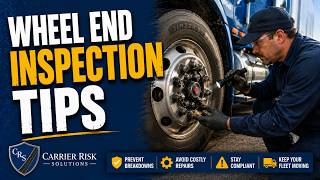
Samuel Tucker walks through seven critical wheel-end inspection steps for commercial trucks: checking hub fluid for cloudiness, looking for seal leaks, examining lug nuts for rust, inspecting brakes for cracks, checking rims for damage, assessing tires for wear and pressure, and feeling for heat. Missed problems can cause wheel separation, fires, and fatalities.
Chapters
As temperatures climb, your wheel ends face added pressure, and they're easy to overlook during inspections. The drag from heat, vibration and road grime can hide problems until they turn serious. Spotting warning signs early and flagging them for maintenance is exactly where you can make a difference. 1. Hub oil or grease level if there's a side glass, check that the oil grease level is within the normal range. Low or milky fluid could mean a leak or contamination. 2. Leaking hub seals Check the inside of the tire rim and around the hub for oil or grease splatter. Any drips, streaks or wetness near the hub could mean a failing hub seal. 3. Wheel fasteners lug nuts Any drips, streaks or wetness near the hub could mean a failing hub seal. Look for rust trails or shiny metal around lug nuts that could indicate looseness. 4. Brake drum or rotor if visible if you can spot the brake drum through the wheel, check for cracks, heavy rust or blue discoloration a sign of overheating. 5. Wheel in rim condition look for cracks, dents or signs of separation in the wheel or rim. No welding repairs are allowed on rims. Report any you see. Six Tires Check that duals aren't touching. Look for sidewall damage, proper inflation, even tread wear, and that no objects are lodged between tires. What happens if you miss a problem? Failing to spot a hub related issue can cause complete wheel separation. Wheel off this can be fatal or cause a major accident. Fires from overheated bearings or dragging brakes out of service. Violations during the roadside inspection Costly roadside repairs or tows, especially if it leads to tire or brake damage. Don't just check the box. Make wheel end inspections a regular part of your walk around. If anything looks off, report it. Better to catch it in the yard than on the road. Start with a visual inspection every time. If it's safe, follow up post trip by carefully touching the hub to check for heat or play a few minutes. Checking your hub and wheel ends can save your load, your paycheck, and even a Life. Check out www.mysafetymanager.com for more great tips.