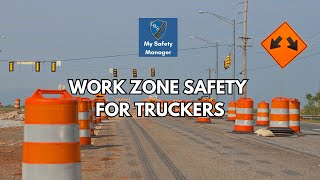
Truck drivers cause 33-50% of fatal work-zone crashes when involved, despite being in only 10% overall. Plan routes using 511 services or traffic apps, reduce speed to posted limits, maintain six-to-eight-second following distance, and check brakes and tire pressure before entering construction zones.
Chapters
Lets review some important tips that can help you navigate work zones safely. Due to increased infrastructure funding, there will be a noticeable increase in road work zones around the country. Normally, large trucks are involved in about 10% of fatal crashes in work zones. That number jumps to around 33 to 50%. Driving in construction zones is an inevitable part of truck driving. However, with proper preparation and attention, you can navigate through these areas safely and efficiently. When possible, plan your route ahead of time to avoid construction zones altogether. Gather information about construction zones along your route by utilizing traffic apps, radio broadcasts, websites, or call in lines like the 511 program that provide real time updates on road construction activities. Being aware of potential construction zones in advance allows you to plan your route accordingly and adjust your driving habits to accommodate for the upcoming challenges. If you must drive through a construction zone, allow for extra travel time and be prepared for unexpected delays. One of the most crucial aspects of construction zone safety is reducing your speed. Construction zones can be unpredictable and you never know what hazards may be ahead. Slow down and adhere to posted speed limits as they are set for a reason. To ensure the safety of both drivers and construction workers, construction zones often introduce potentially dangerous changes in road conditions, such as narrow lanes, uneven surfaces, or temporary lane shifts. Pay close attention to these lane alterations and adjust your driving accordingly. Stay within your designated lane and avoid sudden lane changes. You may encounter uneven road surfaces, including temporary patches, gravel, or unpaved sections. These irregularities can affect the stability and control of your truck, particularly at higher speeds. Narrower lanes are usually needed to accommodate the road work being done. Maneuvering through these tight spaces can be challenging, especially if there are barriers or equipment nearby. By slowing down, staying centered within the lane, and maintaining a firm grip on the steering wheel, you'll be able to navigate these surfaces more safely. Distracted driving is also a more significant concern in construction zones. Avoid distractions such as using your phone or engaging in other activities that divert your attention from the road. Most truck crashes in work zones involve rear end collisions, so it's vital to maintain an even greater following distance from other vehicles in these areas. Maintain a safe following distance from the vehicle ahead to allow ample reaction time in case of sudden stops or unexpected lane changes. Keeping at least a minimum of six to eight seconds of following distance from the vehicle in front of you should give you enough time to react to any changes in traffic flow or other construction site hazards. Stay attentive to all signs and signals as they provide crucial information about lane closures, detours, and potential hazards. Comply with all posted signs and follow the instructions given by flaggers or construction personnel. When approaching a construction zone, there may be lane merges or splits due to closed lanes or detours. Be extremely cautious in these areas and when merging onto or exiting a highway under construction. These areas can be particularly challenging as other vehicles may attempt last minute lane changes or fail to yield the right of way. Maintain a safe following distance and use your signals to communicate your intentions to other drivers. Also, be especially careful in active work sites. When construction workers are present. Workers or heavy equipment might be present on or near the roadway. Watch out for workers and equipment and always yield the right of way to them. Be prepared for sudden stops or unexpected movements from construction vehicles. Exercise patience and give workers the space they need to safely perform their duties. It's always vital to ensure that your brakes and tires are in good condition, but this is especially true in a construction zone. Construction zones often require sudden stops and proper brake maintenance is crucial for ensuring safe stops. Properly inflated tires will also ensure better traction on the road, especially in wet or slippery conditions. There is little substitute for a thorough pre trip inspection. Finally, staying calm and patient is essential for construction zone safety. Construction zones can be frustrating with delays and unexpected changes, but losing your cool can be dangerous. Be patient and keep your focus on the road to ensure your safety and the safety of others. By following these tips, you'll be able to safely navigate through construction zones and hopefully arrive at your destination without incident.