FACEBOOK MARKETING STRATEGIES FOR SMALL BUSINESSES
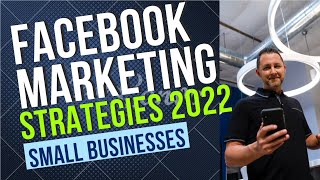
A recorded masterclass-style YouTube conversation (May 21, 2022) hosted by Scott Empringham with guests Bob Lanham (Facebook automotive retail lead) and Megan Huang (director, new media). The session explains why Facebook/Instagram/WhatsApp matter for local businesses, describes free tools and messaging features, contrasts search vs social (intent creation vs capture), and recommends video + engagement-retargeting funnels and first‑party CRM usage. Several small-business case studies (restaurant, retailer, auto) illustrate low-cost, high-impact tactics.
Chapters
Megan, if you're on the, on the group, then we'll. You'll be able to see.
Yeah, I'm gonna write. I'm just gonna put the link.
Cool. Well, we are live. We'll get. We'll take a few minutes to get things going here. And I'm glad, Megan, your, your audio sounds. Sounds good. I was concerned yesterday.
Yeah, Yeah. I don't know what happened. It might have been a fluke.
Yeah. All right, so we got a couple of folks joining us. Welcome, welcome, welcome. We're gonna get kick started here in just a second. We've got Bob Lanham, head of automotive retail for Facebook Instagram messenger and WhatsApp. We're super excited about having Bob here and Megan with Embrygum Media director of new media. So we're super excited. This will be probably pretty quick. It's going to be intense. We're going to dive right into it here in a second. Be about 45 minutes. We are taking your questions. I see a few folks joining us right now. If you do have questions, please go to. Maybe Megan, you can actually post the link to. You know what, I got an idea here. I'm going to. What's the link? Can you get on the stream yard and see where there's a ticker, Megan. And maybe post a link to the actual group where we'll be able to see their comments. And you see that in the ticker where it says banners.
Banners. Yeah, yeah, yeah.
And I might be able to do that too. Do you think you got it here?
I clicked show.
Yeah, Let me see. That's the master class. Oh, no, I was talking about this one where they can go and comment.
Let me. I'll show you.
This one. See that one?
Gotcha. Okay.
Yeah.
If you post that one and say, hey, listen, if you have comments, go there. And then we should see those comments.
Okay.
When they post the URL to remember.
Yeah.
Do I type it really fast as it scrolls by? How do. How do I do this?
Yeah, that should be good. That should be good. All right. Yes. If you post that in the group. Hey, thanks for joining us, everybody. We got like a handful of folks joining us. We're welcome. We're going to get started here in a second. We're with. My name is Scott Impringham Impermania. We've got Megan Huang, director of new media at Imperium Media. And we've got Bob Lanham, head of Facebook automotive retail lead for Facebook Instagram messenger and WhatsApp. And we're going to be covering A lot of stuff. Today we're going to be talking about research and data. When we talk about tools, features, what to expect when you're using some of the tools, some of the new tools and features, audience and targeting and case studies. We've got some clothing case studies, some restaurant cases. And of course, Bob, I, I don't think is probably going to have any problem rustling up some automotive case studies as well. And then after that, we want to hear your questions. So as people are joining us, please jot down your questions. There's a link that is scrolling in the ticker and then we're going to post it in the art of the pivot group. And if you're in that group, make sure you post any questions or use the stream yard link that might be in that little link and then post those questions and we'll make sure we get your questions answered. And when you get in, please just make a quick note, say, hey, I'm here. Tell us who you are. If you're from a company, tell us what company, maybe even what city, so we can see those comments start to come in and then we'll pull those in as we get them. Yeah. Some more folks are joining us right now, so we're in good shape. What do you say? You want to, you want to get this party started?
I'm ready if you are.
All right. All right. Let's do it. Let's do it. So welcome, everybody. Welcome, welcome. We're calling this Art of the Pivot and a social media master class. We're joined by Bob Lanham. I've had the good fortune of knowing Bob, gosh, maybe six, seven years now, something like that.
At least.
At least. And Bob was, uh, really. Just. Quick intro on Bob. I thought this was really cool. So he's got a really awesome pass on the digital, digital space. He now leads the automotive lead for Facebook, Instagram Link, Instagram, Instagram, WhatsApp and Messenger. But before that, he was at you, Yahoo, Microsoft and Hulu. And he was even working on the floor of a dealership at. Was it Honda, Toyota, Toyota, forgive me, of Sarasota, Toyota, Sarasota. So we're really excited to have Bob. If you have any questions for Bob, please don't hesitate to jot them down in the comments section. And. And of course, Megan is going to jump in with questions. Let's first dive in and talk about research and data. So first things first. Why do we care about Facebook? Why do we care about Instagram? Why do we care about WhatsApp? And messenger, tell us how big the audience is and what's so important about those platforms.
Yeah, I think we care because these platforms have a number of eyeballs that are using these tools on a monthly and daily basis. And let me just start off by giving you, giving you all some numbers. So here in the U.S. so these are U.S. based numbers. Here in the U.S. there are 231 million adults, 18 plus that are on Facebook's family. We call it family, family of apps and services. So you know all those apps that you just mentioned and there's 178. Do you hear the feedback by any chance?
Yeah, I think Megan was streaming it. Megan, are you streaming it? I think Megan's streaming it.
No, no. Okay, perfect. Jumped on the post, but perfect.
Okay, so just to recap, 231 million adults, 18 plus, you know, on our family of apps and services every month. But the number that I always love to give, you know, the business owners out there, there's 178 million adults, 18 plus on our platforms every single day. So if you're looking to deliver a message to an audience, you know, we've got a very, very large percentage of that audience in, in any, you know, in any population, whether that's a city or DMA or zip, you know, surrounding zip code. So that's one of that, that, that should be the main reason why we care. Right. And we can then follow it up with all of the products or, and features that we offer for free that are at the hands of business owners to use.
Outstanding. Let's talk tools and features. I'm a small business owner and I'm new to Facebook. I'm new to Instagram, I'm new to some of these tools. What are some of the tools that you think we need to be aware of? What are some of the tools that may be underutilized by small businesses?
Yeah. So let's just get to the basics first, which is your business's Facebook page, which many have said can act like a website. And it continues to evolve in features on a daily basis. A lot of times features are brought to me and I was like, I didn't even know we launched that. Then we've got our Instagram handle, your Instagram account, or what we call your Instagram handle. So right from the start, you've got two major platforms that you're able to utilize at no charge. You can create your presence on Facebook and use all of its features, like live, like Facebook Live, where you literally can just click a button and you can start to social sell and you can start to update the people that are following your page on anything that you choose to update them on. You've got Facebook stories, you've obviously got the ability to, to post. You've got a communication platform which you know, Facebook messenger is one of the largest communication platforms in the country with Facebook Messenger. So you have the ability for people to instantly converse with you if you're willing to do so and have a process to be able to instantly answer questions. And you know, messaging is rapidly, rapidly growing and something that we're really looking to get our partners or our businesses to start to utilize. And I'm going to pull up some stats regarding messages. So over the last year, okay, so, you know, during the height of COVID total daily conversations between people and businesses on messenger and Instagram grew more than 40%. So almost double messages have corresponded between people and businesses and more than 3 million advertisers right now. So this is on the paid side. More than 3 million advertisers are already using our click to message or click to WhatsApp businesses. And why that's important is because it gives the ability during that interest or intent moment or that passion moment of the consumer to instantly converse with the business if the business is willing to do so. So we got messenger again, we' got stories, you've got the ability to post. You can go live, you can do that both on Instagram and you can do that on Facebook. So you can create your own store, right? So for those of you that are retailers and maybe sell a portfolio of products, you can create your own store and have that store within Facebook. We've got Facebook shops now that is continuing to grow that which allows people to not only view your store, but purchase products via the store. And this is all free of charge. So you can use all these, these, these platforms now and if you choose to use partners to help you execute some of these, obviously there's a cost there. But outside of that, the usage is, is free.
Excellent. Now I know Megan, you're, you're a heavy Instagram user. What is your favorite tool on, on Instagram to use most frequently?
I think now it's the shop. Like you can shop on there. That's, I think that's really cool. And also I like, I can see how Instagram is starting to favor reels and I don't really need to even go on TikTok sometimes anymore. It seems like everything, all the videos I Normally watch on TikTok are on Instagram. So I Think that's awesome.
So I'll tell this story. I love that you brought up reels, because I'll tell you, every night, you know, 30 minutes before I close my eyes, I get hooked on reels. Like, I can watch a hundred reels at least. And, and don't get me wrong, some of them are. Are duplicative in the sense that there's a skit behind a reel, right? And multiple people will deliver the skit. But, man, I'd say nine times out of 10, I am on the floor laughing with. With what some of these people are posting. And by the way, many utilize reels to sell, right? They're selling products, and they're selling multiple products, and they're using reels in a fun way to sell those products. And again, free, you know, free of charge to do so. The only cost, and Scott and I were talking about this earlier, prior to going live, the only cost is time, right? And those who choose to put the time and effort into it will gain that following and eventually we'll gain that business. And you just have to kind of put time into it.
And it's interesting because I teach a social media course, and it always baffles me as to why people sometimes are either afraid to use the tools or they don't use the tools. And yet they know they can be effective, but they aren't actually putting in the time. And when I finally see people take advantage of some of the tools and the results that they get, I always love sharing them in our courses. Is there any example of a tool right now or a feature on Facebook that you think is undervalued? And just here's what one, one sort of experience share is that Facebook stories. I'll never forget when I first started posting the Facebook stories, it seemed like there was like, for the first week or two, I was an early adopter. There's really low engagement. I sort of forgot about it. And within about a week or two weeks or maybe a month, maybe a month and a half, I look back and, and I started seeing the views geometrically, geometrically increase. Are there any tools that you think right now or features that are undervalued or underused by small businesses that are free?
Let me give you a stat around stories. So for anyone that's listening and is like, oh, I don't see value in stories, or I don't have the time to create a story and edit a story. But 62% of people say that they have become more interested in. In a brand or product after Seeing it in a story. And I'll tell you, this stat has, has come out, you know, right before reels came out. And reels is still fairly new. I'd almost bet it's. It's a similar, if not higher, stat when you combine stories and reels. So at the end of the day, you know, stories, you know, many are predicting, again, this is just a prediction. Many are predicting that stories is going to be the new way people navigate both Facebook and Instagram. So, you know, when the app started, and we all still do that, we scroll from the bottom up, right? And we still scroll from the bottom up. But what stories allow us to do is have a very TV ask type experience where we can simply click the first story and then just sit back and watch the stories conclude and then the next story instantly appears and then we have advertising within stories. So, I mean, if that stat right there, 62% say they become more interested in a brand or service after seeing them in a story. You know, I don't, I don't know what else but Facebook Shop. So if you're a retailer and you offer a number of products, and many of you have probably heard of Shopify, and we have a great, great partnership with Shopify where you, you can take your Shopify store and put it into a shop. But if you don't use Shopify and you want to create your own shop, you can do that through our platform and you're simply creating what we call a catalog manually. And I'll give you some stats around shops. And remember, shops is still a relatively new product, but there are now over 1 million active shops and 250 million people interacting with shops every month. And, you know, we remember, you know, while we're talking about shops now, we still have this fairly small platform called Facebook Marketplace that continues to. And I say small sarcastically because it continues to grow. But, you know, we've quickly built Marketplace into one of the world's leading services for people to buy and more importantly, sell products. And we now have more than a billion people visiting Facebook Marketplace every month. And, you know, we've even added the fact that, you know, when we launched carts on WhatsApp, and WhatsApp is the largest communication platform outside of the U.S. with Facebook messenger being the one here in the U.S. we've now seen more than 5 million orders within a Facebook shop sent through Facebook shop through WhatsApp. So again, you have the ability to literally create your store online, sell your products online, and then use those free features like stories and reels. And posts and carousels, etc. To market both organically or through paid.
Well, I think it's interesting too about some of the tools. I heard on a podcast somebody was talking about some of the new tools that Facebook and Instagram have. And, and one person on the podcast pointed out that if you're an early adopter, oftentimes you benefit from the added or the benefit of the algorithm. It's going to allow you to reach more people because it wants, because Facebook wants us to adopt that new feature. So there's a huge opportunity for us, if we're an early adopter, to get on it early. Can you comment on some of the algorithms, what you can share about some of the algorithms that might be in a small business's favor for them to jump into right now?
Yeah, I mean, I'll give you the secret. And the secret is I have no clue how the algorithms work. And I'll be honest with you, not many people do. I'm guessing there's a handful of people within Facebook that, that understand exactly how the, the algorithms are built. But I'll tell you what gets rewarded is, is continued usage of the products. Right. And I'll tell you in my space, in the automotive space, at the retail level, and I can say this because dealers will admit that they're lazy, right? They don't, they don't want to put time and effort in, which is why the concept of buying a lead still exists. Right. I don't have to put any work for it, but I'll just buy someone's name and email address and phone number and then I'll, I'll email them and hopefully they buy. And if they don't, then it was a bad lead. Right, Right. Which, which is sadly for many of the non progressive dealers still how they, they work today. But when you put a little bit of effort into branding your business, right, and showing the personal side of your business through these tools, you tend to see great rewards. And what gets rewarded is usage. And I started a Facebook group for automotive dealers last year. Okay. It's an external group and I started because I knew the industry wasn't going to be able to travel. I knew that people weren't going to be able to get in front of people, but we needed to keep the business going. And Facebook groups, which is what I think you all are using to see this live. You know, this Facebook Live is a great platform and that's actually another platform I forgot to mention, which is free and it's probably one of the best CRM tools you can use out there. So we'll get to that in a second. So I started this group for the sole purpose of the industry, to be able to communicate with each other for advertising and marketing online. And it's not solely Facebook advertising and marketing. There's other conversations going on. And, you know, when I first started to curate the content, right? You know, put content in the group and you only see 10, 15, 20, right? And then you get to 100. You're like, man, 100 is really not. I feel like I put way more work into this than just 100 people, you know, looking at it. But now, over time, you know, each post is being viewed thousands and thousands of times, right? And we're getting hundreds of comments on some posts that are compelling. Sometimes we get two comments because the one comment absolutely answers the question, and it's fantastic to see. And what. What I love about it, you know, Facebook is grounded on community and building community. And this is exactly what what Facebook groups does. And I. I found a quote the other day. I just want to. I just want to bring it up. And for those of you that are on LinkedIn, okay, if you don't follow this account, I don't know what we call it on LinkedIn as an account. I think it's an account or a profile. I don't know. Yeah, but there's a pro. There's a profile called the Marketing Millennials. Okay, The Marketing Millennials. And it's fantastic. And it's really essentially copy and paste of. Of people's Twitter posts, Instagram posts, etc. And there was one that I really like that is pretty relevant to this one. It says, you know, the quote is, we spend zero on marketing, right? Which. Which is, you know, a business bragging that they don't have to spend money on marketing. And it's. We spend zero on marketing is like saying you write great content but don't publish it, right? So kind of something to think about as you. As you all put your plan of attack on what content you want to create. And then, of course, we've got the organic distribution to it, but if you really want to accelerate it really efficiently, you know, that's. That's where Facebook, the paid aspect comes in into account. And you can distribute your content very efficiently to the audiences that you want to.
Nice. Nice. Then let's transition a little bit to audiences and targeting. So we talked about. What do you said? 175 million people are on Facebook every. Every day. Is that. Was that the number 178,178 million people are on the, you know, the Facebook family of properties every day. I forget what the average time was. We see great interaction with a variety of different tools. Let's talk targeting and audiences. If I'm a small business and let's take, I know that there's one case that we're going to talk about a clothing store, just real simple, a clothing store. Let's talk audiences and targeting. And maybe if we can, let's talk about something even maybe more important for this group, which is intent based versus say branding or interruptive based. Let's talk the difference between search and social if we can. Can you comment a little bit about how people should be thinking about targeting on social as opposed to search?
Yeah. So let's just think about the purpose of search, right? And I think we all would agree that search captures intent. Search is great at understanding what the intent of the search is or was because the keyword is defining that for us, right? So we know specifically what what the intent was because the keyword keyword is. But search captures intent. Search doesn't necessarily create intent. That intent has to be created outside of search so people can then end up going to search. I'll give you a great example. We have an older case study that we call it Facebook put +search. And what we saw was on average for any product or service that was being advertised on our platform, it incrementally grew search for that product or service upwards of 30%. Right? I'm scrolling through the feed, I see a product or service that's very interesting, but I'm not going to click on it right now because I'm doing something else, right? I'm in my mode of doing something else, but I remembered that ad and I ended up searching for it it because I saw that ad. Well, in today's world or in old school digital metric measurement, who gets credit for that search, right? We call that last click attribution. And I'll often stand in front of dealers and say, look, if you believe last click attribution is the way measuring media platform, then spend 100% of your budget on search because there's plenty of it to spend, right? But they don't do that because they know that all other media platforms is what's creating the intent of search to help drive for that. Now I'm not here to say that you shouldn't buy search and you should just buy everything else and then hopefully you capture the search organically. You still need to buy paid because One plus one truly equals two in this case. But you just have to understand that, you know, intent is created outside of this. And let me give you a, a great quote that our VP of Global marketing said in, in an Ad Age article a couple of weeks ago and sorry, I'm. I thought I had my messages turned off on my computer. It is off actually on my computer, so I have no idea why that's me.
I'm just texting. I'm enjoying this conversation sometimes.
So let me give you this quote. I love this quote. It says, if you're in charge of a local business that's looking to retain and find new customers to grow, there's no better time than now to get back to basics and focus on creating awareness for your brand. Smart marketers don't passively wait for purchase, event purchase intent. They proactively create purchase intent to drive discovery of their products. And guys, this is Media 101. This is Understanding Consumer Behavior 101. You have to create the intent for the intent to be had.
I want to just offer this too is there's a guy named Chet Holmes. He wrote a book called the Ultimate Sales Machine. If you follow Chet Holmes, Tony Robbins or Russell Brunson with clickfunnels, they give a great example. They talk about Chet Holmes example of the stadium pitch and why it's so effective. And it's a, it's a great sort of complement to what you're saying. The argument is basically this. At any given time, in any market, in any category, in any segment, about 3% of the market is in market for that specific thing, whether you sell cars, clothes or whatever it is. Of all the audience, of all the people that are potential buyers for your product or service, 3% are actively searching right now. Totally makes sense. And give or take 1 or 2%. But then that begs the question. If my audience is 50,000 people and only 3% of those people are actively searching and I'm buying search and that's all I'm doing, what about the other 97%? What about the other 97%? What am I doing to attract those people? What messages am I creating? What hooks am I throwing out into the audiences? Or how am I reaching them? If they aren't actively searching for me, how do I get them? Social media, Facebook, Instagram offers a great answer to that. You and I had this conversation. You said something really interesting to me when I share that example. 3% were in market, give or give or take, and 97%. You also made a comment about the cost. Could you just sort of bring that up for people as they get an idea of the difference in cost of targeting the 3% in market right now versus throwing out hooks into an audience of the 97% and creating interest?
Yeah. Well, so first the concept that you just, that you just talked about, we call it feeding the funnel. Right. If we only went after the 3% and everybody only went after the 3%, there'd be no funnel to feed. The funnel would eventually run out. But your smart marketers understand that they have to feed the funnel. And I'll get to exactly what you asked in a second. We call this also Brand plus doctor or direct response. Using brand advertising to feed the funnel to drive that engagement. And that engagement could be today or that engagement could be tomorrow. Because to your point, you know, at any given point, 3% or even less depending on the category is in market. But you have to build brand equity because brand equity equals market share. So to answer your question, we know, I think any media planner will tell you this, and this is not again anything new. This is medium 101 and this is a model mindset. So you all, as you get ready to spend money on advertising, think about the mindset. But broad targeting, okay, so, so hitting a wider base of an audience is 75% more efficient in driving long term sales than narrow targeting. Okay.
Why?
Right. Again, if you're only going after the people that are showing a behavior, you're not feeding the funnel, you're not continuing the process to feed it to then be able to remarket it. And this is where the concept of brand advertising plus direct response advertising, one plus one, not one or the other. Because what happens is most people just, just do one. Oh, I just, I need sales today. So I'm only going to target those people that are in sales. And they're not realizing that the, the smart marketers that are growing are creating that purchase intent for tomorrow. Here's a, here's a, a quick. Well, data point I guess. But Ad Age just came out last week that Procter and Gamble is going to overtake Amazon as the largest advertiser in the world. Amazon at one point is, was the largest advertiser, but they're number two. They're spending billions of dollars a year. Okay, well, Amazon is an E commerce platform, right. Which is very easy to measure. Right click add purchase product through cart. Great drive more. And they do plenty of direct response advertising. But how are they the largest or second largest advertiser? Because they spend a fortune on their Brand, right? From A to Z, right? They have every product out there, one click, two days, and your products on your doorstep. You know, in our world, Carvana has come out of nowhere and is challenging the traditional dealership experience. Well, if you look at any of Carvana ads, they spend more on branding their experience of Carvana than the actual vehicles they have. Because everybody knows the experience is more valuable than the car or the price of the car. Because consumer behavior tells us I need to, I am going to buy from people because of the experience, more so than maybe the product. And I'll. My last story, I promise. And please, no, no, no. But I always use the Apple Store as an example and I use Amazon as an example. Amazon does not sell the products you see on Amazon at the cheapest price. You can buy those same products somewhere else cheaper. Same with Apple. I believe the status somewhere around 90% of the products within the Apple Store can be bought outside of the Apple Store best buy for 30% cheaper. But why is there a line around the mall to get into the Apple Store? It's the experience, right? It's the 100%. They want to meet, they want to talk to the geniuses in the blue shirt, tell me what I should buy. And they're not selling them. They don't get a commission off of an I, you know, an iPad that they sell or a MacBook Pro that they sell. They're just simply there to help facilitate the sale. So think about your customer experience, your value propositions. That's what should be advertised under your brand. And then at the same time, you're advertising your lower funnel products in a lower funnel way, a more targeted way so that it will drive the sale.
So I want to geek out on something here. We've got a bunch of other folks who just joined with Bob Landon from Facebook, Instagram, Messenger, WhatsApp. I want to just dive into targeting just for a second. You mentioned something really important. Let's say I've got a store, I've got an automotive store, clothing store, doesn't really matter. And I say to you, okay, great, I, I, I, I like what you're saying. I get the premise of the 3%. I want to make sure I'm marketing to the people that are really actively, potentially looking. And I also want to fill my funnel and make sure I'm reaching the 97%. Can you talk about maybe the role that video ads might play and then targeting, how people could maybe set the targeting so that they could get video views to show the 97%, maybe a little bit about your store, whatever it is that you're doing, and then potentially use lead generation as to retarget people who watch 50%, 60% or more of the videos. Could you talk just a little bit about that strategy?
No, I love that you brought that up. So I'm going to go slow here because the, the, for those of you that understand what I'm about to say, you're gonna, you're, you're gonna win at media, you're gonna win at buying media and fueling your funnel on a daily basis and, and consistently growing your business. So in the digital world, all of our platforms, whether it's Facebook's or Amazon's or Google's or the trade desk or whoever, whatever, we've all gotten so good at optimizing. You tell us you want to get a click, our system is going to go find that click at the lowest cost at anywhere you tell us you want a specific conversion or a specific action on your website. Well, we're going to take our pixel data and we're going to go find those people to give you the lowest cost conversion. Our optimization engines are so good, it will do what, what, what you, what you want it to do. But you have to understand again, behavior. People buy, right? You have this Internet audience. Think of just a, just think of a pie, a circle pie. You have an Internet Internet audience. Well, statistically, give or take, roughly only 20% of people are going to click on ads. Doesn't mean they don't see ads, but they're going to click on ads. So when you set any system, whether it's Facebook, Google's or anyone else's, to go after a clicker, you've just taken this audience of buyers and said, I only want to go after buyers who click ad ads. Now most businesses are going to say, I don't care if they click an ad or not. I just want them to come in and buy. Right? And that's where the, hitting that other 80 or 97% is of saying, okay, I'm going to deliver advertising to people, click or no click, right? Then I'm able to measure them if they, if they purchase in store or not. So I don't know if that's exactly where you wanted me to go.
But, but it's a great example. It's a great example because we, we were doing advertising for a dealer group, a large dealer group here in Southern California. And when we got the account, one of the prerequisites, I don't know if you Remember this? But I was actually on the phone with you calling and I was stressing out because they said all we want to do is lead generation. So here we were. I don't remember what the market was. Let's just say it was 5 million people that were potentially in market for a car, truck or suv. And this particular automotive group said, we just want to do lead gen. And so now we were optimizing towards that small percentage of people who wanted to fill out a lead gen form right now, which is a very small percentage of the overall people in market. So we were in effect. I'll never forget what you said. You said, Scott, you've got to figure out a way to introduce different types of campaigns, video ads or any type of ad campaigns where you can also just serve videos to gather a retargeting audience, perhaps for a click audience and then a lead gen audience because you're going to optimize away from like 99% of the market. And I'll be damned. That's exactly what we did. Within about a month and a half, we'd optimized away from the entire audience and found just a small percentage of people that were willing to fill out a lead for that particular make and model of vehicles and brand of vehicles. And the leads began to dry up. And then, and only then did the deal group say to us, okay, okay, go, go back to the other strategy to see if we can fill the funnel. We optimized a way from the vast majority of the market.
Yeah, listen, statistically within the automotive retail business, people who fill out leads and purchase are about 5% or less of the business. Maybe there's a platform that's a little higher, but it's a smaller audience. So you know, it averages out. And that's exactly it if you're only going to go after a lead. And the reason why leads came out in the digital space because it was the only way to measure the digital space space. Right. I mean, that's why leads came out early on, in the early days, in the late 90s, early 2000s when I started selling digital. It's like first of all, we couldn't get meetings with any media buyers all about TV and print. It's like, well, what's your value? Well, we can measure how well click. Well, who cares about, well, I can get people to fill out a form and then I have, you know, personal information and then you can measure if those people came in and purchased. And then all of a sudden the lead gen world started to happen. But that's exactly what you're doing. When you tell a system, I call it hyper, Hyper optimizing. When you tell them to hyper optimize, you optimize away from the majority of people that have the ability to buy your product or service. So let's talk about video, right? Because you wanted to bring up video. And let me just give you a couple stats that came out of our earnings call. Because video is rapidly growing on our platform. More than 1. These are global numbers. So more than 1.2 billion people are visiting Facebook Watch every month. So for those of you that don't know when you create videos and you post them, it'll, it'll go into our Watch. Facebook Watch platform. We're one and a half more viewers watch a video ad on Facebook relative to any other video platforms. So if you want your video to be viewed, our platform tends to be able to deliver your video. Almost 3x more viewers purchased off of a video ad than any other video platform out there. Again, a lot of that has to do with the fact that you can't click on other, on other ads. But that might not be your measurement or what that particular ad is for. And then, you know, almost 2x more viewers acted on a video ad on Facebook relative to any other video, any other video platform. So let me get into your question because this is getting into strategy, this is getting into intelligence and working the funnel. Right? And, and I give you kudos because I remember when you brought this to me. I did not bring this to you. You brought this to me. When, Gosh, I want to say like four years ago. So Facebook came out with, we have what's called engagement retargeting. You can just do a Google search for it. And we've got a number of different ways you can retarget based off of engagement that happens on our Facebook within your advertising. And let's use video as an example. We have the ability to retarget people who watch a certain amount of time of your video ad. So you can retarget people that watch 50% plus of your video ad, or 5% plus. I think it's in, it's in quartiles or it's in percentage of time frame watching. You may be saying, well, why would I want to do that? I don't get it. That doesn't make sense. Well, we know that people are scrolling through feeds quickly. Doesn't matter if it's Facebook, Instagram, Snapchat, TikTok. They're cruising, right, because they can consume content faster. Than the average people, a person. So we're cruising, we're cruising, we're cruising. If we pause to watch an ad, maybe not in full. And a lot of that has to do with the fact that some brands are still repurposing their darn 60 second spots. And who wants, who watches 60 second ads on Facebook? It's rare because we're constantly moving and moving fast because we can consume content at a faster rate than the previous generation. So we can blame MTV for that, by the way, because MTV introduced fast movement in the 80s. So think about it, right? So I'm scrolling, I'm scrolling, I'm scrolling and boom, all of a sudden a video ad caught my eye and I watched at least 50% of it or more. Well, that tells you that that person was interested, right? There was something there that caused interest. We call it stop stopping the thumb. I stopped my thumb from scrolling to watch the ad. Well, we can take Those people, those 50% plus reviewed and put them into a bucket. And then you can remarket just to those people with a different message, not the same message. You just, you just delivered to them with a more lower funnel message because you already got their attention, you already got their interest. And then again, through our engagement targeting, you can take those people and then retarget them. Either, either firmness and I believe you used to call it cold, warm and hot, right?
That's right.
And that's exactly what you can do. And that's what strategic marketers are doing, is there is they're mining their media, you know, their media success, and they're just driving people down. But they wouldn't be able to have people down here if they didn't market up here. Here.
That's right. That's right. And it's so interesting with, with some of the targeting, the retargeting you're talking about, I wonder if we could actually, in the last five or 10 minutes, talk about some of the case studies. So if there's anybody that's watching says, okay, I get it. There's, that's, you know, I need to be there. Video is going to be important. There's a funnel, the concept of a funnel. There's people that are ready to buy right now and there's 97% of the people that might not be ready to buy. Could we talk about a couple of case studies that might be interesting to people and give them some examples of what they might be able to do?
Yeah, and can you see my. Assume you can see my screen now.
I'm going to. Yeah, there we go.
So for those of you that can see my screen, I purposely did it this way versus the PowerPoint. So you could see the URL that we have on the top of screen. But if you're not following what we call fbiq, which is our insights platform, I want you to go to facebook.com forward/business forward/insights. And at the bottom you can post that URL. Yep. At the bottom of the page you can sign up for the newsletter. Okay, you can sign up for the newsletter right here. But we have various other ways to stay in touch with Facebook FBIQ through Facebook, Twitter and then obviously LinkedIn. But this is where we house all of our again, insights, case studies, etc. And you can sort by region, you can sort by industry. Sorry that it's doing that, but you get the point. And I could go through a thousand case studies, but there's, there's a couple that I just thought were relevant for overarching of media mindset, not a specific industry. Because, because frankly you could, you could get lost in all of the different case studies. But I wanted to stay at a, at a high level of media and consumer behavior. So before I get to that, I wanted to bring this particular fbiq research up because it's probably one of the hottest topics right now thanks to Apple and their iOS 14 update thanks to Google. And I don't want to just call out Google, it's every browser out there that, that is looking to eventually block the usage of cookies for remarketing and for measurement. And by the way, many browsers have already done that like Safari and DuckDuckGo and a few others. So Chrome being one of the biggest, they haven't yet, but they're already, you know, they've already said they're going to work on it. So it's now adapting your ads measurement to this new privacy first world. And this is, I'm going to simplify what, what media or marketing mix modeling is. But I gave you an example of a last click attribution. Will they click the ad? And I'm going to say that platform or the click came from gets the credit. Well, in a future world you might not know what platform that is because of blockage of cookies. You might not know what we call the referral source and so on and so forth because privacy people, people aren't going to be able to be be tracked. So when you get a minute, there's a privacy first measurement concept called marketing mix modeling. Mmm. For short. I also call it Media mix modeling and it's simply this and we could get really sophisticated or we could just keep it simple. It's understanding everything thing that you're doing, marketing wise, paid and unpaid and non marketing wise. And, and what is non marketing? Well, it could be everything from what, what is your competition doing, what a pandemic weather like. It's what we call non marketing influences that, that play a role into why people may have, may have bought or not bought in, in a certain time. But let's just focus on your marketing paid and unpaid. It's simply putting it all on paper and saying and listing out everything that you're buying, right. Search, social, the billboard, email, campaign, you name it, you name it, you name putting it all down there, putting the cost, the total cost of everything you're buying, the sale of your product or services. And now you've got your cost per sale, you know, product or service right from in there. So now you have your mix. I tell this story all the time. Dealers don't do this, right. If you were to ask a dealer, hey can you send me your marketing mix? They'd be like, I don't know what that is. And I had one dealer say hey, can you help me put one together? Said no problem, I just need to know what you're currently buying. And somebody put in the chat here in a comment. Does anybody want to guess how long it took this dealer to get me everything they were buying, advertising and marketing wise? Scott, you've been in the business, how long do you think think it, think.
It took A month.
It took a month plus and I still didn't get it all. Yeah, because I just kind of gave up. I'm like if you guys don't know and you know, for many businesses, for most businesses, advertising and marketing is their second or third largest expense outside of people in the auto space. It goes people advertising and marketing and then their inventory, their cost of their inventory. So you know what we often say is what you buy and how you buy your media, 100% defines your profitability, not just your sales, but your profitability. So media mix modeling or marketing mix modeling, it's privacy first, which means you don't need pii, right. You don't need to get all these tracking codes to understand if it works. You simply just need to document everything that you're doing and then you can optimize from there. So I just wanted to bring that up, but this was what the one of the concepts that I think is really important if you guys can figure really Understand and for some of you are like, no way. I'm so used to just measuring last click, measuring conversions and that's the only spreadsheet I have. Even though you buy other media, you don't look at it as a compliment. You have to look at your media holistically in an aggregate. Because media platforms work together. They don't, they don't work in a silo as stated by Search Capturing Intent and other platforms Creating Intent. But here's the great. Sorry, I'm going to scroll up. This is one of my favorite FBIQs that came out earlier. This is something that we've been talking to dealers about for a very long time. It's been in our playbook for four years which is that brand plus doctor concept or direct response. So Amazon doesn't only run ads with their products in them where you can click and buy the products. They actually spend more of their money advertising Amazon and why you should shop on Amazon than they do the actual products of Amazon. And there are many companies that do that. And why do they do that? Because they know that the brand actually drives the intent of the product. Goes back to that quote that our VP stated, which you have to create the intent. Right? You can't wait for the intent. And here's just some research that we've done where for those brands that have added brand advertising to their lower funnel click conversion lead based advertising, they saw an increase of upwards of 94% more conversions. Well, on the flip side, those direct response or those, those brand only based advertisers added direct response or lower funnel advertising and they saw an 11% increase in brand awareness. Right? So the two different media concepts actually work together. And I'll sum it up this way. If anyone's in the auto business or even bought a car, okay, have walked in the dealership, which I'm going to guess is that many of you, there's one aspect of the sale that is the most important aspect. And, and every car salesperson is trained on this every single day, every single week. Okay? It's called the meet and greet. It's the first introduction between buyer and seller and seller being the dealership and the dealership person. I mean we used to have scripts on how to handle the meet and greet. Okay, why is the meet and greet so important? Well, they say the best closers, the ones that are better openers. Why? Because their opening is their brand. It's where trust is either built or lost in a split second. And that becomes the most important aspect of the sale. So, so bring the meet and greet online. You have to tell people why they should consider clicking on your ad, why they should consider giving you your pii. Their, their personal identified information information. Right. It's very simple. Consumer people don't feel comfortable giving businesses personal information when they don't think, when they don't trust them. So that's what the brand advertising allows the do is, is to build trust. So that this is actually one of my favorite case studies and again I wanted to use the browser versus just putting it on a PowerPoint slide so you could grab the URL and more importantly go to fbiq. The other aspect that I really want to bring home that I talked about earlier is messaging. The concept in the industry is called conversational commerce. Some of you might have even bought products off of Instagram or Facebook and you saw that they're. Now that business has added Facebook messenger or WhatsApp as the communication. It's no longer email. Right. You can still use email but be like, no. Would you rather chat? Yeah, I'd rather get my tracking code through messenger because I'm on messenger a billion times a day. Right. Like there are many conversations. So those businesses that can figure out how to handle messaging are the ones that are winning. And let me give you some stats in the automotive business and sorry I don't have all the stats of every vertical out there, but here are the stats. So there's a trend that is happening in the auto space and it's a very good trend, but it's going to take some time because we still have a lot of old school methodology and mindsets. But the thought is this. There are many dealers that are removing forms from their websites. They're removing the ability for someone to submit their PII that then goes into their CRM system and then the whole email template back and forth happens and they're removing those forms in favor of messaging. It's the only way you can communicate with that business or with that dealership is to. Why? Well, it's how people want to communicate. We all have Facebook messenger on our phone. We all have Instagram where we can directly message. We have WhatsApp, we have text messaging, whatever platform you want to use. And most the average that we're seeing across the board is that dealers are seeing 2x higher close rates, even 3x higher appointment set rates by simply having a conversation. There's a gentleman in our industry called by the name of Tim Cox. He founded a company called Car now which is a chat platform and he often says Every sale starts with a conversation. Well, why would you want to outsource your conversation to a call center somewhere? Like, why would you not? When someone has the passion or intent to ask more questions, we say that the messaging on their phone to your is no different than that person being there in person physically. So I've got, you know, again, guys, I have more case studies than. Than I know what to do with, and I've given you a thousand stats since. Since I've been here. But, you know, these feed messaging's free of charge. It's tied to your Facebook page.
I love what you said about the messaging and the conversation. One of. One of our favorite case studies that I just wanted to share really fast is from a small restaurant in Florida. When Covet hit, it was a little Greek restaurant. They were in big trouble. The traffic dried up, and the gentleman who owned the restaurant, little family restaurant, was afraid he couldn't continue. I got the call because he's a friend of a friend, and on the phone, I could tell he was really distressed. So we did three things that. That blew me away, that just about any business could do, and it transformed his business and ultimately saved him through Covid, Grew his business through Covid, and then he ended up going viral when a local congressman there in Florida shared his page. And the three things he did was, number one, he overcame his fear about creating a video. He did this really authentic video. When I got him on the phone, I said, what does your audience want most? He said, they probably want to pick up my food. They don't want to cook tonight. I said, then here's what you're going to do. You're going to do a video, and you're going to say exactly that. He did the video. You could hear his wife talking in the background saying, do I hit the red button? Do I hit the red button? And he said, I don't know. You know, go ahead. So she hit the red button. And he says, and Megan saw this video too. He says, hey, this is Teddy Theateropoulos over here at Olympia Cafe, if you're sick of cooking. And he did this really charming and wonderful, very homespun video about a minute long. He said, we, we're open for pickup. And then she says, do I hit the red button again? Do I hit the red button again? Said, yeah, hit the red button. That's number one, he created an authentic video. Number two, he isolated a geography within Facebook just around his little neighborhood. And then number three, he put in $50.
How much?
$50. 5.
0.
50 $50. When he came in the next morning, his Facebook feed was filled up. More importantly, he got calls to his, to his restaurant and they said, we loved it. It was such a homespun little video. If you'd like to see that video and a bunch of just retail case studies like that, he went viral. It was really a wonderful, wonderful story. Maybe Megan, you can put the link to that free workshop and we'll send you a PowerPoint full of case studies like that. How to videos on exactly how to load your audiences into Facebook. We've got some videos that'll walk you through how to go into Facebook and look at the audiences and start to choose those audiences. But maybe you could actually put that link in there. Megan, go ahead and grab that. It's a free presentation. It'll walk you through all those different case studies. Even some case studies where a local retailer, she was going out of business with her clothing company here in Laguna beach. And same kind of thing, she used the same strategy. She did Facebook Live, she did three or four Facebook lives. The first one got nothing. The second one, she did a virtual fashion show where she had a great time, she used her phone, she had a great time. And for the first time she began selling outside of Laguna beach because they ultimately took that Facebook Live and then they boosted it and put about 50 bucks behind it and found a wider audience and she began selling to Italy and other places around it. So she's in there too. Grab that case study and it's absolutely free. Bob, I'll give you the last word. We're wrapping up right now.
So. So I want to just focus on a word that you used a couple of times on this one, which is authenticity. Right? Be authentic. People are not looking for you to have highly produced, high cost video out there. In fact, we did a study where we measured the difference during COVID by the way. The difference between highly produced and high cost video and lower cost and more authentic video. And believe it or not, during that time we saw the more authentic videos outperform the high cost videos. So keep that in mind. There's a quote I wanted to bring up real quick that I, that I thought was fantastic and it's on that marketing Millennials. It says if you want your business to be successful in 2021, build a personal brand. People connect with other people, not with brands. And I'm sure brands would disagree on that. But at the end of the day, the, the brand is just the start. If you're a people based business, people are going to buy from you. I think anyone that's in sales or anyone that has to work with people to have them buy your product, you very much know that. So build your personal brand just as much as you're building the brand for your business. I pulled up the case studies website, another case studies website that we have that is tied. It's just facebook.com business success. And depending on what industry you're in, whether it's retail or you're selling a product to B2B, we're most likely going to have a case study. But I'll just close with this. You know, we offer a great deal of products and features for your business. Again, from stories to your feed to a Facebook page to an Instagram handle, you name it. Facebook shops, Facebook marketplace, messaging, all of these are free of charge. Use them. Take the time to learn them. Be afraid. Listen, I just started an Instagram handle for my son's high school soccer team. I'm learning how to use it every single day. And I actually follow many other high schools and I'm like, that's a really good idea. I need to do that. So follow other businesses, follow your competitors, see what they're doing, and next thing you know, you're going to be right there.
Awesome. Hey, thank you so much. So, Bob lanham, Facebook, Instagram, WhatsApp. I know, messenger. I. You've been a friend for, for more than five, six, seven years. I don't know how long. But so thank you so much for, for being on here. Megan, thank you so much for being on and helping us manage some of this. Do we have any. We've got one minute left. Any questions that came up that needed to be answered? Anything from anybody online or, or you? Megan, to wrap it up.
No questions online. But I have a question actually for Facebook, the new update and everything. I know they're continuing to update. There's like a iOS 14.5 now. What's Facebook doing on your end to kind of combat this for marketers?
I mean, there's nothing to combat. And to be clear, like, this isn't a Facebook or Instagram challenge. This is an industry challenge. So every app, every app that gets downloaded into the App Store for Apple has to ask users if they're willing to be tracked or not. Every single app has to do it. So for anyone that's updated their phone, you know that every app has sent, has had that pop up, allow tracking or not. So there frankly isn't anything to combat. What is happening is we have to redefine Measurement, which is what I talked about earlier, because we're now moving towards a privacy first, a world. And the business needs to understand that just as much as the consumer understand it. So you don't want to be a business that's maybe doing something that is not privacy first, because you don't ever want to get called out for that. So, Megan, it's a great question. And that's where media mix or marketing mix modeling comes into play.
We just first party lists and first party data. No, you know what?
We didn't talk about that. I know our time's running out, but, man, first party data and CRM remarketing is probably one of the best, you know, some of the best campaigns you can run on our platform.
And if you do want some free information on that. Meggie, were you able to post a link to the. The free workshop or that one link to the free presentation?
Yeah, it's. It's on the banner, you guys. Okay. And also codes in the comment section, so you can.
Awesome. Grab that link. We do talk about first party targeting. That is one of our secret weapons to help continue to reach our audience, to gather email addresses, load those email addresses back into Facebook and Instagram, and make sure we are hitting our dream market. So, Bob, thank you so much for joining us. I look forward to seeing you on October 1st at the Digital Summit. And thank you, Megan, and thank you, everybody, for. For joining. We'll see you next time. All right, thanks.
Bye, guys. Bye.
More from Scott

🔥 PRESSURE IS A PRIVILEGE #PressureIsAPrivilege #LeadershipMindset #MentalToughness


🚨 YOUR NEXT LOCATION WON’T FIX YOUR PROBLEMS #BusinessScaling #MarketingSystems #FranchiseGrowth

🚨 AI CAN ACTUALLY MAKE YOUR MARKETING WORSE #AIMarketing #MarketingStrategy #BusinessGrowth


🔥 STOP RUNNING FROM WHAT’S CHASING YOU #FaceYourFears #KeepGoing #MentalStrength

🎥 STOP EDITING EVERY CLIP YOURSELF #AIVideoEditing #ContentRepurposing #ContentCreation