Building A Marketing Funnel That Converts
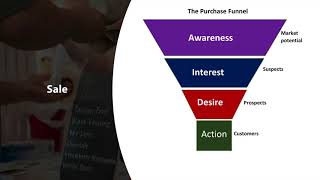
In this 2018 recorded webinar, Shaun Whynacht, CEO of Blue Cow Marketing, explains how to design, implement, and optimize a marketing funnel that moves prospects from first awareness to purchase and beyond. He defines the classic A‑I‑D‑A (Awareness, Interest, Desire, Action) stages, illustrates them with retail and e‑commerce examples, and breaks down key metrics such as visitor‑to‑cart and cart‑abandonment rates. Whynacht stresses the importance of simple, segmented lead‑magnets, tailored content for each stage, and nurturing sequences that personalize email subject lines and messaging. He walks through Blue Cow’s own funnel – free consult call, lead‑magnet landing pages, a pre‑recorded webinar, and a CRM‑driven nurture flow – and shows how segmentation, consistent branding, and post‑purchase loyalty loops keep customers returning and referring others. Practical tactics include aligning ad copy with landing‑page promises, using reticular‑activator concepts, avoiding generic homepage traffic, and measuring conversion rates to guide funnel improvements.
Chapters
Hi and welcome to this presentation of Building a Funnel That Converts. My name is Shaun Whynacht, the CEO and founder of Blue Cow Marketing, and I'm going to be walking you through this presentation today as we're going to be discovering how marketing funnels can really play an important part in your business, uh, converting sales, getting new customers, and all the steps in between. So let's get started and get right into it. So what exactly is a marketing funnel. Now, you may have heard the term marketing funnel, you may have heard just funnels or sales funnels, but what a marketing funnel is, is it's a system, it's a process. It's a process from where a customer first hears about your business to when they become aware that they either have a problem or you have a solution, and then they start to investigate and they start to learn about your business and what you can do for them. So there are several steps to to a marketing funnel. So let's take a look at some of them here. We're gonna take a look at the purchase funnel, and it all begins with awareness. Now if you went and did a Google search today and you looked up marketing funnels, you're gonna see a ton of different varieties. I mean, there's hundreds, there's thousands of different versions of a marketing funnel. So what we're gonna be covering here in this video is the most common funnel. This is the most common steps that I implement for my marketing clients, and this is what I found works. You know what, you can get extremely complicated, and what I recommend is stick to the basics first. Once you get a very basic funnel working for your business, then you can start to go a little more granular and break out and do more details with it. If you try to do that out of the gate, you're gonna set yourself up for failure. So let's take a look and let's talk about the awareness part of a funnel. You may not even know at this point what your process is, okay? And that's completely okay. That's the reason why you're watching a presentation just like this. So when it comes to awareness, this is where people become aware of your business. They become aware that there's, you know what, even a problem that they have or that you have a solution. So a lot of the content marketing that you may be putting out there, inbound marketing, referrals, events that you're going to, speaking at, SEO, that's an important one. So if you've got a blog and you're doing content creation, you're posting it out there and people are coming across that on your website, even social media. This is all encompassing of this awareness phase. So when we talk about what type of content should you be creating in your business to get that interest, get people into the top of the funnel, you need to look at what are some of the problems that your solution will solve? What are some of the questions that your prospects may have that would lead them to want to know more about what you do and how you can help them, okay? So thinking about that in your business. Now we do also a lot of consulting and a lot of work with video production as well for our clients. And one of the initial questions that people have when they want to get into creating video is, what do I do a video about? And my suggestion, especially when we're looking to build this awareness, is let's take probably the top 5 frequently asked questions that you get in your business from your clients or your prospects and turn each one of those into an individual video. When you put out that type of content, you are then starting to make people aware that first, that you exist, second, that you have a product or a service or a solution, and thirdly, it makes people start to become aware that maybe they have that problem that you can fix. And the same thing works with any kind of content, blogs, and things of that nature. So once you get past that awareness section of the funnel, then we get into what we call the interest. So you've got people that are seeing your messaging, and the ones that it resonates with, the ones that can relate to that content you're putting out there, they start to get some interest, right? And they're starting to— their ears are starting to perk up when they see something that's relatable to them, or they realize that they have a problem, okay? And this is where in your marketing you can then go a bit deeper with content marketing. You can then start to showcase things like case studies. White papers, videos, drip email campaigns, social media, newsletters, ebooks, webinars, classes, right? The list is endless. But the idea behind this is when somebody says, hey, you know what, this sounds interesting, or this company may be able to help me, I want to know more, right? And that's when they come to your landing pages. This is when they come to your website. This is when they start to click on some of your ads. They're gonna want to know more. And this is where this interest phase starts them on the path to conversion. This is where it starts to turn them from just strangers into interested prospects. And this is key because if your digital marketing doesn't have anything in place to capture some leads and generate the interest and start to get them into your CRM and nurture them, you're missing a big step in that whole purchase funnel process. So let me give you a real example. Let's say you're in the market for a hot tub, okay? So your wife says, hey, you know what, honey, we'd like to have a hot tub. You know, I think it'd be kinda cool, okay? So once that discussion has started, there's a part of your brain that starts to subconsciously remember that. So everywhere you go, you know, you may be driving down the street and you're gonna notice somebody's hot tub in their yard that you would normally never see, right? That's part of what we call the reticular activator the brain, uh, is that now we start to see this. And the same thing comes along when you are going online and ads are coming out. You're gonna start to notice ads for companies that have hot tubs. Uh, so let's say you're on Facebook, you see a promoted post come through and it's about hot tubs. So you click on it and it goes to a landing page. And on this landing page, it is for the ultimate guide for everything you need to know before making an informed hot tub purchase. Well, you're in the market for a hot tub, you're looking, this has promised you that this is a guide to educate you about everything you need to know before, which is where you're at, you make an informed purchase decision. So you're gonna give them your email address, you're gonna get this free guide, and if they've done their job right, they're gonna position their business as really the no-brain choice for getting a hot tub. There's no other place that you would ever wanna go after you consume this content. And obviously they have to deliver upon that in their business, otherwise they wouldn't be in business much longer. But that's how that interest starts to happen, okay? So now once we get past that interest phase and we go into it, now we're starting to build desire, right? This is where in a business you start to look at things like trials, okay? You're gonna start to invite people in. So I get that guide from this business and I, I consume it, it comes to my email. If they've got a nurture sequence in place, they're gonna follow up with me, they're gonna try to get me into their place of business so then I can start to see the product, I can sit in it, right? I mean, some places actually have working hot tubs in their business and they'll invite you in, bring your swimsuit and try it out. Others will just demo how it works and show you the different products. They're giving you that consultation. The idea behind this is they're trying to move you closer to the sale. And you can do that in an online fashion, but when you're selling a physical product, you know, there's a sense of ownership once you start to touch that product, once you start to experience that product, and you start to position that product in your life. And that's key in this phase. This is starting to build that desire. People absolutely want it once they see it. It is the exact reason why home shows and trade shows are extremely popular and successful, is because they see the products, They can touch the products, they can engage with the people that sell it and can position it in their life and overcome any of those obstacles, okay? And that's the key. And then lastly is action, okay? This is ultimately where we get to the sale, okay? So this is the very basic, most common purchase funnel, right? Each of these stages. And as you saw as we walked through it, each of them have key points of information that you can really implement in your business to move people through. Now, keeping aware that it's not going to be everything to everyone, and there are people who will drop off at different points, and we'll talk about that shortly. Now, you may be watching this and say, you know what, I've got a retail business or I've got an e-commerce business. How does a funnel actually work in real life for both of those? Well, here's an example. On the left, we've got a retail store funnel. Customer walks into the store, customer looks at product, customer grabs that item and puts it in their cart. They walk to the checkout and they complete the purchase with the store clerk. This is a retail store funnel. It's a physical funnel of where people move through. Now there could be stuff prior to that where there's awareness and ads and social media to get people in the store, but once they get into the physical store, this is the ideal process through the actual funnel and the steps that are included in that. Now there are times there are objections that may come up. And that's why the retail clerk is there. They may come up and say, you know, Mr. Jones or Mrs. Johnson, do you have any questions? Is there anything I can answer for you about this? This is the clerk or the employee trying to overcome objections and getting them to the end purchase, okay? We see this every day. If you've been in retail, you know how to do this. Now, looking at e-commerce on the right-hand side here, customer visits the e-commerce website, they view the product pages, they add it to their cart, The customer then enters the checkout process, and then they finish the checkout process by clicking purchase, and they paid for it, and everything's going to be shipped to them. And that is the e-commerce, very similar to the retail one, but now we're doing it online. Now, to overcome some of those obstacles, when you look at the e-commerce one, there's a big problem when it comes to e-commerce, and it's the thing that every e-commerce business is up against, and it's called cart abandonment. It's when somebody adds something to the cart and they don't actually finish that purchase. You know what, what's happening? Well, now they're using a system, a CRM, to reach out to them and try to bring them back. Okay, and that's, that's a whole different process of overcoming those obstacles. Okay, so let's here take a look at this e-commerce conversion funnel. Okay, so let's say you get about 1,000 visitors to your website. Okay, so for the sake of percentages and what we're going to use as we go through this, that's 100% of those visitors. Okay, this is the total visitors that you're driving to your e-commerce site. Now when you look at your, your visitors here, not all of them when they hit the site are actually going to go into the shopping area and start to look at your products. Okay, so let's say about 70% of them, right, come through. So you've lost 30%. Okay, so when you use things like social media and retargeting This is where you can start to bring people back, okay? Prior to any kind of retargeting and marketing, you couldn't exactly do that. You didn't know who was on the site. You couldn't bring back and message your marketing more specific to them. So now you got about 30% that you can work on in a targeted social media campaign to show them new content to try to bring them back to the store and hopefully get them into that shopping area. So you got that 70%, and then we're gonna break it down even further. And as this funnel goes, as you get closer to the sale, it is always going to be less and less people, right? You've never had an inverted funnel where you get 10 people come in and 100 people buy. It just, it cannot happen. It doesn't work that way. So 35% of these visitors are then looking at the shopping area, and there's something about the products that are in that shopping area that entices them. So they start to place those items in their cart. Okay, so now 5% of these visitors actually end up purchasing the item. Okay, so you've got 5% conversion rate, right? When we look at metrics with any kind of marketing, we look at cost of conversion and cost for acquisition and all that kind of stuff, but this is a 5% conversion rate, okay? So when we look at this, of those 1,000 people that came to the site, 50 of them bought the product, okay? That's a fairly good list of customers. So obviously if you wanted to double that, you would double the top. And if your system is in place and it's accurate and it's working, then that's the way to do it, is increase those top numbers. Okay, but there's other things that you can do. You can bring people back. So the people that place those products in the cart but don't actually buy, now you can try to bring them back through that cart abandonment and different products and processes that are out there. And it all comes down to content and nurturing and educating and in your business and in your, your digital marketing, your social media, and everything that you're putting out. So one of the things that I want to really stress in here is stop wasting money on people who will never, never buy. I mean, you can guess as much as you can turn blue in the face as to who that target demographic that you're going to try to drive to your website is, and they may get in your funnel and they may get to the second stage and they realize it's just not for them, right? Either they self-diagnosed the problem wrong, or you know, it's just you're not the company that they want to deal with for one reason or another, or their situation changed. It's okay, right? Don't look at your list and say, you know what, I had a traffic of 1,000 people last month to my website, and I only got like 20 people and they dropped off, and you know what, they didn't do anything. You might— don't keep worrying about that because you can't sell everything to everyone. You need to make sure that you're then focusing on the people who are actually moving through your funnel so so that you're giving them great content and focusing on that conversion in the end. So let's, let's go ahead and let's break it down. Let's break down this funnel a bit more, okay? So at the top of this awareness phase, we've got step 1. This is usually where strangers are, right? These are people you don't know hardly anything about. And when you look at this, you may know demographic, you're just guessing based on age and gender and geographic location, maybe some of the interests that you're gonna use in your targeting to drive them to the event. So they are in essence at this point strangers to you and your business. So there's not a lot of money spent per person, but there might be a considerable amount of money spent for a lot of people. So the cost per person, the cost per acquisition, the cost per lead coming into your website may be low, but the amount that you would spend overall may be quite considerable. Okay, and this is key, this one here, segment. This is most important in any kind of marketing because if you're not asking questions once you start to bring people into your funnel, you don't know exactly how to talk to them later on more specifically. So a great example of this is in the financial services market, which we do a lot of work with, with our clients, is They're helping people overcome certain amounts of debt that they have in their personal life. So one of the questions is to get people to think about what their life would be like if they didn't have this crutch or this, this hurdle they had overcome, which in essence is debt. So they're asking a question like, which of the 5 items below would you love to be able to do if you didn't have this debt? And they might list things like a golf vacation with my buddies or a family trip to Disney World or a southern getaway, several different things. Well, this kind of information is key because now you can reference it later on as they're going through the process and the nurture process. And a lot of success is done with marketing through digital means and also building it into physical marketing. So sending out postcards. So the financial industry may take that information. So of all the people who have expressed that they would like to do a family vacation at Disney World, maybe they're sending out a postcard to invite them in to an open house or seminar, and those people who said that are gonna get a postcard that have the front of it designed with a Disney picture on it. The people who express golf will have a golf image because they wanna make sure that it's resonating with them. You wanna make sure that the stuff that they're seeing, it's in the brain, it's getting that reticular activator going, and people are gonna be more receptive to seeing it, reading it, consuming it, and wanting to go through and complete action upon it, okay? So now let's move through to that interest side. This is where things really start to get specific in your business, right? You're gonna start to look at that segmentation. You're gonna talk more about those certain pain points that people have. And in your business, maybe you've got different product lines that deal with different pain points. So now this is when you're gonna start to ask some of those questions. You may have different lead magnets. You might have different webinars. You might have different, white papers out there based on what people are interested in. And then the ones that they click on and opt into, those are the customers or the prospects of being customers telling you, hey, this is what's most important to me because this is what I wanted more information on. And you need to have a system in place that's gonna allow you to do that. And if you've got a CRM like Infusionsoft, you're able to then do that type of segmentation. And nurture moving forward. This is where you start to do higher value content. Now one of the key things that I like to put out is that when you look at doing social media, you've got things like assets. These are higher produced videos. But then you also got moments. These are things where you pick up your cell phone, you snap a picture, you do a Facebook Live. There's not a lot of thought that goes into the production value. So the value, the higher value content at this stage is more in-depth. It's taking people a bit longer. You're doing things like the webinars, you're doing the ebooks, you're doing the, the, the free sessions, you're doing all that kind of stuff to get them a bit deeper. So it's going to take a bit more time because in essence, what you're doing is you're trying to build that relationship, right? You're starting to then say to this person, hey, I know that you're interested, I know that there's something in your life that we can help you overcome. We want to be that company that can help you do that. So let's talk a bit more about this. Okay, so here's some information we can educate you a bit more. At no point are you trying to close the sale right here. You're trying to move people through this funnel so they like, know, and trust you, and they get to understand who you are as a business. And then we're moving into that desire phase. This is really for the buyers. This is for people who are like, you know what, I really think that I need this, or I really want this, or This is the company that I want to do business with, but they need help making that decision. Like we said several slides back, you know, this is where those consultations, those trials, those demonstrations come in and really become handy in your business, because what it's doing is helping you overcome objections that they may have right now in our business. And I'm going to show you, uh, in a few minutes what our funnel looks like. But one of the things is we have a high-dollar product of an online consulting and training course. A lot of people as a small business may look at the ticket price and say, "You know what? I can't afford that." So we need to overcome some things at that phase. In the consultation, what we'll do is we'll ask some questions. "Okay, well how much time are you spending on doing X, Y, and Z?" "Well yeah, okay, I probably spend like 3 or 4 hours a week doing this." I hate it. Okay, well if you didn't have to do that, if we could automate that, for one, you don't have to do it, so that's fantastic, but two, now you can use that time to be more productive in other areas of your business. Would that be fantastic? Yes, that'd be awesome. Okay, so we start to write this down, we start to figure out, well, what's your hourly rate and what's all this, okay? And we go through. So the whole idea behind this is we're overcoming objections so that when the time comes that you're looking at that price, the customer in the end has figured out that they can overcome that objection. Or if you really can't, then we're like, okay, well there's some funding programs available, we can help you offset some of the costs and make you do that, right? So price is obviously a big objection in a lot of businesses when you're trying to sell. So what you need to do in a business is you need to build that perceived value. If you can't compete dollar to dollar with your competition, if maybe you're a bit higher, 'cause you don't have the buying power, the only thing you can work on is the experience, that customer experience. Why is it that your business is gonna be better for that consumer than the other guy who might be a few dollars cheaper, right? And that's where that marketing and that funnel and that nurture comes into play. So then once we're in that action stage, this is really the closing stage. This is where we're just getting people to complete that transaction, make sure it goes smooth, And it's a fantastic, easy process for them. And here's the key thing: at this phase, you absolutely 100% can never present other options here. Okay, if they're sold on buying product A, you cannot show them product B. Okay, now several years ago, I worked, uh, doing some marketing and office management for a mobile home retailer. And one of the strategies that they have is that they find out before you even go out to look at the homes what you are qualified to buy. Okay, once they come through and they do that, that whole application process, and they go through all that, and people are like, yeah, okay, this is what we can buy, this is the range we're in, let's go look, let's, let's finish this off. They do not show them homes that are outside of their price range, because it will never compare to what they can afford. And one of the strategies they had in place was if they're out there and the customer says, hey, can we look at this one? And the salesperson knows that that's out of their price range, they're like, well, I have to go back in, I have to go get the key and the code and all this and all this. So they position it that it's a big hassle, when in reality every home had the exact same key code to get into it. But the whole idea was they wanted to make sure that they could close that sale. And if you do this properly, you should lose very few people, right? There may be the chance where somebody will exit the sale and they won't buy at this stage, but if you've done your job and your funnel was set up properly, you will not lose that many people here. Okay, so let's look at our business. Okay, so at Blue Cat Marketing, we've got our website. So the ultimate conversion for us is to get a free consult. We need to get in front of people, whether it's on the phone or in person. Okay, obviously we do work across Canada and the US. We can't always be in front of people, so we do a free consultation call with them. So when you go right to our website, the very first thing above the fold at the top is, it begins with a free consulting call with us. So we know when people come, if they want to do that, they're really expediting and going further. They have that interest, um, and now they're really in that intent phase. They want to talk to us and figure out what's going on. So when they do that, when they click on this button, they're taken to this page here. Okay, ask the questions that you want to ask. And there's a video here where I'm explaining what this consult call is all about. But then I take it a step further and then I gain some information, some intel about what it is that they want to talk about. Right, so things like, you know, what's the size of your marketing client list? What's the biggest challenge you're facing regarding your marketing? And if you could change one thing in your current sales and marketing, what would it be? Okay, we've got this form. They have to fill this out before we actually get on the phone. Now, when this goes forward, this is our marketing funnel in Infusionsoft, and obviously it looks kind of like a funnel on the left-hand side, but you see where that arrow is pointing Once they book that call, they've expedited ahead. Okay, so on the left hand are some of our lead magnets and our opt-ins, um, and our nurturers prior to this. But they've leapfrogged ahead because those are the people that want to buy, they want to work with us, and they want to just ask some questions. So we make it easy that they can leapfrog ahead. They don't have to go through and opt in for a lead magnet and go through all that nurture sequence. They can move ahead through the process. Now with that, what we also have later on is we have landing pages, right? And we promote these out on social media. So here's one for 25 things you absolutely need to automate in your small business. This is a landing page, and if you're not familiar with what a landing page is, it is a single-page website, usually part of your web domain, that has no menu, no navigation. It is in essence do this or leave. Right, that's the ultimatum. So the idea behind this is we talk about what this free guide is and we get people in that. So if anybody opts into this, we know that they're somewhat interested in automating some things in their business because it's in the header, it's in the free ebook, it's in, it's in everything that's on the copy of that page. But when we look back at our marketing funnel here, this is on the very beginning, right there it is right there, the 25 Things Every Business Should Automate. And then they're going to move through. Now once they opt in, they're going to receive an email with this resource guide. And here on the right-hand side is, uh, exactly the, the copy from that. So here it is, here's the resource. But there at the very bottom, we do make that offer that they could book that free marketing consultation call because we're then saying, okay, this is the next step for them. Okay, now if they don't do that, they're going to get that, but then they're going to move into a nurture sequence, right? And then they're going to get access to a prerecorded webinar that we have. And when they go into the sequence, there's really a series of 3 emails, which you see right here, which tries to get them to watch this webinar, right? It's 58 minutes. And it talks about building your customer experience. And we write our copy based around gain, fear, and logic, right? So the first one is talking about personal gain, you know, what will they get out of having this type of process in their business. And then there's logic, you know, this is the logical thing for marketing today to have this because this is what people resonate with. And then there's the fear— what would happen if you didn't have this in your business? Okay, trying to get them into this webinar. Okay, if at the end, if they don't, they become unengaged within the system, right? And then we have an unengagement funnel that we'll go through and put them into, which we're not going to talk about in this webinar. Today. But the whole idea is they go through and they watch this pre-recorded webinar, and then once they're done that, then at the end of the webinar, I'm again inviting them to book a consult. Okay, the consistent thing here is that I know what the journey should be for my clients, and I know that pathway. Your business is going to be different than mine, but ultimately I want them to follow this path. They can leapfrog ahead like you saw in the beginning,. But the guide is that it's in place and people can follow through. So let's look at what we call the customer decision journey. Now we're, we're familiar. We just talked about what we consider the traditional funnel methods, right? You see here the awareness, familiarity, consideration, right? And some of these words are interchangeable. You'll see it online. I just like this graphic. It was cool. Uh, and put it in here and then loyalty at the end because they're a loyal customer. So let's look at a different type of method here. The customer or consumer decision journey. So with this, obviously it's not a funnel shape, which is probably the first thing you notice when I brought it up. But the first thing that you're going to see here under that initial consideration set is that the consumer considers an initial set of brands, right? So when they're looking at, at what they want, they're going to look at what they already know, and it's based on their preconceived conceptions of that brand or exposures they've had to a recent touchpoint or social proof, what their friends have told us about, uh, and what they've done in their initial research. Okay, so as they start to go and they look deep, deeper, and they're starting to gather that information, they're checking you out online, maybe they're, they're opting into things, they're starting to then add and/or subtract different brands or businesses as they evaluate what it is that they want, right? Do they want a hot tub? Yes. Okay, perfect. Well, there might be 5 hot tub companies in their, in their area. All of them can sell them a hot tub, but what they want is a company that stands behind the product, a company that will come out and service on site. And maybe only 2 of the 5 offer that. So now they've lost 3. Now they're down to 2. And then they want a really good experience, so they're going to start to check out some reviews. And one of them has some really great reviews, and the other one has some really subpar reviews. So now they know this is essentially exactly the company that they want to work with, right? And then they get into that moment of purchase, right? This is when they selected that brand and they buy it. Now, this is ultimately in the top, the way that a normal funnel would work, right? Like we saw a few minutes ago in our earlier slides. But now we take it a step further. We look at that post-purchase experience, you know, after they make that purchase of that product or service. The consumer then starts to build those expectations, okay? And these expectations are based on experiences which are going to inform their next decision. Now, if you're in a business where you just sell one product and that's it, and there's no chance of them coming back and buying it again, then maybe you don't need this type of process. But in most businesses, and pretty much everyone that I've worked with, there's multiple products, and recurring clients are a great thing to have. So then what you're going to do is they're going through and then they're coming back, and when it comes time to consider something else, they're building that loyalty loop, right? And it's just they're coming through and they're expediting all the way to that moment of purchase, right? You know what, when it comes time to buy this, this is the company I'm just going to go there. I don't need to do my research. They've treated me well. The product's awesome. The service is fantastic. I'm just going to buy from them. Okay, you've got that loyalty loop, and then they are then ultimately telling other people about that experience and your company. So it's growing the sales force even greater than what you can do on your own. So what can you do? What can you do in your business to ignite conversions? What can you do to get more people to actually buy in the business, okay? So one of the things is stop driving traffic paid, paid traffic to your website. Now I don't mean don't send it to landing pages, that's what I want you to do,, but don't run ads on Google or Facebook and just send them to your homepage because that tells them nothing, right? They click on that ad and they go there and now you're just like, hey, go, just go look around, right? Just do what you want, right? You're really not here. You need to then start to look at what is the messaging, right? What are the problems you're trying to overcome? And put that in the ad copy. So when they click on it, right? Like, are you scared of making the wrong hot tub purchase? Boom, I click on it, I get to the landing page. The ultimate guide to everything you need to know before making that informed decision. Boom, it's taking me through. This is exactly what I wanted. The ad said this, that's what the landing page said. Okay, now one of the key things that I talked about also before was, was about segmenting that list, and the reason for that was that you can then follow through and talk specifically to them about what their problems, what their priorities are in their business. So segmenting your list is absolutely imperative and key to having a funnel that's going to work for you. Next, you need to keep what we call the scent consistent, right? By that I mean you go ahead and you, you, you do an ad online, you're driving people to an event or a landing page, and they're seeing some visuals initially on that ad. They go there and it's not what the ad said, right? The headline's not the same, um, In some cases you're driving to the website, right, which you don't want. Make sure that your branding stays consistent. So if you're using some kind of imagery, and I'm not suggesting that you rely solely on stock photography, but stock photography is good for some ads if you can't take your own photos. Ultimately, if you can take your own photos, that's even better. So you want to make sure that you're consistently going through and that messaging is the same, right? Like I just talked about, about the ad saying, are you worried about making the wrong Decision When Buying Your Hot Tub. And you go there and then the site says, hey, here's the informed decision guide, yeah, yeah, yeah. The scent is the same, it's carrying it through. And then you need to make sure that you're nurturing, right? Not everybody is ready to buy right away, right? Nurtured emails— and this is different from just what we call email blasts, so just pulling up a list of your 500 or 1,000 people and sending the same thing to everybody, not personalizing it is not going to do well for you. Nurtured emails get 4 to 5 or 4 to 10 times the response rate. And I like to show, um, oh, I went the wrong way there. I like to show this graph to anyone who, uh, is asking what I mean by that. So what this shows here, uh, is the baseline 0% there. And this is based on a sample of 200 million plus emails. Emails that was sent out back in, even back in 2011. And then it's the amount of open rates and response rates to that email. So people who had no personalization had less than 0% opening, right? It just wasn't that great. And then you've got people who had a name in the subject line, right? So they had, you know, I think it's about 5% if you look at the graph there. And then you've just had a company name, so it came from a company email. Again, a lot of people were opting out. They weren't really opening it. But custom personalization, and this is key, the subject line in any email that you're sending out is absolutely key to people seeing the content within that email. If they don't get past the subject line, if they're just hitting delete on the email and not reading it, you might as well not have sent them anything because they're not consuming it. It's not doing you any good. So taking that segmented customization, those pain points, and putting it into the the subject lines of your emails are going to get higher open rates. They're gonna start to move people through the funnel even a bit more. And we like to throw exclamation marks into the emails. Spam filter's gonna pick them up. It's just a weird thing that people do. Don't do it. Rely on that customization that you're sending out. Educate before the ask, okay? Don't get somebody to opt into an ad or a free ebook and then suddenly be like, hey, now you need to buy, right? Or what we used to do years ago was like, here's 40% of the content, but you need to now buy to get the other 60% and get any value out of this. The best way to prove to somebody that you can help them is to actually help them. And in the consulting business, that is why free consulting is key, right? It's not saying you're giving away the whole firm, you're not going to give them months and months of consulting, but you want to sit down and you want to find out how you can help them and tell them what they need to do. Because there will be people who will just want to find out what they can do, and they will go off on their own and try to do it themselves, right? There are people who will call a contractor and get them in for a quote, and while they're in there, ask some questions, and then suddenly they're at the hardware store and they're buying stuff because they think that they can do it. Okay, there will always be those people, and you have to be okay with that. But if you educate, people will see that you know what you're talking about, you know what you can do, You know that you are a logical choice for them to work with you, and they will see that. Educate them, show them, go out, speak, do events, create content, okay? Because the reality is that 73%— by this Sherpa report, 73% of leads are not ready to be sold to yet, right? Which leaves about 27%, okay? 27% of the leads that come through are ready to expedite through that funnel that you have created. You need to make sure you have that nurture in place, and there's a longer gestation period in the top part of the funnel. People will move through a bit more on the bottom part. So what we notice is that even though there are people that will move through the funnel and they will self-qualify and then we'll consult with them and they'll become clients, and some that won't, there are people who sit in that top part of your funnel. I've had clients who have come through 2, 3 years down the road. Who they have been on my email list, they have been following us on Facebook or LinkedIn, reading the articles, putting out the, or consuming the content that we're putting out there. And when that time was right, they then took the action to move through, down through the funnel. So you cannot discredit those people who come in initially at the top by having a proper system where they can say, you know what, this isn't the right fit for me. I'm gonna unsubscribe, I'm gonna opt out, I'm gonna, I'm gonna unfollow, whatever it is, then they are self-identifying that they're in the wrong funnel. But there are people who will sit there. But you still need to nurture them, you still need to make that great content and not discredit them moving forward. So what I'd like to do is give you the opportunity to stay informed with me through Facebook. So we have a website URL there, bluecowmarketing.ca/funnel. If you go to that, you are gonna see a landing page where you can then opt into our Facebook Messenger subscription list. And as we create content, as we put out new resources or find resources online regarding to marketing and funnels and automation and all that, we'll send you a message through Facebook Messenger. So you don't have to do it. We'd love to see you do it because we love giving away content and helping people learn more about what they can do in their business. So thank you very much for watching. This recorded webinar about funnels. And, and hopefully you learned something today, uh, and hopefully you will be able to leverage this information to better position your business, convert more sales, grow your business, and have more time for yourself, your family, and the things that you absolutely love to do.
More from Shaun


Julie Vanexan recognizes Shaun Whynacht from Blue Cow Marketing at the Nova Scotia House of Assembly








