Email Marketing with Kelsey Johnson from Aweber
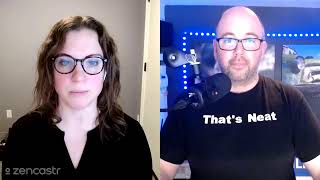
In this interview, Shaun Whynacht talks with Kelsey Johnson, Product Marketing Manager at AWeber, about effective email‑marketing practices and emerging trends. They begin by diagnosing common pitfalls such as over‑ or under‑emailing, buying lists, and treating email like social media. Kelsey emphasizes that email is built on trust and recommends a balanced content mix: two non‑sales emails for every sales email, delivering information, entertainment, or education before pitching. They discuss practical ways to learn what the audience wants—surveys, social‑media polls, and niche discovery—so that messages feel relevant. Subject‑line split testing, personalization, and emoji use are highlighted as high‑impact tactics, with a data‑driven, iterative approach. The conversation moves to list‑building, advocating a “newsletter hub” archive that showcases compelling past emails to attract the right subscribers, while acknowledging that not every prospect needs to be on the list. Kelsey outlines the next wave of email technology: interactive AMP emails that let recipients shop, vote, or scroll within the inbox, and notes AWeber’s roadmap for expanding these capabilities. Finally, she pitches AWeber’s strengths—24/7 in‑house support, 700+ integrations, ease of use—and explains the free tier (up to 500 contacts, landing pages, web‑push) versus the Pro plan needed for split testing and advanced segmentation. The interview ends with a call‑to‑action to try AWeber and explore its upcoming AMP features.
Chapters
So today I'm joined with Kelsey Johnson, the product marketing manager for AWeber, which offers email marketing, landing pages, automation, and probably a whole lot more. And Kelsey, thank you so much for talking with me today.
Yeah, thanks so much for having me on.
Now Kelsey, we know that we've talked in previous episodes on different topics, and you know, email marketing has been something that has been around for quite some time, and I know myself I use it. I help people use it. But a lot of clients just are feeling that they're not getting the return on email like they used to. And I think it's because they're doing some things wrong now that, you know, they could be doing differently. Right. You want to kind of express to us some of those, those mistakes that you feel or have seen people making in the current landscape with email marketing.
Yeah. So obviously, working for an email platform, I live and breathe email. I talk to everybody about their email problems. And there's a couple of main things that are coming up for people. So I think for the most part, you know, when especially when Facebook and Instagram went down, everyone went, oh my gosh, email, I need to make sure I'm doing it right. Like, okay, it's time to start sending emails. All right. I got my email software. I got my, you know, email address. Okay, what do I do? And then everyone realized It's totally different than social media. And here's what people are doing. They're either doing like a whole bunch all at once and then nothing. They're sending out way too many emails that are all sales pitches or with nothing in them. They're sending out too few emails. They have no idea who's on their email list. Some people try to buy email lists, which is just totally— it's against spam laws. It doesn't work. You know, but you want to feel like you're doing something right. And it's a, it's a very, very slow process. And then like you said, people are feeling like I'm not getting the return on this investment. It takes a lot of time. It's not very expensive, which is kind of nice. But it's like, you know, well, I'm not necessarily making sales from email. So today what I want to talk about with you is, you know, how to get started and how how to really like kind of start from the ground up on your system, on your strategy to do it the right way. And, you know, I do want to say every, every business is different. So if you start from this sort of ground up strategy, maybe you can recognize that you might even need to be spending a little bit less time on email, right? Or doing it the right way. So that's what I'm going to go over with you today.
This sounds perfect. So let's get right into it. Let's get some actionable items that people can write down, think about it and get going. But like what should, what does getting started look like if you've not done it before?
Yeah, well, first of all, let's talk about what email is versus some of the other platforms like social media, like YouTube, any of those things. Email is trust. Somebody is going to be very happy to follow you on Instagram and they might not at all want to receive emails from you. The people who are receiving your emails are trusting you to sort of give them good content, right? Because you read a lot of your emails. You don't look at all of people's social posts. You don't look at all of people's YouTube videos. But, you know, when something comes to your inbox, you at least look at it. You consider it. So it's about building that relationship with your audience. So you need to sort of start thinking about that. It's about trust. And so how do you build that trust? First of all, you You need to create a strategy. So what I say is think about your customers or your audience or whoever it is that you're— is receiving your emails and why. Do you write entertaining emails? Do you have fun graphics? What is it that you have to offer that's not a sales pitch necessarily, but that you can put in those emails, right? So there's different kinds of things like information about your business, right? I am on an email list for a brewery. I live in Denver. And I love this brewery. And so I want to know if they're closed, if they have new beers, if they've got music that night, if they're running a special. So that's kind of the information side of about your, about your business side. Entertainment. I know a lot of people who are at AWeber are authors and they'll actually write these like sort of little pieces of their own writing, try things out. Obviously it doesn't need to be polished like a book, but provide this kind of entertainment. Or you could even, you know, put your YouTube videos or put your social media in there. Um, or, you know, a lot, a lot of emails are about education. Like AWeber's emails all go out and they're, you know, here's our blog post, here's how to grow your list, here's how to do this marketing. Um, and so there's lots of different things that you can provide that aren't sales pitches. But to get that ROI, you need to actually make the pitch, right? Uh, so what I recommend to anyone, especially if you're getting started or if you're trying to like overhaul your process is to do 2 non-sales emails for every 1 sales email. So sort of earn that trust, build up that trust with your, with your customers, with your audience, and then pitch them on sales, you know, like every third time, say. Now that depends. I've done email marketing for a boutique in the past, and it's all sales emails because what people want to hear is, oh, We've got new sweaters and here's what they look like. Do you want to buy them? Click this. But for most businesses, especially the businesses who are struggling with email, it comes down to really providing that value first and then making the sales pitch, but making sure you make the sales pitch eventually or else you're not going to make a sale.
Yeah. And what I find is if you're thinking about kind of what are the questions that your prospects or your potential customers may be thinking problems they're trying to overcome? Like, what are those questions going through their head? And that becomes great content to put into emails.
Yeah. And one of the things that I think people are starting to increasingly do but haven't really been doing in the past is to actually ask, right? If you have an email list already, send out a survey or just ask a question and say, hey, what do you want to hear more about? What do you like about my emails? What do you like about my business? What do you like about me? What do you not like? You know, email, you know, email me back. Let me know what is it that you want to see from me? What information am I giving you that you already like? Send out a survey. You know, you can use SurveyMonkey, has a free plan, or even like a Google Form. It's really easy to put this stuff together, ask a few questions and get some really good information about like, I'm not just guessing, I'm not just sending emails out and hoping that they're useful, but I'm actually having my audience help me understand what to send them.
Absolutely. I mean, you've got, you know, the best source of information from, from your customers and your prospects that are there already. Why not use it?
Yeah. And you can do it in social media too. Like if you've got a Twitter account that's pretty active or an Instagram account, you can do polls. You can say like, hey, what's going on with this? Or question boxes like, hey everyone, how's it going? What do you want to hear more from me? What do you like that I give you? And sort of what I'm circling around in terms of a point right now is finding your niche. Now, that's like kind of a business strategy in general is finding your niche. People who are able to really find a good niche, it makes marketing so much easier. I'm sure you know this as somebody who does marketing for people. It's just like finding that niche is just amazing., but it makes it really easy for you to send out those emails too. So is my niche people who, you know, like fantasy books, right? In the, in the author example, uh, if so, you know, I can send them the books that I'm reading or, you know, some fan fiction, you know, like kind of these things that it's like, I might not like that, but this person's audience does because they've found that niche. Of people where they— that's exactly what they want to find. So if you can, through your social media and through questionnaires and even things like TikTok, right? TikTok's got this great algorithm that if you start creating content, you'll find out where the niche is that people really like that. And then you can use that to create the content that you're putting out in your, like, email newsletter, in your education. Entertainment, whatever, and find that niche. But yeah, it's something that not a lot of people are doing.
Yeah, yeah. Utilizing, you know, don't silo yourself in just in like, okay, I can only send out emails. It's not like, like a lot of people will think about it as like it's a one-way communication, right? It's like it's just me pushing stuff out, right? And it, it's not. I mean, for me personally, the best response I've gotten on any email just marketing my agency was 7 words, and it was, uh, What do you need help with? Was all it was. And people would, would respond with either, hey, you know, I got this project, let's talk. So I was getting sales from that. Or people would just say, you know, here's a challenge I have. And that became content for either a YouTube video or a blog post. Right? And it was very simple. Right? No real design behind it. And it was easy. It came in fast. People could just hit reply and tell me what they were thinking. Right? You don't have to get so in-depth with it. And I'm gonna bring up a word a little bit later that is really kind of my my pet peeve when it comes to people thinking about email, but we'll get to that in a second. Now, I guess, what would you say is like great tips for getting people to open your emails? Right? Because we get inundated with, with so many emails into our inbox.
Yeah, well, I mean, starting with the niche and starting with, you know, earning the trust of your customers, and, and your audience or whoever it is that you're sending these emails to. Um, the best thing that I think you can do to get people to actually open your emails, other than, you know, not buying lists, not spamming people in general, because then you'll just— Gmail will just send you always to a spam filter or something like that. But what it really comes down to is testing. You know, I'm a writer, um, I have a degree in English literature, which of course makes me nowhere near good at marketing writing. I had to completely relearn that. Um, but I don't know what people are gonna like until I try out two different things. So doing a split test, right? And I think the best place to do a split test, especially if you, uh, have a smaller list, is in that subject line. Try out emojis, try out personalization, right? You can actually pull in somebody's information, and everyone knows this because you've seen You know, hey, Kelsey, I noticed you need whatever. So we know that people are able to do this at scale. But yeah, pull in their first name, pull in their location, like, hey, what's going on in Denver? Pull in some of that personalized information and see if it works. Don't assume it works. Don't read a blog post that says, hey, personalization works. Try it out on your audience and try it out by trying two different things. And seeing which works better.
Absolutely. Data drives all decisions.
Yeah, it's, it's not, you know, it's the less fun, kind of less sexy part of it. But what it comes down to is then once you know, okay, emojis work better than non-emojis, or a really short subject line works way better for my audience than a super long one, or, you know, I don't know, all caps. I'm not a huge fan of an all caps subject line, but maybe your audience is. And once you know that, you can keep iterating on it. So the next one you send out, you can learn from that, and you will slowly find that you know exactly how to talk to your audience.
And I think it's fair that it's always evolving. I mean, if you find something that's gonna work and you just keep doing that, that's gonna start to just blend in, and it may not work 6 months down the road, right? You have to change it up because it becomes something that other people either starting to trend and do more of.
Yeah. And I think that we're kind of starting to emerge from this a little bit, but a lot of people, especially in marketing departments, have this mentality of, well, we need to get a newsletter out and it needs to go out every week or every month or every other week. And they forget that like people now have that mentality of social media. They're getting your emails and they might be reading your emails, but they still have the, like, I'm not seeing the same thing on YouTube that I was 6 months ago, why would I want to be getting the same emails from you? Or, you know, I'm not seeing the same trends on even like Reddit or TikTok that I was 3 months ago. So why would I be wanting to get the exact same types of emails? Like, you can keep these things fluid. You can try out new things, and you might find that that's what resonates with your audience better.
Absolutely. Now, you said the word— you beat me to the word of the thing that was my pet peeve is this, this word newsletter. Especially when you've got a new business starting out and that's immediately what they go to is like, sign up for my newsletter, right? Like, and I always challenge somebody to say, why? What's the value in that? Like, give the newsletter, right? A brand, an identity, a purpose, right? A utility in somebody's life. And that's what they need to subscribe to. They're subscribing to what they're gonna get out of it, right? They don't care that you have a newsletter. I don't know who said it, but somebody said, you know, nobody wakes up every morning saying, oh, I can't wait to subscribe to another newsletter.
I'm so happy. Yeah.
So with that, I mean, like, what are your thoughts on getting people to, you know, get on your list, right? To build that list versus you just, you know, somebody sends you an email and suddenly you put them into your CRM and you start blasting them out your content.
Yeah. Well, the first thing I want to say is it's— you should manage your expectations. With anything in marketing, the ultimate goal is sales, right? So if somebody doesn't want to buy anything from you from receiving your emails, it's okay to not have that person on your list. Maybe they're buying stuff from you via Instagram. Like, maybe you've got a young audience and they want to buy stuff directly from your social media or from your, like, you know, Linktree or whatever like that. It's okay to not have those people on your email list. You can't you don't have to keep like just pushing them to do it. But, you know, talking about sort of equating email and social media, I think one of the best things you can do, there's now functionality in, in AWeber, but in a lot of these email platforms that allow you to show your previous emails. We call it newsletter hub. You can kind of think of it like Substack has something like that too, but it's basically like a list of your previous emails. So one of the best things that I've been recommending for people for growing their list is to make sure that you build out that archive, as it were, with emails that you think are compelling. You know, start with that strategy that we were talking about. Start writing emails that are actually interesting and compelling, but put them into that kind of archive and share that in order to get people signed up, right? Say not just sign up, trust me, it'll be good, but Here is what you will be getting. Do you like this? Okay, sign up for it. Um, and that's actually one of the best ways you can start to grow your list with the types of people who should actually be on your list, who are actually inevitably, they're going to open your emails, they're going to click on your emails. Inevitably, they're going to make purchases from you. Um, or in the case of the people who already have, maybe they're going to refer you to other people. Maybe they're going to, you can upsell to them or, you know, make future purchases. Happen through email. But I'd say the main thing is just manage your expectations with it, you know, ask, make the ask, share on social media, tell people why they should be getting your emails, right? Because they'll get all your content instead of being stuck in an algorithm where they might not get every single piece of content every single time. But at the end of the day, let the people who don't want to be on your email list not be on your email list too. That's kind of, that's kind of okay, because What we really want is sales.
Now, one of my questions I was curious to ask you about when I knew you were coming on here was, where do you see like the current trends of emails going? Is there, is there like a shift happening? Is there something that's new coming out? What are you seeing in the, I guess, in the market and what people are doing that, you know, is going to kind of change that, that view? Or is it, is it still the same thing it's been for the last 5 years?
No, there is actually a lot of cool stuff coming up. So the main thing that's happening with emails nowadays is interactive email. So an email that you send out where somebody can actually make a purchase or click on a poll and see responses or engage with the email, like click through a carousel or something like that within the email itself. Right. So, you know, this is happening through something called AMP for email, which is a little bit of a, you know, techie thing that's kind of slowly emerging right now. But it's the kind of thing where in maybe 3 to 6 months, you are going to be able to take your entire Etsy store and put that into an email and allow somebody to navigate it, to search through it, to make a purchase there. To basically go through your entire sales process without leaving their inbox at all. And it's just, you know, it's the kind of thing where like you just shorten that funnel, right? Every time somebody has to click to a new page, you have the opportunity to lose them. But if you already have their attention on the email, you just stand to make that sale so much faster. And it's fun. You know, people like that engaging factor. People have become used to it on other platforms. People want to be entertained. Right. They don't just want to be sold and they don't— people don't really like to read that much anymore, to be perfectly honest. Maybe the exception is that author who has a list. But for the most part, people want to see fun videos or pictures or anything like that. So any more and more things are going to be able to be engaged with directly in the email itself without having to move to a different platform or browser.
Now, obviously, your knowledge of this is current, is this something that AWeber is working on?
Yeah, so we do have AMP for email capabilities, and we're actually working closely with Verizon on their— you know, there's the element of being able to provide it on the email service provider like AWeber, and then there's the element of the place where you're sending it to also needs to have that capability. So that's something that right now I think Gmail has it, uh, but I'm not sure about Apple Mail actually. Um, but Yahoo has just, um, sort of decided to make that capable on their platform as well. Um, and in AWeber itself, uh, we have a small amount of capability for it. You can do a carousel and have somebody scan through that right now. You can pull in an RSS feed actually, which is, uh, you know, kind of useful if you want to just always show your most recent blogs or podcasts or, or trigger something based off of that. That's all available in AWeber, but we are going to start growing it in the next 6 months into something that's more purchase-oriented so that you can actually pull in sales directly into your email and make that happen. And please, you know, if your audience— if anyone's interested in being like kind of a beta person for that or trying that out, we can build that for you. So please reach out to me. I'd love to introduce you to our tech team who's currently building out those AMP for Email emails, but just sort of on the backend. But we're so excited to make that available just as like a drag and drop into your builder.
Absolutely. It sounds really cool. Now, tell me, like, quick little pitch here, what makes AWeber Great.
Um, there are a couple of things that I think that make AWeber really great. First of all is our support team. Our support team is all personally trained in-house, backed by actual developers, and they are just unbelievable. They're available 24/7. Uh, they know more about AWeber, email marketing, everything than I do. You know, like they're just so, so intelligent. Everybody loves them. Um, the— we are— have like over 700 integrations. So if you're the type of person that doesn't like to manually move things around, or you want to make sure that wherever it is that you are capturing subscribers, they're just automatically going into your email list, chances are we've got a native integration with them. Um, and AWeber's, you know, I— in my experience, one of the easiest to navigate, easiest to use email platforms. Um, I've certainly used other ones in previous jobs and just getting around and trying to figure out how to, how to get done what I'm trying to get done can be complicated. So those are my, you know, my main favorite general things that I think people tend to like about AWeber.
Now you guys have a free version, as a lot of software companies are offering. What are the limitations of that and what's the benefit of getting that free version?
Yeah, the free version you can get if you have fewer than 500 subscribers. And I highly recommend just grabbing that and trying it out. There is so much on this free version of our software. There's landing pages, unlimited landing pages. You can actually create sales pages, which we didn't get into today, but you can integrate with Stripe, create an actual full-on sales page on AWeber that has like way lower fees than if you were going to do like Patreon or Etsy or something like that. So that's kind of cool. Web push notifications, which some people absolutely love. Not a lot of people use them, but totally available on our free plan. And most of the email automation functionality, the limitations are, you know, if you want to do that split testing like we talked about earlier, you need the pro plan, which is just $19.99 a month. Or, you know, things like advanced segmentation, some advanced reporting, or like I said, if you hit that 500 subscriber count. So if you do have a bigger company, you'll have to go for the Pro plan. But, you know, I always recommend just hopping in there, getting a free account anyway, seeing if, you know, it's like a little bit easier than the platform that you're using right now, or maybe more affordable.
Absolutely. You just go to aweber.com. It's right there on the top. It says get AWeber free.
So yeah, go try it out.
Yeah, I'm gonna check it out. I, I'll, I'll be honest, I've never tried AWeber. Um, you know, I've tried a lot of other ones, but that's one I've not tried yet. So I'm going to do that and just see how the how the platform works and, uh, sure, maybe put together a YouTube video about it too.
Totally. And for people who have tried it in the past, uh, in the past 2 years, we have overhauled this platform. Now AWeber started in 1998, so it's a longstanding platform that maybe a lot of people have tried in 2010 or 2015 or, or even before that. And I recommend to any of those people, try it out again. There's so much more functionality that we've built in the last 2 years and it's pretty fun. So and again, let me know if you want to try out that AMP for email. I'm @KelseyColorado on Twitter. So that's where to reach me.
Perfect. Kelsey, thank you so much for sharing this information with us today.
Yeah, thanks for having me on.
More from Shaun


Julie Vanexan recognizes Shaun Whynacht from Blue Cow Marketing at the Nova Scotia House of Assembly








