How To Enhance Your Customer Experience
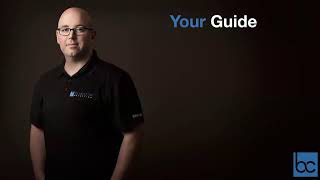
In this hour‑long webinar, Shaun Whynacht walks business owners through a comprehensive framework for improving customer experience (CX). He begins by defining CX and its four pillars – brand, customer, process, and messaging – and stresses that every element of a business (logo, physical space, website, phone etiquette, packaging, etc.) contributes to the brand perception. Using the StoryBrand methodology, he shows how to position the business as a guide rather than the hero, crafting a clear story that resonates with customers. He differentiates customer service from the broader CX, illustrating how every touch‑point (pre‑sale, sale, post‑sale) must be intentional and emotionally engaging. He introduces the concept of perceived value and explains how emotional connections, consistent processes, and personalized experiences raise that value. Whynacht then maps the consumer learning pathway (cognitive, constructivist, experiential) to buyer temperature (cold, warm, hot) and outlines how to move prospects through the funnel with appropriate content and experiences. He presents a four‑step CX strategy: define a customer‑focused vision, build detailed personas, create emotional connections, and capture real‑time feedback. Throughout, he cites research (American Express, Oracle, Harvard Business Review) that links superior CX to higher loyalty, revenue, and willingness to pay. The session concludes with a brief, non‑salesy promotion of his firm’s 6‑month, $10,000 CX consulting program, offering a free consultation and mentioning government grant options.
Chapters
Alright, and welcome to today's webinar. My name is Shaun Whynacht. This webinar is about enhancing your customer experience. Now we are using Zoom to host this webinar. Now the Zoom that we're using is not an actual webinar platform, it is a meeting platform. So like I mentioned, if you've got your microphones on, you can mute them, which everyone has. And if you are watching the replay of this, then you don't have to worry about that. It's just a video file from that point. So this webinar today is going to be talking about customer experience, and we're going to be covering a bunch of different topics throughout this, giving some real examples. But we really want to talk about first is the focus of today. How is today going to lay out? What's the content going to be in this session? So what we're going to be focusing on today is really 4 areas: your brand, your customer, your process, and your messaging. And what I put in here is focus on you because I want you to spend this time thinking about yourself and your business. Now we're gonna have multiple people that are either watching this or attending this who are at different places, whether they're employees of a company or they're even the business owner, but whoever you are, today is just thinking about you. So turn off all distractions, mute your cell phone, close the office door, do whatever you need to do to get focused on this. All right, now 99% of this webinar is all content. It's all about educating, learning, and reflecting internally with that. At the very end, I'm gonna talk a little bit for about, probably about 3 to 4 minutes about what we do here at our company and how we help clients work. So no pitching throughout, just if you stick with me to the end, we've got a little bit of a quick shameless promotion at the end. So I'll make you aware of that. So let's first start with your brand. Okay, now a lot of people when they think of brand, they immediately think of, okay, it's my logo, right? And while a brand is, is part of a whole big picture, your logo is just a small portion of that. Okay, so when you think of your brand, it can be as down to everything from, you know, the way you answer the phone, to the way that you package your products, to Obviously what your website looks like, what your Facebook page looks like, all that kind of stuff, your vehicle decals, everything, okay? And I've got a bit of an exercise we're gonna do here right now that I want you to think about. I got a bunch of different brand logos from pretty much well-named brands. I think everyone on this webinar is going to understand who these brands are when they see them, but I want you to think as soon as you see them of one or two words that pops in your head when you see this logo. Okay, here's the first one. McDonald's. You know, maybe some words come to mind like fast or family, right? That's what they, they want to do. They're in the fast food business and they're based around family, and that's their whole idea with the brand. And you're going to see in a few minutes, or a few minutes, what I mean by the reason why we're doing this. This one here, Walmart. Maybe it's value, right? Price. Those are some of the key things that Walmart is trying to get across in their brand. How about Mercedes-Benz? A different type of demographic. Maybe it could be classy. You know, for some when they see this, they may think expensive, right? And if you've got a product or a service where you're, you're really a prime pricing model, you know, you've got a really high-end product that sells for higher than average, then you gotta do differently in getting that value across. And we'll talk about how to do that as we move forward. How about this one here? Starbucks. You know, when I was putting this presentation together, you know, the words I put down were, you know, special, made my way, customized. And for some it may be elite, right? Their target is not people who go to Tim Hortons, right? It's not the price-conscious people who just want coffee for coffee. Right? Nobody probably goes to Starbucks and says, "I absolutely love the coffee." Right? They love the experience, and that's exactly what Starbucks is selling. How about this? Amazon. Convenient might be a word that pops up. Honda. Quality. Maybe dependable. Okay, these are some keywords that will pop up. Now, as much as your logo is part of your brand, when we talk about the customer experience, you know, if you've got a brick-and-mortar store where people come into, or you've got an office where you meet people in, that's as much of the brand that you're going to impact in that customer experience. So look at this right now. This may be a little blurry on your screen, but you got two different shopping experiences. On the left side, you've got the Apple Store, right? Everything's clean, concise, neat, right? It's the experience when you go in there. Everything is laid out, things you can touch and so forth. On the right, you've got a gift shop, I guess you would call it. It's very cluttered and very together. People who like that clean experience on the left-hand side may be uncomfortable on the right-hand side, right? You need to make your, your shopping experience speak exactly to the type of demographic that you're dealing with and the people that you are targeting in your business. Now I talked about your office, right? Here's another example. If you're, let's say, a financial professional, or you are somebody who is in a more professional field, a chiropractor, you know, maybe even a travel agent or anything like that. If you're bringing clients into your office, then if you're going to the office on the left-hand side, it's very cluttered, it's disorganized, right? It doesn't really exude confidence. And another thing in here, when you look at this picture on the left-hand side, the monitor is right in front of where the person would sit between the two of them, right? So that's kind of in the way. So things like that, right? These are parts of your brand that a lot of people don't consider. Waiting rooms., right? When you come into an office, you know, what's that waiting room experience? What's the parking experience like? These are all important things when it comes down to your brand. Your website, right here we got two examples of websites. You know, the left one most likely is not mobile responsive, which means if you brought it up on your phone, it wouldn't work really that well. And the one on the right-hand side is very clean and professional, and that one is a mobile responsive website, right? The majority of people who are searching now for websites are doing it on a mobile device, right? They're not doing it from a desktop. They may later come back and go to a desktop, but most times when they find you, they're getting it from a mobile device, whether it's a phone or a tablet. So we need to make sure that experience is easy for them to do that. So I ask you this, when you're thinking about your business, Why you? Why you and not somebody else? Meaning not you or your competitor, right? Now, I don't know what business you're in, but if you're a financial advisor, maybe you've— or you're a, you know, you're a detailing business, or maybe you've got a gift shop, okay? I bet you you have competition and there's people out there, but why you? Okay, that's something to think about. What makes you different? I mean, if you're in a commodity business and you sell widgets, and you've got 5 other people in the community that sell the exact same widgets or same type of widgets, you need to differentiate yourself from everyone else. And one of the key ways to do that in your marketing is this, and that's not become a superhero, but it's who is the hero in that story. We tend to, when we market our business, spend so much time talking about us, right? This is who we are, this is our history, right? The reality is that the consumer, when they initially are trying to figure out a solution to their problem, they don't care who you are. All they want to know is, can you fix the problem I have? Right? So we tend, when we go out and we do our website and people come to our homepage, we spend a lot of time putting on a picture of our business or here's our bio and things like that, when in reality, that's not what people are looking for. They're looking for them to be the hero., and you need to position yourself as the guide. Okay, now if you're familiar with some of the iconic movies that are out there, The Karate Kid, Rocky, Lion King, all of these movies have guides, right? You got Mr. Miyagi from The Karate Kid. He was the guy that taught the Karate Kid how to do what he needed to do. Mickey, you know, the coach for Rocky, he was the guide. The hero was The Karate Kid, it was Rocky, it was Simba. Right, Mufasa being the guide in that. You and your business need to be the guide for your customer. They have a problem, you have a solution, you're going to guide them to solve that problem. And the reason that I like to emphasize this with movies is because it all comes down to one thing: the story. We are ingrained as human beings to be attracted to stories. We want to hear a story, we want to follow the story, we understand the idea of a story, and our business and the way that we market our business is no different than that, right? We need to build our brand to tell a clear story. So this little graph here was borrowed from a book that I'm going to reference here in the next slide, but it lays it out really quite well and it walks through a character, a problem, right, and so forth. So we're going to walk through this here. Your customer or your prospect or your prospective customer is the character, okay. They have a problem, either, you know, if you're a clothing store, maybe the problem is they don't have any updated clothing or they need new clothing or whatever it is, right. But whatever it is, they have identified that they have a problem. That's why they're looking at what you do, okay. And then that problem along their journey, they meet a guy who understands their problem or their fear. You are then that guide, and your ultimate goal here is to give them a plan. Okay, it doesn't necessarily mean it's a written plan. It could be a product, right, or a service, but that plan is that service. Okay, and then you call them to action. So if you have a problem I understand your problem. I have a solution to your problem. Let's put this solution in place to solve that problem, right? It sounds really simple when you put it that way. And then in the end, right, it's either they take the action, solve the problem, right? You have it written here as comedy, right? Something good happens. Or they ignore it, don't take the action, and a tragedy happens. Right, there's really no other way around this, but that is exactly what we need to do in our business. And the best way to understand this is by this book right here. And I've just finished listening to the audiobook format. The printed book, um, you can get that as well, but it's Building a StoryBrand, and Donald Miller lays it out extremely well in this book. If you want to get your hands on it, I strongly suggest, as any business owner, that you should take a moment and you should write this down. Buildingastorybrand.com, that's where you can get that book. There's also a free online software that they give you access to that'll help you build out your story brand, but this has been an integral tool for us in our business here at Blue Cow Marketing, but also in all new clients that we work with. We strongly suggest they take this path and at least read the book, right, or get the audiobook, whatever it is, okay? So that's understanding your brand and the importance of it. And we can go more in depth and throughout our, you know, our long-term training and our consulting with our clients, we dig really deep into the brand and figure out a bunch of different experiences that their clients have and all that. We're just gonna touch on a lot of that today in a very high-level format. Next is your client and your customer. Now I'm going to ask you, do you know who your customer is? Right? Do you know who they are? Now I ask this question a lot when I'm out doing workshops. And I say, you know, who is your target customer? And you'd be surprised how many people will say when you ask them, well, everyone. Well, that's really hard to market to somebody if everybody is your target. Because when you try to market to everyone, you're actually in fact marketing to no one because you can't narrow it down. You can't get your message very specific. And also, what problems, fears, opportunities do these customers have? What is it that they're thinking about? What questions are they asking themselves that lead them to coming to your business or coming to your service or coming to want to buy your product? Okay, what are the problems that they have? Because once you understand the problems, once you understand the questions they may be asking, the things that are keeping them up at night, you can start to then write compelling content, right? This is content that may be done in ads, it could be done in videos, it could be done in social media posts, It could be done in website copy, it could be done on business cards, but what you need to do is answer the questions they have going on in their head, and then they're going to listen to you. I love this graphic. No, I said I wanted compelling content that would make people interested in our product. This is just marketing. And that's what we do. We, we tend to focus a lot on, hey, you know what, we need to be doing more marketing, right? But what we don't spend a lot of time doing naturally, just because, you know, it's not that you're doing things wrong, it's just because you didn't know. But we tend to spend a lot of time saying, you know what, we just need to get more marketing in place. Well, what is marketing, right? Marketing is spreading the message, but what is the message? And that's what I want to get people to understand, is that we need to figure out what that compelling content is that tells our effective story. Okay, so there are 3 types of problems that you need to solve in any type of marketing that you're doing. Okay, the first one is an external problem. The second one is the opposite of this, it's an internal problem, right? So most people will figure out the external problem. A few people will figure out, you know, okay, there's an internal problem. And they'll market to that. But where you really excel is in figuring out this one, the physical, the philosophical problem. Okay, these are the 3 types of problems that you need to address in any type of advertising, any type of marketing that you do to start to catch the attention of new customers and even existing customers, especially if you've got other products down your product line, down your product chain. These are the things you need to talk about. I get an example here. We do a lot of work with financial advisors, so this is an example I'm going to show you. Okay, so the external problem is I'm in debt. Okay, my external problem— this is something that somebody could, could see from the outside, right? You know, if you're a debt consolidator or you're helping people with finances and they come to you, it's most likely because they're in debt. Okay, so the internal problem they have is I don't know how to reduce my debt, right? That's their internal problem. And then the philosophical problem is, you know what, I work hard and darn it, I deserve to live the life that I want, right? And that philosophical problem, if you can hone that and figure out what that is for each of your products or services or to your customers, and you talk to that in the different type of copy that you write or the ads that you run, you will catch the attention of people more so than your competitors who are trying to sell the exact same thing. And that right there is what we focus on a lot in the work that we do with our clients, is filling out or finding out that philosophical problem that the clients have. And it all comes down to experience. So when I talk about why you, you need to figure out the philosophical problem, but what makes it different? It's the customer experience. And I'm going to tell you this story right here. Now, if you've ever seen anything else that we've done here, I've told this story at live events and I've told this story in a couple other videos, but I'm going to tell it again here. I grew up with, you know, I grew up with my grandparents. My grandfather passed away when I was, I think I was 6, 6 or 7. I don't remember exactly, but he had a TV repair business and it was in our house. And I remember going out and sitting in his shop, helping him— well, I guess not helping him, but sitting there while he repaired TVs. And the one thing that I always remembered was that when the TV was done, people didn't just come and pick up the TV, he would deliver it back to their home. And it wasn't that he would just show up at the door and say, oh, here, Mr. Johnson, here's your TV, here's your bill, see you later. No, we would go in, we We would deliver it, we'd take it in, we'd set it up, but we would spend upward of an hour to 2 hours there. And it wasn't that we were there talking about the service that was done, it was that we were part of the experience, and he was more so. He knew each and every one of their clients, that he had this friendship, this bond, right? So it just led to being on site for that much time, right? And that was part of the experience back then. And that story sticks with me because that's the type of stuff that I try to put into my business, is that my customers are not just numbers in my database, right? These are people that I know and I get to know, all right? We build long-term relationships, and that's what we need to do. We— people need to feel special, right? You look at that Starbucks idea, you know, people go in there because they feel special. It's customized. And there's ways to help you keep your information organized so that you can help enhance that experience and make it seem like you know more about both clients, especially if you've got a high level of clients coming through. You know, we've got other clients who, when somebody comes in for a meeting, they ask them what they want in their coffee, if they want coffee or tea, and then they note it. They put it into their CRM, so the next time they come in, they already know what their preferred drink of choice is for the next meeting, and they just provide it to them. Right, it's a customized experience, and that's where you need to really focus in your business, is all about customer experience. And we'll show you here how this all plays out. This graph right here, the most exciting business opportunities, outlines, you know, 5 different areas that you could focus on in your business. And it's no surprise that customer experience is the highest. Right, in fact, companies who successfully implement a customer experience strategy, they achieve higher customer satisfaction rates. They get reduced customer churn, that's people who are leaving the business and not becoming customers or repeat customers, and ultimately it turns into increased revenues. Okay, but furthermore, research by American Express found that 60% of customers are willing to pay more for a better experience. And think about that. If you're in that commodity business and you're selling the same thing as somebody else, how do you be different? You do it on the experience side. They're going to pay 60% more for the exact same product or service if the experience is better. Right, so what is customer experience? Well, customer experience is defined by interactions between a customer and a business throughout that business relationship, right? And then an interaction— I can't speak— an interaction, it can be anything from awareness, right? So they see your logo, they see your ad, right? They, they hear somebody talking about you. It could be discovery, and you know, that's them going and looking into your business, right? They come across your website, your Facebook page, and you know, they're seeking you out. Cultivation, advocacy, the purchase, and the service. Right, I, I don't know how many businesses I see that spend so much focus and energy to get the sale, and as soon as the sale finishes and completes, they're on to the next one. They forget about the client, right? The service just falls off, right? The automotive industry has already picked up on this. When I purchased a new vehicle, you're then handed off from the sales team to the service department, and that's where that relationship continues and fosters, because they understand that if they service you really well, when it's time for another bit or another business, another vehicle, you're going to take your business there versus that the person who, who doesn't give you the service, or somebody you know is looking for another vehicle, they're going to refer you. So it's that service keeping people engaged, right? This customer experience, it's an integral part of a customer relationship management or CRM, right? We are a representation or representative of Infusionsoft. That's one of the CRMs that we put into place for our clients, as well as ActiveCampaign is another one. And it's the reason why it's important to become a customer, or it's important, I can't even speak here. It is important That because a customer who has a positive experience with the business is more likely to become a repeat or a loyal customer. Okay, this graph here talks about this, the exact same thing about that customer loyalty, customer experience and loyalty. 74%, right? This study was done by the company called Oracle and they found that 74% of senior executives believe that customer experience impacts the willingness of a customer to be a loyal advocate, right? This is where somebody then becomes a self-involved sales representative of your business, okay? They're the ones out there telling, hey, you know what, you know, I need to go and refer everybody to, to this business because I had a great experience. They're awesome, they take care of me, they understand me, they get me. It was, it was It was the best experience I ever had. You need to go check them out. And that's exactly what you need. 60% of customers have more power today than 3 years ago. Right. You realize that when people come to your business, whether you're a service or a product, they are more educated about what it is that they want to buy, what the competition is, what their options are than they ever have been because of the internet has made it extremely easy. So we can get We can't get caught up on these sales gimmicks and trying to blow all this smoke and things like that because people will see through it. We need to give true, honest, awesome experience. Okay, and the other two stats there are 59% customers switch brands due to poor experience and 40% of customers are willing to pay for better experience. Okay, so let's look now at the difference between customer service and customer experience, because I know when I throw out the word customer experience to some people, they say, oh yeah, well, we do customer service. Well, you know, in most cases, a customer's first point of contact with the company is usually through interacting with an employee, right? So it's either by visiting a store or speaking to someone on the phone, right? And this gives your business an opportunity to deliver excellent customer service, right? If they're calling with a question or they're coming into the store the better experience from a customer service standpoint, the better it is out of the gate to enhance that customer experience. Now, however, customer service is only one aspect of this entire customer experience. For example, think about this: if you book a vacation on the phone and the person you're speaking to is friendly and helpful, you know, that's good customer service. Yet if your tickets arrive early and the hotel upgrades your room, then that's a great customer experience. OK, that's how the two are different. We need to figure out in our business how we can do customer service and how we can do customer experience. OK, like most things, most things in today's market, customer experience has changed, right? Just like marketing has changed, right? It's more than person-to-person service, you know, and thanks to technologies, you know, We have softwares that allow you to connect with your customers, you know, text messaging. You see that in the real estate market, we implement text message for a lot of clients. You know, if you've got a product that needs some explanation or more information, getting them the information when they need to, right? So when they come to your website, you know, maybe there's an opt-in there for them to get a free guide or a white paper, something you developed that gives them the information they want more in depth, right? And allows you to nurture them and educate them along the way. You know, and with tools like Infusionsoft or other CRMs that are out there, you can now view your customer's purchase history. You can predict their future needs, you know, before the customer even knows they need it. You know, having this ability to protect the future, predict the future needs, will let you be more proactive and attentive. And you know what that means? That you can do things like provide related products based on purchase history. You know, you can create and deliver targeted email marketing campaigns, and you really ultimately understand 360-degree view of that customer. You know, that is extremely important in today's world. Next is your process. Okay, what process do you have in place? And this doesn't mean you have to have this very deep elaborate process. You just need to make sure that the way you do things is consistent and repeatable. And if you are a solopreneur, You know, you, you're the only person in the business. You know, I have been a solopreneur for many, many years. It hasn't been until the last year that I've started to expand my team, and now we've got 4 key team members, you know, you know, 1 in the US, actually 2 in the US, and 2 more here in Canada, and myself, right? So I guess we're at 5. But it wasn't up until then that we didn't have a process in place to move 3 people through our business. And if you don't have a process, you can't bring somebody on board and have a consistent customer experience because you need to be able to say, here, here's our process. Okay, so I put this in here because I wanted to show you 4 easy ways to create a customer experience strategy. You need to create a clear customer experience vision. Okay, so the first step in a customer experience strategy is to have a clear customer-focused vision that you can communicate within your organization, right? Even if it's just you, you can communicate it to yourself. Or if you're talking to somebody about your business, you can say, here's our customer-focused vision. You know, and this— the easiest way to just define this is to create a set of statements that act like guiding principles in your business. You may be thinking, what do you mean? So I'm going to give you an example. Most people know the company Zappos, right? They sell shoes online. So Zappos uses their Zappos Core Family Values, and these values are embedded into their culture, which include delivering wow through service, being humble, and embracing change. Okay. That's one of the key things that they have, right? It's wowing, right? They do an excellent job at customer service and it creates an excellent customer experience. You know, once these principles are in place, They will just drive the behavior of your business. Every member of your team should know these principles by heart, and they should be embedded in all areas of training and development. Okay, and even that's in yourself, right? I use the word team in here, but if it's just you, it just means that if you are going to be investing in yourself and going out to conferences and different types of training, make sure that that is in tune with the behaviors and the values of the business that you want to develop. Okay, understand who your customers are. The next step in building out this customer experience principles is being able to bring life to the different types of customers. You know, if your business is going to really understand the needs and wants, you need to be able to connect and empathize with the situations that your current customers face. Now, one way to do this is to create customer personas, right? And we do this with each one of our customers. We call them avatars, right? And we give each persona a name and a personality. You know, for example, you know, Anne is 35 years old. She likes new technology and is tech savvy enough to follow video tutorials on her own. Okay, this is in our business, right? Or John is 42, but he needs to be able to follow clear instructions on a web page. So I know that if I was doing video tutorials and I was delivering a product or a training to a client and I was gonna send the video tutorials to John, he wouldn't be able to follow it. He needs written website instructions. These are some of the key things. Or in the buying cycle, we look at maybe it's a mom who's 28 to 39 years old and she's really busy. So in some of the stuff that we would market to them, maybe speaking to the family side of things, right? Understanding that time is of value to them. It's in short supply. So we're using some images that they can relate to, right? We figured exactly what every persona is, and every business may have 1, 2, they may have 10 different personas, and a product may have several different personas. But that's really the granular details that you can take it to. Now, if you're sitting there watching this and taking notes, don't say to yourself, OK, I have to have this all in place before I can do anything. No, you don't. Right. This is where you work towards. Now, once you get your process in place and figure out what that experience is supposed to look like, then we start to build those personas. And those personas are really good from a marketing standpoint, which we'll talk about in the last part of this webinar. Next, we're going to create an emotional connection with our customers. You know, you've heard the phrase before, and I'm sure you have many times, it's not what you say, it's how you say it. Okay, well, the best customer experiences are achieved when you create an emotional connection with your customer. And one of the best examples of creating emotional connections comes again from Zappos. You know, when a customer was late at returning a pair of shoes due to her mother passing away, you know, Zappos found out what happened, right? They found it out just through some communication they had with this customer, and they took care of the return shipping, and they even had a courier come pick up the shoes without cost, okay? But it didn't stop there. The next day, the customer arrived home to a bouquet of flowers with a note from Zappos customer service team who sent their condolences. That right there was connecting to the emotional side of the customer, right? Look at WestJet, look what WestJet does here in Canada. Every time there's a tragedy, every time, you know, at Christmas time, they are doing it through their experience, through their marketing, to connect with their customers. And research by the Journal of Consumer Research, this statistic I really like, has found that more than 50% of an experience is based on an emotion, as emotions shape the attitude that drives decisions. Think about it. If you were having a bad day and you went into a store, you're gonna find more about negative stuff than you would about positive stuff, because it's the emotion that you're experiencing at that time. So emotional connections are key. And maybe it's, it's, you know, needed that you need to put your employees through, you know, some emotional intelligence training, right, to get them connected with the way that people communicate with their emotions. You know what, customers become loyal because they are emotionally attached and they remember how they feel when they use your product or service. And a business that optimizes for that emotional connection outperforms any competitor by 85% in sales growth. That was a study done by Harvard Business Review. 85% of people that understand the emotional side of their clients and what they're connected to will have 85% increase in sales growth. And lastly, in these 4 steps, capture customer feedback in real time. You know what, how can you tell if you are delivering a wowing customer experience? The only way is to ask, right? There's no other way. You need to ask. And ideally you do this by capturing feedback in real time, right? Post-interaction surveys can be delivered in a variety of ways. There's automatic, automatic tools like emails, even calls. And of course, even the possibility of making an outbound call is really a great way to get insightful feedback. But They need to be timely, right? I absolutely hate it when you get a survey that says rate us on a scale of 1 to 10 from this, and there's like 15 of them. Every time we build customer feedback for our clients, we make it an open-ended form. Tell us about your service. Tell us about the experience, right? It's just a big text box because when people are pigeonholed to then say, okay, on a scale of 1 to 10, their 7 is different from the next guy's 7. Right? And the way that you read a 7 is different from the way they intended it to submit. But if they said, "Hey, you know what? From the moment I came in there, it was a great experience and Joe did a great job. He helped me and so forth. And then when I came through and I had service, I mean, Sally was an amazing service representative." They're gonna be open and honest with you and gonna tell you exact experiences that way. So make sure that you have things in place for capturing that type of feedback. All right. As we roll through this here, I love this topic here, perceived value. And we look at differentiating yourself even more from experience is around price, right? You know what, you can go and you can buy a— let me give an example. Looking out my window here at our company truck. So let's say I'm going to go buy tires, okay? You know, I want to buy a pair of Goodyear tires for my vehicle. Now I can go around, I can shop on price. If that is my main thing and I'm only set on price, then by all means, if I can buy the tire that I want at a cheaper price, I will. Okay, but if there's a value there, right, perceived value, which means what do I think a set of tires should be for my vehicle, I have a set price in my head. And every single client, every single customer that you have has a preconceived value that they will pay for your product or service. And the more that you can do to raise that perceived value, the more open they are to pay that premium price. I love showing this example right here. This lamp right here. Now, if you're a fan of A Christmas Story, you'll kind of connect with that. But what— just think in your head, what would you pay for this lamp? I guarantee if I ask 10 people this, everybody would have a different price. Okay. Now, if this price tag was set for $30, maybe you're like, hey, I would pay $30 for that. But if it was set at $200, maybe you're like, whoa, that's way too expensive. But to the right person, then that lamp, if they say, hey, I would pay $200 because they like the lamp and they're connected to the reasoning behind it. And maybe you found out that it's a limited edition lamp and there's only 10 of these in the world. And it was one of the set pieces from the Christmas Story movie and they had 10 made, the value goes up. It's still a lamp, it still turns on with the light, but now you're building the value behind it. This here, car detailing, shampooing cars and the seats. Now if you have a family and they're messy and the kids are spilling stuff on the seat, the value of getting a car detailing once a month for a year is far more valuable. You perceive the value of it to be more than somebody who keeps their car clean anyway, right? They're not going to go for monthly car detailing, right? It's all about perceived value. How do they perceive it? And again, how you increase that is your customer experience, right? That's the reason we are doing this. That's the reason why we're focusing on this. We didn't do this webinar to talk all about marketing. We did it to talk about the customer experience. So why do people buy? Right? Why do people buy? It's all about customer psychology and we call it the learning pathway. So simply stated, a buying decision is a result of a consumer learning pathway. This is where the consumer must learn about the product or service and relate it to the specific situation to make it the most favorable buying decision. Ultimately, they have a problem, they see a product that is a solution to that problem, and then they have to figure out if that is the best option for them to buy it. And again, they place it on price, perceived value, experience, right, those key areas. So when we look at this learning pathway, you know, for consumers, it can be reflected through 3 learning domains. 3 areas that they work through. There's cognitive, there's constructivist, and there's experiential— or sorry, experimental. The cognitive learning is characterized by reading, writing, discussions, watching videos, etc., right? Pretty much all the marketing that you would do or advertising. So in essence, in essence, this cognitive learning is the intake and assimilation of new information. Now, once this information is cognitively learned, the consumer must apply it to their own personal set of circumstances, or constructivist learning, right? So once they learn that there's a solution out there, there's your product, there's your service, they're now starting to construct this in their own life to see how it's going to work for them. So the consumer will then begin to experiment with this knowledge. You know, they represent this through experiential learning. Experiential learning is basically experimenting with something and developing ways to integrate it into their daily life. So in addition to the learning pathways, you know, there's varying buyer readiness temperatures, right? And we do this a lot with customers and we set up CRMs. You see, you know, it's a cold lead, it's a warm lead, and things like that, right? That is the different buying readiness levels, right? And the temperature of these customers dictates the optimal way that information should be delivered. You know, there's 3 basic temperatures: cold, warm, and hot. So how do we go about turning up the heat? Okay, so if you're a business person and truly believe that your product or service solves a problem for your consumer or your customer, it's your ethical responsibility to get it in their hands. Now, sometimes the only way to do that is to turn up the temperature. And you do this in your sales funnel from cold to warm or warm to hot. And each learning domain, cognitive, constructivist, or experiential, they correspond to the levels of buyer readiness, cold, warm, and hot. And it comes down to the psychology of engagement from passive learning to active wanting, ultimately from cold to hot. Okay, so let's look at this. Our cold customers. Our cold customers are not aware that they have a problem, right? It just doesn't exist to them, right? Therefore, probably haven't even familiarized themselves with your product or service. But if they do have knowledge of your product or service and they haven't considered using it, it's probably because they just don't think they need it. So logically, a cold customer has a very low readiness to buy. This customer is going to require a large amount of education and information to turn up the purchasing temperature and drive them to make a favorable buying decision from you. For example, a consumer who has a cold or has a cold, who is cold, requires a large amount of cognitive information like reading advertisements, testimonials, social support, videos, all that kind of stuff. Now, and this purpose is to educate them about their problem and the proposed solution. It is this time that the consumer must not only learn about the product or service, but that the product or service can work for them. So when done correctly, the education of the cold consumer should ultimately shift the temperature to warm so that he or she is more engaged. Now let's look at the warm customers, right? They're aware that they have a problem. They know about your offering as a potential solution, but they need to overcome some internal objections to buying. Objections are barriers that a consumer or client places in their own way to prevent them from buying, like price, concern about the product or service not working for them, timing, and it's just not the right time, right? I'm not gonna buy it now, those kind of things, right? So in addition, a warm customer needs constructivist support, i.e., things that make the product and service personally meaningful. This can be as simple as helping the consumer envision a future where the problem has been solved and the proposed new product or service works for them, right? Testimonials and social proof can help with this. What I mean by that is they can see other people that you have helped who've used the product and have seen results. They can start to see it in their life, how it can work for them. That's where the warm customer goes from warm to hot. If you're following along, that's the next step in this one here. So a hot customer are those who know that they have this burning problem. Okay, no pun intended with that, but they're ready to buy. They're the hot customer. The hot customer only needs information to allow them to— allow them an experimental opportunity to try and experiment with this product. Sometimes this is as easy as getting the product into the hands of the customers. Automobile dealerships allow customers to take cars home. Software and application companies, they use free trials. Stores have sample items on their shelves for people to play with, right? Here's an example. We are working with a local ATV retailer here in our local market, and I sat down with the business owner and I talked about, you know, what's your sales process? So, you know, we do some awareness marketing, but ultimately we don't give prices out over the phone or online. Online, right? We want to— if somebody inquires by email or they message us on Facebook, we want to get them on the phone because we want to find out those needs. And then we find out what it is that they want, what the experience that they want out of owning an ATV or a side-by-side or a snowmobile, and we invite them into the store. Because we found that once somebody sits on one of our vehicles, it's a high chance of them actually purchasing. Right now they don't offer free, um, what sort of demo rides or, you know, taking it for a free spin, obviously for insurance reasons, but they at least get them to sit on it and they can see it in their life, right? When they're a hot customer, that makes sense. So by allowing these customers the opportunity to try the product out, the companies are reducing the risk, uh, that the perceived risk associated with the user's experiences are going to cause them not to, right? So When you use something, physically holding it or physically using it creates a sense of psychological ownership, and that is what makes people more likely to purchase. Okay, does that make sense? If they can physically hold the product, see the service working, even try it out, they're more likely to purchase. And lastly in here, just before we wrap up for the day, your messaging. And we call this marketing. Okay, we didn't want to put in there marketing, but we're going to call it messaging. Now, over the years, I've worked with a lot of different clients who are just focused on, okay, we need to grow our business, we need to scale our business. So we need to do more advertising, more Facebook messaging, we need to do all this kind of stuff, right? But really, you're just putting lipstick on the pig, right? It's not going to make it work unless you understand what makes your messaging different. And I found this statistic and it was really quite impactful because I know it was really a high number. But since the 1960s, people have been exposed to as many as 5,000 advertising messages per day. So how the heck do you stand out? That's like a huge number that people are bombarded with. And that's the reason why spam filters are in place and people are blocking advertising and they're skipping commercials with PVRs. Right? It's because we're trying to be sold to, sell, sell, sell, sell, right? We need to educate. We need to position ourselves as the expert. Ultimately, people need to like, know, and trust you and position you as the guide to get them to achieve the outcome that you want or that they want in their life. So when it comes to your offering, there's really 4 different types of messaging, right? You've got your engagement messages. And so these are the things around, you know, what are the issues that are gonna get their attention. What problems of theirs can you solve? And once you pique their interest and they start to look at you and investigate who you are, then you talk about here's the problems that you have, and then you go into the solution messaging. So this is the criteria that must be met to address the persona's problem or the person who's seeing it. You're starting to explain how you solve that problem. And then we reinforce that message even more. We describe your solution and how and why it is the best option for addressing the solution criteria. We highlight key points of differentiation as it relates to the nearest competitive alternatives, right? So especially when you're marketing to a product or service where you've got competitors, this is where you can start to compare apples to oranges or apples to apples, right? You show what your experience is different. And then the value message.. So as a result of implementing your offering, how will their life be better than before? And what metrics can the customer use to prove the value of the offering? So if you're selling a skincare product and they've had a, you know, you've got this revolutionary formula that gets rid of this rash that most doctors can't get rid of because they didn't know your solution existed and you have tried it and people are getting results showing them that it works, right? That's how they can see that that actually works. Or if you're helping people get out of debt, show them other customers who are willing to, to open up and say, hey, you know what, I was in debt, I was just like you. And then I talked to, to this person and we followed their process, and within a year, 2 years, we were debt-free. We were able to go on that family vacation once a year that we never were able to do before, or when we did, we had to put it on our credit card, which was really horrible, right? That's what we need to do in our business. It all comes down to our messaging. And this one here, I just threw this up here because there's a lot of change that's happening in social media, right? And digital marketing. When you say the word digital marketing, everybody thinks of Facebook. And in reality, you know, one is not better than the other, right? We have clients who don't use Facebook. They use solely Instagram. Instagram's owned by Facebook, but they use Instagram. And we've got clients who don't even use either of those. They just market on LinkedIn, right there. They have a LinkedIn account. But ultimately what you need to do is you need to tie it all together. You need to have the messaging that goes out on those different platforms, the exact same type of messaging that they see in your website, that they feel when they get their voicemail, that they see when they come to your store, they see in any of the mail that you mail out. And direct mail is still a great way to engage people and build out that customer journey and that customer experiences by putting physical pieces of things in the mail. Okay, so if you're sitting in this webinar and you're watching this video and you say, you know what, I was kind of just wanting to focus on Facebook, you're probably going to be throwing a lot of money in there, right? Because if the messaging isn't correct, you aren't connecting with the audience, the feel of the wording isn't right, then you're gonna have a hard time getting that to come across. Because if you think back of those 5,000 advertising messages, that if your stuff comes across as an ad, people are gonna tune out to it. All right, so where does that lead us? Lead us, okay, so here we are. This is me, right? Handsome fella, as you can probably tell from the embroidered name on my sleeve, right? So this actually, I'll pinpoint that out there. We used to go to do a lot of video shoots and go on site, and we still do quite a bit. But one of the things when we're meeting new businesses owners is We introduce our names and then throughout that meeting and through that engagement working with them, you kind of forget each person's name. So we put them on our sleeves so that they could remember our names without keeping asking, "What was your name again?" or trying to cover it up. So that was a little experience thing that worked really well for us. So here's the part about this webinar that I want to talk about what we do here, and I'll take about 2 minutes to 3 minutes of this. So we work with clients to be their guide. So we help them do a complete 360-degree brand and messaging audit, right? So we go in and we, we work with you and we, we interview you over the phone and we figure out where you want to go with your business, what's worked, what hasn't worked. We do all the online research and we figure out the messaging. Most cases, probably about 90% of the clients we work with, we basically rewrite all the copy on their website because the tone and the voice is not the way it should be so that people will connect with it. Right, and then we help build a process with you that is repeatable and scalable. So when your business grows, it makes sense that all this content, these processes, all grow. And then we help put in place a system to implement this entire plan, right? And we do that through having a CRM in place for you that allows you to keep things organized, have the right messaging to the right people at the right time. OK, so ultimately we just— our goal is to help you succeed. OK, and anybody that we work with, it's a minimum of a 6-month commitment, right? We will not get hired for 1 month. We will not get hired for 3 months. It is 6 months, and there's a reason for that. It takes time to build that relationship, and it takes time to understand your business, your customers, and do some things like called split testing and and running out some messages and making sure that people can relate to it and see what works and what doesn't work, right? Because none of this is an overnight success. And if you ever were told that it could be, you were falsely informed, okay? All of our commitments, all of our clients that we work with start out at a $10,000 commitment, okay? Now I'm not here to try to sell this to you, I'm just making you aware of how we work, okay? The work that we do is not for everyone, and it may be self-identified that it's not for everyone, but we want to make sure that what we do could help you. We do that through a free consultation process, right? We get on the phone and we talk through your business, you know, what it is that you would like to, to change, what's not working, what are some of the pains, what's keeping you up at night, those type of things. And then we make a recommendation whether that type of commitment is viable for you. And if there's a budgetary issue, there is a government program that can help pay for that, and we've got connections with all those, and we are compliant with all that. And we have clients that go through the, the government Canadian Job Grants, what it's called, to help offset that cost. So that is my little shameless offer at the very end of this webinar. Hopefully you got some information out of this you can start to implement in your business. But by all means, write down that website address if you want to book it. It gives you a availabilities on my calendar that I'm free, that you can book that online. And thank you very much for taking the time out of your day to watch this webinar, listen to me ramble on for about an hour, and be part of this here learning experience. So have a great rest of your week. And again, thank you very much for spending your time with me today.
More from Shaun


Julie Vanexan recognizes Shaun Whynacht from Blue Cow Marketing at the Nova Scotia House of Assembly








