Episode 222 - Audience Accelerator Expert Panel: The Art & Science of Cultivating a Loyal Following
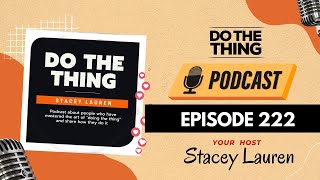
A recorded expert-panel (Episode 222) hosted by Stacey Lauren that gathers six creators/marketers — Evan Van Aken, Alicia Reynosa, Hector Santiesteban, Adam Gray, Lorelei, and Paul Newman — to discuss how to build and monetize an engaged audience. Key themes: authenticity and self-connection as the foundation for attracting aligned followers; building community (selective membership, celebration, elevating members to moderators/advocates); content tactics (high-volume posting, consistency, platform-wave strategy, embodiment/energetics); and monetization strategies (start small, give value until people ask, convert warm audiences via calls, LinkedIn groups, stacked offers and minimums). The episode mixes personal stories (e.g., Scorch Marker, a water-bottle business) with tactical takeaways for creators and businesses.
Questions this video answers
More than 1.1 million followers (YouTube, TikTok, Instagram).
Around $10 million.
About 30,000 followers.
About 1,500 authors.
A seven-figure crafting brand.
Chapters
Hey everyone, welcome to the do the Thing podcast. This is your host, Stacy Lauren. So, all right guys, here's the thing. We are on the start of doing a Do the Thing expert panel for an audience accelerator event that I'm in the middle of planning. And every time that I'm in the middle of planning an event, a challenge, I always like to bring a group of experts together because it's such an incredible way to share our knowledge and to be able to really do a mind share, basically. And so I'm going to go ahead and introduce everyone to you. So first of all, allow me to introduce the ever inspiring Evan Van Aken. With a knack for captivating the digital realm, Evan boasts more than 1.1 million followers across YouTube, TikTok and Instagram. It all kicked off with his brainchild, Scorch Marker, which skyrocketed to a seven figure crafting brand. But Evan's not the type to keep all that he learned to himself. He went on to establish the Vandiver accelerator, a haven for budding entrepreneurs. Here, Evan rolls up his sleeves to help founders blaze through the learning curve, sharing the nitty gritty that fast tracked him to a million dollar business. Evan's here to sprinkle a little of that magic dust onto your audience building journey. And next up, we have Alicia Reynosa from Of Impact. She took a simple water bottle business and with a 60 day challenge turned it into a happy community, making a cool $10 million. Alicia knows a lot about selling things online, building brands and helping people feel close and connected. She's helped start businesses, make them grow and even sell them. She also helps other brands learn the importance of building a close knit community. She's even the one that ignited the do thin community. I had interviewed her on my podcast last May and we had this discussion about how she created challenges and that's how she was able to impact the people in her community. And then soon after was when I started my first challenge. So it's amazing to be able to have that synergy together. And then I'm excited to introduce you to Hector. He is the genius behind Amplify Media, which serves podcasters and helps them expand their reach. Hector's also the producer of Perpetual Traffic and the voice behind Podcasting Success Secrets, two of the top rated podcasts in the world. He's got a knack for creating the kind of engaging conversations that audiences find irresistible. Hector's not just about helping you get your message out, but he's also making sure that it hits home and Creates a lasting impact. With Hector, it's all about amplifying your voice and turning the volume up on engagement. And then Adam Gray. He helps business to business companies solve one of their biggest problems, bringing in new customers. As they say, the amount of revenue you can generate is directly connected to how many great conversations you can have. Adam helps business people have more of these conversations, the kind that happen on a very human level. When you can connect on that level, people will either like you or not. And those who like you are likely to become customers, refers or even champions for you. The best way to have these conversations going live. And Adam's actually one of the people that helped do the thing during our Go Live challenge and he's the reason why it was so successful. Okay, now you guys meet Lorelei. By yet she's your go to guide for growing a crowd that cares. And she's built an audience of 30,000 followers who resonate with her message. When you're true to yourself, your audience grows naturally. At her creative wellness house, Lorelei mixes understanding oneself with smart strategies, helping people not only attract more followers, but connect with them deeply. With Lorelei, it's all about growing an audience that cherishes what you offer, making every project not only successful, but also filled with purpose and joy. And I just love that you're here because you being here and being able to have people connect to the message that's the deepest to their heart is so important with this challenge and this event that I'm doing. Okay, you guys. Last but not least, meet Paul Newman, who we recently met. He's written best selling books and helps others become best selling authors on Amazon too. Paul is also a coach at the speaking school and he teaches people how to sell high ticket items quickly over a phone call. Paul learned firsthand about the power authors can tap into when they build an audience. After Paul's Strategy helped launch 1500 authors to bestseller status on Amazon, his publisher declared his results unheard of. I just love these moments when we're able to take people that have so much different experience and bring them together on this panel. So. Hey guys, welcome.
So, okay, so here's the thing. I want to start off and just ask you guys the question, why do you think it's important that you should be connecting to yourself first as you're building your audience? Something that came alive for me today, I actually put it down here. This is actually literally on my wall is this sign that I got. And it's a quote that I got. I think it was like four Years ago, when I was at a really difficult time in my life and had no idea how I was going to do this. But it's from Harriet Tubman, and she said, you have within you the strength, the patience, and the passion to reach for the stars, to change the world. And at the time, I had no idea how I was going to do that. And then through me, building the audience and being able to just get the power of that momentum, of seeing what creating a simple space for community and for audience can do, it's really supercharged me. So I just love to hear, as I say that to you, what is coming alive for you and Evan? I'll have you start. I'm feeling your.
Oh.
Hmm.
What you're really asking me is being true to yourself while building an audience.
Exactly. I think there's a lot of people that get in their head when they're building an audience and they're asking people, what do you think about this? And what do you think about that? And I want them to be able to just connect to themselves first, so then they know it's coming from what's inside of them.
I like that. It's easier to create content like that, too, in my opinion, because, you know, sometimes people will put on a mask to create, and I used to do that, too, in the beginning, put a mask on when we go out in public or when we're with our family, even when by ourselves. But when you try to do your best to be your most authentic self, it's less fatiguing. I feel that it's easier. And then you get to start to attract the people who like you for you, as opposed to the mask that you put on for social. So that's my warm take.
Yeah, I love that idea of taking off the mask, because it's exhausting if you have to be someone else. Right. If you can just be yourself, then it's freeing and more liberating. All right, Lorelai, I'm feeling you right now.
Some of the foundational work I do is helping people lead and speak from their embodiment. I see that it resonates with people. Instead of regurgitating or copying or trying to grab little phrases that we've heard before in our mind and our overthinking instead, when we drop into our body and drop into our experience and we're able to put words to that and conceptualize that, people are able to fit themselves into that vision with you, and it moves them. So I always feel like whether we know it or not, we can feel Somebody's energy, we can feel that they're authentic. In fact, authenticity is the highest vibration, so they say. And so when someone's speaking from their known experience and it's something that they felt and it's in their nervous system, it transcends space and time and it moves people. And so when you take the time to get to know yourself and you sit down and you ground those ideas and you conceptualize them so you can walk somebody into the embodiment with you, they not only feel connected to you, but they also feel held by your depth and vitality of your message.
And then, Alicia, I know you recently rebranded because you wanted to be with people of impact. So I'd love to have you answer this question. And I think it really speaks to what you're doing now, too.
Absolutely. Since I sold my business, that was one of the biggest things I kept having to ask myself, what is it that I enjoy doing? And that was when I realized that I really enjoy helping people and brands make businesses of impact, that what they do is providing a lasting impact on their customers. And so that was kind of like, I've been searching and Stacy and I went back and forth forever. I'm like, I know I have something inside me that I want. That is me. Of course, I started Challenge Makers after I sold my business to help people build challenges. But the core of the challenge in the community isn't necessarily a 60 day hydration challenge or a 60 day anything challenge. It's the impact that you're making on your community that is unique to you and your brand. And so that was what I found with my company before I sold it. I was so scared to do live videos and to show up and to build that community because I wasn't a nutritionist, I wasn't qualified to be leading a community on hydration. But I was me, and I loved setting goals and being healthy, and I could speak to that. And that became the greatest superpower that I had, that lit, that cult like community of people that were attracted to our company and our brand because it can never be done the same way I could do it or you could do it. And so that's what I ended up starting to teach people, is the impact you make is so special and so unique that you can literally take any business idea. But the way you do it is the gift to the world. So that's why I rebranded, because the idea of making businesses of impact that leave lasting impacts on your customers is truly, I feel like my life's mission.
Yeah, I Think it's absolutely right. I think, Evan, your comment about wearing a mask when you're not being authentic, it is very tiring. I think one of the things, as you travel your journey through life when you're young, you think you need to be what you think other people want you to be. To be liked and to be successful. And as you get older, two things happen. Firstly, you realize that that isn't the way to get people to like you. The way to get people to like you is to be yourself. And some will like you and some won't. And the other thing is, if I can swear just a little bit, you don't give a shit if somebody doesn't like you. Just go, okay, you don't like me. There's 7 billion people in the world. You don't want all of them in your phone book. And I think that as you kind of go through your journey and you learn things and you kind of experience successes and failures, it teaches you that those truly authentic relationships, well, not even the relationship when you are your most authentic self, not surprisingly, you draw to you people who find that attractive. And that makes it very easy to do business and to be friends and develop some kind of rapport with these people. If you are pretending to be something you're not, not surprisingly, you draw to you people who like the thing that you are pretending to be. And that makes it very difficult to create satisfied customers. So be yourself. It's the best thing you've got. That's the advice that we always give people as a business when they're developing their own footprint and their own personal brand. Be yourself. It is the best thing. It's the most attractive thing you have to offer.
Yeah, it's so important because I think so many people, before they start, they're looking at everyone else and trying to figure out what Persona they want to be. All this stuff, it's really being able to just start recording, moving, and then you kind of figure it out as you go. And Hector, I'd love to hear from you on this, too.
Yeah, I think it's authenticity is great because in our space, we always hear that there's so many podcasts and how can I start another one? And how could another one be so successful? And we've just found that that unique perspective, that is the difference. That is the individual, the host, their personality, their experiences, their unique perspective is the X factor. But also, you said, once you figure that out, then I think there's an intersection. Right. Then you can consider who's your Audience or who are you trying to serve? And where is that intersection? Because I think that the best creators that I've seen are great at kind of putting out the stuff that they know is going to resonate and people are going to relate with. Whereas I know early in my career, I was just throwing stuff on the wall to see what people resonated with, and that's its own kind of journey as well.
Yeah. So are you saying then by you sort of tapping into who you are, that helps you then kind of find your voice in a way?
Yeah, that's exactly. We say that when someone's starting a podcast, that the first 50 episodes are really about finding their voice, and then you can worry about finding, developing an audience into the whole other thing, but that first stage is really finding it. And like you said, you don't know it until you start doing it and start recording.
Okay, Paul, you're up.
The importance that I learned, especially after I published my books, is working with students and speaking is a lot of times they're trying to find their message. They're trying to find what they're going to do online, so to speak. And the group I have is Monday Movement Makers, where we're basically trying to figure out what the movement is according to their story and to be authentic and to personally connect. The thing I learned in my first book is my memoir. And it was so hard for me to put it out there because four years ago, I was living homeless in an abandoned church, and I thought, okay, what do I have to offer? But the thing was, it was so hard for me to put that story out there, but the struggle of getting on top of things and learning how an ex yellow page salesman can come back from the dead. And that's where my book, Death of a Yellow Page Salesman, just resonated with people so much that I find that now when people are willing to share their struggle and the vulnerability that they have, it really connects with people because that's what they want to hear. They don't want to hear of your success, your expertise, but they want to hear about, how did you come back? And that's the power of it. And I just don't think there's anything more powerful. And I think every one of the books I write from here on will be about the struggle.
And I want to make sure for the listeners, that you guys are hearing this, because it's about what Alicia said, too. You weren't an expert on water bottles.
You figured out or anything like that. Yeah, yeah.
And you just had A goal, an idea. And you were like, let's just drink more water. And that eventually turned into a community of people. And then you eventually sold that business. And I think so many people get sick stuck on them having to be the expert and just being able to either meet the right people or just set up a certain goal. And I'd love to just kind of hear you guys speak to that is helping people able to just kind of build their audience in a way of being able to meet people along the way and bring them in. Kind of what we're doing right now, right, you're connecting with other people. And whether that's you're inviting them on your podcast, you're bringing them into your community, you're accelerating your audience in that way. And in terms of just feeling able to actually just kind of have that mind sharing with people and then have them bring value. Have you guys had any experience in that?
One of the things that I think so important in this aspect is the way that you connect with people. And in my first book that came out, it was called Top Gun Coaching, and it's how to do a one call close with high ticket sales. And the real thing is not your slick sales techniques or having the right stuff, but it's how you connect with your potential client. And it's that bonding process. And so much we think it's the way that we talk, talk, talk. And it was some training that I went through from a Top Gun fighter pilot instructor who taught us the importance of effective communication. And in the book, I'll let it tell the story, but it's basically that if you're flying wingtip to wingtip with another pilot, you want to know what's in the mind of the other pilot. And so when you're conversing with somebody, and it can be in a podcast, it can be in an interaction, it can be on a phone call, is that as you bond with them and the way that you communicate, it's a way of connecting that so far beyond. I mean, that training that I received here about back in 1999, it changed my life and I was just really excited to share it on that book.
Yeah, and that reminds me too, Hector. I was listening to your podcast yesterday and I loved something on one of your episodes you talked about collaboration over competition. And I love that too, about this space, because you're able to just connect with whoever you want when you have a platform, whether it's a podcast, a community going live. I'd love to just kind of hear you speak to that, too.
I mean, just so much of our world, podcasts specifically, we have to kind of grow through each other. And I think there's some stat that says a lot of people will listen to, like, seven shows or so. And so a lot of people will think that other people in their industry or in their kind of niche are competition, but they're actually their best partners, their best collaboration partners. And so it kind of stems from that. And then what I missed early on was I thought that just being on here or just interviewing somebody or just having a piece of content with somebody, that was enough. And what I was missing, the 80% of it, which was the actual relationships and what you're talking about, connections that come from these things. And I think it's both. Right. But I think that that's the. The real magic is when there's a. A connection that happens between the people, and that can only happen if those individuals are authentic and transparent. Vulnerable, etc.
And nice.
Sometimes.
Sometimes.
I mean, fundamentally. One of the things that I find really strange when I deal with the people within organizations is that most people really understand how to be social. That is to say, when they meet someone in a coffee shop, they don't say, hi, I'm Adam. Let me show you a list of my products and services and run you through my pitch deck. They have a conversation with someone and they listen and they develop some rapport, and they see where the conversation goes. And yet when they put on their business suit, what happens is they have this Jekyll and Hyde transformation. They try to nail somebody to the floor, because all of a sudden, the stuff that I've been saying is going to become attractive because I'm talking about my business. And I just find it really strange that there's this huge kind of dichotomy between how people behave in a social environment and how people behave in a business environment and what their expectations are of themselves, and indeed, oftentimes what the business's expectation is of them. And I think that one of the challenges is that.
Particularly in this highly digitized, hyperconnected world, there's a very real chance that people forget that. And it's an old adage, but a true one nonetheless. People buy people. I'm going to buy from you because I like you. Well, we've got the best product. Yeah, but I don't know that until I've bought from you. And I think that one of the challenges that people find in a business environment is that, as the buyer, I'm not sophisticated enough to Tell whether product A is better than product B. I just know that I need a insert whatever it is here. Water bottle, coaching program, podcasting course, CRM system, ERP system, whatever it may be. I don't know enough about it to make an informed decision, so I default back to the things that really matter. So I'm not skilled at buying ERP systems, but I am skilled at knowing whether I like somebody or not, the thing that drives the decision making process. And then I hang all sorts of stuff about it that I've done my due diligence and I've checked the reviews and yada yada, yada. But fundamentally it comes down to do I like you, Do I want to do business with you? And yet it seems to me that many times salespeople in particular take that and they shove that back in their bag and they never bring out who they are and how nice they can be because they're too Busy showing a PowerPoint deck or whatever it may be. Until businesses learn to have human to human interactions with people at scale, they're never going to be successful. And that's why every organization we talk to at the moment has got a pipeline problem.
I'm going to interject really quick, Stacey, but just because Adam, that, that resonates too. I really like that analogy. I really do. So you're talking about building audiences and Adam just brought up the human to human connection. So I just wanted to speak really quick tactically about how we do that.
Maybe it'll help somebody.
Our mission at Scorch Marker is to make crafting easier so our customers can make more meaningful memories. That's the overall mission, but we do that in a couple of ways. And one of them is making sure that they feel seen and heard. So we put together a Facebook group. And that's not special in and of itself, but what is special is elevating certain members of the community to moderators and admins, right? Giving them a little bit of power and respect and recognition for the work that they put in. And I found that that human to human connection gets fostered the most when two people are connecting. And what better way to have them talk about you and your brand and the things that you do than by giving them status. I think it's just really cool way to do stuff. And then we have a podcast too, but I bring people on to celebrate them on the podcast so they can get it all out. I think that's another great way to build connections with people. So I love what y' all are talking about. And there's a million other ways that we do this too. But we really put a lot of emphasis on making sure that our customers get celebrated by reposting their artwork, reposting their craft projects, and just making them feel a part of. It's honestly one of my favorite parts. I just had to add that Adam.
Fired up so good.
I think that's absolutely right. I would always caution people that are setting out on this kind of build them an audience route that sometimes what you want is the maximum audience you possibly can. So if you are selling a B2C product, you want the biggest reach you possibly can have for that. If you are selling a commodity, you want the biggest reach you can possibly have with it. If you are monetizing it through advertising and sponsorship, you want the biggest reach you can possibly have with it. If you're in a services business, you don't. What you want is an appropriate reach. So I'm not interested in having a million viewers on my podcast. I don't mean podcast, Hector, because I'm not anti podcast. I think they're tremendous things. But on a live stream, I'm not interested million viewers. And the reason I'm not is that if I get a million phone calls, that's me screwed. I can't cope with that. What I'm looking for is an appropriate number. And I think, again, the B2B world and the B2C world, consumer business worlds are very different places in terms of how you sell things. And in the B2C world, we all buy sneakers and rucksacks from Instagram. You know, everybody does because you're scrolling through and you go, oh, buy that. It's 100 bucks. It's not a big deal in the B2B world, people don't do your selling for you. So we have a client that posted something on LinkedIn. And this is a big deal on LinkedIn, not so big on Instagram. He posted something on LinkedIn. It was a good little story and a picture, and it got six and a half million views and 40,000 likes, which is mega on LinkedIn and didn't generate one single piece of inbound. And the reason is that if you're selling something complex, people don't read your brochure and say, I'd like to buy one of those. When can you deliver it? So I think the crafting an audience absolutely needs to be in line with the complexity of what you're selling and your bandwidth to do it. Lorelei, if you coach people individually, there are 24 hours a day, seven days a week. I'm sure you don't want to work all of them, but if you did, that's. If you're doing one hour slots, there's a finite number of those. So if a thousand people want you to coach them this week, you can't fulfill that order. And I think for a lot of organizations, they forget that. Actually, what you need to do is find the people that will be an ideal fit and you can monetize easily and are looking for something that you can comfortably deliver because then it's very easy to satisfy them and turn them into raving fans rather than, well, I've got lots of customers, but none of them are quite right and none of them are really profitable and none of them really like working with me. That's bad at so many levels for you and your business, isn't it?
Right, yeah. Kind of. Speaking to Evan and Adam, that was a big part of the community that we built was we were very selective. We wanted quality over quantity. We had filters to join our Facebook group, and we only wanted people that genuinely wanted to be inside of that community because it mattered so much to me that the majority of them were highly enrolled into the mission instead of being flooded by new customers. Because the goal was if we got new customers that had never purchased from us to join this community, they would be overwhelmed by the amount of people that were raving about our brand and talking about us and kind of indoctrinating them into our mission. So that ratio was very important to us. And that was kind of exactly what you were speaking of and just what you were saying, Evan, it's the community. What I found so interesting was we started it with no idea what we were going to do. But then as we started highlighting people and bringing them up and focusing on their achievements and celebrating them, they started designing the entire experience and the ecosystem and they called themselves the water warriors. And they started making these phrases and different things that became the community and. And were 10 times more powerful than I could have ever even hoped to design it. Because you're bringing in a select group of people and giving them the power to take ownership of your company. So they now thought that it was their brand and they would talk about it like it was their company and introduce our products to new customers like it was their own company. So exactly what both of you guys are saying, the quality matters so much, and the ratio between that and then really giving people the platform to speak on your behalf, because obviously that's the best form of marketing, for sure.
Yeah. And what you're all really speaking to, which I love, is we're taking someone in your audience from a 1D to 3D. Basically. A lot of people, they just look at numbers, black and white numbers. You're looking at everyone like they're a part of your family, and then they're able to get elevated through it. And that was something. I know, Alicia, when we worked together, that was what I noticed. And then that same thing happened with my community, where they started calling themselves the Dare Doers, and then now they're calling themselves the do the Thingers. So it's kind of cool the way it sort of elevates when you create space for that.
I'd love to add a framework that has helped us with that, because people always, when they're starting out, they kind of do the demographic kind of thing. How old is my listener? Or where do they live? Or then they might go to the psychographics part, which is, what are they into? Or even what do they believe? What do they think? And I think that the next layer that we found, especially for podcasts, but I'd imagine with any real content, is what experiences are they going through, what life events or what are they going through on a. On a daily or in their lives that's going to make them really resonate with the content at a. At a deep level. And I think when you can kind of have the full spectrum or full understanding of who your. Your audience is and kind of what they're going through and thinking and experiencing, it's much easier to create content. I mean, of course, a lot of times, great creators, they are their own audience. That's why they do really well, is because they're just kind of speaking to either themselves or a younger version of themselves. But. But sometimes that's not always the case. And so if you can have an idea or a really systematic way to. To look at it, it helps to. To create content at scale.
Yeah.
Becomes like a feedback loop. Right. Because you're putting the content out there, you're hearing things, and then it's evolving and it's moving through it.
I was just going to say you absolutely nailed it there, Hector, is what people are going through at that particular moment, and that's why Paul's books have resonated with people so well, is because it's actually. It's not about the vulnerability and how you climb back from it, I don't think. I think it's the fact that you overcame a challenge. I've got A challenge in my life. I can overcome my challenge, too. And that's like, why the content which lands the most effectively is you become the beacon for that person. I've got a challenge just the same as yours. You overcame that challenge. That's how you did it. Okay. That gives me a roadmap to get from where I am to where I want to be. I think that there are so many challenges in the world at the moment that trying to overcome. Trying to see a way through those challenges in business, challenges with prejudices, challenges with wars, challenges with politicization of societies and polarization of societies. And actually, what we need is some roadmaps to help us through this, rather than people just getting more entrenched in doing things that have got us into this situation in the first place. Whether that's a political comment or an ideological comment or a business comment, it's all the same. People that have got no pipeline in business have got no pipeline because they're doing the wrong things, and yet they're doing more of the things that got them no pipeline, hoping that's going to kill the problem. And it isn't in the sense that it isn't, but they need a route out of that.
And, Lorelai, I'd love to hear from you in terms of just getting to know who your audience is and what that can do for you, to be able to accelerate your audience.
Yeah, I like what Adam said earlier because it's wholeheartedly something that I align with. Which is. Or was it Adam or Evan? You guys are both so great.
If it was good, it was me.
Absolutely.
Speak all day.
I love it. The intersection between who you are and what you love to do, and also what your audience needs from you. When I first started, I had no plans of monetizing my audience. I was on a journey of expansion, and I was taking people on that journey. And I just took a little bit of extra time to conceptualize what I was going through and share that with people. And so naturally, the people that resonate with that would attract to me. And so we started conversations, and I got to learn about them and their problems and what they're going through and how they resonated and how it's landing and. And I thought it was so perfect because I just would ask them a question, human to human. Like Adam said earlier, it's relational, not transactional. If we're looking to take, we've already blown it. We're coming from the wrong space. But when you're looking to relate and open yourself, up to the possibility of it being something wholesome and aligned for both of you, then that's when the magic happens. It takes care of itself. When I was building my audience, I had no idea I was going to monetize. But everything I monetized blew up. Whether I was doing fitness or health or it just kind of. And again, just to speak to that is that I started with fitness, then I went to spirituality and self love and empowerment. And then everyone felt so empowered, they wanted to create. And so wherever you're starting from, start where you're at and the path will unfold as you begin to share more of yourself, find connecting points with people. And really I've had clients that have 400,000 followers that cannot monetize because they're doing what's viral and they're overly obsessed with what can I get from my audience that's not a good marketer, that's not a good person. Right. That's what can I get from people. But I've also had clients with 2000 followers who make 30, 40k months their first year because they had a highly curated, relational, heart centered connection with the people they were growing with. So don't get discouraged out there. For those watching, if you're like, where the heck do I start? There's always content right in front of you because there's always something you're experiencing in your reality. There's always something that you just move through. And we are humans, so that means that lots of people are probably moving through that same thing. And so you can find that connecting point with your audience and just nurture it through conversation.
So I'd love to hear you guys, your number one hack for people on building your audience. And by building your audience like we've been talking about, we're not necessarily talking about numbers, we're talking engagement, we're talking from who you are. Because your audience kind of becomes an extension of your soul on what your life is because you're speaking from your heart. And I'd love to just hear what your number one audience building hack is.
Okay, Evan, you go first Volume, that's mine.
That's what works best for me. I'm talking like five posts a day, every day.
Yeah.
And I don't say that because you have a higher likelihood of reaching the people, but you get a couple of benefits from it. You get to practice and get better and find your voice even faster. We alluded to that earlier. You get more opportunities to have other people relate to what you're putting out there. Adam might not relate to the same message that Hector might relate to. And the more I put the message out, the more chances I have for that. And then lastly, every time you put out a piece of content, you get a little bit of a dice roll and occasionally you'll hit a double six and you'll get those million views on LinkedIn, et cetera, at the 4 million views, et cetera. So we do volume and it works.
Really well for us.
And just for the people that might be wondering, when you're posting that much, do you have a strategy or is it just coming for what's alive for you?
So every Friday is a content creation day for me. I block at least four hours out and I have a bunch of notes from questions of my community, comments, messages, DMs, customer service stuff. And I' in front of my camera and I will hit record and I will just record talking points to every single one of those. And I'll probably batch out like 40, 50 videos in a sitting and then I pass them over to the editing team, they edit them and then drip them out every day.
Okay, Adam, you're up.
Yeah, in a word, consistency. To be successful in this space is a lifestyle change. It's not a campaign. So if you're going to post, do not to disagree with what Evan said. If you're going to do a thousand posts today and connect to a thousand people today and then not do anything for the rest of the month, that is not going to help. What you need is to be consistent. You need to be present and visible every day. You need to consider how on social networks you could behave the way you behave in real life. If you walk through the door before me and you hold the door open for me, I say thank you. So if a comment on.
I say thank you. And success in my experience, certainly in the B2B space comes from closing all of these loops. It's great if you get seen by a million people, but you don't know who the million people are. And in order to sell your stuff, you need to talk to the people. So what you want is engagement. Not because engagement is worth more than a view, although it is, but because you know who the person is. And if you know who the person is, you can drop them a line that says hi Lorelei, thanks for liking yesterday's post. Love to have a chat to you about this. And it all comes from having conversations in my experience, because people feel listened to and unlike sending somebody a brochure, not that I'm anti brochures but unlike sending someone a brochure, if you have a conversation with someone, you have some degree of control over where the conversation goes. If you send them a brochure, you've outsourced the next step to them, and there is nothing that you can do to control that.
Okay, Lorelai, you're up. Number one hack.
Oh, my gosh, I was. First of all, Adam, you're a great speaker. You're so embodied, I can feel it. I get so present. I don't know why you called on me. Next. I agree with what Evan said about having some volume. I also agree with what Adam said about consistency. And because I think there's so much strategy, I. I want to just offer something that I also think is important, which is your embodiment and your energetics. A lot of my life I spend cultivating my lifestyle to open my channel to receive. And the reason why that's important is because when we're in a state of joy, relaxation, nourishment, peace, play. When we're active in our lives and we're having conversations and we have this vitality, that's when we channel a good poem or a good song. I always tell people, I don't think Michael Jackson was just like, okay, let me write a song, and what am I going to do? He was probably in the mode and he just started singing, and all of a sudden Billie Jean comes out. It's how the life force energy moves through you. And when that happens, I resonate so profoundly with my. Profoundly with my. You can feel the energy of what I'm saying. And in conjunction with consistency and having volume and having the right strategy is also opening your channel to receive the potency of your message. It's. It changes everything versus analytically trying to come up with content. So live your life, practice joy, be nourished, relax all of those things. Cultivate a lifestyle that allows you. Because I don't know how to emphasize it, because I really want to emphasize the importance of vibrating high, opening your channel to receive your message, and how the alignment of that and the timing of that and the vitality of that touches people and makes such a big impact versus coming from sitting in your office being very dense and just kind of trying to think, what does the person like? It doesn't have the same je ne sais quoi. So I'm gonna just offer something energetic and embodiment instead of strategy.
Paul, your turn. So, number one hack for building your audience.
Okay. My number one hack for building an audience is it's about building momentum. And I wrote about this in my memoir where I used to go down to the beach in California, in la and I would watch the surfers. And having grown up in Kansas, there wasn't much surfing there, although we tried because you get all the winds off the lake. You could get a foot or two foot wave. But when I'd see the surfers in California, they went to where the waves were. And it's very similar if you want to get your message out there is that it's not only going where the traffic is, but you have to be able to be like a surfer where you bond with the wave and where you actually have that. You're talking about the energy between you and the wave and there's just this experience. But there's nothing like going to the north shore of Maui and seeing 25 to 30 foot waves. And one of the successes I've had with really building huge audience is when my book launches, I go to LinkedIn and I post to about eight groups to 6.5 million of my niche audience. And it just crushes it every time.
I'll add a follow up question, just if you can talk more about the LinkedIn groups. Cause I talk about Facebook groups a lot, but I haven't really explored LinkedIn much on that way.
The LinkedIn groups. It's kind of interesting. The development of LinkedIn and I had built up, right, 5,500 followers and I didn't really put much faith into doing much with LinkedIn groups, but the response was just phenomenal. Where you have a press release and you're talking about an event that happened, there's one week to download the book. It's the number one bestseller, so grab it while you can. But the thing is, is that it resonated because every one of these people were in the marketing and that's really what I stand for and what I'm all about. So it was just a great experience of being in the right wave at the right time and riding it for all it's worth all the way into the beach.
Okay, Lycia, number one hack.
Yeah, absolutely. For sure. It's not holding anything back. That is the core concept of the challenges in the communities that we build is identifying that customer journey of where your customer is and where they want to be and the obstacles that are stopping them from achieving that and doing everything you can to help your customer achieve their dream outcome, even if they never pay you anything. And so that's the core concept of what we do. And what was so Effective. And what I've found a lot of fulfillment in is when you can really look at who you are serving and know where they want to end up and their dream outcome and do everything in your power to give them the tools and resources and guidance within your community with what you're saying, with what you're presenting to the world, and they could genuinely go and achieve that, even if they never pay you anything. That has transformed every business, my own and all the businesses that we've worked with. When you just change that mindset of just full service, here's everything to get to that dream outcome. And that has been definitely the number one hack because you build a deeper level of loyalty where people are like, oh, I paid $1,000 to learn this from so and so. And it was not even half as helpful where what you gave me was free. Now, what would happen if I actually paid you something? It changes that mentality and that customer loyalty or that customer will be with you for life because you have taken the time to go deeper and to serve them at a level that most, most businesses unfortunately just don't.
Okay, Hector?
Yeah, well, it's great that all the great tips are already taken. I echo all of it. And, and I'm. If I could add to anything. I think the only thing that maybe hasn't been said is, is to leverage the platforms and kind of go where there's a gray space. There tends to be certain types of content or certain types of mediums or put in a certain way. Right. Stories had their run, reels kind of had their. Like, everything kind of has their run. And I think it would behoove someone who's starting out to try and ride that wave as much as possible. It's a larger stream and there's a bigger current. And so, yes, you could get through with some of these trickles or you can find and plow and blaze your own way through. But I think that it is helpful to at least consider how you might leverage some of the content that is indexing more than others. Right. Like right now, it's. It's short form video. It seems to be kind of the thing. And maybe it'll be that for a while and maybe, but it won't. But I think leveraging those types of things is always helpful.
So I've really lived my life kind of Alicia was saying, where giving more value and being able to just give everything of yourself to help people have a result. And then there is a point where you'll want to monitor monetized.
Right.
In some way, whether it's sponsorship or actually creating a program or doing an E commerce brand or something like that. And I just want to kind of explain there is an end to it where you can make money and it is good for you because then it gives this reciprocity that everyone's wanting and then you don't get, I don't want to say burnt out in the process, but there's a way to just kind of have that balance be. And I'd love to just kind of hear your advice now on monetization. You have this audience and now it's time to monetize. What would you guys now suggest people do to be able to monetize so they see an end vision of what they're doing? All right, Evan, I feel like you did this with sportsmarker, obviously, and then now you're helping people with their businesses. What are your thoughts on that?
I'll speak to Vanity, the brand where I help Ecom Brands. I just, I love the space from six figures to seven figures.
I love that.
But when I got on TikTok, I rode that wave. Hector, in 2020, I got on TikTok at just the right time and it was just perfect. It was so awesome. So I can't take a ton of credit for my audience growth in that respect, but I can tell you for a fact that riding that wave is a big deal. I got lucky. I'm really curious to see where the next wave is. I personally think it's going to be live stream selling TikTok lives. Everybody's going to want their own QVC spokesperson anyways. The point I'm trying to make is that when I first got that initial audience growth, I put a calendly link in my bio. I said, just book a 15 minute call with me, let's talk. I'll help you with whatever I can. I did almost a thousand calls with people over that year, period. Multiple calls a day, every single day of the week, just over, over and over again. And I recorded them all because I was going to create content. But what ended up happening was they told me all their problems and every single person's problems was almost exactly the same. Just put different wrapper on it. And I'm like, whoa, I know where these people need help. And so by doing what a lot of y' all have said, just giving and giving and giving, eventually they asked. And that ask is what I built my monetization around.
Wow, that's incredible. Just talking to people. All right, Adam, you're up Yeah, I.
Would be really careful about monetizing. For me, social platforms enable me to scale the stuff that I would do individually one to one with people. Now, it's different if you're selling a B2C brand and it's a volume sale, but I'm sure all of you have been on a Tony Robbins taster day. He gets 10,000 people in an auditorium, and you just fall in love with him. He's a remarkable presenter. He's got such wonderful energy. He's so, so good at helping lift people up. And he's got you eating out of the palm of his hand all day right until the moment that he says, so if you'd like more of this, you can book today, one of my retreat weekends. And if you book it now, it's only $10,000, where normally it's 15. And you go, oh, why do you have to do that? Because you feel that you've been used. And that's the thing. Platforms like this are fantastic platforms for sharing your expertise with people. The problem is that people think I'm honest. I tell the truth. I tell you I'm better than everybody else because I am. So you'll believe me. But people won't, because why would they believe you? They don't know who the hell you are. So this is the platform for you to move those people closer to you, to build relationships with those people. And then you said something very telling there, Evan, that they'll ask you, they'll say, that's really interesting. Can we talk some more about that? And then you can see where it goes. And I think that the key thing is to use these social platforms to socialize and scale who you are. You used to have to do this by taking a million people out for coffee. It's not good for time, and it's not good for your health. This enables you to do exactly that, to have that intimate conversation and see who walks towards you. Those are the people that you're looking for.
All right, Alicia, you're up.
I mean, you guys nailed it. It's just that it's human psychology to the point where people can only take so much until they ask, how can I get back? They'll be in your world, in your ecosystem, and just feel. So they want to say thank you somehow. And so then they'll come and ask. And that's a big part with us. We were E commerce. So it is much more of a volume game for my business, where it's like we had call to actions and different things, but the community was. We would just have our live videos and we'd talk, and it was never a sales pitch. In our live videos on our water bottles, we just talk about the values of setting goals and being healthy and checking in on each other's successes. And then they would do all the talking and selling in the back end, and then they would ask us, what's going on? Do you have new products coming out? Do you have new colors coming out? We've bought every single color. We want fuchsia now. So they'd be asking us for new product options. But our live videos weren't much of a sales pitch. It was more of that connection and, and then they would do the selling to each other on the back end. But that is just what you guys said. It's just human psychology to the point you can only take so much to where you feel like you need to return the favor. And so people will want to give you money. They'll want to come buy something from you as a way of saying thank you for what you have done.
All right, Hector, I'll have you go next. We'll go out of order.
Yeah, I think the giving until they start to ask. I mean, I've, I've had so many instances where you. And also with clients where they put out something that they think their audience needs and perhaps they do need it, but it's not really what they want. And you guys may have seen my, my four and five year old hop on, on screen here and it's, it's like, it's the same thing with them. They need nutrition and vegetables and, and broccoli, but if I just try and put it on the plate for them, it doesn't always work out. Oftentimes the dog gets fed a good dinner that night, but it's the same kind of thing. It's oftentimes easier if they're asking for it because they'll tell you how to sell it to them. You're able to use their words and their experiences and situations and stuff to, to really sell it at a, at a higher converting rate than if you were to just try and figure it out on your own.
So when you're doing the podcast, are you suggesting people. They're not monetizing the podcast per se, it's the company behind it?
Yeah, usually we work with a lot of B2B companies, and so there's not a ton of direct monetization. We've seen the most profitable podcasts we've worked with have signed really built connections with their guests and leverage partnerships through the connections and the network that's been built. And then once it's gotten to a critical mass or reached a significant point, then you can monetize the audience a little bit more. But I love Adam's kind of model. That's what we kind of talk about is giving value and sharing what you can provide. And then when people raise their hand, it allows you to take those people down the sales process and let everyone else just receive the value.
Yeah, I wanted to just comment to people Listening is what Hector said was connecting with the guests too. That's the part I keep saying it doesn't really matter how many people listen to your podcast. It's because you get this opportunity to connect with all these amazing people because you have a podcast. And I love that you spoke to that. All right, Lorelai, you're up.
So I if you are a service provider or looking to do group coaching or courses, that's the perspective that I'm coming from. So it's a little different. If you're beginning, you want to take your smallest viable audience and create something for it. So ideally you would like to. Which I would love what you're doing, Stacy, because really my own story, creating my audience first, and they were already warm. I had a warm audience and it was like, hey, I'm doing this. Who wants to come? And then you get to solve their problems really, really well. And so starting with one on one or starting with the small group, and then once it's conceptualized, you can move that to one to many with your courses. And the way that you can really build a multiple six figure business is by stacking those offerings. So you have one on one clients at high ticket. And I always suggest that you do things incrementally. So I didn't start off charging this much money. I started off with this. And as my skills and my clarity came, I expanded it every quarter or every six months, I would expand it to fit where my skill set is. So don't be afraid to try something in beta, to test something out really quick and get really good at solving their problem. And then you can say, ah, okay, it's viable, it's going to sell. And I can expand this into make the tweaks that I need and change the pricing. So that's where I would start it. Start with something small and then allow it to grow and stack it.
And Paul, you're up.
The aspect of being able to convert a follower or a listener into a client is very much I picture it like being on stage and you can have your platform, it could be a podcast, it could be a YouTube, it can be anything. It could be on a physical stage. And I like to picture that because you have the front row, the people are very active, you're engaged, you see that and you're really serving them with knowledge. But there's a conversion that happens with the client. It's like the people after you get off stage, they come back and they want to greet you, they want to shake your hand, they want to say, oh, your message meant so much to me. And it's that connection, it's that attraction that just fosters a great client. And I learned a really good thing from a coach here. I'll tell you who it is, Eileen Wilder. And she says have a minimum value of what it is to work with a client personally. And I found a lot of people wanted to pick my brain as far as how to become a best selling authority. And I'll give all my information on stage but when it's backstaged, I'm working hand in hand with them. Then my minimum and I'll tell you it's a thousand dollars and whether it's over a three month period or to advise you, or to give you all the information I have personally then and to advise you then, that's what it is. But I find the most effective way is to let those people, when they come to me, to attract them and then to respond in kind. So well.
Thank you so much you guys for doing this with me. I appreciate it. It was incredible getting to hear from each of you and just from all these different ways of both building an audience and monetizing one. And I appreciate you each just kind of saying yes when I asked you to come on the expert panel.
Thank you.
Thank you, Stacy.
And for the listeners, do the thing, don't wait for opportunity, create.
More from Stacey

From 262 Women to 8 Million Media Impressions: Deborah Drummond Built a Global Women’s Movement


From Notes App to Published Author: Avery Brenna Crumrine on Turning Intention Into Action


How Stacey Lauren's Billion Dollar Impact Marketplace Will Raise Billions for Charities and Causes

What Happened When Allison Maslan of the Pinnacle Global Network Ran a Challenge with Stacey Lauren




Leaders Share How Stacey Lauren Sparks Action, Clarity, and High-Impact Collaboration

Sandi Masori Announced as Emcee | The Billion Dollar Impact Event Returns to San Diego