YouTube Secrets- Make Money on Youtube
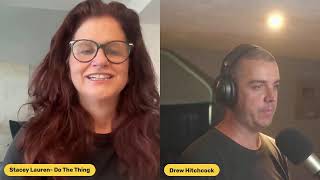
Recorded session (live Q&A) where Drew Hitchcock, a YouTube consultant (works with channels up to ~2.7M subs and partners with Evan Carmichael), and host Stacey Lauren discuss practical YouTube growth and monetization tactics. Major points: prioritize consistency and batching; repurpose live conversations into longer uploads and mashups; favor longer (15+ min) thought-leadership videos for watch-time accumulation; use email lists to jump-start channel growth; hooks ("coming up" segments) and strong thumbnails/titles drive click-throughs; monitor retention (aim ≈70% at 1 min for most videos; 50% for very long videos) and use analytics to choose channel trailer (best subscriber-to-view ratio). Monetization: YouTube Partner Program requires 1,000 subscribers and 4,000 watch hours in the past 365 days; CPM varies by niche (rough ranges noted); lives help community but uploaded long-form gets longer-term distribution. Tools: TubeBuddy (split-testing), YouTube’s native thumbnail testing rolling out, ChatGPT for transcript summarization; many clip-AI tools need refinement.
Questions this video answers
1,000 subscribers and 4,000 hours of watch time within the past 365 days.
Approximately 70% (use a lower ~50% target for very long videos 45+ minutes).
Long-form: about 100 views per subscriber; Shorts: roughly 10,000 views per subscriber.
Chapters
All right, so we are here doing our YouTube secrets conversation. You guys are in a treat to. In for a treat today because Drew Hitchcock is known through the. The Internet hollows of like, wait, Drew is here? I think, I think I've got to go to this event. And so he's definitely somebody that you guys are going to want to hear from. I'm going to just make sure you can all see us. So let me make sure it's, it's there. But Drew, if you want to say hi and then while you're saying hi, telling people who you are, I'll, I'll like make sure. And then anyone on replay will at least see.
Yeah. Yeah. So. So, yep, My name is Drew Hitchcock. As. As it says right there.
I am a YouTube consultant. I work with some of the biggest thought leaders in the YouTube who are in thought leadership business partners with Evan Carmichael, for those who don't know him. He's got 3.67 million subscribers, work with a wide variety of channels. I think my largest channel that I work on is 2.7 million subscribers. And the smallest channel that I work on, which actually just started like a week or two ago, is I think 436. So wide variety of people, but all, all good people, speakers, authors, entrepreneur types. That is kind of the category that I find myself in.
But yeah, it's incredible. I just like when you say that, it's so, it's so massive, right, when like the amount of work that it probably took you to like get to this point where you've learned like everything that you needed to learn and now you're, you're, you're, you're at this level where you're able to help people on a whole nother place.
Yeah, it's definitely been a journey. Like my YouTube journey, kind of technically speaking, started back in like 2012, 2013 timeframe. I ran a gaming channel, Chaos Esports Productions, as they say, and kind of dipped my toe into YouTube land. There I was really big into a video game called Starcraft 2. You know, had the dream of being a shoutcaster for tournaments and that sort of thing and took the YouTube journey, I think. I think that channel, when I stopped making content was like, at a couple thousand subscribers.
And that got me into the foyer of like, Internet businesses and that sort of thing. So I dabbled in the retail arbitrage world and that's how I got into Ryan's world, which is how we're connected. And then slowly but surely kind of migrated into kind of more of a Consulting role about four or five years ago. And my first client, who was a New York Times bestseller, he's in the finance space. I actually, I actually found him as a function of Ryan, ironically.
But, yeah, so I've, you know, kind of gone through the trenches myself. And YouTube has changed quite a bit in the last 12 years since having played in. Played in the world. But YouTube's my jam. I know anything and everything, YouTube analytics and that sort of thing. So just happy to help out.
So good. And. Hey, Julie, Good to see you. I am so glad you're here. So I, I was talking about you yesterday. I'll have to. I'll have to share more about that. If there's time, we'll. We'll mention it today. But, yeah, no, thanks, Drew. Thanks for being here. And you know, so many people in my community are people that are wanting to get their voice out, right? And that's something that I help them with, is finding their voice and then through a lot of the things that I do, getting them. Now some people are in my, like, helping them build communities and an audience and all that kind of stuff. So, so many questions are coming in about YouTube specifically, and especially with some of the Facebook changes. I think a lot of people are, Are. Are wanting to kind of like, more. Explore more into that world. And so, so many questions came in. You got an idea of some of them, but why don't we. Before we dive into the questions? And for those of you that are here, I'd love to. Yeah. Have you also asked any. If you didn't get a chance to ask when I put it in the thread earlier. But what do you think is kind of like the number one thing that would be important for people to know when approaching YouTube and wanting to either grow that channel or monetize it?
So there's a. There's a couple things. So one, obviously, the early stages of a YouTube channel is by far the most painful. It is. Getting traction is kind of a combination of like, understanding what goes on on the platform as well as a little bit of luck added into it. If you already have audiences elsewhere, trying to migrate the audience over can be a little bit of a challenge. But especially for those who have, like, any sort of email list, email is by far the easiest way to start to really build out a YouTube channel. I can't tell you the number of people that had, you know, sub 10,000 subscribers, but had pretty massive email lists that were really able to speed the process along just by leveraging their email list. So if you have community elsewhere. Just migrating people over to the YouTube side is. Is a very. It's. It's a very doable thing and something that should always be pursued. But as far as, like, kind of like how the approach of getting started, the first thing that I tell people is one, sit down and actually think through, like, how can you make this a consistent activity rather than just something that you start to do and then kind of like get bogged down in the details of it, trying to figure out where you are, where can you lever up and are already doing activities that could potentially get turned into video content on the back end. That is. That is like the biggest thing, because the number of creators that I've worked with, where they were really gung ho, they really wanted to get started with YouTube. You know, they would start working with me for one to two months, they'd make a bunch of content, and then they'd fall off the bandwagon. And as soon as they fell off the bandwagon, you knew it was done. Because.
Every phone call was the same of like, hey, when do we have the next time to sit down and make content? So really trying to think through, how does this become a part of the everyday activity?
That is the hardest hurdle that most people struggle with. And then once you figured that out, how do you batch things in a way that you can keep consistent? Where it's not a. Every week I need to sit and get on the content treadmill. It's how do I batch things in a way where I can still have a life and kind of balance the business activities versus content creation and that sort of thing.
Yeah.
So when you're saying, like, your everyday activity, are you meaning, like while you're out and about kind of like. Or even just right now, I could be like, kind of double recording or what's kind of like.
Well, so think of it this way. So this video here, that we're shooting, so we're having a conversation, we're adding value in a specific way that could be valuable to both your audience from a, you know, from a live perspective, people being able to engage, but after the fact, you now have a piece of content that either. There's a lot of things that can be done. So we're gonna. We're gonna sit. We're gonna sit here and talk for about an hour. In this hour, there are probably snippets that could then turn into smaller pieces of content that could get leveraged on the back end. And really then it's just a matter of thinking through like how. What's the system that's got to be put into place so that when I sit down and have a conversation for an hour, I can pull out kind of the golden nuggets that could be valuable to somebody that turns into piece of content on the back end.
Yeah, I love that. That's so good because so many times we're just thinking of it as like a one and done.
Yeah, well, exactly. And, and it's, it's so interesting to me. One of, one of the things and one of the strategies that we use for creators who've been doing content for a long time is the utilization of mashups. So basically going and finding similar clips that are kind of like thematic to a particular theme that you know, fits within your brand or the audience that you're trying to build and put together. Like, you know, you may have had a conversation with like three or four different people that all had similar, similar themes associated with it. How could you take the clips from each thing and put them together into a longer piece? Because one of the things, one of the things that you'll find specifically with YouTube is one shorter content that's not vertical. So in the horizontal format, short, anything less than 10 minutes, while it can get traction, has a tendency not to get traction simply as a function of you don't have enough watch time potential that that video can accumulate over time. Whereas the longer pieces, when you release, you know, something that's 15 plus minutes, that is kind of the sweet spot to being able to accumulate enough watch time to where YouTube will actually give you decent amount of distribution.
A lot of people, I don't know why, but it used to be back, oh gosh, probably 10 years ago, where three to five minute content was the jam. Like everybody had to do three to five minute content because that's where it was at. And slowly over time, as watch time has become more and more apparent in the algorithm of being the thing that pushes you, videos have naturally gotten longer and longer and at least in the thought leadership space, specifically where you're trying to educate and teach people something. Longer pieces, like people want to go deeper, so don't be afraid to take a little bit longer explaining something in its full totality such that the point can get across, such that it can be actually valuable to somebody rather than being very surface level. So longer content, make longer content.
Oh, that's so cool. I didn't think about that from the mashup perspective. That's actually interesting. I've been kind of getting better about When I do a live Now, I'm also putting it on my podcast after, so at least I've gotten to that step. But now. Now. Now I'm gonna go to, like, now I'm mashing up and seeing what podcast episode will it, like, go with, you know, from there. Yeah, I love that. And just saying hi to some more people. Hey, Allison, good to see you. And Amy and Jane and Sarah and Jamie, Good to see you. Yeah, feel free to you guys put your YouTube channel in the comments. I don't know. I didn't ask you, Drew, but if there's time, maybe we can take five minutes and look at one of their channels. Cool. I just thought of that as I'm seeing all the people here. O. So a couple things. So sue, you know sue, she's. I think she's part of the 1% also. And then founder of Entrepreneurs Gone Wild, she said Drew is brilliant, and I hope he'll also tell us about how he meets his heroes and sometimes ends up working with them.
So.
That'S. That's funny. Yeah. So it's. It's actually been kind of interesting over time. It's because of the world that I live in and being business partners with Evan. Evan has a lot of great connections, and I've. It's been interesting to see how things. So one of my very first clients. I don't know if you're familiar with Garrett Gunderson and what he. He used to run a company called Wealth Factory. I think he's. At this point, he's. He. He sold his position in Wealth Factory, but I discovered him as a function of his presentation that he gave at capcon that got released on Ryan's podcast. I got really deep into his world, and one day I actually stumbled upon his. What I. What I believed to be his YouTube channel. And obviously, I had been involved in some of the Wealth Factory stuff, so I knew some people in that world. And as a function, I actually reached out to one of the. He's big into cash flow banking, which is a. Like a. An insurance strategy. And the guy that I had reached out to, actually, I knew he knew Garrett. So I was like. I just kind of, like, raised my hand and was like, hey, I see. I see content is being made, but we're not. Not seeing much traction on the YouTube side. He had, at the time, he had 57 subscribers. So that email led to a conversation with Garrett, which then turned into a conversation with his marketing team. And basically I worked on his channel for a couple months. It took him six months to get those first 57 subscribers. We doubled him the first month. We doubled him again the second month. And then he did a live stream that I sat on and a little bit of guerrilla marketing. So sitting on a live stream, it was being broadcast like a landing page. So I watch everything on YouTube and it was a YouTube embed. So I just like went to the YouTube side. There were 1500 people watching live. And I'm like, huh, the chat's blowing up of people who are super excited about Garrett. Garrett's channel's got 300 subscribers. I wonder what would happen if I just like, you know, put his channel in the chat.
So, so, so I've. I've got his channel analytics on the right hand side. I've got the chat up and I, I hit the enter button and then I wait about 15 seconds and then I hit the refresh button. It's like he went from 300 to 450. It's like, oh, oh, snap. So, yeah, so we, we got him over a thousand as a function of that little stunt. And that was the point at which I got a phone call from him, basically saying, hey, like, I know you've been doing this pro bono, like, how do we hire you?
Yeah, like, you showed that immediate win, right? That's amazing. I love that.
So it's. So it's been, it's been a journey. And he is actually the reason I became. Well, he introduced me to Evan Carmichael because he was using Evan as like a consultant for him. So I started to get into Evan's world. And Evan does well. He used to do a gaming live stream where he would sit and play League of legends on YouTube and he would answer questions. So if ever I had a question on YouTube, I could just ask Evan himself. And finally after like six or seven months, I just started queuing up with him. So we started playing League of Legends and then he brought on a co host. So he now had multiple people in his Zoom talking. And he was like, why don't you just like, come onto the Zoom? So we, we live stream for over a year, five, five days a week for two hours at a time. And then that led to the co host that he had brought on really wanted to partner with him and be like a coach and teach his. He had a book called Built to Serve, which was like a coaching framework. So he really wanted to teach this framework. So him and Evan partnered and he needed a website build. So I was pretty familiar with, like, he was using Kajabi at the time. So I ended up building out his Kajabi landing page over the course of a weekend. And that then turned into him starting his business out. I think he got his first thousand dollars a month worth of recurring revenue as a function of that build out. At which point Evan was like, dude, if this, if this guy is willing to put in a weekend and not ask for anything, how do I work with this guy? Then we partnered up and it's kind of been history from there.
So, so, so good. I love that it like started from him being part of this event too. And then all of a sudden this like web of opportunity opens where, yeah, you're just kind of like following each step. It's so, so good. It's so powerful when things, things go like that. Okay, so we have a few more questions and then some are just coming in now. So we'll, we'll go to those as well. So as a podcaster, we have a lot of podcasters here. Should we put our podcast on YouTube via RSS where it just has the audio, or should we add it as the podcast playlist and include the video? Or should we do both? And why do we even have both?
Okay, so at least when that feature first got rolled out.
To me, the RSS feed where it's like pulling the audio. YouTube is a video first platform. Nobody wants to watch an audio only whatever. So if you have the video, definitely make sure that you're uploading the video and doing like a podcast playlist with the video rather than doing it through the rss. If you never intend on doing the video side of things and only plan on it being audio only, then the RSS feed can be super helpful from a, like, I just want to get it out there on YouTube because the RSS feature, so YouTube, Google got rid of Google Play, which is where they hosted all their podcasts before. Now all podcasts are actually hosted within the YouTube Music app. So the reason they added the RSS feed was to make sure that podcasts would also make it onto the YouTube music side of things. So if you're only doing audio only, RSS feed is totally fine. But if you have the video, I would highly recommend just doing it via like normal uploads of a video.
That's good. Yeah, that's really good. And then with limited amounts of time to focus on YouTube as podcasters, what is the main thing you'd say we need to do do that takes minimal time to gain slow yet steady long term traction on YouTube.
Okay, so the core thing with YouTube is you really have like two pieces of the pie that you got to figure out. So first is how are videos positioned such that they attract the right people and entice them to click? And then once they've clicked, how do I ensure that I am satisfying whatever they thought that they were clicking on is going to get accomplished within the video. And usually the way that that shows up is if you, if you actually go watch a couple people that do this really well are like, people like Mel Robbins or Tom Bilyeu and those type of folks. Usually when you look at the structure of their podcast, you've got a coming up section which is like, kind of like a big meaty portion that happens sometime during the video that gets pulled to the front of the video and then you've got a transition into the front end of your interview, you have the actual interview and then at the end of the video you've got an end screen where you're specifically calling out what piece of content people should go to next.
So back to the two elements. So you've got how do I entice people and then how do I keep people there as long as possible? And the easiest way to do that is by doing that kind of like coming up section where you're kind of giving people a little bit of indication of like, what's to come in the conversation and creating an anchor point so that when you actually get to the. Because the beginning of most interviews are kind of, eh, you know, it's like, okay, I'm gonna, I'm gonna introduce my person that you may or may not have heard their intro before. And, and usually it's, it's, it's a slow grind to get to the meat of everything. So finding that spot that's like halfway to two thirds of the way through the video, that's like the, like, ooh, that's a really good moment. Pulling that to the front, creating that kind of hook to entice people to stick around. Like that is the key thing. And what's, what's great about YouTube is they give you all the data. So when you, when you release a piece of content and I think the minimum number of views is like 10 views. I. As long as you get 10 views on that video, you can actually go to the analytics of that video and there's a piece at the very bottom of the overview that shows you a graph of how people actually interact with your video. And you can actually see how quickly people drop off. So naturally your goal is how do I keep people during that first segment to not drop off and a couple benchmarks that we typically focus on is at the one minute mark. Our goal is at least 70%. At the one minute mark is the target. If we can hit that, there's a good chance that video is going to perform really well. Now, if it's a super long piece of content that is, I'm going to say like 45 minutes plus you can diminish that a little bit and say, okay, if it's at least 50% at the one minute mark, you're in a good spot. But being within that 70 to 50% range for a longer piece of content is great place to like, is a great benchmark to say, okay, am I hooking people and getting them involved?
Yeah. So good. I'm looking at Vicki's comment. Hi, Vicki, good to see you. She said, sounds a bit difficult, so I'd love to speak to that person. Is there any way to make that easy?
Well, so, so at least think of it this way. So you're going to have, when you have your conversation, you're going to have those moments where you as the host are going to be like, oh, that was good. So, so it's really just kind of keeping in mind, like, when do those things happen? So that way, after you've hit, you've hit the record, you know, the stop recording button, you go back to your notes and say, okay, about, you know, 10, 15 minutes into the conversation, we had this moment where I thought it was really good. Or I mean, and the beautiful thing, at least with Restream, you know, I can see the timer up in the, in the upper corner. So it's like, cool. You as the host, have an indication of when. I have that feeling of like, ooh, this is good. I can actually go and like jot down the number real quick just, just for your own notes. So that way when you go back and post, you can actually kind of like go through some of those notes and say, ooh, here are a couple of segments that could be that section. And then you go rewatch it and say, okay, did I get the same kind of visceral feeling from re listening to it? And if I did, then that's probably good, a good indication of what should get pulled to the front. And then when it comes to the packaging, that segment is how you should position the entirety of the video, because that's the anchor point that you're creating for people.
So smart. I love that. That's so good. Oh, and Sue's here. Sue, you Missed us talk. You just found the stream. You missed us talking about you earlier. You have to watch the replay.
Okay. And then Deborah said, what do you think about TubeBuddy? Is that worth the cost?
So, TubeBuddy, the main thing that historically that we have used TubeBuddy for is just the split testing feature. So the beautiful thing about YouTube is anything and everything besides the content that was uploaded to begin with is changeable, which means if a video didn't perform well, there's a good chance that the main problem with it is that it was just packaged incorrectly. So you have the opportunity with tools like TubeBuddy, to actually go and split test other options of packaging. Now, I do want to keep in mind, so just like literally this week, they have started to roll out the test and compare feature within the back end of YouTube. Basically what that does is that gives you the ability to specifically test thumbnails. So TubeBuddy, you can do both thumbnails and titles and metadata and all that stuff. Really, the only tests that we run on any of the channels that we work on are thumbnails and titles. But I would say, like, if you were to put a weight on which one has the most weight toward getting the click, the thumbnail is probably going to be better than the title. But both are still key in the process. So being able to split test thumbnails is a very good feature that hopefully over the next, like, two or three weeks, all channels should have access to that feature. It's like I said, it's currently getting rolled out. I think out of all the channels that I work on, there's only one, which is. Which is surprising only because they're a little bit on the bigger side that doesn't have that feature. Everybody else does. So keep an eye. Now, if you're looking for it in your back end of YouTube Studio, when you click into the details of any video, you'll scroll down to the thumbnail section. And the way it will present itself is usually when you uploaded a video, it would give you, like, three options of, you know, thumbnails that YouTube thinks that could be the thumbnail, and then a place for a custom thumbnail. Now, there's only one little box, and when you click on the little three dots, there's a testing compare option. And when you click on that, that'll bring up the menu of like, you can upload multiple thumbnails and it'll, like, iterate through them.
So good. Wow. And then Deborah asks, do you need to go live on YouTube to make it Successful or could it be just be videos posted, which is better?
So lives are great for fostering community when it comes to actual like distribution. What we have found is the publishing of videos actually gets more weight over the long haul, whereas lives are for the here and now. So usually when you go live that video has usually between anywhere from two weeks to two months is the longest I've seen something stay within the algorithm.
So once you're outside of that, it's probably best to download the live, cut it up such that it, it can be packaged properly and re upload as video because the video is going to get way more traction than the live itself.
Okay. And then speaking of that. Oh you guys, I wanted for those of you that came when you were finding the stream, I put two YouTube channels on these pieces of paper. We're going to see if there's time. We're going to pull back the curtain on one of the YouTube channels today. So put your YouTube link in the comments so we could potentially pick you if we end up going that route. Okay. So with the live part of it, Sarah Moses is here. Do it now Community. She mentioned she heard Myron golden talking about his live show. He used to have like the same time, same day YouTube show. And that's like how they changed how they monetized, you know, Is there any kind of like still thing about that, like same day, same day, same time show that you're having people come up. Does that help?
Yeah, so, so when you're doing, when you're doing livestream, obviously having like a consistent date time when you're going live can be beneficial for like built like I said, building out the community piece of things. At the end of the day you have to think of like who's your audience and who are you attracting on a regular basis. Because at the end of the day.
It really just boils down to are people showing up consistently?
Yeah. And then you're able to then repurpose it like what you were saying. Yeah. So good. And then. Okay, here we go. We've got Angie asked how important is it to have killer content and what is the best, most effective way to use the title, description, thumbnail or whatever is most important to support showing up on YouTube and Google searches.
Okay, so first off, when it comes to like when you upload a video and you're given like all the details that you can fill out, a couple things that we have found is really the core important things are your thumbnail and title because that really dictates like how Things are positioned in order to win the click. And then all of the other ancillary things like the description, the tags, like all of those things, it's actually interesting. So the tags, if you actually go down to the tag section just above it, there's some like fine print. And one of the things that it explicitly states is like, you know, tags are primarily used if words are commonly misspelled. You know, tags do not help with how people find your videos. So it explicitly tells you like, hey, just because you have a tag in here doesn't necessarily mean that it's going to now rank against this thing in search of. So what we have found is when you upload your video, there, there are two segments that happens. Obviously you actually physically upload the data to YouTube and then there's like a processing segment where it like checks the video. And what it's doing is it's actually going frame by frame trying to figure out like what is actually being shown on this video. And then it's also doing the transcription piece. So it's actually pulling out all of the things that are being said. So just from those two pieces of data, YouTube is actually figuring out what keywords could be relevant for this video by that data set. Which means the stuff that you're inputting in the description doesn't really matter because YouTube is saying, oh well, the video is going to be about what is physically in the video. So whether the user inputs more information into the description, like, yeah, I'm sure it might have some signals, but for the most part really like the way I look at the description is the description. The description is basically like a brief, here's what my video is about. And then it's the hub of where do I want people to go deeper with me.
Yeah, yeah. So good. It's amazing with like just these little hacks, like how you know how much difference you can, you can make. I saw a comment earlier. Oh, Deborah, yeah, I really want to know this too. How do you make money on YouTube from just uploading videos?
Okay, so YouTube can be looked at in a couple of different lights. So one, there's obviously like the built in monetization feature. So when you have a thousand subscribers, 4,000 hours worth of watch time, you're eligible for the YouTube Partner Program, at which point you can share in all of the ads that are playing against your video. So that's step number one, mind you.
4,000 subscribers, 4,000 hours.
And it's 4,000 hours worth of watch time over a 365 day period.
So that's including like lives too, or is that separate?
So yes and no. Lives are really weird. For the longest time, live watch time didn't actually count. I am starting to see data points that lives are starting to get added into the mix. But what we have found is it's pretty primarily a function of the watch time that's accumulated out from like the replay of the live. So unfortunately, you know, if you have 100 people sitting here for an hour, unfortunately that may or may not count toward your 100 hours worth of watch time or whatever. So at the end of the day, like the reason why they put that threshold is if you're not accumulating sufficient enough watch time, the amount of revenue that you're going to collect is going to be so minuscule that it's like not even worth it. So the reason they put that barrier is not necessarily a, they're trying to, you know, discourage people, but it's more of a, they want you to be at a level where there's enough flow through such that you're actually going to get, you know, it's like I think the first threshold to get paid out is like 100 bucks. If you're consistently doing, you know, three to 400 hours worth of watch time on a monthly basis, you'll, you'll, you should relatively easily hit that minimum $100 payout piece. So that's the main reason why they have that threshold. So then as far as like other ways to monetize, I mean now, now we're talking about like, cool, how, how am I attracting people to get onto an email list where I can do either product sales on the back end or affiliate stuff? Like, like there's all sorts of different ways to monetize an audience. It's just most people are only looking at things from a purely an ads perspective. So just ads are the lowest, like.
Highest efforts to lowest revenue versus like affiliate product sales. All of that stuff is like really high leverage. So just keep that in mind.
Yeah, so one of the people in my program, she, she actually just on YouTube, she ended up having this whole eclipse exper experience, right where she was showing the eclipse and that got so much traction that that's how she grew her Facebook group. I was just wondering like, how do we not predict, but is there a way to now like take that and make that more that idea where you're taking something popular, you know, and you're kind of doing that all the time. Is there a strategy or system around that?
Well, so So a lot of times, like, you got to really think through, like, what's, what's the goal that I'm trying to accomplish with creating content and building this channel and that sort of thing. While, yes, you know, hundreds of millions of people watch the Eclipse and it was a very popular thing at the time, it's like, what's the, what's the end intent if you're building content around that, you know, are you attracting the right people who are actually going to be interested in the things that you actually are doing? So it's like, yes, you can totally, you know, hack attention by thinking through those type of things. It's just, is it going to ultimately lead to more emails, sales, the right audience showing up?
Yeah, that's a really good point. So you dial in what your audience is talking about and then you see what maybe is trending under that. And then as long as you're pulling them in, like even a book, right, like you're talking about a book that's popular that your audience would read, that would be a way to do it too.
Yeah, and there's some interesting ways to like, kind of mine YouTube in order to figure out like, what is actually like performing from an attention perspective. So if you go to any channel that's like of a similar niche that you're, you know, trying to attract similar audience, one of the things that you can do is you can go on their video tab and you've got, obviously it's listed in latest where it shows you whatever the last video, there's a popular button where it'll show you like the most popular videos. Generally speaking, if a video has more views than the number of subscribers that that channel has, that means that that video YouTube was like, was willing to give a disproportionate additional amount of traffic to that content and that concept. So you can use that as kind of like a way to facilitate figuring out what ideas and what, what ways of positioning content could potentially attract the right people.
Something I was thinking of doing is I get a lot of people asking questions about things that I am then answering. It was putting those questions, those answers on YouTube and then like putting that in the comments, you know, answering the question, you know, from like a YouTube just to grow the channel more, is that, is that a strategy that's being used or is there a way to make that more, you know, like maximize that idea?
So let me make sure I understand. So you're finding comments on other people's videos and then you're creating YouTube videos. Around those. Com. Like those questions.
Yeah, no thanks for clarifying. So like I'll ask a question to my whole niche right now, at least for the moment. I think, you know, story where I'm like a multi passionate person. But right now what I'm excited is I am, I like helping people build their audience because it gets them to get their message out. And so people will ask questions that I am an expert in, which is like growing an audience or getting their voice out and things like that. And then I like will comment back the answer, you know, and like, oh, here's how you help you. And I was like, oh, this could actually probably grow my YouTube. If I'm like answering it in a YouTube video and then instead of just like commenting back the typed answer, I'm like, here's the, the YouTube video, you.
Know, so this, this goes back then to like how long is that video? Is that many? Is that video like a two minute video response?
Yes.
So, so this goes back to the like right now in the, in the current landscape of everything with watch time being kind of like a core metric if you're really focused on super short content, like yes, it answers the question. I'm sure people will have that question. It could potentially show up in search, but from a distribution perspective, you know, browse suggested traffic, you're probably going to get pretty minimal amounts there. So it'll be great for like most channels. If you like, I could go look at a channel with like 2.7 million subscribers or a million subscribers. And if I go and I look at just the three core metric, you know, browse suggested in search, which are like the three main traffic sources. For most long form videos, search is going to be relatively constant regardless of what they're, regardless of what their subscriber count is. Like a million subscriber channel and a 2.7 million subscriber will have similar numbers as far as search goes. Just because you're basically all competing for the same traffic and over time YouTube tends to favor recency. So if a video pops in search for a period of time, but it's a heavily talked about subject, then yours will come and go in that, in that world. So at which point you really need to have longer videos in order for it to stay alive. In the other categories.
Yeah, I like that because then you could just basically I could take, I could answer it, but then at least use that and maybe then take, wait for 10 questions and then say okay, the top 10 questions I get on audience building and then here are the Answers kind of thing. So it's a longer.
Yeah, you could, you can do it that way. Or, or, or think of it from a theme perspective. Like how do you take 10 questions that all fit into a specific theme where you could position around that theme?
I like that. Yeah. So good. Okay, so how do you increase subscribers? How do you get more subscribers?
Well, so that, that boils down to the like consistency piece. Like okay, generally speaking it takes a hundred views per every subscriber roughly. Okay, now, now that's specifically on the long form side when it's, when you're looking at it from a shorts perspective. So like 60 second vertical videos, it's like more like 10,000 views per subscriber. So just, just keep that in mind. And generally speaking, if you're making longer form pieces of content, people will be more likely to subscribe. Subscribe as a function of that. Because it's like usually, I mean, what was the stat? It was something like Most people watch seven to 15 videos of a person before they choose to hit the subscribe button. So it's like, you know, if 100 people watch your video and you don't get at least one subscriber from it, it's like that's, that's like a good ballpark of like how do I, how do I assess? Am I actually attracting the right people?
That's true. Right. Because you don't just need an empty subscriber unless you're wanting to just get monetized. Then once you're monetized, then you can kind of be okay. So Elizabeth asked, is there a time limit to get 100,000 subscribers? Can I still get it with a current channel or should I start a new channel?
Yeah, so there's no time limit. Like you can, whether it takes you 10 years or you know, two months to get 100,000 subscribers, you'll still be eligible to get like your plaque and that sort of thing. There's no time limit. It just once you get past the, once you get past the 100,000, it's usually like a week or two to make sure that it is stable at that point to where you would then get the notification, where you could get your plaque and that sort of thing.
Okay, cool. I saw another question, I thought I saw an AI question.
Something about what AI tools do you like the best?
So at least right now, the main AI tools, I mean, so we use chat GPT to help out with like if we don't want to like watch through an hour long piece of content to come up with a description. A lot of times we'll just take the transcript, throw it into ChatGPT and have ChatGPT output like, you know, you know, three to five sentence description based on the transcript kind of deal.
There are, you know, there are lots of. What was the, what's. I think it's called Opus. There's a, there's a tool called Opus that everybody's like, oh my gosh, this is going to change the game. And it's like at least everything that I have seen most, most clip producing AI tools, they're kind of meh, like, it's like the, the clips that they're picking, I understand why they're picking the clips. It's just they're not.
They'Re not tailored enough such that they're compelling.
Right now in the current landscape of AI tools, a lot of the ones that are used for content multiplication, a lot of them still have a lot of refinement that they need to go through.
I know the other thing that some people have used specifically who want to have multiple languages. What was the name of that? Eleven Labs, I believe, is the tool where you can use that to kind of transform your voice into multiple languages. The problem, the biggest problem with that is it's just the cost per minute of. It's just like for a new creator, it just is out of reach and you're probably better spent just making content.
Yeah, that makes sense. Deborah asked, like Facebook and LinkedIn, is there a way to advertise your videos to get more eyeballs?
So I have very, very strong thoughts on using ads in general for promoting content. So I've got one client who is very adamant that every single one of his videos has a quarter of a million views on it. And he spends an exorbitant amount of money on ads in order to, in order to hit that metric. He himself is just under a million subscribers. And to me, the type of people that it attracts are not committed subscribers. And thusly, when you are looking at things from a pure organic perspective, the channel looks a little funny because for videos that haven't had any advertising to it, there's a very big disconnect with the number of views that organic only view viewed channel videos versus advertised videos have. So that, you know, it's like if you're, you know, Joe Schmo showing up to a channel for the very first time and you see like, okay, quarter of a million, quarter of a million, quarter million, 13,000. And you sit there and you scratch your head like, okay, what's going on here? And then, and then now you start to question, like, okay, is this guy real? Is like, is this, Is his subscriber number real? And it starts to play with the psychology of things. Plus, the other thing too is when you're running those ads, generally speaking, you will see a minimal amount of organic traction while the ads are running. And usually because you're pulling a colder audience, your average view durations for those views are less. Which means when the ads turn off, you've basically shot the video in the foot because it's looking at how long people are sticking around and it's saying, well, why would I show this video over a video that's got better performance metrics?
Yeah, you just made me realize something. So, like, once you're at the thousand subscribers, is it based on hours with the monetization side of it? Because I'm almost wondering then, is there maybe the strategy then could be, depending on where you're at with your business, but would be to nurture the audience, the subscribers that you do have. Right. To get them to watch, not to get the, only to get them to watch more hours. Obviously we're talking about it from a YouTube lens, but I'm just curious if you, if that makes sense is adding more hours to the current subscribers versus always trying to get new subscribers.
Well, so at the end of the day, what's the goal when building a channel? The goal with building a channel is to have a core dedicated audience who is really interested in your thoughts and opinions on whatever it is that you're talking about. And.
If you're constantly trying to grow via a paid, like a paid path, generally speaking, you're not going to actually be attracting the people who are going to be your thousand true fans. And as a function of that, what's naturally going to happen is there's going to be a little bit of a disconnect between who's going to consistently show up versus who is actually, you know, watched a handful of pieces of your content and said, oh my gosh, I want to follow this guy.
And as a function of that, you just, it's just a much different mentality overall. So.
To me, if you're going to build a channel, I would stay away from the paid side of things. I would focus. Like, if you're, if you're truly like, how do I get people into the YouTube side of things? The path is how do I get people onto an email list so that the email list can then drive to the channel to build out the subscriber base. Because once, I mean, you know, it's a paid an owned traffic versus a organic traffic perspective. You know, it's like anything that's owned on your email list that you can control, that's going to give you a little bit of extra weight in how videos perform out of the gate. And then like I said, the goal is how do you get those dedicated fans who are actively on YouTube, who you can consistently show up on YouTube for.
Yeah.
That want to stick around.
I'd love to know. I'm getting consulting right now. I like this. I'd love to know because this is actually really, really a good.
A good.
This is so good right now. Thank you so much. And I love that you said the thousand raving fans because I like teach that, you know, whole philosophy. So it kind of makes sense with the YouTube. So what I'm teaching right now with people for my programs is how to use Facebook to build community. Right. And then you could like basically bring those people anywhere. And so that's where some of the people are wanting, like YouTube then to be monetized. So if they're going it through the Facebook group, they already have their email because they're getting it when they join the Facebook group. So now create. Now it's like, now I want to monetize, I'm nurturing the community. Now I want to monetize my YouTube. So I'm just almost wondering. It almost feels like that that could be a good strategy is then nurturing them on YouTube, you know, to like not having to constantly get new.
Well, so this, so this. So then, then you gotta like, so at the end of the day, video is the most powerful way of like having a kind of that pseudo relationship with people. And as a function of that, it's like when, when people opt in to your email list, the question is, is how are you ultimately nurturing them? Well, guess what? If you've got a YouTube channel that you, that you're actively making content toward, your nurture sequence can simply just be a bunch of YouTube videos in a sequence. So now we're driving traffic to the videos. YouTube sees that we're driving traffic. And as long as the videos are well enough that people are sticking around, not only are you getting the benefit of you being able to drive traffic, which is building watch hours and watch time, but because you're driving the traffic, YouTube says, oh, people are coming to this video. I should probably maybe distribute this a little bit more. So now the organic side starts to, you know, play out in a meaningful Way. So. So a really interesting example of that. Are you familiar with Brendan Burchard?
Yeah.
Yeah. So. So it was. It was probably about five or six years ago. Five or six years ago, he had a series of videos that he did that were all black and white. They were two. Two camera videos. And actually, if you go on his channel and go to his most popular, those videos have probably the most views. Views on them. And what he did was, is he created a lead magnet, which was essentially a nurture sequence, was him sending people to YouTube. And so he advertised the lead magnet, got people to opt in, and then the nurture sequence was simply all of these videos. So he actually grew his YouTube channel by using those videos as kind of like the. How do I get people into my ecosystem? And then that. I mean, when I look at audience responsiveness, like in today's world, I mean, I know. I know he's used a lot of paid strategies both on YouTube and off YouTube. So his audience is a little bit disjunct in the current landscape of things. But it was a. It was a great, you know, for. Back in that point, that point in time, he got a lot of traction with the organic side of his YouTube channel.
While he was running those ads. So that is one strategy that I have seen pan out.
I love that. When you're doing the nurture sequence, then are the videos kind of like with that range that you were talking about, where they're longer kind of videos, or does it. Does it matter with that?
Yeah, I mean, here, let's.
I can hear. Let me see. Can I.
Thank you, Drew. Let's see.
Cool.
Okay, can we see that?
Yeah, let me get it on. I got to share it. There we go.
Yeah. If we go onto his channel and go to videos and then go to most popular. Yeah, this was his nurture sequence. It's like this was his first video literally in order. And obviously with any type of nurture sequence, as you get further into the sequence, you're going to get less and less views because less and less people. But it's like he had a specific goal, because if I remember right, this was like, right before he launched his.
One of his coaching programs. So it's like. So all of these videos were kind of like his thoughts on, like, what people needed help from a coaching perspective. So at the end of the nurture sequence, he then had kind of a soft ask of like, hey, if you want to go deeper, like, here's where you can go to, you know, buy my product and program that sort of thing.
Yeah, I love that. Okay, cool. That'll be a good one to look. We're getting more comments on the AI stuff, so let me make sure I'm answering this. Amy was like, Does Drew use TubeBuddy, VidQ or something else?
Okay, so TubeBuddy, VidIQ, something else. I think the only other tool that I'm aware of right now is Mr. Beast's tool called View Stats. He hasn't really talked about it all that much, but it's kind of. It's a nice little. There's. There's a lot of really interesting features in there, honestly. So right now, in the current landscape of things, the only. Out of all the tools, those three tools that I mentioned, the only one that I've ever paid for is TubeBuddy, and that is specifically for the split testing feature. However, like I said, like I said mentioned before, because Testing Compare has just now started to roll out to most, if not all channels. That is going to be by far the better tool that is free to use in order to run the split testing side of things. There is another tool Evan has like an in homegrown tool that he has built, but that is not available for the public and it's internal use only, so.
That's so cool. It's good though. I like that your. Your guys are creating things that are to help support you, you know. That's good. Oh my gosh, this is so good. Okay, I'm trying to, like, there's too many comments, so I'm trying to see which ones are the. I think we kind of talked about this, but I just want to make sure. Is there any other way to hack the YouTube algorithm to get more exposure?
So actually, if you go to Evan, Evan carmichael.com and you scroll about halfway down, he has a fun little picture of his subscriber growth over the last like 12 years. And it's comical how slow it was. His first seven years, he got like 3,000 subscribers.
I mean, he's a 3.6 now. And everybody's like, oh my gosh, how'd you grow so fast? And he's like, what do you mean grow so fast? Like.
This has been 12 years. And so YouTube is one of those games where you just have to have the tenacity to say that I'm going to get on this bandwagon and just go and just keep going. Because it is like, it takes literally one video to go from nothing to something. And I can't tell you the number of channels that I've Worked on where I had one channel they had been, I started working on with them at 7,000 subscribers. They're now currently at like 50,000 subscribers. It's been three years.
They're at 50,000 subscribers. And 25,000 of those subscribers showed up in the last three months.
Wow.
Because it took one video.
Wow.
So YouTube is very much like.
Do your thing, keep making great content, and if you're adding value to people, people will share it. And when people share it, that is when you will be rewarded.
Yeah. Is there a way, like what's your favorite way to get people to share it? Is there anything that you do on YouTube directly or just even off YouTube?
So it really is a game of just it being good content.
Okay.
Like, I mean, if I go back and I look at like the most shared videos on the channels that I've worked with, I would say I don't think any of them have had a specific call to action to tell people to share this.
It's just, it was that good of a piece of content that people like. Oh my gosh, more people need to see this.
Yeah. So good. And then Allison said, what are the most powerful performing types of shorts and clips?
Shorts. I have a very strong, I'm very strongly opposed against shorts and let me explain why. So shorts can be great from a growing of a channel and a subscriber perspective. The caveat is the type of person who is subscribing as a function of a short is probably worth like 1/100th of a person who subscribes from a long form piece of content.
Because they tend to be very short attention span, tend to be on the younger side. And what happens with shorts. So shorts are really interesting in that when you're in the shorts feed and you're swiping through, you kind of, you kind of get a wild mix of content when you're, when you're swiping and because of that, you're sending signals to YouTube around.
Kind of disjointed populations. So it's like, you know, you could find, if you're scrolling, you could have, you know, a prank video followed by an inspirational video followed by something about the eclipse, followed by, you know, just a lot of all over the place type of content. So if you have a short go viral, you now have one anchor piece of content that is now attached to a wide variety of other stuff. Which means YouTube is now going to start to take your long form and associate your long form with the, with the wide variety of things. Who is probably not your right person.
Right.
And, and because of that your retentions on your long form are going to go down because YouTube is sending not the right traffic. And.
By them, not by them not watching as longer, that video is essentially going to die from an algorithm standpoint until YouTube starts to find the appropriate audience again. So, so you, you hit up like Evan on his main channel, he had, he had two shorts get like 10 to 15 million views on them in a month period of time. And both his subscriber rate and his watch time on his main channel dropped by 20%.
So basically what he's so, so his, his take on it is as well.
Shorts. You know, you're obviously making shorts for Instagram and TikTok and all the other platforms. So if you're going to produce shorts on YouTube, it's better to produce it on a separate channel and have like a dedicated short channel similar to what other people have done in the past, simply as a function of how the algorithm is kind of playing with everything.
Yeah, I noticed Joe Rogan did that and I didn't know why. That's so interesting. Yeah, that's really interesting. Yeah, yeah. Oh, I'm so glad you asked this, Leah. If you're doing a live, is it important that they cross the one hour mark? For example, if you're 10 minutes away, should you hang on those extra.
I don't necessarily think it really matters. It really just boils down to. Because so back to kind of a previous conversation. Lives typically speaking, usually have like a two week to a two month shelf life in the algorithm. So at the end of the day, if you want that content to live onward, you're going to pull that content off of YouTube and trim it down so that it's in like a long form piece of content to then get re uploaded as like one standalone piece.
So it doesn't necessarily have to be over the hour mark or below the hour mark. I don't think there's really any weight to that. I don't, I'm not 100% sure where that came from.
Yeah, yeah, we heard that before. So I'm glad that you, that's why I don't know if you remember, I'm like, we gotta be on an hour and 10 minutes. No, because it's just, I'm playing around with it right now. Okay, are you open to doing the, the. Okay, cool. So we have. Andrew, Vicki and Amy all gave us their YouTube channel. So we're gonna, we're gonna pick. Okay, here we go. Ready here.
Just what.
We got Vicky.
Okay, so Vicki gave us her Vicki sue pole.
Yes.
Okay, I think. I think I got it. Here, let me.
Okay, cool.
Let me pop it in here.
Okay.
And everyone subscribe to Vicki's channel while we're watching.
Here we go.
Okay, cool.
And go. All right.
Perfect. Awesome. Okay, so. Okay, so give me some context. So.
She'S rebranded a few times, and it's great because now it's like her story keeps evolving. It's actually really amazing. So her podcast was really. Now what got her to do what she's doing now, where she came in my podcast challenge. So she, for the last year is now what she's really teaching people is that last year of her kind of start story, which is. Which is like putting out your billboard, right? Being okay, being more visible and helping people really communicate their needs, but also not being afraid to, like, put themselves out there. And it could be with relationships, with business, with speaking, with podcasting, you know, things like that.
So, okay, so couple things. A couple things that I see in general. So it doesn't look like there's really any. It looks like the podcast piece is pulling from the RSS feed, similar to kind of a previous conversation. Generally speaking, you want to make sure that each video has got its own, like, thumbnail associated with it. And then if you've got the video piece of it, I would definitely upload the video rather than pulling it from the RSS feed in order to get a little bit more traction, because audio only on YouTube just. I've yet to see a channel that has that perform well. So.
The other thing, too, is it looks like you've got, like, a lot of shorts that are, for whatever reason, just, like, a second too long to actually be put into the Shorts feed. So that's why you've got kind of these vertical videos that are showing up on the video side of things. So one thing you can do is if you're in YouTube Studio, you can actually go in and trim out, like, one second from that so that it'll actually then migrate it over to the short side of things. If it's not in the short side of things, basically, you're. You're losing out on the Shorts feed altogether.
Let's see.
So just looking at kind of like, general title structure, healing, A journey healing. So when it comes to titling, something to consider is to really focus on, like, what is the viewer going to get out of this video? So I know we. I know we like, to a lot of podcasts, like, to kind of position the Content around kind of like the high level conversation that the guest is trying to bring to the table. But really thinking through, like, what about this conversation is going to like actually impact the viewer and, and really focusing on your positioning of like what's in it for them. Because I think too often we focus on the other like the guest rather than the person who's actually taking the 47 minutes out of their, out of their day to, you know, it's like, why should I click on this? Yeah, unlocking, you know, unlocking creativity and writing success. Success with this person. It's like, okay, one.
You'Re shrinking the audience by, you know, you know, you're specifically calling out, I guess, writers. But this is these two things. You know, it's like, what is the takeaway that I'm going to have? I just, I don't know what that is from the way that this is titled. So really thinking through who is, who is the person watching? Like, what is the person who's watching going to get out of this? So that way there's a clear like, oh yeah, I really want to go watch that because I'm going to get this thing out of it.
Let's see, let's see. I'm assuming. Let's see. We've got a couple things you can add in. So in YouTube Studio, under the customization piece, I believe it's under the branding section, you do have the ability to add in additional links here. So if you wanted to have like, if you do have a Facebook group and that sort of thing, you can add your links into this segment. Let's just actually out of curiosity, what are the descriptions look like?
Ooh, got some formatting. Formatting things that could use some fixing. Yeah. So right now it just, it looks like there's just like a lot of spacing in between like all of the stuff that's going on. So I might go double check your, like however things are currently importing to see if that can get cleaned up a little bit.
And then she goes live a lot. And so then with the live strategy, it's just what we talked about earlier, right? Where you're repurposing those as separate kind of things and then maybe some mashups and things. Right?
Yeah, yeah, those, those are going to, those are going to be the big things. Right now it doesn't look like they're like any thumbnails have been used. You can actually go in and add thumbnails specifically to each and every video.
Okay.
So think when thinking of or just general Advice for thumbnail stuff here we can. Evan is probably a bad example right now because he's doing, he's testing a lot of AI stuff right now, which is all over the place. Let's go to like, we can go to Mel.
So from a structure perspective, what a lot of people do, at least just from a thought leadership perspective, face on the right hand side, text on the left hand side. And the rationale for that is usually you've got your like whatever the timestamp is for how long it is in the lower right hand corner. So if you have any, you know, if you have a lot of text on the right hand side, you have a chance that it could get covered up. And then generally just having like a mix of different facial expressions for your thumbnails so that you can have a little bit of variety can be super helpful. But this is like an easy, like format structure that anybody can do. Just basically you create a template around like your branding. And then usually you don't want the text to ever be the same on the thumbnail that is in the title. So you can have similarities. But all in all, your goal is like the text. The text on the thumbnail is used to pique somebody's interest. The title is what then hooks them to like, hey, I want to watch this thing. And then the first 30 to 60 seconds of your video is to get confirmation that whatever the thumbnail text and title promised you that you're going to get the thing.
Wow, it's amazing. What could you give me some context with like. And again, just so you know, my thing is not about money. I'm all about value. But I'm asking because, like, one of the models I'm really working, working on is. It's so great because there's so many people that want to build community, right. But they don't want to create products or offers or even affiliates or sale. And so I'm like, man, if I could just help some of those people that have that block where they can give all the value in the community and then lead people to a YouTube channel and that's where the monetization happens. So that way the community's free would be really cool. So that's why I'm asking about money. But yeah, yeah, is there context about that with the money piece, you know?
Yeah, so. So I mean, I mean a lot of people, a lot of people who come to me, like, that's their end goal is like, how do I get YouTube to basically for all the activities so that I can just like not have to pay for anything and everything else is profit on the back end.
Yeah.
So if you're going to go that route and you're trying to get YouTube to essentially fund everything you really are shooting for, how do I get this either a, if you're in a category that has like a high monetization potential. So like money, finance, business, those type of categories. Those categories are going to have extremely high CPMs, usually in the like 25 to $50 range. I think the highest I've ever seen was $200, but that was specifically for a channel that was solely focused on high ticket sales.
So. So when you're in those categories that have like natural monetization pieces to it, you're going to usually have higher CPMs associated with them. Whereas if you're in like, I know, like, the relationship category tends to be a little bit on the, on the smaller side of things, I think that ranges usually from like, I think the lowest end is $8. Highest end on that is like 15 to $20. So basically, depending on your category is going to dictate how much, how many views you need in order to make, you know, decent amounts of money. One way that you can actually go and get a, get an idea of how much you'll make per thousand views is if you actually go. Are you familiar with the Google Ads platform or the adword, the Keyword Planner specifically?
Not completely, but.
So yeah. So if you go open up an account with ads.google.com there's a tool within that that's 100% free called the Keyword Planner. When you go in there, basically you can list out a bunch of keywords associated with your category and it'll actually show you. Here's what the typical CPM for these, for these keywords are. And that'll at least give you a rough idea of like, where the upper and lower ends of your, of your potential monetization per thousand views are.
Wow. So good. I kind of want to, okay, Andrew, I kind of want to answer this. Okay, so if no one sees your content, how do you know if it's good or not? I think that's based on what you're saying earlier, earlier where we're looking at the analytics. So if no one's looking at his stuff yet.
Okay, so, so I'll, I'll tell you exactly what I did when I first started my, my Starcraft channel because for the longest time I, I, I probably posted, I don't know, three videos a week for like two and a half months. And I'm like, I'm getting like 10, like less than 10 views on these things. Like, what's going on? So finally, I was just. So I, I had a good friend who was also interested in Starcraft, and I just said, I. I sent him two videos and I said, okay, rip these apart. What is wrong with this? And the. Oh, I'll get that question in a second. And the first thing that he said is like, dude, you sound like you're in a closet and there is no level of emotion here whatsoever. And I'm just like. And I was like, okay, go on. He's like, when you go watch other people cast, what are the things that you notice? And it was, you know, it's like when you're thinking of, like, sports announcers and that sort of thing. It's like somebody who's got, like, lots of intonation, highly dynamic, you know, those type of things. And I was like, huh, I wonder what would happen if I just, like, tried to act like they do and put a little bit of more empath. Now the first handful of times that I did it, I was just like, this just feels weird and it's awkward. But I mean, it probably wasn't until video hundred or two hundred where I was like, you know, I feel like I finally got the hang of this. And.
You know, as I started to, like, play around with it, I started to notice, like, more and more people would start to show up. I'd start to get, you know, more traction. The other thing too is, is I started to actually, like, pay attention to, like, what categories of content. We're getting, like, decent traction on YouTube in my sphere. So Starcraft, there's like a ladder ranking system and there are a bunch of people who would do these, like, Bronze to Master tutorials. So I was like, well, I'm not going to do tutorial because I'm kind of. I'm kind of just okay at this game. But I'm gonna, like, just like, play this and document the journey of going from Bronze to Masters. Like, sure, let's. Let's do this. And those were the videos that kind of got the initial. The initial level of traction. You know, you get the haters of like, dude, this guy's so horrible. Like, what is he doing? Why is he making YouTube content? Like, what is this?
But it's like, when you persevere and push through that, a lot of times you'll find that, you know, one, you'll get better and two, you'll, you'll start to get the traction that you're looking for.
Yeah, I love that too. With that first hundred, you just kind of got to bear with it.
Yeah.
With my podcast I had like 80 episodes. No video on. I couldn't even do it. And then finally it like something clicked. Actually it was Evan from 1%.
Yeah.
Yeah. He was like, why is your video not on? Just turn your video on anyway. Yeah, no, it's true. Right. You just got to get through that first hundred just to flex the muscle and then. And then get there. I have to shout out a few of the people here that actually help with that. Lala's here. She helps people in the real estate industry on the camera and she's amazing on camera. If you guys have seen her. She's in the do the thing community. And then Amy has this amazing confidence on camera system where she helps you 10x. Anyway, I'm mentioning that for anyone here. You guys could put in your stuff in the comments if you'd like. So. Oh my gosh, Drew, this was unbelievable. Do you mind answering one more question? Are you okay with one?
Yeah. Yeah. Well, so I did also want to hit on. There was. Somebody had asked about defining CPM specifically. So it's just cost per milli is what it's stands for. But basically it's like how much YouTube gets paid per thousand views.
Okay. Okay, interesting. And then Deborah asked, any tips for creating the channel trailer for those who haven't subscribed?
Oh, so. So the. We actually look at this from a data perspective. So some people will make like custom channel trailers. Like this is what my channel's about. And, and in our experience, like those videos just like that's not going to entice somebody to subscribe. So the easiest way to do it is if you go into your analytics and click on the little like there's an advanced mode button in the upper right hand corner of the analytics page that'll then bring up a list of all your videos or just the top 50 videos. If you scroll down to where the top of the list starts and click on the subscriber button, it'll then filter. It'll do a top down by most subscribed to video downward. Whatever, whatever has the best subscriber to view ratio. That's what you want to use as your channel trailer because.
Wow.
Because that's converting the best.
Wow. I would have never ever realized that. That's so smart. Well, please share like how people can like get in your world and like what you even do. Like can people work but, like, I don't know what you're. Because you're, like, so elusive with, like, you know.
Yeah, I am. I am. I'm the man behind the curtain for. For a lot of big people. So. So obviously, like, for. For people who want to go deeper and kind of get my, like, A to Z. This is how I think about YouTube. If you actually DM my Instagram at. @.hitchcock.drew the word YouTube, I believe it's any variation of it. So capital Y, capital T, all lowercase, all uppercase, all those things, it should automatically send you a presentation that I gave at a 25k mastermind.
And that basically kind of gives you my thinking on YouTube of, like, all of the ins and outs of, like, how I think through when I'm uploading content. What needs to go where? How do I make sure that I'm positioning things appropriately? How do I get people off of YouTube, like, all. All the steps and whatnot. So that's. That's the easiest place to go deeper.
And say the channel again.
It's just. Oh, just Hitchcock drew on Instagram.
Okay, perfect. That's great. Okay, good. And then what would be a way people can support you? Is there anything you need help with or anyone that you want to know or is there any kind of.
I'm very bad at asking for anything. So, like, honestly, the. The. My biggest ask is if you. If you are actively making content, just go make more content and take what you learned here today and actually apply it. Because I cannot tell you the number of people who have paid me big bucks to hear all the things that I have to say and then not use it. It's the most frustrating thing in the world. So if you could at least just go use it. That's all I ask.
Oh, my gosh. This was so incredible. Thank you so much. I literally can't even thank you enough. This was like, I cannot wait to listen back and just kind of really dissect everything that we talked about. So good. I really appreciate it and thank you guys for coming. I'm so glad. Thanks for your participation and for making this what it was with your amazing questions and. And you're wanting to get your voice out right? And to. To impact people because I know that's what you guys are here doing. So don't forget, we have the launch party coming up on. When is it? Tuesday. So for the new do the Thing collaboration network group, look forward to seeing you guys there. And then tomorrow, I'm doing a live with Vicki plus pool. We're talking about that billboard. Putting your billboard out there. So. All right, you guys have a good day. And do the thing. Don't wait for opportunity.
More from Stacey

From 262 Women to 8 Million Media Impressions: Deborah Drummond Built a Global Women’s Movement


From Notes App to Published Author: Avery Brenna Crumrine on Turning Intention Into Action


How Stacey Lauren's Billion Dollar Impact Marketplace Will Raise Billions for Charities and Causes

What Happened When Allison Maslan of the Pinnacle Global Network Ran a Challenge with Stacey Lauren




Leaders Share How Stacey Lauren Sparks Action, Clarity, and High-Impact Collaboration

Sandi Masori Announced as Emcee | The Billion Dollar Impact Event Returns to San Diego