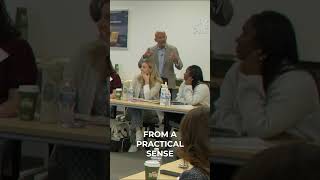
Steve Lowisz argues that leaders must build personal trust between individuals as the foundation for organizational trust; when people choose to pursue results (guided by trust) organizations show higher performance and less micromanagement. The talk focuses on practical leadership actions—guiding versus driving—to create environments where people want to achieve results rather than feeling obligated.
What's our obligation as leaders? What are we trying to do? So we're trying to create an environment where people don't feel obligated necessarily, or forced into results, but choose to want to achieve those things that you just talked about. So the results, the speed, all that comes with it, you can see the difference in a high trust organization. In a low trust organization, you feel it. You see it from the micromanagement to all the other stuff that you just actually talked about. How do we put that into action? How do we actually create that level of trust? Obviously, that's the whole. The whole theme around guiding versus driving, which is underpinned. Right. It's the lifeblood of it is the trust thing. But from a practical sense, how do we as individuals create trust? You don't start with organizational trust. What do you start with? You and I have to trust each other if we work for the same company. And then if we pull her in, she has to trust us and we have to have some kind of relationship, and then we pull you in, and that has to happen. You can't just say, we got to have organizational trust. Trust is a personal thing before it becomes an organizational thing.